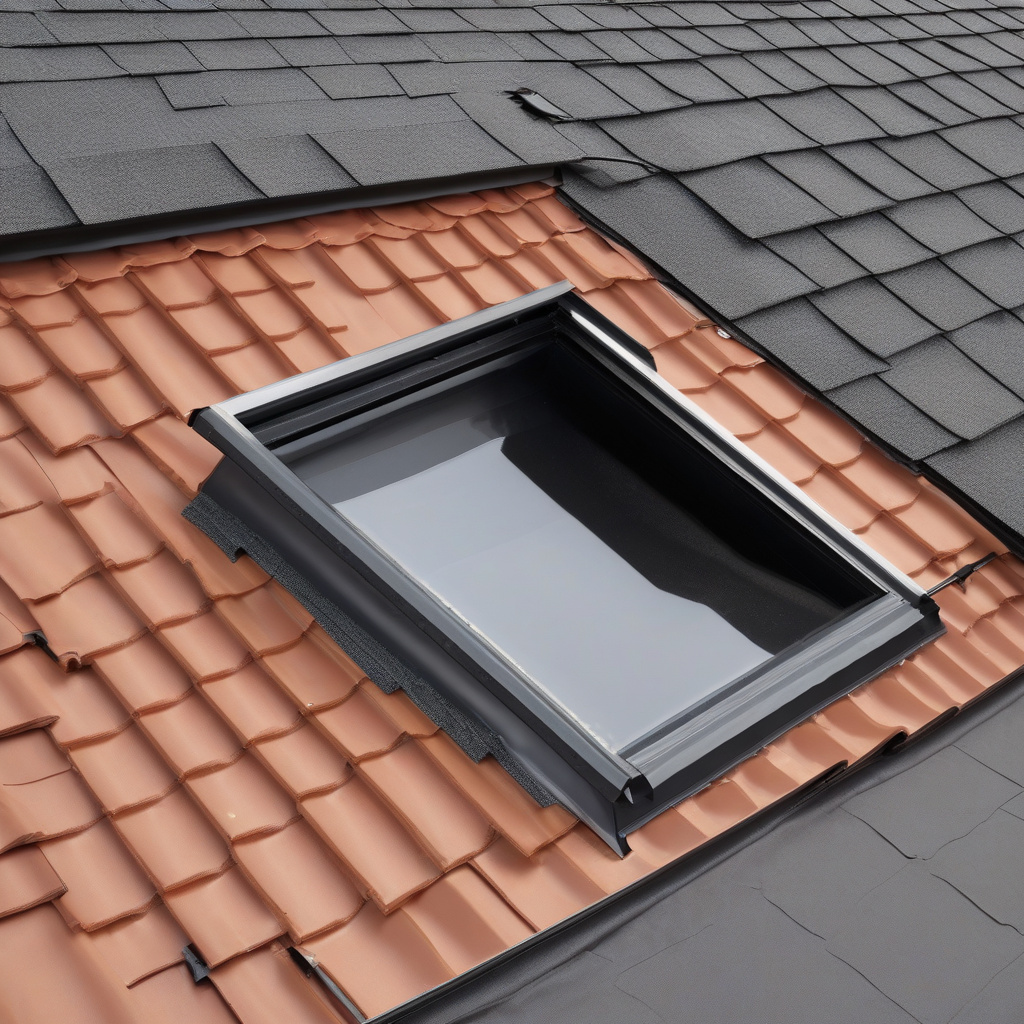
Skylights can be a dazzling addition to any home, transforming dim rooms into sunlit havens. But when it comes time for a roof replacement, particularly in the sun-splashed locales of Los Angeles and Southern California, homeowners face a pivotal decision: should those aging skylights be replaced simultaneously, or is it wiser to hit pause until visible issues arise? The balance between aesthetics, cost, and the potential for future headaches leans heavily on the side of immediate replacement, making the upgrade a strategic move when roofs are overhauled.
Brief summary: This article analyzes whether replacing skylights during a roof changeover is a sound decision. Highlighting benefits like leak prevention and warranty alignment against deferral costs, it uncovers why tackling this dual endeavor can be beneficial, particularly for homeowners in Southern California.
The Dual Promise of Light and Leakage Prevention
In a city where the sun reigns supreme, skylights are more than just architectural features; they are essential in bringing nature’s warmth indoors. However, these apertures can also invite unwelcome water when not maintained. The hazy seals of older skylights can warp over time, risking leaks that escalate into costly repairs. By choosing to replace skylights during a complete roof overhaul, homeowners can ensure a watertight fit that aligns both structurally and aesthetically with the new roofing materials.
Chris Bennett, a seasoned contractor from Santa Monica, remarks, “The roof and skylights work hand-in-hand like teammates. Putting in new skylights during a roof replacement maximizes compatibility.” His seasoned insight underscores that failing to synchronize these elements can lead to a cacophony of mismatched warranties and potential water damage.
Moreover, opting for new skylights isn’t a mere act of tradition or aesthetic. It’s a proactive push towards energy efficiency, a topic that’s gaining traction as many local homeowners notice a significant change in their indoor climate control. Advanced models offer superior insulation, reducing heating and cooling needs—an eco-friendly nod to both the environment and your utility bill.
Weighing these benefits against the costs of future labor and material mismatches, the scales heavily tip towards making the investment upfront to avoid any potential pitfalls later.
Cost and Living Disruption: Weighing the Options
Replacing a roof is no quiet affair. Noise, debris, and the presence of contractors around the clock can rattle those accustomed to serene home environments. Adding skylight replacement into the mix might seem like an invite to chaos. Yet, counterintuitively, it can streamline the chaos into a single, orchestrated event, minimizing overall disruption.
Financial considerations, naturally, steer this decision. While the upfront cost of adding skylight replacement to a roof renovation plan can stretch budgets, it may end up being cheaper than tackling the jobs separately. When accounted for the labor, mobilization, and contractor fees, a single comprehensive project becomes more economical.
Abigail Turner, a renovation enthusiast from Venice Beach, shares her experience: “We bit the bullet and did both, and the headache-less process and those bright Saturday mornings were worth every cent.” Abigail’s account reveals a critical truth: sometimes a singular, strategically timed overhaul saves more than just money—it preserves peace of mind.
Combining such tasks can harness economies of scale, turning what appears to be an extravagant choice into a fiscally prudent path. Ultimately, the potential savings and simplification of process balance out the perceived negatives.
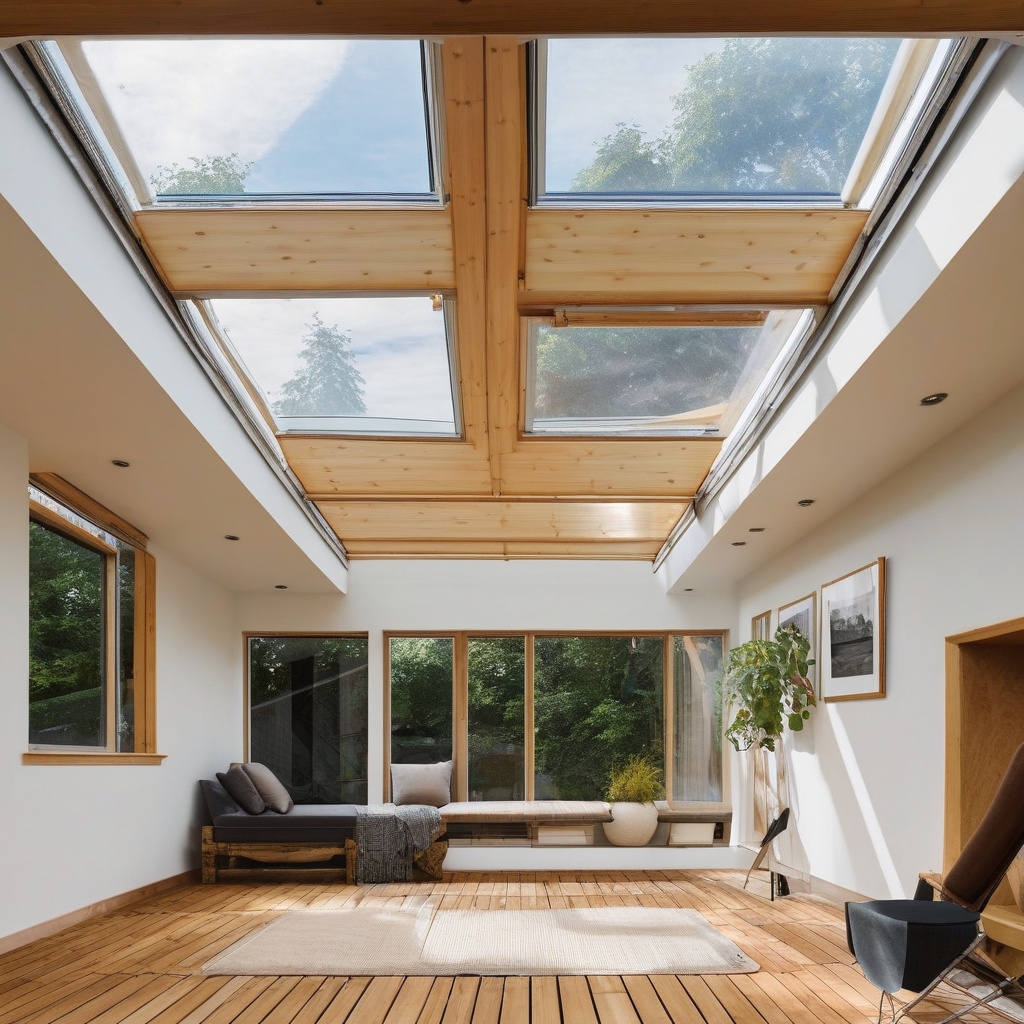
Advantages vs. Disadvantages: An Analytical Eye
Deciding whether to replace skylights alongside roof upgrades poses questions not merely of practicality, but of opportunity cost. Let’s delve into a comparison that juxtaposes immediate benefits against the temptations of postponement.
| Advantages | Disadvantages |
|---|---|
| Seamless visual and functional integration | Higher initial cost |
| Reduced future maintenance | Extended construction timeline |
| Aligned, longer warranties | Increased immediate disruption |
Industry expert and contractor Robert Field points out, “When you consider the lifespan of a roof versus that of a skylight, syncing their replacement minimizes long-term complications.” Field’s professional outlook emphasizes that tackling both concurrently represents a harmony of calm and cost delivered with one orchestrated action.
In conclusion, weighing these considerations jointly reveals a net-positive case for integrated replacement, aligning costs against enduring value.
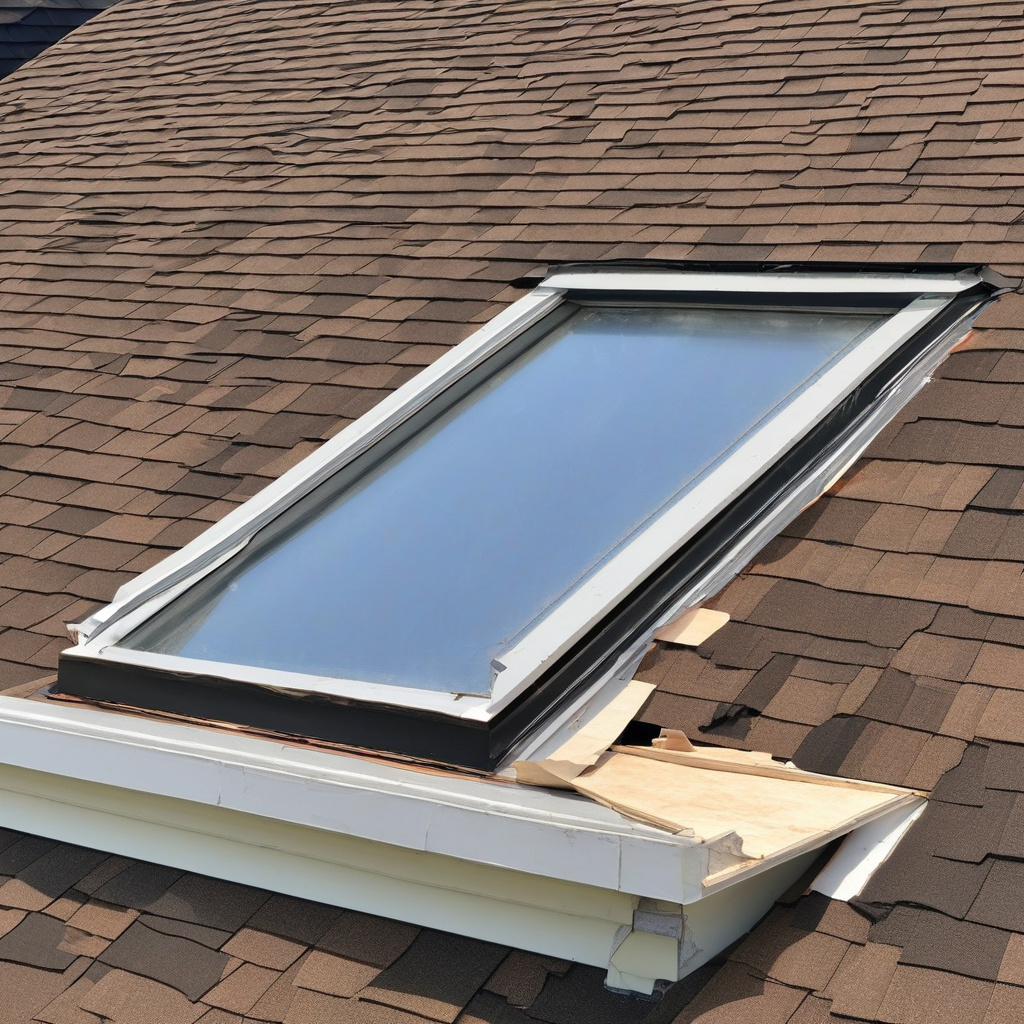
How-To: A Step Approach to Skylight Replacement
Opting to replace skylights along with an existing roof isn’t an overnight decision. The process requires keen planning and a step-by-step approach to ensure the enhancement not only survives but also thrives through time and weather.
Understanding Compatibility
The first step involves assessing the current state of skylights—a critical task often overlooked. Engage with professionals who can educate on the compatibility of new skylight systems with slated roofing materials.
Budgeting and Planning
Mapping out a comprehensive budget follows closely, referencing costs in both the short- and long-term plans. Balancing material choice with labor estimates allows for better management of finances without compromising quality.
Contractor Selection
Choosing the right contractor is crucial, as roofing expertise needs to go hand-in-hand with specialization in skylight installations. Seeking advice and checking spoken recommendations ensures quality and reliability.
This structured approach guarantees an alignment between the homeowner’s vision and the operational execution, paving the way for a successful and hassle-free renovation experience.
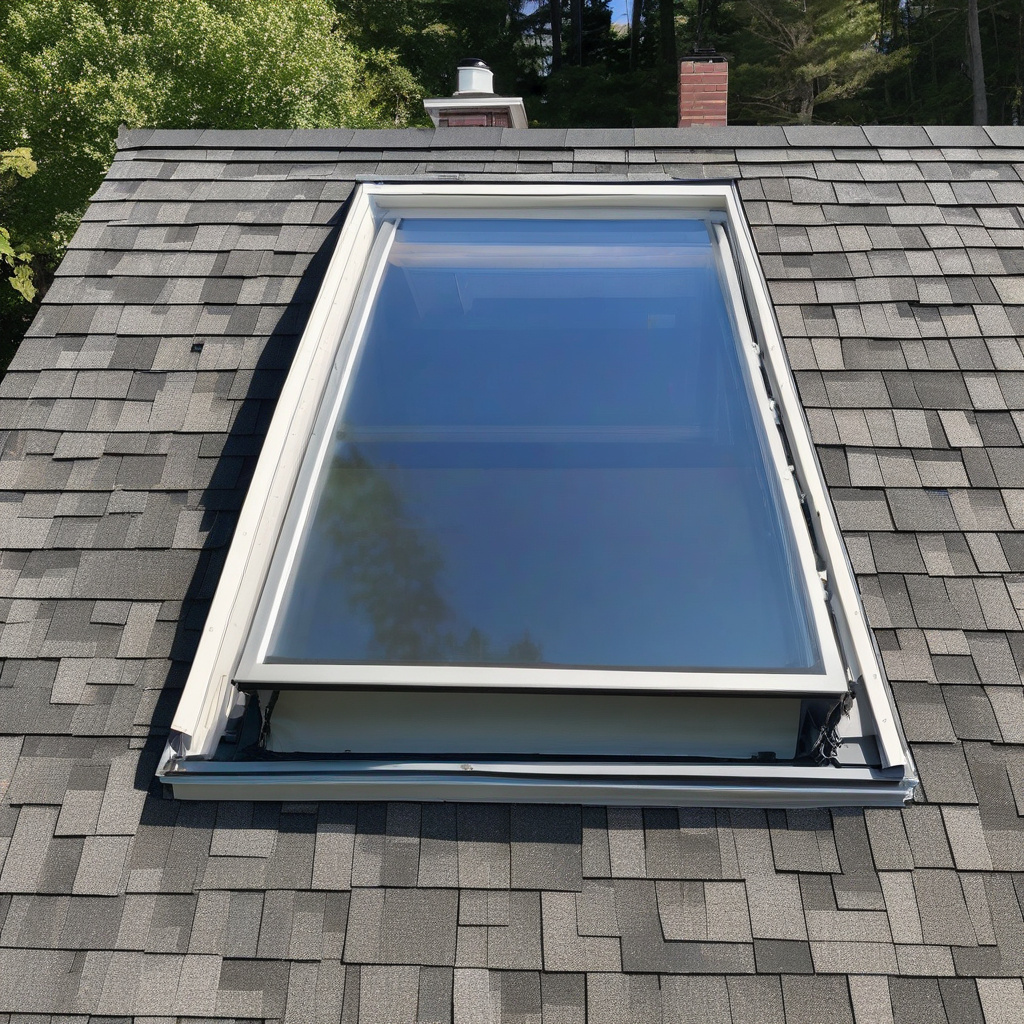
Material Considerations: Because Details Matter
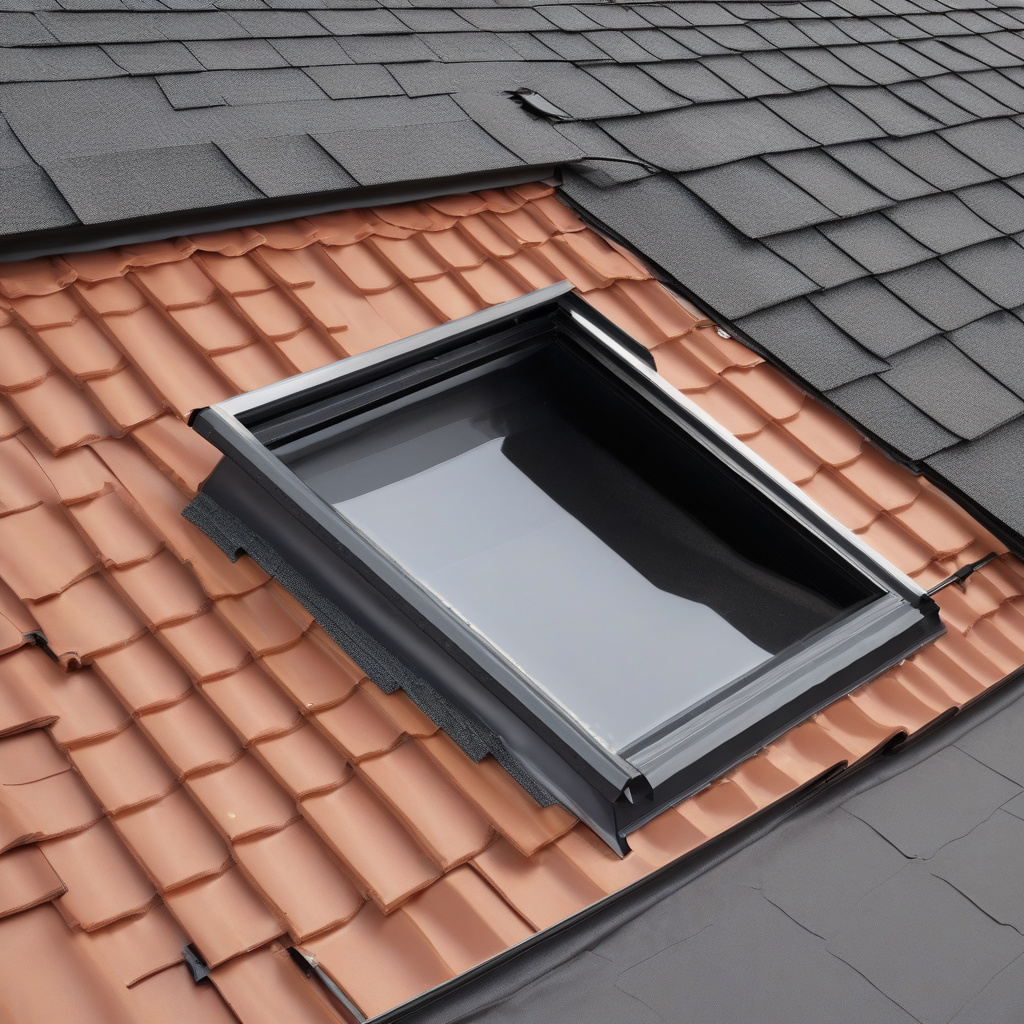
Beyond the trials of initial decision-making lie the intricacies of material selection. Choices in skylight construction vary from acrylic to glass, each presenting unique benefits and matching specific architectural styles.
For instance, choosing acrylic skylights might reduce weight on roofs historically burdened by heavy tiles, while tempered glass can offer an unrivaled clarity, welcoming pure, unfiltered sunlight.
Discussions around weather resistance—essential in Los Angeles’ contrasting microclimates—must take the forefront of any conversation. Homeowners must also pay heed to the unseen costs that come with inferior decisions. Efficiently-applied flashing can often make a world of difference, safeguarding against future leaks.
According to the National Roofing Contractors Association, integrating advanced flashing techniques can decrease skylight leaks by nearly 40%.
Consulting with an expert familiar with regional weather patterns will afford insight into these materials, aiding a robust dialog between budgetary constraints and quality aspirations.
Ensuring that skylight materials and installation techniques are appropriately vetted provides a springboard to avoid mishaps that can sabotage the most thoughtful of renovations.
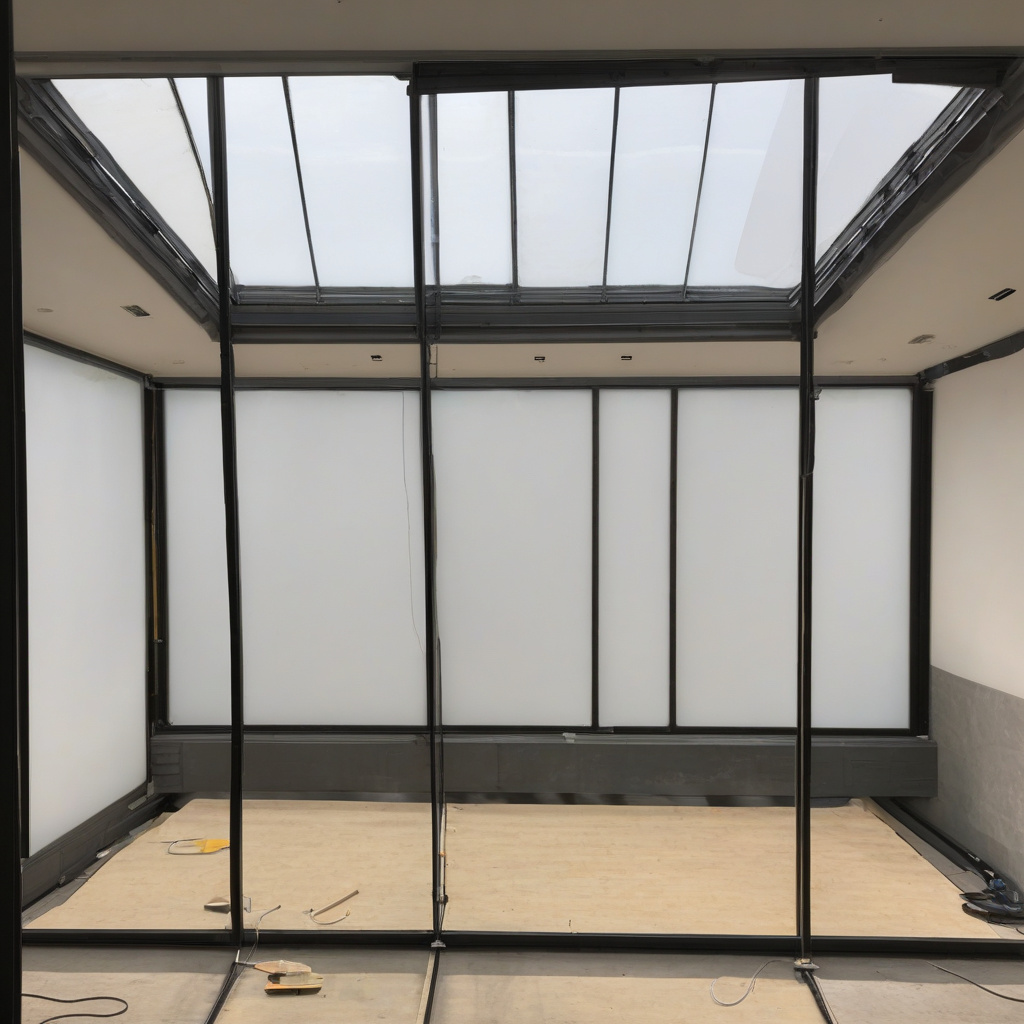
Reading more on coverage and technical aspects is an advisable strategy to mitigate any potential installation hazards inherent to such tailored choices.
The Aftermath: Caretaking Your Investment
Finally, like an artist admiring their canvas, the installation of new skylights requires dedicated maintenance to ensure their enduring function. Homeowners can rest easy once understanding the care involved in preserving these radiant and reflective portals to the sky.
Regular upkeep acts as the guardian of this investment, further elongating their lifespan beyond typical expectations. Frequent inspections for seal integrity and glass cleanliness should transition from option to necessity to avoid costly interventions down the line.
Those homeowners engaging with streamlining efforts on their construction sites often find clarity within the chaos, quick to remember the crucial consideration towards ongoing maintenance in Los Angeles. Doing so prolongs the shelf-life of their picturesque view.
A survey revealed that coordinated maintenance efforts helped 88% of participants reduce skylight-related repair costs over a decade.
Ultimately, a well-managed home requires vigilance—not just in initial selections, but in devotion to its nurturing amidst the swirling relationship between architecture and nature.
Conclusion: The Strategic Decision
Homeownership, especially within the distinctive blend of aesthetics in Los Angeles, demands poised and prudent decision-making. Skylight replacements during roof refurbishments offer such an opportunity: a crossroads between tangible enhancements and a more seamless future.
While the endeavor holds its share of risks and uncertainties, the promise of natural light, leak-free living, and cooperative warranties yield a compelling case towards definitive renovation choices.
By navigating these challenges with care, and working alongside knowledgeable professionals, homeowners safeguard their investments, reaping both financial and emotional rewards with each passing day and glistening sunbeam.
Industry analysts highlight that integrated enhancement projects boost home value by approximately 5% more effectively than staggered improvements.
- Replacing skylights during roof replacement can prevent future leaks.
- Aligning warranties during both upgrades can ease maintenance concerns.
- Capitalizing on labor efficiencies reduces overall renovation stress.
- Material selection and craftsmanship play key roles in project success.
- Routine care and inspections promote longevity and value.
“`html
FAQ
Is replacing skylights during a roof replacement project advisable?
In real renovation projects, it often becomes apparent that replacing skylights during a roof replacement is beneficial. Doing both simultaneously helps avoid future leaks and aligns with warranty requirements. Many experts note that taking care of both elements at once means you won’t have to dismantle the roof later to fix or upgrade skylights, saving both time and stress. Homeowners sometimes overlook the need for such alignment until small leaks or warranty issues emerge, so addressing them together is a proactive step.
How do I determine if my skylights need replacing?
In typical Californian homes, determining if skylights require replacement involves looking for visible signs of wear, such as cracks, condensation between glass layers, or leaks during rain. Aging skylight seals are a particular culprit in older houses. Neglecting small problems can lead to larger issues like water damage to interiors, which emphasizes the importance of assessing their condition before a roof replacement. If you notice any of these signs, it’s wise to incorporate skylight replacement into your roofing project plan. For detailed guidance on how to assess your specific situation, you can get more personalized advice here.
What are the cost implications of replacing skylights during a roof replacement?
Homeowners frequently underestimate the cost efficiency of replacing skylights during a roof overhaul. While upfront costs might appear steep—factoring in both materials and labor—integrating new skylights at this juncture can save future expenses. You dodge the need for later roof adjustments or repairs, which often incurs additional labor charges and can disrupt the integrity of a newly installed roof. Cost considerations should account not only for immediate expenses but the long-term savings offered by simultaneous replacement.
What risks are involved if skylights are not replaced during a roof project?
Neglecting skylight replacement when tackling a roof renovation can lead to numerous issues. Often, older skylights become points of water infiltration, exacerbated by roof and flashing incompatibilities. Not updating them means risking recurring leaks, which might require awkward and costly repairs down the line. In addition, it could void warranties if water damage is linked back to these untreated spots. This gamble of deferring attention to old skylights can be an expensive oversight.
What are the typical mistakes homeowners make regarding skylights during roof work?
A common pitfall is underestimating the structural impact of failing skylights. Homeowners might assume that their current skylights are adequate if they’re not leaking actively. However, poor seals or impending glazing issues can lead to unexpected problems when new roofing settles, oftentimes creating a weak link. Another mistake is choosing low-quality replacements to save money, not considering the long-term durability required to withstand harsh weather, particularly in regions like California where climate extremes are common.
How do warranties affect the decision to replace skylights during roof replacement?
Warranties are often tied to the condition of the entire roof system, including skylights. A new roof might come with extensive guarantees, but failing to include skylights could lead to voided warranties if damage stems from these older installations. Thus, achieving warranty alignment is a crucial incentive for replacing skylights simultaneously, ensuring all components are covered under a unified protection plan. This peace of mind significantly offsets the initial cost and can be a strong argument for including skylights in your project.
What advantages do new skylights offer over existing older ones?
Upgrading to new skylights during a roof project unlocks several advantages beyond leak prevention. Modern skylights come equipped with enhanced energy efficiency, UV protection, and better insulation, crucial for California’s varied climates. They might also incorporate ventilation features, improving indoor air quality. Aesthetic improvements should not be underestimated either, as modern designs can brighten and modernize the overall look of a home. While costs for high-quality skylights might seem higher initially, the reduction in energy bills and maintenance justify the investment over time.
Are there any cons to replacing skylights with a roof project?
Despite the benefits, some drawbacks exist when undertaking both replacements. Cost is an immediate concern, as the simultaneous installation requires a more substantial upfront investment. The logistics can also complicate the project timeline, necessitating coordination between roofers and skylight specialists. Additionally, if multiple projects stretch resources thin, the attention to detail on either the roof or skylights might suffer. Mitigating these risks involves careful planning and choosing contractors with proven track records. Engaging with experienced professionals ensures quality doesn’t wane due to simultaneous upgrades.
“`