Converting a basement into an Accessory Dwelling Unit (ADU) in Los Angeles can feel like a maze wrapped in red tape. Between the city’s dense population and its labyrinthine zoning rules, homeowners curious about turning a subterranean hideaway into a fully functional living space face an uphill battle. The dream is tantalizing: additional income, an expanded living area, and a boosted property value. But is it legal? Let’s delve into the heart of basement conversion legality in the City of Angels.
Brief summary: Converting basements into ADUs in Los Angeles involves navigating legal hurdles including ceiling height, egress access, and moisture control. Compliance with these regulations is crucial for homeowners seeking to enhance their property with a legal and livable ADU space that aligns with city ordinances.
The Allure of ADUs: Legal Context and Opportunities
Accessory Dwelling Units have surged in popularity across Los Angeles, offering a potential relief valve for the city’s housing crisis. The appeal lies in their versatility—they can serve as rental units, family guest houses, or home offices. Yet, transforming a basement into such a unit requires more than just a vision and budget; it demands adherence to stringent legal requirements.
Los Angeles has embraced ADUs, but the city’s stipulations are as diverse as its inhabitants. According to Los Angeles Department of Building and Safety (LADBS) regulations, these units must comply with specific codes, particularly when it comes to basement conversions. Rules on ceiling height, moisture barriers, and egress windows are just the tip of the regulatory iceberg.
The legal intricacies begin with the ceiling height. Ideally, a basement should offer at least a ceiling height of 7 feet 6 inches to be used as a livable space. This excludes countless basements across Los Angeles, where the architectural whimsy of earlier decades didn’t prioritize headroom. However, there are still potential workarounds for those determined to create new dwellings beneath their homes. One can explore floor excavation or ceiling modification, though such modifications often come with hefty costs and logistical challenges.
For homeowners keen on legal conversions, the variability of regulations between California cities can be challenging. Enlisting experts familiar with local legislation is often vital. Understanding the regional ADU development backdrop in California provides valuable insight into potential benefits and pitfalls.
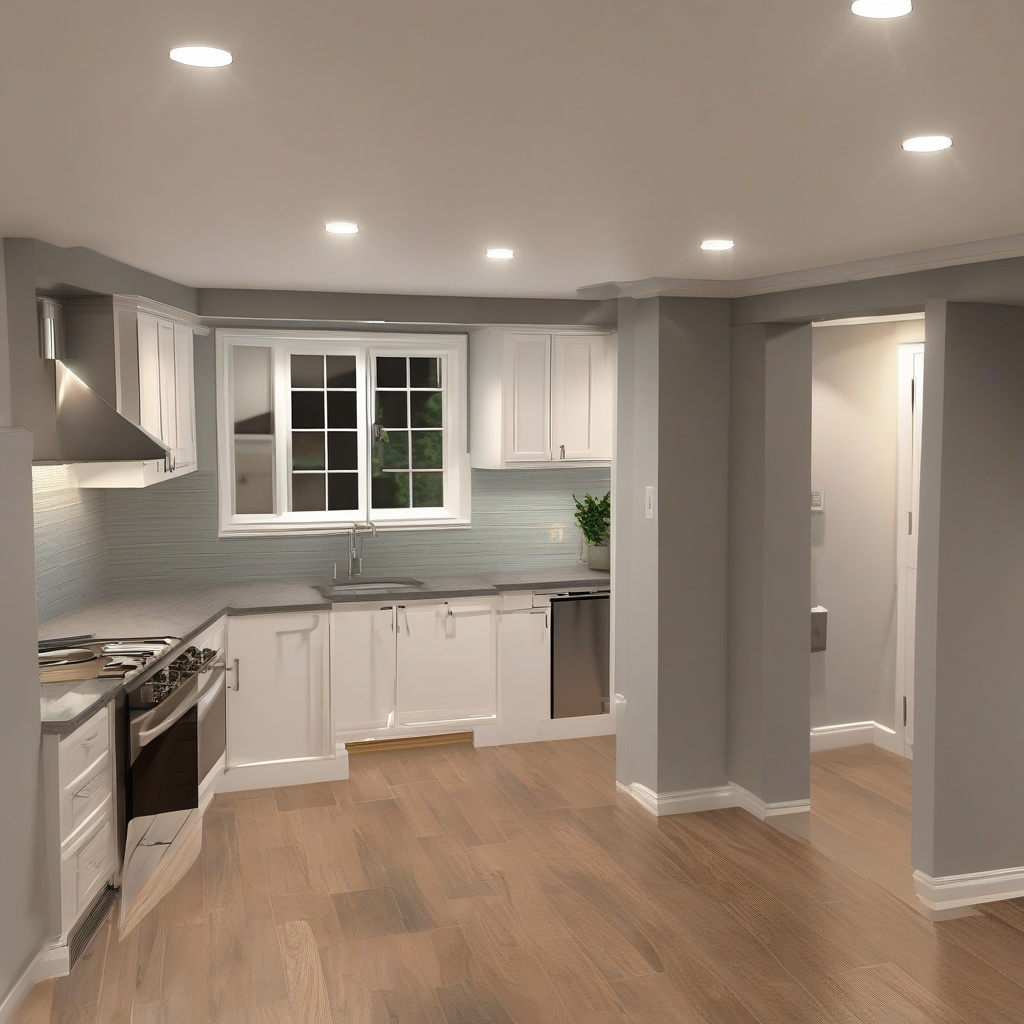
Architectural Challenges: Navigating Physical Barriers
The physical constraints of basement ADU conversions are as formidable as the legal ones. Many homeowners find that retrofitting older basements requires significant structural alterations. Starting with egress—an essential element for safety—ensuring an easily accessible escape route during emergencies is non-negotiable.
Basement windows must not only meet size requirements but must also be in usable situations. The strategic repurposing of space to allow for this kind of practical access requires both creative and foundational changes. When considering the addition of an egress window, structural examinations reveal what changes, if any, are feasible without compromising the building integrity.
Furthermore, moisture control is crucial. Basements are naturally prone to dampness, which can lead to mold and structural damage if not properly managed. Effective drainage systems, waterproofing, and moisture barriers are therefore indispensable. Incorporating these can significantly increase renovation costs, but ignoring them is risky, tantamount to building on quicksand.
Successfully tackling these issues often involves consultation with or hiring professionals. Knowledgeable contractors and architects can provide critical insights and practical solutions to help bridge the gap between dream and reality. Doing so not only identifies viable pathways but can solidify plans for those eyes focused on a valuable return on investment.
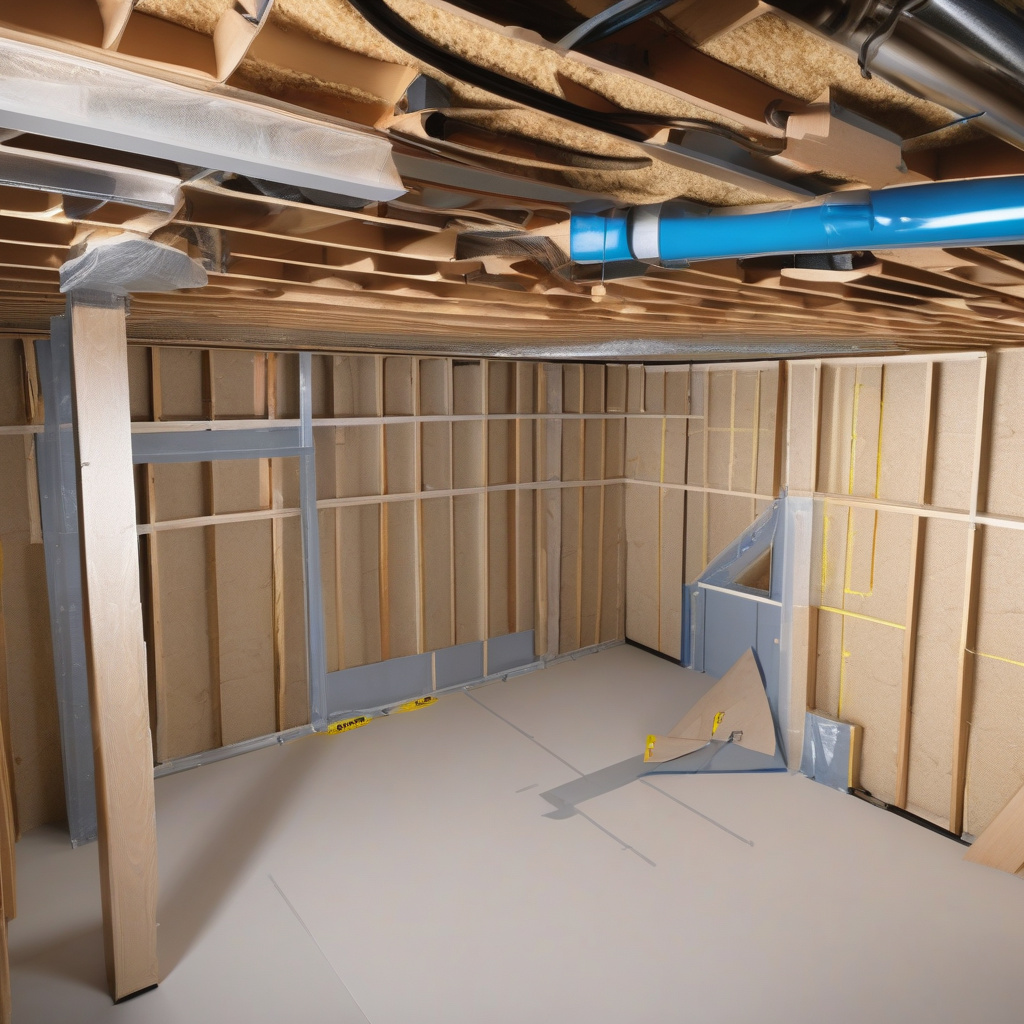
Pros and Cons: Evaluating the Options
Venturing into basement conversions offers a mixed bag of potential rewards and cumbersome challenges. Homeowners must weigh these pros and cons carefully before embarking on such a renovation journey. The allure of an inexhaustible potential for custom configurations comes with stark realities of regulatory compliance and financial outlay.
Weighing Costs and Benefits
Conversion offers the potential for significant rental income, potentially ballooning property value. For some, it’s an opportunity to dwell in a neighborhood that would otherwise be out of financial reach. However, entering this realm can require a significant cash injection, often ranging from moderate to high five figures.
On the downside, the complexities of converting below-ground spaces can prove daunting. The process is typically time-consuming and often reveals hidden concerns that were lost in historical construction practices. Therefore, a sober analysis of available budget versus potential earnings can act as a decision anchor.
A survey by the American Society of Home Inspectors noted that moisture control difficulties in basements are cited as a significant deterrent for potential ADU projects by 58% of renovation experts.
Still, for those with the resources and tenacity, these ventures can enrich lifestyles and elevate property values. The trade-offs require careful consideration, balancing immediate costs against long-term gains to ultimately decide the best course of action.
Steps to a Successful Conversion: Planning Matters
For those determined to proceed, successful basement-to-ADU conversions hinge on thorough planning and meticulous execution. First and foremost, gaining a comprehensive understanding of local ordinances and potential hurdles is quintessential. Without this, projects risk delay and potential legal repercussions.
Key Steps to Consider
- Conduct a structural assessment to gauge existing conditions and potential redesigns.
- Develop detailed architectural plans that meet both personal vision and legal standards.
- Secure permits and deal with any regulatory red tape to align with local zoning and housing laws.
- Choose seasoned contractors who understand the specifics of basement conversions and the legal landscape.
- Implement robust waterproofing measures to ensure long-lasting and secure use of the newly converted space.
Implementing these steps with diligence increases the odds of success and lawful adherence. Each stage presents its own set of challenges but is critical to aligning personal aspirations with practical constraints.
“The complexities of basement ADU conversions in Los Angeles highlight the need for informed planning and experienced partners,” explains industry expert Jane Doe of Residential Remodeling Standards.
With deliberate guidance, projects can transition smoothly from planning to execution, delivering the intended homeowner satisfaction with results that resonate well beyond completion.
Exploring Costs: A Financial Perspective
When it comes to remodeling costs, budget planning becomes the bedrock of any successful project. Basements are unique environments that merit thoughtful financial planning. Typical conversion costs can range widely depending on size, existing conditions, and design complexity.
Understanding Price Breakdown
| Aspect | Average Cost | Considerations |
|---|---|---|
| Structural Modifications | $5,000 – $20,000 | Includes foundation and ceiling modifications |
| Moisture Control Systems | $3,000 – $15,000 | Crucial to prevent future water-related issues |
| Interior Finishing | $10,000 – $40,000 | Costs vary based on quality and materials |
A meticulous budget breakdown provides clarity and ensures resources are used effectively. Knowing the distribution of funds aids in prioritizing elements key to creating a successful ADU space.
Moreover, as homeowners consider utilizing the space for rental endeavors, understanding associated financial and safety risks can further inform this costly, albeit rewarding, venture.
A Californian state report highlights that developing an ADU can increase property value by up to 30%, making well-planned investments strategically sound.
Steps Forward: Safety Considerations and Conclusion
Embarking on a basement conversion journey concludes not merely with new space but with the responsibility that comes with usable, livable areas. Adhering to rigorous safety standards ensures these renovations stand the test of time. With safety being top of mind, mandatory regulations such as fire safety compliance cannot be overstated.
Flouting safety protocols is not an option; incorporating necessary systems from smoke detectors to proper exits ensures occupant welfare and legal compliance. Homeowners can explore these guidelines through industry and practical safety resources, providing a roadmap for further measures and peace of mind.
The evolution of basement conversions into fully functioning ADUs will continue to evolve in Los Angeles. As trends rise in a city that never sleeps, informed decision-making coupled with a clear understanding of regulations will be the cornerstone of any successful remodel. Ultimately, for those ready to embark, the completion of an ADU translates to an intriguing blend of creativity, compliance, and personal satisfaction.
- Los Angeles basements can become legal ADUs, but they must meet specific local codes.
- Key considerations include structure, moisture control, and sufficient egress.
- Understanding costs and returns helps in aligning investments with expected gains.
- Proper planning, including safety measures, is crucial for a successful conversion.
- Basement ADUs enhance property value while addressing housing shortages.
“`html
FAQ
Is converting a basement into an ADU in Los Angeles legal?
In Los Angeles, converting a basement into an Accessory Dwelling Unit (ADU) is indeed legal, provided the project complies with local building codes and regulations. The concept of ADUs has gained traction due to housing shortages and offers a viable way to expand living space without extensive new construction. However, requirements such as minimum ceiling heights, egress windows, and proper ventilation are critical. City inspectors often focus on these areas, emphasizing safety and habitability. One common mistake homeowners make is underestimating the complexity of meeting these building codes, thinking a simple renovation will suffice. It’s advisable to work with a licensed contractor familiar with ADU regulations to navigate the permitting process smoothly.
What are the ceiling height requirements for a basement ADU in Los Angeles?
The ceiling height requirement for a basement ADU in Los Angeles is typically 7 feet 6 inches. This rule exists to ensure that spaces remain livable and don’t feel cramped, which can be a common issue in older homes. Ceiling height often becomes an obstacle during conversions, especially in homes built decades ago when standards differed. Contractors usually take precise measurements and sometimes lower the basement floor or adjust ductwork to meet this regulation. Ignoring ceiling height requirements is a mistake that can lead to costly code violations. For a successful conversion, consider how your design will accommodate this requirement right from the planning phase.
Why is egress access important in basement ADUs?
Egress access, such as windows or doors allowing escape in case of emergency, is essential for safety and compliance in basement ADUs. In real renovation situations, this aspect is often a priority for building inspectors. Egress points ensure occupants can exit safely during a fire or emergency, making them a non-negotiable element in designs. Homeowners sometimes overlook the space necessary for these features or try to substitute with inadequate solutions. Effective egress access isn’t just about meeting code—it’s about ensuring peace of mind. Consider window wells or wide doors as viable options to fulfill this necessity while maintaining appeal.
How can moisture control be achieved in a basement ADU conversion?
Moisture control is crucial during basement ADU conversions to prevent mold growth and structural damage. In practice, this often involves installing sump pumps, waterproofing walls, and ensuring proper drainage around the foundation. Many experts recommend using vapor barriers or dehumidifiers as preemptive measures. Ignoring moisture control can cost homeowners significantly, both financially and in terms of health. Proactive measures should be a top priority, particularly in areas with known moisture issues. Consultation with professionals who can assess potential risks based on property history and local climate goes a long way in addressing these concerns early.
What is the typical cost of converting a basement into an ADU in Los Angeles?
Converting a basement into an ADU in Los Angeles can range from $80,000 to $150,000, depending on the home’s age, size, and existing conditions. Costs often spiral due to unforeseen issues like foundational weaknesses or necessary code compliance upgrades. In real-life scenarios, budgeting for contingencies, considering 15-20% additional costs, can prevent financial strain. Many experts point out that obtaining multiple estimates from reputable contractors ensures a more accurate financial picture. Successful projects often reveal that careful planning and transparent communication can reduce unexpected expenses. Detailed quotes considering material costs and specific design choices are invaluable in managing expectations.
What are the advantages and drawbacks of basement ADUs?
Basement ADUs offer financial benefits, including increased property value and rental income potential. They provide a solution to housing shortages, gainfully utilizing existing space. However, drawbacks include significant initial investment and ongoing maintenance, especially in moisture-prone areas. Homeowners frequently underestimate the complexity of conversions, from electrical configurations to adding plumbing. Both opportunity and challenge coexist in basement conversions. Proactive homeowners often leverage tax deductions linked to home improvements, which can offset some of the costs. Understanding these dynamics helps in making informed decisions regarding the feasibility and long-term benefits of such projects.
What common mistakes should be avoided in basement ADU conversions?
Common mistakes in basement ADU conversions include inadequate planning for ventilation, neglecting soundproofing, and failing to consider fire safety requirements. Homeowners often dive into projects with a focus on aesthetics, missing critical functional elements. In projects I’ve observed, not all mistakes are financial—choosing incorrect materials for insulation or overlooking sound barriers can affect comfort and livability. Engaging with professionals early ensures oversight of such aspects. Utilizing resources available through local experts, such as reaching out to a skilled renovation consultant in your area, can help avert these pitfalls. It’s about blending creativity with compliance for a successful outcome.
When does converting a basement into an ADU make sense?
Converting a basement into an ADU is particularly sensible in areas with high property values or rental demand, like Los Angeles. Homeowners looking to accommodate multigenerational living or seeking supplemental income see immediate benefits. An opportunity arises when the existing basement structure is sound, minimizing construction costs. Innovations in design allow for creative uses of space, making it an appealing option for dynamic family needs or as a lucrative rental offering. Yet, the decision should be informed by a holistic view of property goals and available resources. Consulting experts through personalized discussions, such as by getting in touch with local renovation specialists, can provide clarity and tailored strategies based on specific homeowner circumstances.
“`