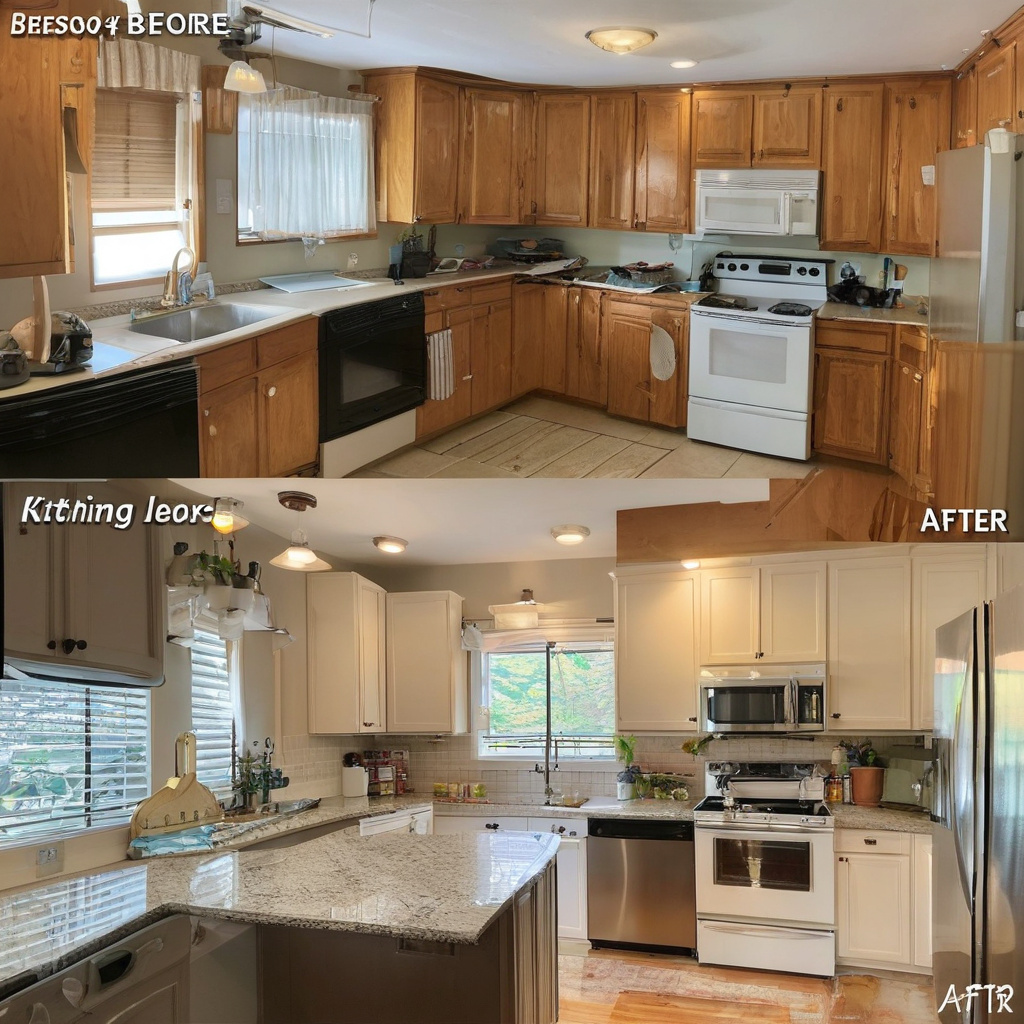
Homeowners in Los Angeles face a vibrant and sometimes dizzying array of choices when it comes to remodeling their kitchens. As anyone who has grappled with the decision knows, it’s not just about aesthetics; it’s about return on investment (ROI). In a city where property prices soar and expectations run high, understanding what kitchen upgrades yield the best resale benefits is crucial.
Brief summary: This article explores the factors that influence kitchen remodel ROI for homeowners in Los Angeles, including material choice, layout efficiency, and neighborhood standards. It also delves into the renovation trends, costs, and practical strategies that boost resale value.
The Importance of Material Selection
In Los Angeles, the materials you choose for your kitchen remodel can significantly influence ROI. Opting for high-end finishes such as granite countertops or custom cabinetry might raise the stakes in competitive neighborhoods. However, for anyone pondering a kitchen makeover, understanding the balance between quality and cost is vital.
A typical LA remodel could include materials ranging from budget-friendly laminates to opulent marble. But how do these choices affect your ROI? Materials that withstand the test of time not only add immediate value but can also preserve it through the years. For many, kitchen renovations represent a delicate balance between personal style and market trends.
Moreover, the resale value hinges on aligning with buyer expectations, which often lean towards sustainable options. Today’s buyers are increasingly eco-conscious and willing to pay a premium for green materials. Homeowners would do well to consider bamboo flooring or recycled steel countertops to align with this trend.
Ultimately, the right materials set the stage not just for immediate appeal but also for long-term resale potential, solidifying a home’s market position in an ever-evolving city. Balancing these elements, therefore, becomes a key aspect of strategic renovation planning.
“According to a recent industry survey, 80% of potential buyers in Los Angeles prioritize sustainability in home materials, impacting purchasing decisions significantly.” — Green Builders Survey, 2023
Layout Efficiency: The Heart of the Home
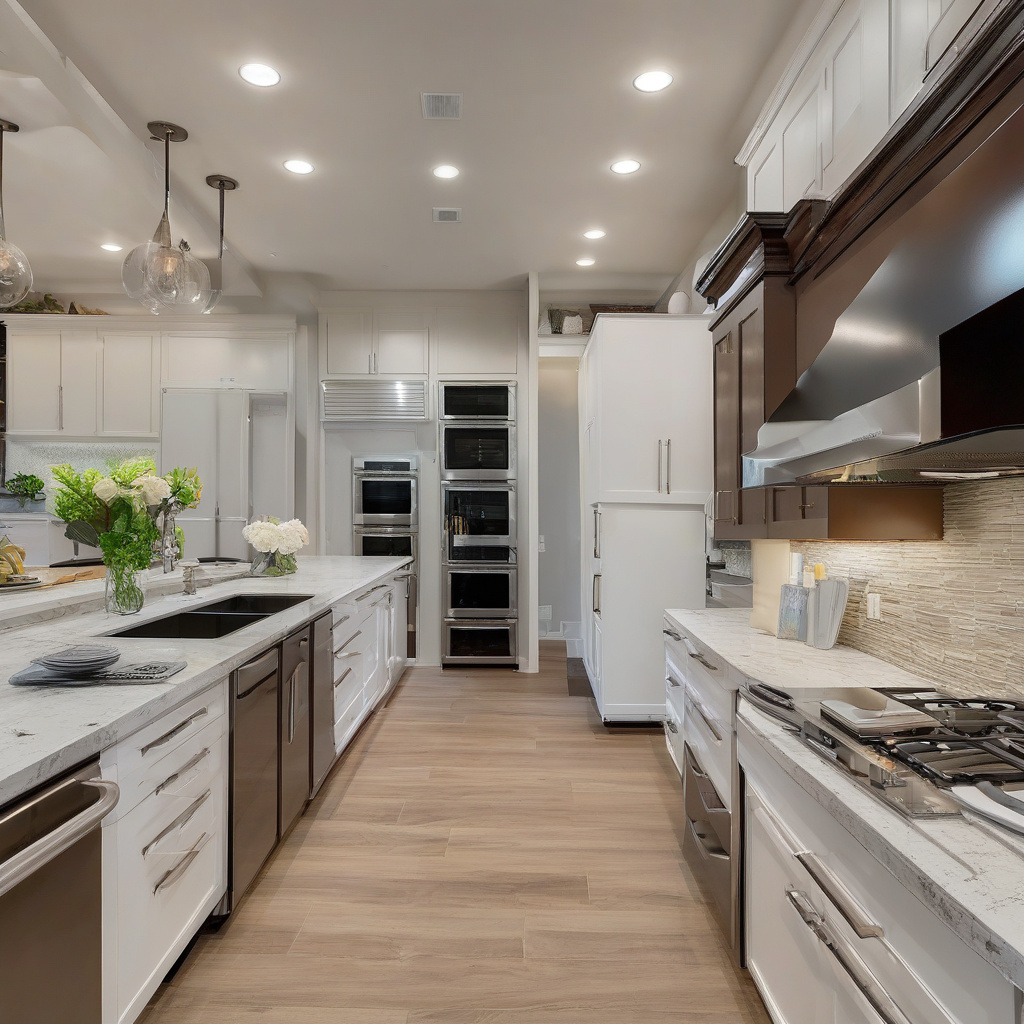
As famed architect and advocate of open spaces, Frank Lloyd Wright, famously insisted, the layout of a kitchen can speak volumes about a home’s design philosophy. In sunny Los Angeles, where kitchens often serve as central gathering spots for casual get-togethers, ease of movement and functional space are paramount.
Open-plan designs enhance connectivity, reflecting a lifestyle that resonates with many Angelenos. But here’s the rub: not all homes are naturally set up to accommodate such changes. Evaluating existing infrastructure can be crucial in deciding whether to go for an open-shelves concept or traditional cabinets. Both setups have their pros and cons, but the choice largely hinges on your home’s particular style and flow. For a deeper dive, consider exploring the pros and cons of open shelving versus cabinetry.
Many local remodeling experts suggest taking a pragmatic view. Understanding who your buyers might be and reflecting their needs in your layout increases the odds of a successful sale. The adage “know your market” rings especially true in the dynamic Los Angeles housing market.
Maximizing layout efficiency goes beyond aesthetics; it touches on broader living experiences traditonally cherished in Los Angeles. Ultimately, a well-planned layout can enhance not just resale value, but livability, creating lasting impact well beyond the immediate renovation effort.
“Eight out of ten real estate agents in California recommend an open-plan kitchen for homes priced above $1 million.” — California Realtor Insights Report, 2023
Understanding Neighborhood Expectations
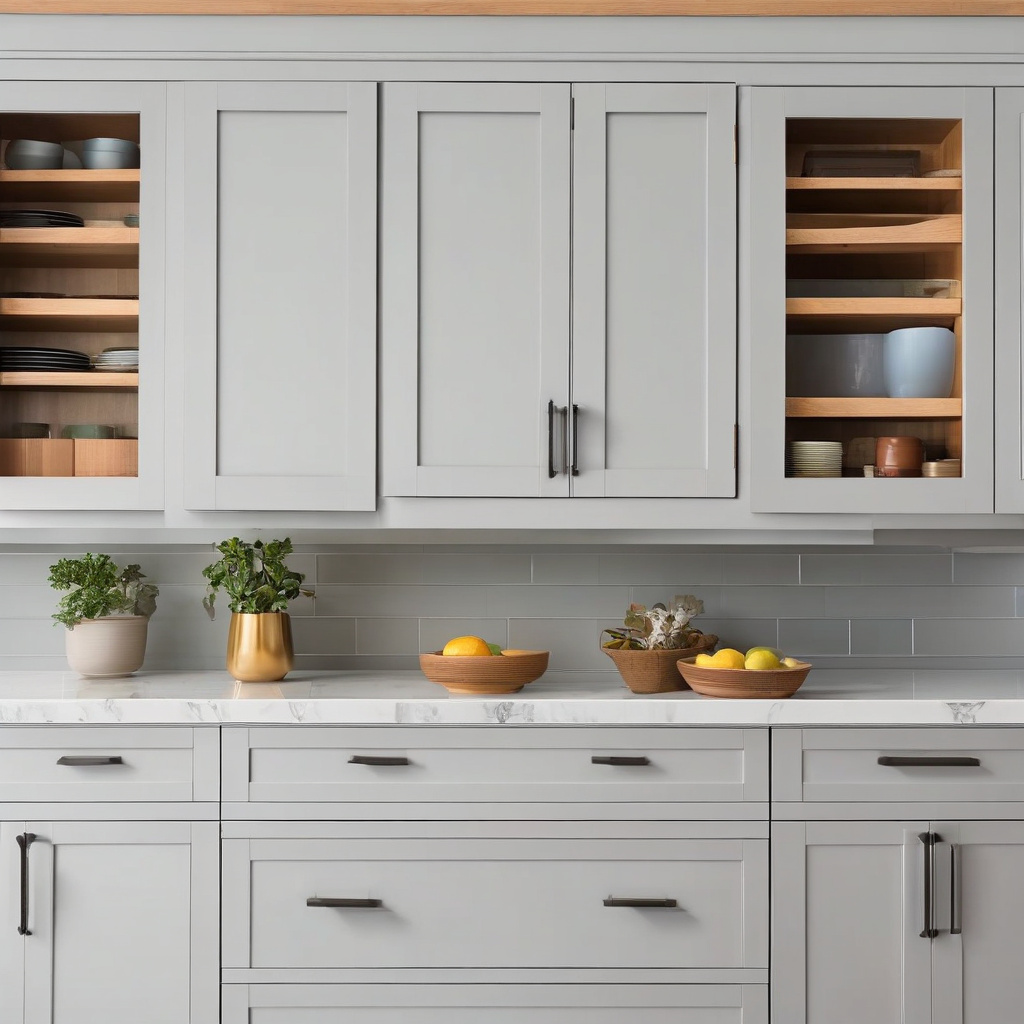
Neighborhood standards play a crucial role in determining remodel strategies. In upscale parts of Los Angeles, buyers might expect kitchens with gourmet setups, complete with commercial-grade appliances. In contrast, more modest locales might find value in simpler upgrades that enhance functionality without the need for opulent features.
Determining the right level of upgrades often requires a careful market analysis. Remodeling with overly high-end finishes in a mid-range neighborhood might not yield the expected ROI, while under-investing in affluent areas could deter potential buyers. Paying heed to the surrounding homes’ levels of sophistication is as much an art as it is a science.
One illustrative example is the neighborhood of Beverly Hills where high-end kitchen remodels are almost a given. Here, luxury is not an optional extra but a compulsory investment to align with market expectations. On the other hand, areas like Silver Lake might emphasize urban chic over sheer opulence.
Ultimately, any successful kitchen remodel in Los Angeles evaluates neighborhood standards, ensuring investments resonate with local realities. For homeowners, this translates to appreciative value returns and a stronger bargaining position at the time of sale.
“A comparative study found homes in Beverly Hills with high-end kitchen remodels sell 20% faster than those without.” — Luxury Market Analysis, 2023
Balancing Costs: Investment VS Returns
Caringly budgeted renovations can reap significant rewards at resale, but proceed cautiously. Los Angeles homeowners are wise to consider both cost and craftsmanship when embarking on their kitchen remodels. Get this right, and the financial rewards can be substantial; misfire, and one might just find themselves on the wrong side of the balance sheet.
To further illustrate, installing two-tone cabinetry—a hot trend—can be a cost-effective way to heighten aesthetic appeal. However, the effectiveness of such renovations depends on many variables, including existing architectural styles and buyer preferences. When contemplating this, check out guidance on integrating harmonious cabinet designs and their impact.
Smart homeowners should draft a comprehensive budget that factors in costs of materials and labor, alongside potential cost-overruns invariably encountered in remodeling processes. Seeking professional advice tailored to Los Angeles’ unique market can save headaches while maximizing gains.
A great kitchen isn’t just about beautiful finishes. It’s about crafting a room that’s both durable and beautiful while aligning with the fiscal goals of enhancing the property’s market value.
Risks VS Rewards: Weighing the Options
Advantages versus Disadvantages
Embarking on a kitchen remodel is an exercise in balancing potential rewards against inherent risks. The primary advantage lies in the ability to increase a property’s market appeal, potentially accelerating the sale and fetching a higher price. But risks abound, too.
One significant risk is over-customization. While tightly matched to one’s personal taste, extremely bespoke kitchens may alienate potential buyers seeking flexibility. Moreover, the cost factor—on average, kitchen remodels can run into tens of thousands of dollars—necessitates thoughtful contemplation.
A recent Los Angeles renovation noted that smart kitchens equipped with advanced technology witnessed faster resale times. However, homeowners should weigh these innovations against potential pitfalls, like technological obsolescence or system incompatibility.
In addressing the quintessential ‘is it worth it?’ question, the answer largely rests on meticulous planning and alignment with current and projected market trends. A judiciously executed remodel rewards not just in monetary terms but also in terms of enhanced living experiences.
Practical Planning for a Kitchen Upgrade
Getting Started: A Mini How-To Guide
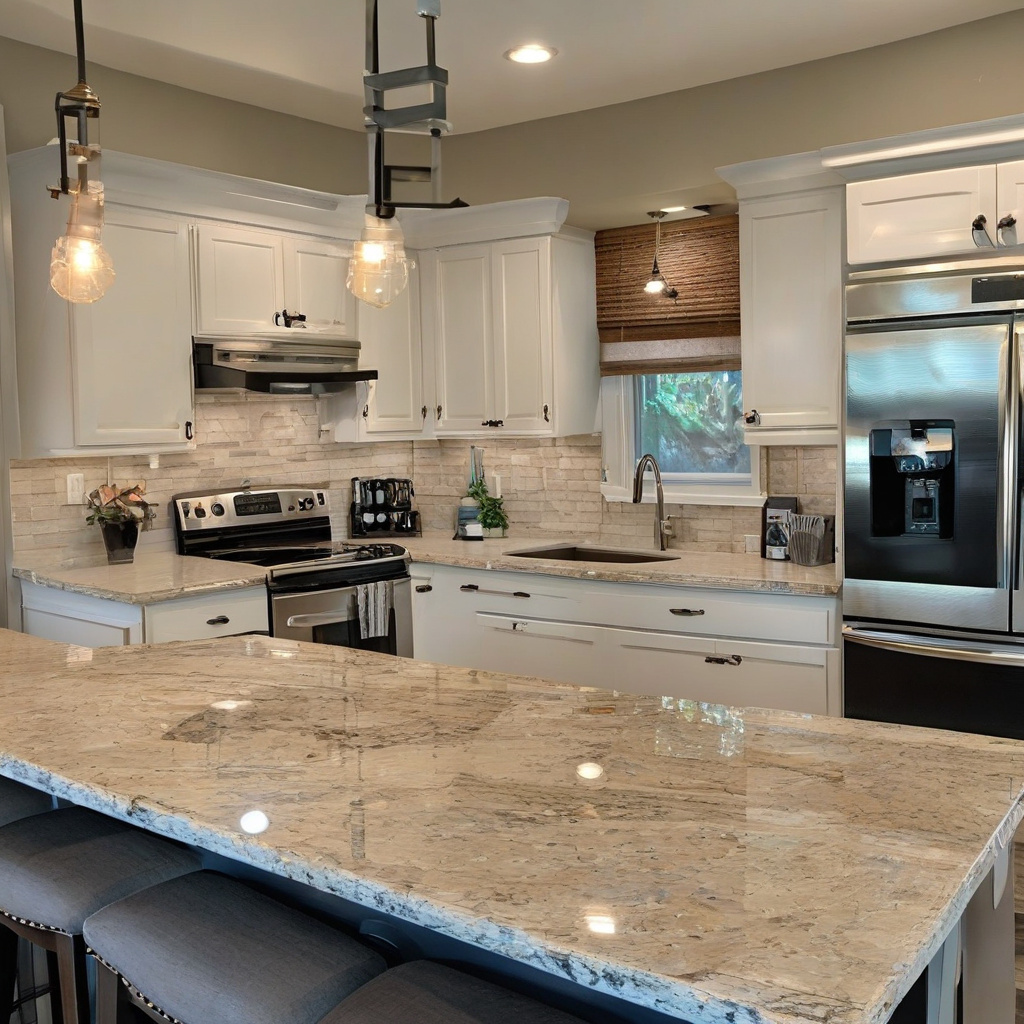
For those eager to kickstart their kitchen remodel, a structured approach simplifies the process. Begin with a comprehensive needs analysis—what do you want versus truly need? From there, design a ‘wish list’ equipped with ‘non-negotiables’ and flexible options.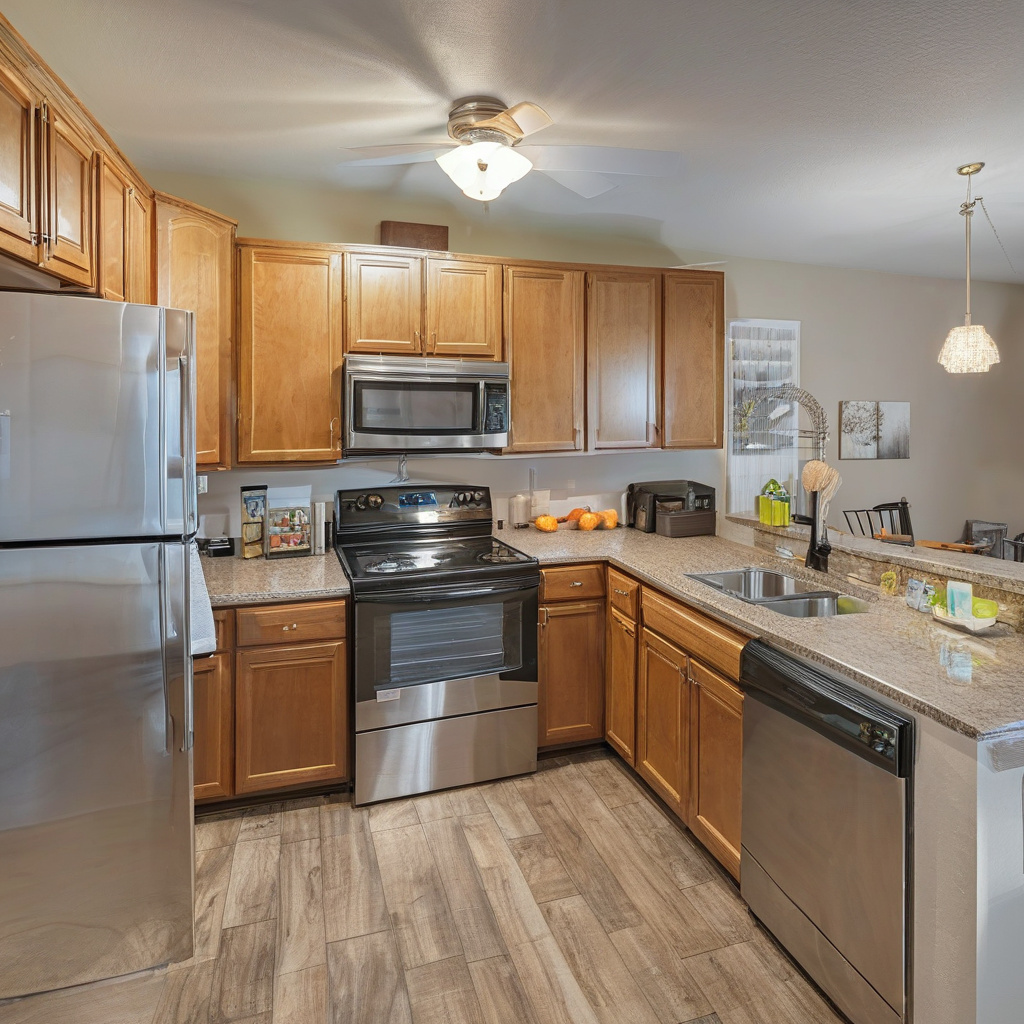
Sifting through contractors can prove daunting, but diligence often yields the best results. Aim for professionals with established credibility and familiarity with local architectural styles. Engage in thorough consultations and assess project timelines methodically.
Key considerations should involve insight into future trends—splashbacks, mixed-metal appliances, or integrated technologies—that could bolster resale values. For further inspiration on metals, consider this guide to blending metal finishes, which could inject a dynamic edge into your space.
Supporting your plan with detailed timelines and cost projections ensures no unforeseen surprises at project’s end. Successful planning translates not only into a seamless renovation experience but also primes your home for a profitable resell altered to suit the dynamic tastes of Los Angeles buyers.
| Aspect | Cost Range | ROI Potential | Timeline |
|---|---|---|---|
| High-End Finishes | $50,000 – $100,000 | 70% – 85% | 4-6 months |
| Mid-Range Upgrades | $20,000 – $50,000 | 60% – 75% | 2-4 months |
| Budget-Friendly | $10,000 – $20,000 | 50% – 60% | 1-3 months |
- Careful material selection can significantly influence kitchen remodel ROI in LA.
- Layout efficiency not only enhances livability but also boosts resale value.
- Neighborhood standards must be considered for strategic renovation planning.
- Balancing costs with potential returns ensures a successful remodel investment.
- Practical planning minimizes risks, maximizing the rewards of kitchen upgrades.
“`html
FAQ
What factors most influence kitchen remodel ROI in Los Angeles?
In real renovation projects, the return on investment (ROI) for a kitchen remodel in Los Angeles hinges on a few pivotal factors. Material selection is crucial; upscale finishes like quartz or granite often attract higher offers. Layout efficiency also plays a key role. Tight spaces that restrict movement can deter buyers, so optimizing for flow is essential. Neighborhood expectations shape ROI as well. For instance, a high-end remodel may not pay off in a mid-range area if it overshoots local standards. Many experts emphasize the importance of understanding these dynamics before embarking on a remodel.
How should homeowners choose materials for kitchen remodels?
In the context of home renovation, selecting the appropriate materials is crucial. Homeowners frequently underestimate the long-term value of resilient materials over fleeting trends. For example, in Los Angeles, where modern aesthetics are favored, stainless steel appliances and marble countertops remain popular. It’s important to balance aesthetic appeal with durability. Practical tips include consulting with local contractors who understand the regional climate, which can affect material performance. Ultimately, choose materials that combine style, durability, and local buyer expectations to optimize for future resale value.
When is the best time to undertake a kitchen remodel?
Timing a kitchen remodel can significantly impact both the project’s cost and its eventual ROI. In practice, contractors often suggest avoiding peak construction seasons. In Los Angeles, where many noise restrictions exist, navigating seasonal demand can mean the difference between fair rates and inflated pricing. Fall typically offers a sweet spot after the summer rush and before year-end holidays. This timing can also match real estate cycles, aligning pre-sale renovations with active buyer periods in spring. Strategic timing can prevent rushed decisions and help in planning precise endeavors.
What are the common mistakes to avoid during a kitchen remodel?
One frequent blunder in kitchen remodeling is ignoring functionality. Homeowners often get swept up by aesthetic trends, overlooking the practical elements like storage and counter space. In real homes, this can lead to cluttered, inconvenient working environments. Misjudging budgets is another mistake; unexpected expenses arise, from plumbing adjustments to custom cabinetry costs. To avoid such pitfalls, thorough planning with a realistic budget buffer is key. Many experts point out that researching contractors, vetting multiple quotes, and detailed material lists avert future headaches. This careful groundwork keeps the remodel on track and financially manageable.
What cost considerations should be taken into account for kitchen remodels in LA?
Cost considerations during a kitchen remodel in Los Angeles extend beyond immediate material and labor expenses. Hidden costs like permits, potential structural adjustments, and utility upgrades can add up. For instance, changing the layout might require flooring repairs and new plumbing runs. In older homes, unexpected challenges, such as asbestos or outdated wiring, can also escalate costs. Creating a comprehensive budget that includes a contingency reserve of approximately 20% is advisable. Real-world renovation experience shows that having financial flexibility helps manage surprises without compromising the project’s scope or quality.
What are the pros and cons of open kitchen layouts in Los Angeles remodels?
Open kitchen layouts have gained popularity for their ability to create airy, communal spaces. In Los Angeles, this design suits the city’s emphasis on lifestyle and indoor-outdoor living. Pros include improved traffic flow and increased natural light. However, they come with downsides too, such as noise carrying throughout shared spaces and challenges in maintaining a tidy appearance since everything is visible. In homes where privacy or quiet is valued, this can be a crucial consideration. Balancing these elements is vital; some homeowners opt for partial walls or smart partitioning to enjoy both openness and functional delineation.
What maintenance specifics should Los Angeles homeowners consider post-remodel?
Post-remodel maintenance can often dictate the longevity of a kitchen’s appeal and functionality. For Los Angeles homeowners, understanding local environmental impacts, like high humidity, is essential. Materials such as wood cabinetry may require regular sealing or polishing to prevent warping. Stone countertops, while durable, might need resealing to guard against stains and scratches. Clean, functional ventilation systems are vital to control odors and reduce moisture buildup, especially in open layouts. Homeowners should establish a regular maintenance schedule immediately post-remodel to ensure that their investment retains its value and visual appeal over time.
How do neighborhood expectations shape kitchen remodels in LA?
Neighborhood expectations significantly influence kitchen remodels in Los Angeles, a city characterized by diverse architectural styles and demographic profiles. A luxury remodel in a mid-tier neighborhood might not yield a proportional return on investment. For example, adding high-end appliances in areas where buyers typically prioritize functionality over luxury could be a financial faux pas. Real renovation experiences indicate that aligning upgrades with local market standards is a prudent strategy. To make informed decisions, homeowners often consult with local real estate agents or renovation experts to gauge what features are deemed essential or superfluous by potential buyers. For personalized advice, a consultation with local renovation specialists might be beneficial (reach out to a knowledgeable local expert).
“`