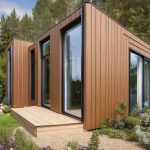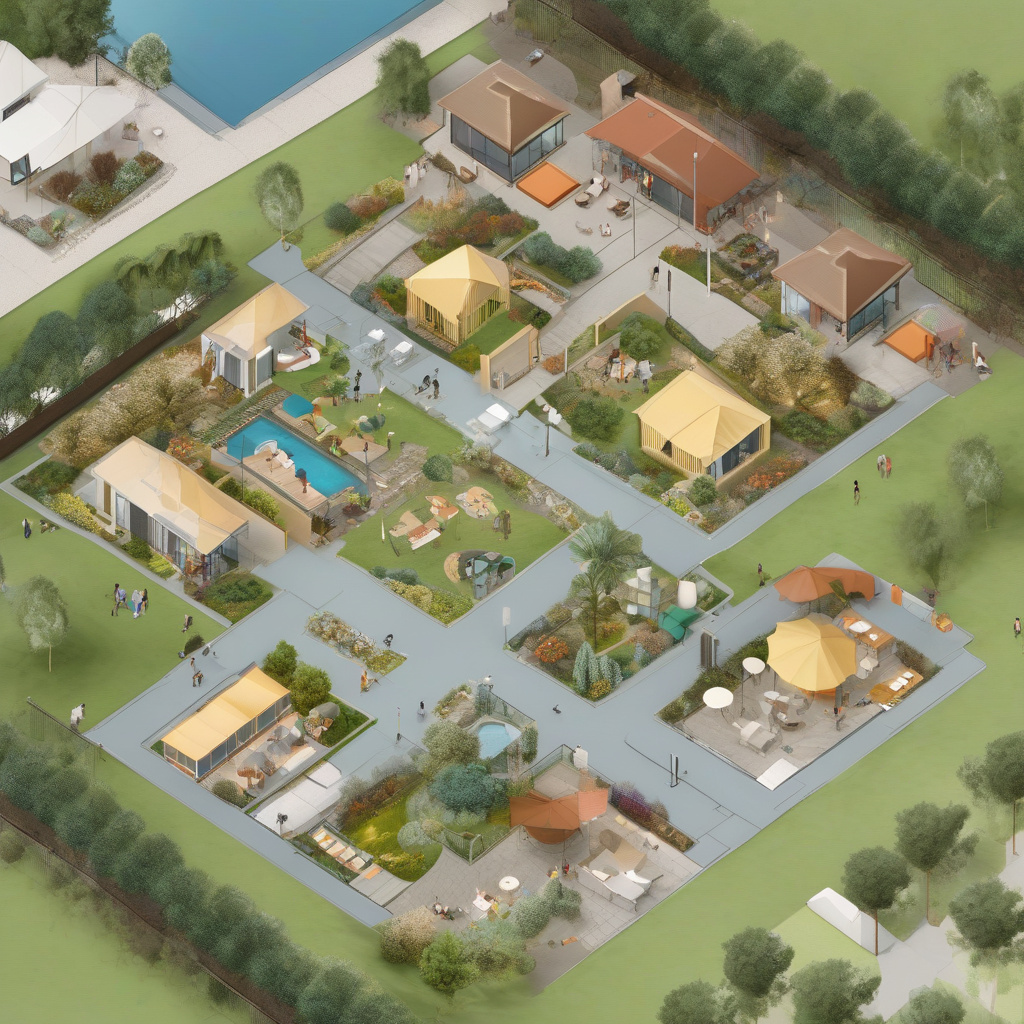
The allure of expanding living spaces without the hassle of full-scale construction is undeniable. In Los Angeles, where creativity meets necessity, Accessory Dwelling Units (ADUs) have become the darling of homeowners seeking flexibility. Whether repurposed as a home office or a guest suite, the adaptability of ADUs is opening new doors for Angelenos looking to maximize their property’s potential.
Brief summary: This article explores how ADUs in Los Angeles are being transformed into versatile spaces like home offices and guest suites, driven by layout, storage, and privacy considerations. We delve into renovation trends, costs, and practical advice for homeowners seeking to adapt their properties to changing lifestyle needs.
Understanding the Appeal of ADUs in Los Angeles
Los Angeles is no stranger to innovation in living spaces. The sprawling metropolis, known for its creativity and diverse architectural styles, has embraced the potential of ADUs with open arms. The ongoing housing crunch and rising real estate costs have inspired many to explore the expansion of living quarters through ADUs. Homeowners are seeking practical solutions without the need to upsize, leveraging the existing layouts of their properties.
A significant benefit of ADUs is the ability to personalize and rearrange space according to one’s unique needs. Perhaps you’ve found yourself spending more time working from home, or maybe you anticipate frequent visitors. With an ADU, you have the capacity to tailor the interior space dynamically, catering to such demands while maintaining property value.
Moreover, ADUs present a financial incentive, as they typically enhance the overall worth of your property. With the right design and construction approach, home modification becomes an investment rather than sheer expense. Considering Los Angeles’ competitive housing market, the promise of increased property value remains a compelling draw for many.
Such versatility allows homeowners not only to respond to immediate and foreseeable needs but also to influence how they interact with their environment. Whether leveraging surrounding landscapes or embracing vibrant urban settings, an ADU’s contribution goes far beyond physical square footage.
In an ever-evolving cityscape, where creativity and need coexist, ADUs offer unprecedented flexibility, ensuring that homeowners are not shackled by the traditional limits of their homes.
Choosing Between a Home Office and Guest Suite
When setting out to optimize an ADU, the initial decision often pivots around its core purpose. A home office for the modern professional, especially in a city like Los Angeles, is no longer a luxury but a necessity. In comparison, crafting a guest suite can be equally appealing, providing hospitality without compromising day-to-day functionality.
The practicalities of design decisions play a crucial role in determining the suitability of each option. For instance, creating an optimal home office involves considerations such as natural light, minimal distractions, and accessibility to technology. Meanwhile, a guest suite demands attention to comfort, privacy, and hospitality features.
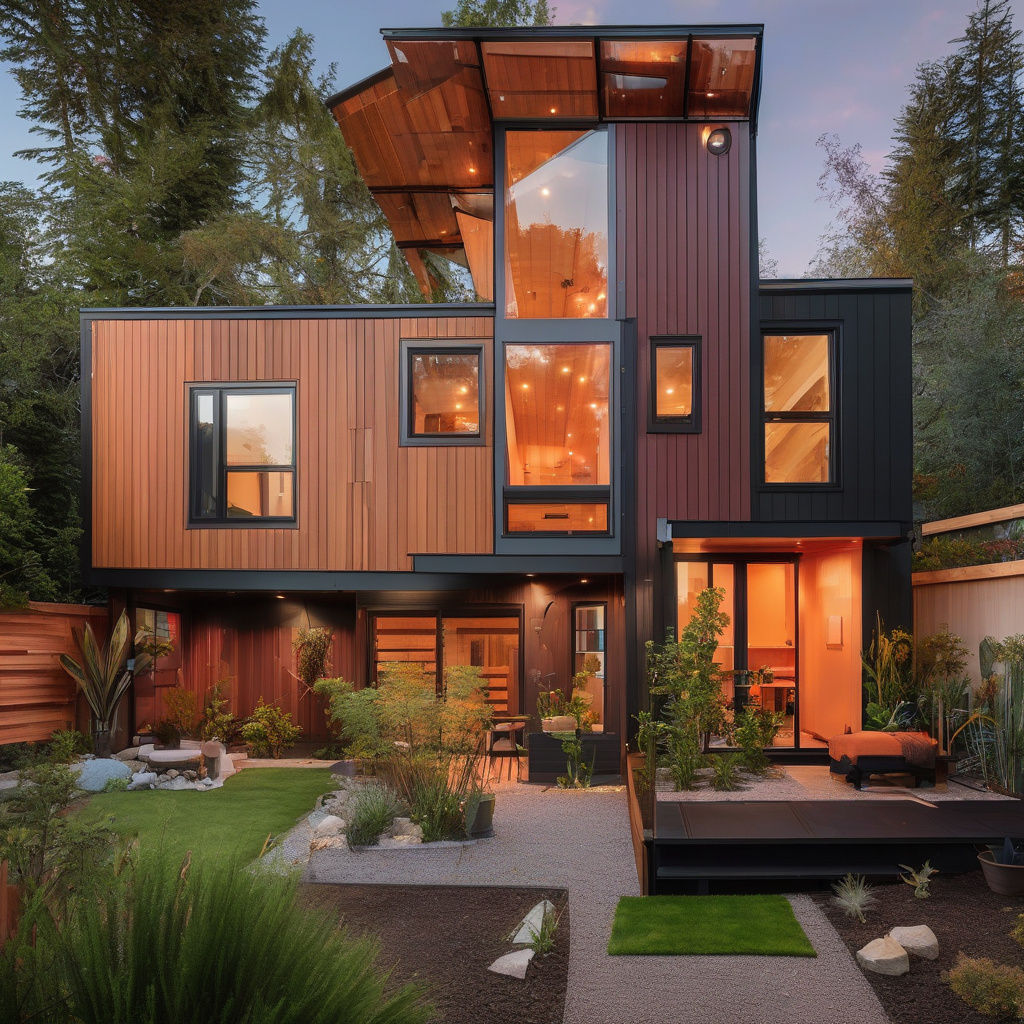
Not only must a decision align with personal priorities, but it should also consider broader lifestyle patterns. For those with work-from-home flexibility, a dedicated office may prove invaluable. Conversely, families that often entertain distant relatives might find a guest suite the preferable choice.
Ultimately, the synergy between personal lifestyle and home configuration can offer profound satisfaction, providing a space that effortlessly balances work and life.
Evaluating Financial and Material Considerations
The financial dynamics associated with ADU construction or conversion play a pivotal role in shaping homeowner decisions. In a city recognized for its high living expenses, balancing budgetary constraints and construction ambitions is no minor task. For many, realistic budgeting can significantly affect the path they take toward implementation.
Understanding cost vs. value becomes essential. Below is a straightforward comparison of potential expenses and benefits:
| Aspect | Home Office | Guest Suite |
|---|---|---|
| Primary Costs | Technology, Office Furniture | Plumbing, Bathroom Fixtures |
| Construction Time | 2-3 Months | 3-5 Months |
| Potential ROI | High (Productivity) | Medium (Property Value) |
Beyond mere dollars and cents, material choices intertwine with function and form. Opting for open concept design elements and sustainable materials could enhance both aesthetic appeal and fiscal outcomes. In particular, exploring options like open layouts that embrace flow and continuity may result in illuminated and inviting places.
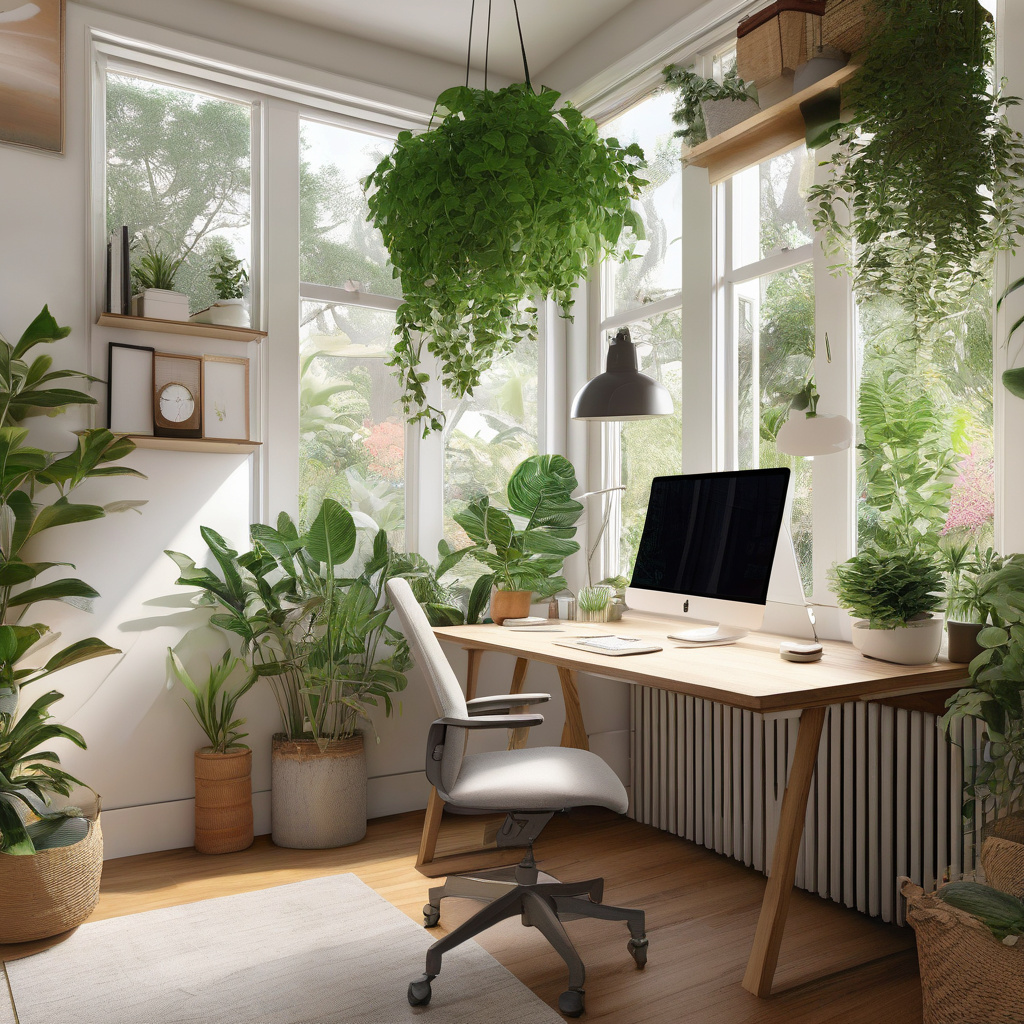
Incorporating green architecture elements, whether through the use of eco-friendly materials or enhanced energy efficiency, can impart long-term benefits and regulatory incentives. For Los Angeles homeowners invested in modernization, achieving a functional yet sustainable outcome lies within reach.
With thoughtful investment, the potential for gains—whether through heightened property allure or practical utility—is significant. Thus, arming oneself with wise financial insight remains a key factor for success.
Planning and Practical Considerations
Strategizing for an ADU conversion is not a one-size-fits-all endeavor. Capturing the essence of what the space hopes to provide demands meticulous oversight and deliberate planning. Homeowners are reminded to weigh privacy against accessibility, functionality against form, ensuring that personal preferences sync seamlessly with pragmatic realities.
The decision-making process should include, but not be limited to, evaluations around local zoning regulations, licensing requirements, and community ordinances. Proactively understanding these elements helps safeguard against unforeseen issues and fortifies homeowner peace of mind.
Architect Philip Stevens notes, “Strategic planning in the early stages can save thousands in unnecessary expenses and rework, especially when accounts meet unexpected compliance challenges.”
Moreover, resource allocation wrangles synergize function over flair. Cornerstone elements like storage efficiency and accessibility may turn quiet design features into vital components for occupant ease. When designing ADUs, specific enhancements like private entrances and accessible layouts can add unique appeal.
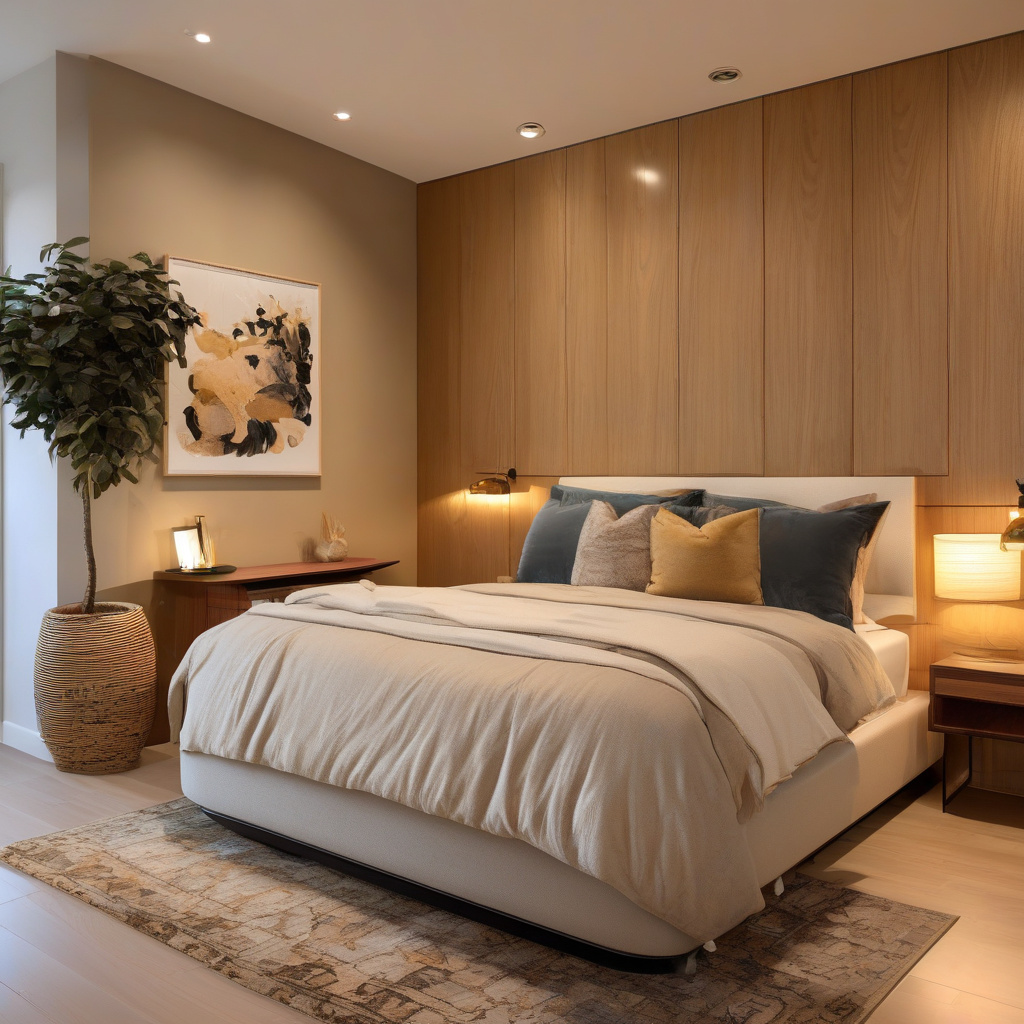
Ultimately, advanced foresight and coordination ensure that eventual results resonate with intention and potential, rather than forgone opportunities.
Advantages and Risks of ADU Transformations
The move toward an ADU, whether a home office or guest suite, presents both noteworthy advantages and cautionary tales. The appeal starts with flexibility. An adaptable environment can pivot comfortably based on evolving demands, moving fluidly from personal workspace to a serene haven for guests.
Beyond flexibility, ADUs can provide direct financial returns through increased property value and short-term rental income. In regions like Los Angeles, demand for such accommodations can frequently yield supplementary earnings.
A recent industry report reveals that “property values for homes with ADUs can increase by up to 30%, largely driven by buyer demand for versatile living options.”
That said, the endeavors of home transformation are not without inherent challenges. Issues like unforeseen construction delays, regulation complexities, or budget overruns can dim the excitement. For many, the bureaucratic labyrinth of permits is the initial stumbling block that requires conscientious navigation.
Facilitating informed decision-making through project transparency bridges ambition with reality. Homeowners can best mitigate risks by cultivating partnerships with experienced contractors ensuring smooth transitions and meticulous execution.
Thus, analyzing rewards against risks forms the crux of responsible and successful ADU implementation.
The Stepping Stones to ADU Success
Having discerned the prominent factors and considerations for crafting an ADU, the final quest determines how these elements coalesce within personal lifestyle spaces. Traversing the journey demands both foresight and commitment, yet emerges with fulfilled aspirations within delightful spaces.
To navigate further, ogling various inspiration sources and available examples stands to broaden one’s impression of feasible outcomes. Architectural firms, remodel case studies, or feature articles offer rich tapestries showcasing shifting trends and practical templates.
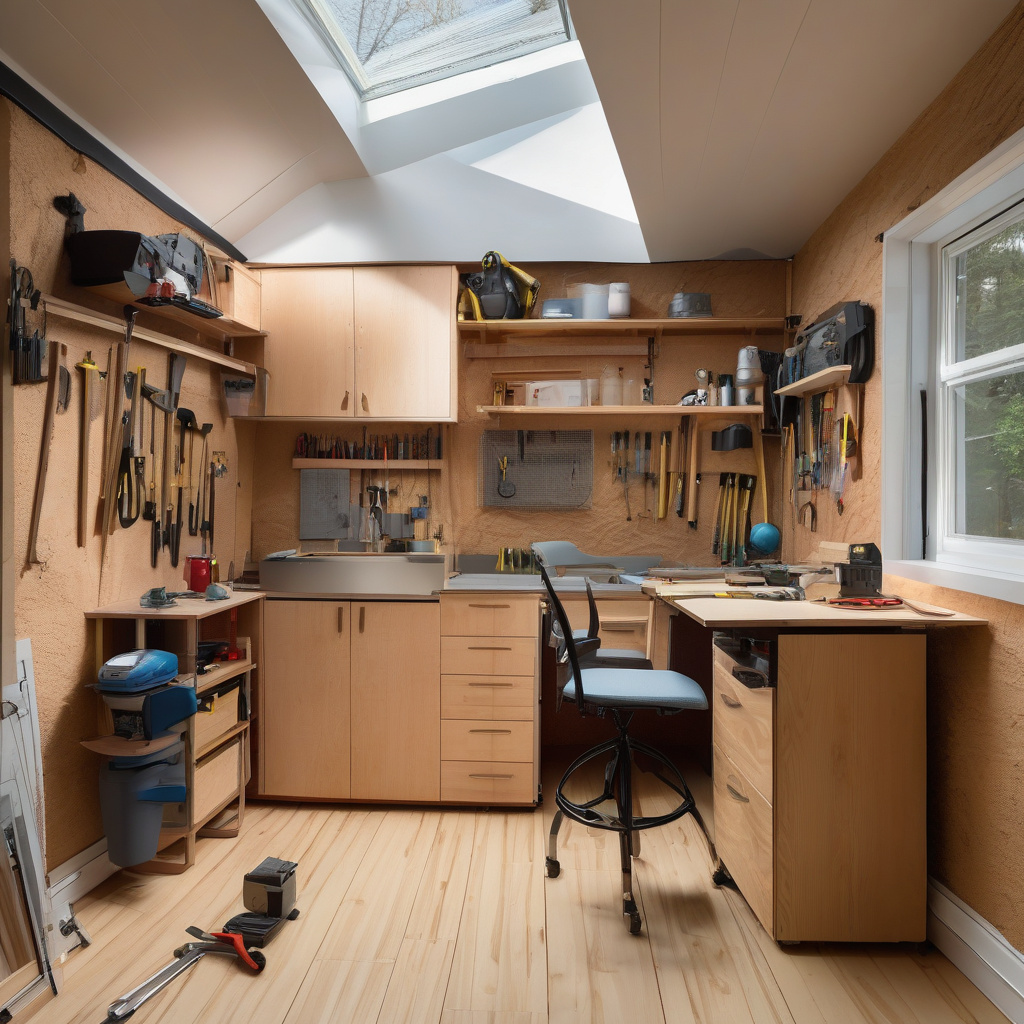
Initiating conversations with neighbors or those with completed projects can instill confidence and assuage fear. Engaging both expected challenges and compensatory rewards prepares homeowners for the balance of achieved vision.
In Los Angeles Times, home design expert Skyler Dawson affirms that “successful ADUs start from a thorough understanding of lifestyle needs and end with meticulous delivery on those expectations.”
As many investment-conscious locals observe, the steps traversed from wish to reality stand testament to the power and privilege of transforming small spaces into great opportunities.
- ADUs in Los Angeles offer adaptable solutions for home offices and guest suites, enhancing property value and functionality.
- Personalized design choices allow homeowners to maximize their space according to lifestyle needs, ensuring optimal utility and satisfaction.
- Smart planning and strategic financial management prove vital considerations in achieving successful ADU outcomes without overspending.
- Advantages include property valuation rises and rental income potential, though careful navigation through regulations remains essential.
- Meaningful transformations balance creativity and pragmatism, embedding honest value within living spaces.
“`html
FAQ
What is an ADU and how is it used in Los Angeles?
An ADU, or Accessory Dwelling Unit, is a secondary housing unit on a single-family residential lot. In Los Angeles, ADUs have gained popularity due to their flexibility and potential to increase property value. Many homeowners convert ADUs into home offices or guest suites based on their needs. For example, a Westside homeowner recently converted their detached garage into a stylish and functional ADU, complete with a home workspace and storage solutions designed for privacy. Homeowners should consider space layout and privacy demands when planning an ADU to suit evolving lifestyle needs.
How should layout and design influence the use of an ADU?
In real renovation projects, layout and design hold significant sway over the functionality of an ADU. For instance, an ADU with an open-plan design may work beautifully as a spacious, airy home office. However, many experts point out that privacy screens or partitions can transform the same space into a cozy guest suite, offering seclusion despite its compact size. A well-thought-out layout that anticipates future changes can serve multiple purposes, adapting as family needs evolve. Considering natural light and ventilation are essential, as they can drastically impact both comfort and energy efficiency.
When does it make sense to convert an ADU into a guest suite or home office?
Converting an ADU into a guest suite or home office depends largely on your current needs and future intentions. For families frequently hosting out-of-town guests, a guest suite ADU is invaluable, offering privacy for both residents and visitors. Conversely, with remote work trends escalating, transforming an ADU into a home office can be a game-changer, creating a focused environment separate from household distractions. It’s vital to consider what serves you best in the long term. For guidance on converting your ADU in a way that maximizes these benefits, visit this renovation resource for expert advice.
What are common mistakes when designing an ADU in Los Angeles?
Homeowners frequently underestimate the importance of permitting and legal requirements in Los Angeles when designing an ADU. Missteps in understanding zoning laws or noise regulations result in costly setbacks. Practical design errors, like inadequate insulation, can lead to discomfort during weather extremes common in California. Always ensure your design includes elements such as soundproofing, creative storage, and efficient climate control. A Palms area resident learned too late the value of proper ventilation when Southern California’s hot summers turned the ADU into a stifling space. Consulting a local expert from the start can prevent such oversights.
How much does it typically cost to build or convert an ADU in Los Angeles?
The cost of building or converting an ADU in Los Angeles ranges widely, influenced by factors such as size, materials, and labor. An average ROI-focused build might start at $100,000, but high-end conversions can exceed $300,000. A seasoned renovator in Encino recently mentioned their conversion budget increased unexpectedly due to custom finishes and additional plumbing work. Many experts also emphasize planning for hidden costs—like utilities upgrades—for a true financial picture. Proper budgeting can balance upfront investments with increased property value. Seeking quotes from multiple contractors will provide a clearer scope of financial needs.
What are the pros and cons of having an ADU serve as a guest suite?
The benefits of using an ADU as a guest suite include enhancing hospitality by offering guests privacy and a sense of independence. Homeowners can enjoy having loved ones near without sacrificing personal space in the main house. On the flip side, a downside is the initial investment and the possibility of underutilization if guests are infrequent. Some residents of Silver Lake have creatively tackled this issue by listing their guest suites on short-term rental platforms when they are not hosting. This dual-use can maximize both convenience and income potential, making the ADU a versatile asset.
What maintenance challenges might arise with an ADU conversion?
Maintenance of an ADU often entails addressing the specifics of its original structure. Renovation experts warn that integrating modern systems into older structures sometimes reveals unexpected complexities, like outdated wiring or insufficient plumbing. Regular inspections and timely upgrades can mitigate these issues, preserving both the functionality and safety of an ADU. A Glendale homeowner discovered an annually scheduled HVAC system check dramatically improved their ADU’s energy efficiency. Many experts recommend establishing a maintenance schedule that includes checking insulation, roof integrity, and appliances to keep the space livable and operational year-round.
What are the benefits and risks of using an ADU as a home office?
Utilizing an ADU as a home office provides the distinct advantage of separating work life from home life, which many find enhances productivity and mental well-being. Moreover, having a dedicated workspace can increase the appeal of your home to future buyers, particularly those working remotely. However, challenges arise with initial setup costs, particularly if the space lacks appropriate connectivity or ambiance conducive to work. One Brentwood homeowner tackled poor Wi-Fi strength by investing in a reliable mesh network, transforming their ADU into an efficient office space. Assessments of connectivity needs and ergonomic designs are essential to optimize the ADU for professional use.
“`