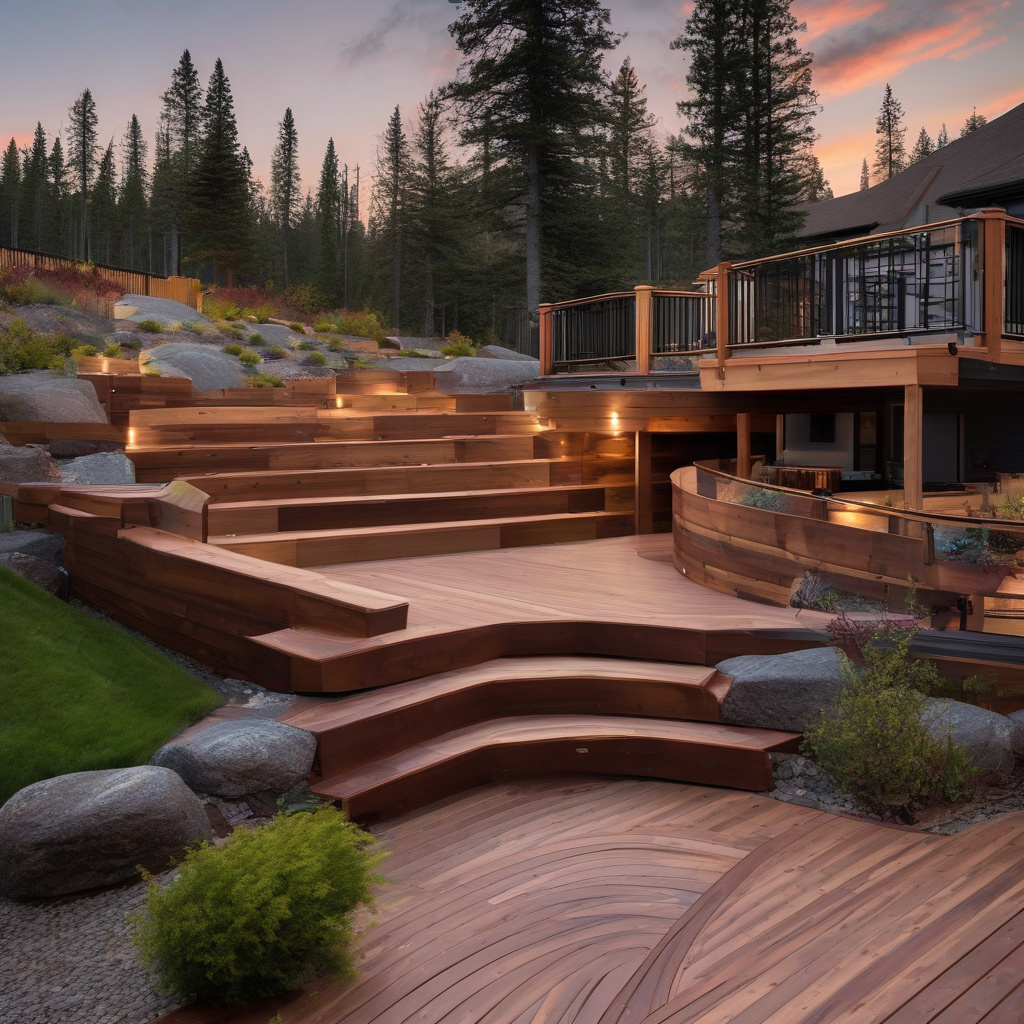
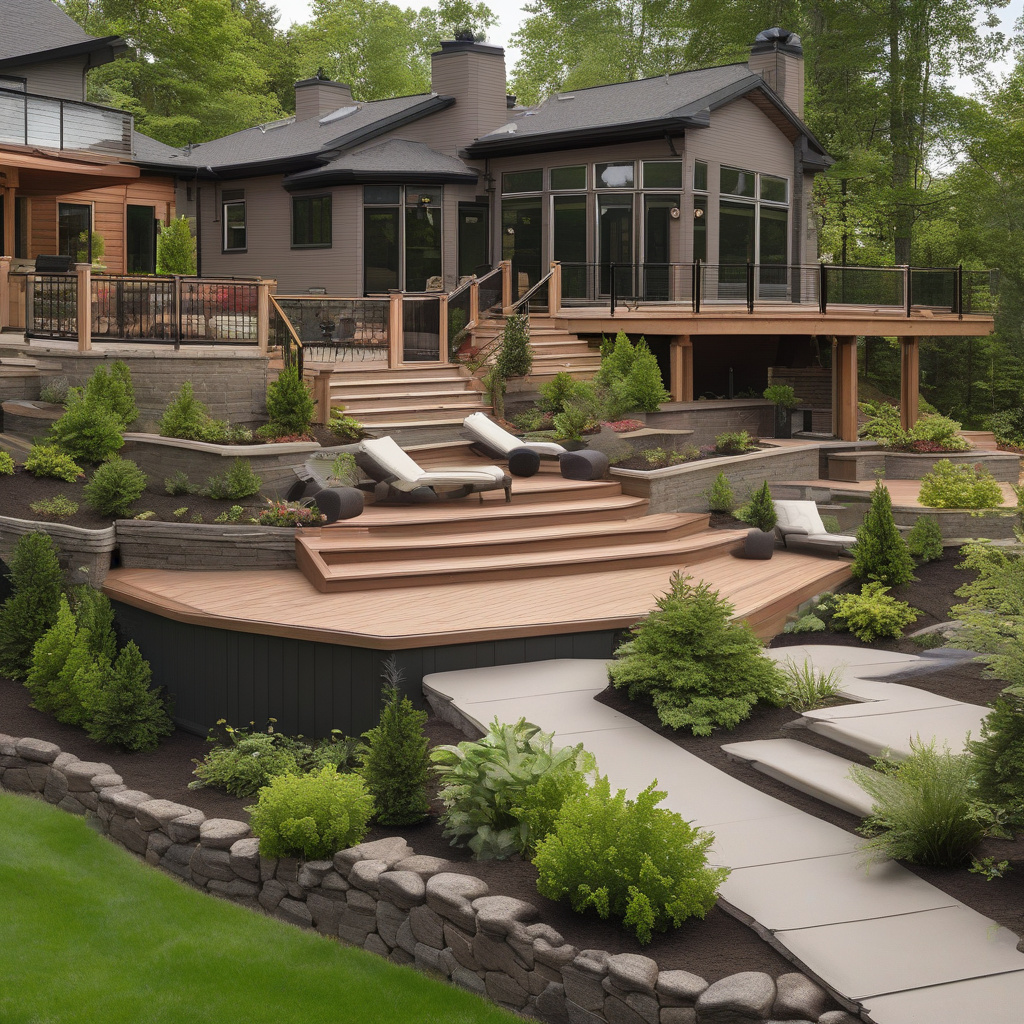
Designing a multi-level deck for sloped lots in Los Angeles involves a unique blend of creativity and engineering prowess. As many homeowners in Southern California know, building on sloped terrain presents a set of challenges and opportunities that can transform an ordinary backyard into a remarkable outdoor living space. With the right design, these tiered platforms and stepped transitions can maximize usability while offering a stunning vista of the city’s landscape.
Brief summary: This article explores how to design multi-level decks for sloped lots in Los Angeles, focusing on tiered platforms, strategic transitions, and hillside anchoring. It covers renovation trends, cost implications, materials, and real homeowner experiences, highlighting the practical techniques necessary to create functional and visually appealing outdoor spaces.
Understanding the Terrain and Initial Planning
When approaching the design of a multi-level deck in the undulating landscapes of Los Angeles, understanding the terrain becomes the first critical step. The natural inclination of the land can be a catalyst for fluid design that harmonizes with the environment rather than battling it. Homeowners are often keen to maintain the character of their lot while optimizing usable space, making this balance crucial.
As early groundwork unfolds, it’s vital to assess drainage, stability, and accessibility. This foundational work sets the stage for a sustainable and durable design. For those considering the integration of patios or other features, refer to resources relevant to patio setups, such as exploring practical solutions for angled lots.
Beyond practical considerations, aesthetics also play a significant role. The integration of natural elements like rocks and foliage not only supports erosion control but also enhances the visual continuity between deck levels and the landscape. Decks are thus not just extensions of the home but an organic part of the environment.
The planning stage is inherently collaborative, involving architects, designers, and often the homeowners themselves. This orchestration ensures that all factors from safety to cost are aligned, leading to a design that’s both functional and financially feasible.
Site Assessment Essentials
Conducting a thorough site assessment can reveal hidden opportunities for creativity. Sloped areas, for instance, might offer a setting for an enchanting pergola or an unexpected nook for seating — features that bring a personal touch to the project.
In conclusion, understanding the unique features of the site is mandatory to create a practical and aesthetic outcome.
Building the Framework: Materials and Methods
Once the planning phase has established a blueprint, selecting the right materials becomes paramount. In the context of sloped lots, choices often lean towards materials known for their strength and weather resistance. Composite decking, for example, is favored for its low maintenance and durability, while treated wood can offer a more traditional aesthetic without sacrificing performance.
Methods of construction can vary significantly depending on terrain constraints. One might employ pilings to anchor the deck securely into the slope, providing a sturdy foundation that accounts for both current stability and future resilience. Decisions around anchoring are deeply informed by soil characteristics and climate consideration.
For homeowners seeking to customize their space, decisions around sun protection might arise. A guide like choosing effective drainage systems offers valuable insights into how to protect these investments.
While the choice of materials is wide, the method of their construction can often dictate longevity. Utilizing local expertise can provide insights into what performs best under Los Angeles’ demanding conditions.
Ultimately, the chosen materials and methods form the linchpin of successful execution, ensuring that each deck level meets both durability demands and aesthetic desires.
The Cost Consideration: Budget Versus Reality
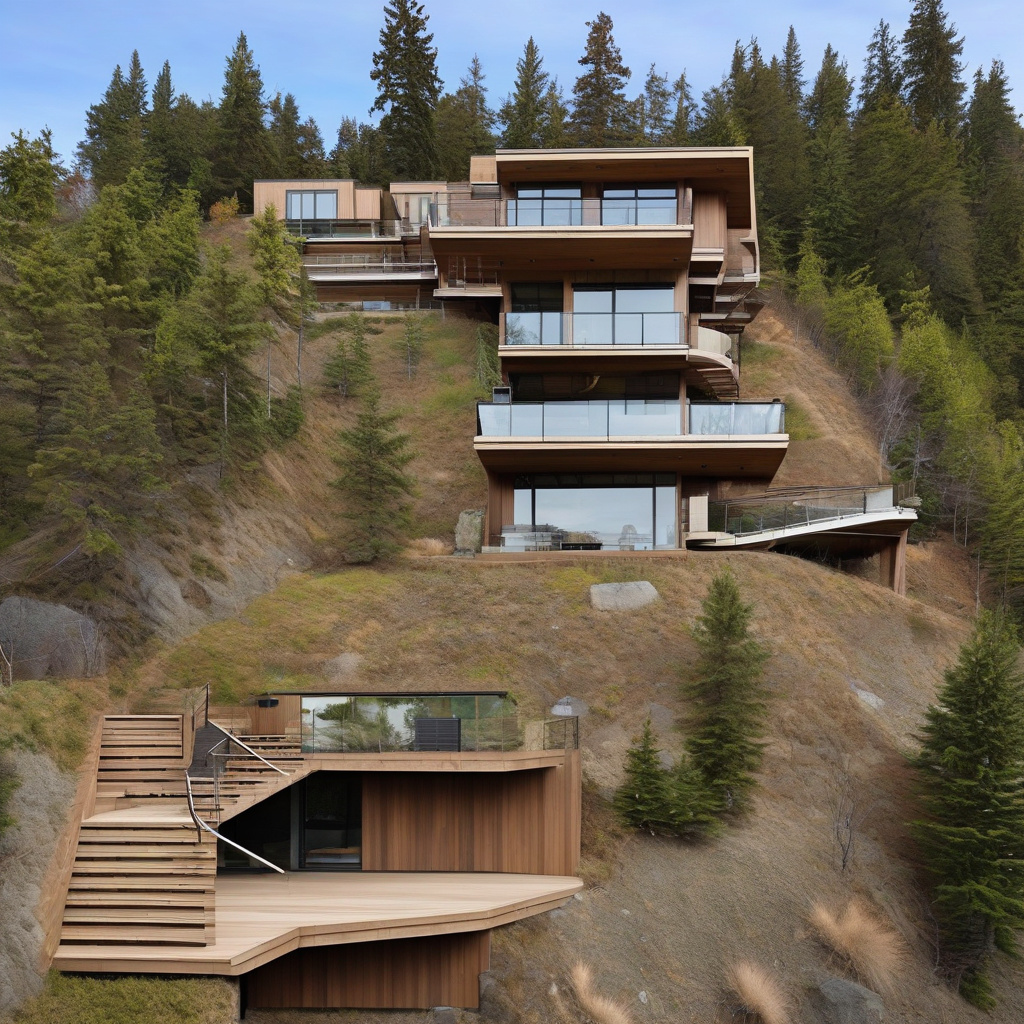
Budgeting is a central consideration for any renovation project, particularly in regions like Los Angeles, where construction costs can significantly fluctuate. Realistic budgeting requires a comprehensive understanding of both material costs and labor expenses. Often, the unforeseen elements in sloped lot projects tend to revolve around permitting and engineering requirements, which may demand expert oversight.
Here’s a straightforward comparison of renovation options:
| Element | Budget Option | Premium Option |
|---|---|---|
| Materials | Pressure-treated Lumber | Composite Decking |
| Labor | Local Contractors | Specialized Firms |
| Design | Basic Layout | Custom Design |
Homeowners may find it beneficial to pursue composite materials despite their higher cost, as the reduced maintenance and increased lifespan often justify the initial investment. This is particularly true in environments where decks see year-round usage.
“In a study by Remodeling Magazine, homeowners typically recoup over 80% of deck construction costs when selling their property in the Los Angeles area.”
The importance of balancing dreams with fiscal reality is paramount; a realistic budget aligned with thorough planning often dictates the project’s success.
Strategic Design Elements: Enhancing Aesthetics and Usability
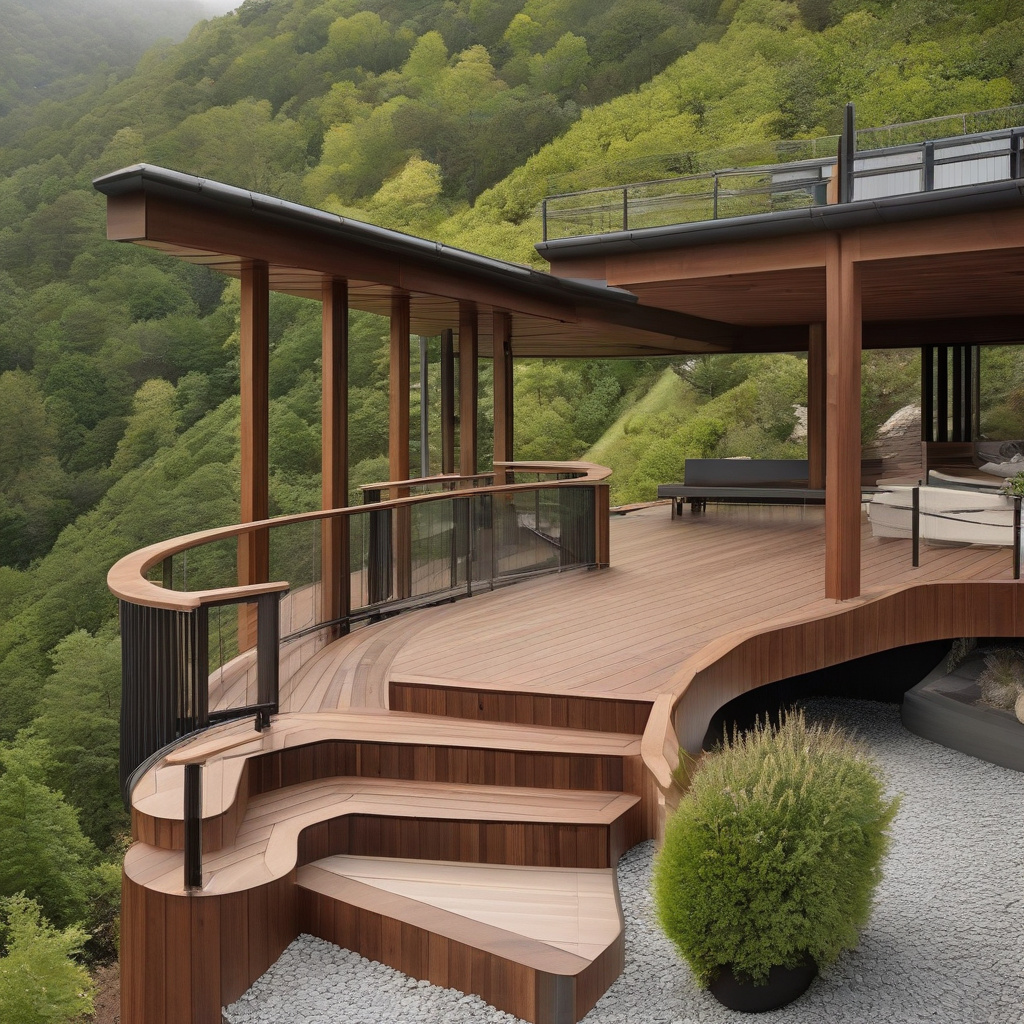
Strategic design elements are what truly transform a functional deck into a personal retreat or entertainment space. The use of stepped transitions and soft lighting can guide guests across different levels, offering breathtaking views of the Los Angeles basin by day and an ambient setting by night.
One effective strategy includes employing mixed materials for railings, stairs, and decking surfaces. Not only does this create a visually dynamic space, but it also provides texture and depth. Privacy features such as lattices or climbing plants further enhance the sense of seclusion, a valued aspect in urban living.
Intelligent sun protection solutions are key in a region that boasts abundant sunshine. A resource for securing optimal shade arrangements can guide those interested in maximizing comfort without compromising the site’s aesthetic.
Besides the physical features, integrating smart technologies can elevate the deck’s functionality. Lighting systems and audio solutions controlled via smartphones bring modern convenience to private outdoor refuges.
Smart design honed to the specific needs and rhythms of the homeowners ensures a deck that is a genuine extension of their lifestyle.
Risks Versus Rewards: A Contemplative Balance
While the allure of a beautifully tiered deck is undeniable, the accompanying risks and rewards must be weighed. On one hand, the promise of elevated outdoor living is compelling. The chance to enjoy fresh air and spectacular views is almost quintessentially Californian.
On the other hand, the risks tied to construction management and environmental concerns cannot be ignored. Poor planning can lead to costly overruns and safety issues, emphasizing the need for thorough preparatory work and experienced professionals leading the project.
For many in Los Angeles, the investment comes with significant enhancement in property value and personal satisfaction. As evidenced by city trends, the benefits far outweigh potential pitfalls when expert guidance is employed.
“Experts from the National Association of Home Builders confirm that well-designed decks significantly enhance property value in competitive markets like LA.”
In sum, while challenges exist, the rewards are significant — offering lifestyle enhancements that improve both the home’s utility and its market appeal.
Next Steps: Expanding Your Outdoor Living Spaces
For homeowners eager to maximize their outdoor living spaces, extending the concept of multi-level decks to include rooftop installations can be an appealing next step. This option should be considered particularly by those with existing multi-story homes looking to integrate further outdoor functionality.
Inspiration and designs can be found in resources like extending living spaces to rooftops, which detail innovative ideas and potential layouts. From leisurely rooftop gardens to entertainment hubs set against an urban skyline, possibilities are nearly limitless.
Moreover, a rooftop deck can be a suitable refuge during bustling city life, offering homeowners both convenience and a private escape within reaching distance.
“According to a survey by the American Institute of Architects, rooftop decks are increasingly sought after for their unique vantage points and enhancement of urban density living.”
Stepping forward with well-informed ambition, expanding existing designs or initiating new ones promises continued enjoyment and the discovery of untapped potential within one’s own home architecture.
- Understanding the lot’s terrain is critical for successful multi-level deck design.
- Material selection and methodology impact both longevity and environmental harmony.
- Balancing budgets with aspirations ensures realistic and fulfilling renovation journeys.
- Strategic design features enhance both aesthetics and functionality.
- Considering rooftop decks can further maximize space utilization and enjoyment.
“`html
FAQ
What is a multi-level deck for sloped lots?
A multi-level deck for sloped lots is a strategically designed structure that uses tiered platforms to handle uneven terrain, making them particularly suited for the hills of Los Angeles. In real-world construction scenarios, these decks create distinct outdoor areas by employing stepped transitions and meticulous hillside anchoring. It transforms unusable slopes into cohesive, functional spaces, enhancing both aesthetic appeal and property value. Homeowners often find that these decks offer more versatile use than single-level decks, providing different ‘rooms’ for varying outdoor activities. Experts suggest envisioning how much use each level will get, as keeping the dimensions proportional to frequent usage can maximize the utility of each zone.
How do you choose the right design for a sloped deck?
Choosing the right design involves balancing structural needs with personal style preferences. In many home renovations across LA, property owners take cues from the slope’s natural contours, creating designs that follow the land’s existing incline. Considerations like sun exposure, privacy, and intended use help guide the design process. Discuss your vision with a professional; they will evaluate variables like soil stability and potential drainage issues, common in hillside builds. By opting for materials that complement the surrounding environment, you not only enhance harmony with nature but also meet the practical demands posed by the area’s unique geography. This holistic approach ensures long-lasting satisfaction.
When is it a good idea to build a multi-level deck?
In renovation projects, a multi-level deck becomes a great idea when the landscape itself poses a challenge, such as substantial slopes or uneven ground. This is especially relevant in regions like California, where topography can limit outdoor living potential. Homeowners often face the dilemma of maximizing yard use without intensive grading. By embracing a multi-level deck, you turn those flawed spots into tiered platforms for relaxation, entertainment, or gardening. Experts warn, however, to consider not just the immediate wow factor but also future maintenance and access concerns. If executed thoughtfully, it can significantly enhance the usability of your property.
What are the common mistakes when designing a deck for slopes?
Common pitfalls include underestimating the slope’s complexity and over-designing without adequate consultation. Many first-time renovators inadvertently overlook foundational support, essential for structural integrity on inclines. Failing to integrate drainage solutions adequately can lead to significant erosion issues, which are costly to rectify. It’s crucial to consult with a skilled engineer or architect familiar with local regulations and challenges. Misalignment with natural land contours can result in extravagant designs that neither fit the terrain nor the budget. A seasoned professional can navigate these challenges, ensuring your vision aligns with practical execution for successful outcomes.
How much does it typically cost to build a multi-level deck on sloped land?
Costs can vary widely depending on factors like material choice, deck complexity, and topographical challenges. Many contractors in Los Angeles report projects averaging between $15,000 to $50,000, though these estimates can quickly grow if advanced engineering solutions are required. Multi-level designs on sloped lots often demand custom solutions, from sophisticated drainage systems to specialized anchoring, which add to overall expenses. Including professional consultations at the outset can help forecast potential hidden costs, an approach often praised by those well-versed in renovation finance. Remember, cost-effectiveness often comes through efficient design and material choices rather than cutting corners.
What are the advantages and disadvantages of multi-level decks?
Advantages include the ability to create multiple dedicated outdoor zones, increased property value, and effectively using terrain that might otherwise go wasted. However, such decks also come with challenges. Many homeowners don’t anticipate increased costs tied to complex designs and specialized construction methods. Additionally, the need for regular maintenance, especially in harsh weather conditions, cannot be underestimated. An understanding of both sides allows you to make informed decisions. Balancing aesthetics, functionality, and upkeep responsibilities will enable a satisfying addition that resonates years beyond its completion. Consulting with a professional on how benefits stack against potential limitations provides a strategic edge.
What are the specific installation considerations for multi-level decks?
Installation of multi-level decks involves several intricate steps unique to sloped environments. As noted by experts in the field, the anchoring system must accommodate fluctuating soil conditions common in hillside areas of LA. Precise grading is crucial to prevent future instability, and integrating erosion control from the outset is often a critical tactic employed by professionals to sustain deck longevity. They also emphasize the importance of selecting durable materials resistant to local climate impacts, such as wood decay due to moisture exposure. These considerations transform the daunting task into a manageable project, aligning with both safety standards and aesthetic goals.
How can homeowners maintain multi-level decks on slopes?
Maintenance of multi-level decks requires vigilance, particularly in Los Angeles where weather fluctuations might affect wooden structures. An annual inspection, focusing on structural joints and anchor points, mitigates risks posed by shifting soil. Clear debris from drainage systems frequently to prevent water buildup. Staining and sealing every couple of years helps preserve the deck’s integrity against moisture and UV damage, a task sometimes underestimated until visible wear appears. Many experts recommend developing a routine maintenance schedule. For further guidance on ensuring your deck remains a vibrant extension of your home, reaching out to a local renovation professional might be invaluable. Consider visiting this page for more advice.
“`