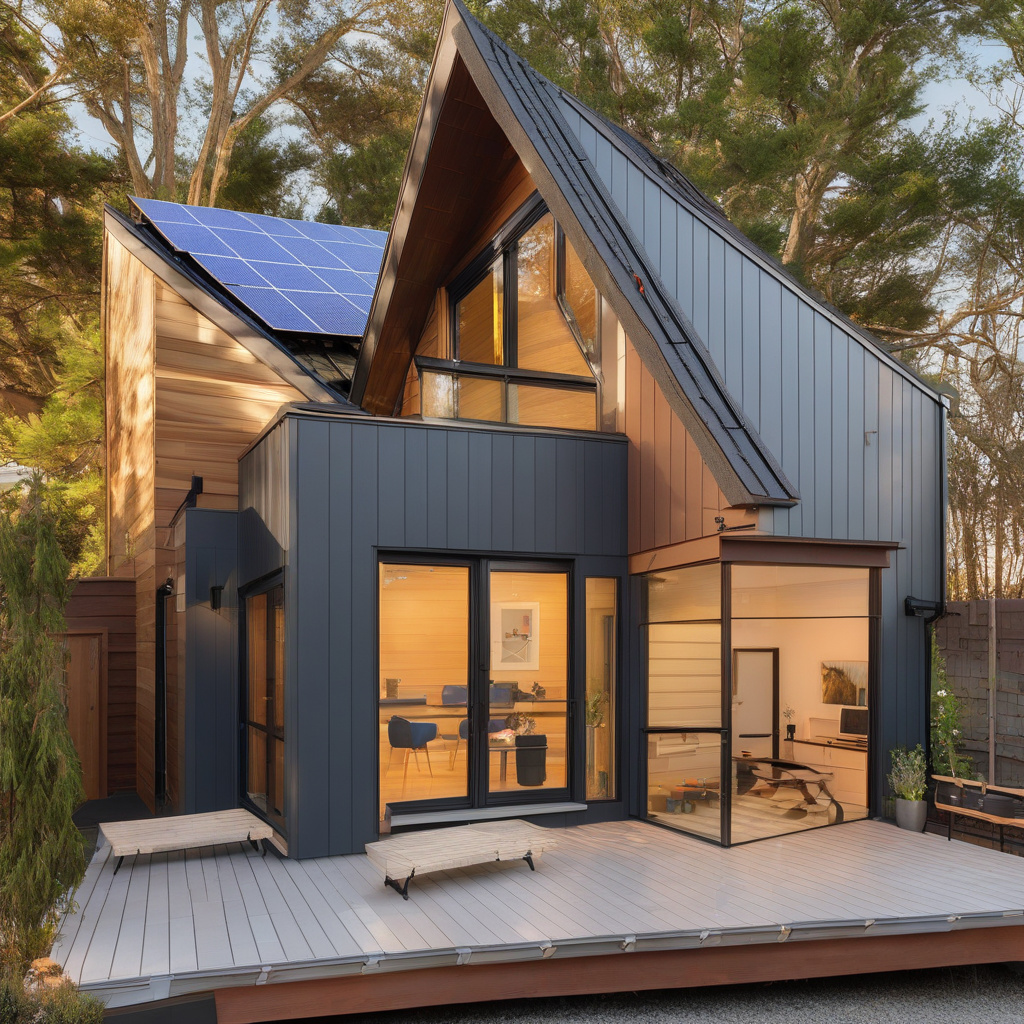
In the land of perpetual sunshine and iconic landscapes, Southern California’s homeowners are increasingly turning their attention to upgrading their properties with accessory dwelling units (ADUs) and garage conversions. While these smaller structures open up new realms of real estate possibilities, they bring unique challenges, particularly when it comes to roof replacements. Homeowners need to tread carefully, ensuring their investments in lightweight materials and modern roofing solutions do not compromise on durability.
Brief summary: The article examines roofing options for accessory dwelling units and garage conversions in Southern California, highlighting the popularity of lightweight materials, reflective surfaces, and streamlined venting that cater to these compact structures without sacrificing longevity. It covers current trends, costs, and real stories from local homeowners.
Understanding the Roofing Needs of Smaller Structures
When considering roofing options for ADUs and garage conversions, homeowners are often faced with a variety of choices that must be carefully weighed. These smaller structures demand roof solutions that are both efficient and adaptable to the region’s unique climate conditions. Unlike their larger counterparts, these roofs must be light enough to not overwhelm the foundational integrity of the unit itself.
Many local homeowners have discovered that when it comes to roof replacement, selecting the right materials and designs can make a significant difference in both performance and aesthetics. Lightweight yet sturdy materials, such as metal and innovative composites, frequently top the list of preferred options.
Reflective surfaces that minimize heat absorption are another crucial factor, particularly given Southern California’s relentless summer sun. By reducing thermal load, reflective roofs can help keep these compact dwellings more comfortable and energy-efficient.
Furthermore, with an emphasis on simplifying the venting process, these roofing solutions not only enhance the sustainability of the dwelling but also support complex ventilation needs with ease. The goal remains to marry function with form, ensuring structural integrity while adding a touch of modern elegance.
In conclusion, understanding the specific roofing requirements of smaller structures is essential for any homeowner looking to maximize the value and comfort of ADUs and garage conversions.
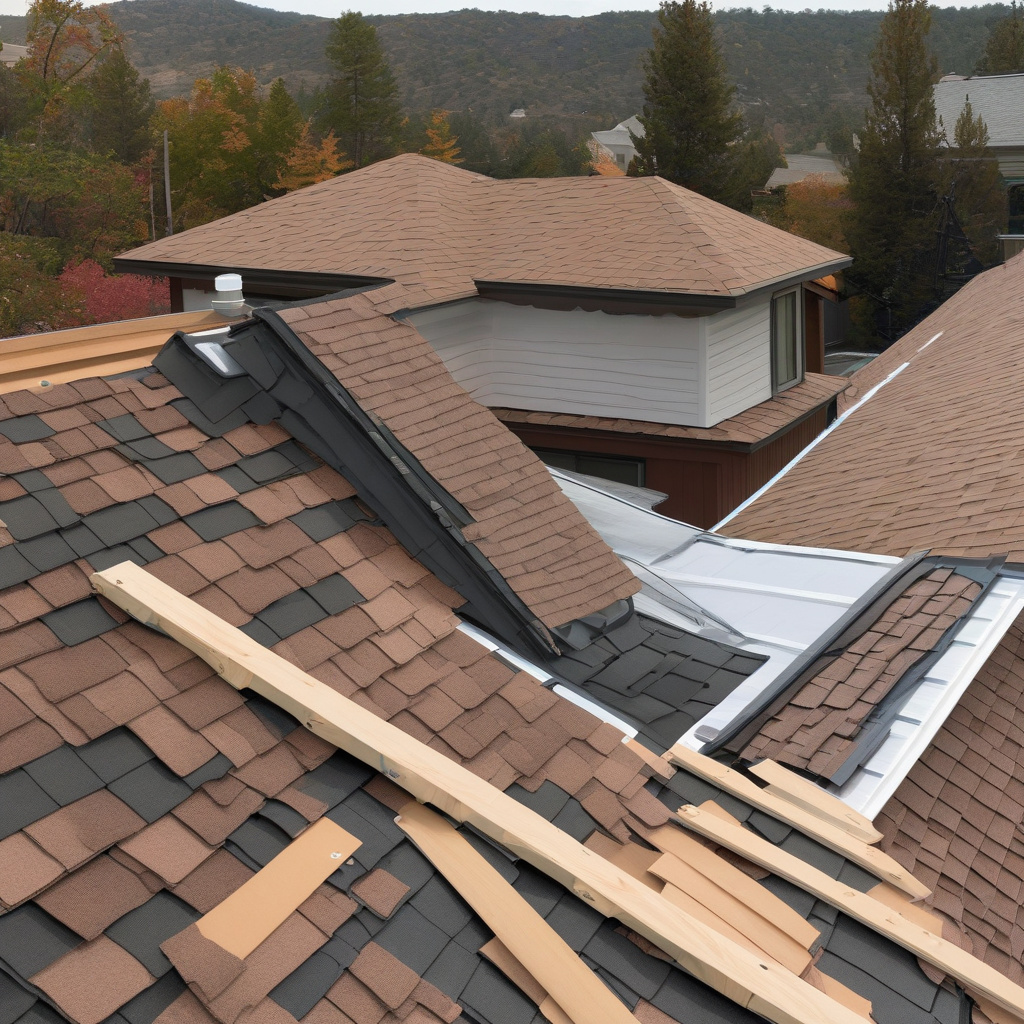
The Rising Popularity of Lightweight Materials
As urban density increases, many homeowners find themselves pressed to utilize every square foot of their property available. This shift has led to a remarkable surge in the use of lightweight roofing materials tailored for smaller units. It’s a transformation that not only considers structural necessity but also architectural innovation.
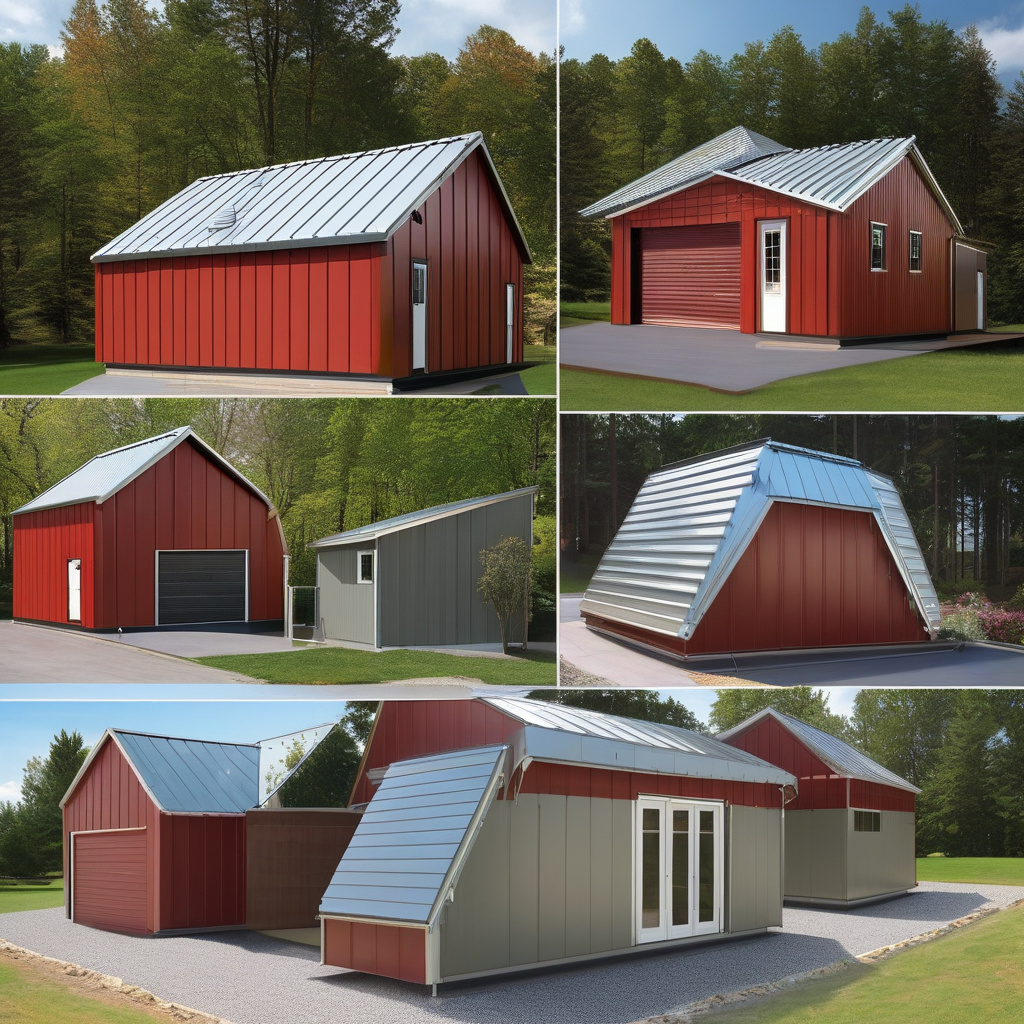
These advanced materials offer unparalleled benefits. Metal roofs, for instance, provide strength and resilience without the bulk of traditional shingle systems. This characteristic makes them ideal for smaller structures where weight limitations are a common concern.
Nevertheless, getting the material formula right is crucial, in part due to the costs involved. With pricing always a factor, installation timelines and planning must be factored into decision-making. Many homeowners appreciate that time-efficient solutions mean less disruption and better scheduling flexibility.
Furthermore, the environmental benefits cannot be overlooked; many of these materials are recyclable and contribute to a lower carbon footprint. It’s a win-win scenario—providing both ecological and economic advantages.
The popularity of lightweight roofing materials signifies a broader movement within the construction industry, pivoting towards sustainable and resource-efficient solutions for modern renovation challenges.
A Close Look at Costs and Benefits
Roof replacement costs can vary widely, especially for homeowners balancing aesthetics with functionality. For those considering ADUs or garage conversions, the choices can be daunting. Most opt for innovative overlays and shingles that mimic traditional looks while offering advanced durability at a fraction of the weight.
Homeowners must also account for labor costs, which fluctuate based on system complexity and the necessary customization. The good news is that new technologies streamline these installations, reducing both time and expense.
It is important not to overlook the impact on property value. A professionally installed, modern roof doesn’t merely improve aesthetics; it increases the resale value and appeal of a property. Investing in superior materials can thus yield long-term rewards, offering peace of mind and financial returns.
For those evaluating costs, creating a well-informed budget is critical, ensuring that desired features align with financial capabilities without compromising on quality.
Research shows that energy-efficient roofing materials can cut cooling costs by up to 15%, a crucial statistic for Southern California’s energy-conscious homeowners.
Ultimately, the balance of costs versus benefits highlights the nuances homeowners must navigate to make profitable and practical roofing decisions.
Methods and Timelines for a Smooth Installation
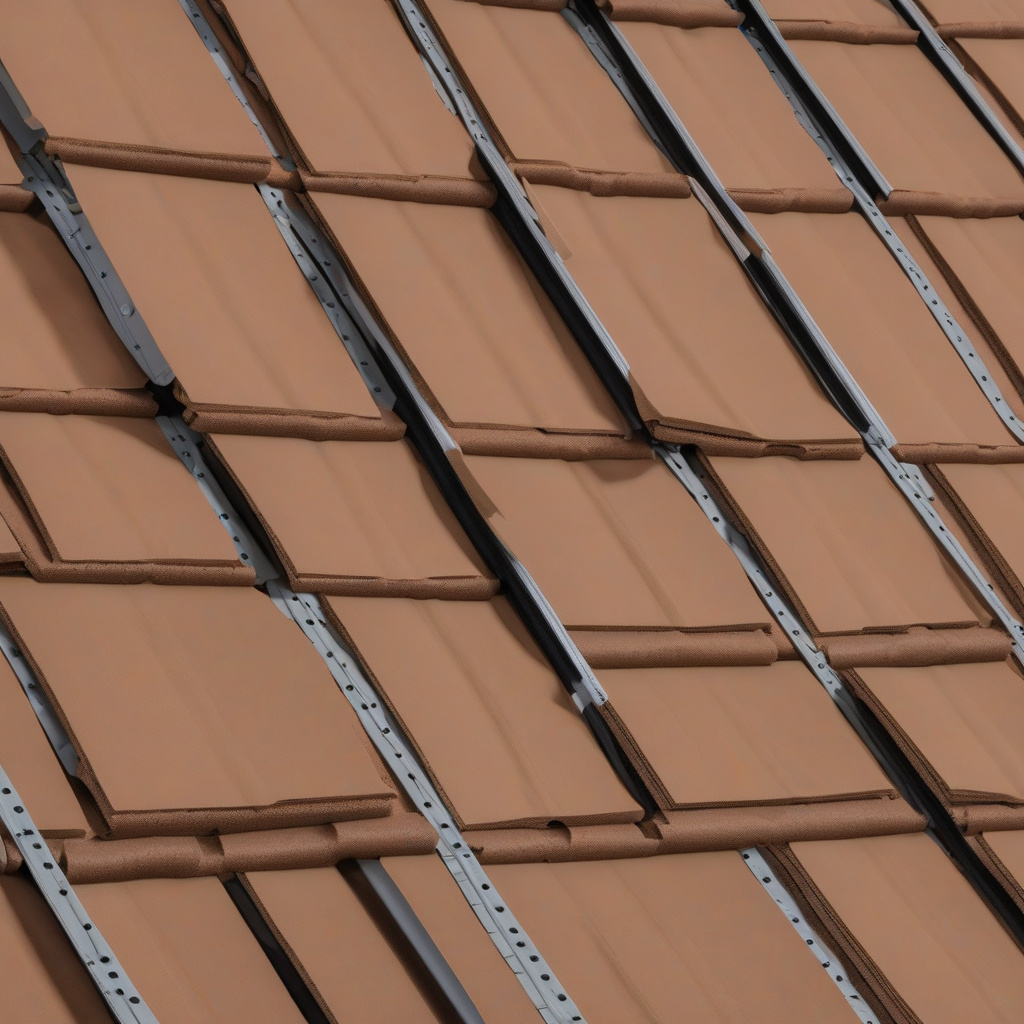
Any savvy homeowner knows that timing is everything, particularly for a project like roof replacement. With ADUs and garage conversions often involving substantial investment of time and resources, having a detailed plan is indispensable. The installation of these roofs shouldn’t be a rushed affair. Instead, precise scheduling and engagement with skilled professionals ensure the longevity of the roofing solution chosen.
Modern methodologies favor streamlined approaches that minimize downtime while maximizing efficiency. Teams often abide by pre-planned logistics, preventing any unexpected delays. Understanding how long a roof installation takes allows property owners to minimize conflicting commitments and optimize project timelines.
Experts recommend considering local weather patterns and choosing optimal seasons for installation to avoid disruption. Wind and ground moisture can impact both the speed and success of a project, making strategic planning crucial.
Moreover, using a trusted contractor is a linchpin to smooth installation, ensuring both the quality of installation and compliance with local building codes are maintained.
Well-executed methods and accurate scheduling intersect to save clients time and money, proving once again that good preparation is a homeowner’s best friend.
The Art of Balancing Risks and Rewards
Assessing the Overall Value
The decision to replace a roof on an ADU or garage conversion is not one to take lightly. The journey from conceptualization to execution involves navigating potential risks against perceived rewards. Here, aesthetics, durability, and functionality converge in complex ways.
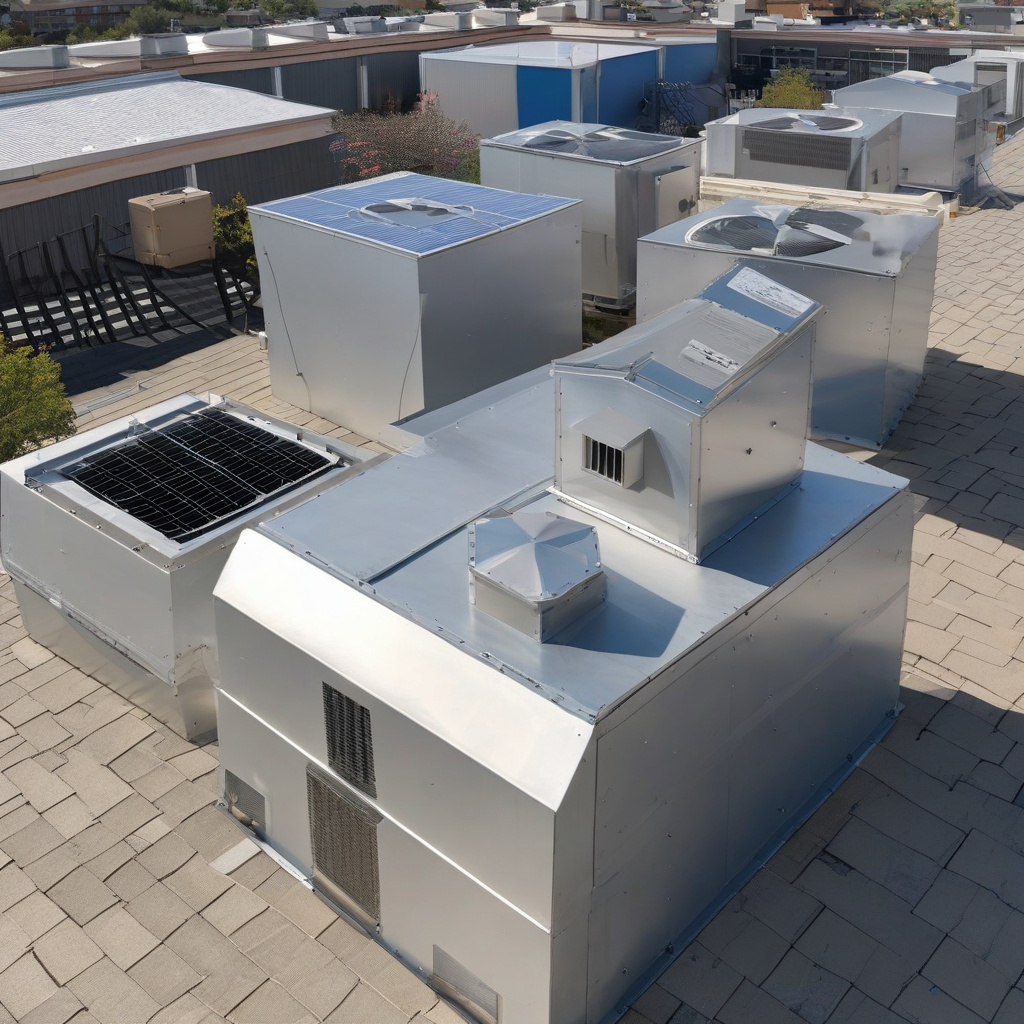
Understanding the lifespan of various roofing options is essential. Many materials may promise longevity but falter under certain climatic conditions. After all, what performs beautifully in Los Angeles’ mild winter might struggle during summer’s parching rays.
An industry expert suggests, “Choosing a roof is like choosing a partner; longevity, compatibility, and reliability are key.”
Homeowners should assess how each roofing option fits into their specific needs, including maintenance requirements, initial costs, and potential for long-term savings.
By juxtaposing potential risks with prospective rewards, homeowners can develop a clearer understanding of what each choice may mean in real terms. This careful consideration promotes informed decisions, paving the way for satisfying results.
Best Practices for Lasting Results
For those setting out on the journey of roof replacement, following a few best practices can significantly enhance results. Transparency at each stage of the project, from planning through to post-installation checks, ensures that there are no unpleasant surprises along the way.
Proper maintenance following completion is another cornerstone of roofing success. Regular inspections allow homeowners to identify and address minor issues before they escalate, preserving the integrity of their investment.
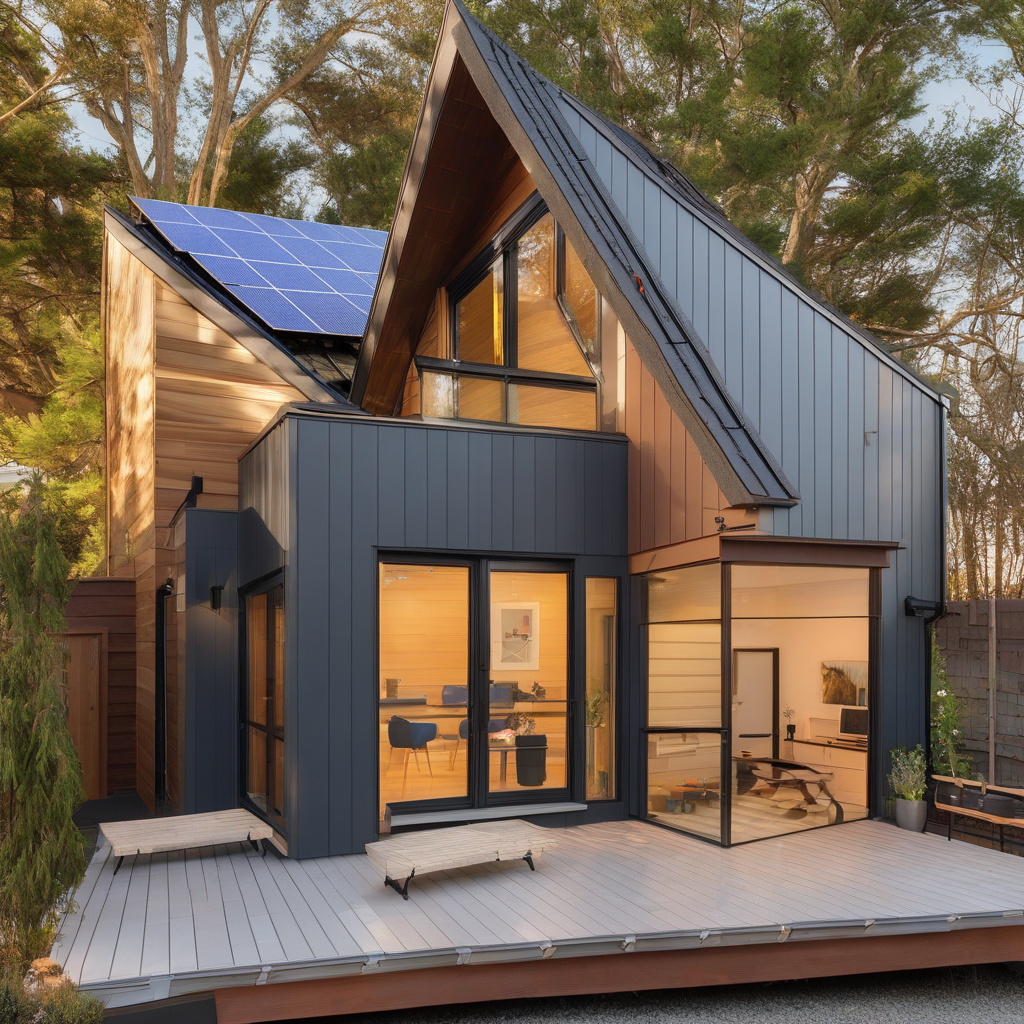
Additionally, considering futureproofing strategies such as solar panel compatibility or enhanced insulation benefits ensures that today’s choices remain relevant tomorrow.
According to a recent report, the life expectancy of a modern roof is approximately 20-30 years, underscoring the importance of thoughtful planning and execution.
Ultimately, adopting these best practices equips property owners with the tools to secure long-lasting roofing solutions that reflect both immediate desires and broader plans.
In summation, through disciplined preparation and informed choices, roof replacements on ADUs and garage conversions can yield durable, attractive, and financially sensible outcomes.
- Lightweight materials are key to effective roof replacements for ADUs and garage conversions.
- Costs and timelines are crucial elements in deciding on roofing solutions.
- Functional and aesthetic considerations must be balanced to maximize property value.
- Innovative installation methods can save both time and money.
- Long-term planning and maintenance are integral to achieving lasting results.
FAQ
What materials are best suited for ADU and garage roof replacements?
When planning an ADU or garage conversion, selecting the right roofing materials is crucial. Lightweight materials such as metal or composite shingles are highly recommended as they minimize structural stress. Many experts point out that these materials, when paired with reflective surfaces, also help keep the interior cool, a significant benefit in warmer climates like California. For instance, metal roofs not only reflect sunlight but also provide durability and last for decades with minimal maintenance. In real renovation projects, this combination of lightweight and reflective materials often proves optimal for smaller structures.
How do I choose the right roofing system for my ADU or garage conversion?
Choosing the right roofing system involves assessing the specific needs and constraints of the structure. Homeowners frequently underestimate the impact of local climate conditions. For example, in regions prone to intense sunlight and occasional rain, a roof with high resistance to UV and good water-shedding capabilities, like treated asphalt shingles, would be an excellent choice. Always consider the architectural style and existing rooflines, aiming for a cohesive look. In practice, consulting with a local roofing expert can also reveal nuances one might miss, ensuring the new roof enhances both functionality and curb appeal.
When is the best time to replace a roof on an ADU or garage?
Spring and early fall typically offer the most favorable weather conditions for roof replacement, allowing for uninterrupted work without the discomfort of extreme temperatures. However, many projects can be successfully completed in summer or winter with the proper planning and materials. For instance, weather-resistant roofing options can eliminate concerns of seasonal interruptions. In real-life scenarios, timing often hinges on both your schedule and the availability of professionals, as peak seasons can see increased demand for crews. Planning well in advance is crucial to ensuring your timeline aligns with your project’s goals.
What are some common mistakes when replacing an ADU or garage roof?
One common mistake is neglecting proper ventilation, which can lead to moisture buildup and reduced lifespan of the roofing materials. Homeowners often overlook the importance of ensuring adequate airflow, assuming smaller structures might not require it. Simplified venting systems are designed to combat this issue effectively. Another frequent error is underestimating the existing support structure’s load-bearing capacity. Not accounting for material weight can lead to structural problems in the future. Always consult with a structural engineer if unsure about the existing framework’s strength. In practice, addressing these issues from the start can save time and money.
What are the cost considerations for replacing the roof of an ADU or garage conversion?
Costs vary widely based on materials chosen, roof complexity, and labor rates. Reflective metal roofs, while initially more expensive than asphalt, offer long-term savings in energy efficiency and durability. Factoring in potential savings on utilities when choosing energy-efficient materials can reshape your budget considerations. Another aspect to bear in mind is that unusual roof shapes or features, like skylights, can increase labor costs due to the additional expertise and time required. Obtaining multiple quotes and discussing scalability and budgetary goals with contractors can help ensure your investment achieves the desired balance between cost and value.
What are the benefits and limitations of using lightweight roofing materials?
Lightweight materials like aluminum or composite tiles are excellent for reducing stress on smaller structures, making them ideal for garage conversions and ADUs. They simplify installation and often lower labor costs. However, lightweight doesn’t mean less durable; many of these materials withstand severe weather and resist corrosion. A limitation is their typically higher cost compared to traditional options. Additionally, effectiveness can vary significantly with quality and manufacturer. In real-world applications, it’s crucial to balance these factors to ensure you’re achieving the right mix of durability and aesthetic appeal for your specific project.
How does simplified venting impact the longevity of an ADU or garage roof?
Simplified venting systems play a crucial role in extending a roof’s lifespan by preventing condensation and moisture buildup. This is particularly important in small structures like ADUs or garages, where ventilation often gets ignored or inadequately implemented. Proper venting ensures that heat and moisture are expelled efficiently, reducing the likelihood of mold growth or insulation degradation. In practice, even a few strategically placed vents can make a significant difference. However, improperly installed or undersized vents can counteract these benefits, so it’s important to have a professional evaluate your specific needs. For personalized guidance on ventilation systems, feel free to reach out for expert advice.
How should maintenance be handled for the new roof on a converted garage or ADU?
Maintenance for these roofs should be proactive, focusing on regular inspections and cleaning. Lightweight, reflective materials can accumulate dirt, which diminishes their efficiency over time. Real observations suggest that frequent checks, especially after storms or high winds, allow early detection of potential issues like loose panels or damaged flashing. Clearing debris and ensuring drains and vents are unblocked extends the roof’s life. Homeowners should also beware of the misconception that smaller roofs require less maintenance; in reality, they’re just as susceptible to wear and need equal care to larger home systems.