
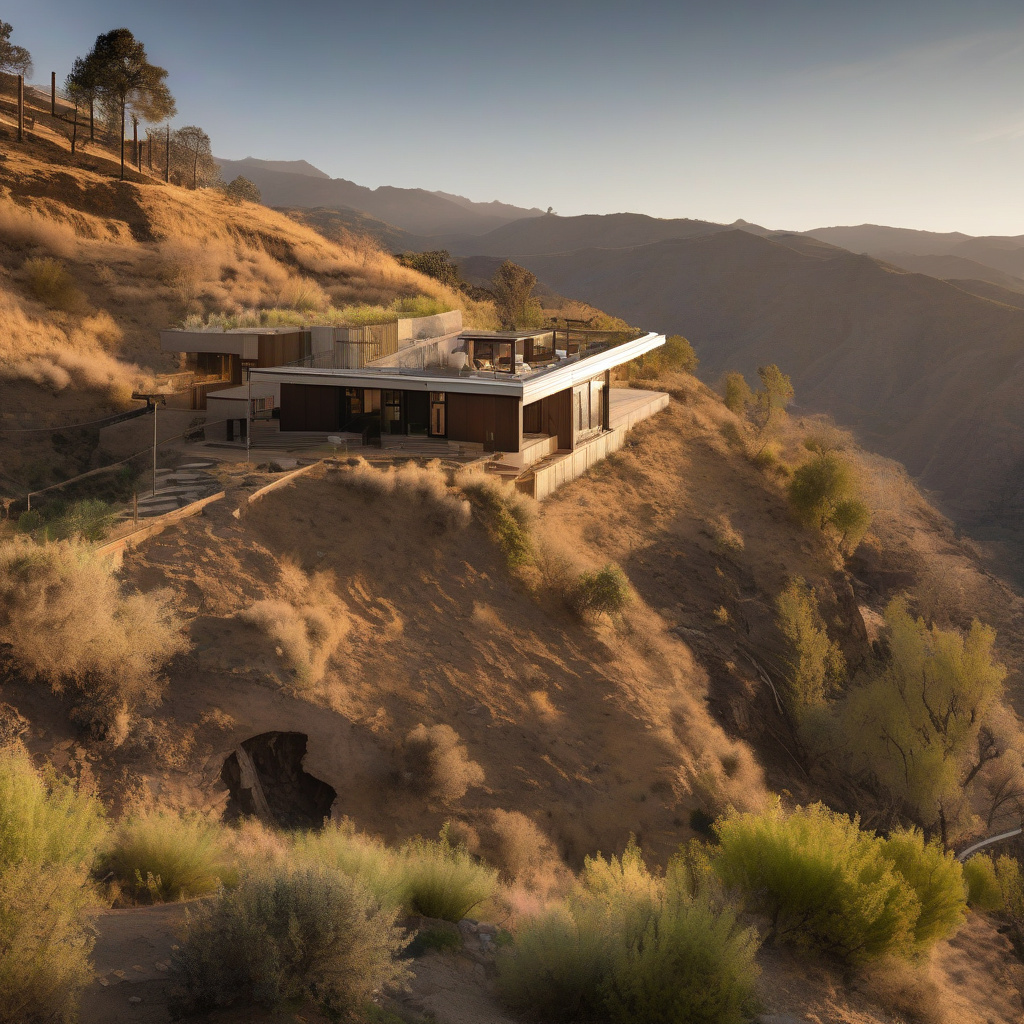
Perched precariously on the rolling hills of Los Angeles, hillside properties offer breathtaking views and a formidable challenge for those daring enough to consider constructing an Accessory Dwelling Unit (ADU). While these tiny abodes promise to unlock potential rental income and increase property value, they also present unique difficulties in engineering and planning. Building an ADU on a hillside lot in LA isn’t just about laying down some concrete and calling it a day. It’s a complex undertaking involving soil stability assessments, engineered foundations, and careful access planning to ensure both safety and compliance.
Brief summary: Crafting an ADU on a hillside lot in Los Angeles involves navigating various challenges from soil stability and engineered foundation requirements to meticulous access planning. This article explores both the benefits and complications tied to hillside constructions, grounding its insights in industry trends and real homeowner experiences.
Starting With the Ground Beneath Your Feet
Before any shovel meets dirt, understanding the terrain is paramount. Hillside lots in Los Angeles tend to present unique geological challenges. The city itself is a living testament to the unpredictable nature of earthquakes, landslides, and erosion. Many homeowners find themselves consulting geotechnical experts to ascertain the soil stability of their plot, a process that often reveals whether building an ADU is a viable option.
The complexities of working with sloped terrain often necessitate advanced engineering approaches. It’s not uncommon for ADU hopefuls to endure extensive soil testing before construction can even commence. Engineers must determine if the ground can support the weight of the new structure, a critical factor in ensuring the safety and longevity of the unit.
But, it’s not all doom and gloom. Homeowners who overcome these foundational hurdles often find their efforts validated by advantageous rental yields and property value appreciation. After all, views of the sprawling LA skyline or the serene Pacific never go out of style.
Securing expert advice right at the onset is invaluable and can save significant financial and emotional costs in the long run by preemptively addressing any geological issues.
In essence, as sure as a solid foundation, meticulous ground analysis is the cornerstone of a successful ADU project on these challenging terrains.
The Art and Science of Engineered Foundations
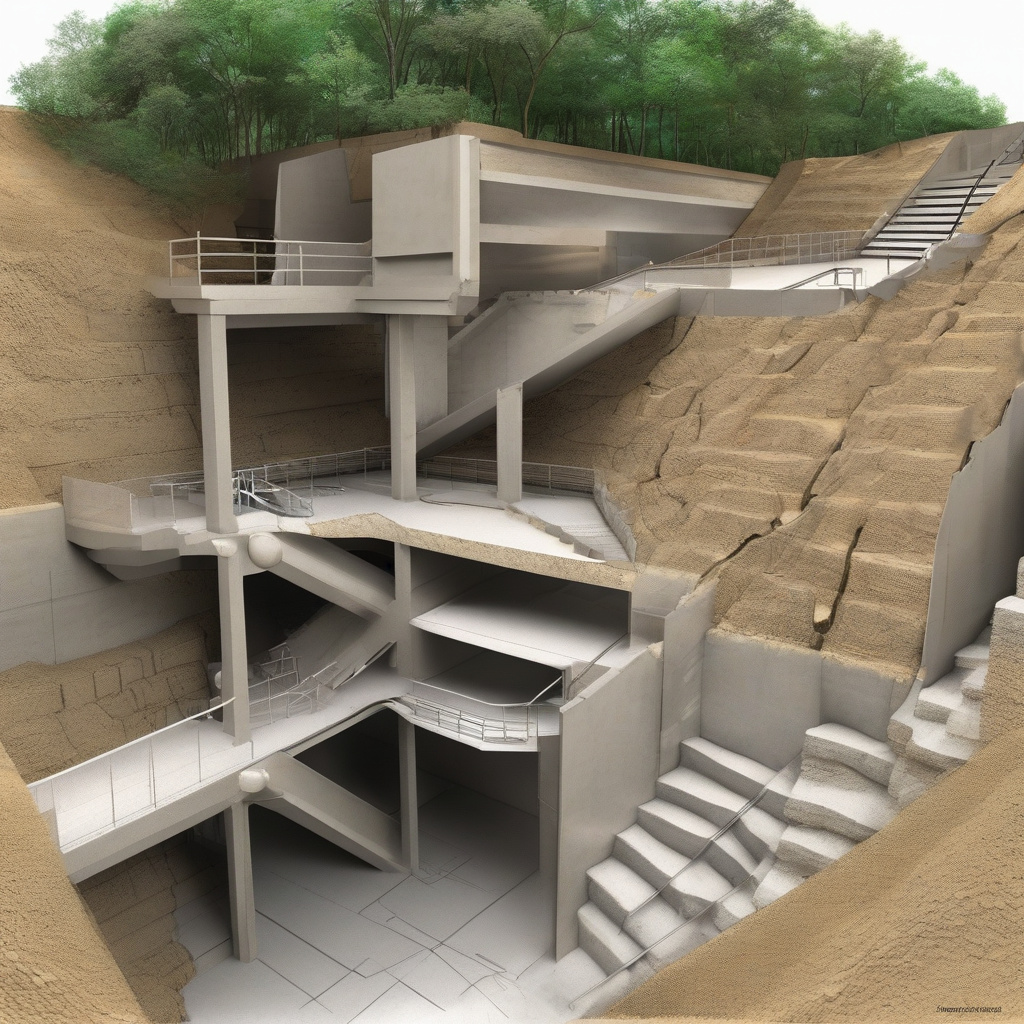
Engineered foundations are the unsung heroes of safe hillside constructions. Unlike their flatland counterparts, these foundational systems must be specially designed to accommodate the unique characteristics of sloped land. The aim is to distribute the structure’s weight evenly and minimize any potential shift from natural forces like gravity and water flow.
A typical solution involves the use of caissons—deep concrete pillars drilled into the hillside to provide sturdy support. Although this method is pricier than traditional footings, it offers unparalleled stability, ensuring the ADU remains safe and secure.
When engaging with the engineering aspects, it’s crucial to consider not just the initial costs but the long-term benefits and safety implications. As many LA homeowners can attest, managing slope-side construction is as much about calculated precision as it is about enduring the significant investment.
Whether navigating the labyrinth of city codes or delving into the realm of cutting-edge architectural techniques, collaboration with specialized engineers is often non-negotiable. Their expertise ensures that the bold endeavor doesn’t come tumbling down with the next heavy rain or seismic shake.
In summary, opting for a meticulously designed engineered foundation is a decision validated by peace of mind and the promise of a lasting investment.
Ensuring Safe and Compliant Access
Accessibility can make or break an ADU project. On a flat lot, access might mean little more than having a walkway or a separate entrance. However, when the plot pitches sharply down a hillside, the complexity ramps up substantially.
Crafting an effective access plan means charting out the safest and most efficient routes for future inhabitants. This might entail constructing stairways or shallower gradient paths, necessitating both creative and structural ingenuity.
The ADA-compliance factor further complicates matters, particularly if the ADU is intended for rental use or as an accessible dwelling for family members. Meeting these standards requires an additional layer of planning, potentially encompassing ramps or elevators.
No discussion of hillside accessibility would be complete without addressing fire safety—a paramount concern in tinder-dry Southern California. Introducing fire-resistant landscaping and ensuring unobstructed escape routes should be part of any thoughtful ADU access strategy.
Ultimately, overcoming access hurdles is all about pairing inventive designs with scrupulous adherence to local regulations. Thorough planning ensures both safety and legal compliance.
Considerations for Planning and Layout
As the romance of a hillside ADU takes shape, practical considerations about the size and layout emerge. Designing on a slope calls for innovative use of space to maximize both usability and aesthetics. With clever design, what initially seems like a constrained footprint can transform into a cozy sanctuary.
Split-level layouts are particularly popular, allowing each level to blend seamlessly with the incline while offering separate zones for occupants. Emphasizing open-plan designs can help maintain a sense of airiness in what might otherwise be a cramped structure.
Access to natural lighting and ventilation is another hallmark of thoughtful design, ensuring comfort and reducing energy consumption. Given the elevation, solar panels can also become a practical addition, harmonizing with the landscape while tapping into LA’s abundant sunshine.
To those exploring these options, consulting resources on creative ADU layouts and designs tailored for hillside lots can spark the imagination and illuminate the best approaches.
Efficiently mapping out a well-conceived layout doesn’t just cater to aesthetic goals but also bolsters functionality and enhances the overall lifestyle experience.
“Homeowners should budget at least 20% additional cost when building on a slope due to the logistical and engineering complexities,” says Mark Chen, a local architectural engineer specializing in Southern California terrain.
Managing Costs and Material Selections
As is often the case in construction, the budget is the elephant in the room. Crafting an ADU on a hillside requires navigating additional expenses driven by the need for specialized materials and labor. The engineering demands alone add substantial costs not encountered in flatland builds.
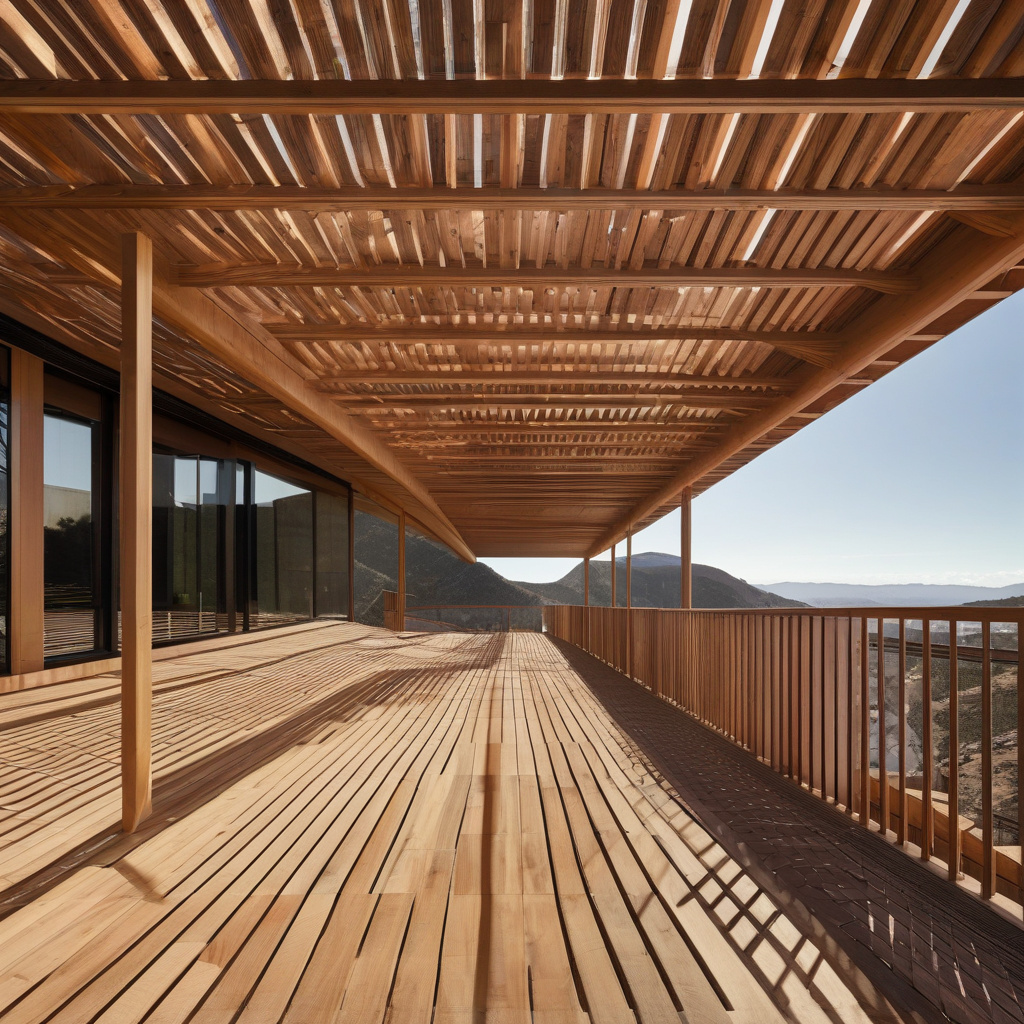
While some materials may carry a steeper upfront price tag, they often promise longer-term savings in maintenance and energy efficiency. Investing in high-quality, durable cladding and roofing materials, as well as energy-efficient windows, can offset some initial financial outlay through reduced utility bills and lower repair costs over time.
When it comes to the intricacies of smart technology integration, connecting with experts on modern ADU features and benefits is crucial. The right technology can enhance not only convenience but also the overall value and appeal of the dwelling.
Strategic selection of both natural and technological materials ensures not only a reduction in rehabilitation costs but also that the ADU is an asset tailored to endure and prosper in its unique setting.
According to the National Association of Realtors, homes with additional dwelling units can see a 20-35% increase in value, a financial boon for those willing to invest in these complex projects.
Regulations, Codes, and Next Steps
Compliance in hillside ADU development is inextricably linked to navigating myriad city regulations and codes that vary widely even across Los Angeles’s many municipalities. Failure to abide by these can lead to costly delays or even demolition orders, reminiscent of the Tower of Babel’s ambitious downfall.
Homeowners must delve deeply into zone-specific building regulations, including height restrictions and setback requirements, to align their projects with legal standards. An essential part of this process is liaising with local councils and obtaining the necessary permits—a practice that requires both patience and perseverance.
Additionally, navigating the often-overlooked world of Homeowner Associations (HOAs) and their stipulations can sometimes feel like a second mortgage in itself. Thankfully, resources that shed light on HOA rules specific to ADUs can prove invaluable in these ventures.
Conquering these regulatory landscapes allows homeowners to confidently execute their plans, knowing that they’re fostering growth rather than merely exposing themselves to bureaucratic pitfalls.
To sum it up, staying informed and prepared with a robust understanding of legal requirements ensures that your ADU journey gears towards success and sustainability.
“In Los Angeles, compliance issues can add anywhere from $10,000 to $50,000 to the budget of ADU projects depending on the complexity of compliance and local jurisdiction,” reveals James Lopez, a veteran construction consultant familiar with the city’s evolving building landscape.
Visualizing the Risk Vs. Reward Equation
| Factors | Benefits | Challenges |
|---|---|---|
| Engineering | Enhanced safety and stability | Higher costs due to complex structures |
| Views | Scenic landscape and property value increase | Challenging accessibility features |
| Climate | Potential for solar energy use | Increased exposure to natural elements |
| Regulations | Opportunity for legal rental income | Taxing compliance processes and fees |
Embarking on the adventure of building an ADU on a hillside isn’t just a real estate decision; it’s a lifestyle choice. By navigating through engineering, aesthetics, and compliance, homeowners can rest assured that their endeavors not only enrich their current living situation but also hedge future benefits.
Concluding Thoughts and Practical Actions
Venturing into hillside ADU development is an intensive commitment that demands more than just financial investment but a willingness to delve deeply into engineering and architectural nuances. While daunting, the potential payoffs—encompassing enhanced property value and unique living experiences—make this a project worthy of serious consideration.
Homeowners eager to traverse this path should start by consulting with seasoned architects and engineers, and leverage reputable resources and guides as stepping stones in this complex process. It’s also vital to remain adaptable and creative, embracing the essential reality that the hillside terrain has as much to offer in character as it does in challenges.
As the dust settles and the complexities of hillside construction become clearer, the realization that these abodes offer more than just stunning views is both profound and compelling. They are, at heart, tributes to innovation and the spirit of residential transformation in the City of Angels.

- Addressing geological and foundational concerns is crucial for ADU success.
- The engineered solutions may be costly but offer long-term stability.
- Thoughtful design choices enhance both function and aesthetic appeal.
- Compliance with local regulations is critical to avoid hurdles.
- The balance of risk and reward makes hillside ADUs a unique opportunity.
“`html
FAQ
Can you build an ADU on a hillside lot in LA?
Building an ADU on a hillside lot in LA certainly presents its unique set of challenges. The key factors to consider include soil stability, engineered foundation design, and strategic access planning. In real renovation projects, engineers often stress the paramount importance of ensuring that the ground beneath the structure can support the additional weight and stress. Many homeowners often underestimate the intricacies involved in navigating the city’s zoning regulations, which can be much more stringent compared to flat lots. Successful projects, like the rehabilitation of older properties in the Silver Lake area, exemplify the detailed planning and expert consultations required. Engaging with a knowledgeable local contractor is pivotal in addressing these complexities from the onset.
What are the main considerations for soil stability when building an ADU on a hillside in LA?
Soil stability is a crucial factor when building an ADU on a hillside. In practice, geotechnical reports become the backbone of informed decisions. These reports evaluate the soil composition and its ability to withstand potential movements and water absorption, which are common pitfalls in hillside constructions. A real-life scenario often involves discovering unexpected soil conditions that necessitate additional ground reinforcement measures, adding both time and cost to the project. Consulting a soil engineer at the earliest possible stage helps mitigate risks and align expectations for homeowners.
How does engineered foundation design differ on hillside lots?
When dealing with hillside lots, engineered foundation designs need to be exceptionally robust. Many experts point out that on sloped terrains, foundations often incorporate caissons or piles driven deep into the ground to anchor the structure securely. These solutions are substantially more complex than standard concrete slabs, requiring detailed engineering plans. For example, a modern build in the hills of Studio City used reinforced grade beams tied into deep piles to ensure stability, showcasing that such projects demand advanced engineering interventions to meet safety codes.
What are the pros and cons of building an ADU on a hillside lot?
Building an ADU on a hillside offers both unique opportunities and challenges. On the upside, such locations provide stunning views and typically enjoy premium valuation over flat lots. However, the cons include heightened construction costs due to the need for specialized engineering and potential hurdles with access during construction. It’s crucial to weigh these aspects, like in the case of a family in Echo Park who realized that while the scenic advantage was undeniable, the increased maintenance and initial permitting efforts were significant considerations. Ultimately, having clear expectations and thorough planning can lead to a rewarding outcome.
What typical mistakes should be avoided when planning an ADU on a hillside lot?
A common mistake homeowners make is underbudgeting the project. In hillside constructions, unforeseen costs can arise from soil stabilization, custom foundation systems, and increased labor. Experienced contractors emphasize the importance of a comprehensive feasibility study before proceeding. Another pitfall is underestimating the approvals timeline with the local planning department, which can delay projects significantly. Inexperienced DIY enthusiasts should be particularly cautious, as they might overlook aspects like appropriate drainage solutions, which could have long-term repercussions. Engaging professionals who understand hillside construction is invaluable.
How can access planning affect the construction of an ADU on a hillside?
Access planning on a hillside is an essential logistical consideration. The restricted space can impede the movement of heavy machinery, leading to increased manual labor costs. Local builders often recount scenarios where access issues had to be cleverly resolved, such as using cranes or winches to transport materials to the site. For example, during a project in the Hollywood Hills, narrow streets and steep topography required an innovative approach. Addressing these challenges upfront with your contractor can save time and cost overruns in the long run.
What cost considerations are unique to building ADUs on hillside lots in LA?
Building on a hillside entails unique cost elements beyond standard construction expenses. These include specialized engineering fees for foundation design, heightened complexity in soil testing, and significant expenditures on retaining walls or drainage systems. For instance, a project in the Laurel Canyon area incurred additional costs for structural reinforcements due to unexpected shifts in soil stability. Consulting detailed guides and possibly reaching out to [a dedicated renovation advisor] can help homeowners budget accurately and plan effectively to manage such expenses.
Are there any specific maintenance considerations for ADUs on hillside lots?
ADUs on hillsides require vigilant maintenance to preserve safety and compliance. Continuous monitoring of structural integrity is paramount. Periodic inspections for potential soil erosion or water infiltration, especially after heavy rains, should be standard practice. Owners often need to maintain drains and retaining walls proactively. A case from the hillside communities in Topanga underscores the necessity; a family faced costly repairs due to neglecting these checks. Thus, having a reliable maintenance schedule can prevent minor issues from escalating into significant problems, safeguarding your investment over the years.
“`