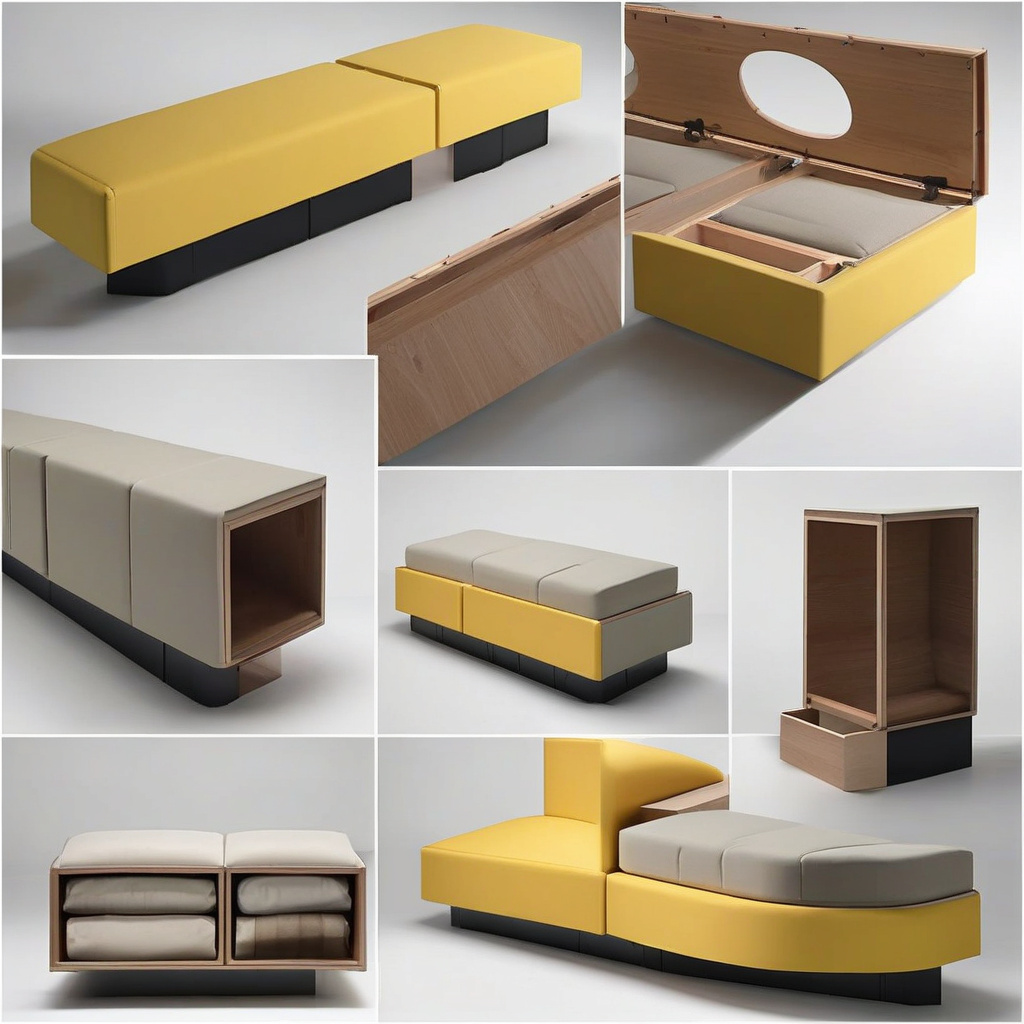
In the ever-evolving landscape of Los Angeles home improvement, the trend of built-in seating for decks and patios has taken center stage. As city dwellers look to maximize utility without sacrificing space, innovative seating designs are gaining popularity. Utilizing benches, planters, and corner seating blocks, homeowners are creating functional outdoor areas that serve as both leisure and social hubs. This article delves into the latest trends, exploring the benefits, costs, and transformative impact of these seating solutions.
Brief summary: The article explores the surge in built-in seating for decks and patios in Los Angeles, focusing on maximizing space and functionality through innovative designs. It covers practical examples, costs, and benefits while guiding homeowners on making informed renovation decisions.
Understanding the Appeal of Built-in Seating
Los Angeles, a city known for its sunshine and outdoor living, demands spaces that bring comfort and style in equal measure. Built-in seating is the perfect answer to this call. Homeowners across Southern California find themselves drawn to these designs, which offer a seamless blend of form and function. The idea is straightforward: use every square foot wisely, providing ample seating without the clutter of moveable furniture.
As many local homeowners notice, built-in seating offers a tailor-made solution that can be customized to match the unique aesthetics of any outdoor space. Enhancing your outdoor experience while maintaining a sleek look is a top priority. This approach not only suits style-conscious individuals but also offers practicality that suits everyday needs and special gatherings alike.
Moreover, integrating built-in seating allows for easier maintenance and a polished look that freestanding furniture struggles to match. While freestanding pieces are susceptible to weather wear-and-tear, built-in options crafted from high-quality materials can withstand the elements with grace.
Ultimately, the aesthetic and practical gains of built-in seating present a compelling case that resonates well with those seeking to enhance their outdoor living experience. In conclusion, this permanent addition stands as a testament to the resilient, sun-kissed way of life Los Angeles embodies.
Materials and Cost Considerations
The choice of materials for built-in seating plays a critical role in determining both the cost and the longevity of the project. Common materials include treated wood, composite decking, and even decorative concrete. Each option brings its unique set of benefits and potential pitfalls to the table.
For instance, treated wood provides a classic look but requires regular maintenance to prevent weather damage. On the other hand, composite decking offers a low-maintenance alternative with additional durability, albeit at a higher upfront cost. Concrete, while less common, creates a modern aesthetic with unparalleled strength, offering a durable and stylish solution.
The overall expense of a built-in seating project hinges on several factors beyond material choice, including the complexity of the design and the extent of customizations desired. In Los Angeles, basic projects start around $1,500, with more complex installations reaching $5,000 or more.
The investment in high-quality material can significantly increase both the lifespan and the appeal of built-in seating, promising returns both in daily utility and eventual resale value. Thus, while carefully weighing your options, focus on aligning with both artistic vision and budgetary constraints.
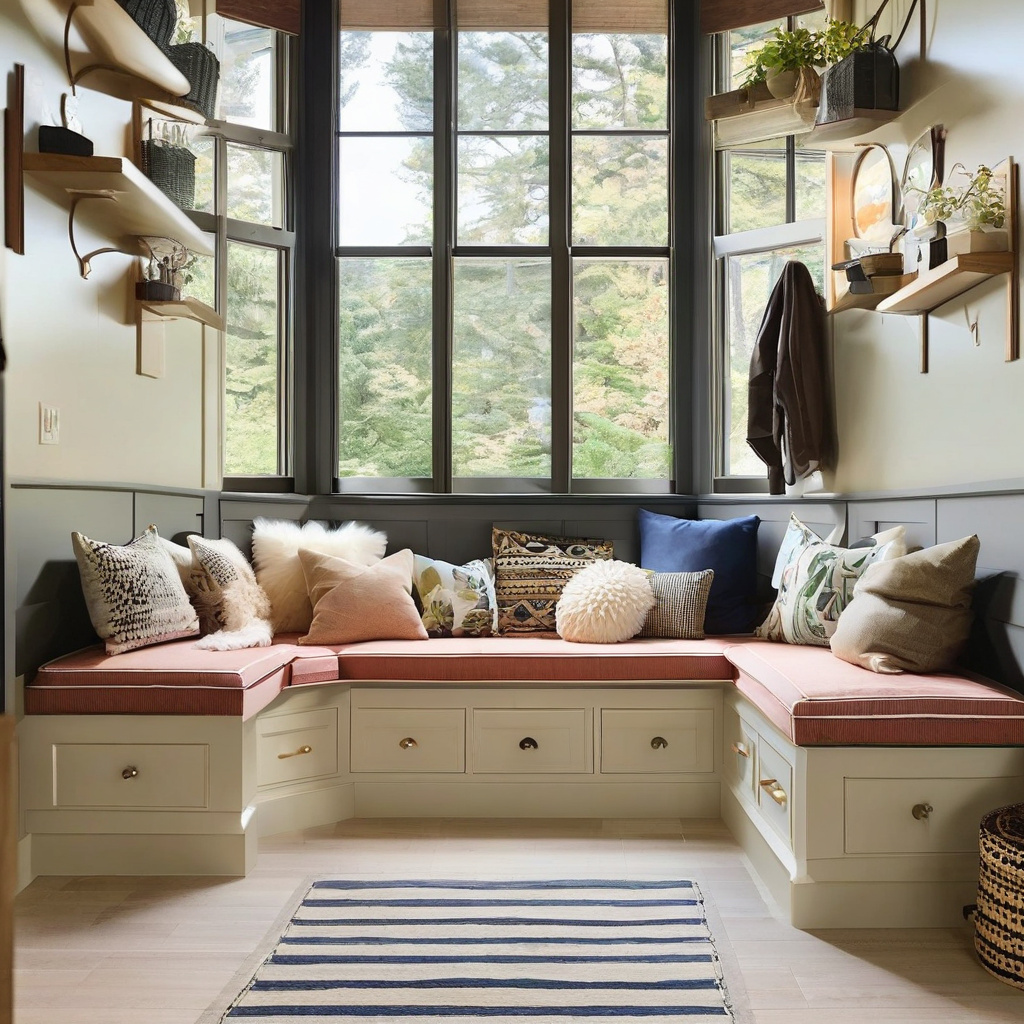
Planning Your Outdoor Renovation
Successful implementation of built-in seating starts with a thoughtful plan. Homeowners need to consider several aspects, including space limitations, intended use, and integration with existing outdoor structures. This comprehensive planning stage often separates triumph from tribulation.
Addressing the infrastructure needs early on—such as ensuring the area can accommodate wiring for lighting or even powering outdoor entertainment features—paves the way for a cohesively designed space. This planning phase should include discussions with a contractor to iron out the necessary considerations and timelines.
It’s also vital to think about the climatic conditions specific to Los Angeles, prioritizing materials and designs that can withstand the region’s intense sun and occasional rainfall. Opting for weather-resistant finishes and integrating shade structures can protect your investment.
Ultimately, thorough planning ensures your outdoor seating area will provide not just comfort but a visually appealing retreat. The right decisions at this stage set the foundation for a successful and satisfying renovation project.
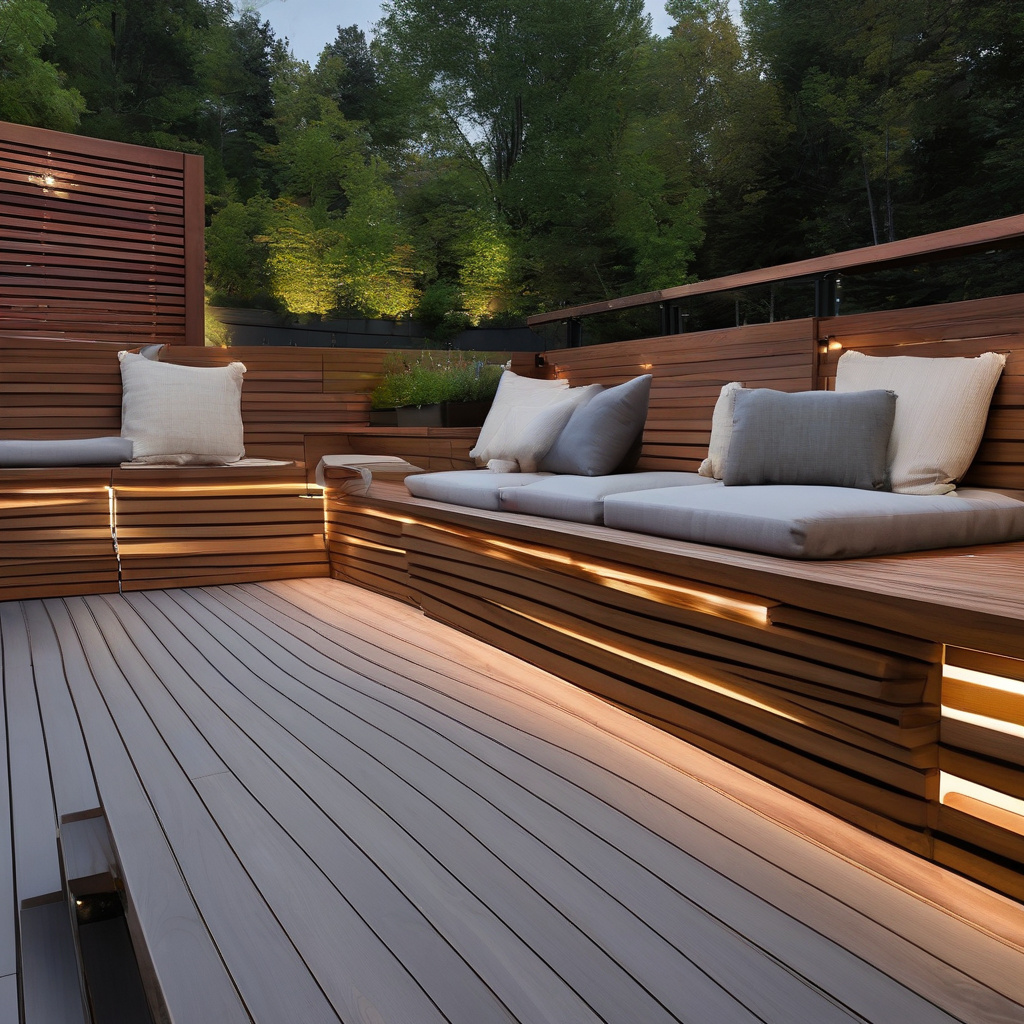
Design Styles: From Classic to Contemporary
The beauty of built-in seating is its capacity to adapt to various design sensibilities. Whether your taste leans towards classic styles or ultra-modern aesthetics, there is a design solution to match. For many homeowners, the integration of natural elements—such as incorporating planters into bench designs—reflects a commitment to sustainability and harmonious outdoor living.
Contemporary designs feature sleek lines and minimalism, often using materials like metal and stone to create a stark contrast with the natural environment. This style suits urban dwellers looking for a clean and sophisticated look.
Classical designs, in contrast, focus on curved lines and intricate detailing, usually matched with materials like wood. These options often include traditional elements such as built-in storage or decorative flourishes that enhance rustic charm.
Whether you’re drawn to a specific aesthetic or open to experimentation, your deck or patio can become a reflection of personal style and a comfortable environment for gatherings.
“Outdoor seating increases property value by up to 10%, creating a desirable space that appeals to potential buyers.” — Home Architecture Journal
Creating Seamless Transitions with Multilevel Decks
Embracing a multilevel design can further enhance the functionality and visual appeal of your outdoor space. Utilizing decks at varying heights not only delineates areas for different activities but also establishes a dynamic setting that can easily accommodate everything from intimate gatherings to larger parties.
In this style, built-in seating serves as both a unifying feature and a means to increase usable space, creating elegant transitions between levels. For more inspiration on creating these cohesive outdoor experiences, many turn to exploring new deck layouts as practical solutions.
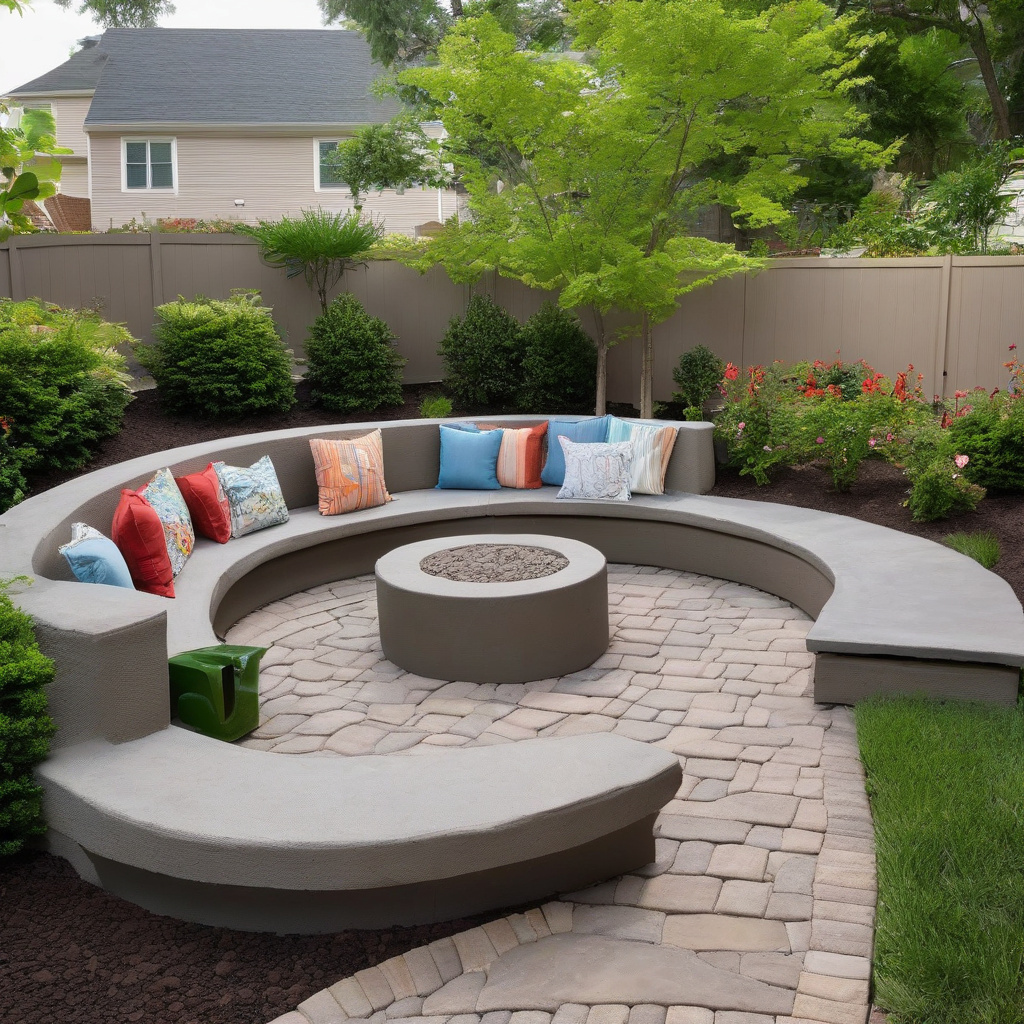
Balancing Advantages and Disadvantages
Every design choice involves weighing benefits against potential drawbacks, and built-in seating for decks and patios is no exception. An analysis of its advantages reveals its space-saving nature, increased durability, and potential for customization, which aligns with the individual needs of Los Angeles homeowners.
However, there are disadvantages to consider. The permanence of these structures might deter those who enjoy frequently changing the layout of their outdoor areas. Moreover, the initial cost of installing high-quality seating can be a formidable hurdle for some budgets.
Comparatively, the benefits of built-in endeavors outweigh these challenges for many Angelenos, particularly when considering the added value to their property and the enhancement of outdoor living spaces.
For those willing to invest in a long-term, maintenance-friendly solution, built-in seating represents a rewarding path forward, combining practicality with aesthetics.
Renovating with Traditional Craftsmanship
In an age of digital design, embracing traditional craftsmanship can add a unique touch to your outdoor environment. Many Los Angeles homeowners find that collaborating with skilled artisans yields designs that balance modern needs with timeless craftsmanship, ensuring every detail caters to both functionality and artistry.
“Skilled craftsmanship adds 15% to the project’s overall cost but can enhance satisfaction and longevity impressively.” — Craftsmanship Digest
Evaluating Design Methods and Timelines
| Method | Average Cost | Materials | Estimated Timeline |
|---|---|---|---|
| Prefabricated Units | $1,500 – $3,000 | Composite, Wood | 2-4 weeks |
| Custom Designs | $3,000 – $7,000 | Treated Wood, Stone | 4-8 weeks |
| Traditional Craftsmanship | $5,000 – $10,000 | Bespoke Materials | 6-12 weeks |
In evaluating different methods and timelines, prefabricated units are often the quickest and most economical choice, though limited in customization. Custom designs allow for more personal expression, with a slightly longer timeline. Meanwhile, traditional craftsmanship incorporates bespoke materials and extends project duration, serving those prioritized towards an artisan’s touch.
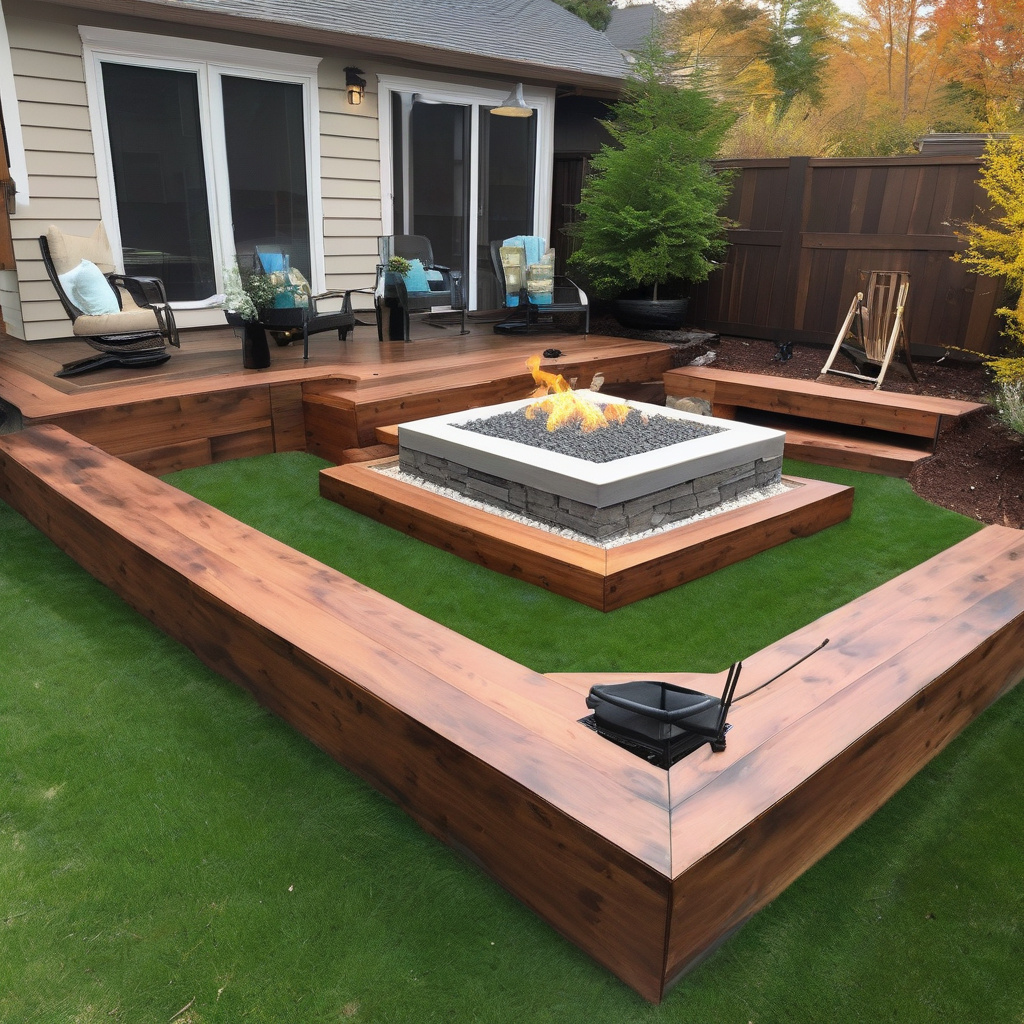
“Built-in seating on a deck can last twice as long as portable furniture due to structural integration and better materials.” — Outdoor Living Experts
Step-by-step Guide: How to Implement Built-in Seating
To transform your deck or patio with built-in seating, consider the following practical steps: First, envision your space. Imagine not only how the built-in seating will look but how it will harmonize with other elements. Take measurements to ensure optimal space usage.
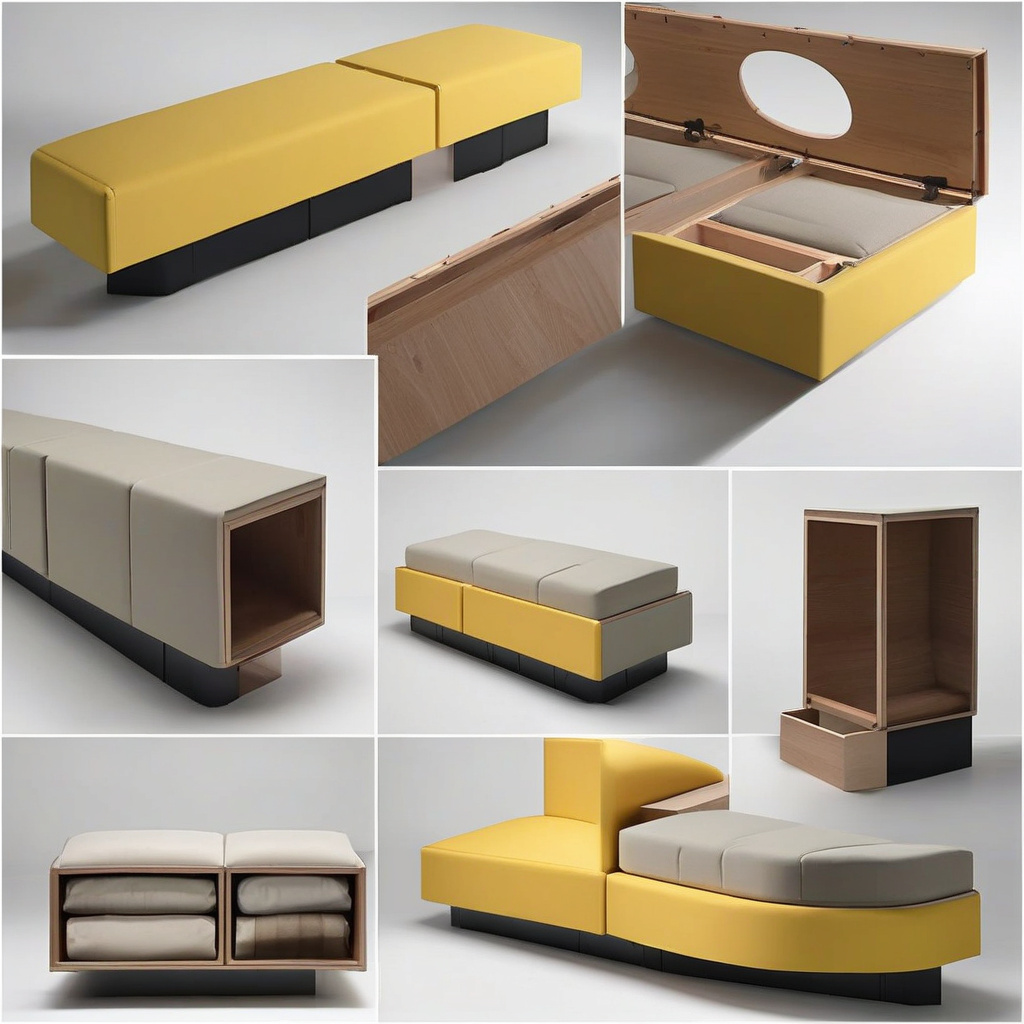
Next, consult with a local contractor or designer who specializes in built-in designs. Their expertise will guide material choices and design elements, such as combining seating with planters or storage components.
Secure any necessary permits if your seating design impacts the structural aspects of your outdoor area. This legal step ensures compliance with local building codes and helps avoid potential headaches.
Finally, engage a reputable builder adept at executing your design vision, transforming concepts into reality over the agreed timeline. Once complete, accentuate your new space with accessories such as cushions and outdoor lighting to elevate comfort and style.
By following these steps, Angelenos can confidently transition from dreaming about a functional patio to enjoying the versatility and beauty it brings.
- The rise of built-in seating in Los Angeles emphasizes maximizing utility and aesthetic outdoor spaces.
- Factors like materials, designs, and costs are pivotal in decision-making.
- Detailed planning and craftsmanship skillfully impact the project’s success.
- Balancing customization with functionality guides informed decisions.
- Comprehensive execution turns vision into reality, reflecting personal style.
“`html
FAQ
What are built-in seating ideas for decks and patios?
Built-in seating for decks and patios typically involves incorporating fixed seating solutions like benches with integrated planters, corner seating blocks, or even elevated platforms with cushioned tops. Many experts point out that these solutions maximize function by minimizing the need for movable furniture, creating a more streamlined look. Imagine a single-family home in California where an older wooden deck has been given new life with custom-built cedar benches and strategically placed planters that not only provide seating but also add greenery, creating a seamless transition between nature and living space.
How do I choose the right built-in seating for my outdoor area?
In real renovation projects, it often becomes clear that selecting built-in seating is about aligning functionality with aesthetics. Consider the size and shape of your space—an expansive deck might benefit from wrap-around seating that encourages social interaction, while a compact patio might require a simple bench against a wall to avoid overcrowding. Homeowners frequently underestimate the need for durable materials; weather-resistant wood or composite materials are essential in areas like California, where fluctuating weather can wreak havoc on less sturdy options. Consulting with a renovation expert can provide tailored insights—explore the possibility of professional advice through this convenient method of reaching out to experts.
When does it make sense to implement built-in seating?
The decision to introduce built-in seating is often driven by specific situational needs. In newer builds with modern systems that emphasize clean lines, built-in seating can provide the desired contemporary aesthetics. It makes practical sense when you crave a maintenance-free solution that reduces yard clutter. Think of older properties undergoing renovation; they often benefit from the defined structure built-in seating offers, adding value and reducing long-term maintenance compared to movable pieces. Experts advise considering this option during the initial phases of outdoor planning to seamlessly integrate with other elements such as lighting and landscaping.
What are typical mistakes to avoid with built-in outdoor seating?
Homeowners frequently underestimate the importance of planning for drainage and weatherproofing. A common mistake is installing seating without considering how rainwater will be managed, leading to pooling or damage to materials. Another issue arises from choosing wood types that aren’t well-suited for outdoor use, which can lead to costly replacements. It’s vital to incorporate drainage solutions and select materials like treated lumber or composite decking, especially in climates with varying weather such as California’s. Pay attention to comfort during design, ensuring that cushions fit perfectly and materials remain cool under the sun.
What are the cost considerations for built-in seating?
Many experts point out that while built-in seating can initially be more expensive than buying furniture, it is often more cost-effective over time. Costs will vary based on materials, design complexity, and the labor involved. For instance, using higher-end woods like ipe or teak will raise costs, but they offer lasting durability and prestige. A practical tip: include built-in seating during a larger renovation project to potentially reduce overall labor costs by having contractors handle multiple tasks simultaneously. DIY enthusiasts might reconsider, as inaccuracies can lead to greater expenses than anticipated.
What are the pros and cons of built-in seating?
The advantages of built-in seating include a tailored fit to your space, a unified design that enhances aesthetic appeal, and reduced clutter from furniture. It’s especially valued for its low maintenance if constructed with durable materials. However, the limitations include a lack of flexibility as seating arrangements cannot be changed, and initial costs can be higher compared to freestanding options. Additionally, built-in solutions require careful planning to ensure comfort and style, as retroactive changes can be challenging. Balancing these aspects requires thoughtful consideration of your lifestyle and how you use your outdoor space.
What maintenance is required for built-in deck and patio seating?
Built-in seating, if crafted from quality materials, necessitates surprisingly low maintenance. However, periodic checks for weather-related wear and application of protective finishes are wise. In real homes, owners might notice that slats and joints occasionally require retouching, especially if exposed to substantial sun or rain. Homeowners are advised to consider weather conditions—while drier climates alleviate mildew worries, they can exacerbate UV damage to wood. Regular sealing and cleaning based on regional weather patterns will ensure longevity, particularly in sunny areas like California where fading and cracking are possible.
How does built-in seating enhance the function of outdoor areas?
Integrating built-in seating enhances functionality by optimizing space and creating a cohesive outdoor environment. No need to shuffle chairs or worry about weather-resistant furniture every time it rains. This setup elegantly expands your living area into the outdoors, allowing a seamless flow from home to yard. Professionals in the field often commend this feature when augmenting small patios or decks, citing its ability to define space without adding physical barriers. This is particularly beneficial in family-oriented homes, providing ample seating for gatherings while maintaining a tidy, sophisticated look.
“`