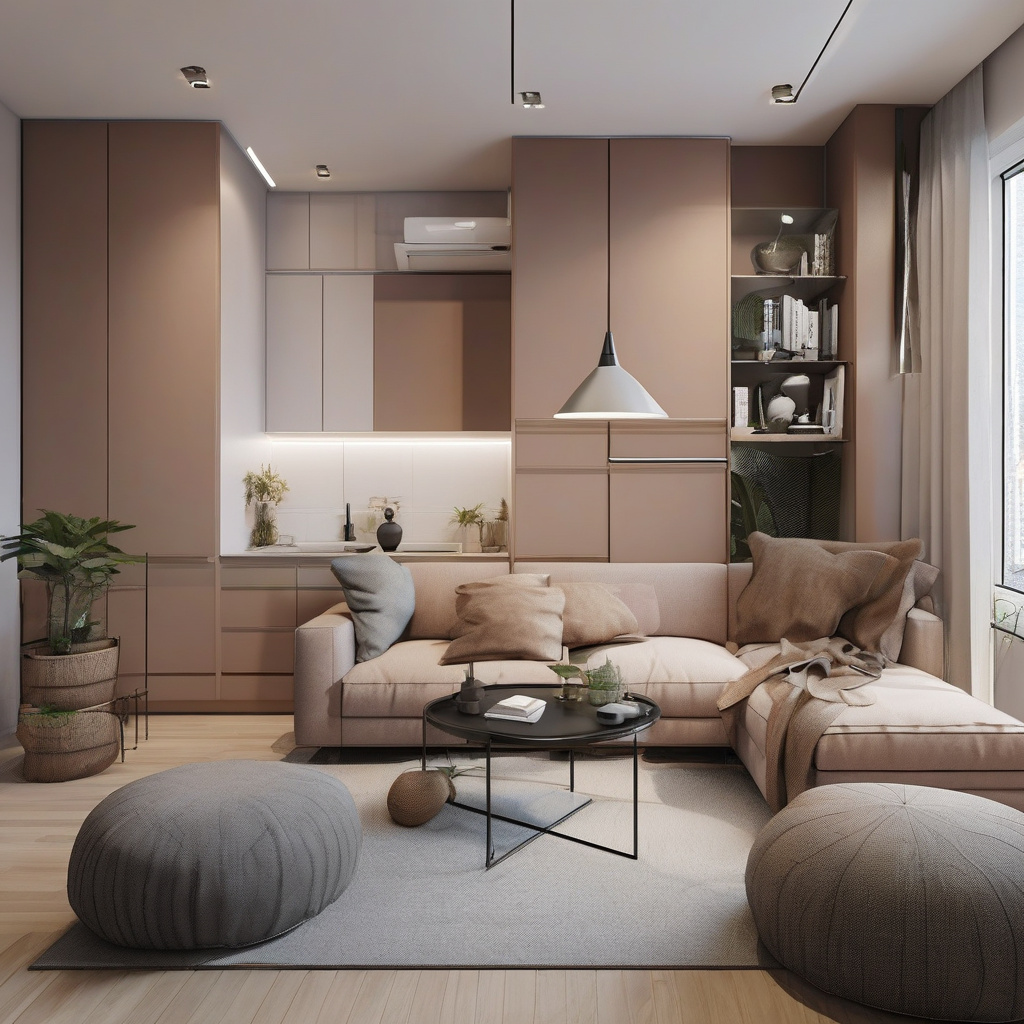
For many in Los Angeles and the expansive regions of Southern California, the rental market is a bustling, high-stakes environment. With constant tenant turnovers, landlords face the ongoing challenge of keeping properties not just appealing, but also resilient. Enter the era of durable paints, promising longevity and effortless touch-ups. But what makes a paint truly ideal for rental properties, and how can landlords make informed choices that won’t dent their bank accounts?
Brief summary: This article examines the best practices for painting rental properties to ensure durability and facilitate easy touch-ups. It delves into the importance of selecting washable finishes, sticking to neutral tones, and using industry tactics inspired by real life projects from Los Angeles.
Understanding Durable Paint: The Backbone of Rental Longevity
Durability in paint doesn’t just reside in its color or hue—it’s in the formula. Choosing paint that can withstand time and tenant traffic is paramount. When it comes to rental properties in areas like California’s complex renovation market, landlords have learned to opt for paints that prioritize endurance. From resisting scuff marks to retaining color vibrancy, the composition must cater to multiple challenges.
Many landlords are increasingly leaning towards semi-gloss and satin finishes. Not only are these visually appealing, but they also allow for easy cleaning and retouching—a lifesaver when a little one decides to test their crayon skills on the walls. Washable paints ensure that any artistic endeavours from little tenants can disappear with minimal effort.
Another crucial aspect is selecting a paint that offers UV resistance—a key concern for properties battling the relentless Southern Californian sun. UV-resistant paints prevent fading, preserving the initial aesthetic, which can be a surprisingly valuable asset during property viewings.
The combination of these properties is what many professionals in the region consider a ‘magic mix’ for rental properties, ensuring that even under duress, the paint stands proud. This approach not only maintains the home’s appeal but also cuts down on maintenance costs significantly.
As the North American Paint Market Report indicates, demand for durable and washable paints has increased by 20% over the past five years, showcasing a clear trend towards long-lasting solutions.
Choosing the Perfect Palette: Neutral Tones for the Win
While bolder colors can infuse a property with personality, landlords are often advised to remain neutral—and it’s not just about playing it safe. Neutral tones like soft whites, greys, and beiges offer versatility, serving as a blank canvas that can complement varied tenant tastes and furniture. This choice also enhances light, creating brighter, more open spaces, a significant selling point in any rental market.
Moreover, neutral colors simplify the process of touch-ups and repainting. They don’t just streamline the maintenance process; they also promise consistency in appearance even after multiple refreshes. It’s an assurance both landlords and tenants value.
Beyond aesthetics, neutral tones have practical advantages. They hide imperfections and wear better over time compared to darker shades, which might expose every little scratch or blemish.
For those in the Los Angeles market, selecting the right palette can even influence tenant behavior, subtly encouraging rentals with more prolonged tenancy and less turnover. Once the right colors are on the walls, understanding the psychology of room colors can further benefit landlords, helping them curate spaces that evoke calm, happiness, or productivity.
A color psychology survey reveals that people are 70% more likely to rent properties with interiors painted in neutral hues, which are perceived as more spacious and inviting.
Navigating Costs and Materials: A Guide for Savvy Investors
While many landlords might initially balk at the price of high-quality, durable paints, the long-term gains far outweigh the up-front costs. Investing in better quality paints decreases the frequency of needing complete repaints, particularly after tenants vacate. In a city like Los Angeles, where labor costs can be steep, such savings are significant.
For the budget-conscious landlord, there’s a fine balance to strike between cost and quality. Long-lasting paint might have a higher purchase price, but the extended life expectancy often makes it the smarter financial move.
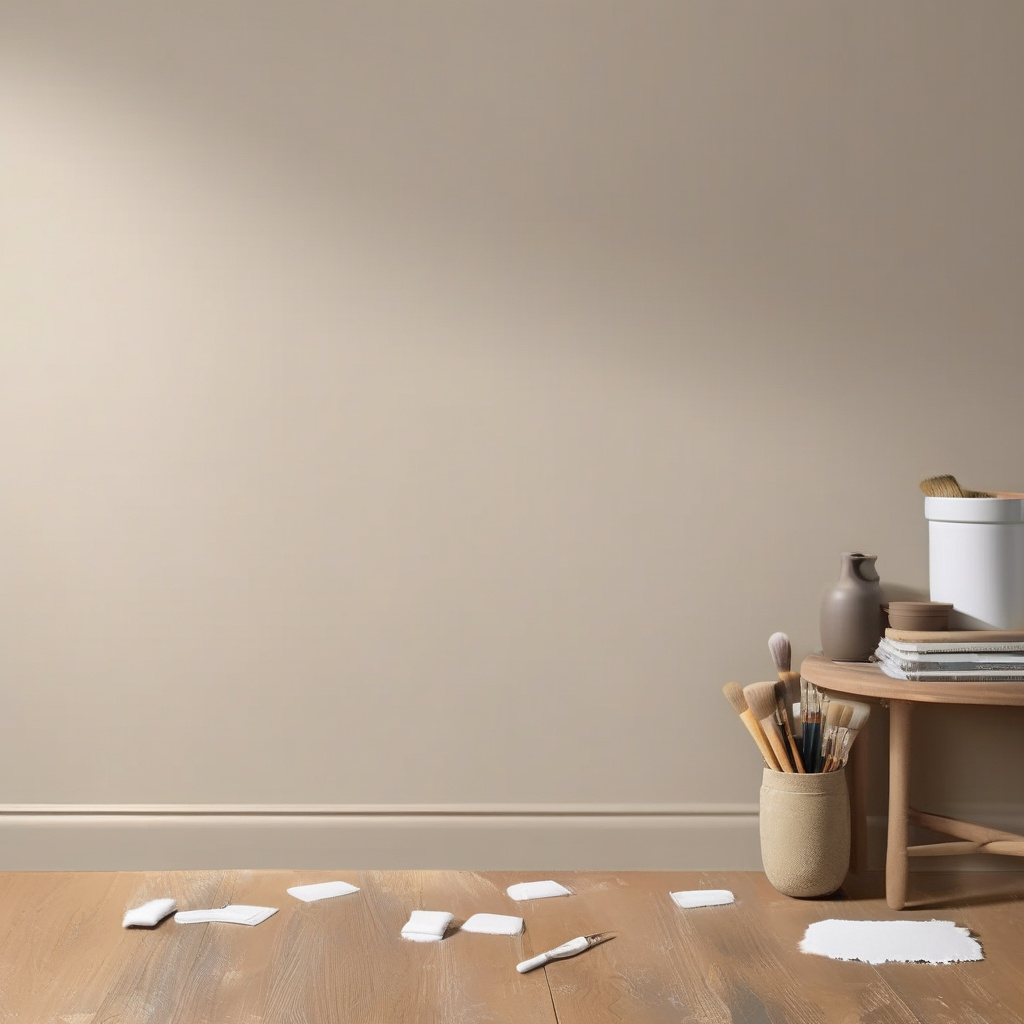
Comparative table presents a clear view of how different paint choices affect timelines and budgets:
| Paint Type | Average Cost per Gallon | Longevity | Touch-up Capability |
|---|---|---|---|
| Standard Paint | $20-30 | 2-3 years | Moderate |
| Premium Durable Paint | $40-60 | 5-7 years | High |
| Eco-friendly Washable Paint | $50-80 | 5+ years | Very High |
In the end, a well-chosen paint can act as both a protective and financial buffer, saving money while maintaining a polished, fresh appearance. When landlords opt for higher quality, they can advertise their properties as having recently undergone a superior renovation.
As investment strategists often indicate, ensuring quality in materials initially allows for larger savings in upkeep and recurring maintenance.
Innovative Techniques: Modern Solutions for Old Problems
Beyond the basics of choosing the right paint, some innovative techniques have emerged, offering unique solutions to common landlord challenges. Accent walls and ceilings, for instance, can dramatically transform a space without requiring a full paint job. This approach not only saves costs but also adds a modern touch to interiors.
Strategic use of colors with an accent ceiling can help delineate spaces or highlight architectural features. The right choice of colors and application techniques can revolutionize renters’ perceptions of a property, creating attractive, memorable spaces.
Moreover, cutting-edge paint technologies, including anti-graffiti formulas, are making waves among landlords dealing with urban properties. These formulations make it easy to clean surfaces without damaging the underlying paint, providing peace of mind for landlords with downtown properties.
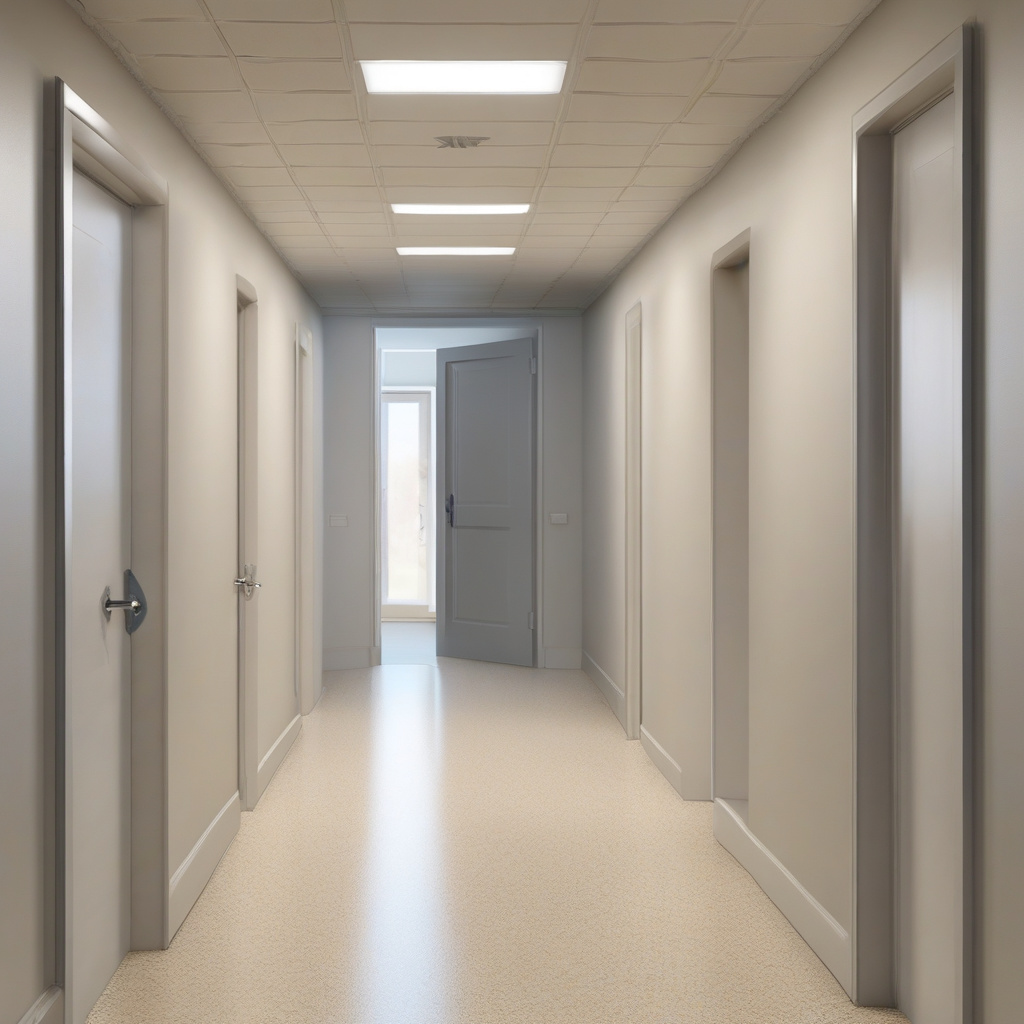
For those exploring such creative solutions, discovering new ceiling ideas in Los Angeles could present both a challenge and opportunity.
Ultimately, these modern approaches not only improve aesthetics but also efficiency, translating directly into reduced costs and enhanced value.
The Risk and Reward Tradeoff: Analysis for Property Owners
Renovating rental properties is not without its share of gambles. While opting for superior materials might seem straightforward, the process demands careful assessment. Every element—paint, labor, time—interplays with the others, impacting the overall budget and ROI (return on investment).
Nonetheless, investing in quality paint with durable properties offers numerous rewards. Feverishly holding on to inferior quality can introduce hidden costs, such as frequent touch-ups, unhappy tenants, or diminished rental value.
On the other hand, improved tenant satisfaction often leads to lower vacancy rates and, thus, more stable revenues. Through careful selection and application of durable paints, property owners can assure both aesthetic superiority and practical benefits.
As the Los Angeles market adapts to new standards and expectations, reviewing the benefits versus risks becomes a necessary task for any invested landlord.

In weighing these decisions, many landlords find peace of mind in knowing their properties appeal both visually and functionally, a vital component in a market as demanding as California’s.
Practical Considerations and Next Steps for Landlords
Beyond selecting the right paint, landlords must consider other practical aspects of property maintenance. This includes regular inspections to assess paint conditions, keeping records of previous work, and preemptively planning for necessary touch-ups when the time arises.
As a crucial element of maintaining property standards, timely addressing wear and damage prevents further deterioration and ensures tenant satisfaction. It’s a proactive approach that savvy landlords have embraced over reactive measures.
Moreover, for properties built before 1978, landlords must address potential lead-based paint hazards. In compliance with safety standards, there’s a necessity for professional lead paint removal in certain cases, ensuring compliance and safeguarding tenant welfare.
Combining these strategic choices and cautious maintenance practices, property owners can successfully navigate the complexities of a rental market.
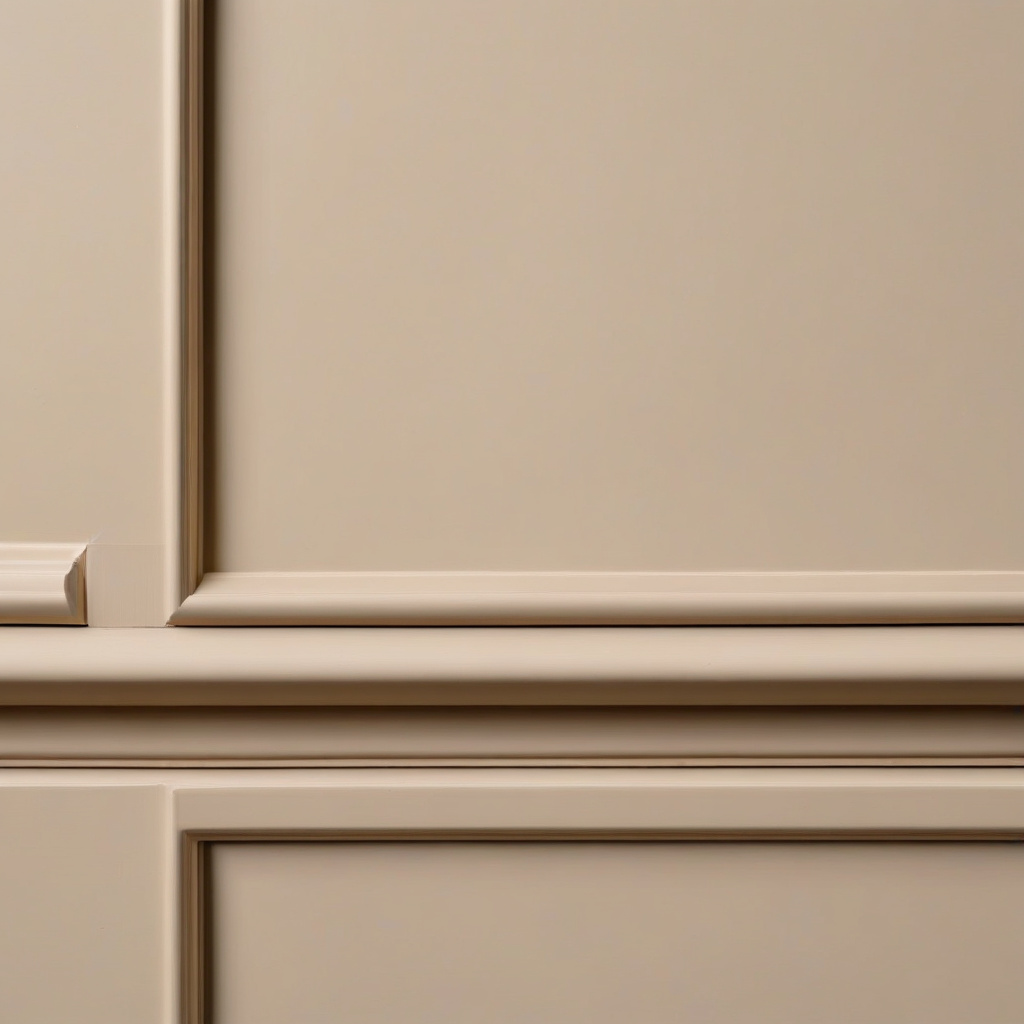
Ultimately, drawing from real-life experiences provides valuable insight into the significant impact of using durable paints strategically throughout rental properties.
- Choosing durable, washable paint is crucial for maintaining rental appeal.
- Neutral tones offer versatility and ease for touch-ups.
- Investing in high-quality paint can reduce long-term costs.
- Utilizing modern techniques, like accent walls, can enhance property value.
- Understanding the risks versus rewards helps make informed decisions.
“`html
FAQ
What makes paint durable for rental properties?
In real renovation projects, durability often hinges on the paint’s ability to withstand wear and tear. Tenants may not treat the walls as gingerly as a homeowner might, leading to frequent scuffs or marks. Thus, durable paint should have a washable finish; many experts point toward semi-gloss or satin finishes as they offer resilience against spills and fingerprints while being easier to clean. The chemical composition plays a critical role too. Paints with high acrylic content provide better adhesion and flexibility, essential for enduring frequent touch-ups without leaving visible patches.
How do you choose the right color palette for rental properties?
Neutral tones are often the go-to choice for rental properties. They create a blank canvas, allowing prospective tenants to envision their own belongings in the space. You’ll find that earthy beiges and light grays are popular choices as they complement most furniture styles and color schemes. In California, where modern and airy spaces are preferred, lighter colors can help accentuate natural light. Just avoid colors that are too stark; softer shades of white tend to be less harsh and more welcoming.
When does it make sense to repaint a rental property?
In older properties undergoing renovation, a fresh coat of paint can do wonders. It’s akin to breathing new life into the walls, making spaces look clean and updated. Many property managers opt for repainting during tenant turnover, as it ensures the property is market-ready. Additionally, in regions like California where competition is fierce, a freshly painted property is more likely to appeal to quality tenants. If you notice significant wall damage or outdated colors, it’s definitely time to reach for the paintbrush.
What are some common painting mistakes landlords make?
A frequent mistake is opting for cheaper paint in hopes of saving costs. Homeowners frequently underestimate this aspect, thinking that all paints are created equal. However, cheaper paints tend to lack durability, requiring more frequent repaints. Another oversight is neglecting proper prep work. Without a clean, primed surface, even the best paint won’t adhere properly. Also, using flat finishes in high-traffic areas can lead to noticeable wear quickly; a novice mistake best avoided by selecting semi-gloss or eggshell finishes instead.
What are the cost considerations when painting rental properties?
Cost considerations go beyond the simple price per gallon. Durable, high-quality paint might appear more expensive initially, but the longevity and ease of maintenance can result in savings over time. In real renovation projects, it often becomes clear that touch-ups and repaints needed with cheaper options can add up. Factoring in labor costs, time spent, and potential vacancies while painting can further strain budgets. It’s often economically wiser to invest in good quality from the start, preventing frequent touch-ups down the line.
What are the benefits and limitations of using high-gloss paints?
High-gloss paints offer several advantages, such as excellent washability and a shiny finish that reflects light, making spaces appear brighter. They’re ideal for molding and trims, where their durability can withstand knocks and scrapes. However, this finish does have limitations. It highlights imperfections, making surface prep vital. In single-family homes, particularly older ones with less-than-perfect walls, using high-gloss can inadvertently spotlight flaws, whereas a matte or satin finish might hide them better.
How can landlords make painting maintenance easier?
Choosing paints with easy-touch-up formulas is key for hassle-free maintenance. These paints blend seamlessly with existing coats, reducing visible touch-up marks. Additionally, landlords should keep a small supply of leftover paint for future tenants. Regular wall cleaning and touching up as small blemishes appear can prevent larger repaint jobs. It’s also advisable to document paint brands and color codes, storing them for future reference. If in doubt, consulting professional guidance can be insightful for landlords looking to optimize their maintenance routine. More tailored advice can be found through resources like this expert renovation support available online.
Are there environmental considerations when choosing paint for rental properties?
Environmental considerations are increasingly crucial, especially in eco-conscious regions like California. Paint with low- or zero-VOC (volatile organic compounds) is preferable as it contributes to better indoor air quality. Tenants who are environmentally aware will appreciate landlords’ commitment to sustainable choices. Besides, these paints usually have less odor, making spaces more pleasant and quicker to occupy post-renovation. Landlords looking to enhance their property’s appeal often find that such eco-friendly modifications cater to a broader tenant pool, aligning with increasingly green tenants’ values.
“`