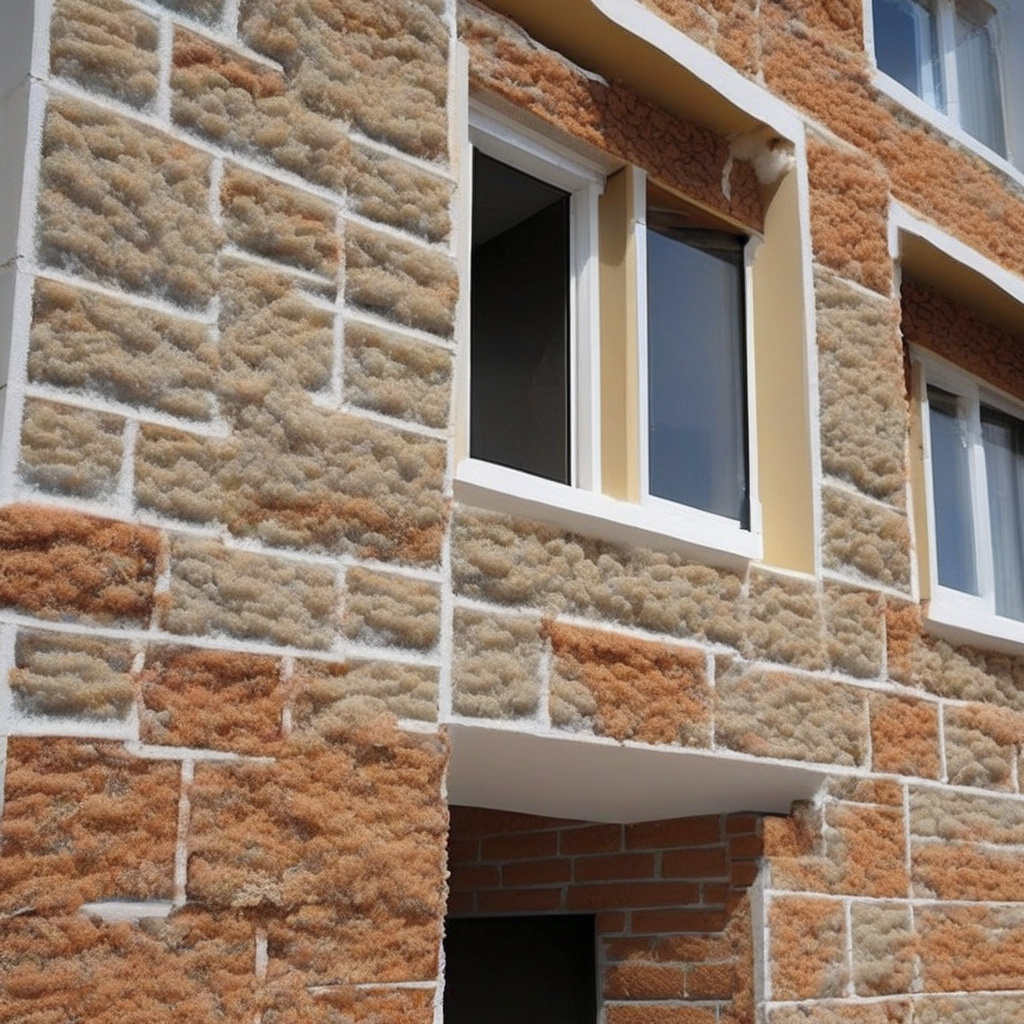
When considering the perfect material for insulating external walls in sunny Los Angeles, foam insulation consistently emerges as a top choice, delivering not only comfort but also an undeniable boost in energy efficiency. With a climate that generously oscillates between balmy and sun-roasted, many LA homeowners are prioritizing solutions that manage temperature fluctuations while keeping monthly energy bills in check. Foam insulation offers an enticingly modern answer on both fronts—and more.
Brief summary: Foam insulation for external walls is an effective way to boost energy efficiency and comfort in Los Angeles homes. The article explores the advantages of foam insulation, offers expert insights, and provides practical tips for implementation. With an in-depth look at technologies and strategies, this piece is a handy guide for homeowners tackling renovation projects.
Understanding Foam Insulation: What You Should Know
Foam insulation effectively fills the tiny nooks and crannies that often elude traditional insulation methods. This material, renowned for its adaptability and robust capacity to minimize energy transfer, is an unsung hero in the architectural landscape of home improvement. Originally developed for aerospace applications, its adaptability quickly turned heads in the construction industry.
The expansion ability of foam insulation permits it to fill voids of different sizes, making it ideal for older homes where wall cavities can be irregular. This means fewer chilly drafts and a steadier indoor climate all year round. Homeowners often choose open-cell foam for its soundproofing and vapor-permeable properties and closed-cell foam for its superior insulating value and water resistance.
Foam insulation doesn’t just manage temperature—it’s a secret weapon against noise. Ambient city clatter, a daily patronage for many city dwellers, becomes a distant murmur with quality foam insulation. It’s comforting to consider that while the birds and cars continue outside, your home remains a serene sanctuary within.
Whether one chooses spray foam or foam board, the result is a highly energy-efficient envelope. This means not only warmth and coziness but also a commendable reduction in the carbon footprint—a crucial consideration as many Californians seek to align their lifestyles with more sustainable practices.
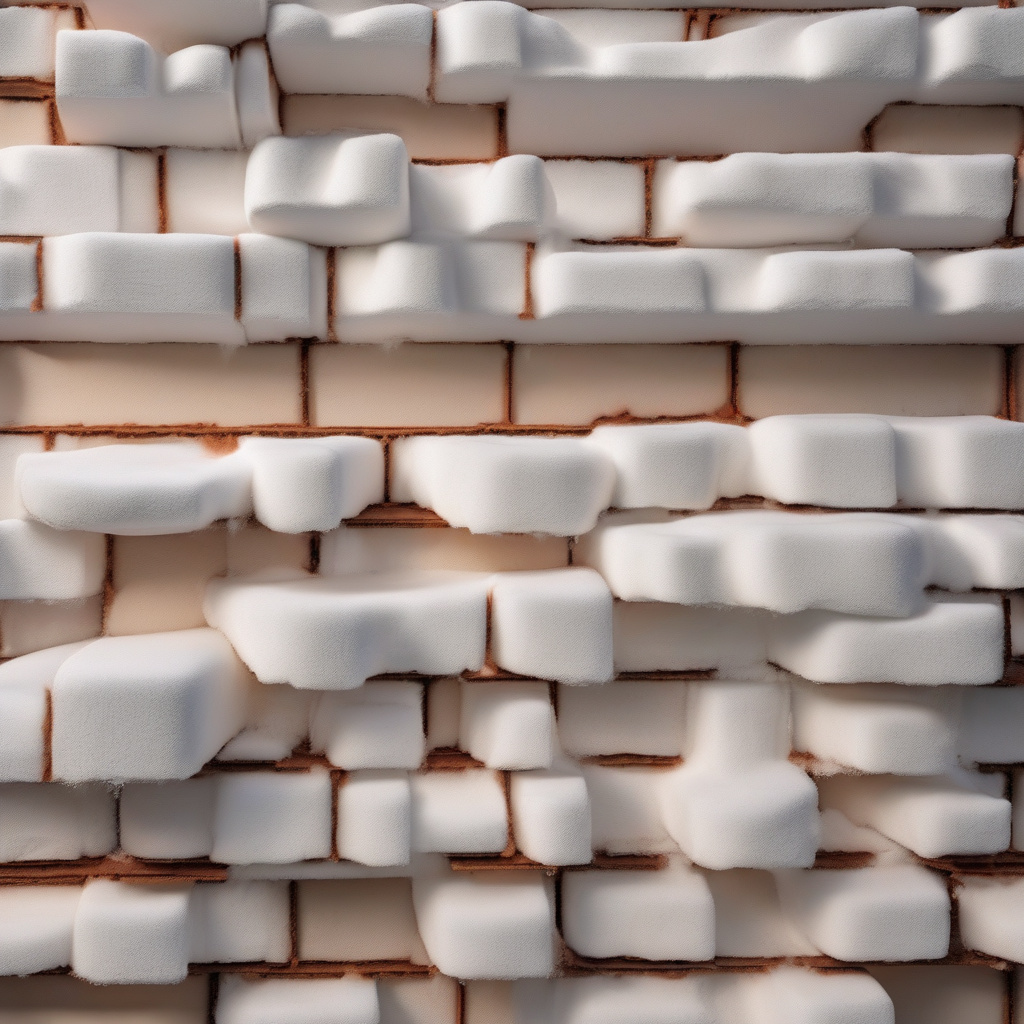
Advantages of Foam Insulation: More Than Meets the Eye
Beyond its energy-saving credentials, foam insulation offers damp-proofing properties that fend off moisture-related damage. For homes near the coast, this is indispensable. Water-repellent closed-cell foam acts like a barrier against mold—a notorious foe to structural integrity and air quality.
Financially, the benefits are also notable. Though the initial outlay might be higher, foam insulation shines in cost-recovery through lower energy bills. As often noted in renovation circles, investing early in quality insulation pays dividends on the road.
According to the U.S. Department of Energy, proper insulation can cut heating and cooling costs by up to 30%.
Then there’s the sheer longevity. Foam does not settle or sag over time—a common drawback of alternative insulation materials. It remains effective, providing peace of mind that your investment has a long-term horizon.
Of course, each solution isn’t without its caveats. Considerations about environmental impact and ventilation needs may deter some purists, yet these potential downsides can be intelligently managed through robust planning and consultation with professionals.

Technologies at Play: When it Makes Sense to Choose Foam
The choice of technology can be daunting. When it comes to blissful insulation, both spray foam and rigid foam boards vie for attention. A quick trip into the guts of these technologies reveals where they stand supreme.
Lean on Longevity: Closed-Cell versus Open-Cell
Closed-cell foam has a tighter structure, which offers superior insulation—but at a higher price point. It’s a go-to for those prioritizing robustness, especially in zones where moisture defines the landscape.
Open-cell foam, more affordable and flexible, boasts impressive sound-dampening qualities. It’s superb in urban settings like downtown LA where homes jostle for space with bustling city life. Choosing between these types often comes down to evaluating the specific environmental challenges your home faces.
While it’s easy to feel pulled toward the newest tech, real-world application tempered by expert advice remains paramount. Weighing short-term novelty against the tried-and-true virtues of well-established methods could tip the scales in favor of broader benefits.
To communities that gravitate toward the customizable ease of foam insulation, knowing its types and applications can make all the difference. For those still mulling over insulative choices, checking other viable home insulation types can shed light on a home’s specific needs.
Tips for Implementing Foam Insulation Effectively
Whenever you bring a new material into your home, preparation is king. A step-by-step approach streamlines and demystifies installation, particularly if DIY is your pathway of choice.
A How-To Mini-Guide
- Evaluate the type and condition of your walls to ensure compatibility with foam insulation.
- Plan installation when weather conditions are stable to avoid moisture problems.
- Hire or consult a skilled contractor experienced with foam applications to avoid common pitfalls.
- Inspect existing insulation and determine whether it should be removed or can be enhanced by foam.
- Secure proper ventilation to offset any gases released during application.
Each action is foundational to success. Sometimes, even the most enthusiastic DIY gurus need a professional nudge, especially when confronting vintage plaster or intricate cavity details. Luckily, expert advice is an abundant resource on our sun-drenched coast.
As with any upgrade, maximizing value hinges on the localization of expertise. Seeking nuanced guidance ensures the unique aspects of LA architecture seamlessly embrace modern advances, with examples like flawless timber cladding that highlight innovative exteriors.
Comparing Insulation Options: Foam vs. Traditional Methods
When juxtaposed with traditional insulation, foam presents a contemporary edge. Where thermal bridging—common in batts and rolls—leaks energy, foam’s sealant-style application solves unendingly.
In climates like Los Angeles, statically speaking, foam insulation can outperform traditional fiberglass by up to 50% in reducing heat transfer.
Still, decisions aren’t black and white. Foam’s avant-garde cost must square off with the virtues and drawbacks of other solutions, whether fiberglass, cellulose, or mineral wool—a task best undertaken with an informed stance.
| Insulation Type | Pros | Cons |
|---|---|---|
| Foam | High energy efficiency, airtight seal, moisture resistant | Higher initial cost, requires professional installation |
| Fiberglass | More affordable, easy installation | Potential moisture absorption, lower R-value |
| Mineral Wool | Fire resistant, soundproof | Heavy, prone to settling over time |
As every home journey diverges, so do solutions. In diving deeper into comprehensive insulation options, understanding silicate brick metrics could impact your material choices, particularly for project variation.
Wrapping Up: The Future of Insulation in LA Homes
With an uncontested reputation for efficiency, versatility, and longevity, foam insulation remains favorable for those seeking to enrich their home’s habitat. However, industry insiders caution—it’s crucial to weigh each option’s nuances, especially when considering long-term architectural harmony.
From fending off excessive city noise to confirming cozy indoor climates, all roads lead to selecting the optimal insulation tune for your home’s needs. As many local homeowners notice, successfully wrapped walls turn a house into a haven, ensuring lifetime comfort. For those embracing a holistic approach, always remember to assess each element, whether contemplating modern exterior textures or scrutinizing glazing requirements.
“In Los Angeles, embracing insulation innovation while preserving rich architectural tradition is the key to sustainable living,” notes a regional construction expert.
A rich gauntlet of R-values, resilience, and rewarding returns marks the foam insulation journey, opening a chapter of possibilities for the eco-conscious remodeler.
- Foam insulation boosts energy savings and comfort, cutting heating and cooling costs significantly.
- Both spray foam and rigid foam boards offer distinct benefits, suiting varying environmental challenges.
- Professional installation is recommended for best results; however, DIY is feasible with the right guidance.
- Compared to traditional materials, foam provides superior insulation but at a higher initial cost.
- Understanding the wide array of options, including foam’s comparison to other insulation types, is crucial for an informed decision.
“`html
FAQ
What are the benefits of insulating exterior walls with foam?
Insulating exterior walls with foam offers several benefits that many homeowners find appealing. Firstly, foam insulation provides an excellent barrier against heat loss and gain, significantly enhancing energy efficiency—a crucial factor in areas with varying climates such as California. In real renovation projects, contractors often highlight the sound absorption capabilities of foam, which helps reduce noise—a bonus in urban settings. Homeowners also appreciate the moisture resistance offered by foam, effectively safeguarding against mold growth. These advantages contribute to a more comfortable and healthier living environment.
How can I choose the right type of foam insulation for my home?
Choosing the right type of foam insulation involves several considerations. Start by assessing the thermal requirements of your home and the local climate. Closed-cell foam, with its higher R-value, is ideal for areas requiring robust insulation, whereas open-cell foam suits regions where slight breathability is advantageous. Additionally, budget constraints play a role; closed-cell foam is generally more expensive but offers superior density. In practice, consulting a local expert who understands the specific needs of California homes can provide tailored advice. For further guidance, you might think about reaching out to professionals through this resource for expert contacts.
When is foam insulation most effective in home renovations?
In home renovation scenarios, foam insulation is particularly effective during full-scale remodels or when walls are already opened up. This timing allows for a comprehensive application, ensuring that the foam can be installed correctly and with minimal waste. Many experts note that adding foam during the construction phase of new builds maximizes its effectiveness, as it can be integrated seamlessly without retrofitting challenges. Moreover, in climates where energy costs are high, retrofitting exterior walls with foam insulation can quickly pay off by reducing heating and cooling bills.
What common mistakes should be avoided when insulating with foam?
Homeowners frequently underestimate the importance of proper installation when it comes to foam insulation. One typical mistake is applying too much foam in a confined space, leading to unnecessary waste and potential structural damage. Another oversight involves failing to account for existing moisture issues before installation; foam can trap moisture, exacerbating problems if not managed properly. It’s also vital not to skimp on thickness to save costs. In real projects, failing to comply with local building codes regarding the foam’s flame retardance is a significant blunder. Always work with experienced professionals who understand regional regulations.
What are the cost considerations when using foam insulation?
The cost of foam insulation can vary significantly depending on factors such as type (open-cell or closed-cell), thickness, and square footage required. Closed-cell foam is generally more expensive due to its higher density and superior thermal resistance. On the flip side, many homeowners realize savings through increased energy efficiency and lower utility bills in the long run. When weighing costs, factor in installation expenses and potential financial incentives available for energy-efficient upgrades. In older homes, retrofitting can be more costly but offers substantial energy savings over time, making it a worthy investment.
What are the maintenance requirements for foam insulated walls?
Foam insulated walls are notably low-maintenance, which is a significant advantage for busy homeowners. However, regular inspections are essential to check for any damage or signs of wear, especially after severe weather events. Many experts point out that addressing any gaps or cracks promptly can prevent further issues. In damp climates, monitoring for moisture ingress is crucial, as foam can harbor water if compromised. The beauty of foam is its durability, offering decades of performance with minimal upkeep, but vigilance ensures optimal performance throughout its lifespan.
What are the limitations of using foam insulation?
While foam insulation offers numerous benefits, it’s not without limitations. Its upfront cost can be higher compared to traditional insulation materials, which may deter some homeowners. Additionally, installation requires skilled professionals to ensure proper application and avoid common pitfalls. Environmental concerns also arise, as not all foam varieties are eco-friendly. Despite these constraints, the long-term savings on energy bills often justify the initial expense, and newer, more sustainable foam options are emerging, addressing ecological implications.
Are there any risks associated with foam insulation?
Yes, there are some risks to be mindful of with foam insulation. Improper installation can lead to trapped moisture within walls, fostering mold growth which can affect indoor air quality. Many renovation experts acknowledge that not using enough ventilation with foam in sealed areas can heighten this risk. Additionally, some foams have chemical components that might off-gas over time, affecting those sensitive to VOCs (volatile organic compounds). Homeowners should ensure certified, professional installation and opt for low-VOC products to mitigate potential adverse effects.
“`