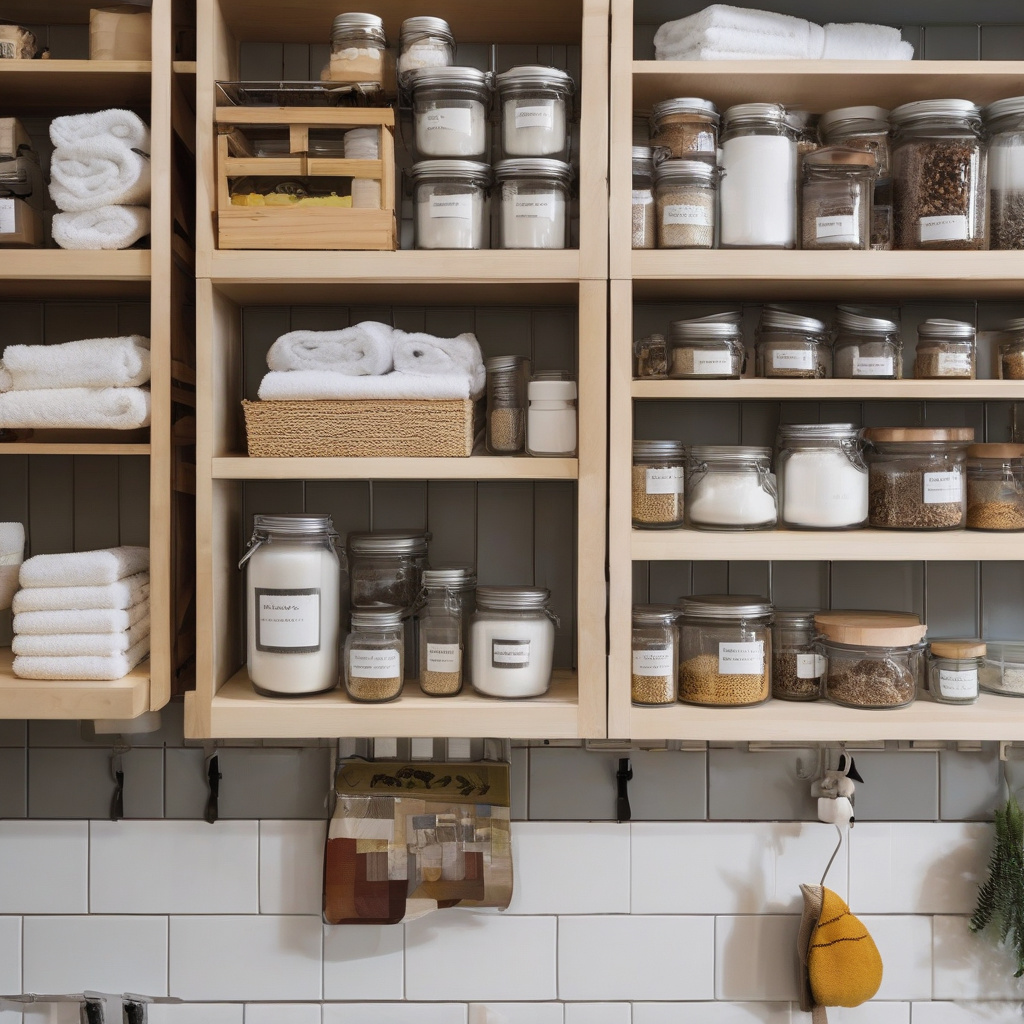
Creating a safe bathroom for children is not just a matter of convenience—it’s about peace of mind for parents. As families across Southern California, particularly in the bustling neighborhoods of Los Angeles, increasingly look to renovate with an eye on safety, the notion of durable, child-friendly bathrooms is gaining traction. From slip-resistant flooring to rounded edges, these spaces are crafted to ensure long-lasting protection against accidents and wear. This exploration into the development of such safe havens reveals critical renovation trends that are reshaping bathroom designs.
Brief summary: This article delves into the essential features of safe children’s bathrooms, emphasizing the use of durable materials and designs such as slip-resistant surfaces and rounded edges. It explores real-life renovation trends and provides insights into practical remodel options, all while focusing on safety and longevity.
Understanding the Basics of Safe Bathroom Design
When embarking on a bathroom remodeling project with safety as a priority, it’s essential to consider the foundational aspects that contribute to a secure environment for children. A comprehensive approach, integrating robust and child-centric designs, is crucial. Perhaps one of the most significant decisions involves choosing durable materials that can withstand the daily rigors of family life. This trend is evident in the current movement across Los Angeles, where family-friendly bathroom renovations are increasingly popular among homeowners looking to marry style with safety.
These remodels often feature slip-resistant flooring, which plays a pivotal role in preventing slips and falls—common hazards in wet environments. Vinyl and ceramic tiles with a textured finish are popular choices, appreciated for both their functionality and aesthetic flexibility. Designed to mimic the look of polished stone, these materials offer a stylish yet practical solution.
The journey begins with impeccable planning. Setting objectives that reflect safety concerns while incorporating attractive designs can drastically transform a space. As seen in many Los Angeles remodels, hiring professionals who understand the nuances of these requirements can make all the difference. Whether it’s through consulting firms specializing in bathroom remodeling or local contractors experienced in family-centered designs, expert guidance is invaluable.
Ultimately, a safe bathroom is a commitment to ongoing peace of mind, where every tile laid is a step toward a secure, functional space.
Prioritizing Safety with Durable Materials
As the saying goes, it’s what’s on the inside that counts. For children’s bathrooms, interior materials mean everything when it comes to ensuring safety in a high-traffic, moisture-heavy environment. The emphasis rests on using durable products that not only enhance the space aesthetically but also bolster its resistance to daily wear and tear.
For flooring, engineered wood and luxury vinyl are gaining traction due to their resilience and maintenance ease. These materials endure well under constant foot traffic while offering additional benefits, such as moisture resistance and easy cleaning—key considerations for families with active children.
Wall surfaces deserve equal attention. Options like ceramic tile or water-resistant wall panels provide practical ways to ensure splashes and spills don’t turn into more significant problems. These choices reflect a broader trend toward long-lasting home improvements that accommodate safety without sacrificing style.
The bottom line is clear: selecting durable materials forms the foundation of a safe children’s bathroom, one that can gracefully age with the family.
Innovative Layouts for Child-Friendly Spaces
Designing a safe bathroom for children exceeds merely choosing robust materials. It’s also about strategic layouts that incorporate safety equipment and child-appropriate fixtures. Many homeowners are exploring innovative designs that incorporate wall-hung toilets and compact vanities, liberating space that allows for several safety features.
Wall-hung fixtures, such as those detailed in modern bathroom designs, provide a sleek and practical solution. They offer an ideal combination of space efficiency and aesthetics, allowing designers more flexibility to include additional safety elements like grab bars or anti-slip mats.
Functional layout does not imply a sacrifice in style. Many Los Angeles homes are embracing creative layouts that emphasize both beauty and utility. By incorporating multiple safety features harmoniously within the design, these bathrooms exude a cohesive look that appeals to the modern eye.
Ultimately, the right layout can nurture a child-friendly environment filled with convenience, functionality, and simplicity, reassuring parents that their child’s needs are considered at every angle.
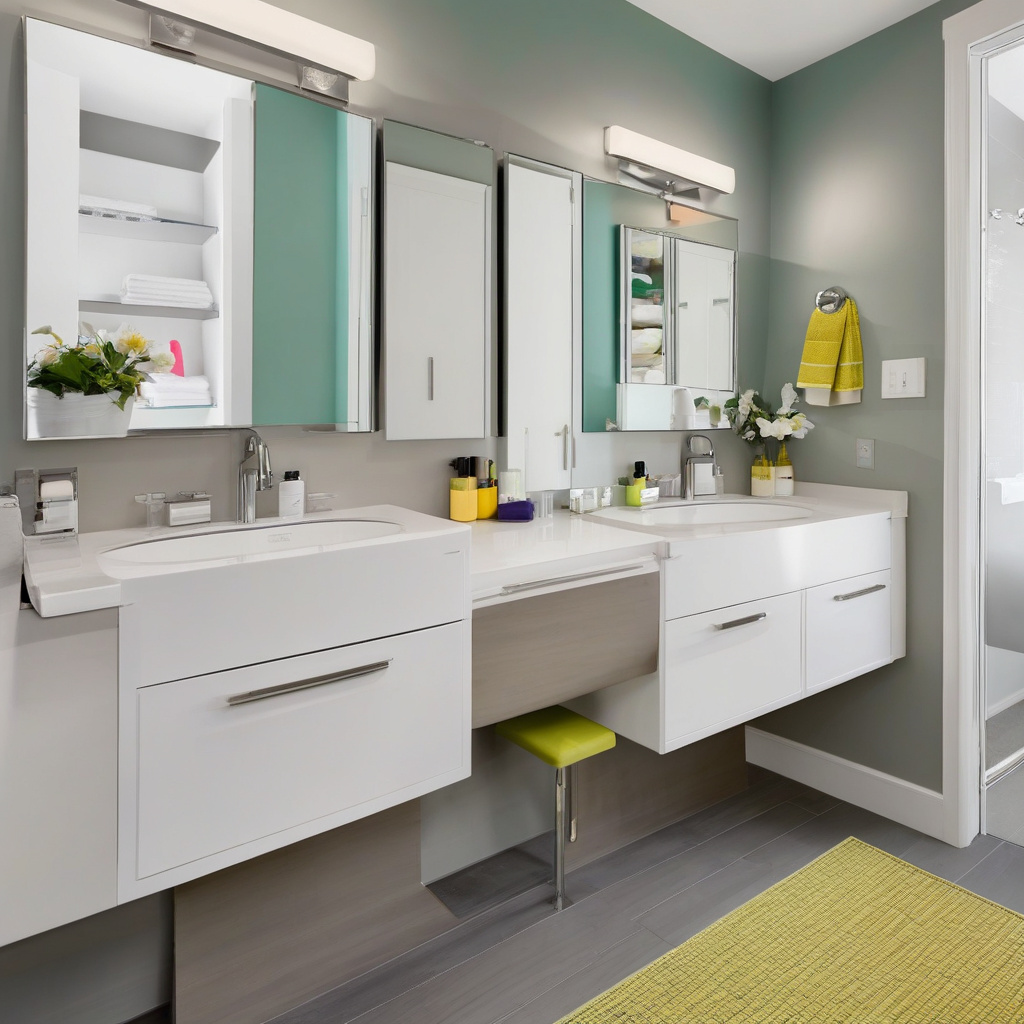
Comparing Costs and Materials for Child-Safe Bathrooms
When calculating the costs of redesigning a bathroom with a focus on child safety, homeowners often weigh the benefits against their budget constraints. The good news is that a wide array of materials and design options offer something for everyone.
One area where costs vary significantly is tiling. Black tile designs bring an element of sophistication but may require a higher initial investment. On the flip side, more traditional ceramic or porcelain tiles provide a cost-effective alternative with enduring elegance, as noted in a review of local bathroom remodels.
In contrast, fixtures like touch-free faucets and ergonomic bathtubs introduce an element of modernity without breaking the bank. They offer enhanced safety features now critical in family-centric spaces.
| Material | Cost (per sq ft) | Durability | Maintenance |
|---|---|---|---|
| Vinyl Flooring | $2 – $7 | High | Low |
| Ceramic Tile | $1 – $15 | Medium | Moderate |
| Black Granite | $10 – $70 | Very High | Varies |
Ultimately, balancing budget with quality can guide homeowners toward a practical choice that addresses aesthetic and safety concerns.
The Experts Weigh In: Design Insights and Tips
Expert insights can be invaluable during the renovation planning phase, especially when designing with safety in mind. Industry professionals advocate for a sensible combination of materials, robust safety solutions, and thoughtful space utilization, each playing a critical role in a child’s bathroom.
According to a
recent industry report, about 70% of homeowners put children’s safety at the forefront of their remodeling plans, steering material choice and layout decisions
. With this ever-growing focus, the spotlight on safe design principles has never been brighter.
Safety advocates recommend complementing durable materials with additional features like night lights and child-height shelves, which encourage independence while ensuring security. Such elements turn a plain bathroom into an interactive learning space for little ones.
For families contemplating this journey, collaboration with remodel experts brings assurance that child safety remains paramount from the drawing board to execution. By prioritizing comprehensive planning, parents can achieve a balanced blend of security and simplicity in their child’s bathroom.
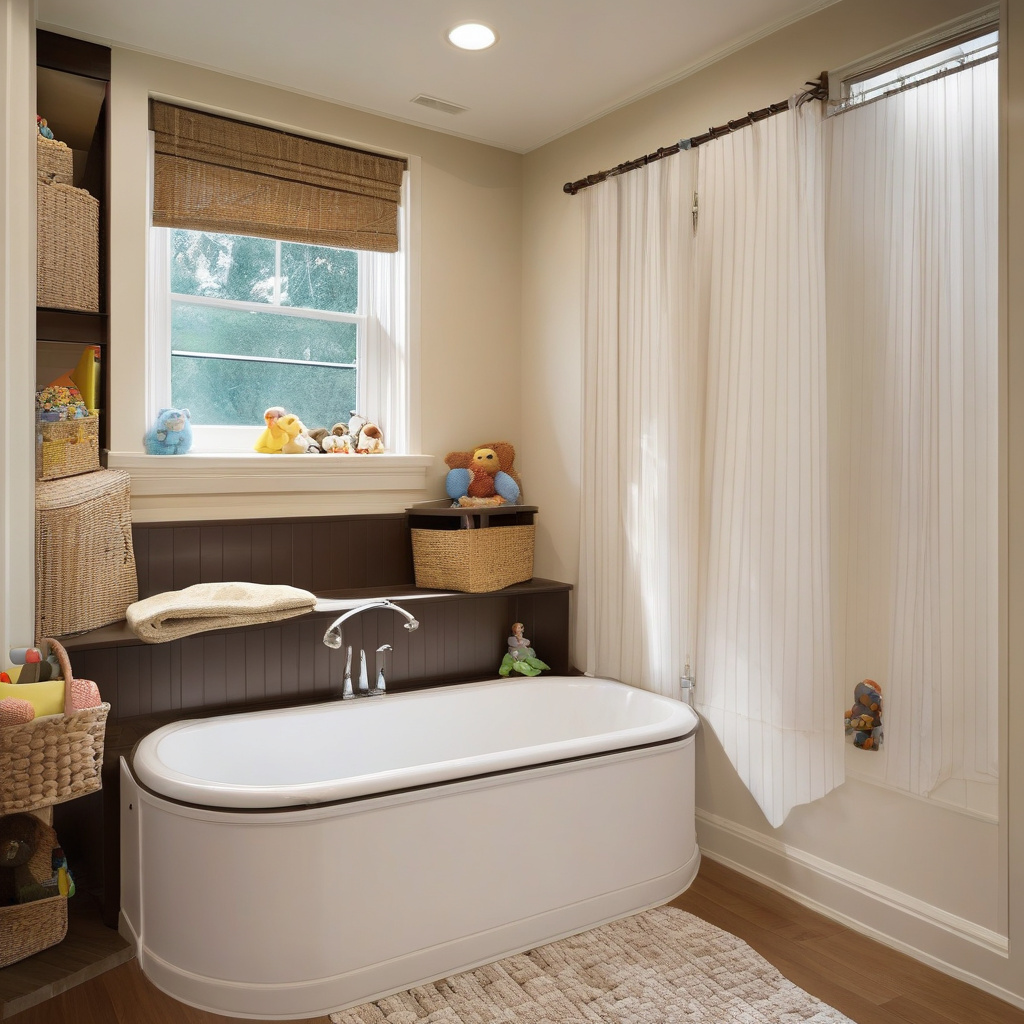
Navigating the Renovation Process: Key Considerations
Undertaking a bathroom renovation involves a maze of decisions, from selecting the right contractor to choosing eco-friendly materials. In this evolving landscape, understanding how frequently you may need to update your bathroom can also inform the decisions you make today for future-proof designs.
Bearing in mind the frequency of bathroom update cycles, as detailed in this guide on renovation timing, allows homeowners to assess the implications of their investments. A bathroom designed with longevity in mind may offset more frequent, costly overhauls.
It’s crucial to ponder design elements that withstand the test of time. Neutral color palettes, adaptable layouts, and resilient materials ensure that a child-friendly bathroom can seamlessly transition to meet the needs of growing families.
Once the parents grasp these considerations, an otherwise daunting renovation undertaking can transform into a manageable and rewarding experience. They can now rest easy, knowing their choices today shape a beautiful, safe space for the future.
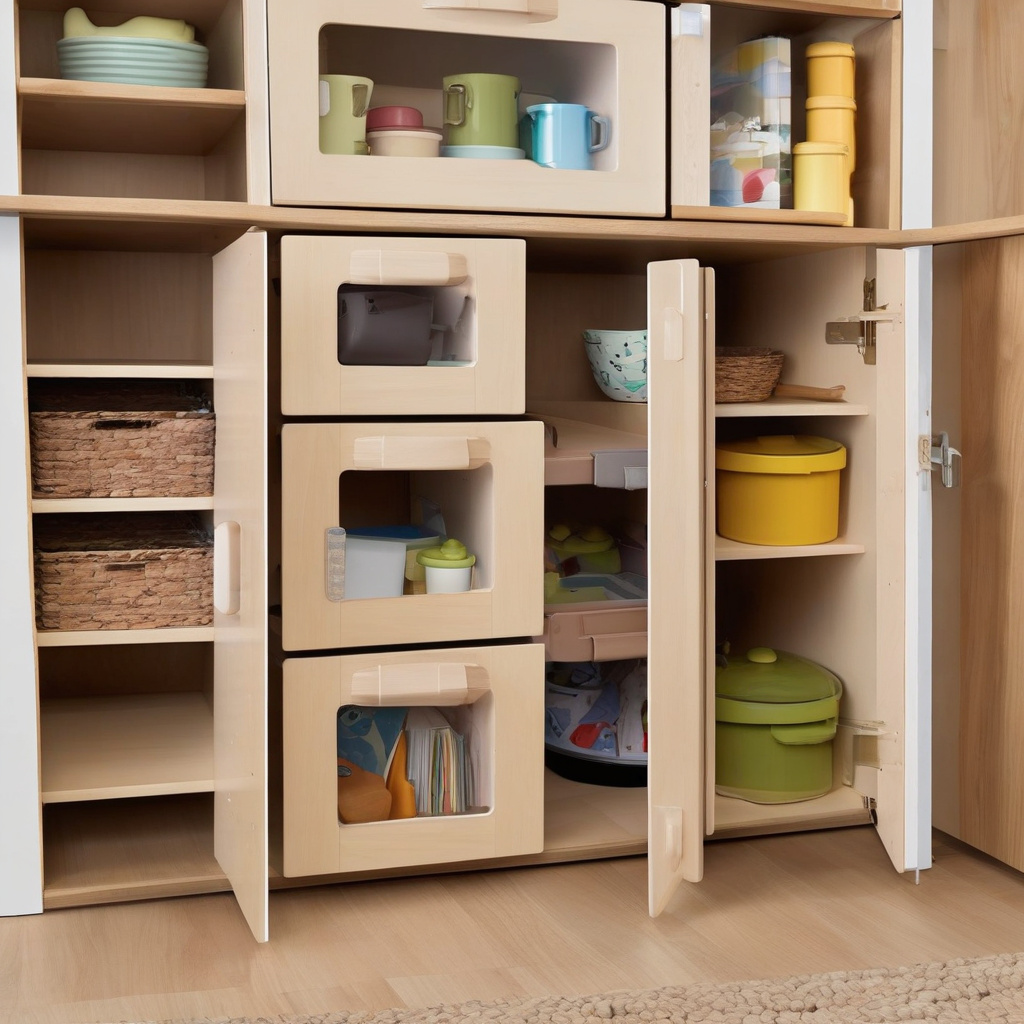
According to the National Kitchen & Bath Association, bathrooms are updated approximately every 10 to 15 years, which stresses the need for thoughtful, future-focused renovations.
Risks vs. Rewards: Evaluating the Outcome
Every homeowner considering a bathroom renovation faces a common evaluation: the potential risks versus the anticipated rewards. Safety-centric renovations honor immediate necessities—like reducing the risk of accidents and promoting ease-of-use—while imparting long-term benefits that extend beyond traditional measures of value.
The primary risk often concerns budget overruns, yet savvy planning and material selections can mitigate this threat. Every Los Angeles homeowner making use of durable and cost-effective materials delineates a path toward a functional space that supports and grows with the family.
Additional rewards include appreciating property value. A thoughtfully executed, child-friendly bathroom acts as a significant selling point whenever the time comes to move, providing families an edge in a competitive housing market.
By harmonizing safety priorities with aesthetic aspirations, homeowners can ensure that their renovation yields enduring benefits. The peace of mind gleaned from a well-constructed and secure environment simply cannot be quantified.
- Durable materials and slip-resistant surfaces are foundational in creating safe kids’ bathrooms.
- Layout innovations, such as wall-hung toilets, maximize space and safety.
- Planning is key: incorporate safety and functionality from the start.
- A long-term approach to renovations can reduce the need for frequent updates.
- Balancing risks and rewards enhances both daily living and property value.
“`html
FAQ
What materials are best for a kid-friendly bathroom?
In real renovation projects, selecting the right materials is crucial for creating a kid-friendly bathroom. Many experts point out that durable surfaces like quartz or solid surface countertops resist wear and tear, which is ideal given children’s energetic activities. Slip-resistant tiles are another solid choice, offering both safety and style. A micro-example: textured porcelain is often preferred over smooth tiles because it decreases the likelihood of slips, an essential consideration in homes with young children. It’s also wise to choose fixtures with rounded edges to prevent bumps and bruises. These thoughtful choices make a tangible difference in day-to-day use.
How can I ensure my kids’ bathroom is safe?
Ensuring bathroom safety goes beyond materials; it involves a holistic approach. Homeowners frequently underestimate the impact of simple design choices. Installing grab bars within easy reach for kids who might need extra balance, and lowering towel rods so small hands can reach them, can make a huge difference. And don’t forget about temperature controls; anti-scald devices on shower and sink faucets prevent accidental burns. Many seasoned homeowners recommend soft-close toilet seats to avoid finger pinching, a minor but effective feature. These intuitive adaptations often transform the space from merely functional to truly kid-friendly.
Why choose durable materials for a kids’ bathroom?
Durability is key in a busy family home. Consider the many activities your bathroom endures daily—splashing during baths, toothpaste battles, and perhaps even the occasional toy crashing. Durable materials like high-quality laminate or vinyl flooring withstand daily demands while being easy to clean, a virtue for parents managing chaos. There’s a recurring mistake in overlooking the longevity factor; investing in hardy materials now saves both hassle and expense later. It’s an upfront commitment that pays dividends in the long-run, allowing more time and budget for cherished family moments rather than constant repairs.
What are common mistakes in designing a kids’ bathroom?
One frequent oversight is prioritizing aesthetics over function, which can compromise safety. In newer builds, sleek designs might tempt you, but they often come with sharp edges or slick surfaces. This choice can pose risks in a kids’ bathroom. Similarly, homeowners sometimes choose trendy, bold prints for walls or finishes that don’t withstand moisture well. Many experts advocate balancing style with practical elements, such as waterproof wall panels or pastel shades that don’t highlight every fingerprint. These practical decisions ensure the bathroom is both beautiful and child-appropriate, avoiding a mismatch between appearance and usability.
How do costs compare when using higher quality materials?
Investing in higher quality materials inevitably leads to a higher initial outlay. However, many seasoned renovators argue that this is a classic example of “buying cheap, buying twice.” For instance, a low-cost laminate might appeal initially but can swell and peel in a moist environment, demanding another costly replacement. Contrastingly, a well-installed ceramic tile floor, while pricier upfront, promises resilience and elegance over years. The long-term view often proves the value of quality, saving on repeated repairs and thereby easing the budget’s burden over time. If you’re deciding what’s best for your home, consulting local renovation specialists can provide clarity; for hands-on guidance and options, use this form to reach experts in renovation solutions.
What slip-resistant options exist for a child-safe bathroom?
Slip-resistance in a bathroom setting often hinges on smart material selection and thoughtful design. Textured ceramic tiles are a prevalent choice, providing traction even when wet. In homes where tile installation might seem cumbersome, homeowners can opt for slip-resistant vinyl flooring, which simulates the feel of ceramic while offering a more forgiving underfoot experience. Renovators often advise using anti-slip mats in conjunction, especially in areas directly exposed to water such as around the tub or sink. These interventions enhance safety layers without compromising style, literally laying the groundwork for a secure and aesthetically pleasing bathroom.
Are rounded edges in a bathroom an essential feature?
Rounded edges aren’t just a decorative feature—they play a fundamental role in safety by drastically reducing injury risk. Imagine a toddler’s typical bathroom adventure: curious exploration, often rapid and heedless of surroundings. In a practical renovation scenario, incorporating rounded edges on vanities and countertops can mitigate risks significantly. It’s a small change with a substantial impact, ensuring minor mishaps don’t turn into painful experiences. In California-style single-family homes where open, airy designs are prevalent, ensuring every piece fits harmoniously often includes selecting curves over corners, creating fluid space that both delights the eye and safeguards young members of the household.
How can homeowners maintain a child-friendly bathroom?
Maintaining a child-friendly bathroom involves more than just periodic cleaning; it requires proactive efforts to sustain safety and function. Embrace easy-to-clean surfaces like semi-gloss paint on walls, which wipes clean without hassle. Re-evaluate safety fittings regularly. For example, ensure grab bars remain firmly mounted and slacken mats are secured to handle enthusiastic footfalls. Consider a rotational inspection schedule to catch emerging wear issues early. Parents and renovators alike often emphasize integrating daily checks into routine chores. This creates an ongoing maintenance culture around both cleanliness and safety, solidifying the bathroom as a secure, not stressful, family space.
“`