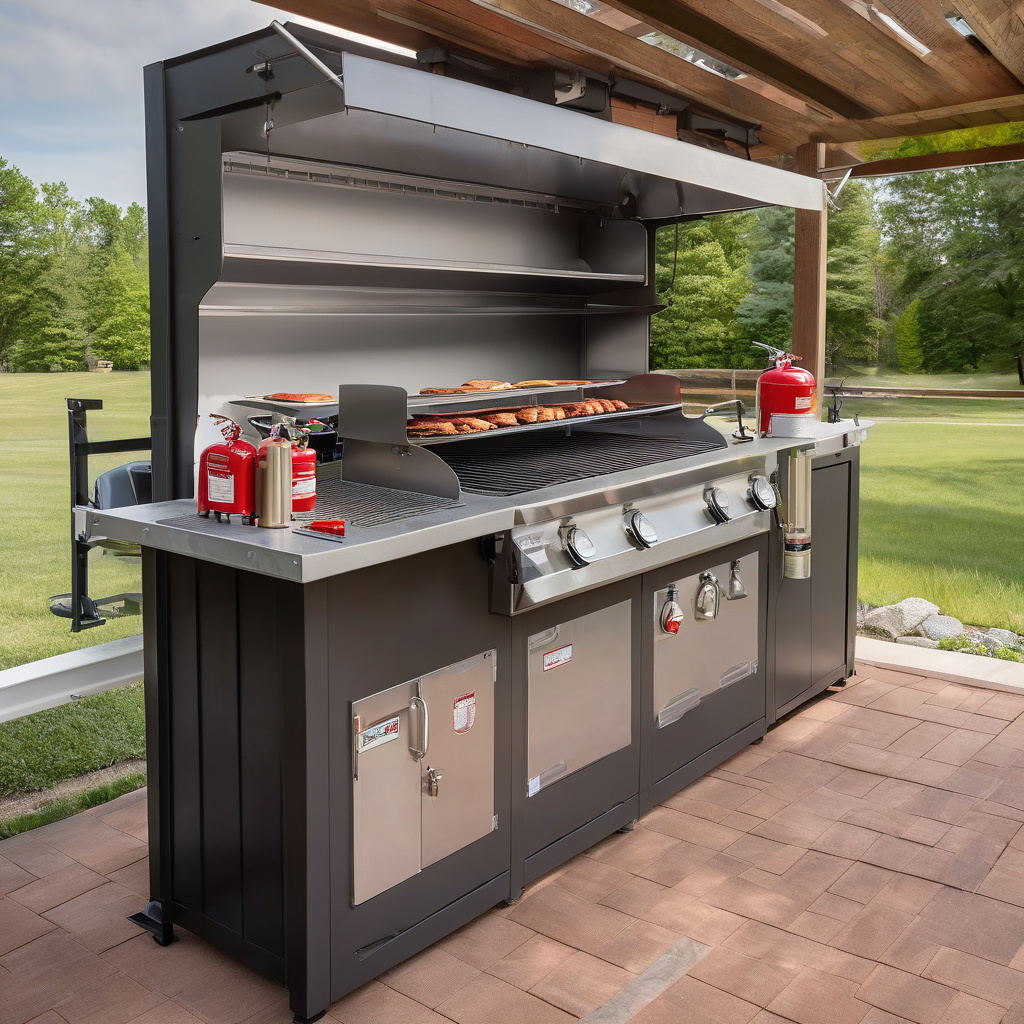
The allure of outdoor grilling continues to captivate Southern Californians, where sunny weather beckons homeowners to transform wooden decks into vibrant social hubs. The prospect of grilling on a wooden deck, however, brings a unique set of safety considerations. This article delves into the practicalities and precautions necessary to avoid turning a backyard culinary adventure into a homeowner’s nightmare.
Brief summary: This article explores safe grilling practices on wooden decks, focusing on essential equipment like heat-proof mats, ensuring adequate clearance, and managing airflow. Insights into renovation trends, real-life homeowner stories, and expert advice create a comprehensive guide for safe and enjoyable outdoor cooking.
Know the Risks: Grilling on Wooden Decks
In the sun-dappled neighborhoods of Los Angeles, wooden decks stand as a testament to stylish outdoor living. Yet, when the grill is fired up without due caution, these elegant spaces can quickly become fire hazards. Local fire departments often report that flames, embers, and heat contribute to deck fires—scenarios that homeowners can easily prevent.
One vital safety measure is to use a heat-proof mat under the grill. These mats serve as a barrier, protecting wooden surfaces from errant sparks and grease drips. They are available in various durable materials, designed to withstand high temperatures while maintaining aesthetic appeal.
Moreover, distance matters. Grills should be positioned at least 10 feet away from the home and any combustible elements. This distance not only reduces the risk of structural damage but also ensures a smoke-free environment that everyone can breathe comfortably.
Ensuring safe grilling in Los Angeles isn’t just about rules; it’s about comfort, style, and maximizing outdoor areas. As detailed in this expansive patio guide, integrating safety with design means more than just protection—it means planning for luxury living.
Understanding these risks allows homeowners to make informed decisions. Implementing the right solutions can turn potential perils into peace of mind.
Choosing the Right Equipment: A Practicum for Homeowners
Investing in appropriate grilling equipment can significantly mitigate the risk of fire and ensure a smooth culinary experience. Begin by selecting a grill sized proportionately to your deck. Oversized grills not only create clutter but also pose safety hazards in cramped spaces.
Consider modern grills equipped with safety features—auto shut-off timers, flame sensors, and grease management systems. Choosing a gas grill over charcoal minimizes the risk of stray embers landing on the deck, something particularly crucial when considering the dry conditions typical in Southern California.
Homeowners are also advised to maintain regular upkeep of their grills. Cleaning and inspecting grates, burners, and gas lines each season ensures safety mechanisms function optimally and prolongs the lifespan of the appliance.
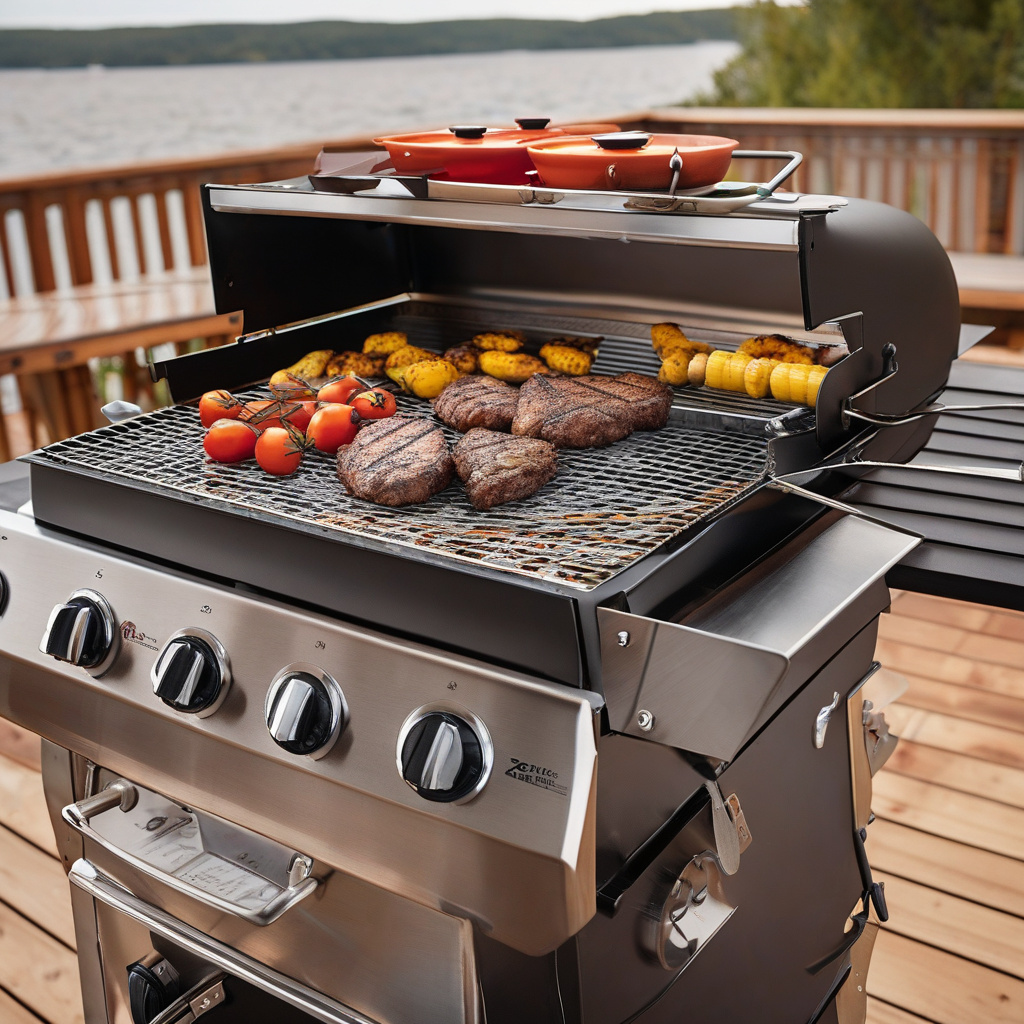
Incorporating these tips into your grilling routine transforms your deck from a potential hazard into a safe haven, ensuring every barbecue is an event to remember for the right reasons.
Planning Your Deck Layout: Space and Functionality
The layout of a wooden deck is integral to both aesthetic pleasure and safety during grilling activities. A thoughtfully designed deck layout respects the balance between ample movement space and efficient grilling stations. Homeowners should aim to arrange seating, tables, and zones in a way that supports easy traffic flow.
Strategically zoning your deck into dining, lounging, and grilling areas helps maintain order and safety. For those considering significant renovations, turning a carport into a stylish lounge area represents another innovative way to enhance outdoor living space while ensuring safety.
Attention to detail—like ensuring that grill areas are well-ventilated and situated to avoid smoke reaching guests—is critical. Embracing a multi-zonal approach in deck design not only enhances functionality but also boosts visual appeal.
Ultimately, the right layout ensures a seamless blend of safety and style. It optimizes the outdoor cooking experience while safeguarding the structural integrity of your property.
New Materials and Innovative Solutions
As many Southern Californians embrace outdoor living, innovative materials have emerged to complement traditional wood decks while enhancing safety. Composite decking, for instance, resists fire and requires less maintenance than natural wood, making it an attractive choice for homeowners.
Tables such as the one below compare popular decking materials in terms of cost, safety, and maintenance. This guide can aid in selecting materials that fit both your lifestyle and safety needs.
| Material | Cost | Safety | Maintenance |
|---|---|---|---|
| Natural Wood | Moderate | Moderate | High |
| Composite | High | High | Low |
| PVC | High | High | Low |
Investing in these innovative materials may initially incur more costs but rewards homeowners with enhanced safety and reduced upkeep. Thus, material choice is both a practical and strategic decision.
The Essence of Airflow: Importance of Ventilation
Successful deck design accommodates adequate airflow, which is fundamental to safe grilling practices. Enhancing ventilation ensures that heat dissipates efficiently and smoke is directed away from guests. Many Californian households have realized that faulty ventilation systems can exacerbate grilling hazards, making this an area of concern for deck setups.
To improve airflow, homeowners might consider installing ventilation features like fans or roof vents, particularly in enclosed deck setups. Repositioning grills, if necessary, can also contribute significantly to optimizing airflow.
Herein lies the importance of understanding spatial dynamics in association with grilling. Efficient airflow not only protects from the dangers of smoke inhalation but also prevents unnecessary heat buildup.
Observing these guidelines means homeowners can revel in their outdoor spaces and culinary pursuits confidently, underpinned by robust safety principles.
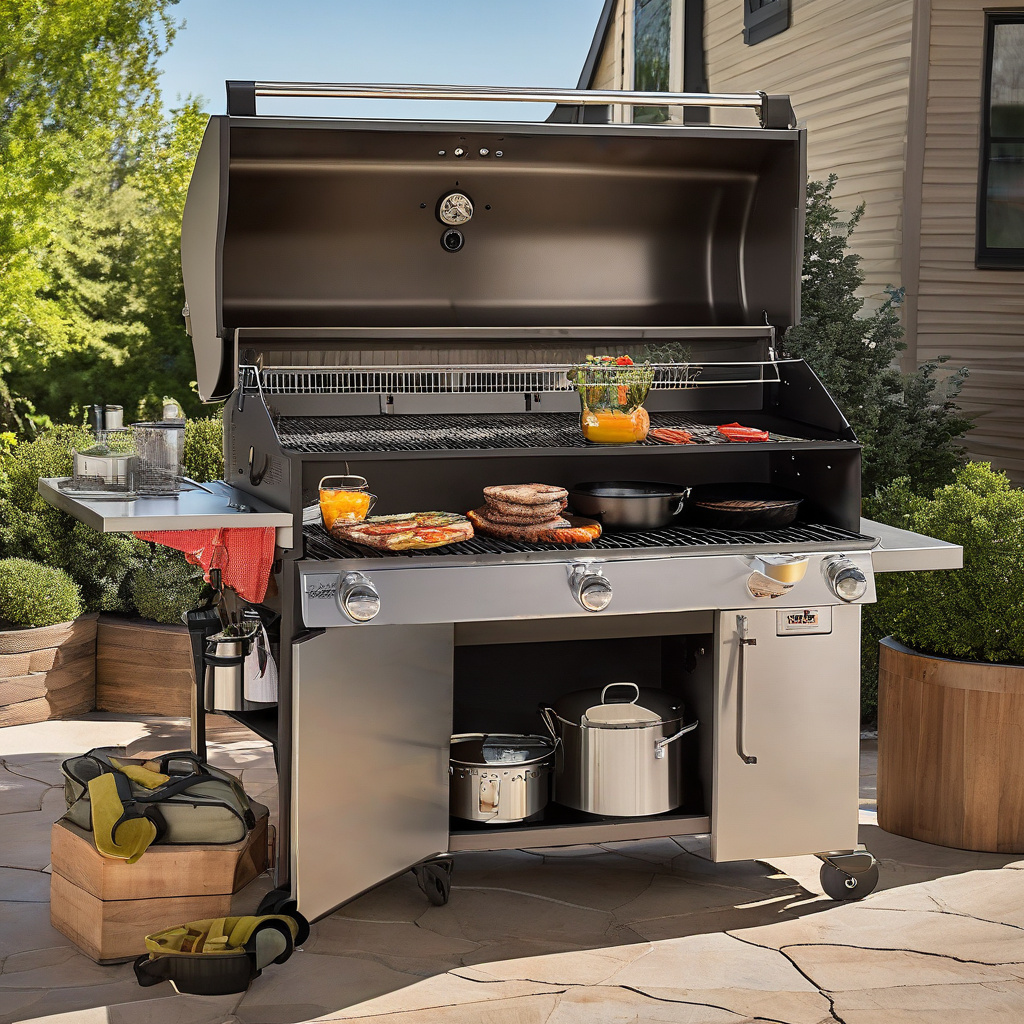
Homeowner Strategies: Practical Applications and Future Steps
As many local homeowners notice, practical steps toward enhancing deck safety yield not just protection but a premium on property value. Active involvement in maintaining, cleaning, and inspecting grilling equipment and deck structures is imperative. These measures should be part of a regular schedule to mitigate risks effectively.
In addition, understanding how various factors like noise impact outdoor enjoyment has led homeowners to consider solutions such as sound screening patios. This modern take not only optimizes grilling comfort but also elevates entertainment experiences, adding lasting value.
Homeowners who prioritize safety can enjoy the serenity of grilling outdoors, assured of their investment both in family enjoyment and the real estate market.
“Approximately 49.2% of deck fires are attributed to grills or smokers, underlining the critical need for safety measures.” — National Fire Protection Association
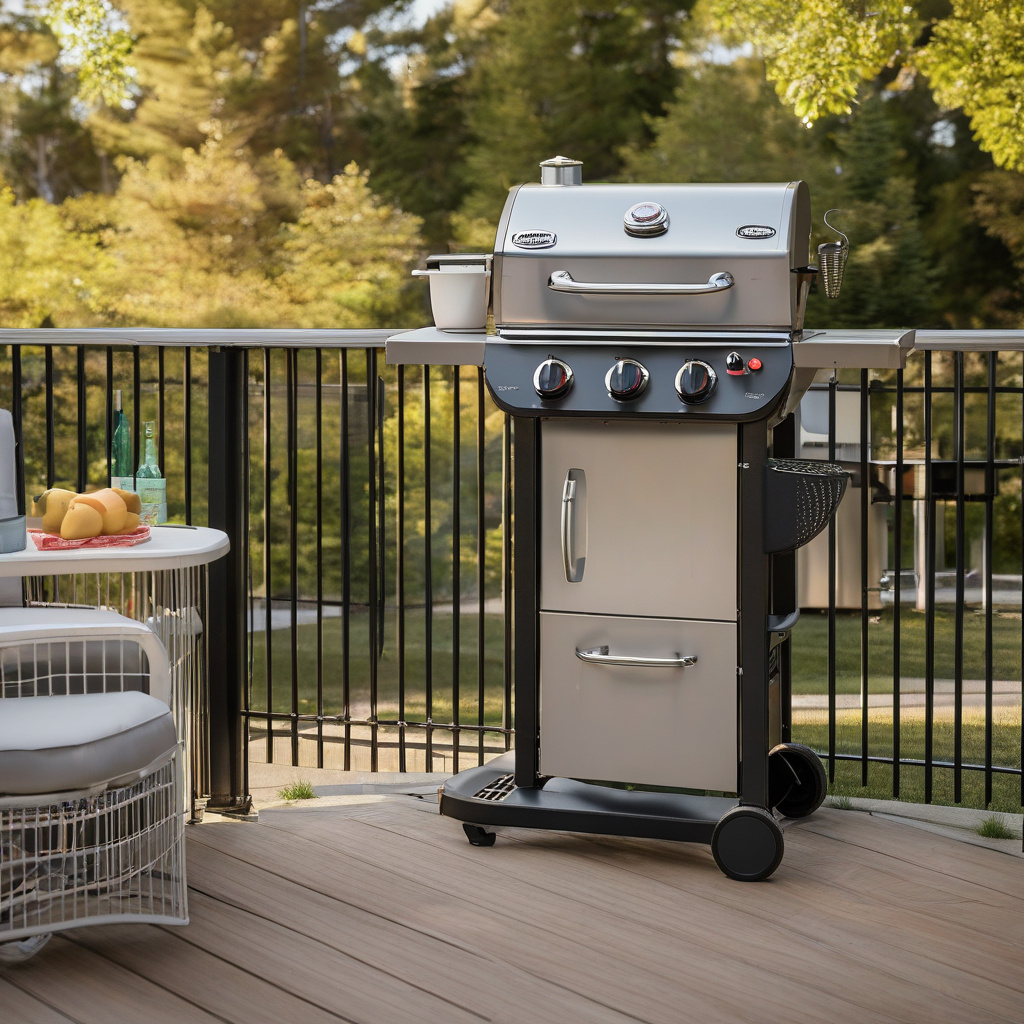
“Grill placement and vigilant maintenance are essential in preserving both the aesthetic and structural integrity of wooden decks.” — Sarah Lark, LA Renovation Expert
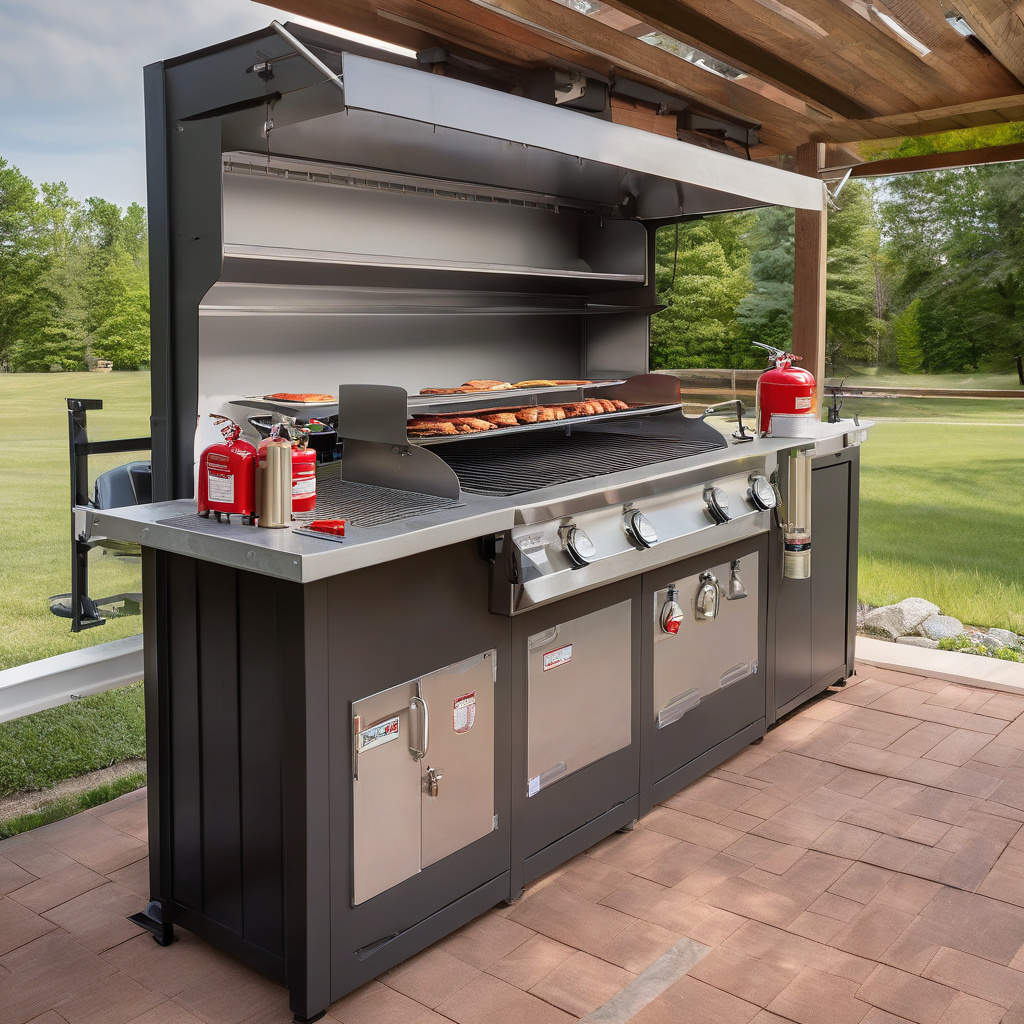
“Utilizing composite materials in deck construction can increase safety while concurrently reducing annual maintenance efforts.” — Journal of Construction Engineering
- Invest in heat-resistant mats and safety-equipped grills.
- Ensure adequate spacing and ventilation around the grill.
- Regularly maintain and inspect grilling equipment.
- Select innovative materials for long-term safety and lower maintenance.
- Plan deck layout for both safety and functionality, integrating new trends.
“`html
FAQ
How can I prevent deck damage while grilling?
Preventing damage to wooden decks while grilling involves more than just cautious cooking practices. In real renovation projects, it often becomes clear that investing in a high-quality heat-proof mat can make a significant difference. These mats, designed to resist the accidental drops and spills, ensure that the heat from the grill doesn’t warp or burn the wood beneath it. Without this layer of protection, the decking can suffer not only from heat but also from the cumulative effect of grease and grime that seeps into the wood over time. Ensuring a clear space between the grill and other structures on the deck is also pivotal, reducing the risk of accidental fires and allowing for proper airflow.
What are common mistakes when grilling on wooden decks?
Many experts point out that homeowners frequently underestimate the need for proper clearance and ventilation while grilling on wooden decks. Ignoring these elements can lead to overheating and significant risks of fire. Another common oversight is failing to clean the grill regularly. Over time, grease builds up and can increase the chance of flare-ups. It’s also critical to ensure that the grill’s legs or wheels do not directly sit on the decking, which can damage the wood. Using specially designed grill pads or mats can prevent these issues by distributing weight and blocking direct contact with heat.
Why should I use heat-proof mats for grilling on decks?
Heat-proof mats are essential for anyone grilling on a wooden deck because they offer a simple yet effective safety solution. In practice, these mats act as a barrier, blocking radiant heat that can warp wooden surfaces. Not only do they provide a physical layer between the grill and the wood, but they also catch any drips or debris that might otherwise cause staining or damage. Fireplace contractors will tell you that just as a hearth rug protects your flooring, a grill mat serves a similar purpose outdoors. They ensure that your relaxation zone remains pristine, and they offer peace of mind during your outdoor culinary endeavors. You need minimal clearance and yet gain significant protection.
What should I consider when choosing a grill location on my deck?
When selecting a grill location on your deck, consider both safety and convenience. The grill should be positioned at least 10 feet away from your home or any railing. This helps avoid smoke damage and reduces fire risks. Additionally, there should be enough space for safe movement for the cook and any guests. Pay attention to the wind direction; smoke blowing against a house can leave residue on paint and windows. In California, where dry conditions heighten fire danger, situating the grill on a stable, level part of the deck helps maintain stability during use and adds a layer of safety given seismic activity concerns. Such strategic placement maximizes safety while ensuring efficient airflow, which is vital for efficient grilling.
How does controlled airflow impact grilling safety on a deck?
Controlled airflow is crucial for safe grilling on a wooden deck. Proper airflow allows flames to burn cleanly, reducing smoke and heat accumulation, which can warp or burn deck materials. Homeowners often overlook the importance of this aspect until problems arise. Proper grill positioning and ensuring that vents are not obstructed ensures sufficient ventilation. It prevents flare-ups, allows for even cooking, and contributes to temperature control. In practical terms, knowledge of airflow dynamics is as crucial outdoors as it is inside your home with HVAC systems. Wise placement and open space around the grill can genuinely prevent a summer afternoon cookout from turning into an emergency.
Can grilling on wooden decks affect homeowners insurance?
Grilling on wooden decks can potentially impact homeowners insurance, primarily if safety guidelines are not strictly followed. While insurers typically cover accidental damage, they may be less inclined to do so if there’s evidence of negligence, such as insufficient clearance or lack of safety measures like grill mats. Many policies require homeowners to mitigate risks, and grilling falls under these stipulations. Not adhering to essential safety measures could lead to complications with claims. If you’re interested in understanding more about this or need help, you might want to reach out through a conversational phrase like visiting the main expert advice page at you can find more support here.
What are the benefits vs. limitations of grilling on wooden decks?
Grilling on wooden decks provides the convenience of outdoor cooking right at home, allowing homeowners to enjoy their deck as an extended living space. It offers the opportunity to host gatherings easily in natural settings, enhancing the ambiance and enjoyment of meals. However, the limitations include potential risks like deck damage or fire hazards if precautions are not taken. The wood can become a liability if exposed to frequent, intense heat without proper protection, like heat-proof mats and maintaining ample clearance. Each grilling session necessitates additional mindfulness of fire safety and routine maintenance of both the deck and the grill itself.
How often should I maintain my grill and deck for safe grilling?
For safe grilling on wooden decks, maintaining your equipment and space should be a regular activity. Many grilling enthusiasts neglect their grills until a problem occurs, but regular maintenance should be a routine part of the grilling experience. Clean the grill after every use to prevent grease buildup and conduct a deep cleaning at least once a month. Inspect the deck regularly for wear and tear, especially if the grill is frequently used. Seasoned renovators remind us that periodic sealing or staining the deck every one to two years improves its durability against outdoor elements and grilling activities. This not only extends the life of the deck but also maintains its aesthetic appeal.
“`