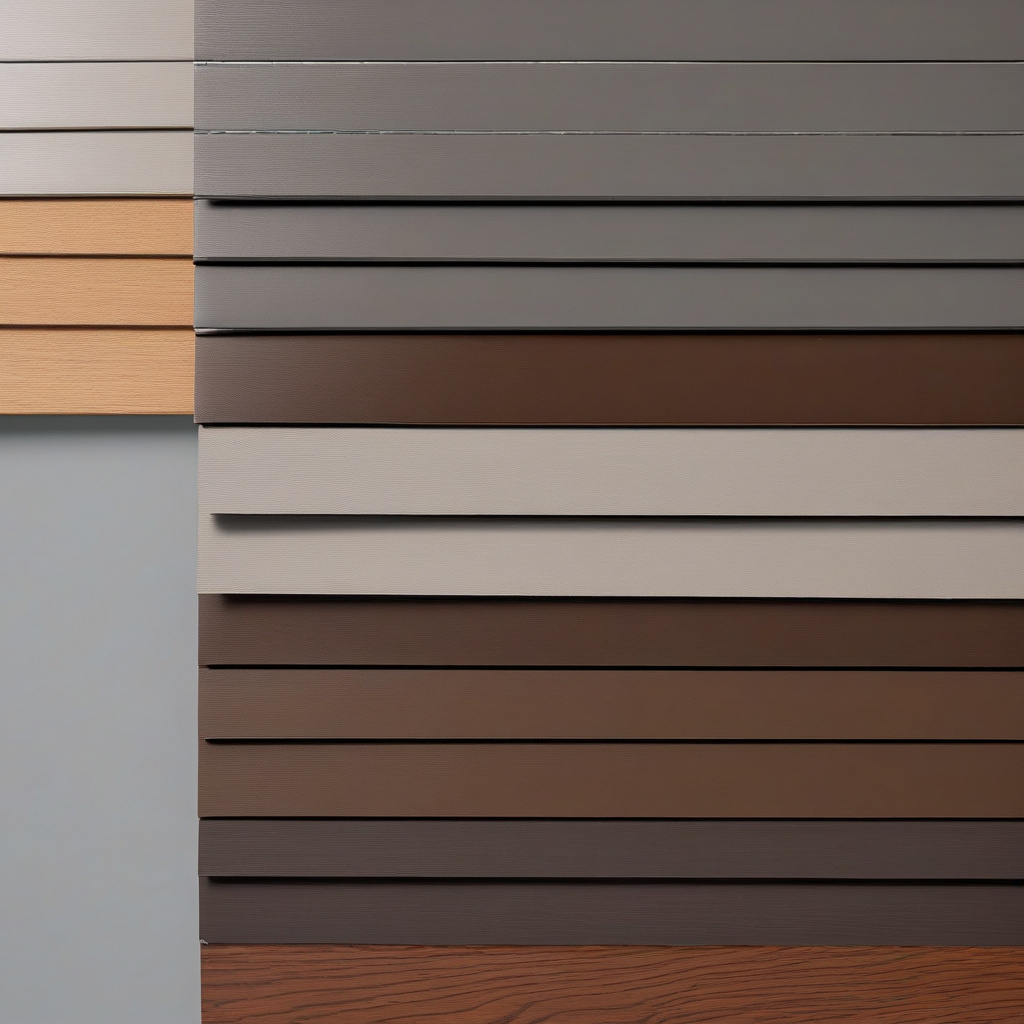
Sunny-Climate Deck Finishes
Choose deck stain for a sunny climate by balancing pigment level, wood condition, surface temperature, expected fading, and the amount of grain you want to preserve. In exposed Southern California locations, a pigmented semi-transparent or solid stain generally shields the wood from sunlight more effectively than a nearly clear finish.
Color and opacity must be selected together. A pale color is not automatically more protective, and a dark color is not automatically more durable; protection depends on the complete product formulation, while darker surfaces can become less comfortable under direct sun.
Best approach: Inspect the existing wood and identify any previous coating before comparing colors. Choose transparent stain for sound wood when grain visibility is the priority, semi-transparent stain for a balance of appearance and pigment, or solid stain when weathering and color uniformity matter more than visible grain. Test the complete finish on the actual deck in sun and shade before committing.
Which Deck Stain Works Best in Strong Sun?
For a wood deck exposed to strong daily sun, semi-transparent stain is often the most balanced choice when the boards remain visually attractive. It introduces enough pigment to help reduce visible weathering and color loss while allowing much of the wood grain and variation to remain visible.
Solid-color stain can be more practical on an older deck with widespread discoloration, repaired boards, or inconsistent tones. It creates a more uniform appearance and provides greater visual coverage, but it conceals most grain color and behaves more like an opaque coating than a natural-looking penetrating finish.
Transparent or lightly tinted finishes preserve the clearest view of the wood, but they leave less pigment between the surface and the sun. They suit high-quality wood where natural appearance is the main objective and where the owner accepts closer observation and potentially more frequent maintenance according to the selected product.
A contractor planning deck staining and refinishing services should examine sun exposure, wood species, board condition, prior coatings, drainage, fasteners, and shaded areas before recommending a finish category.
Transparent or Toner
Best for sound, attractive wood when grain visibility is the priority. It usually provides the least color correction and reveals sanding marks, replacement boards, and uneven absorption.
Semi-Transparent Stain
Best for preserving visible texture while adding meaningful pigment. It can soften color variation without making the deck look fully painted.
Solid-Color Stain
Best for weathered or visually inconsistent decking that needs uniform color. It hides most natural color variation and requires a stable, properly prepared surface.
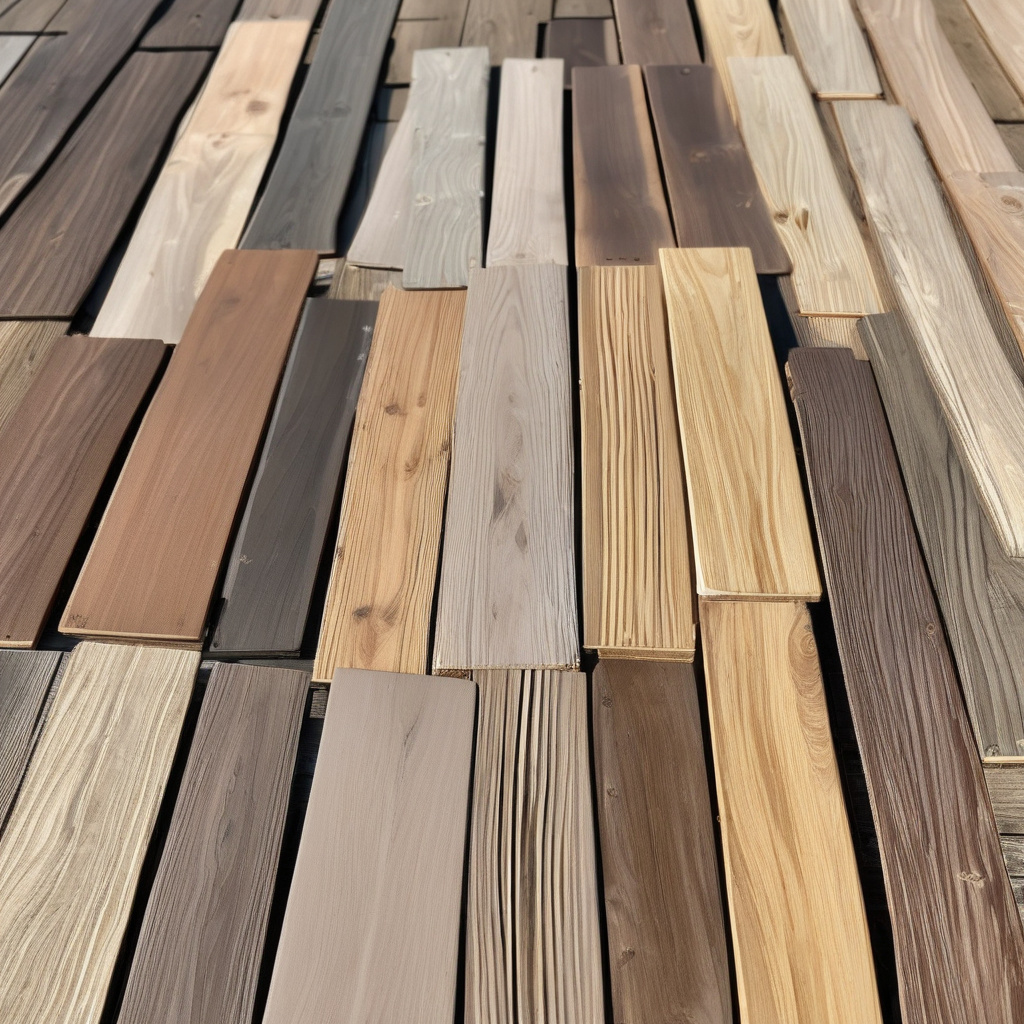
How Stain Opacity Changes UV Protection and Appearance
Pigment helps screen the wood surface from sunlight, which is why stain opacity matters in exposed conditions. A transparent finish emphasizes grain and natural color but offers limited visual masking. Semi-transparent stain adds color while retaining recognizable wood character. Solid stain creates the most uniform color and hides most of the underlying tone.
Opacity does not provide a universal maintenance schedule. Products within the same category can differ in resin, pigment, water resistance, application requirements, surface compatibility, and manufacturer specifications. Compare the technical information for the exact product rather than assuming every semi-transparent or solid stain performs identically.
The existing finish can limit the available choices. A deck previously coated with a sound solid-color product cannot usually be converted to a transparent appearance without removing the opaque material sufficiently to expose clean, evenly absorbent wood. Applying a penetrating stain over a film-forming coating can cause uneven color or poor bonding.
A detailed comparison of deck and fence stain types can help separate opacity from other product characteristics such as penetrating versus film-forming behavior.
Practical note: Select opacity before selecting the exact color. A transparent cedar tone, semi-transparent cedar tone, and solid cedar color may share a name while producing completely different grain visibility, surface behavior, and maintenance requirements.
Choose Color by Heat, Glare, and Exterior Context
Dark brown, charcoal, and near-black stains can create strong contrast with pale stucco, concrete, and contemporary exterior finishes. On a deck exposed to midday sun, however, a darker surface can absorb more solar energy and may feel less comfortable under bare feet or for children and pets. The effect depends on color, exposure, material, airflow, and time of day.
Very light stains can reduce the visual weight of a large deck and coordinate with coastal or modern palettes, but they may show dirt, leaf tannins, food spills, and dark fastener marks more readily. Pale finishes can also appear brighter than expected when sunlight reflects from adjacent stucco, glazing, or light paving.
Mid-tone browns, muted grays, and warm gray-browns often provide a workable visual middle ground. They can coordinate with common Southern California exteriors without creating the strongest heat contrast or revealing every mark. The actual result still depends on the wood’s natural red, yellow, brown, or gray undertone.
Consider the deck together with siding, trim, railings, doors, roof color, patio furniture, and adjacent hardscape. Matching every brown precisely is less important than keeping the undertones compatible and creating enough contrast to distinguish horizontal walking surfaces from vertical elements.
Lighter and Mid-Tone Colors
These colors may feel visually cooler and can reduce the dramatic appearance of dust or fading. Very pale options may still reveal stains, dark debris, and uneven wood tones.
Darker and Richer Colors
These colors can disguise some discoloration and create architectural contrast, but direct sun may make the surface feel hotter and can make light dust or scratches more visible.
Compare Deck Stain Options Before Choosing a Color
The finish category should match the wood you have, not only the appearance you want. Use the table as a starting point, then confirm substrate compatibility, preparation, coverage, and application conditions with the selected manufacturer.
| Finish Type | Best Fit | Main Trade-Off |
|---|---|---|
| Clear water repellent | Wood where minimal color change is essential | Provides little pigment to limit visible sun weathering |
| Lightly tinted toner | Newer boards with attractive, consistent grain | Uneven absorption and fading remain easy to see |
| Transparent stain | Distinctive wood that should remain visually prominent | Offers limited masking of repairs and discoloration |
| Semi-transparent stain | Sound decks needing color plus visible wood texture | Board variation may still show through the finish |
| Semi-solid stain | Weathered wood needing stronger color correction | Conceals more natural variation and grain color |
| Solid-color stain | Older decks with mixed boards or widespread discoloration | Can peel or wear visibly if the surface or coating system fails |
Test the Stain on the Actual Deck Before Buying the Full Quantity
A color card shows the stain itself, not the final interaction between stain and wood. Species, age, sanding, previous weathering, moisture exposure, board density, and existing pigment can change the result. Two boards from the same deck may absorb the same semi-transparent product differently.
Prepare a representative test area using the same cleaning and sanding process planned for the full project. Apply the proposed number of coats according to the product directions. A sample placed over dirty, oxidized, or previously coated wood does not predict how the finish will look after proper preparation.
View the sample in morning light, midday sun, afternoon shade, and after dark under exterior lighting. Check it beside the wall color, railing, doors, and paving. The chosen stain may appear warmer in direct sun, grayer in shade, and darker across a large horizontal area than it does on a small sample.
What to Check on Every Stain Sample
- Confirm how much grain and board variation remain visible after drying.
- Compare the color in full sun and in the deck’s deepest shade.
- Check whether the surface becomes uncomfortably hot during peak exposure.
- Inspect repaired boards, end grain, railings, and walking surfaces separately.
- Verify that the sample uses the intended preparation and coating sequence.
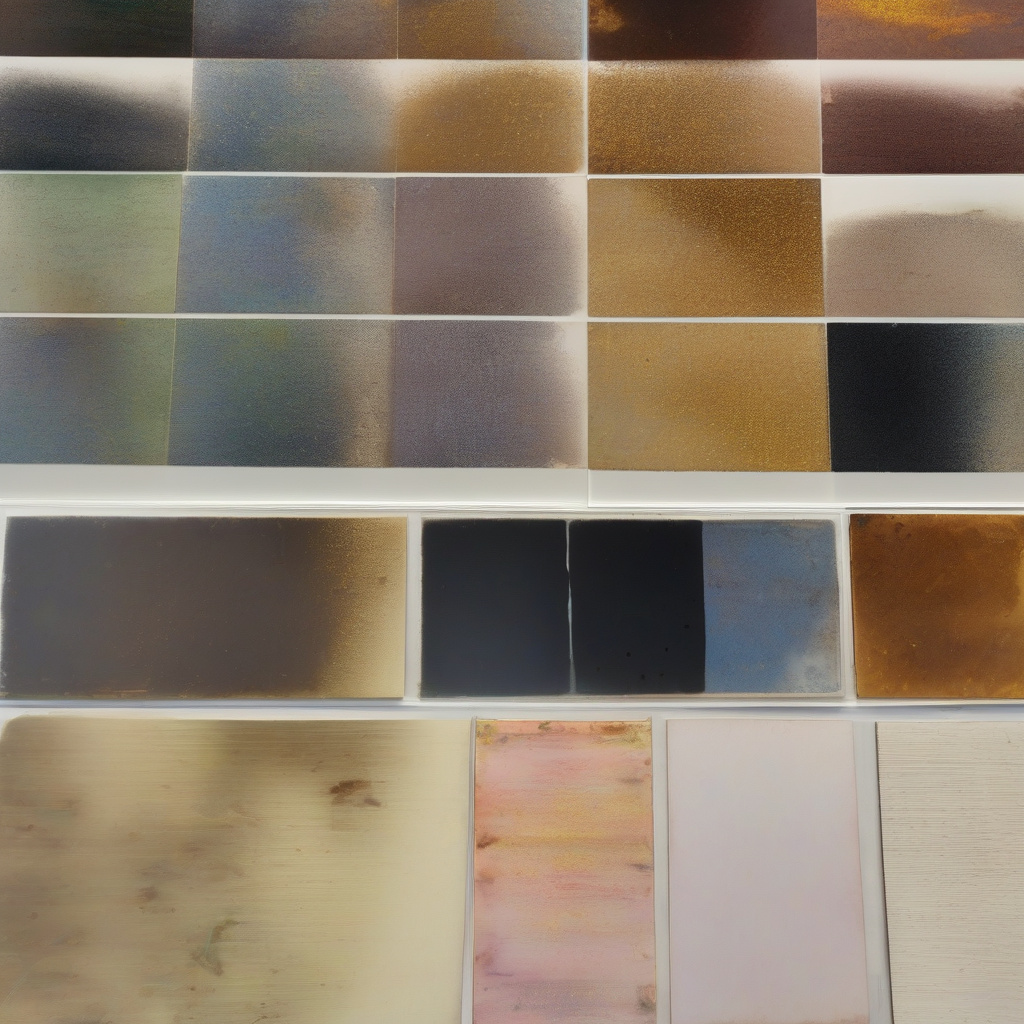
Match the Stain to the Existing Wood and Coating
New wood, sun-bleached wood, previously stained boards, and decks with mixed replacement lumber require different preparation. A finish selected for fresh cedar may not create the same color on aged redwood, pressure-treated lumber, or boards that retain an older coating in protected areas.
Inspect for peeling films, gray surface fibers, mildew-like staining, grease near cooking areas, rust marks, sap, failed repairs, and soft or split boards. Stain is not a structural repair and should not be used to conceal decay, loose fasteners, unstable railings, or damaged connections.
Cleaning removes dirt, organic buildup, and contaminants. Stripping may be required for incompatible or failing coatings. Sanding can smooth weathered fibers and improve visual consistency, but over-sanding or uneven sanding may change absorption. Preparation should follow the requirements of the chosen coating system.
Guidance on cleaning and sealing wood decks explains why surface condition must be corrected before judging whether a stain color is suitable.
Consider Sun Orientation, Shade, and Water Exposure Together
Two sections of the same deck may weather at different rates. A fully exposed south- or west-facing area can receive strong afternoon sun, while boards beneath an overhang remain shaded and retain moisture longer. The exposed area may fade first, while the shaded area may develop dirt or biological staining more readily.
Furniture, outdoor rugs, planters, umbrellas, and grills create additional microclimates. Covered boards can retain a deeper color while uncovered boards lighten, producing visible outlines when objects are moved. Planters without adequate protection can trap moisture against the finish, and irrigation overspray can repeatedly wet localized areas.
Shade structures can improve comfort and reduce direct exposure, but they also change drying conditions and maintenance patterns. Coordinate the stain with sun exposure considerations for deck finishes when a pergola, canopy, or permanent cover is part of the project.
Coastal air, morning marine moisture, inland heat, and hillside wind exposure can affect how quickly surfaces wet and dry. These conditions should guide inspection and preparation, but they do not replace the product manufacturer’s stated temperature, moisture, and weather requirements.
Common Mistakes When Choosing Deck Stain for Sunny Climates
The first mistake is selecting a color from a digital image without testing it on the actual wood. Screens, photography, wood species, and lighting can shift the appearance substantially. A small physical sample is more useful, but only when applied over properly prepared boards.
Another mistake is choosing a clear finish because it appears natural while expecting the visual weathering resistance of an opaque product. Preserving maximum grain visibility usually means accepting less pigment and a closer maintenance watch. The trade-off should be understood before application.
Applying a dark solid stain to a fully exposed deck without evaluating surface comfort can also create dissatisfaction. Test the sample during the hottest part of the day and compare it with a lighter alternative under the same conditions.
Do not cover peeling stain, soft wood, algae-like growth, or trapped moisture with another coat. A fresh finish may briefly unify the color while leaving the cause of failure below it. Adding more product can make later removal more difficult.
Finally, do not substitute an exterior varnish merely because it creates a furniture-like appearance. Clear film-forming finishes can have specific limitations on horizontal walking surfaces exposed to sun and moisture. Compare their intended uses with exterior wood varnish options before changing coating categories.
What Affects the Cost of Deck Staining?
The cost is shaped mainly by preparation and existing condition rather than stain color alone. A clean deck with a compatible weathered finish requires a different scope from one covered by peeling solid stain, uneven repairs, grease, biological growth, or coatings that must be removed.
- Deck area, railings, stairs, benches, screens, and exposed board edges
- Cleaning, stripping, brightening, sanding, and drying requirements
- Previous coating type and compatibility with the proposed stain
- Board repairs, protruding fasteners, splinters, and replacement lumber
- Access beneath railings, around built-ins, and beside landscaping
- Number of required coats and application method specified by the product
When to Recoat and How to Maintain the Finish
Do not select a universal calendar interval for every stained deck. Recoat timing varies with the product, opacity, exposure, foot traffic, wood condition, preparation, furniture coverage, and water contact. Inspect the finish regularly and follow the manufacturer’s maintenance guidance.
Signs that service may be approaching include uneven fading, exposed fibers, reduced water repellency where that is part of the system, worn traffic lanes, local peeling, and areas where the coating no longer matches protected sections. Determine whether the deck needs cleaning, spot repair, or complete preparation before adding another coat.
Use cleaning methods compatible with the finish. Aggressive pressure washing can roughen wood fibers, damage softer boards, and create visible striping. Abrasive cleaners or strong chemicals may discolor the coating or interfere with a future recoat.
Move planters and furniture periodically when practical, protect the surface from grease near grills, and avoid trapping moisture beneath non-breathable coverings. Correct drainage and irrigation problems rather than relying on additional stain to resist constant wetting.
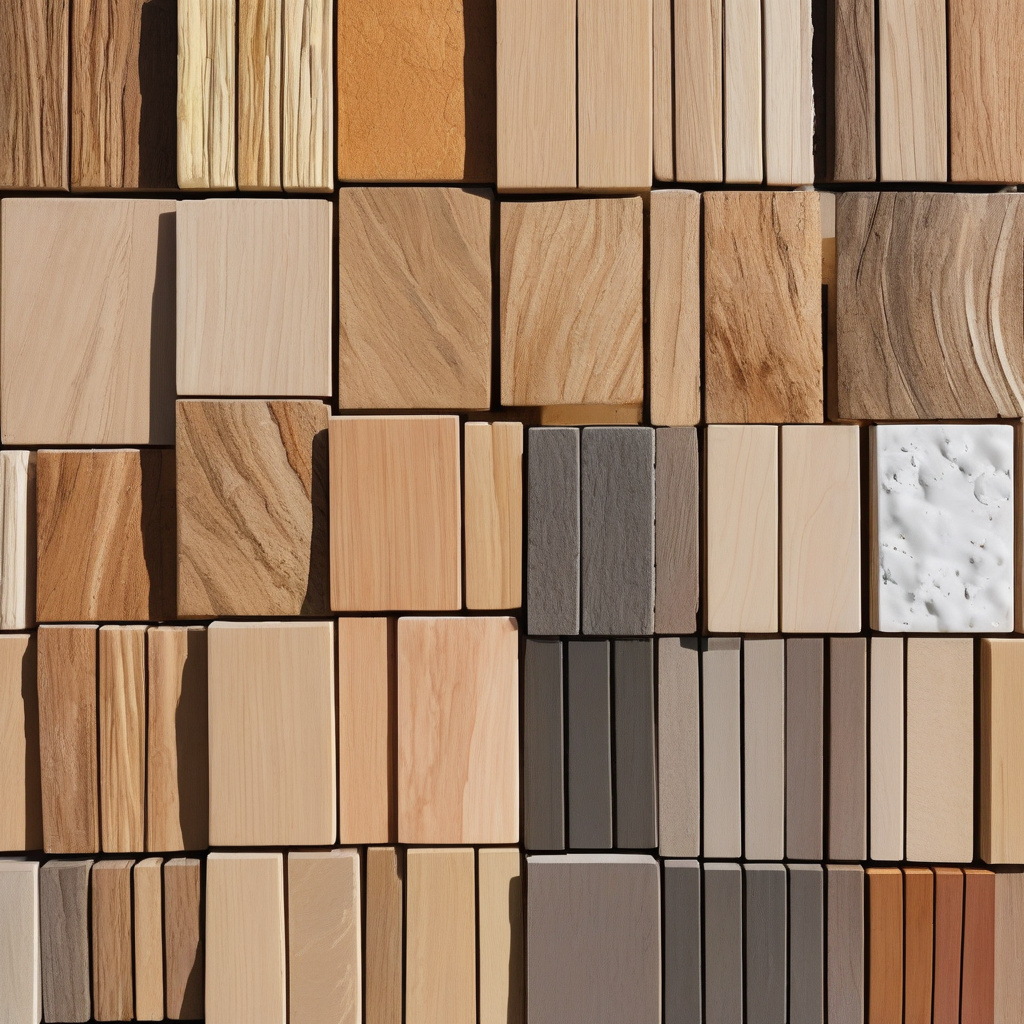
Approve the Finish Only After a Full Surface Assessment
Before purchasing the final product, document the wood species if known, age, previous finish, repaired sections, exposure, and desired level of grain visibility. Confirm whether the coating is approved for horizontal decking and compatible with the existing material.
Ask the installer to describe cleaning, stripping, sanding, moisture checks, coating quantity, number of coats, application conditions, and how lap marks will be controlled. The proposal should also state which defects are excluded from staining and which boards require repair or replacement first.
Review the final color sample after it has dried according to the product instructions. Approve it in the actual location rather than inside a store or garage. A sound selection should coordinate with the home, feel acceptable under direct sun, and match the level of maintenance the household is prepared to perform.
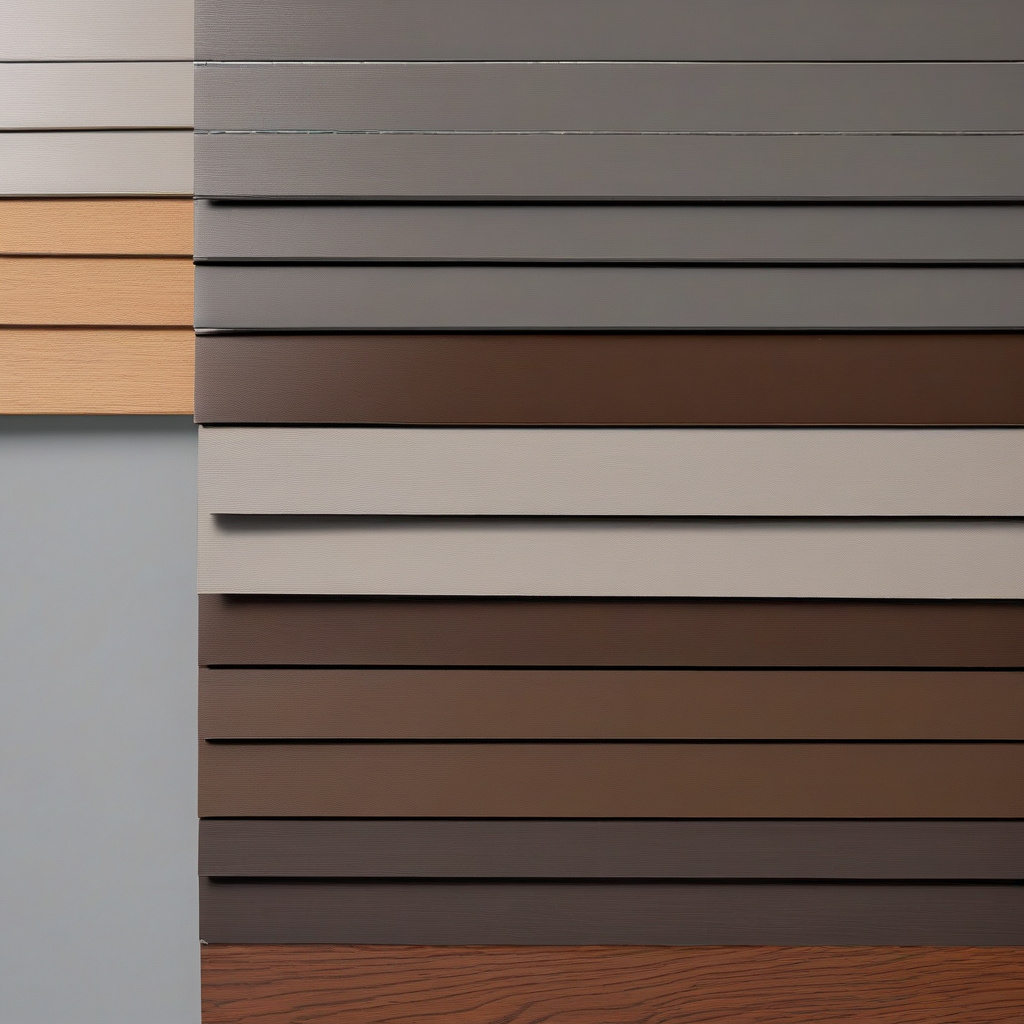
- Semi-transparent stain often provides the best balance of visible grain and sun protection.
- Choose opacity according to wood condition before choosing the exact color.
- Selecting from a brochure without testing the real boards is a common mistake.
- Peeling coatings, damaged wood, or unknown finishes require professional assessment.
- Test the prepared deck sample in direct sun and shade before approval.
Frequently Asked Questions
What type of deck stain is best for strong California sun?
A pigmented semi-transparent stain is often a practical choice for sound wood because it preserves visible grain while providing more color and ultraviolet screening than a nearly clear finish. Solid stain may suit heavily weathered or mismatched boards that need uniform coverage. The exact product should be selected according to the wood, previous coating, exposure, and manufacturer’s requirements rather than opacity alone.
Do darker deck stain colors provide better UV protection?
A darker appearance does not by itself prove that a stain provides better ultraviolet protection. Pigment content and product formulation influence performance, but two similarly dark products may differ substantially. Dark colors can also absorb more solar energy and may feel hotter underfoot. Compare manufacturer documentation, opacity, and sample performance instead of using color depth as the only protection criterion.
Is transparent or semi-transparent stain better for a sunny deck?
Transparent stain is appropriate when preserving the wood’s natural color and grain is the highest priority and the boards are visually consistent. Semi-transparent stain adds more pigment, softens variation, and generally offers a better balance for heavily exposed decks. Neither category has identical performance across all brands, so verify compatibility, preparation, coating instructions, and expected maintenance for the specific product.
Will a solid deck stain hide old boards and repairs?
Solid stain can create more uniform color across weathered boards, replacement lumber, and repaired areas, but it does not hide texture differences, cracks, cupping, raised grain, or poor repairs. It also cannot stabilize soft or decayed wood. The old coating must be sound or properly removed, and the substrate must be prepared according to the new system to avoid visible peeling or uneven wear.
How can I tell what stain color will look like on my deck?
Apply a sample to a representative prepared section of the actual deck. Use the same cleaning, sanding, and number of coats planned for the project. Examine it after drying in direct sun, shade, and evening light. Include older boards, replacement boards, end grain, and railings because each may absorb color differently. A printed chart or loose wood sample cannot reproduce those conditions reliably.
Can I apply a lighter stain over a dark deck stain?
The result depends on the existing coating and the opacity of the new product. A lighter transparent or semi-transparent stain will not reliably conceal a darker finish remaining in the wood. Changing to a lighter natural appearance may require substantial removal of the previous coating. A compatible solid stain may cover dark color more effectively, but the surface still needs proper preparation and sound adhesion.
When is the right time to stain a deck in a sunny climate?
Apply stain only when the wood, air temperature, surface temperature, weather window, and moisture condition meet the selected manufacturer’s instructions. Direct midday sun can make some surfaces too hot or cause application problems, while shade and coastal moisture may slow drying. Do not rely on a season alone. Check the forecast and schedule sections of the deck according to their actual exposure.
How often should a sun-exposed deck be restained?
There is no reliable interval for every deck. Recoat timing varies with stain type, product formulation, preparation, wood condition, foot traffic, sun orientation, shade, water exposure, and maintenance. Inspect for uneven fading, exposed fibers, worn traffic paths, peeling, or reduced water repellency where applicable. Follow the product guidance and prepare the surface properly rather than adding stain automatically on a fixed calendar.