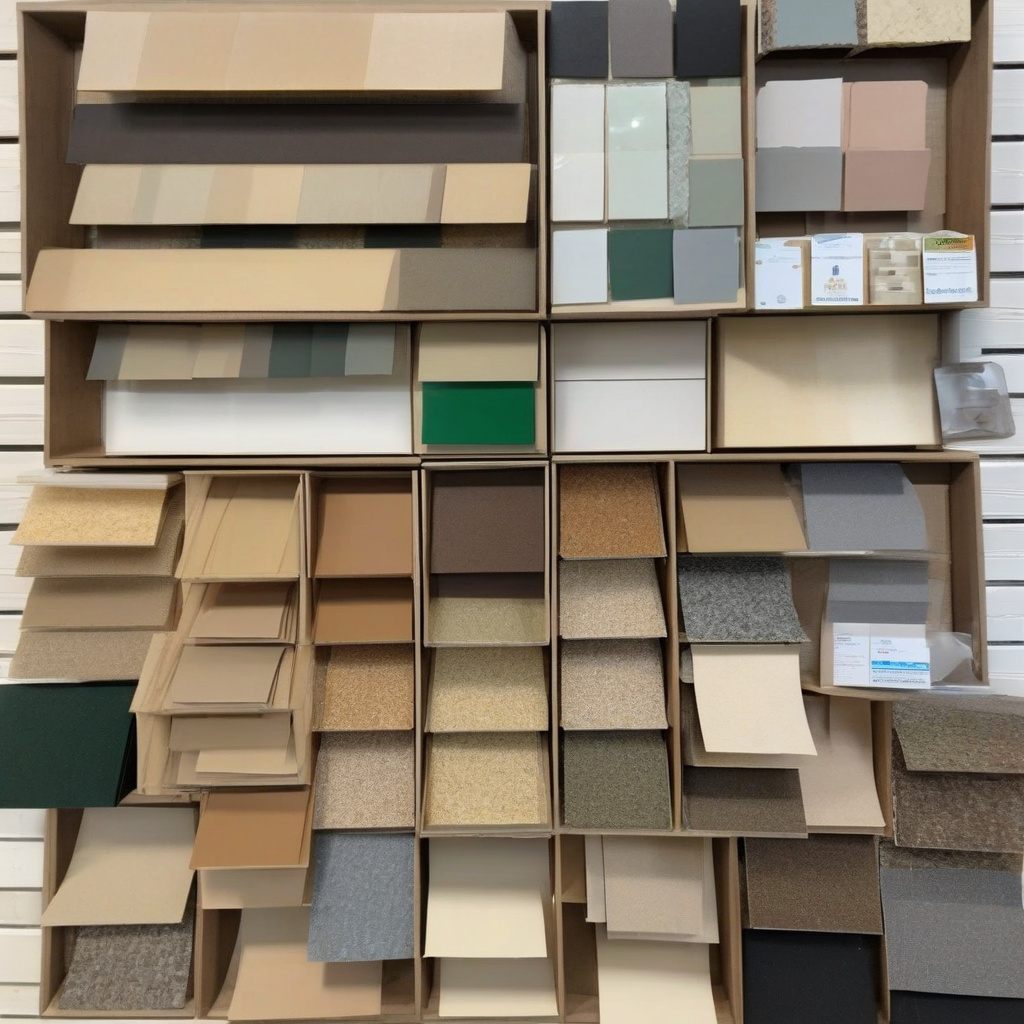
In Los Angeles, where the sun beats down with relentless vigor, innovative solutions like green roofing are fast becoming the architectural darling of sustainable building. Reflective roofs, recycled materials, and living systems have stepped into the limelight, each offering a unique palette of ecological and energy-saving benefits. As many Angelenos realize, the rooftops above their homes hold untapped potential to not only reduce energy costs but also improve urban living environments.
Brief summary: This article explores the growing trend of green roofing options in Los Angeles, focusing on reflective, recycled, and living roof systems. With insights into cost efficiency, construction methods, and environmental benefits, it highlights the transformative impact these solutions have on reducing urban heat and enhancing sustainable living.
The Rise of Reflective Roofs
Reflective roofs, or “cool roofs,” use materials designed to bounce sunlight away, reducing heat absorption and keeping homes cooler. This seemingly simple innovation has profound implications for energy efficiency in Southern California—a region infamous for its scorching summer months. Across Los Angeles, homeowners have begun to notice significant decreases in air conditioning costs, an attractive proposition to those grappling with soaring energy bills.
Ironically, while the concept of cool roofing might sound cutting-edge, it taps into age-old architectural wisdom. In Mediterranean climates, where reflective surfaces have been used for centuries, this practice is nothing new. Yet, integrating modern technology and materials updates the significance and efficiency of these roofs, aligning seamlessly with current building sustainability trends. To delve deeper into the intricacies of choosing the right roofing option, numerous homeowners turn to resources like this comprehensive guide that outlines critical factors to consider.
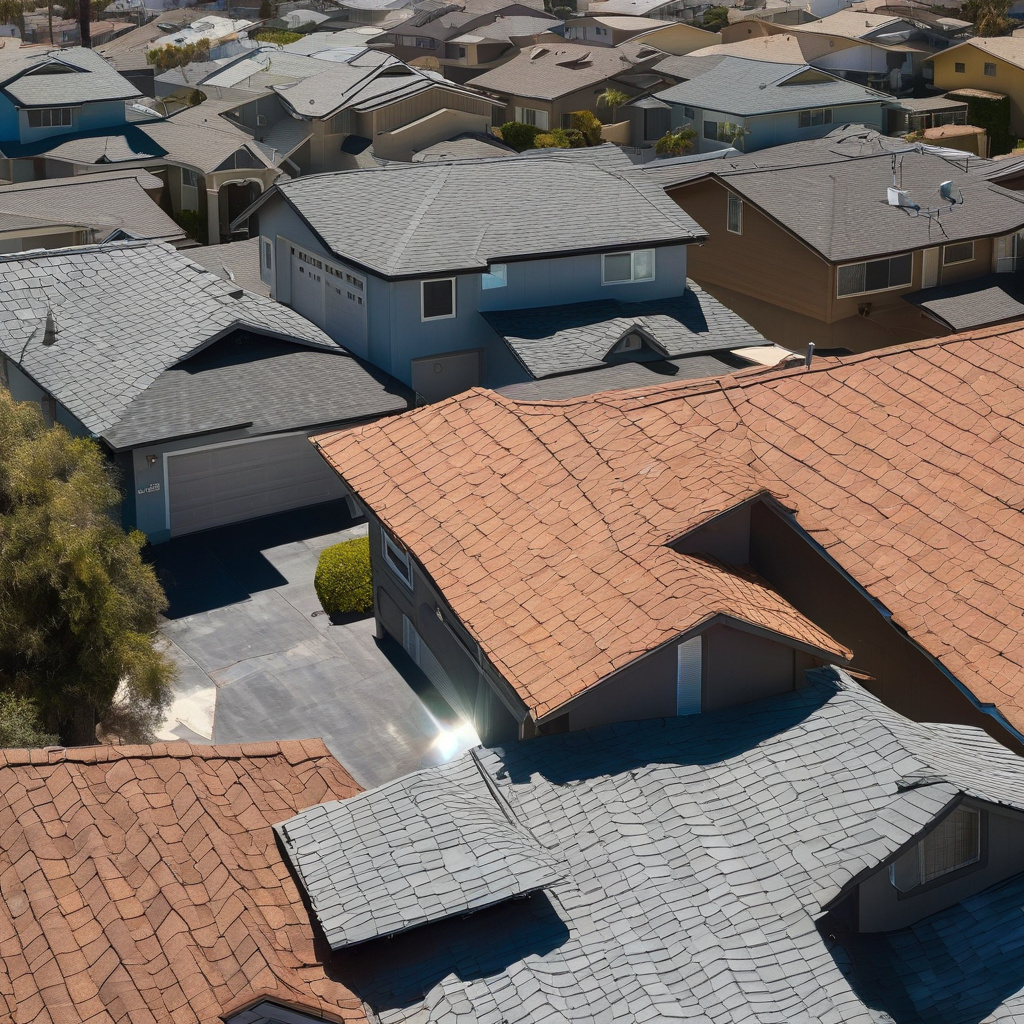
In Los Angeles’s hot, sticky summers, the adaptability of reflective roofs is a key advantage, often determining whether a household remains comfortable without cranking up the air conditioning. By bouncing solar energy away, these roofs not only reduce individual energy consumption but also collectively mitigate the urban heat island effect—a phenomenon where cities become significantly warmer than their rural surroundings.
Furthermore, reflective roofing offers the allure of reduced roof maintenance costs. By preventing the rapid temperature fluctuations that can degrade roofing materials, they extend the lifespan of the roof itself, a compelling consideration for the cost-conscious homeowner.
In summary, reflective roofs offer both immediate and long-term benefits, driving a wave of interest from homeowners seeking economic and environmental returns on their investments.
The Allure of Recycled Roofing Materials
As more residents commit to eco-friendly living, recycled roofing materials have emerged as a favored choice in the architectural fabric of Los Angeles. These roofs utilize reclaimed materials like metal, rubber, and shingles, which not only divert waste from landfills but also bring character and durability to homes. Many Californians are gravitating towards this sustainable option as it aligns with zero-waste initiatives.
Maintaining a commitment to sustainability, homeowners are increasingly opting for roofs constructed from recycled materials. These roofs have a unique aesthetic, offering a distinctive appearance that not only pleases the eye but speaks volumes of the owner’s environmental values. Historically, traditional roofing practices have generated significant waste, but with recycled materials, this narrative is undergoing a profound transformation.
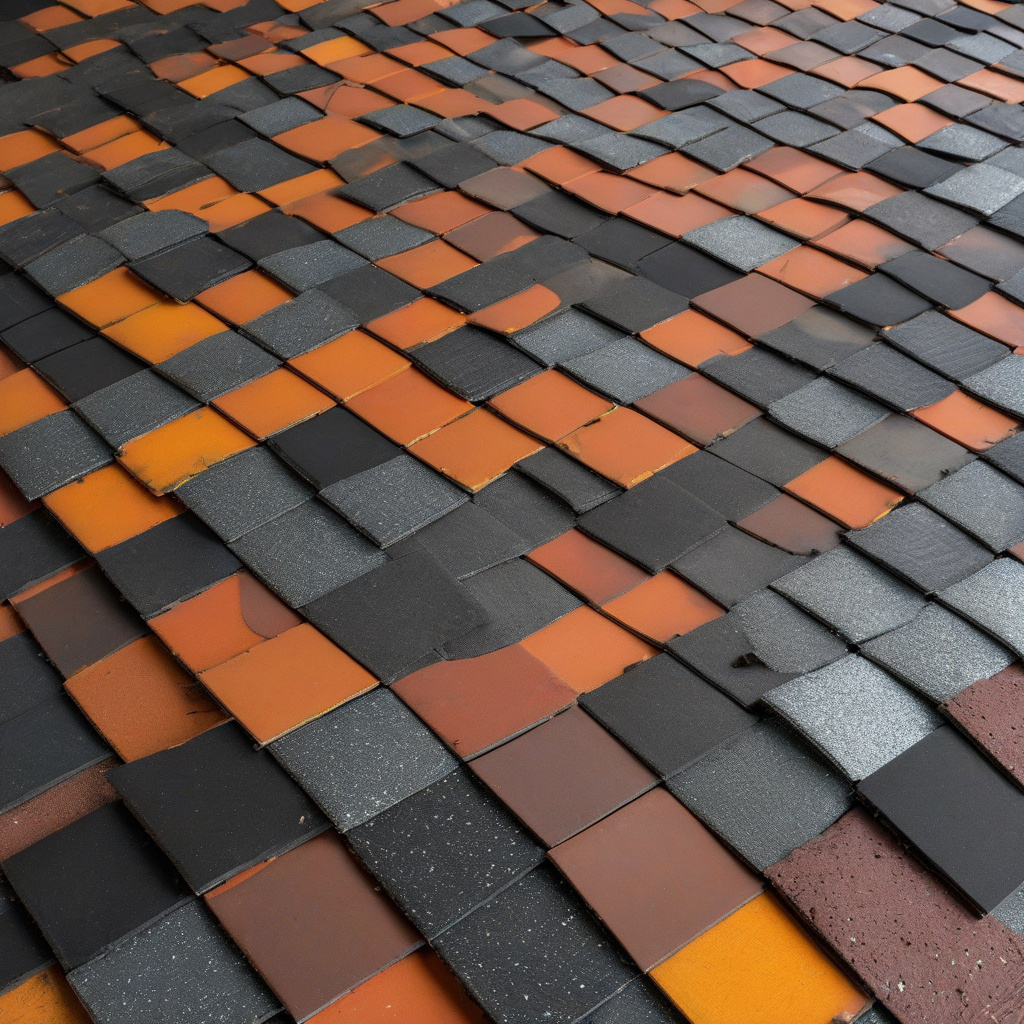
From a cost perspective, recycled materials provide a substantial advantage. Though initial expenses can be competitive with traditional options, the durability and lower repair needs of these eco-friendly options often make them more economically viable in the long run. It’s worth noting that when deciding on recycled roofing options, it’s crucial to address potential structural challenges, such as those detailed in this helpful resource that guides homeowners through challenging aspects like roof flashing.
According to the National Renewable Energy Laboratory, using recycled materials in construction can lower waste by as much as 30%.
Ultimately, the move towards recycled roofing materials signifies a broader cultural shift towards sustainability in urban development, where eco-conscious decisions emerge as the backbone of responsible home renovation.
This transition points to a burgeoning trend where personal choice and global responsibility intersect, highlighting recycled materials as a practical, stylish, and sustainable solution.
Nurturing Nature with Living Roofs
In a cityscape that’s constantly under rejuvenation, living roofs—often referred to as “green roofs”—represent a revolution in how urban spaces interface with nature. These systems involve cultivating vegetation on rooftop surfaces, offering ecological benefits that extend far beyond the immediate architecture. Los Angeles, with its ambitious green initiatives, finds living roofs a fitting solution to stark concrete jungles.
Living roofs transform otherwise unused spaces into vibrant ecosystems that contribute to reducing carbon footprints and fostering biodiversity. The verdant expanses of these roofs also excel at managing stormwater, reducing runoff, and subsequently easing the urban drainage systems—a crucial consideration in areas prone to drought yet vulnerable to sudden weather shifts.
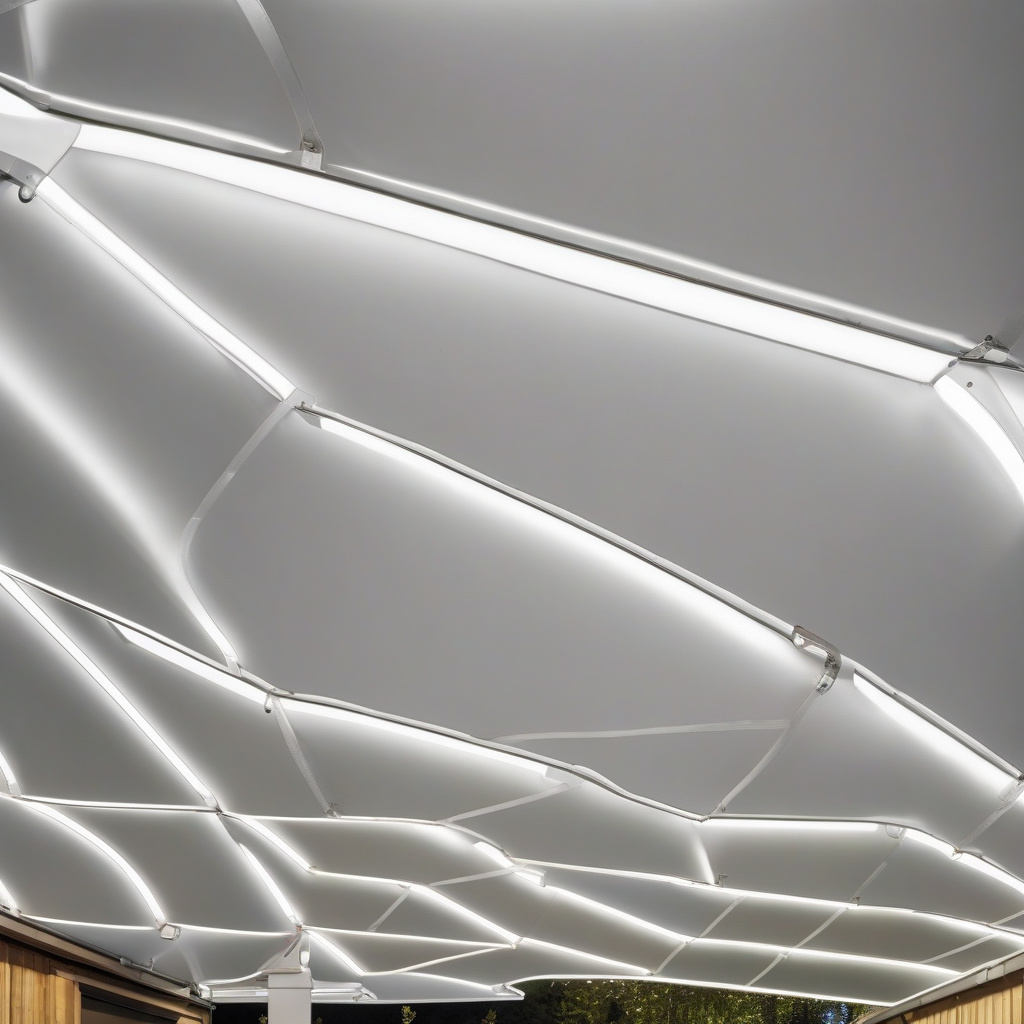
The aesthetic appeal of a lush rooftop garden is undeniable, offering city dwellers a personal oasis amid the urban sprawl. While installing a living roof may seem like a daunting endeavor, the process becomes significantly streamlined with well-laid plans and expert guidance. Notably, deciding on such a roof involves understanding the weight capacity and water management requirements of the structure. Hence, many local experts recommend consulting a certified architect or structural engineer before embarking on such a project.
“In urban areas, living roofs can reduce ambient temperatures by as much as 5°C,” according to a study published by the Journal of Urban Ecology.
Living roofs exemplify a harmonious blend of environment and architecture, providing life-enhancing spaces while advocating for environmental stewardship—a principle that resonates strongly within the conscientious fabric of Los Angeles life.
Adopting this approach converts otherwise static, barren rooftops into dynamic habitats, yielding both personal pleasure and collective environmental gains.
Practical Considerations and Real-World Examples
Launching into a green roofing project in Los Angeles requires careful consideration of several factors, from material selection to climate adaptation. Real-world examples reveal that a meticulous approach, integrating professional advice and personal objectives, often results in the most rewarding outcomes. One important aspect here involves responsible material disposal, where strategic use of disposal services can mitigate environmental impact.
Determining the right material for a roof involves understanding the unique thermal and environmental demands of Southern Californian architecture. Choosing wisely between reflective, recycled, or living roofing options can significantly influence the energy performance and environmental impact of a building. In this vein, research-based decisions serve as the cornerstone for successful rooftop transformations.
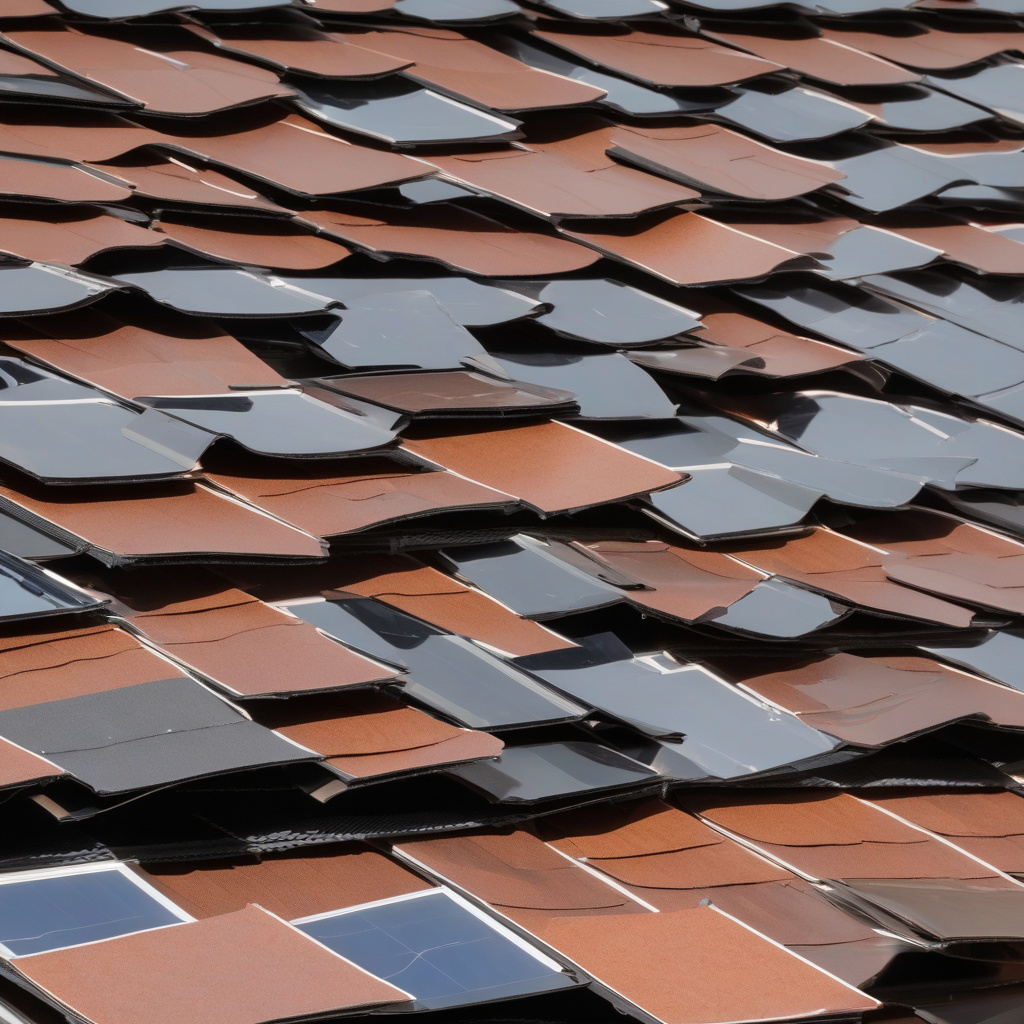
Moreover, working with licensed contractors, who are familiar with regional building codes and guidelines, can streamline the process while ensuring compliance and quality assurance. As such, many homeowners consider not just the costs but the qualifications and past work of potential advisors.
Construction experts note that roofs encompassing sustainable features can enhance property value by around 3-5% upon sale.
Ultimately, real-world projects showcase the diverse possibilities inherent in green roofing options, each contributing to a collective movement towards improved urban environments and personal wellbeing.
These projects underscore the potential of green roofs to transcend mere utility, transforming them into vital components of modernized, ecological living.
Comparing Roofing Options: Costs and Benefits
Choosing the right green roof varies wildly depending on one’s priorities, style preferences, and budget. Understanding the nuances between reflective, recycled, and living roofs is crucial for making informed decisions. Below is a concise comparison that outlines key distinctions across several criteria:
| Type | Cost Range ($/sq ft) | Material Lifespan | Installation Time | Environmental Impact |
|---|---|---|---|---|
| Reflective Roof | 7-12 | 15-20 years | Quick | Reduces heat |
| Recycled Roof | 8-15 | 20-30 years | Moderate | Waste reduction |
| Living Roof | 15-25 | 30+ years | Lengthy | Biodiversity |
Each option presents its unique blend of benefits and trade-offs—highlighting reflective roofs’ energy savings, recycled roofs’ eco-friendliness, and living roofs’ biodiversity. For more detailed evaluations, consulting professional services such as this guide on pertinent questions can offer deeper insights.
Exploring Installation Strategies
Embarking on a green roofing project requires not just inspiration but meticulous planning. Many homeowners find the key to a successful installation lies in aligning their vision with practical steps. This involves assessing the structural integrity of the current roof, an imperative for both living roofs due to their weight, and recycled ones due to their unique materials.
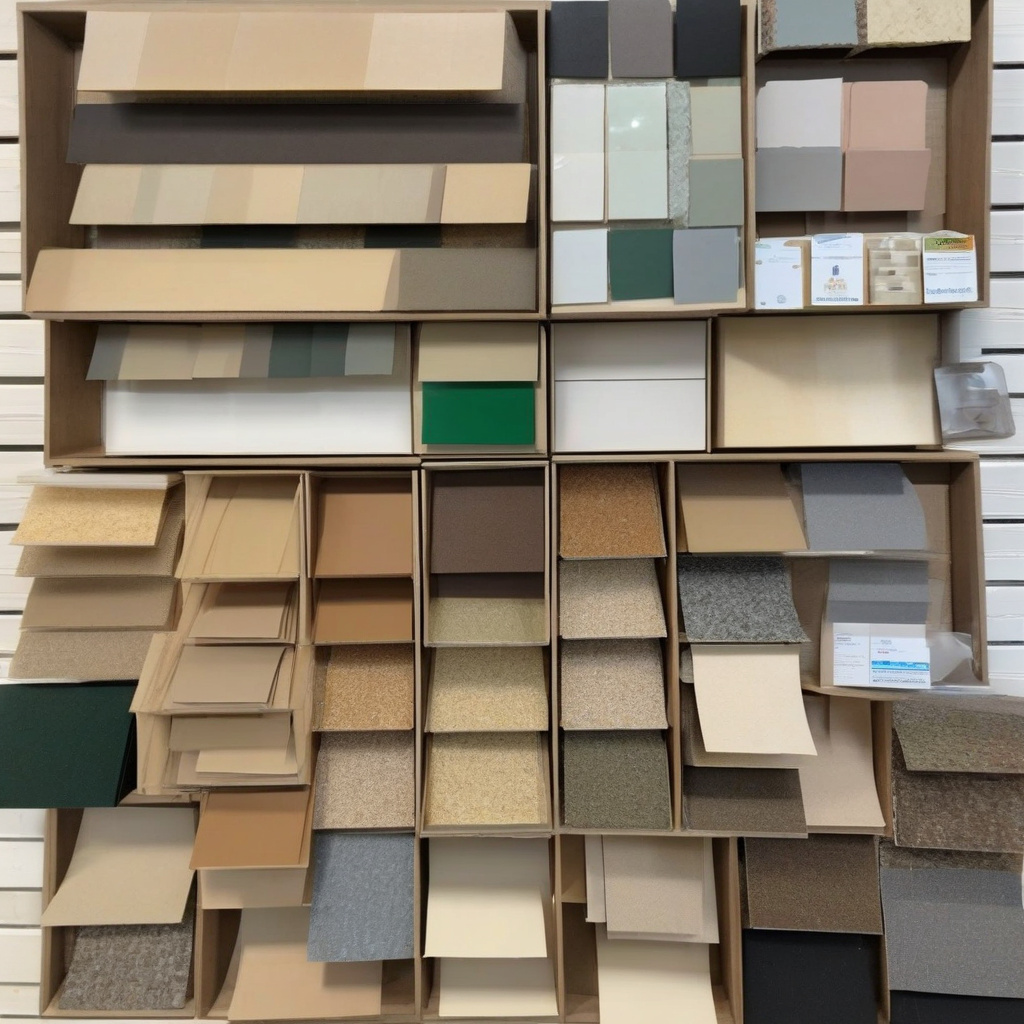
Building a reliable timeline is crucial for seamless execution, covering everything from securing permits to coordinating with contractors. The installation process itself typically begins with an assessment phase, which evaluates the roof’s readiness to support additional weight and new materials.
Homeowners are advised to factor in extended timelines if choosing a living roof, given the complexity and labor-intensive nature of installing plant-friendly substrates and irrigation systems. Meanwhile, recycled and reflective roofs often demand shorter installation windows, allowing for quicker realization of energy benefits.
Ultimately, a well-thought-out strategy, coupled with the right team of experts, ensures not only a successful outcome but also transforms the roof into a sustainable asset.
This comprehensive approach illuminates the broader potential and practicalities involved in bringing eco-innovations to real-world roofs.
- Green roofing options are gaining traction in Los Angeles for their energy-saving potential and sustainability.
- Reflective roofs provide a simple solution to reduce heat absorption, while recycled roofs use reclaimed materials to enhance durability.
- Living roofs highlight ecological benefits by supporting biodiversity and managing stormwater.
- Practical considerations and expert strategies are essential for successful green roof installations.
- Each roofing type offers unique benefits and challenges, allowing homeowners to choose based on personal and environmental priorities.
FAQ
What are the key benefits of reflective roofing for homes?
Reflective roofing, often referred to as cool roofing, is designed to reflect more sunlight and absorb less heat compared to standard roofing. In real renovation projects, many homeowners notice a considerable drop in attic and living space temperatures, which in turn reduces air conditioning costs. By reflecting solar energy, these roofs help maintain a comfortable indoor environment, especially in hot regions like California. Moreover, as many experts point out, they contribute to extending the roof’s lifespan by minimizing thermal shock—a process where the roof undergoes rapid temperature fluctuations. However, homeowners frequently underestimate the importance of ensuring proper installation; poorly installed reflective rooftops may not perform optimally.
How do recycled roofing materials compare to traditional options?
Recycled roofing materials, such as those made from reclaimed rubber, plastics, or metal, present a sustainable alternative to traditional materials like asphalt shingles. Many renovation experts advocate for their use due to the dual benefits of reducing landfill waste and conserving natural resources. In older properties undergoing renovation, installing recycled shingles can offer a charmingly rustic aesthetic. Yet, the challenge lies in sourcing high-quality recycled materials that meet specific climatic demands. Compared to traditional options, recycled roofs often offer improved durability and longer lifespans, but this can vary widely based on the material quality and installation proficiency. The upfront costs might be higher than regular options, but the long-term savings and eco-benefits can be substantial.
What exactly are living roofs and how do they function?
Living roofs, also known as green roofs, feature a layer of vegetation planted over a waterproofing system. In new builds with modern systems, they offer a compelling blend of aesthetics and functionality. Simply put, these roofs create miniature eco-systems atop buildings by absorbing rainwater, providing insulation, and reducing both urban air temperatures and cooling energy needs. Real-life observations from urban settings show these roofs can transform bland rooftop spaces into lush, green sanctuaries that support biodiversity. However, maintaining a living roof can demand more attention than conventional roofs; tasks such as weeding, watering, and occasional fertilization are necessary to keep them thriving.
When would installing a green roof make the most sense?
Green roofs are particularly advantageous in urban environments, where increasing green space can mitigate heat islands and improve air quality. For single-family homes, choosing a green roof can be an excellent decision if reducing energy consumption and promoting sustainability are high on the homeowner’s agenda. In addition, many municipal governments, especially in eco-conscious states like California, offer incentives for installing green roofs, which can help offset installation costs. However, it’s critical to consult with experienced professionals to assess the structural integrity of your existing roof, as not all buildings are initially equipped to support the additional weight of a living roof. To learn more about whether a green roof is suitable for your home, you can contact industry professionals for detailed advice.
What are the main installation challenges associated with living roofs?
Installing a living roof can be considerably more complex than a conventional one. One of the most significant challenges is ensuring the building’s structural integrity can support the added weight of soil, plants, and moisture. In real-world scenarios, overlooking this aspect can lead to costly structural reinforcements down the line. Additional challenges include incorporating effective drainage systems to prevent waterlogging and selecting the right plant species that will thrive given the local climate conditions. Homeowners often fail to consider maintenance in their initial plans, underestimating the time and resources needed to keep the plants healthy and the system functioning optimally.
Are there any downsides to installing reflective or recycled roofing materials?
While both reflective and recycled roofing options offer numerous benefits, they also come with certain limitations that homeowners should be aware of. Reflective roofs, for example, may not perform as well in cooler climates where the additional heat absorption from sunlight can be beneficial. Similarly, although recycled materials help reduce environmental impact, sourcing high-quality, consistent products can sometimes be challenging, and inferior materials may compromise the roof’s longevity and performance. Homeowners must weigh these factors and possibly adjust their expectations regarding initial costs and long-term performance to determine the best fit for their specific needs and climate.
What factors should be considered when budgeting for a green roofing project?
Budgeting for a green roofing project requires careful consideration of several factors beyond just the initial installation costs. In real renovation practices, it becomes clear that maintenance plays a critical role—regular upkeep is necessary to ensure the health and efficiency of a living roof. In addition, the costs associated with structural evaluations and potential reinforcements need to be factored in, especially for older buildings. Homeowners should also consider the long-term energy savings and potential tax incentives, which can significantly offset the initial investment. Consulting with knowledgeable professionals can help provide a clearer picture of the full scope of costs involved in adopting such environmentally-friendly solutions.
How can California homeowners maximize the benefits of green roofing options?
To fully capitalize on the benefits of green roofing, California homeowners should take advantage of local resources and climate-specific plant species. Many experts recommend collaborating with local environmental agencies or gardening clubs to choose the most suitable plants for a living roof, ensuring easier maintenance and optimal performance. Additionally, integrating technology such as solar panels with reflective roofs can double the energy efficiency benefits. In practice, aligning roof design with sustainable landscaping can further enhance cooling effects across the entire property. For personalized advice on installation or renovations, consider reaching out through this insightful consultation link for specialized guidance.