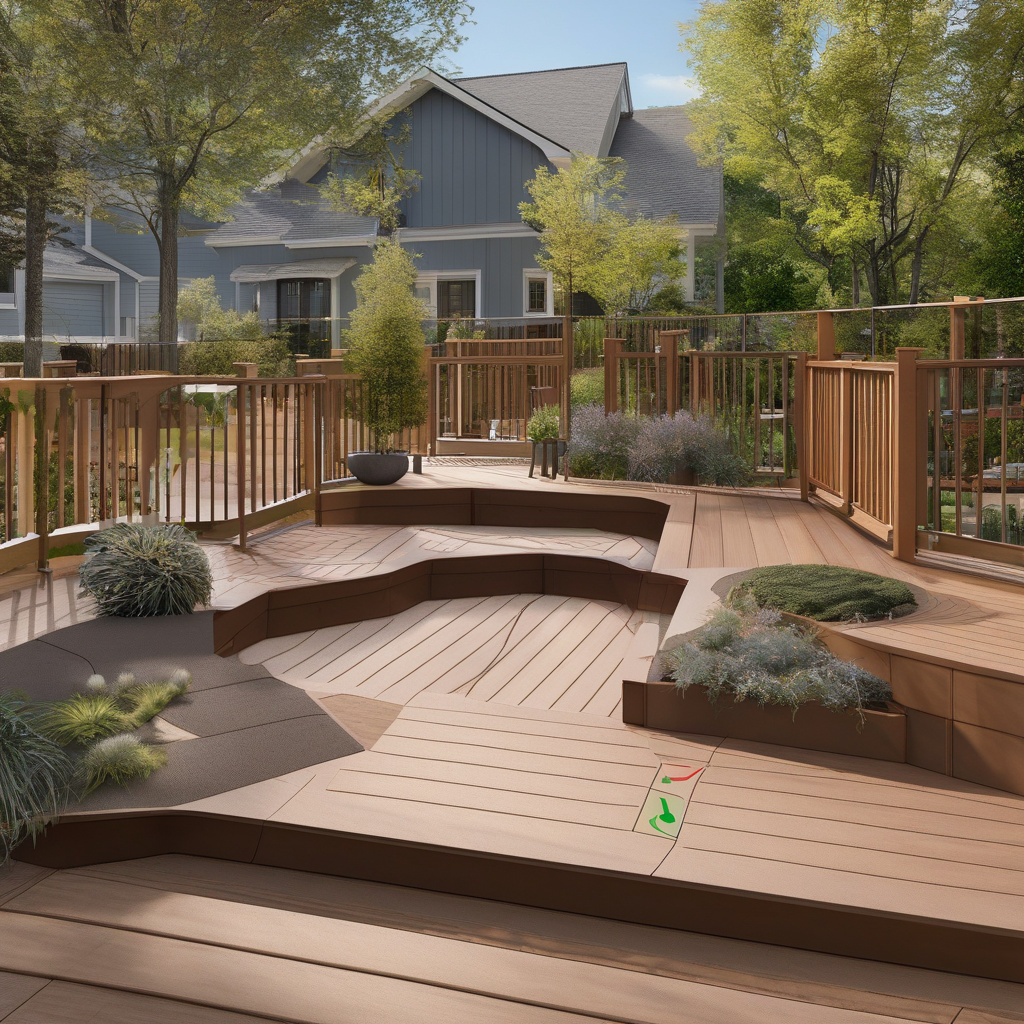
In the sun-drenched neighborhoods of Los Angeles and Southern California, homeowners are increasingly remodeling their decks to accommodate every generation gracefully. These renovations aren’t just about style—they’re about accessibility. The trend? No-step entries, more spacious pathways, and sturdy surfaces ensuring that everyone, regardless of mobility, can enjoy the outdoors safely and comfortably.
Brief summary: This article explores the growing trend of accessible deck remodels in Southern California, focusing on no-step entries and adaptable designs. It highlights renovation options, materials, and real homeowner experiences, aiming to inspire functional and inclusive outdoor living spaces.
Understanding the Need for Accessible Deck Design
As many local homeowners have noticed, the concept of inclusive design has steadily gained traction, reshaping how we perceive outdoor spaces. In areas like Los Angeles, where outdoor lifestyles are practically a year-round affair, creating a deck that invites use by people of all abilities is no longer just an option but a necessity. When considering a renovation, an accessible deck becomes the centerpiece, supporting diverse needs while maintaining aesthetic appeal.
According to the U.S. Census Bureau, nearly 30% of households have at least one member with some form of mobility difficulty. This figure reflects a critical shift in the renovation landscape, urging designers and homeowners alike to rethink traditional frameworks. These changes are about more than constructing ramps—they’re about eliminating barriers, fostering independence, and granting everyone access to the serenity of the backyard.
The rising popularity of multifunctional outdoor areas also complements this trend, as decks evolve from mere add-ons to crucial parts of a home’s living area. For those embarking on the remodeling journey, integrating accessibility into design plans can feel daunting, but the resulting adaptability of space makes it a worthwhile endeavor.
By the end of the day, the goal is to accommodate various mobility needs without compromising on style or comfort, hence making these outdoor spaces truly inclusive for all families.
An industry report highlighted that accessible home renovations can increase property value by up to 10%, aligning practicality with financial gains.
Planning Your Accessible Deck Remodel
When it comes to planning an accessible deck remodel, understanding both your current layout and future needs is crucial. Start by envisioning how the new space will function and whom it will serve. This phase is as much about reflection as it is about creativity. You might ask: How will people move around the deck? Where might additional support be necessary? A thorough thinking process lays the foundation for a successful project.
Consulting with professionals who specialize in creative outdoor layouts can offer invaluable insights into maximizing space while ensuring versatility. These experts bring a wealth of experience in balancing aesthetics and function, helping to craft an environment that meets both present and anticipated needs.
As part of the planning phase, consider creating wider paths, adding handrails, and ensuring that surfaces are slip-resistant and easy to clean. Material choice plays a critical part here, from eco-friendly composites to sustainably sourced hardwoods. Each decision feeds into the larger vision of an accessible, harmonious outdoor area.
Ultimately, planning an accessible deck is about anticipating diverse needs and implementing solutions that promise dignity and safety for all users, thus paving the way for an inclusive future.
Choosing Materials and Understanding Costs
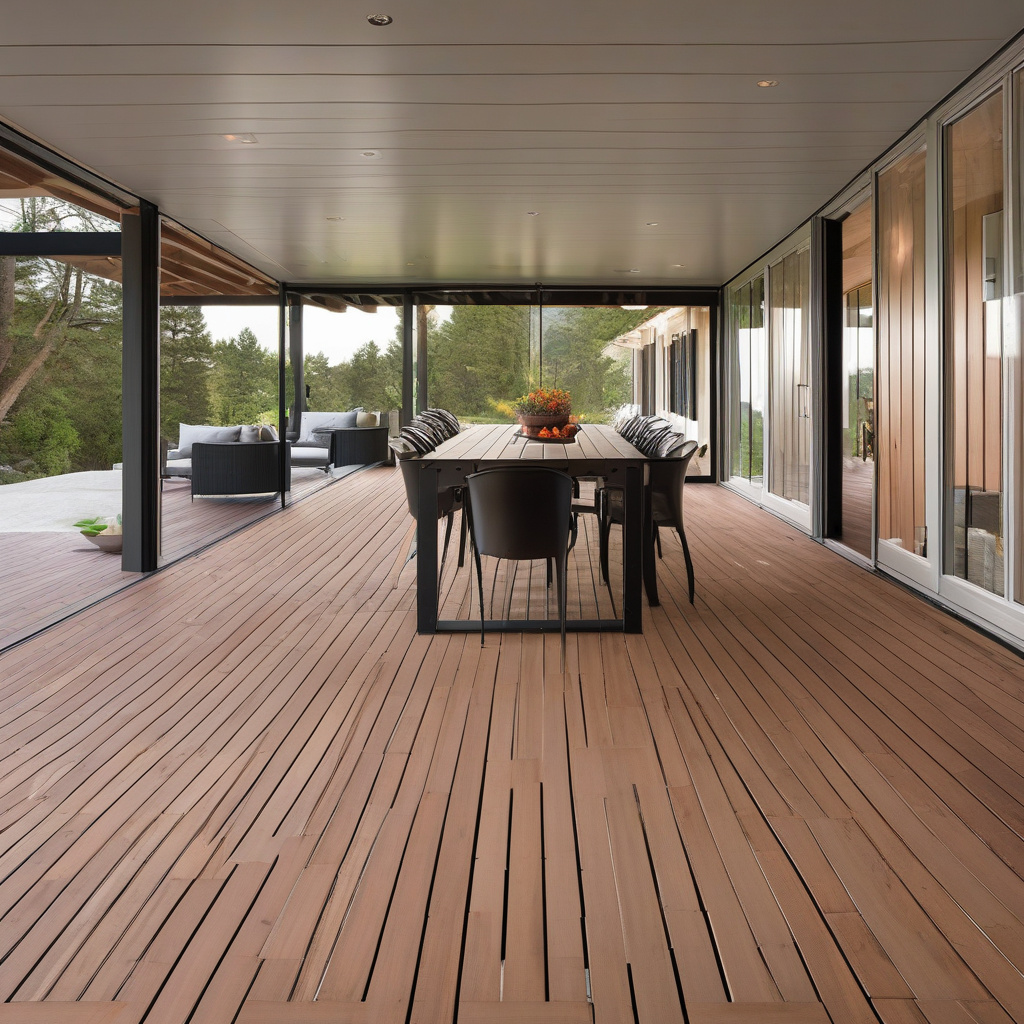
When it comes to selecting materials for your accessible deck remodel, considerations extend beyond mere aesthetics. Durability, maintenance, and comfort join the selection criteria, influencing both budget and long-term satisfaction. Materials like composite decking, though initially more costly, offer longevity and minimal upkeep, making them attractive for homeowners seeking low-maintenance solutions.
The intricate dance of balancing costs with materials can be further complicated by local requirements or community dyamics, as is often the case in planned residential areas. Navigating these considerations requires a nuanced understanding, which can be aided by resources such as guides on community-specific remodeling advice, offering clarity on how to move forward within established architectures.
Consider a budget table to better understand the material landscape:
| Material | Cost (per sq ft) | Longevity | Maintenance |
|---|---|---|---|
| Composite | $15-$35 | 25+ years | Low |
| Hardwood | $20-$40 | 20-30 years | Medium |
Ultimately, understanding the complexities involved in choosing materials allows you to align your vision with feasibility, ensuring a successful project outcome that fits perfectly with its surroundings.
An insight from a leading construction firm states that opt for materials with both sustainable value and appeal can reduce long-term environmental impact by 50%.
Effective Layouts: Creating Flow and Function
With materials selected and plans sketched out, the next step involves defining how best to orchestrate the elements of your remodel for optimal flow. Deck layouts in this part of California often leverage views, utilizing natural landscapes to enhance pleasure and usability. Hence, crafting a layout that fluidly leads individuals from one section to another without barriers is critical.
One instance, shared by a local designer, highlights the use of a gentle gradient instead of traditional steps. This subtle change not only reduces physical barriers but allows a seamless transition during a gathering, enhancing the social atmosphere. A nearby homeowner echoed this sentiment, emphasizing how their choice to remove step obstacles has made family events more inclusive.
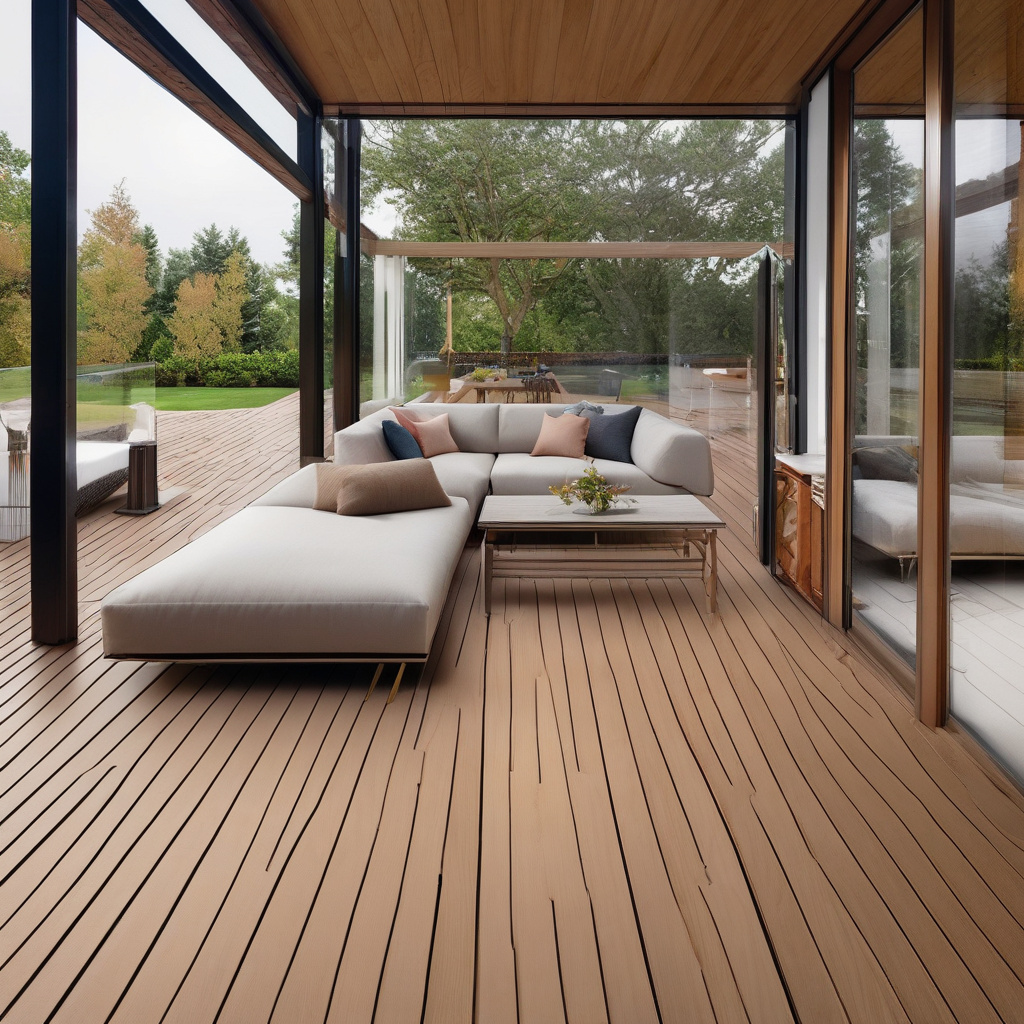
The right layout can unite aesthetics with functionality, creating a space that feels open and cohesive. In the end, choosing layouts that respect accessibility transforms a deck into an ingenious idea that naturally connects the home with its outdoor surroundings. Knowing your environment is key to drafting a deck blueprint that spells movement with ease.
As accessibility redefines our perspectives on outdoor design, effective layouts ensure that flow is uninterrupted, making transitions between different sections of the home yard smooth and appealing.
Risks vs. Rewards: Making Informed Decisions
Remodeling your deck with accessibility as the primary focus presents both challenges and opportunities. While the benefits are undeniable—enhanced mobility, increased resale value, and improved lifestyle quality—it’s important to understand the hurdles you might face during the renovation process.
First, let’s talk about risks. There’s the specter of cost overruns if the project isn’t meticulously planned. Choosing high-quality materials, while beneficial in the long run, might strain your budget initially. Also, as every Southern Californian remodeler knows, navigating local zoning laws and codes can add unexpected layers of complexity, possibly leading to delays or increased expenses.
On the flip side, the rewards far exceed any stumbling blocks. For starters, the freedom and independence granted to family members of all ages can transform how they experience daily life. Furthermore, increasing your home’s accessibility invariably raises its value on the real estate market, as there is a growing demand for properties that accommodate different needs.
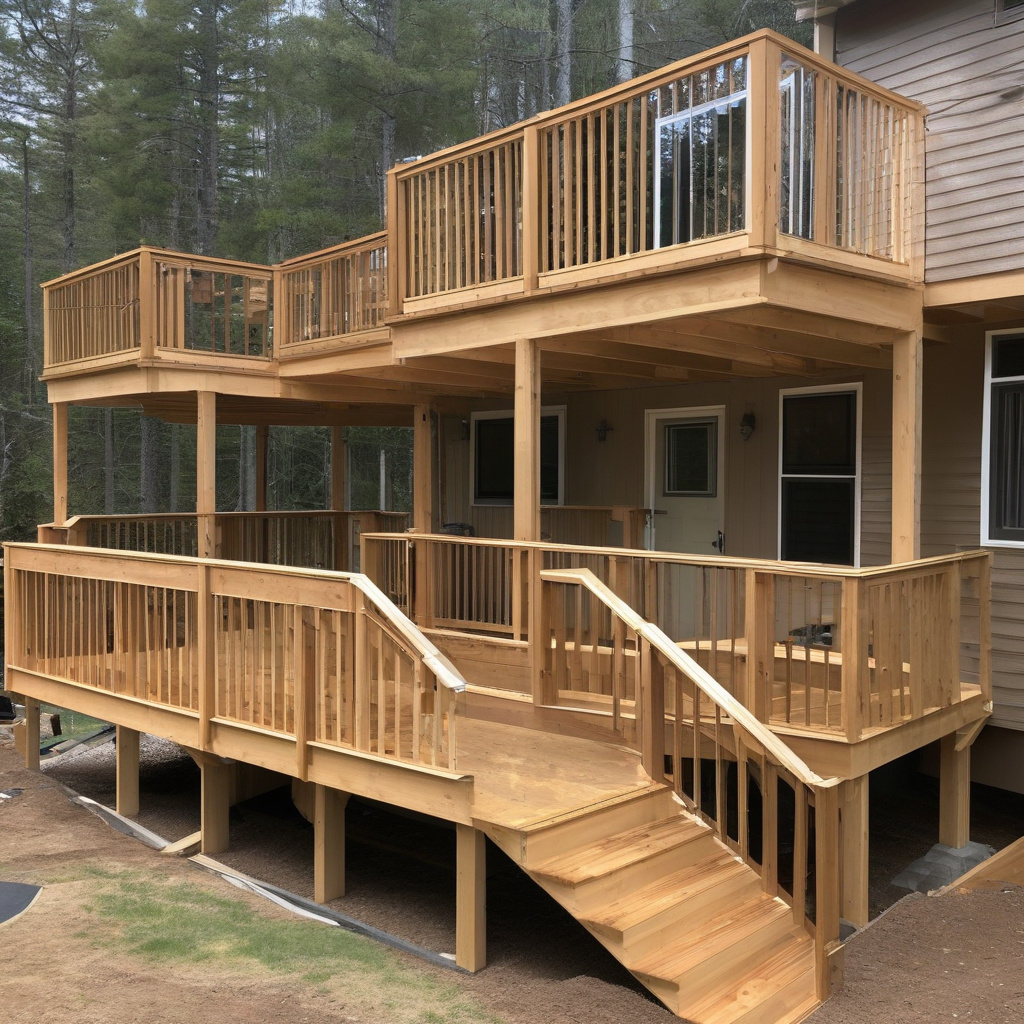
Ultimately, when weighing the scales, embracing accessibility might require a thoughtful approach but often leads to a more fulfilling outcome, crafting a home that reflects both modernity and compassion.
A Harvard University study found that homes with accessibility features see a return on investment up to 25% higher than traditional upgrades.
Final Steps: Moving from Concept to Construction
With the groundwork established—plans, materials, and layouts—it’s time to transition from concept to construction, which naturally involves liaising with skilled contractors who share your vision. While Southern California offers an abundance of professionals, selecting a team best aligned with your aims can set your project up for success.
Discuss timelines and potential obstacles transparently, ensuring everyone is informed and prepared. During construction, regular check-ins can prevent small issues from escalating into larger problems, ensuring that the design vision remains intact.
A valuable strategy is to draw inspiration from related projects, like those explored in transformed front porches, which can provide expanded ideas on integrating accessibility features harmoniously within outdoor spaces.
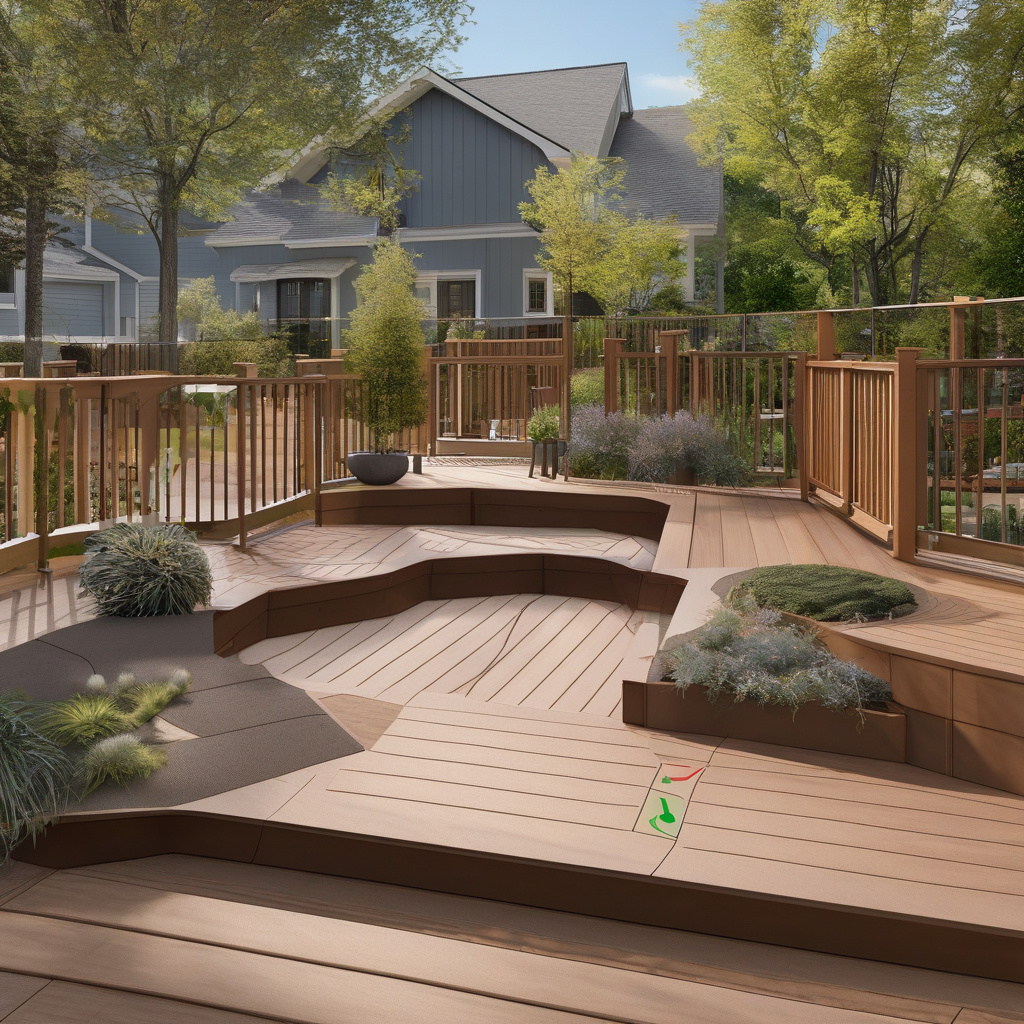
Stepping into the final stretch of your project, embrace the transformation as an ongoing journey. Enjoy the idea that your accessible deck isn’t just a structural addition; it’s a standing invitation for all, regardless of age or ability, to come together and relish in what truly makes Southern California living unique.
- Accessible deck remodeling enhances both aesthetic and practical aspects of outdoor spaces.
- Careful planning ensures a balance between functionality, compliance, and style.
- Material choice affects budget, appearance, and maintenance considerations.
- Thoughtful layouts integrate smoothly with existing environments and encourage social inclusion.
- Assessing risks against benefits ensures informed decisions during the renovation process.
FAQ
What is an accessible deck remodel?
In the realm of home improvement, an accessible deck remodel focuses on enhancing usability for individuals with mobility challenges. This process typically involves adding features such as no-step entries, which eliminate dangerous thresholds, and wider pathways that accommodate wheelchairs or walkers. Many experts suggest utilizing stable, slip-resistant surfaces. This, in practice, prevents accidents—a crucial aspect often overlooked by homeowners. In real renovation scenarios, careful planning ensures these adjustments make the space welcoming for people of all ages.
How can I choose the right materials for an accessible deck?
Selecting materials for an accessible deck requires balancing aesthetics, durability, and safety. Many experts point to composite materials for their non-slip properties and low maintenance. These materials resist weathering, which prolongs deck life and reduces upkeep. In real renovations, homeowners often find that wood, while attractive, requires frequent resealing to maintain its grip and beauty. When choosing, consider real-life factors like local climate and the deck’s exposure to sunlight. Consulting a renovation specialist can provide guidance tailored to specific needs and preferences.
When does it make sense to remodel a deck for accessibility?
Remodeling a deck for accessibility makes sense when accommodating aging in place or welcoming diverse users becomes a priority. In single-family homes, particularly older properties, accessibility upgrades can significantly enhance independence for elderly residents or family members with disabilities. Frequently, the trigger for such a project is recognizing mobility challenges within the household. Often, realizing the current deck doesn’t meet safety needs, especially after a near miss or fall, propels the renovation forward, ensuring everyone can enjoy outdoor spaces safely.
What are the typical mistakes homeowners make in accessible deck remodels?
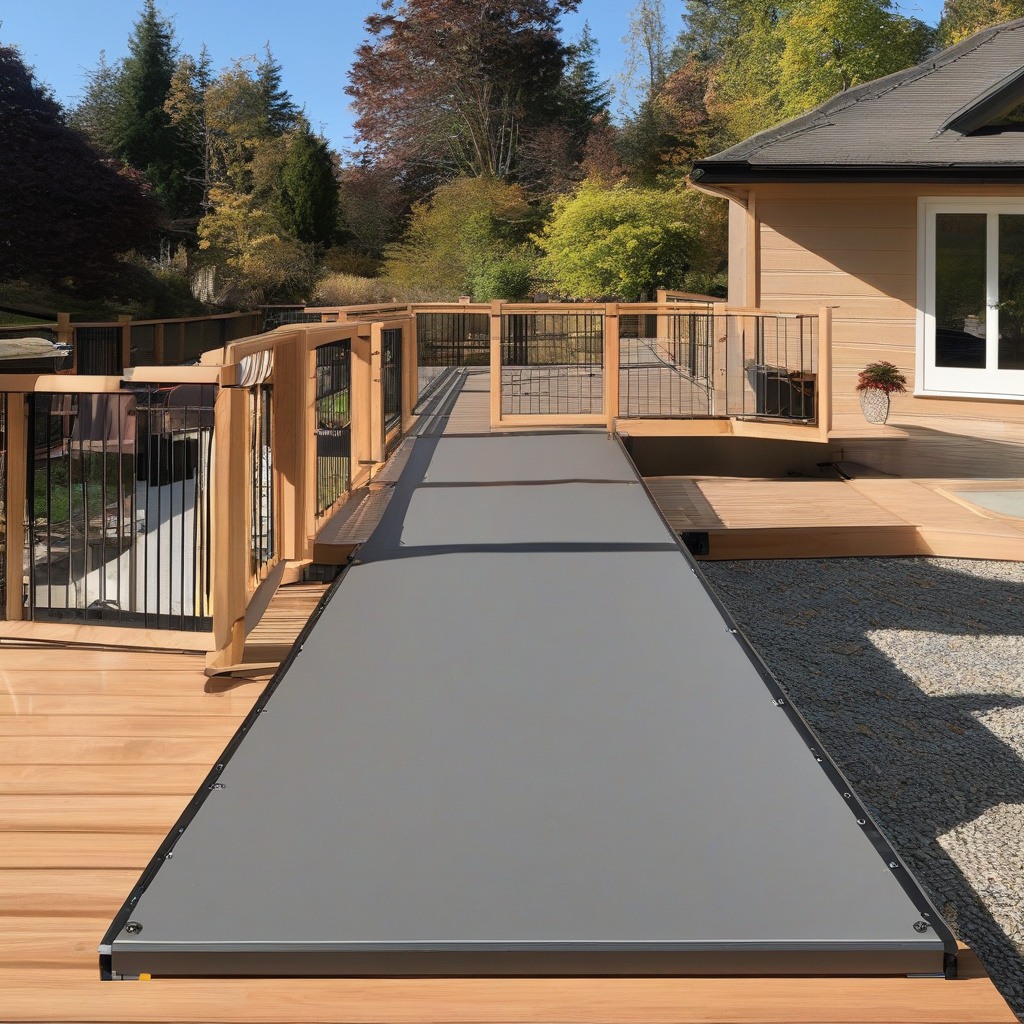
Inaccessible features and underestimating space are common pitfalls. Homeowners frequently overlook the need for adequate maneuvering space on a deck. Ensuring pathways are sufficiently wide is crucial but often missed. Another typical oversight is neglecting proper ramp slope. Ramps that are too steep become unsafe, negating their purpose. Many renovations reveal the need for balancing aesthetics with functionality. A practical tip? Engage professionals early to guide decision-making and prevent costly adjustments later. For tailored advice on avoiding these pitfalls, connect with a local renovation expert.
What are the cost considerations in remodeling a deck for accessibility?
Budgeting for an accessible deck remodel involves material selection and labor costs. Composite materials, while pricier upfront, reduce long-term expenses due to their longevity and minimal maintenance. Labor costs vary widely, influenced by the project’s complexity and the region’s rates. Custom designs or significant structural modifications involve higher costs. In newer builds, existing frameworks might accommodate changes more easily, thus reducing costs. However, in older homes, reinforcing structures to meet safety standards might incur unexpected expenses. It’s wise to budget an additional 10-20% for unforeseen needs.
What are the benefits and limitations of a no-step entry?
A no-step entry offers seamless transition between indoor and outdoor spaces, significantly enhancing safety and accessibility. This design reduces trip hazards, a crucial feature for elderly users or those with mobility aids. However, implementing a no-step entry can pose structural challenges. In some cases, aligning deck and floor levels requires significant modification, particularly in older homes. These modifications can increase project cost and complexity. Despite the upfront challenges, the long-term benefits include improved accessibility and increased property value, making it a worthwhile consideration for many homeowners.
How much maintenance does an accessible deck require?
Maintenance levels for accessible decks depend largely on material choice and regional weather conditions. Composite materials offer low-maintenance benefits, requiring simple cleaning to maintain appearance and safety. Wood, while initially more cost-effective, demands regular sealing and repairs to prevent deterioration. An important consideration often overlooked by homeowners is seasonal inspections. These check for potential hazards caused by wear, such as uneven surfaces or wobbly railings, ensuring continued safety and usability. Investing time in regular maintenance prolongs deck life and sustains its accessibility features.
Are there any risks associated with accessible deck remodels?
While accessible deck remodels bring numerous benefits, they carry potential risks if not executed properly. Key risks include structural instability if modifications aren’t professionally managed. Additionally, attempting a DIY project without sufficient knowledge could lead to unsafe installations, such as improper slope on ramps, which can seriously compromise safety. Furthermore, poor planning can result in designs that fail to meet actual accessibility needs. To mitigate these risks, engaging experienced renovation professionals is advisable, ensuring the remodel meets both safety standards and personal requirements effectively.