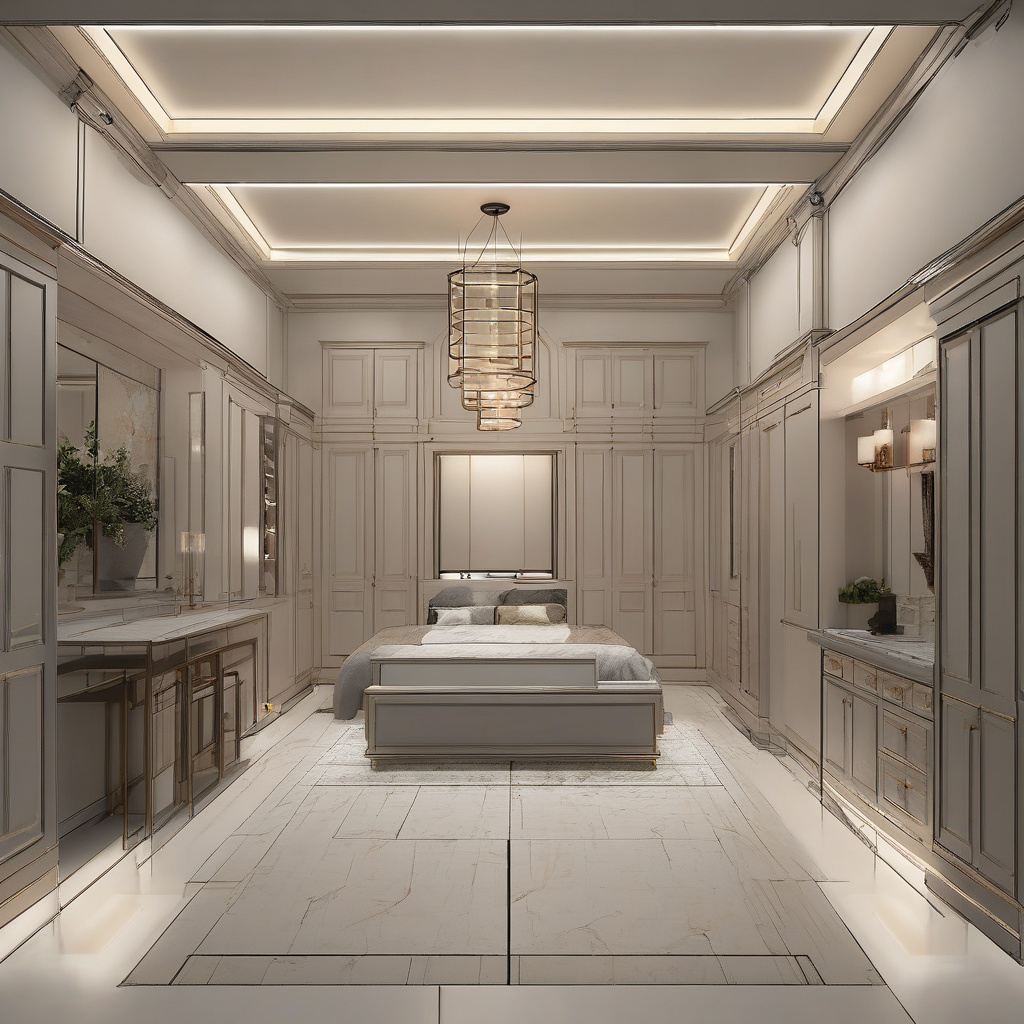
As the golden hues of the Californian sun dip below the horizon, outdoor decks transform into captivating sanctuaries of relaxation and conviviality. In the vibrant milieu of Los Angeles, homeowners are increasingly turning to innovative lighting solutions to redefine their deck spaces. These zones, crafted with meticulous care, utilize step markers, seating glows, dining accents, and path illumination to not only enhance safety but also weave an enchanting evening atmosphere.
Brief summary: This article explores the transformative power of lighting zones on outdoor decks in Southern California, discussing trends, real-life applications, and the benefits of step markers, seating illumination, dining accents, and path lighting. It delves into practical examples, cost considerations, and renovation insights specific to the Los Angeles area.
The Art of Deck Illumination
Lighting is no longer just a safety feature; it has become an art form that elevates the aesthetic appeal of outdoor areas. In Los Angeles, where homeowners are constantly seeking novel ways to enhance their outdoor living spaces, deck lighting is taking center stage. From the gentle glow of strategically placed step markers to the soothing ambiance of seating illumination, the possibilities are endless. According to some local trends, lighting can dictate the mood and functionality of an area, turning a simple deck into a cozy retreat or a lively entertainment hub.
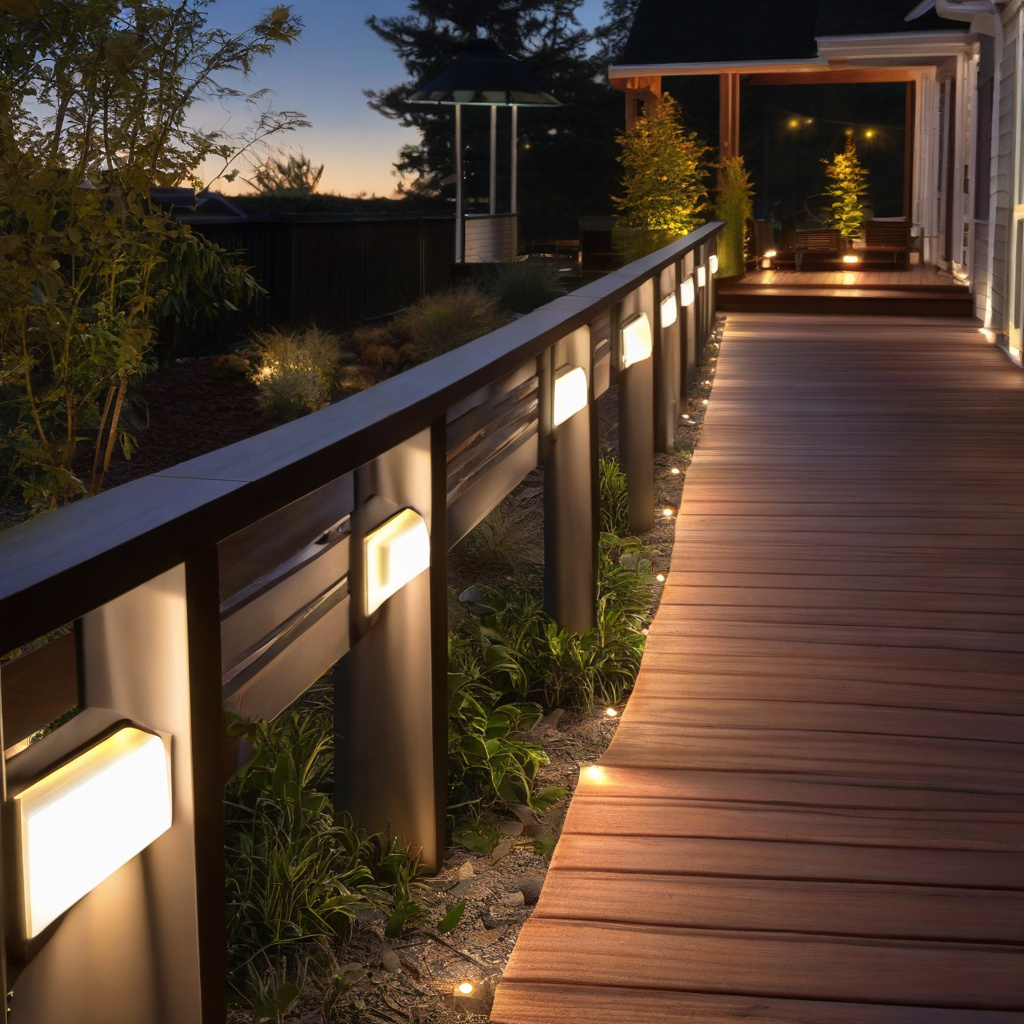
An array of lighting solutions is available to suit diverse aesthetic preferences and functional needs. Homeowners can choose from solar walkway lights, LED strip lights under railings, or even warm fairy lights for trellises. These options not only add charm but also provide essential safety enhancements, which are especially important around steps and pathways.
Real projects in the city illustrate these concepts beautifully. Consider a Malibu property where lighting is cleverly used to highlight architectural features while ensuring paths are safely navigated even after dusk. Such thoughtful designs make decks not only visually appealing but also highly functional.
Ultimately, the key to successful lighting lies in balance—blending aesthetics with practical safety elements to create a cohesive, welcoming outdoor space. As many Southern Californian homeowners have discovered, this harmonious blend doesn’t just illuminate pathways; it illuminates lives.
Transformative Effects of Step Lighting
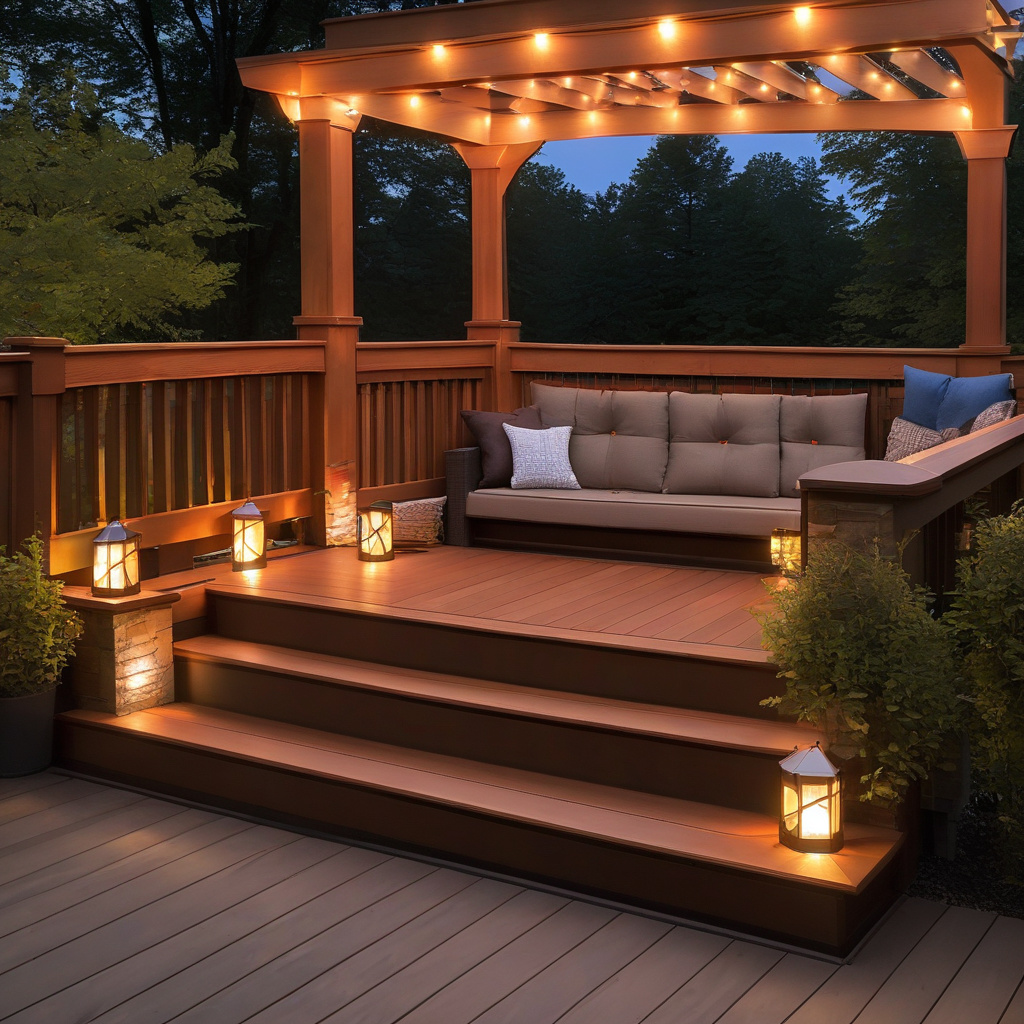
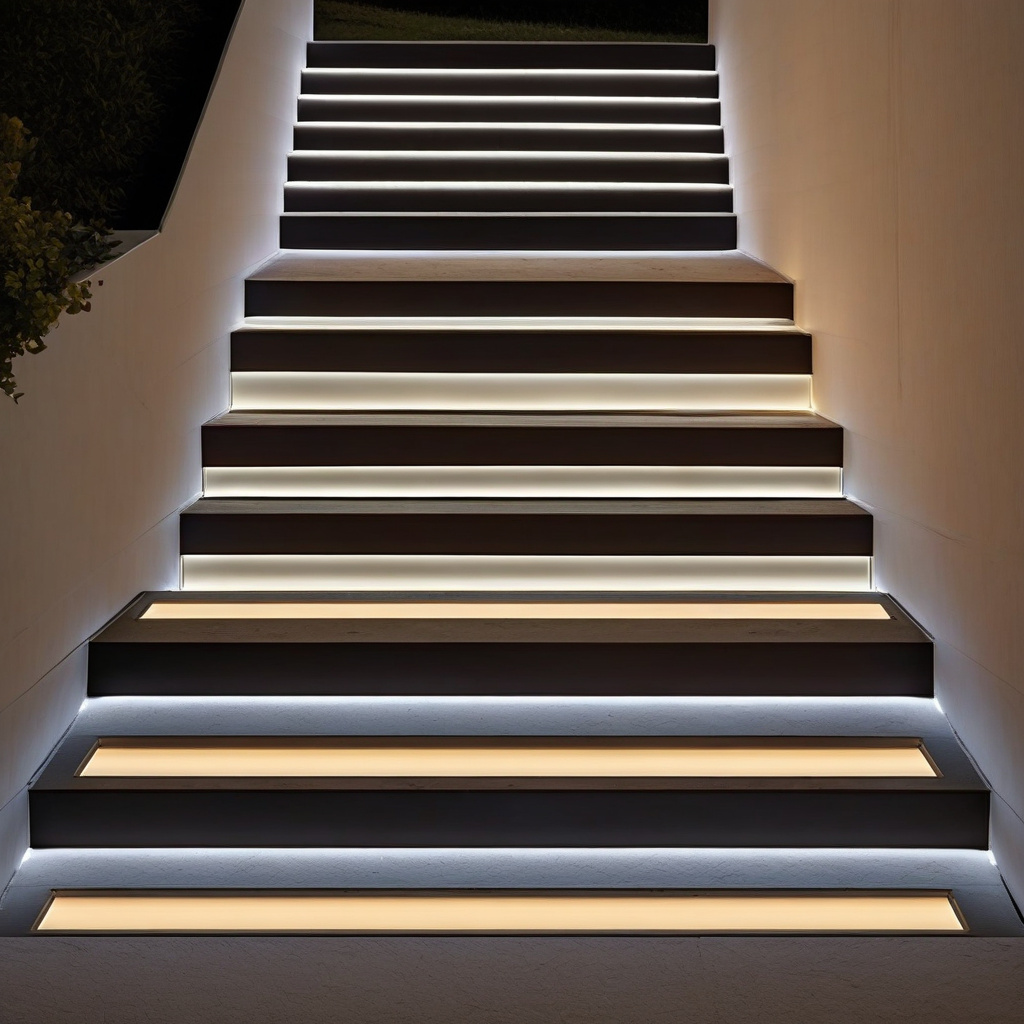
Imagine arriving at a friend’s backyard soiree where each step up to the deck is warmly outlined by discreet, yet enchanting, LED lights. Step lighting has become a statement of sophistication and safety for decks across Los Angeles. The movement-triggered glows not only highlight the architectural flow but also prevent accidental trips and falls, a common concern in the evening.
The trend has gained traction as many homeowners realize the dual-purpose benefits of such lighting. Step markers serve as guides, subtly leading guests from one part of the garden to another, all while creating a mesmerizing effect that pairs beautifully with the night sky. Practical yet artistic, this lighting solution caters to safety without compromising on charm.
Moreover, advancements in solar and LED technology have made step lighting more accessible and affordable. With options ranging from embedded lights to string variations, installation can be tailored to specific design preferences and budgets.
Many Angelenos testify to the dramatic difference this small addition makes. The seamless integration of lighting into structural elements like stairs not only ensures safe navigation but also lends a polished, custom feel to the overall deck experience.
According to a study by the National Association of Home Builders, incorporating outdoor lighting can increase a home’s value by up to 20%.
Seating Zones That Glow
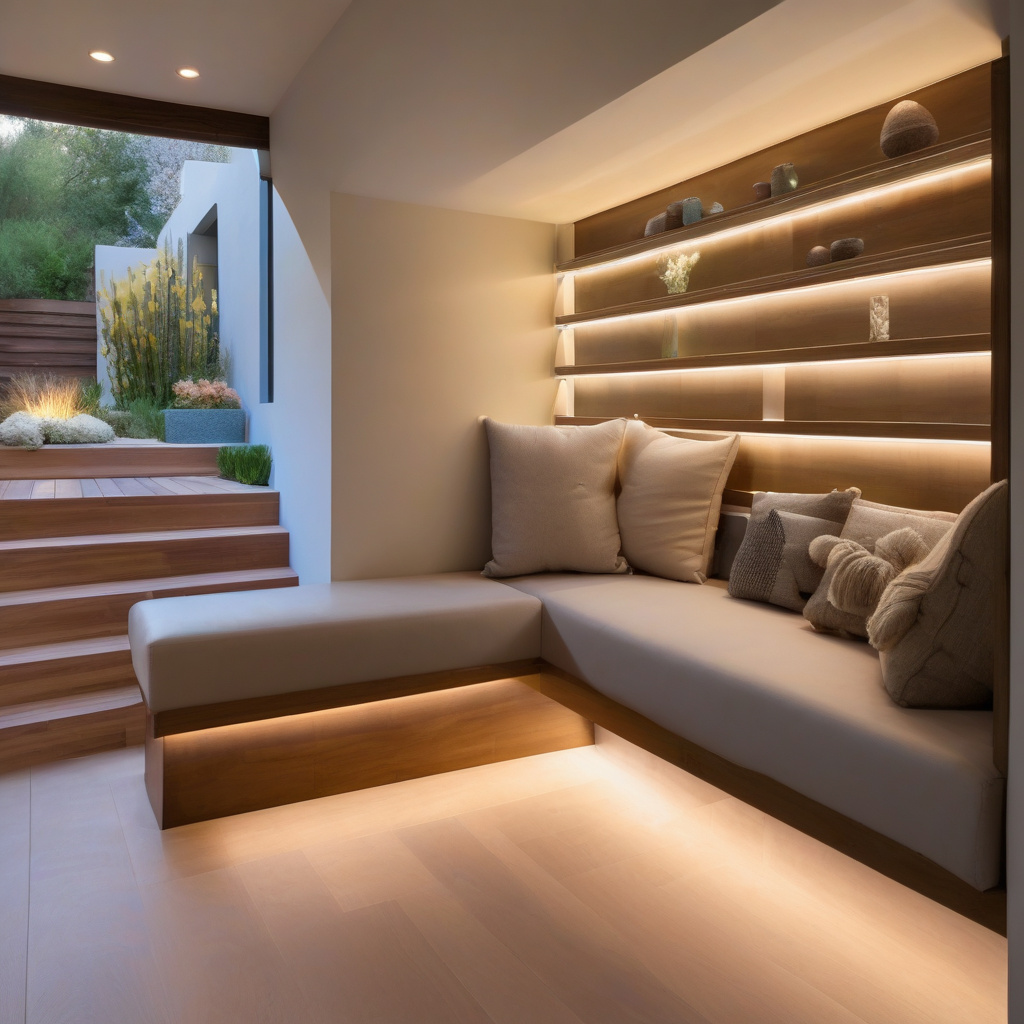
Seating is a fundamental part of any deck, acting as a piecing thread between design and functionality. Here, lighting serves to accentuate comfort zones, turning ordinary lounge areas into enticing nooks. This is increasingly evident in cityscapes where decks boast built-in seating with tucked-away lights providing both warmth and visibility.
In regions like Santa Monica, deck designs are leveraging lighting to enhance these zones. Whether it’s under-seat lighting or illuminated pergolas, the seating areas draw in guests, encapsulating them in a cocoon of soft light ideal for intimate gatherings.
There’s a growing trend to customize colors and intensities, using smart systems that adjust according to the event’s mood. Such personalized experiences resonate well with those who regularly host evening bonanzas.
Ultimately, the lighting transforms each seating arrangement into an individual existence, inviting relaxation and ensuring that evenings extend long past sunset. It’s not just about illumination; it’s about creating an emotional connection to the space.
Interior designer Morgan Andrews notes, “Properly lit seating areas can increase outdoor usage by over 40% during evening hours, making them indispensable in active neighborhoods like LA.”
Enhancing Dining Experiences
The dining zone is arguably the heart of any deck, where many memorable moments unfold. To create an inviting and intimate space, careful lighting is crucial. In California, specifically around dining areas, the placement of accent lights can transform meals into memorable alfresco experiences.
Strategically installed pendant lights or lanterns can set the right tone, providing enough luminosity for dining activities while preserving a cozy atmosphere. Many homeowners are opting for dimmable solutions, allowing for mood adjustments according to occasion and preference.
When considering layout, it’s essential to coordinate color schemes, as seen in various patio design combination options. By harmonizing light fixtures with the overall deck theme, continuity is maintained.
Dining in the open air can be a serene ritual, one complemented and enhanced through thoughtfully applied lighting. It’s the delicate balance of light and shadow that creates a magical canvas where dining is not just sustenance but an immersive experience.
Illuminating Paths and Corridors
Pathway lighting is an indispensable element of any well-designed deck. It guides foot traffic and ensures safety while imbuing an enchanting quality to the otherwise mundane task of walking around. In Los Angeles, where the after-dark life often continues outdoors, path lighting is a non-negotiable feature for homeowners.
The options are manifold–from soft, solar-powered lights to classic wired systems. These lights are seamlessly integrated into the landscape, becoming a part of the garden’s natural elegance without overshadowing the environment’s innate beauty.
Experts emphasize the importance of planning, noting that poorly placed path lights can detract from the property’s appeal. Instead, a carefully orchestrated arrangement can create an inviting narrative, leading guests on a journey through the varied elements of an outdoor space.
Overall, path lighting extends not just utility, but also the atmospheric beauty of a deck, ensuring the area feels as inviting during late-night wanders as it does during daylit brunches.
Data from the American Lighting Association confirms that well-lit landscapes can deter crime, reducing incidents by approximately 15%.
Comparing Cost and Value
When planning deck lighting renovation, understanding the cost-value relationship is vital. With Los Angeles being notorious for its high cost of living, efficient budgeting can make or break a project. Here’s a comparison that may aid in decision-making, drawing from experiences of homeowners and expert sources.
| Option | Approximate Cost | Advantages | Disadvantages |
|---|---|---|---|
| Solar Lights | $5–$30 each | Energy saving, easy installation | Dependent on sunlight, may not be as bright |
| LED Strip Lights | $20–$60 per linear foot | Versatile, customizable | Higher initial cost, installation can be complex |
| Traditional Bulbs | $3–$15 each | Bright, widely available | Higher energy use |
Each lighting choice comes with its unique set of considerations, from energy efficiency to the ease of installation. Depending on your priorities—whether it’s environmental impact, aesthetics, or budget—there is a suitable solution.
Ultimately, your investment in lighting will not only reflect but also enhance your lifestyle. With careful selection and smart design, homeowners can anticipate a rewarding return, both aesthetically and financially.
Designing for Impact
As with any remodeling venture, the right design strategy can amplify impact. In the realm of outdoor lighting, selecting between options like shade structures or pergolas can considerably affect your deck’s layout and feel.
Resonating trends in Beverly Hills showcase unique combinations of shade elements and lighting, marrying function with high-end design. Canopy lighting integrated with pergolas creates a cozy environment suitable for both daytime shade and nighttime vibrancy.
Thoughtfully designed decks form a cohesive space that maximizes function without sacrificing style. The notion carries a pragmatic elegance that Los Angeles aficionados appreciate, as it speaks both to luxury and sustainability.
For those entering the design phase, remember that each element impacts the overall narrative of the space. Integrating fixtures seamlessly can create an incomparable oasis that feels both personal and professionally polished.
Design is more than the sum of its parts; in deck lighting, it’s about crafting an experience that resonates long after the lights are dimmed.
An Insightful Conclusion
Lighting can redefine deck spaces, turning them from simple structures into multi-faceted arenas of enjoyment and relaxation. Whether through minimalistic touches or extensive installations, Los Angeles homeowners are reshaping their outdoor realms for better seasonal enjoyment. For those seeking inspiration, a minimalist approach to deck design could provide the perfect point of departure.
By balancing form and function, residents are crafting environments that serve as an extension of their personal style, enhancing both visual appeal and property value. As the lights come on across the city, a collective shift toward sophisticated, thoughtful design ensures that the future of deck lighting in Southern California is bright indeed.
- Lighting transforms outdoor decks into visually captivating and functional spaces.
- Step markers and seating glow add safety and ambiance.
- Dining accents enhance alfresco experiences with tailored lighting solutions.
- Path illumination harmonizes aesthetics with safety for late-night navigation.
- Investing in deck lighting can increase property value and lifestyle quality.
“`html
FAQ
What are the key lighting zones for decks?
In real renovation projects, the concept of lighting zones has emerged as a nuanced approach to enhancing deck functionality. These zones include steps, seating areas, dining spots, and paths, each serving a dual purpose—safety and ambiance. Step markers illuminate paths to prevent trips, while seating glows create cozy environments. Dining accents often highlight tables, turning meals into atmospheric experiences. Path illumination, on the other hand, guides movement and stitches the zones together seamlessly, like tributaries feeding into the main river of the deck space.
How do you choose the right lighting for a specific deck zone?
Choosing the right lighting often comes down to understanding the purpose of the space. For instance, in seating areas, softer lighting like LED strips adds warmth without overwhelming glare. On dining tables, pendant lights with dimmer options work wonders, balancing brightness with mood. Experts frequently recommend LED step markers for stairs as they’re both energy-efficient and customizable in color. It really is a mix of functionality and aesthetics, marrying practical needs with personal style preferences, something many homeowners initially underestimate.
When does it make sense to install deck lighting?
Installing deck lighting becomes essential the moment you plan to extend your outdoor usage into evening hours. It’s not just about aesthetics; it’s a critical safety feature. Imagine navigating to your backyard without a guiding light in hand—a scenario ripe for missteps. Newer builds might have these systems pre-installed, but for older properties, adding these lights during renovation can drastically improve functionality. Retrofitting is often less intrusive than expected, but planning it during larger construction efforts can save both time and cost.
What are the typical mistakes to avoid with deck lighting?
One common pitfall is over-illumination; lighting that’s too bright can ruin the intended ambiance and hike up energy bills. Another mistake involves the neglect of strategic positioning. Many assume that lights need only aesthetic consideration and ignore essential functional factors like avoiding glare in dining or seating areas. It’s also crucial to use weatherproof fixtures suitable for outdoor conditions. Ignoring maintenance can lead to rapid deterioration, especially in regions like California where UV exposure can be particularly unyielding.
How much should homeowners budget for deck lighting?
Budgeting for deck lighting can vary widely based on scope and materials. For a modest-sized deck in a Californian home, expect to allocate between $1,000 to $3,000 for a professionally installed system. DIY kits could bring costs down by around 20%, but they often require a keen eye for design and a bit of electrical savvy. Incorporating smart lighting solutions could push costs higher, but they offer the flexibility of remote control and automation, adding a layer of convenience that might just justify the expense.
What are the pros and cons of solar-powered deck lights?
Solar lights offer the distinct advantage of requiring no wiring, which simplifies installation significantly. They’re eco-friendly and can be a great match for sustainability-minded homeowners. However, many experts point out that their efficiency is weather-dependent; in shaded or frequently overcast areas, their illumination can be inconsistent. Moreover, solar lights often lack the luminosity of traditional wired systems. Still, they shine in reducing energy costs and eco-impact, representing a viable option for certain scenarios.
What are the maintenance considerations for deck lighting?
Maintaining deck lighting isn’t overly complex but does require diligence. Regular cleaning of fixtures ensures optimal light output, and checking for any weather-related wear is crucial, as exposure to elements, especially near coastal zones, can accelerate corrosion. Many homeowners neglect this, leading to premature failures. LED lights, widely used in step and path lighting, offer longevity but still need regular checks to swap out dimming or burnt-out bulbs promptly. For more tailored maintenance advice, it may be worthwhile to consult with an expert in your area.
Is it better to DIY deck lighting installation or hire a professional?
The DIY approach to deck lighting, which many find appealing due to potential cost savings, has its pros and cons. While it offers a creative outlet and a chance to personalize, it also requires a basic understanding of electrical systems and design layout. On the flip side, hiring a professional ensures compliance with local codes and often results in a system that is safer and more efficient. Professionals bring knowledge of installation nuances, such as correct fixture spacing for even light distribution. The decision often hinges on your confidence and available time—both real considerations for many homeowners.
“`