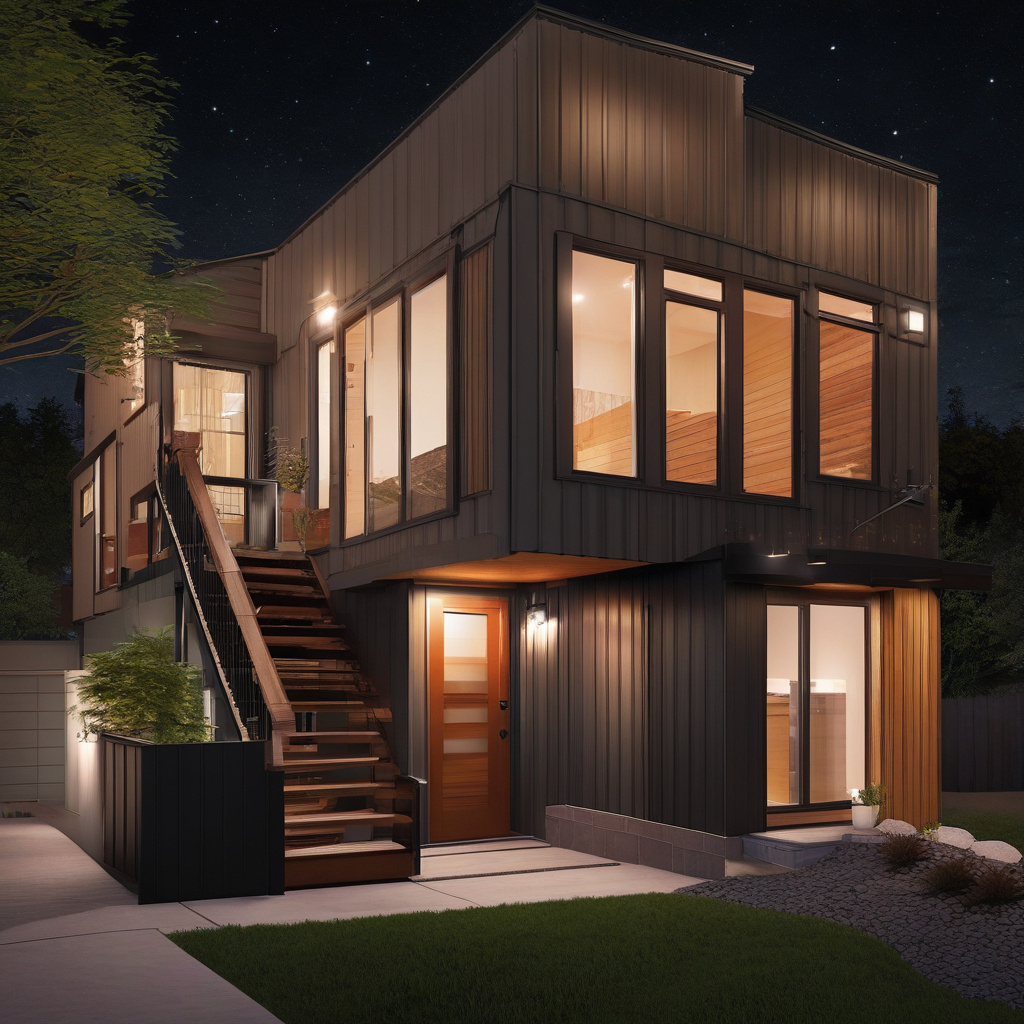
In a city famous for its sprawling neighborhoods and diverse architectural styles, Los Angeles is turning to innovative solutions like Accessory Dwelling Units (ADUs) to combat its notorious housing shortage. Converting a pool house into a legal ADU is not just a nod to contemporary trends but a practical solution that offers additional rental space, stabilizes communities, and provides homeowners with new ways to maximize their property’s potential.
Brief summary: Converting pool houses into ADUs in Los Angeles is a growing trend, helping to address housing shortages by providing flexible living spaces. This article explores real project examples, compares renovation options, and offers practical insights for homeowners looking to expand property usage.
The Trend of Pool House Conversions
As rents soar and available apartments dwindle, Los Angeles homeowners are converting their otherwise underutilized pool houses into ADUs, tapping into a trend reshaping urban living. This architectural shift not only fills a critical need but also allows homeowners to partake in the booming rental market without erecting new structures.
One cannot ignore the aesthetic and practical allure of a pool house conversion. As many locals have observed, these transformations preserve L.A.’s characteristic charm while offering modern conveniences. From cozy one-bedroom units to expansive multi-room layouts, the pool house ADU offers flexibility in design and function.
Exploring the benefits of ADUs unveils a tapestry of design choices, compliance guidelines, and costs, all crucial to consider when planning your conversion. Each pool house’s unique framework offers a different perspective on what the housing market demands.
While transforming a pool house may seem straightforward, it requires a deep dive into zoning laws and construction regulations. Understanding these parameters ensures the project remains legally compliant and cost-effective.
Legal Considerations and Zoning Laws
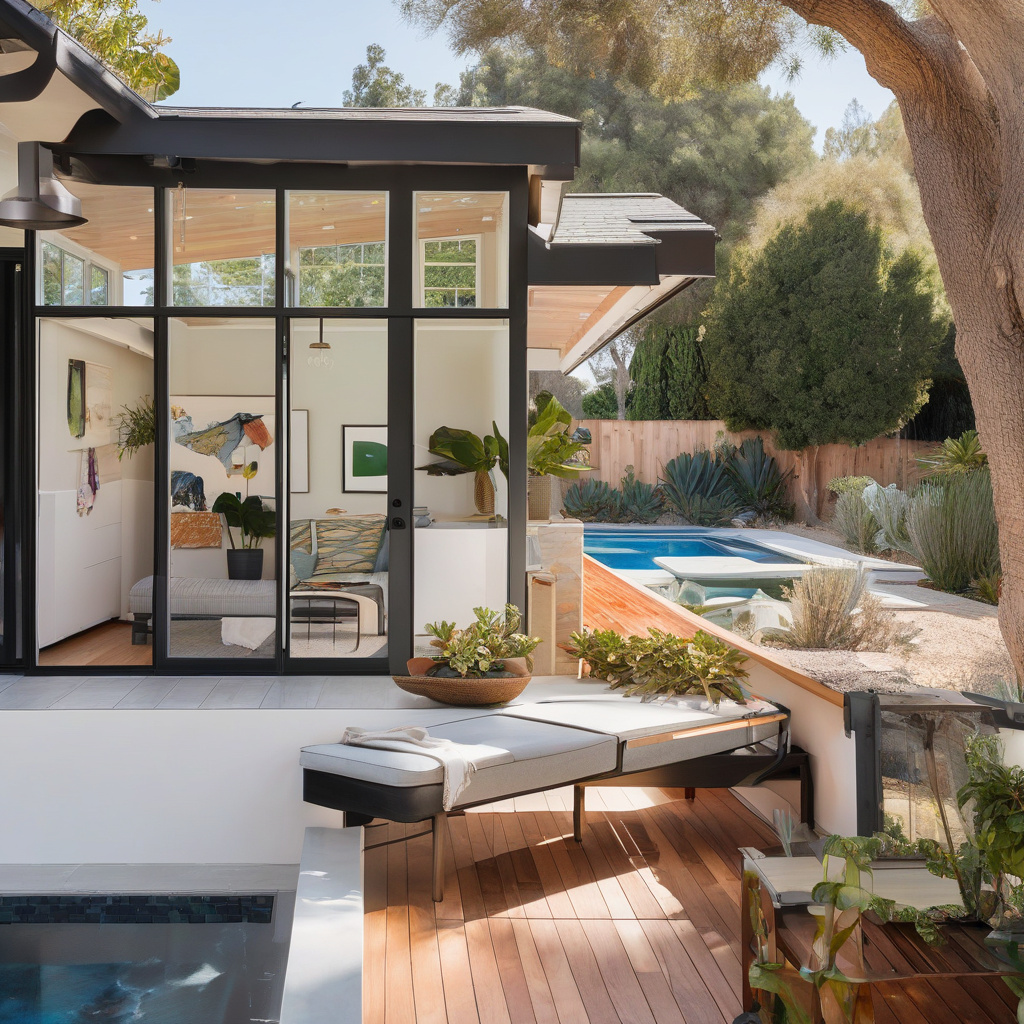
Los Angeles has specific legal frameworks guiding ADUs, which can be a maze for the uninitiated. First, homeowners must ensure their properties are in zones that permit ADUs. While the laws have relaxed in recent years, particularly to address housing shortages, regulations around floor area ratio, setback requirements, and height restrictions remain key.
L.A.’s Department of Building and Safety is a necessary stop for understanding these guidelines. Many homeowners inadvertently breach regulations by not adhering to basic zoning requirements, leading to costly legal battles and delays.
Andrew, a local architect specializing in L.A. renovations, suggests that a thorough understanding of property zoning and engineering is invaluable. His firm frequently advises on maximizing space within legal confines, ensuring projects not only meet regulations but also enhance the property’s overall value.
Given the bureaucratic nature of property laws, enlisting the help of professional consultants can prevent compliance issues while keeping project timelines on track.
Cost Analysis: Is It Worth It?
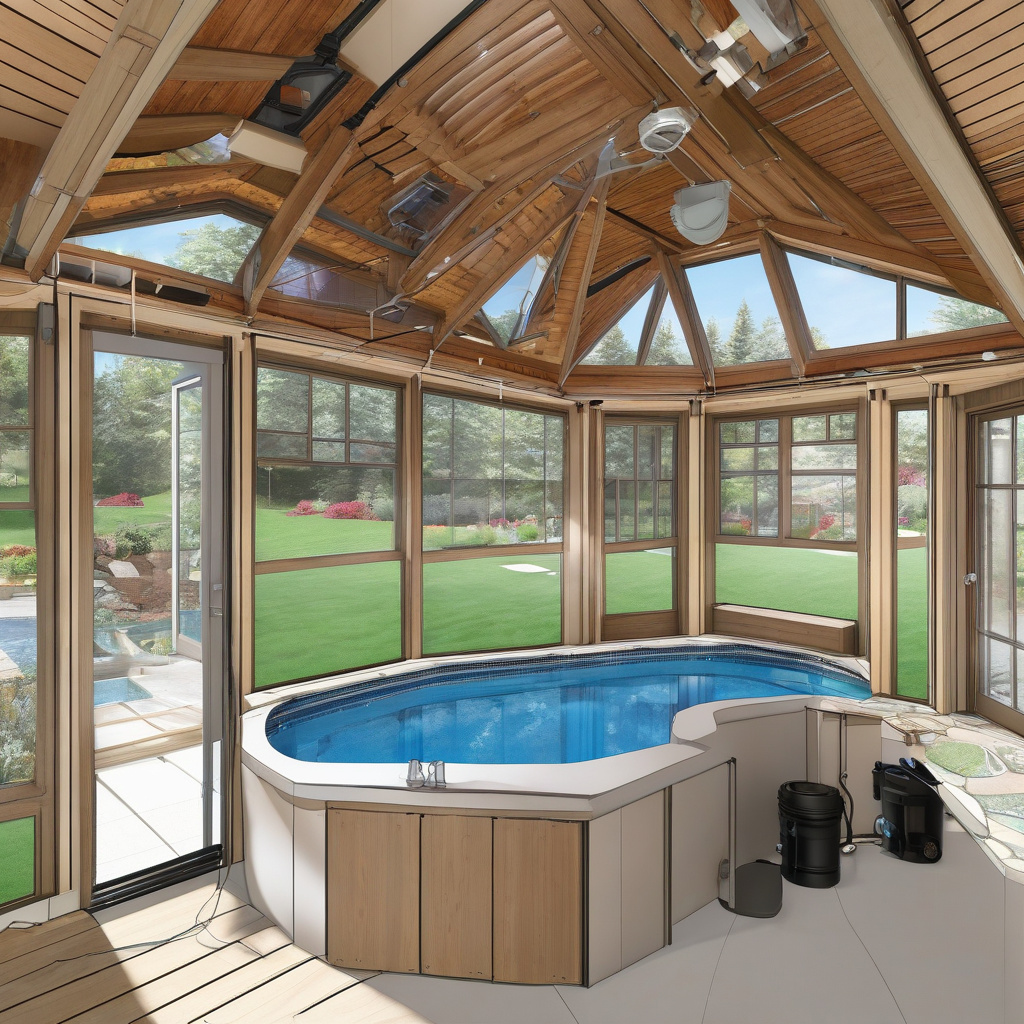
The financial aspect of converting a pool house into an ADU can’t be ignored. Initial costs can vary widely based on the existing condition of the pool house and the desired outcome. A standard conversion typically ranges from $100,000 to $150,000, encompassing design, permitting, and construction costs.
Quality of materials and finishes can significantly influence costs. For instance, using sustainable materials or high-end finishes can exponentially increase the budget. Conversely, opting for budget-friendly materials may reduce expenses.
Many homeowners find comfort in the fact that while upfront costs may be high, the long-term rental income provides a compelling return on investment. Apartments in sought-after L.A. neighborhoods can fetch rents that swiftly offset initial expenditures.
Looking closely at a comprehensive material and technical guide for ADUs can help distinguish between potential financial pitfalls and wise investments.
| Option | Materials Cost | Labor Cost | Estimated Timeline |
|---|---|---|---|
| Basic Remodel | $30,000 | $40,000 | 3–4 months |
| Mid-range Remodel | $50,000 | $60,000 | 5–6 months |
| Premium Remodel | $80,000 | $70,000 | 7–9 months |
Design and Aesthetic Considerations
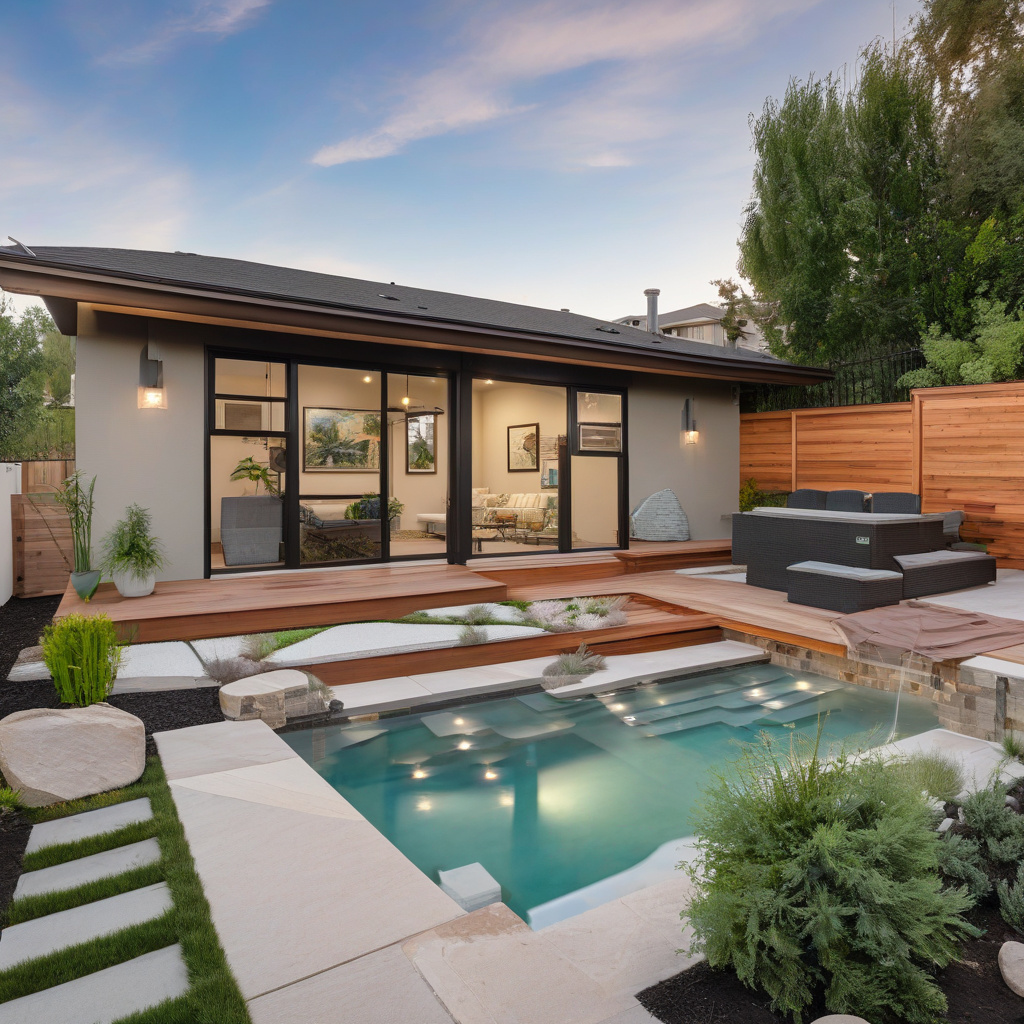
The charm of any ADU lies in its design. In Los Angeles, a hub of creativity, homeowners embrace modern trends while maintaining a nod to historical aesthetics. Open-floor plans, natural lighting, and eco-friendly materials are favorites among designers keen on creating inviting, sustainable living spaces.
Design decisions often revolve around the intended use of the space. Will it serve as a rental unit, guest house, or personal retreat? Each function demands its layout, aesthetics, and functionality.
Incorporating privacy features without compromising space with architectural design intricacies is an art. Dual-purpose furniture, clever storage solutions, and seamless indoor-outdoor transitions are popular choices not just for space optimization but also for creating a sophisticated, livable environment.
Importantly, collaborating with a professional familiar with local tastes and trends can ensure your ADU stands the test of time, both in function and style.
Managing Challenges and Expectations
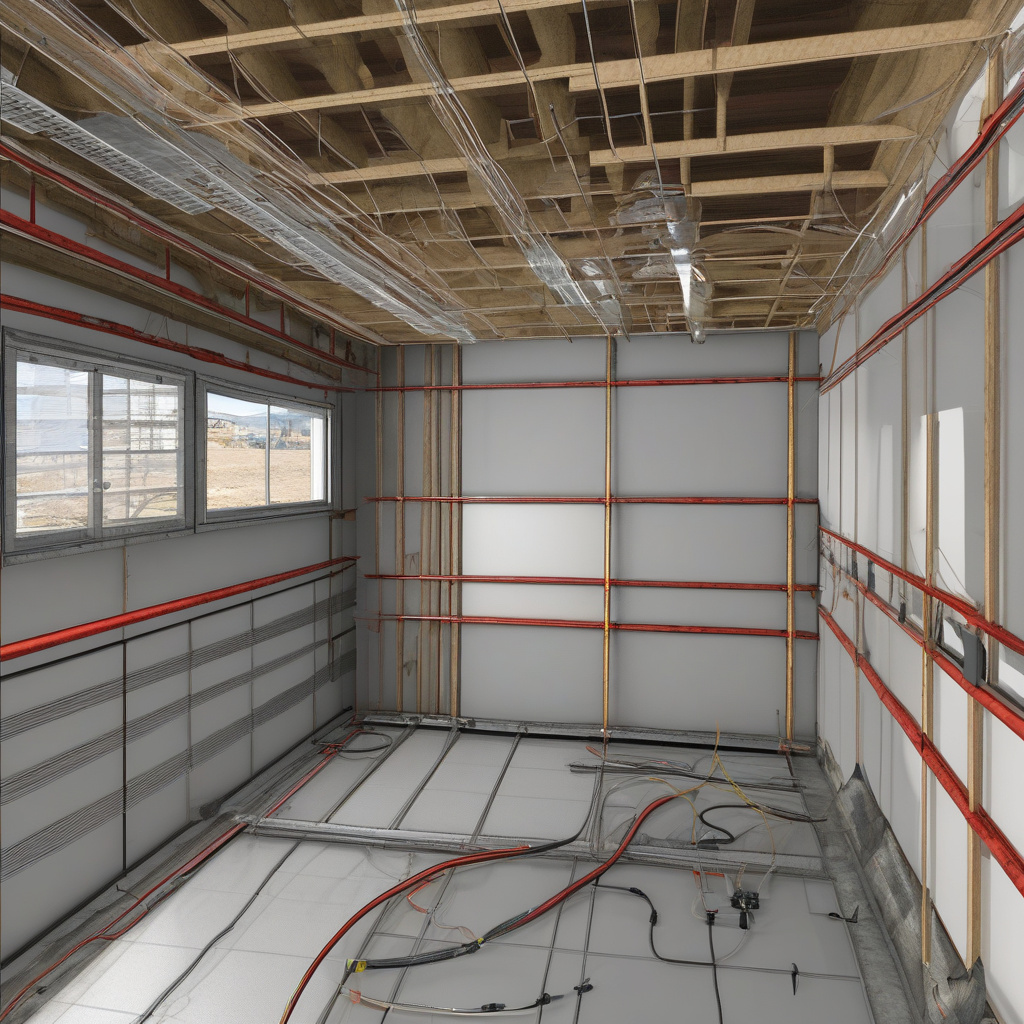
Converting a pool house into an ADU presents unique challenges, from regulatory hurdles to unforeseen construction issues. Managing expectations from the onset with realistic timelines and budgets mitigates potential frustrations.
A detailed project plan with staged deliverables allows homeowners to remain informed and engaged every step of the way. Contingency planning for budget overruns, resource shortages, and scheduling conflicts ensures projects remain on track.
Many residents confess to underestimating the emotional and logistical demands of such a project. Clear communication lines with contractors and regular updates offer transparency and reassurance.
Notably, learning from peers who have navigated similar projects can provide both inspiration and cautionary tales, invaluable to those new to the renovation landscape.
According to a recent survey, up to 75% of LA homeowners undertaking ADU projects experience some degree of cost overruns, primarily due to changing regulations and unforeseen structural issues.
Final Considerations: Risks and Rewards
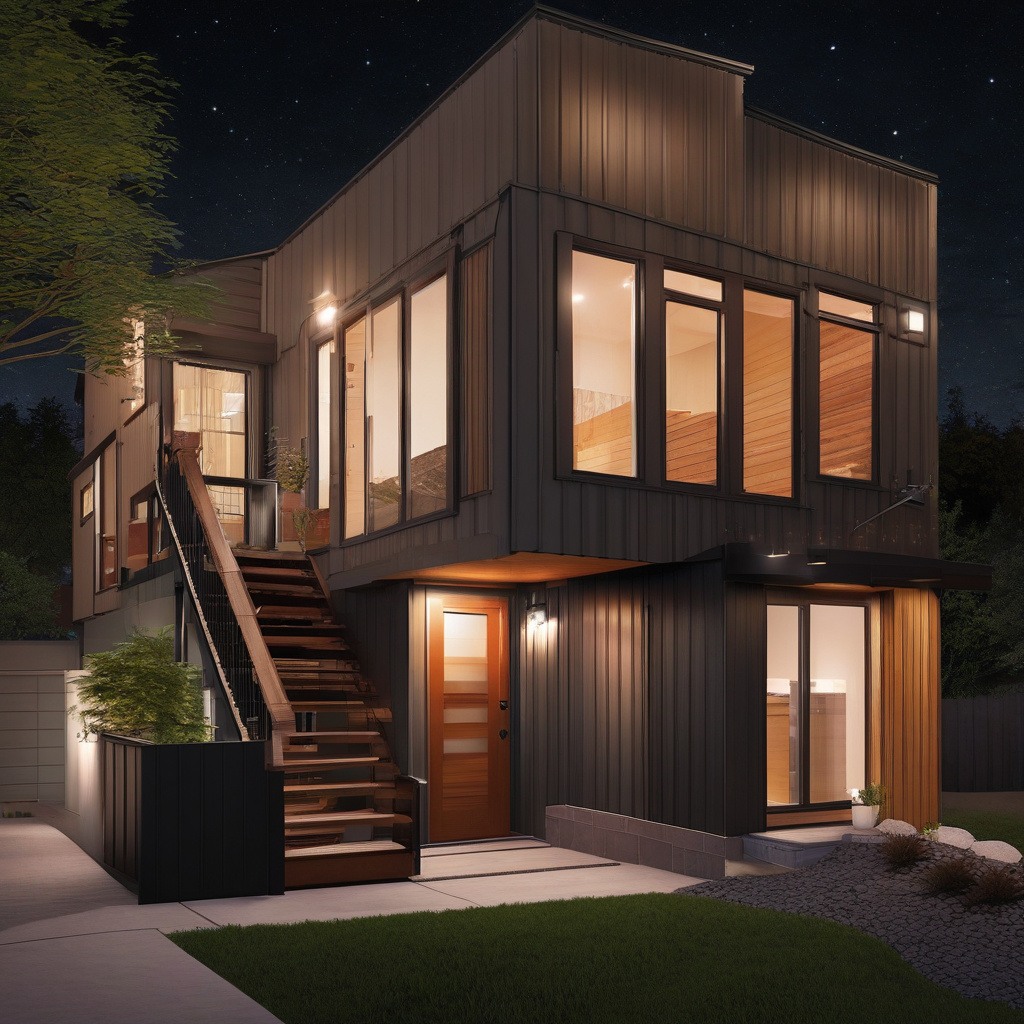
Every renovation project inherently carries risk, but converting a pool house into an ADU promises substantial rewards if managed correctly. With proper execution, homeowners can create new revenue streams, increase property value, and offer much-needed housing solutions.
It’s crucial to understand the implications of noise regulations, particularly as ADUs often align closely with property boundaries. Investigating local ADU noise guidance prior to construction can prevent future disputes with neighbors.
Ultimately, an ADU’s true reward lies in its versatility. Whether used for additional income or personal enjoyment, these units represent a shift toward resilient living spaces adaptable to changing lifestyles.
As Los Angeles continues to innovate in response to its housing crisis, ADUs stand as a testament to resourceful urban planning and creative real estate solutions.
“The successful integration of ADUs into existing urban environments serves as a model for other cities facing similar housing dilemmas,” notes urban planning expert Dr. Mira Kennedy.
A Practical Step-by-Step Guide for Homeowners
For those interested in converting a pool house into an ADU, here’s a straightforward guide:
- Check local zoning and property laws to confirm ADU eligibility.
- Consult with a professional architect or contractor to assess feasibility.
- Draft a realistic budget and timeline, considering potential setbacks.
- File necessary permits with the city’s building department.
- Begin the design process, incorporating both functionality and aesthetics.
- Engage reputable contractors to execute the construction phase.
- Regularly inspect the progress to ensure timelines and quality standards are met.
Studies suggest that adding an ADU can increase property value by up to 20%, making it a worthwhile investment for homeowners.
- Converting a pool house to an ADU offers flexible space utilization in LA.
- Understanding zoning and cost dynamics is critical for successful conversions.
- The design process should blend modern trends with practical needs.
- Challenges include navigating regulations and managing expectations.
- Proper planning and expert consultation ensure optimal results and ROI.
“`html
FAQ
What exactly is an ADU and how does it benefit homeowners in LA?
An ADU, or Accessory Dwelling Unit, is a secondary housing unit on a single-family residential lot. It serves as a flexible, rentable space, contributing to the rental supply amidst LA’s housing shortage. Many homeowners appreciate ADUs for stabilizing neighborhoods and offering a creative way to utilize existing space. In real projects, they often discover that converting an unused pool house into an ADU can significantly bolster property value while providing a steady rental income. Interestingly, it also allows families to keep loved ones close or offer guests privacy when visiting. The process, however, requires keen attention to local zoning laws and a clear understanding of utility connections and construction costs.
How do I determine if converting a pool house into an ADU is a viable project?
Assessing the feasibility of converting a pool house into an ADU involves several steps. Firstly, examine your local zoning regulations, as they dictate what constructions are permissible. Many experts stress the importance of consulting with a renovation specialist who can evaluate your existing structure’s condition and ensure it meets the necessary codes. In real renovation settings, an overlooked detail is often the infrastructure, like plumbing and electrical systems, which can impact budget and feasibility. Additionally, consider the living space’s size and the neighborhood’s rental market potential. A professional can provide guidance on expected returns versus costs, as well as timeline projections. It’s advisable to contact experts who have a track record with the specifics of local ADU developments for detailed advice.
When is converting a pool house into an ADU most beneficial?
Converting a pool house to an ADU offers significant benefits when the area has a high demand for housing, and rental prices are formidable, as seen in Los Angeles. In practical scenarios, when homeowners plan multi-generational living or explore supplementary income opportunities, an ADU conversion becomes advantageous. It’s particularly beneficial when the property owner has equity available for investment in the conversion process. Timing-wise, embarking on this renovation during off-peak construction seasons can sometimes afford more competitive contractor rates. However, homeowners frequently underestimate the time required for planning and permitting, which should be factored into deciding when to start the project.
What common mistakes should homeowners avoid when converting a pool house into an ADU?
A frequent pitfall in converting a pool house into an ADU is underestimating the project’s scope and regulatory requirements. Many homeowners dive into renovations without a thorough understanding of local zoning laws or necessary permits, which can lead to costly delays and adjustments. In real projects, ignoring the existing utility setup can cause unexpected expenses during installation. Another common error is inadequate planning for insulation and ventilation, which affects a tenant’s comfort and overall rental value. Budget overruns often stem from changes mid-project, stressing the importance of a well-researched, finalized plan before any renovation begins. Always engage with experienced contractors familiar with ADU projects in your area.
What are the potential costs involved in converting a pool house into an ADU in LA?
The costs for converting a pool house into a legal ADU in LA can vary significantly based on several factors. On average, homeowners might expect to spend anywhere from $100,000 to over $300,000. Detailed cost evaluations include construction materials, labor, design, permits, and utility connections. Many experts highlight that unexpected costs often arise from addressing outdated electrical systems or integrating advanced plumbing features. Moreover, the level of customization for finishes also impacts total expenses. An effective way to manage costs is by acquiring multiple contractor quotes and ensuring they comprehensively cover each expense category. If you’re interested in connecting with professionals skilled in these conversions, consider reaching out with a phrase like “Contact a seasoned renovation expert for personalized guidance and a detailed quote.”
What are the pros and cons of converting a pool house into an ADU?
The decision to convert a pool house into an ADU has several pros and cons. On the positive side, ADUs significantly boost property value and provide a reliable passive income stream. They’re an innovative solution to LA’s housing shortage, offering flexible living spaces for multigenerational families or rental market participants. However, a chief drawback is the initial financial investment, which can be substantial. There are also logistical challenges, such as adhering to strict zoning regulations and managing construction timelines. Homeowners often encounter the less discussed issues like ensuring adequate privacy between the main house and ADU, which requires thoughtful design solutions. Weighing these aspects carefully helps in making an informed decision.
Are there any maintenance specifics to consider for an ADU?
Maintaining an ADU requires careful consideration of its unique aspects. Regular checks of systems like plumbing and electrical, especially following upgrades during conversion, are crucial to prevent issues. In real life, homeowners might overlook the impact of weather on insulation and external wear, which requires monitoring and timely intervention. Many experts advocate for setting a maintenance schedule that includes seasonal inspections of roofing and gutter systems. Additionally, addressing minor issues promptly can avert more significant, costly repairs. It’s also recommended to establish a clear communication plan with tenants regarding maintenance responsibilities to ensure a harmonious living arrangement and preserve the structure’s integrity.
What opportunities and risks are involved with ADU conversions?
The opportunities with ADU conversions are substantial. They provide homeowners with a way to capitalize on underutilized spaces, transform property use, and address the crucial demand for housing in urban centers like LA. Anecdotally, these units can also lead to stronger community ties when families co-habit amongst separate dwellings on one property. However, the risks include uncertain ROI if the rental market dips or housing regulations shift. Homeowners sometimes face unexpected challenges, such as hidden structural or compliance issues that inflate costs. Balancing these factors requires strategic planning and possibly seeking advice from professionals familiar with local market dynamics and construction norms.
“`