Los Angeles homeowners face a peculiar dilemma when it comes to managing their windows: tinted glass, blinds, or exterior shading? Known for its sunny weather, Southern California offers ample sunshine but also demands solutions for heat control, privacy, and efficiency in home designs. In this detailed examination, we explore these popular options and how they fare in the real world of home renovation.
Brief summary: This article delves into the pros and cons of tinted windows, interior blinds, and exterior shading to determine the best solution for heat, glare, and privacy control in Southern California homes. Using practical examples and industry insights, the piece offers a thorough analysis for homeowners considering these options.

The Allure of Tinted Glass
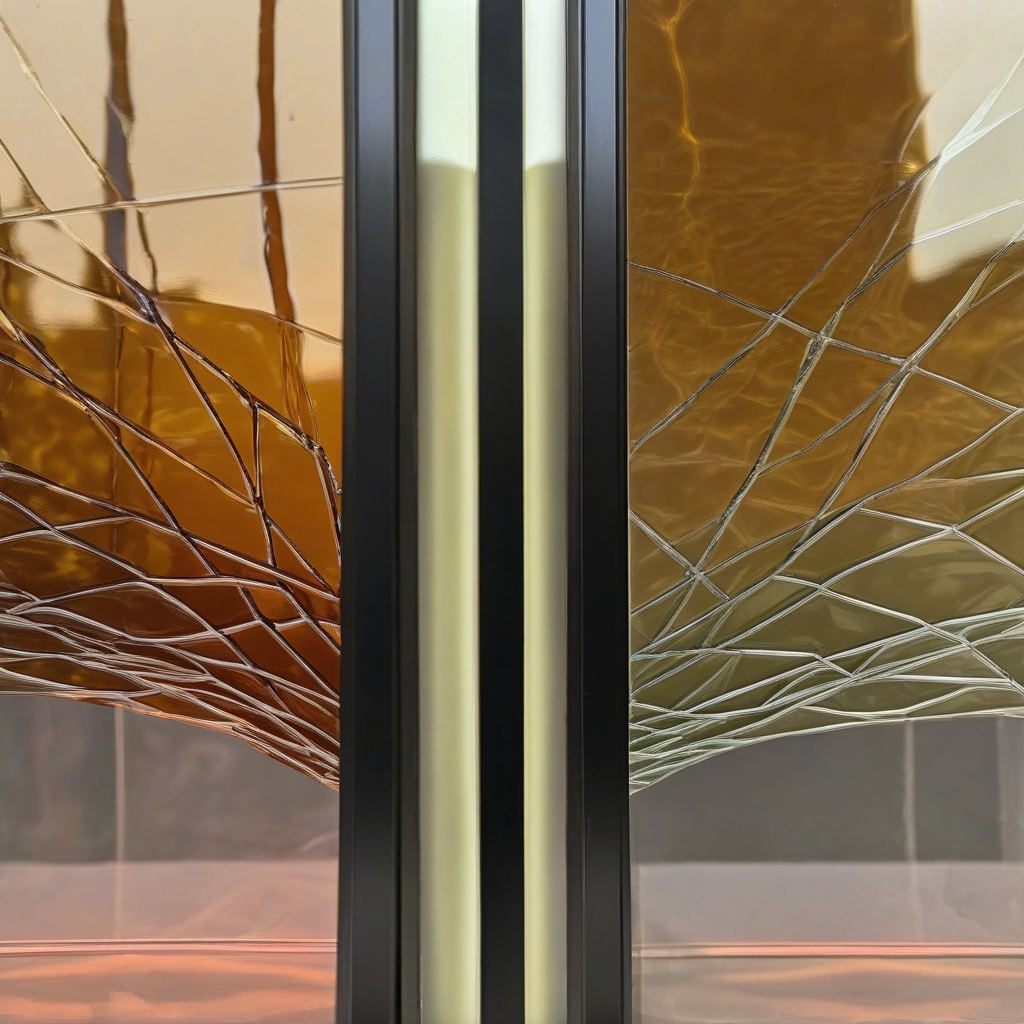
Tinted windows might seem like the ultimate solution straight out of a Hollywood script, given their seamless integration into modern architectural designs. These windows have the appeal of providing continuous views while simultaneously managing heat and glare. In Los Angeles, where aesthetics are a pivotal part of home value, tinted glass exudes a futuristic and clean look that aligns with contemporary style trends. Despite their aesthetic appeal, it’s essential to weigh their practical benefits.
According to industry experts, tinted glass can significantly reduce solar heat gain, a notorious challenge for homeowners in sun-drenched locales. Most types of tinted windows are designed to cut down on UV rays, which means less fading of interior furnishings. Yet, one of the challenges with tinted glass lies in their initial cost, which can be higher compared to other options. Homeowners are often required to consider energy efficiency ratings and ensure compliance with building codes.
California’s energy codes and environmental regulations progressively encourage the usage of energy-efficient materials, making tinted glass an attractive proposition. As such, many Los Angeles residents see this as a long-term investment. However, they must also consider the installation complexities, especially if retrofitting older homes is part of the plan.
Ultimately, while tinted windows provide a sleek, modern look and contribute to reduced indoor heat, they can be costly upfront. This choice appeals to those prioritizing style and long-term energy savings over immediate budget concerns.
An industry report notes that homes equipped with energy-efficient windows see a 15% reduction in energy bills annually.
Interior Blinds: The Practical Performer
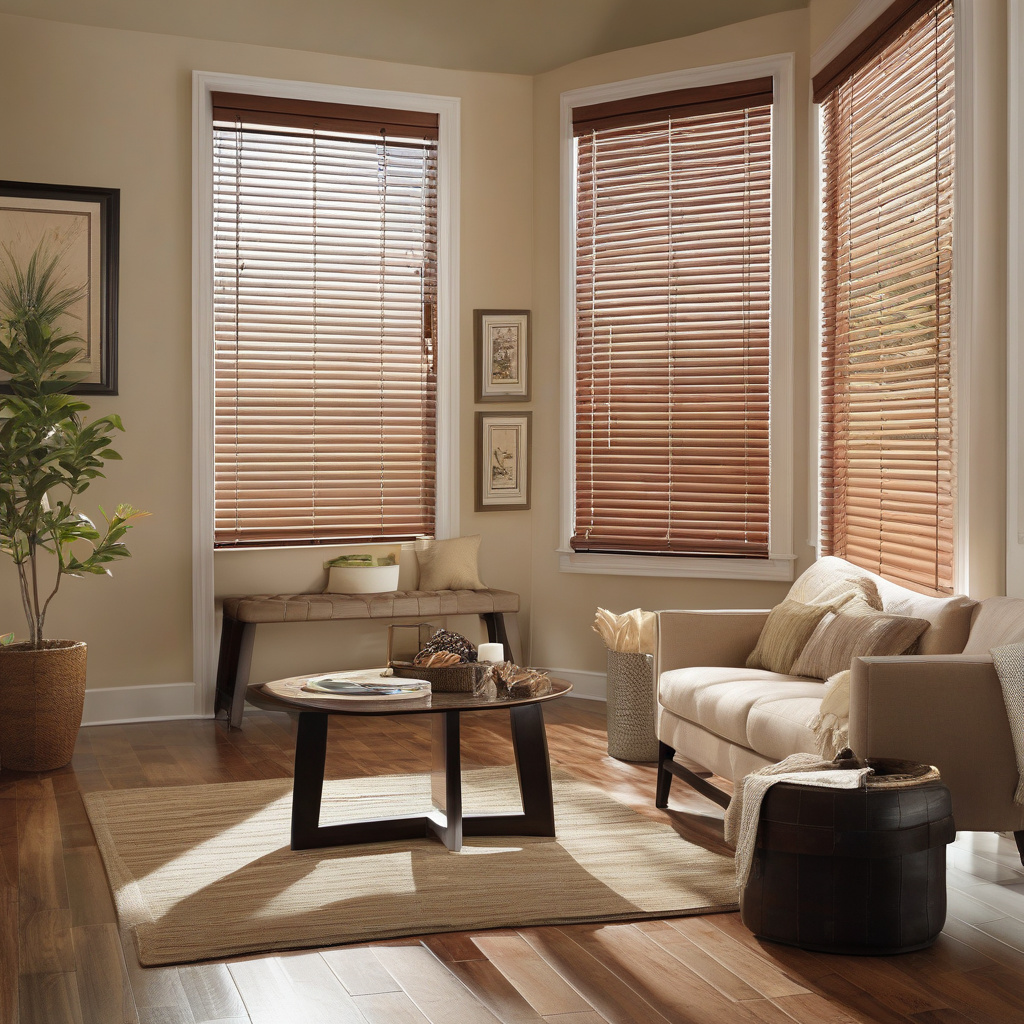
For many Angelenos, interior blinds offer the control they crave without compromising on flexibility. One can achieve an effortlessly perfect ambiance by simply adjusting the slats or pulling a cord. From roman shades to minimalist slats, blinds come in a range of styles catering to various design predilections and budgets.
Key to blinds’ appeal is their cost-effectiveness and ease of installation. Unlike the other options, blinds don’t necessitate a professional installer, making them the preferred choice for those undertaking do-it-yourself projects. Furthermore, they offer versatility, easily adapting to evolving interior design trends without a hefty price tag.
However, blinds might not offer the same seamless outdoor views as their tinted counterparts. They can accumulate dust, requiring regular maintenance to keep them pristine. Additionally, blinds might not offer the same level of thermal insulation, leading homeowners to explore layered window treatments for optimal functionality.
Pragmatic homeowners love blinds for their affordability and flexibility. They are accessible, easy to replace, and provide a quick solution for privacy and glare control, making them a favored choice among many. While not as durable as alternative methods, they serve as a reliable and budget-friendly choice for indoor window dressing.
Alternative window options are also considered to complement interior blinds, where a combination of mechanisms can further enhance a room’s functionality and style.
Recent studies show that homes using layered window treatments reduce energy costs by an additional 10%.

Outside Excellence with Exterior Shading
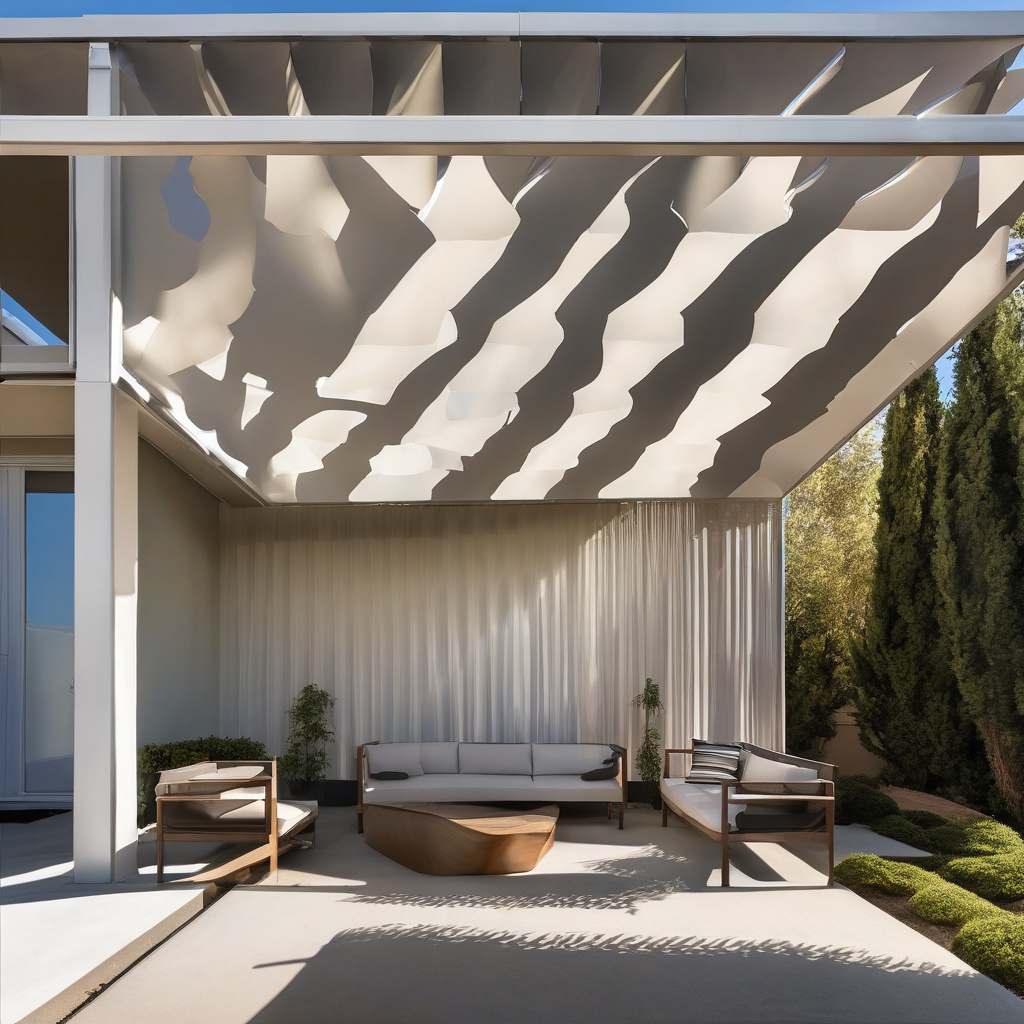
For those seeking robust weather defense and energy efficiency, exterior shading solutions, such as awnings and shutters, are worth considering. These structures excel at blocking direct sunlight before it even touches the window glass, significantly curtailing indoor heat gain.
Exterior shading not only enhances a home’s curb appeal but also serves as a sturdy protection layer against wind and rain. Typically constructed from durable materials like metal and treated fabric, they add a dash of style while offering practical benefits.
That said, exterior options often require greater initial investment and professional installation compared to simple interior blinds. They might also demand regular maintenance to ensure longevity, particularly when exposed to harsh weather conditions.
Nonetheless, as public interest in sustainable and efficient window treatments swells, these structures become increasingly appealing. Guided by evolving building codes and modern sensibilities, they remain a popular investment despite their upfront costs.
Experts predict that incorporating exterior shading can cut cooling costs by up to 60% in the summer months.
Comparing Costs: A Look at the Numbers
| Option | Average Cost | Installation Complexity | Energy Savings Potential |
|---|---|---|---|
| Tinted Windows | $400 – $1,000 per window | High | High |
| Interior Blinds | $50 – $250 per window | Low | Moderate |
| Exterior Shading | $300 – $1,200 per window | Medium | Very High |
Cost is a definitive factor for many when deciding on window treatments. This comparison highlights that while blinds are often cheaper, tinted glass and exterior shading offer higher long-term savings. For those choosing the best fit, budget considerations should align with energy goals.
The Rewards and Risks
Every renovation journey involves evaluating the pros and cons of chosen options. Whether it’s the sleek appeal of tinted glass, the versatility of blinds, or the robustness of exterior shading, each has distinct merits and limitations.
Tinted windows provide excellent solar control but come with higher initial costs. Interior blinds offer a straightforward and cost-effective solution but may fall short in insulation. Exterior shading gives comprehensive protection against heat, albeit requiring more maintenance.
The risk-reward analysis should consider not just immediate needs but how these solutions align with long-term financial savings and aesthetic goals. Reflecting on one’s lifestyle, how spaces are used, and the environmental implications of each choice is key to a successful outcome.
For informed decision-making, it’s crucial to reflect on all these aspects. Maximize efficiency and style by integrating multiple solutions tailored to specific room requirements and homeowner preferences.
Guided Steps for Successful Implementation
Embarking on window treatment enhancements requires strategic planning. Here’s a concise guide to navigating this process efficiently:
- Firstly, assess the specific needs of each room in terms of light and privacy.
- Evaluate existing window conditions, considering recent home improvement guides for inspiration.
- Research the cost, installation, and maintenance aspects of each option.
- Consult with professionals to understand compliance with local building codes and green building incentives.
- Factor in long-term energy savings and ROI to justify upfront investments.
Final Thoughts and Future Possibilities
The decision between tinted glass, blinds, and exterior shading is more than just an aesthetic consideration. It’s a confluence of practicality and style that impacts both your home’s environment and energy footprint. Los Angeles homeowners have an array of choices, but the best option will always be one that harmoniously fits individual needs and climatic demands.
As environmental consciousness grows, innovations in window treatment technology will continue evolving. This shift signals exciting possibilities for homeowners aspiring to merge comfort with sustainability while boosting their property’s visual appeal.
Conclusively, it’s essential to stay informed about emerging trends and advancing technologies that efficiently converge style and energy savings. Whether embarking on a minor upgrade or a major overhaul, a thoughtful approach will yield rewards that accentuate both home comfort and value.
- Understand the pros and cons of tinted windows, blinds, and exterior shading for optimal home renovation.
- Consider long-term energy savings alongside initial costs when choosing window treatments.
- Factor in aesthetic preferences and lifestyle needs before making a decision.
- Stay informed on new technologies for an efficient blend of functionality and style.
- Engage with the community’s shifting environmental priorities for sustainable home design.
“`html
FAQ
What are the main advantages of tinted windows for heat control?
In real renovation projects, tinted windows are often chosen for their ability to reduce solar heat gain. This is particularly beneficial in sunny climates like California, where keeping the heat out of a single-family home can significantly lower air conditioning costs. Many experts point out that window tinting, unlike blinds or exterior shading, doesn’t obstruct views or require manual operation, providing a seamless solution year-round. However, homeowners frequently underestimate the importance of selecting the right tint level to balance visibility with heat reduction effectively.
How do interior blinds compare with exterior shading in terms of glare control?
Interior blinds are a popular choice for glare control because they can be easily adjusted to manage the amount of light entering the room. Yet, in practice, exterior shading solutions—like awnings or external screens—often outperform interior options by blocking sunlight before it even reaches the window. Many experts emphasize that exterior shades provide superior glare reduction, a crucial factor in home offices or media rooms. Nonetheless, installation of exterior shading can be more complex and costlier, a typical oversight by homeowners considering this option.
When is it more sensible to install exterior shading rather than interior blinds?
Exterior shading proves most effective in renovations when dealing with intense sun exposure without sacrificing indoor space. In Southern California, for instance, homes with large south-facing windows benefit greatly from exterior shades that can reduce cooling costs by preventing heat from penetrating through the glass. Many renovation experts suggest this option for modern constructions where seamless integration into the building design is feasible. Moreover, homes with outdoor living spaces often find additional comfort benefits as exterior shades can enhance both indoor and outdoor environments simultaneously.
Are there privacy benefits to choosing tinted windows over traditional blinds?
Tinted windows offer a discreet solution for maintaining privacy while allowing natural light to penetrate the home. Many homeowners appreciate that tinted glass doesn’t impact interior space usage, unlike traditional blinds which require space for installation and operation. In neighborhoods with closely situated homes, real-world applications have shown that window tinting provides a sleek, modern look without drawing attention—a main reason they’re favored in new builds and renovations in urban areas. However, choosing the right tint is critical to ensure it meets privacy needs without overly darkening interiors.
What cost considerations should be factored in when choosing between these options?
Cost plays a significant role in deciding between tinted windows, blinds, or exterior shading. Tinted windows involve an upfront investment but offer long-term savings in cooling expenses. Blinds, on the other hand, generally represent a lower initial cost but may incur additional expenses over time due to wear and manual operation. Exterior shading solutions tend to have higher installation costs, especially for motorized or custom-designed systems. Homeowners should weigh these factors against potential energy savings and comfort improvements. To discuss customized options suitable for specific budgets, homeowners can easily reach out via this helpful discussion link.
What are some common installation mistakes with tinted windows?
One common mistake when installing tinted windows is neglecting to consider the building codes or homeowner association guidelines that might limit tint levels or colors. In practice, incorrect installation can lead to bubbling or peeling, which not only looks unsightly but can reduce the window’s effectiveness. Experienced renovators frequently recommend hiring professional installers to ensure quality craftsmanship and compliance with local regulations. Moreover, applying too dark a tint can also impede visibility and lead to unnecessary energy consumption due to additional lighting needs.
Are there any limitations to using exterior shading devices?
While exterior shading can be incredibly effective, it’s not without its limitations. Homeowners must consider factors like aesthetic impact on the facade and potential hindrance to natural light during cooler months. In real applications, retractable options mitigate some of these issues, but at an increased cost. Many experts advise homeowners to be mindful of potential maintenance needs, as exterior shades are exposed to environmental conditions and can accumulate dirt, leading to long-term degradation if not properly cared for.
How should maintenance be approached for these different shading options?
Maintenance practices differ significantly among tinted windows, blinds, and exterior shading. Tinted windows require occasional cleaning with non-abrasive solutions to prevent scratches. Blinds often demand frequent dusting and hinge lubrification to ensure smooth operation. Exterior shading devices, given their exposure, might need more robust cleaning and checks for weather damage. Regular inspection and maintenance are critical to prolonging the lifespan of these installations. Homeowners frequently overlook regular maintenance schedules which can lead to more significant repair demands down the line.
“`