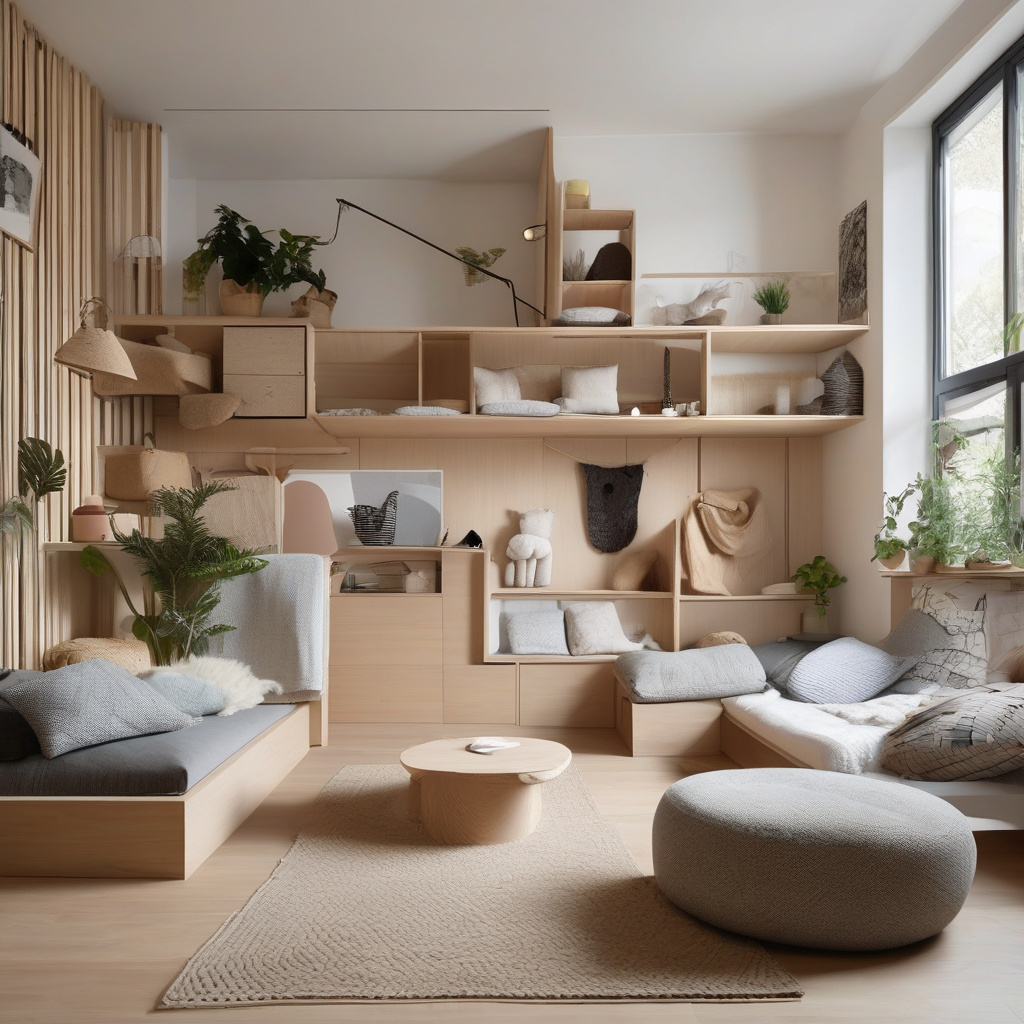
Los Angeles, with its sprawling neighborhoods and distinctive flair for architectural innovation, has always embraced change. As more LA homeowners consider adding Accessory Dwelling Units (ADUs) to their properties, the emphasis is increasingly on creating pet-friendly spaces. With dogs as popular as ever among Angelenos, designing for these furry residents becomes both necessity and art. In this exploration, we delve into recent trends, practical designs, and the nuanced challenges of crafting such spaces in the city of angels.
Brief summary: This article dives into pet-friendly ADU design ideas for dog owners in Los Angeles, covering materials, layout innovations, and safety features. It presents practical insights, cost comparisons, and expert opinions on creating optimal living conditions for both humans and their canine companions in high-risk zones.
Embracing Pet-Friendly Design in ADUs
Creating an ADU that welcomes pets isn’t just about adding pet doors or having a dog-friendly backyard. It’s about integrating comfort and safety features that cater to the unique climate and topography of Los Angeles. Many homeowners are discovering the value of incorporating creative additions into their properties. These enhancements not only elevate the living experience for human residents but also ensure pets feel at home.
In areas like the Hollywood Hills, where fire hazards pose significant risks, using noncombustible siding and tempered glazing is becoming standard practice. This not only protects the overall structure but ensures the well-being of all occupants. Architects here often blend these materials seamlessly with strategic landscaping that includes dog-safe plants and terrain designs.
Concrete floors, often polished to a sleek finish, provide an excellent non-slip surface for pets, particularly in wet seasons. This choice is not only practical but also aesthetically congruent with modern LA sensibilities. It’s these careful considerations that bring synergy between form and function, allowing pets to roam freely without homeowners fearing damage or accidents.
As more projects unfold, a common discourse emerges: how do we balance luxurious human design with pragmatic pet needs? The answer lies in case-by-case analysis, understanding each area’s specific codes, climate concerns, and homeowner priorities.
Ultimately, the integration of these elements showcases synergy in design, delivering spaces that offer premium living for every resident—regardless of how many legs they have.
Materials Matter: Opting for Durability and Safety
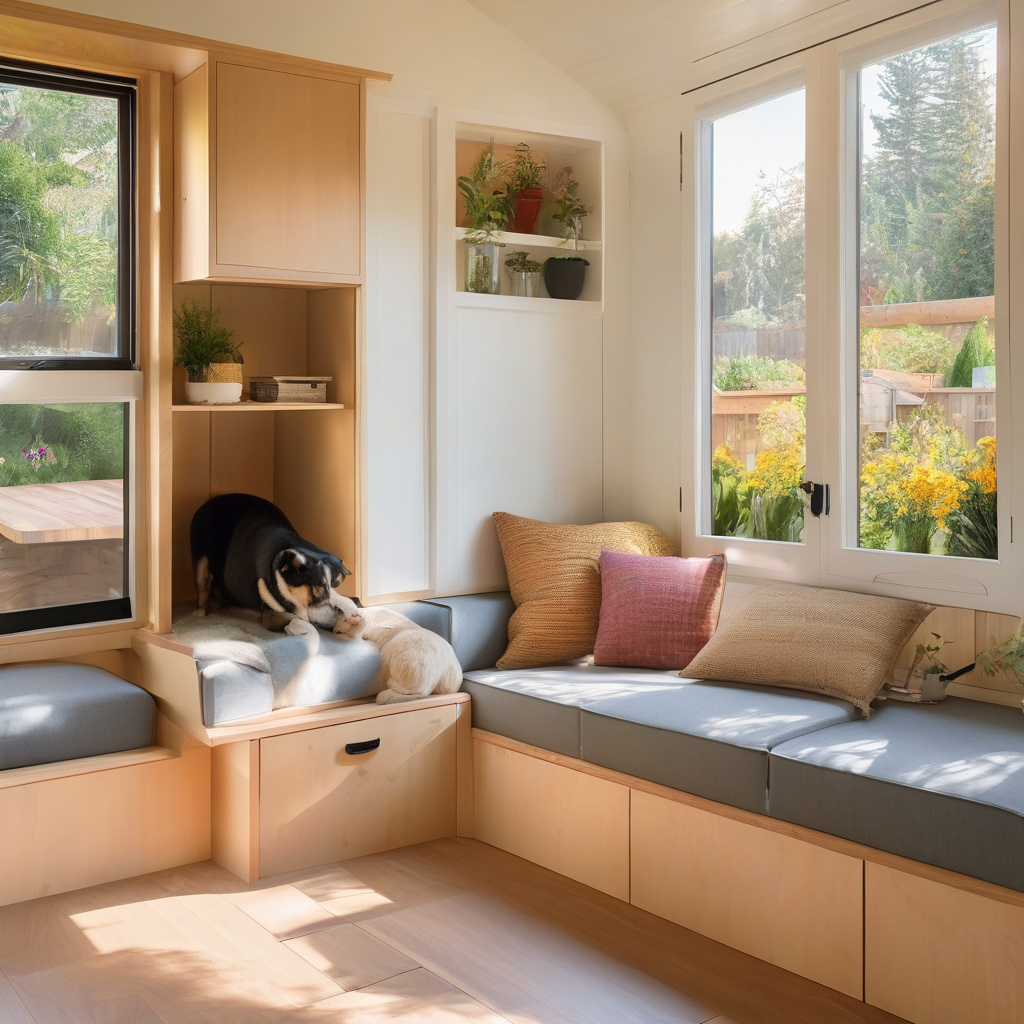
When it comes to constructing a pet-friendly ADU, material choice is pivotal. Fire-resistant options are paramount, especially in hillside zones where the threat of wildfires lingers. Homeowners should prioritize noncombustible siding and tempered glazing—choices that may require a higher upfront expense but offer steadfast protection and peace of mind.
Flooring is another critical component. From slip-resistant tiles to moisture-safe vinyl, the demand for durable yet stylish options is on the rise. This becomes especially crucial for dog owners, who must consider the impact of claws and potential accidents on flooring longevity.
Naturally, these choices lead to discussions around costs. While durable floors and fire-resistant walls might incur a heftier upfront investment, the cumulative savings in maintenance and safety premiums make them the preferred choice for savvy homeowners. For further guidance on preparing for these choices, residents can consult a detailed checklist to streamline their preparation process.
Industry experts emphasize that, in numerous cases, choosing superior materials boosts the overall value of the property, making any initial hesitation around costs increasingly unjustified.
According to the National Association of Home Builders, homes made with fire-resistant materials can increase a property’s value by up to 20% over non-resilient counterparts.
Planning for Comfortable Layouts
Comfort is king when planning a pet-friendly space. Expansive layouts that allow pets to move seamlessly between indoor and outdoor spaces have rapidly become the gold standard for ADU designs in Los Angeles. Industry professionals increasingly recommend open floor plans that integrate living areas across dimensions, catering to both human and pet needs.
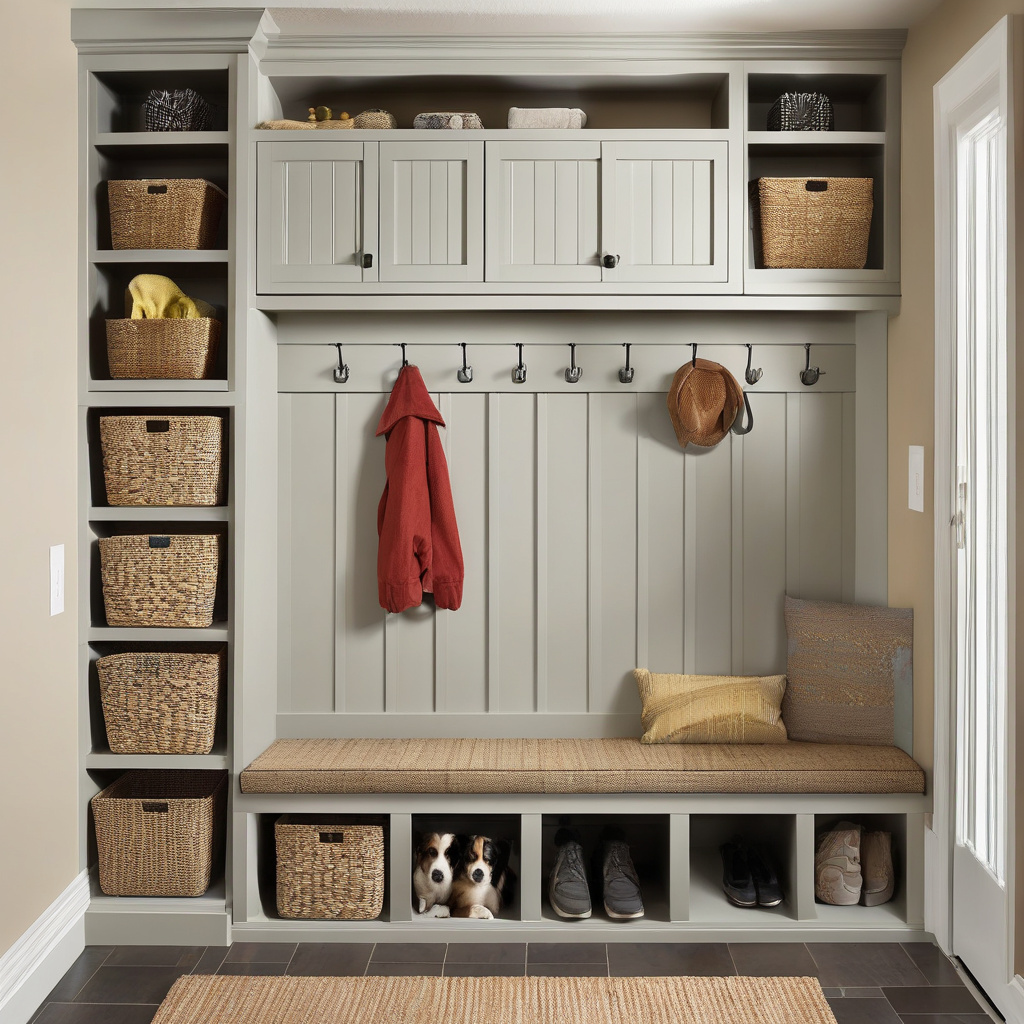
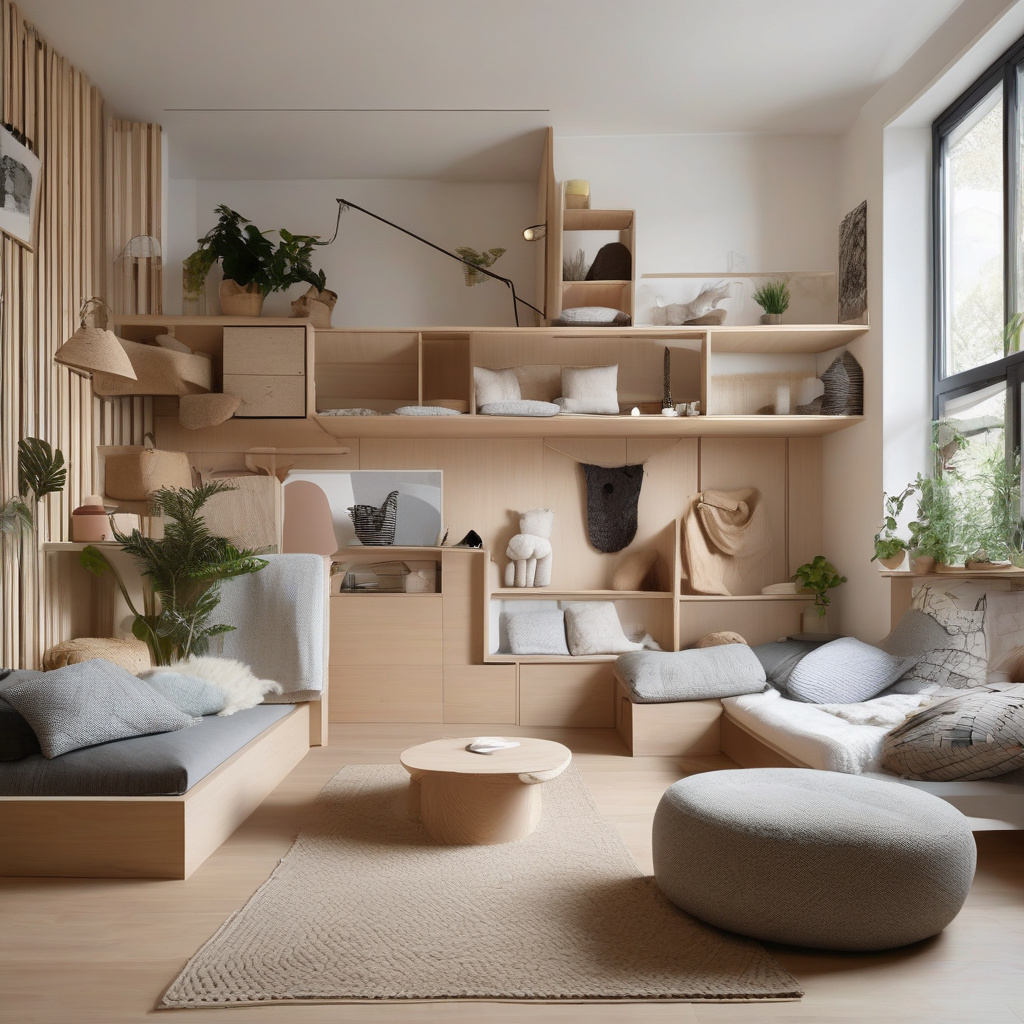
Designers are also enhancing living spaces by creating versatile nooks—areas where pets can retreat yet remain within the social fold. Utilizing built-in pet beds or alcoves in shared spaces offers pets a sense of ownership while keeping the overall design streamlined. For those keen on leveraging every square foot wisely, transforming portions of the ADU into a pool-side relaxation zone can enhance both appeal and functionality.
The advent of smart home technology further aids these efforts. Automated pet feeders, climate control, and remotely controlled pet doors ease the daily routines of pet ownership, aligning perfectly with the dynamic lifestyle of modern Angelenos.
In sum, these layout innovations bring a holistic approach, capturing the essence of luxury while offering practical benefits for both pets and their preferred humans.
Designing for Sustainability
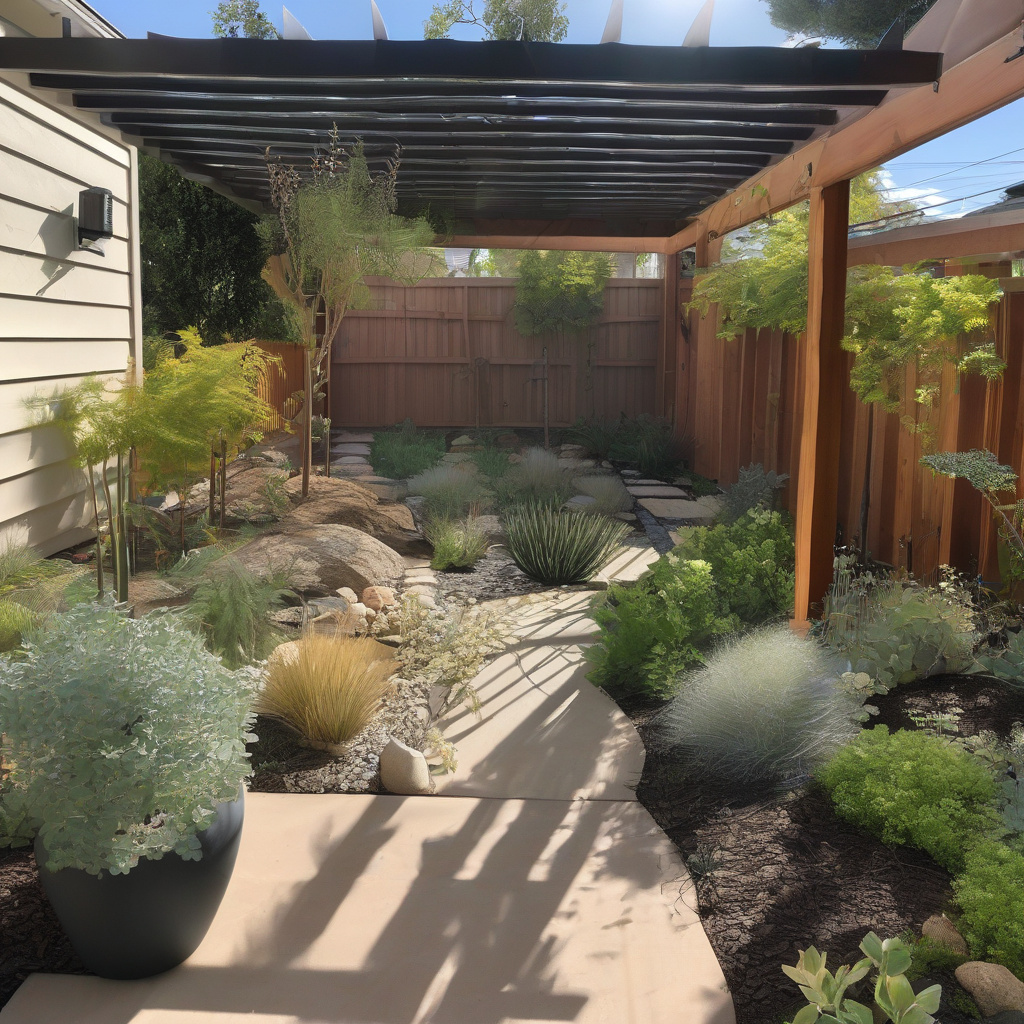
Sustainability is a buzzword that’s caught on in the past decade, but for ADUs in Los Angeles, it’s much more than a trend—it’s a lifestyle choice. Eco-friendly practices complement pet-centric designs seamlessly, making ADUs more livable and lovable for all residents.
Solar panels, rainwater collection systems, and the use of recycled materials are tools that forward-thinking homeowners harness to reduce their carbon footprint while enhancing their space. These choices underscore a commitment to both the environment and to long-term cost reductions.
Ultimately, sustainable choices not only present future-forward credentials but prove economically advantageous, marrying the art of design with the science of innovation.
Recent studies from the American Institute of Architects show sustainable properties report up to a 15% increase in daily functional efficiency compared to non-sustainable alternatives.
Risk or Reward: A Balanced Perspective
Every renovation comes with its risks and rewards. For those embarking on an ADU project geared towards pet-friendliness, navigating these waters requires careful consideration of both. While LA’s incentives for building—like reduced permit costs and expedited approval processes—dangle attractive carrots, ignoring potential pitfalls can lead to challenges down the road.
Geographical concerns, such as slope grade and existing vegetation, may impact foundational assessments and, in some cases, prohibit construction altogether. However, for every risk, there’s typically a solution, usually in the form of adaptive design strategies, or expert-guided interventions that blend creativity with compliance.
Pet-centric designs become a rewarding journey when planned meticulously. An advantage of completing a successful ADU project is the undeniable enhancement of both lifestyle and property value—an enticing equation for the ever-present Los Angeles homeowner calculus.
Conclusively, while risk factors naturally spark pause, the substantive rewards—both experiential and financial—are drawing more and more locals to travel this path.
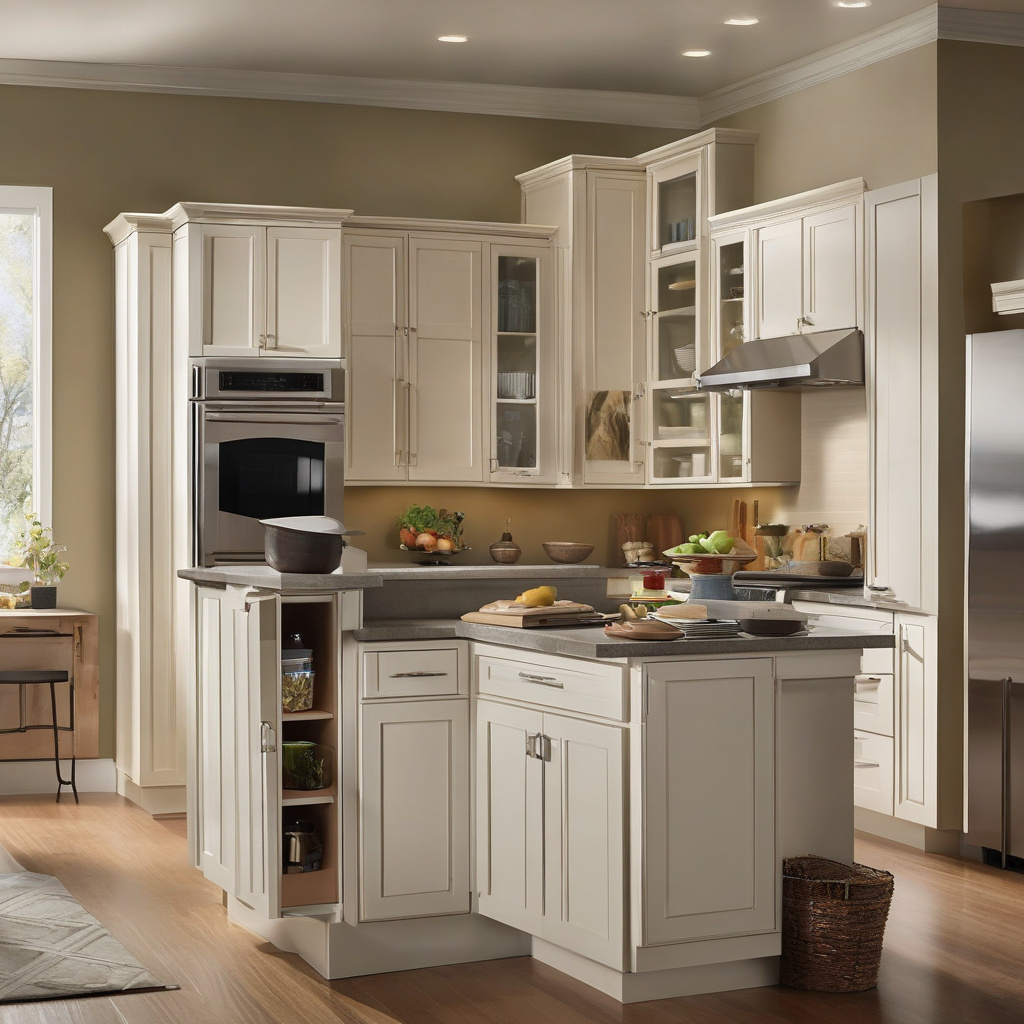
Architectural Digest notes: Implementing adaptive reuse in urban projects can minimize costs by up to 25% compared to new constructions.
Your Mini How-To: Crafting Pet-Friendly ADUs
Venturing into the world of pet-friendly ADU renovations can be daunting, but by breaking it down into actionable steps, homeowners can transform their vision into reality with structured precision.
- Begin with a thorough site evaluation to understand geographical challenges and permit prerequisites.
- Craft a design plan that reflects both human and pet needs, ensuring open layouts for flow and integrating elements like built-in nooks.
- Choose durable, fire-resistant materials that offer long-term resilience and appeal to both safety and style.
- Incorporate sustainable elements wherever possible, from solar panels to rainwater systems, to align with broader environmental commitments.
- Engage a professional for the permitting process to navigate local regulations efficiently, ensuring no bureaucratic pitfalls delay progress.
This step-by-step approach effectively demystifies the path forward, empowering homeowners to proceed with confidence and clarity.
Concluding Thoughts
As Los Angeles continues to interact with its evolving landscape, the choice to cultivate pet-friendly ADUs emerges as a reflection not just of lifestyle but of broader commitments to innovation, sustainability, and togetherness. For dog owners, the decision is made with an eye on the future—a future that promises fertile grounds for both personal satisfaction and market value.
| Aspect | Standard Team | Premium Team |
|---|---|---|
| Cost | $30,000 | $50,000 |
| Materials | Basic Vinyl | High-End Hardwood |
| Timeline | 3 Months | 5 Months |
| Customization | Moderate | High |
- Choosing the right materials enhances the safety and aesthetics of pet-friendly ADUs.
- Strategic layouts consider both pet and human needs, offering seamless indoor-outdoor transitions.
- Sustainability features are integral to modern ADU designs, adding value and efficiency.
- Navigating risks is crucial; understanding them ensures rewarding project completion.
- A structured approach simplifies the complex ADU design process for homeowners.
FAQ
What are the key elements of a pet-friendly ADU design for dogs?
In crafting a pet-friendly ADU for dogs, elements like durable flooring and easy-to-clean surfaces are paramount. Many homeowners opt for scratch-resistant tiles or sealed bamboo floors. In practical scenarios, integrating dog-friendly features such as built-in feeding stations or pet doors can greatly enhance convenience. Another essential is ensuring ample natural light, as dogs enjoy indoor sunbathing, which can be achieved with strategic window placement and tempered glazing for safety. Don’t overlook the importance of ventilation; ADUs can heat up quickly, so consider adding strategically placed vents or a mini-split AC unit to maintain a comfortable environment year-round for both pets and humans.
Why are fire-resistant materials important in hillside ADU additions?
Utilizing fire-resistant materials in hillside ADUs can significantly mitigate risks in fire-prone areas like those found in LA. Real-world cases have shown that noncombustible siding and tempered glazing act as vital barriers against advancing flames. For instance, fiber-cement siding provides not only aesthetic appeal but also offers considerable resistance to fire, compared to traditional wood siding, which can be a significant fire hazard. The strategic use of hardscape elements like stone and gravel in landscaping further aids in creating defensible spaces around the home, reducing the chance of a fire reaching the structure. This approach not only safeguards the property but can also potentially lower insurance premiums due to enhanced safety measures.
How can strategic landscaping protect ADUs in high-risk fire zones?
Strategic landscaping is more than just aesthetic when it comes to fire protection. By designing with a focus on creating defensible spaces, you can reduce the risks significantly. For instance, incorporating a buffer zone of low-flammable plants and hardscape features between your ADU and natural vegetation acts as a barrier to slow down a potential fire. Many experts recommend succulents and other drought-resistant plants, which contain stored water that can act as a fire retardant. In real setups, regularly thinning out garden beds and clearing dry leaves or branches can prevent ignition points. Planning pathways with gravel or stone rather than flammable mulch enhances safety, and this proactive approach in landscaping is a powerful preventative measure.
What are common mistakes made in designing pet-friendly ADUs?
One typical mistake in designing pet-friendly ADUs is underestimating the wear and tear pets can bring. In numerous projects, homeowners initially choose stylish finishes that are not durable enough for the realities of a pet-friendly environment. Opting for high-maintenance textiles or ignoring stain-resistant treatments can lead to disappointment. Another oversight is poor layout planning that doesn’t consider the flow of pet movement, such as narrow corridors that could bottleneck mobility. Installing slippery flooring like polished stone without considering slip-proof alternatives can lead to accidents. Moreover, many forget to include adequate storage for pet supplies, which can lead to clutter. Advice from renovation experts often includes prioritizing functionality over just aesthetics to ensure a truly pet-friendly space.
What are the advantages and disadvantages of installing tempered glazing in ADUs?
The use of tempered glazing in ADUs offers several advantages. It’s four to five times stronger than regular glass and is designed to shatter into small, blunt pieces, significantly reducing injury risk during breakage. This aspect is particularly valuable in homes with pets or small children, providing peace of mind and safety. However, the tempered glass can be more costly than traditional glass solutions. In practice, while the initial investment is higher, it often pays off due to its durability and reduced frequency of replacement, not to mention enhanced security against natural elements and potential wildfires. The key is balancing the upfront costs with the long-term resilience and safety benefits it provides. [Consult an expert for tailored advice](https://californiarenovation.top/contact/) on what suits your project best.
How much should homeowners expect to spend on making their ADU pet-friendly and fire-resistant?
Cost considerations for pet-friendly and fire-resistant ADUs can vary widely depending on materials and scope. On average, a basic pet-friendly setup with durable flooring, pet doors, and scratch-resistant surfaces might start around $5,000 to $10,000. Adding fire-resistant elements could increase this by an additional $5,000 to $15,000, particularly if using high-spec materials like metal roofing or fiber-cement siding. In real-life budget assessments, labor costs also greatly impact the overall expense, especially in regions like California where skilled labor is in high demand. Prioritizing elements like noncombustible materials can have long-term savings implications through reduced maintenance and insurance costs, offering value beyond their initial investment.
What maintenance tips should be considered for preserving fire-resistant features in an ADU?
Maintaining fire-resistant features in an ADU involves several steps to ensure their continued effectiveness. Regular inspections are crucial to check for wear or damage in critical areas such as siding and roofing. Homeowners often overlook the importance of ensuring that tree branches and shrubs do not encroach on fire-resistant zones. In practice, keeping gutters clear of debris is another essential task, as collected dry leaves can be a fire risk. Monitoring the integrity of fire-resistant materials, such as checking for cracks in tempered glass or warping in metal elements, is advisable. A proactive maintenance routine not only prolongs the life of fire-protection features but also ensures safety and compliance with local building codes.
Are there any environmental benefits to using fire-resistant and pet-friendly designs in ADUs?
Indeed, fire-resistant and pet-friendly designs in ADUs offer several environmental benefits. Materials like fiber-cement siding not only increase fire resilience but are often composed of recycled content, reducing environmental impact. In renovation insights, low-VOC paints and finishes utilized to create pet-friendly environments help in maintaining indoor air quality, which benefits both residents and pets alike. Furthermore, integrating native, drought-resistant plants as part of strategic landscaping for fire safety conserves water and fosters local ecosystems. These sustainable practices reflect a growing trend where eco-consciousness aligns with practical safety and comfort, offering homeowners the dual benefit of protecting their investment and promoting environmental stewardship.

