In the sprawling remits of Los Angeles, where sunshine meets the sea and the echoes of architectural history blend with tomorrow’s innovation, revamping home exteriors can be as much about style as it is about substance. Among the myriad options available, vinyl siding stands out for its versatility and affordability. Exploring the nuanced varieties and their installation is crucial for any homeowner looking to balance aesthetic appeal with practical benefits.
Brief summary: Discover the diverse types of vinyl siding suitable for Los Angeles homes, alongside comprehensive step-by-step instructions for installation. The article explores how to select the right vinyl siding, its advantages and challenges, and incorporates expert industry insights and real-life home improvement experiences.
What you should know about Vinyl Siding Types
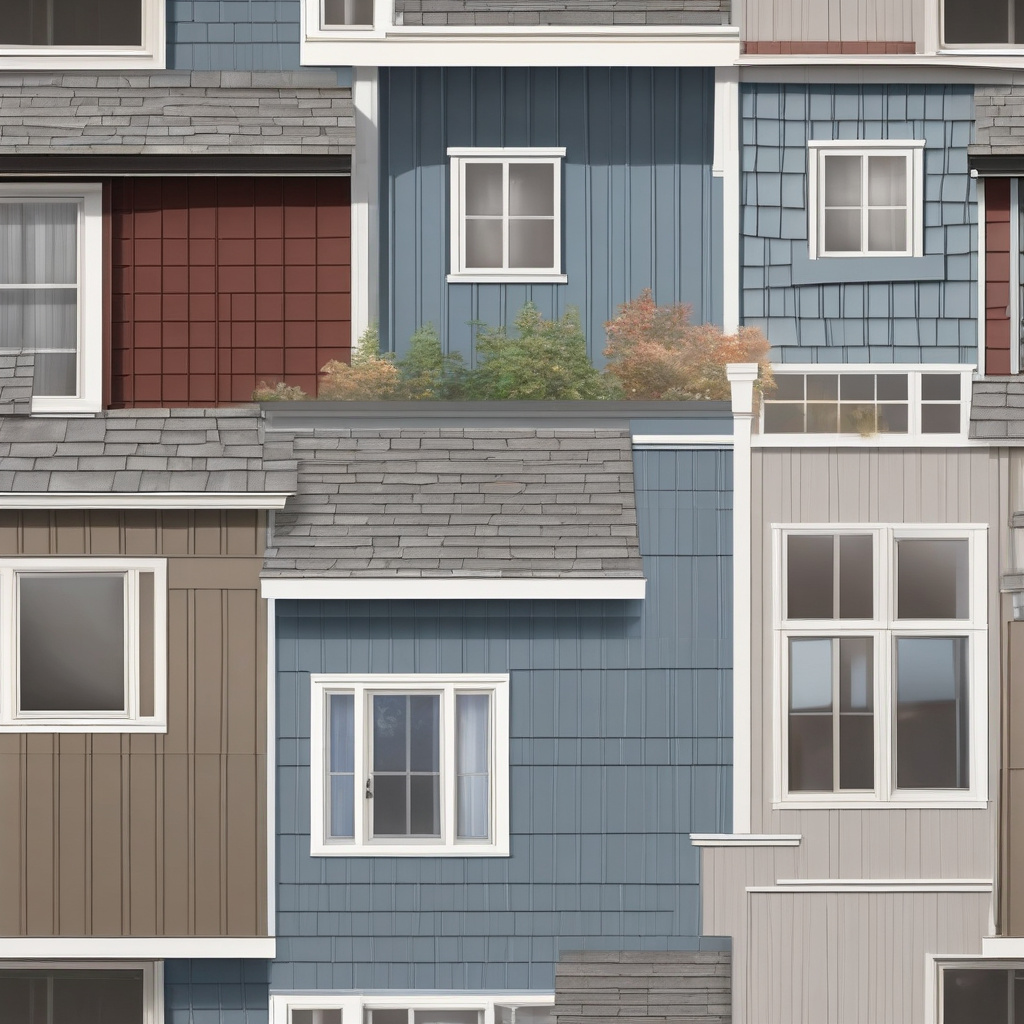
The journey through the world of vinyl siding begins with understanding its many faces. Offering a spectrum of options, vinyl siding can mimic the appearance of wood, stone, or even contemporary panels, catering to diverse architectural tastes. As bustling as the Sunset Strip itself, these choices can dazzle the undecided homeowner, with each option possessing distinct characteristics.
Take, for instance, the clapboard style which exudes a classic charm. Often found in traditional homes, it evokes an era gone by while ensuring modern benefits like durability and minimal maintenance. Alternatively, board-and-batten siding provides a texture-rich façade that’s both visually striking and practical. Its vertical lines can make a house appear taller, marrying function with visual interest.
A hot favorite for Angelenos is the shingle siding, often seen gracing coastal homes. This option not only brings a touch of rustic allure but also stands strong against the salty sea breeze typical of Southern California’s coastal areas. Meanwhile, the dutch lap style adds an elegant curve, playing with light and shadow—perfect for those who wish to add a touch of sophistication to their abode.
Choosing the right type isn’t just about aesthetics. It’s a tango with technicalities—energy efficiency, maintenance needs, and personal comfort all getting a vote. As many local homeowners notice, balancing these factors is vital for a perfect match. The decision often pivots on both personal style and the architectural dance of the neighborhood.
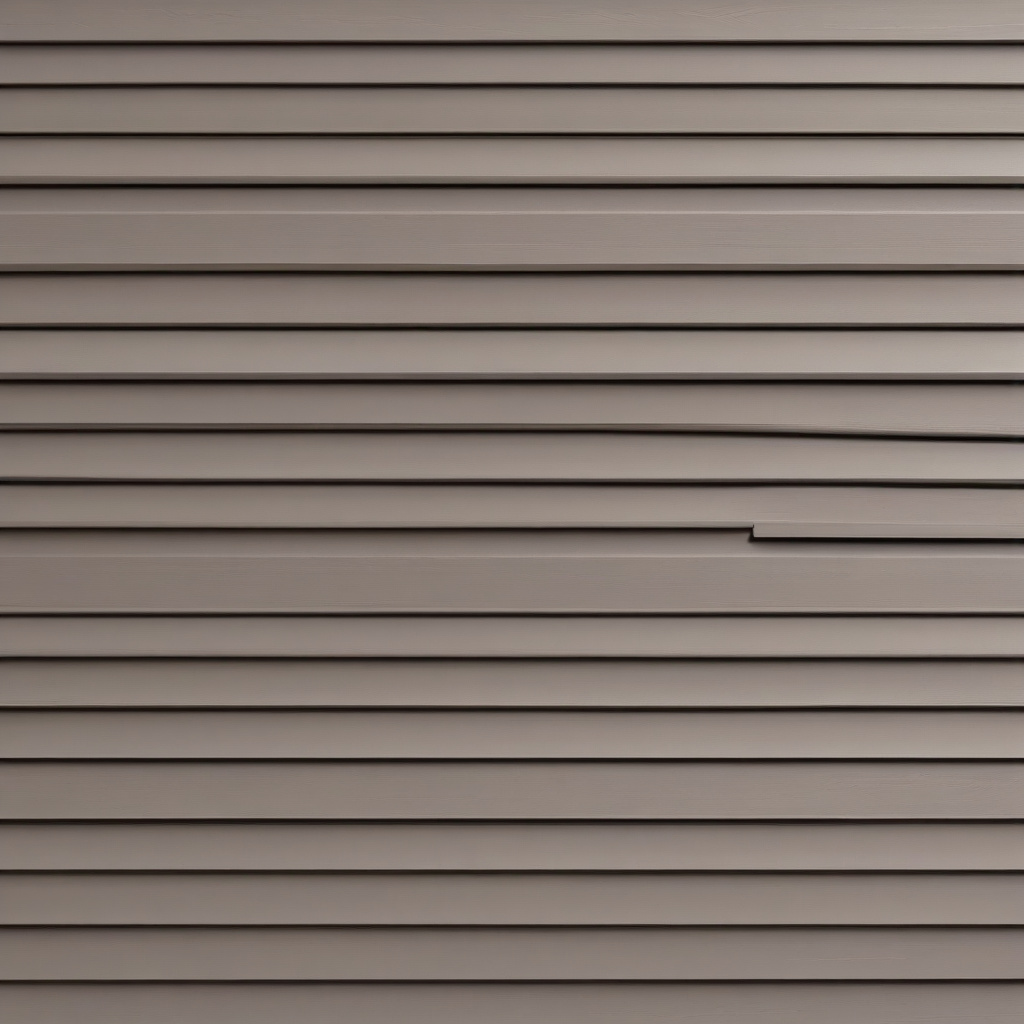
How to Choose the Best Vinyl Siding for Your Home
Delving into the decision-making process, one finds that choosing vinyl siding is akin to selecting a bespoke suit. It demands attention to detail and a keen understanding of the house’s narrative. Each siding type brings its own palette of advantages, poised and ready to complement the home’s story.
Cost vs. Aesthetic Appeal
Cost remains a pivotal consideration. While certain styles like stone veneer vinyl may scorch the pockets, they offer an unrivaled aesthetic punctuation. Conversely, simpler options may lend economic relief but could fall short on the curb appeal scale. It’s crucial to weigh these aspects proficiently.
Vinyl siding is the most popular exterior cladding in the U.S. due to its combination of price, variety, and low maintenance. — U.S. Census Bureau
Add to this the climate considerations of Los Angeles—a city where sunny days reign and rain is a fleeting visitor. Homeowners would do well to factor in materials that withstand UV exposure without fading, maintaining the integrity and color vibrance of the siding over time.
In conclusion, it’s not merely about picking a product off the shelf. It’s a dialogue with nature, lifestyle, and economy, where each choice echoes through years of dwelling. Striking the right balance ensures that the home doesn’t just look good today but retains its value and charm over the decades.
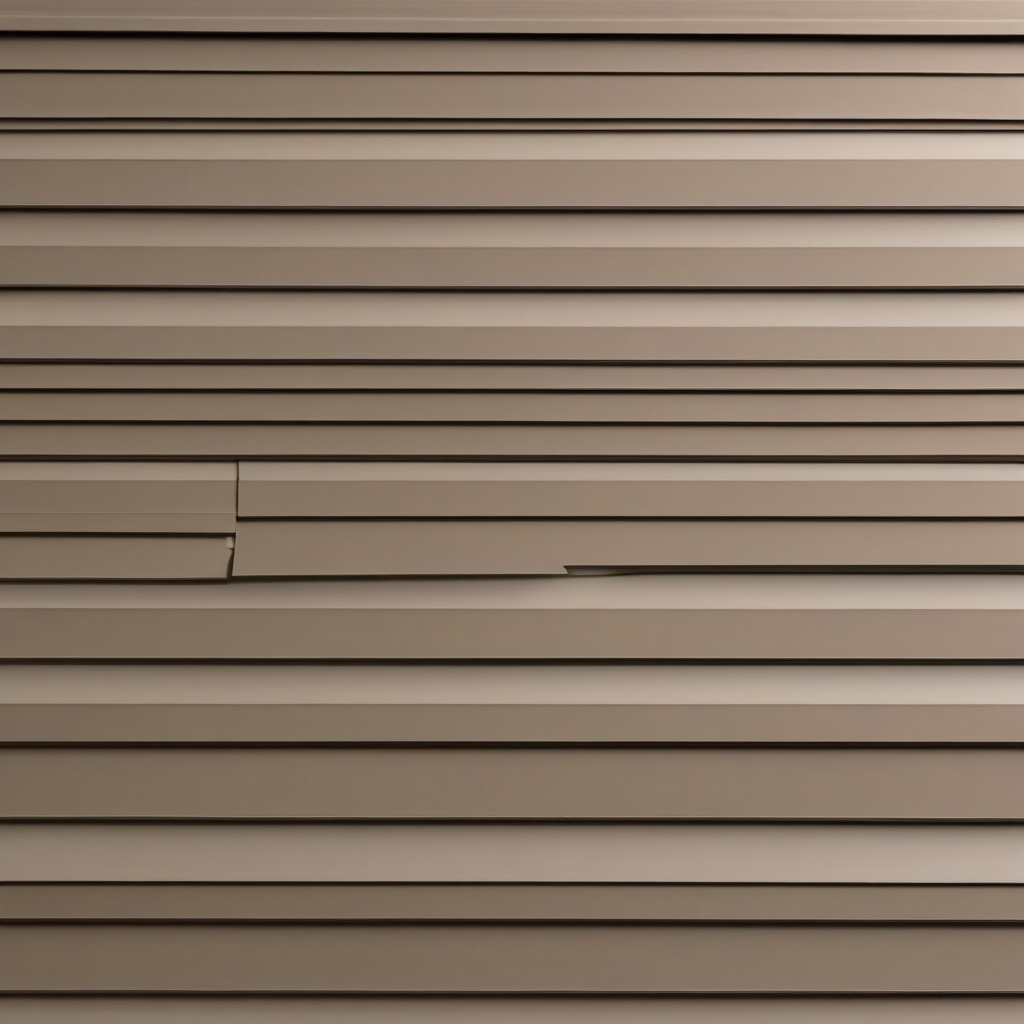
When It Makes Sense to Invest in Professional Installation
There comes a point in every homeowner’s life when rolling up the sleeves and diving into a DIY project seems appealing. Yet, when it comes to installing vinyl siding, sometimes it pays to call in the pros. With intricate installation techniques and precise alignment requirements, a professional touch can make all the difference.
Those living in older or uniquely configured homes may find that customization demands expert knowledge, especially when interfacing with unique architectural features. Professional installers bring tools and tricks of the trade that aren’t readily available to the weekend warrior.
Moreover, engaging with experienced personnel can mitigate long-term risks, such as warping or misalignment, which could lead to costly repairs down the line. As often happens during renovation, attempting complexity with inadequate expertise can turn sour, dampening both spirit and wallet.
“It is estimated that improper installation voids the warranty more frequently than product failures themselves.” — Remodeling Industry Expert
Ultimately, inviting professionals may increase upfront costs, but it reduces risks, ensuring that renovation dreams unfold without nightmares. Those who invest wisely often enjoy returns that unravel in aesthetic joy and structural integrity for years to come.
Step-by-Step Vinyl Siding Installation Guide
Should you possess the grit to go the DIY route, here’s a compact guide to set you on your way. Always begin with preparation—a thorough inspection of the underlying walls to ensure they’re ready to host the siding. Clear obstructions and repair any faults, firming the canvas for a clean slate.
- Start with installing the starter strip at the base of the wall, ensuring level installation across the façade.
- Next, hang the J-channels around windows, doors, and corners—these guard the edges from moisture and create a clean finish.
- Secure your first siding panel on the starter strip, interlocking each subsequent panel while maintaining a ¼-inch gap at the joints to manage expansion.
- Continue upwards, pressing firmly against the previous panel to ensure seamless interlocking.
- Finish by securing the soffits and trims, creating a cohesive visual barrier that elevates the home’s visage into uniform harmony.
Tackling this project requires patience and attention to detail, as each piece fits into the puzzle of your home’s outer shell. For those whose hammer arm is steady and spirit unyielding, the reward is a self-fashioned masterpiece standing tall against the elements.
Explore a complementary guide on preparing and finishing with PVC panels to further enhance your home’s aesthetics.
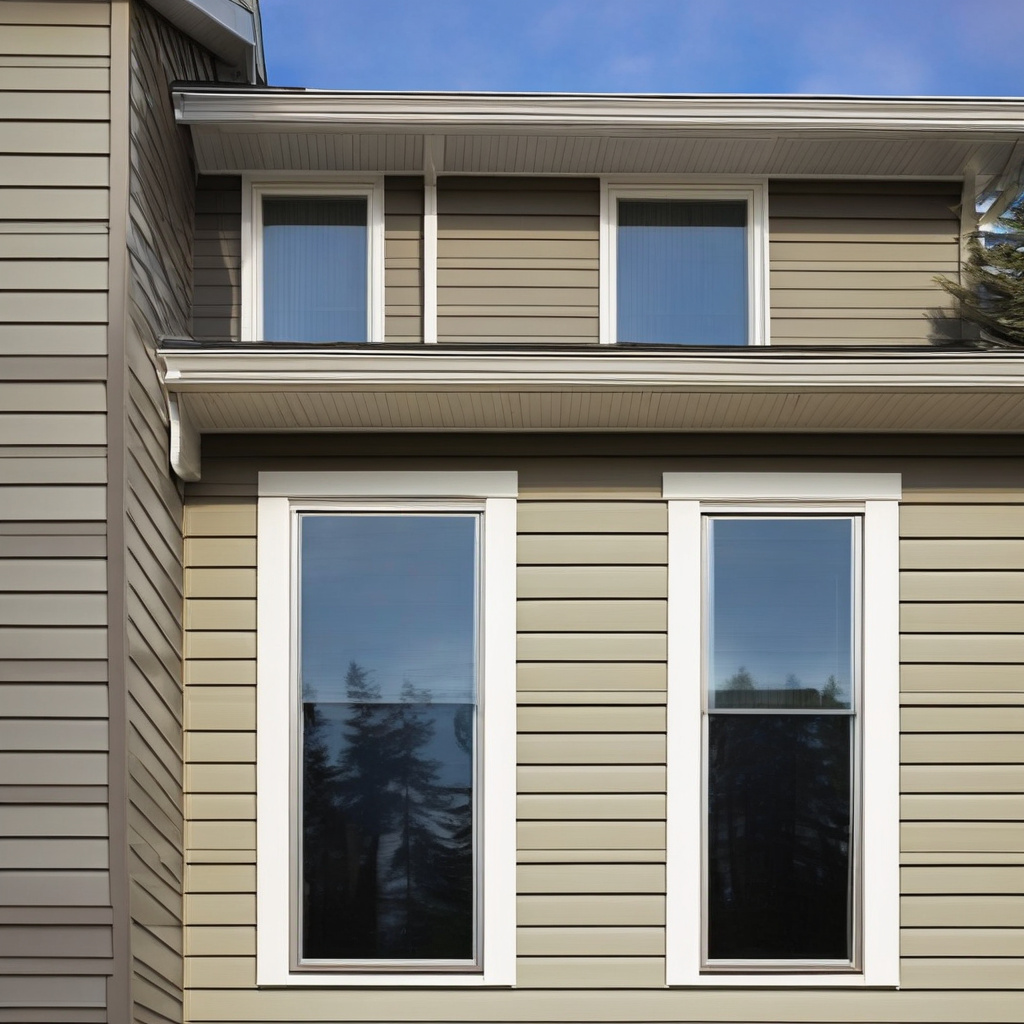
Comparing Installation Costs and Techniques
| Method | Average Cost (USD) | Pros | Cons |
|---|---|---|---|
| DIY Installation | $1,500 – $3,000 | Cost-effective, personal satisfaction | Time-consuming, potential for errors |
| Professional Installation | $5,000 – $15,000 | Quality assurance, warranty protection | Higher upfront costs |
Comparing these options helps inform savvy decisions, allowing homeowners to chart their renovation course wisely. With choices aligned to budget and expertise, the path to exterior brilliance becomes clear.
The Bigger Picture: Why Vinyl Siding Matters in Los Angeles
Asphalt and paving might dominate conversations around outdoor renovations, but vinyl siding holds its ground, providing a vital shield against dosages of Californian elements. The layer of protection and the style it imparts are its biggest gifts—a formidable barrier wrapped in curated beauty.
Check out top paving experts in Los Angeles to complement your home siding project with a stunning driveway.
“Vinyl siding is not just a weather-resistant choice; it’s a canvas where designers can achieve artistic visions and practical solutions.” — Architectural Digest
The Los Angeles region, with its diverse architectural ethos, finds vinyl siding as a significant contributor to residential architecture. Whether integrating with modern, eclectic facades or nestling within heritage homes, this material channels the city’s ever-evolving spirit into tangible form.
In conclusion, vinyl siding isn’t merely a surface—it’s an upgrade that quietly states your home’s personality, ensuring it weathers the years with grace and ever-present style.
- Choosing the right vinyl siding involves balancing aesthetics with practical considerations.
- Professional installation may save time and ensure quality but comes at a higher cost.
- DIY installation offers cost savings but requires skill and patience.
- Vinyl siding enhances curb appeal while acting as a protective barrier against the elements.
“`html
FAQ
What are the different types of vinyl siding available?
In real renovation projects, homeowners have a plethora of vinyl siding options to choose from. The most common varieties include clapboard, dutch lap, and board and batten. Clapboard is widely appreciated for its traditional overlapping style, often seen in older homes. Dutch lap has a slightly decorative groove and offers an enhanced shadowy profile, which many homeowners prefer for its aesthetic appeal. Lastly, board and batten lend a vertical design that’s been gaining popularity in new builds. Each type offers unique benefits, so your choice depends on personal style and architectural compatibility.
How do I choose the right vinyl siding for my home?
Choosing the right vinyl siding involves more than just selecting a color. It requires you to weigh factors like durability, climate compatibility, and home style. In California, where sun exposure can be intense, UV-resistant siding often proves beneficial. Also, consider the architectural narrative of your home; a classic design may pair well with traditional clapboards, while modern homes might benefit from sleek, clean lines of vertical sidings. Homeowners frequently underestimate the importance of insulation; choose siding that can accommodate enhanced thermal performance if energy conservation is a priority for you.
When is the best time to install vinyl siding?
Timing is key to a successful siding installation. While many would assume summer is ideal due to the warm weather, professionals often recommend spring or early fall for the moderate temperatures. Extreme heat can cause vinyl to expand, while cold can make it brittle. Real-world experience shows that scheduling installation during these moderate periods not only enhances safety and comfort but also ensures vinyl performs well during installation, minimizing future issues. Remember, preparation is indispensable for a smooth installation process.
What are the common mistakes to avoid during vinyl siding installation?
Installing vinyl siding seems straightforward, yet professionals frequently encounter mistakes that compromise its longevity. A typical error is nailing the siding too tightly, which restricts the material’s natural expansion and contraction, leading to warping or buckling. Another pitfall is neglecting moisture barriers; ensuring a proper underlayment prevents moisture intrusion, critical in protecting sheathing and insulation in regions like California. Properly accounting for these factors during installation can save homeowners significant repair costs down the road.
How much does vinyl siding installation typically cost?
The cost of vinyl siding installation varies depending on several elements: the size of the home, the type of siding chosen, and labor costs in your area. On average, US homeowners may spend anywhere from $5,000 to $14,000 for a complete installation on a typical single-family home. Experts often advise getting multiple estimates and checking references to ensure you receive quality workmanship for your investment. Remember, while a lower initial cost might seem tempting, compromising on quality can lead to higher maintenance expenses later. For tailored advice, some homeowners find it helpful to reach out to local renovation professionals.
What are the benefits of vinyl siding compared to other materials?
Vinyl siding offers several advantages over traditional materials like wood or aluminum. It’s generally lower in cost, resistant to rot and insects, and comes in a vast array of colors and styles, ensuring great aesthetic flexibility. In practice, its low maintenance appeal is significant; it typically requires only an occasional wash to retain its appearance, unlike wood, which may demand regular painting or staining. However, some critics point out that vinyl can crack in severe impacts or extreme weather. Balancing these pros and cons helps homeowners choose siding that best meets their needs.
What maintenance does vinyl siding require to remain in good condition?
One of vinyl siding’s key selling points is its minimal maintenance requirement. However, homeowners should still conduct routine checks for damage or mold. A common recommendation is to wash the siding once a year using a mild detergent and a garden hose, avoiding high-pressure washers that can force water behind the panels. Many experts endorse conducting regular inspections post-storms to identify any potential issues early. Keeping these practices in mind ensures that your vinyl siding will protect and beautify your home for decades.
Are there any limitations or risks associated with vinyl siding?
While vinyl siding is popular for its affordability and ease of installation, it does come with limitations. It’s not as impact-resistant as some alternatives, leading some homeowners to notice dents or cracks over time, particularly in areas prone to windblown debris. Another risk is the potential for color fading due to sustained sun exposure, which is a relevant consideration in sunny regions like California. Understanding these potential downsides helps in making an informed decision that aligns with long-term expectations and the local climate.
“`