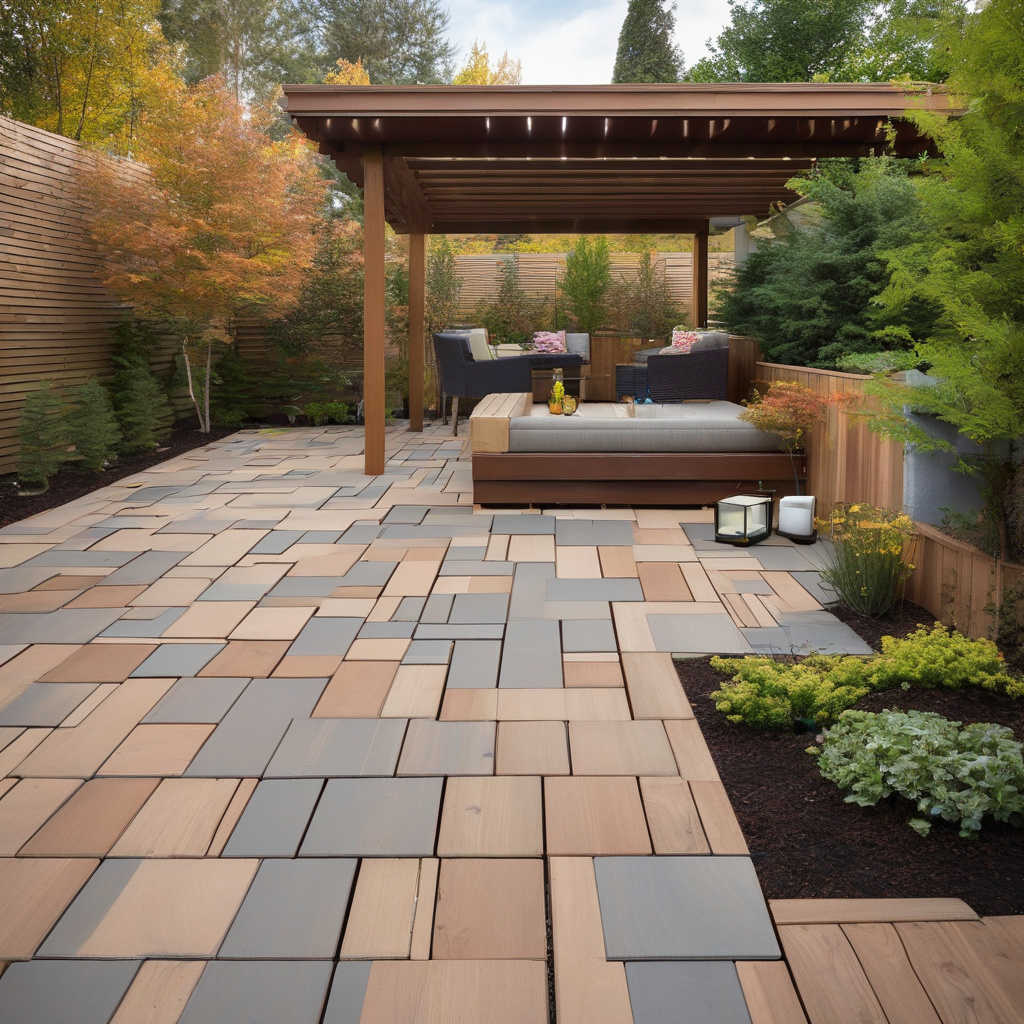
When it comes to making the most of your outdoor space in Los Angeles, enhancing your small patio can be as transformative as it is daunting. But extending a patio doesn’t always mean starting from scratch. Homeowners across Southern California are discovering savvy ways to expand their patios using modular pavers, overlay systems, and strategic edge expansions. Such methods allow you to increase your usable outdoor space without the lengthy timelines and steep costs associated with a full rebuild.
Brief summary: Explore efficient ways to extend a small patio using modular pavers and overlay systems, providing cost-effective solutions for Los Angeles homeowners. Discover industry insights and practical strategies for maximizing space without a full reconstruction.
Understanding Your Current Space
The first step in extending your patio is understanding and evaluating the current layout’s potential. Los Angeles homes often have patios that are not only compact but intricately linked to various architectural styles. By assessing your space, you can identify areas suitable for expansion, whether it’s the unused edge or a section currently hindered by poor design. Homeowners need to consider which parts of their patios see the most activity and plan around this functional nucleus.
“Homeowners often overlook the simple solutions staring them in the face,” notes a local architect. “By expanding along the patio’s edges or into underutilized garden spaces, they can achieve a comfortable footprint expansion without extensive construction.” These non-intrusive expansions mean you can create more room for social gatherings or relaxing alcoves with less disruption and expense.
As you consider these transformations, it’s essential to bring together both aesthetic and functional goals. Harmonizing the extension with existing outdoor elements, like garden beds or architectural features, can dramatically amplify the overall visual and practical appeal. For further context on patio possibilities, you can explore experiences shared by others in the area on California renovation insights.
Ultimately, by focusing on these areas, you’re able to enrich your living space organically, adopting an extension plan that respects your existing setup and meets your needs without overextending your budget.
Planning Your Expansion
Once you have analyzed your existing space, planning the expansion with purpose is vital. As many local homeowners confirm, the key lies not only in ‘how’ but ‘where’ to expand. You might want to create a seamless transition from your indoor to outdoor living areas, a process known as indoor-outdoor alignment. This approach is not just stylish but functional, drawing from trends that hinge on integrating natural and built environments.
In terms of practical planning, defining clear zones within your expanded patio space can enhance both aesthetic appeal and functionality. Segmenting areas for dining, lounging, and even outdoor cooking can greatly improve utility without needing additional square footage. From portable fire pits to smart lighting solutions, the modern patio is all about maximizing minimal spaces.
Besides layout optimization, consider how the extension will interact with existing pathways, doorways, and garden features. Achieving cohesive results hinges on these design decisions. They influence not only aesthetic flow but also practical usability and comfort. To explore more on seamless design transitions, visit this comprehensive guide on creating transitions between indoors and outdoors.
Successful planning lays the foundation for an expansion that’s not only efficient but also delightfully unexpected in its execution and effect.
Choosing the Right Materials
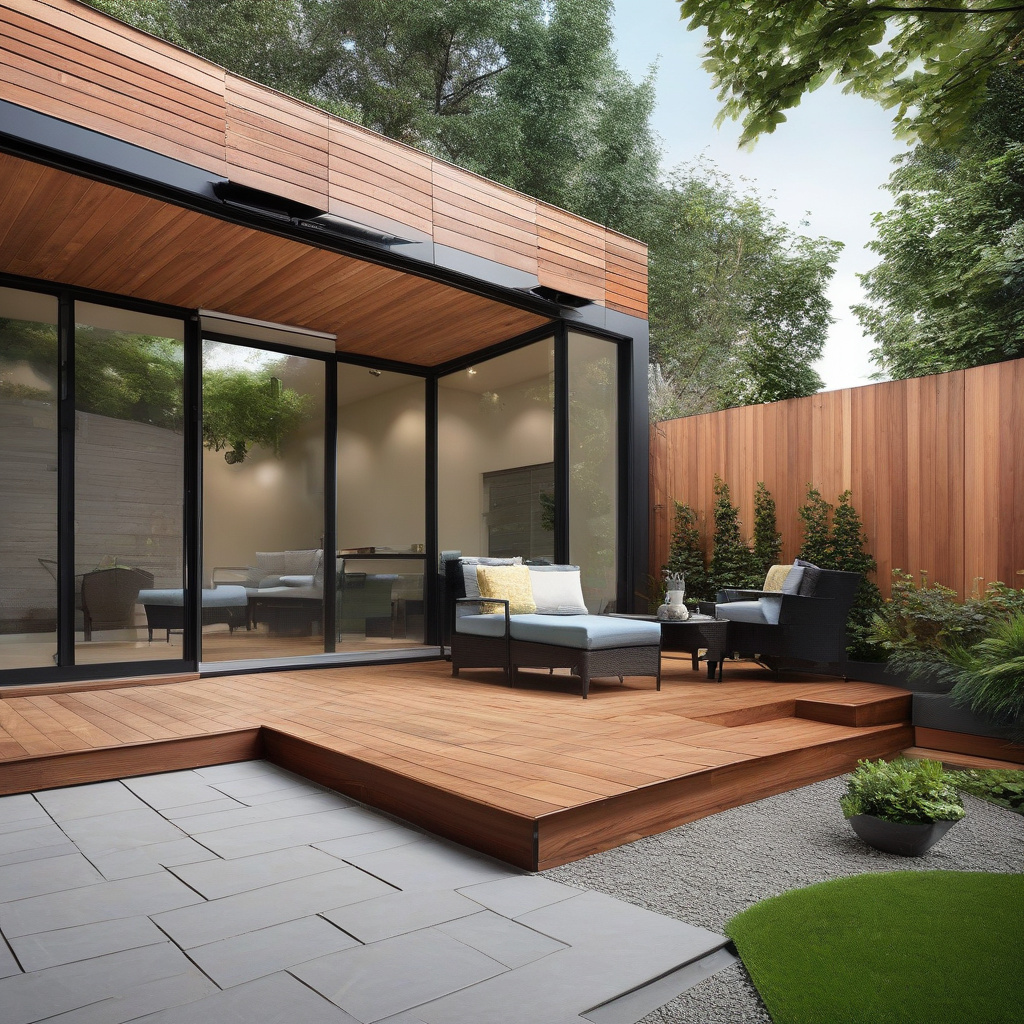
When it’s time to select the materials for your patio extension, look for options that complement your home’s design while staying flexible and cost-efficient. Modular pavers have emerged as a favorite among LA homeowners due to their adaptability and ease of installation. These pavers, available in a variety of styles and textures, allow for creative patterns and expansions that echo mid-century modern influences while also being budget-friendly.
An insightful observation from a Southern California contractor highlights that “opt for materials that are resilient enough to withstand the region’s weather while maintaining aesthetic integrity.” The shift towards mid-century designs reflects a larger architectural trend—prioritizing longevity and style harmony. For a more detailed look at how these materials play into modern design themes, check out this article on soldifying your patio with timeless materials.
Additionally, choosing materials that are eco-friendly can offer an added benefit—combining sustainability with an aesthetically pleasing finish. Products sourced locally not only reduce the environmental impact but often better match the regional architectural vibe.
Ultimately, the choice of materials must balance between aesthetic preferences, climatic considerations, and, importantly, budget limitations.
Weighing Costs and Benefits
No venture is without its trade-offs. When extending your patio, it’s crucial to assess the costs versus the benefits. On one hand, you gain increased outdoor functionality, added property value, and potentially even structural updates that may reduce maintenance concerns down the line. On the other, there’s an initial investment to consider, alongside the commitments to upkeep and improvements that follow.
To help navigate these decisions, consider the comparison below, which outlines some potential cost factors:
| Option | Cost Range | Timeframe | Advantages | Disadvantages |
|---|---|---|---|---|
| Modular Pavers | $8–$25/sq ft | 1–2 weeks | Easy installation, versatile designs | Requires solid base prep |
| Overlay Systems | $10–$35/sq ft | 2–3 weeks | Retains existing base, less waste | May affect drainage |
Engaging neighbours or community groups in your plans can also be beneficial. They may have insights or experiences to share, which could provide valuable perspective and potentially useful resources. In the end, understanding what you gain ensures the value of those initial costs is maximized over time.
The Extension Process: Step by Step
Once all elements are in place, the next phase is actual execution. Here’s a step-by-step guide to ensure your patio extension proceeds smoothly:
1. Preparation and Assessment
Use preparation time to finalize your design plan. This includes setting a budget, choosing your preferred materials, and potentially consulting with a landscape architect or similar professional. Engage suppliers early to understand shipping timelines and material availability.
2. Construction and Installation
Begin with any necessary site cleanup. Remove obstructions, plan drainage, and prep surfaces according to the material requirements. Install base layers meticulously, ensuring stability, before positioning your chosen modular systems. This stage usually sees the most dramatic transformation.
3. Finishing Touches and Details
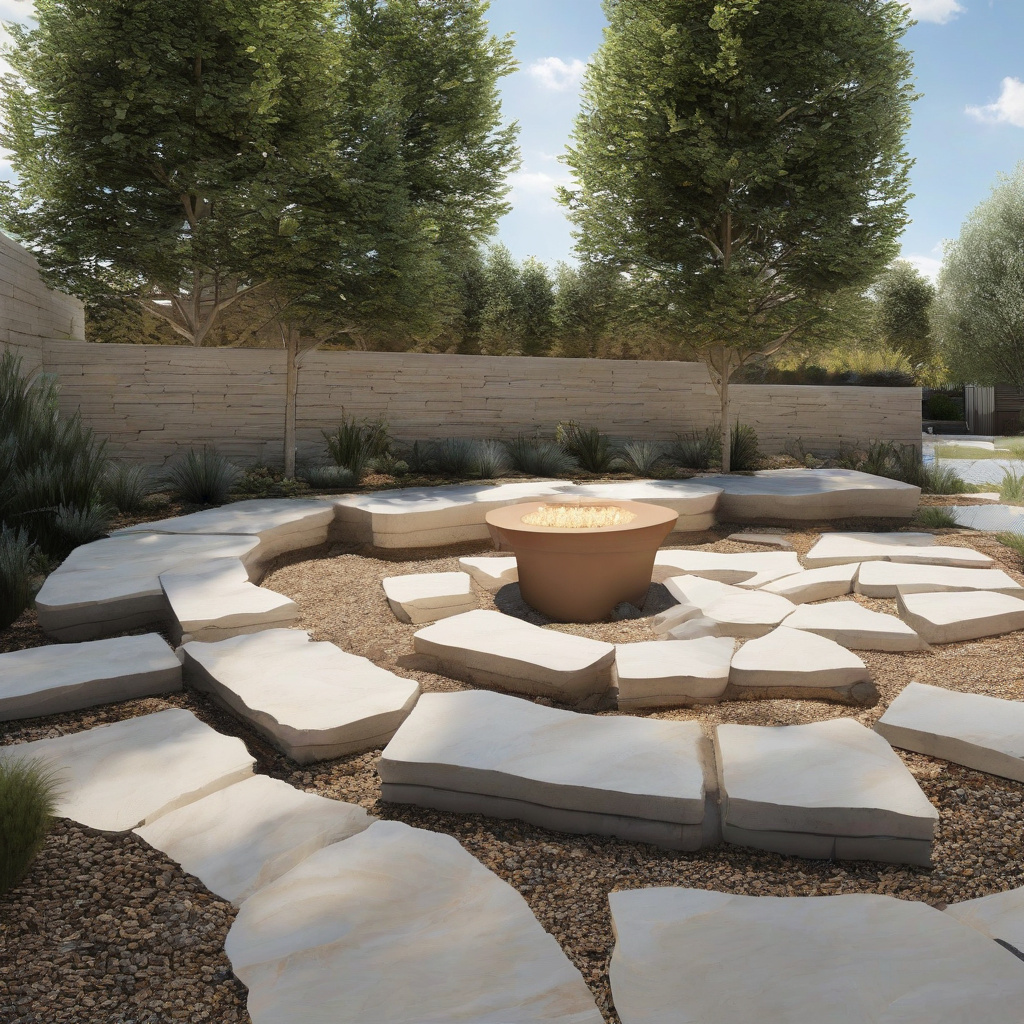
Your project now moves into its final details: sealing surfaces, adding decorative elements, and arranging outdoor furniture for your new patio layout. Consider durable, weather-resistant options to ensure longevity and ease of maintenance.
With each step, careful attention to detail ensures the quality and durability of your new space, reflecting both personal taste and the property’s broader style ethos.
Real-Life Success Stories
Theoretical considerations give way to practicality when we examine real-life case studies. Consider the story of a Westwood couple who expanded a cramped patio into a functional haven for relaxed Sundays and small gatherings. Choosing a blend of modular concrete and eco-friendly composites, they tripled their patio size with an understanding that less is often more.
The couple’s goal was not excessive grandeur but capturing perfect simplicity and utility. Their plan incorporated elements from their garden into the patio’s periphery, seamlessly blending old with new. Their story exemplifies the possibilities inherent in creative thinking and sound planning.
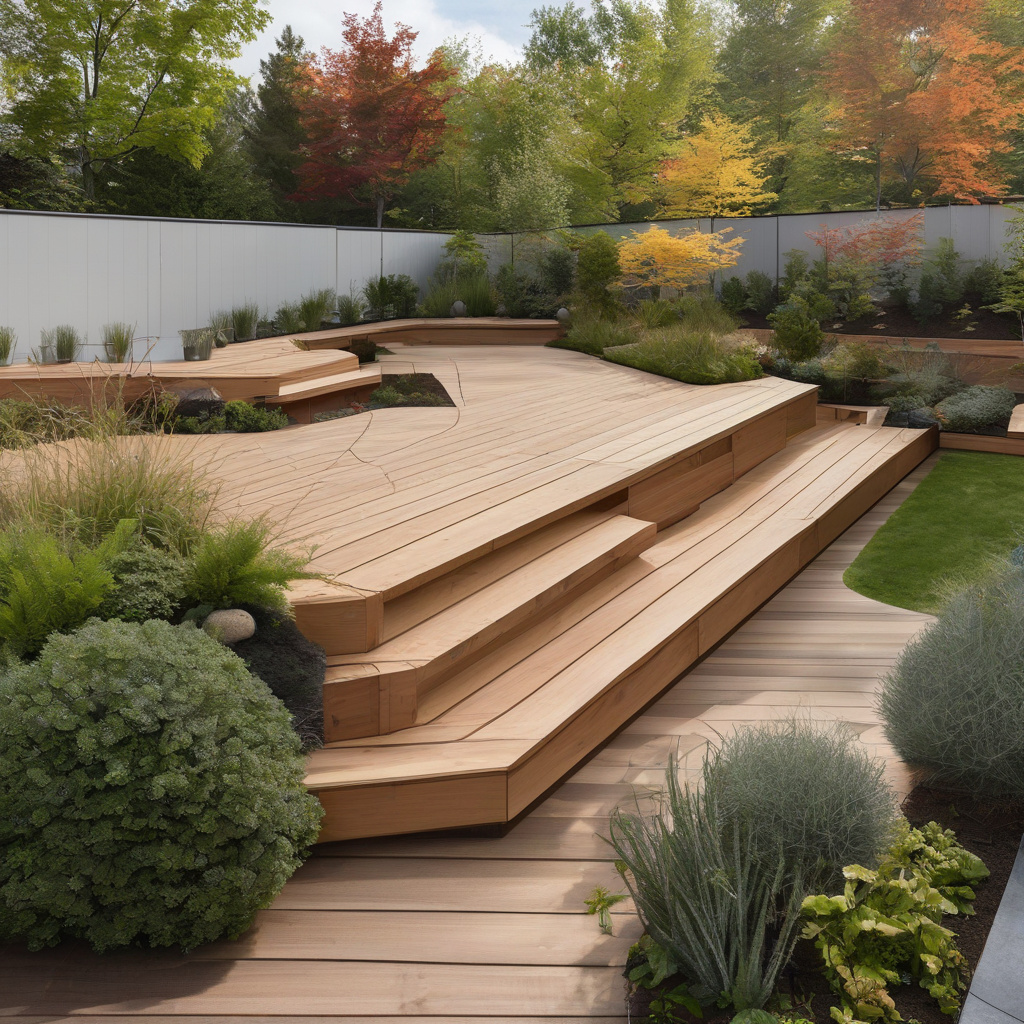
Another notable transformation occurred in a historic Pasadena home. The homeowners opted for natural stone overlays matching their existing garden path—an effort to maintain architectural continuity within their property’s heritage landscape.
Research indicates that homes with well-planned outdoor areas can see an increase in property value of up to 20%.
The lesson here is clear: endeavoring to extend your patio is as much about preserving charm as it is about increasing square footage.
Navigating Budget Constraints
Even with clear goals and motivation, budgetary constraints remain an ever-present consideration. But a manageable budget doesn’t have to become a significant hurdle. Often, the solution lies in creative planning and staged implementation.
Many homes in Los Angeles have embraced cost-effective modular systems for immediate improvements while laying long-term plans for additional features as budgets permit. This incremental approach enables homeowners to realize their expansion dream over time, while avoiding the financial strain of a one-off investment.
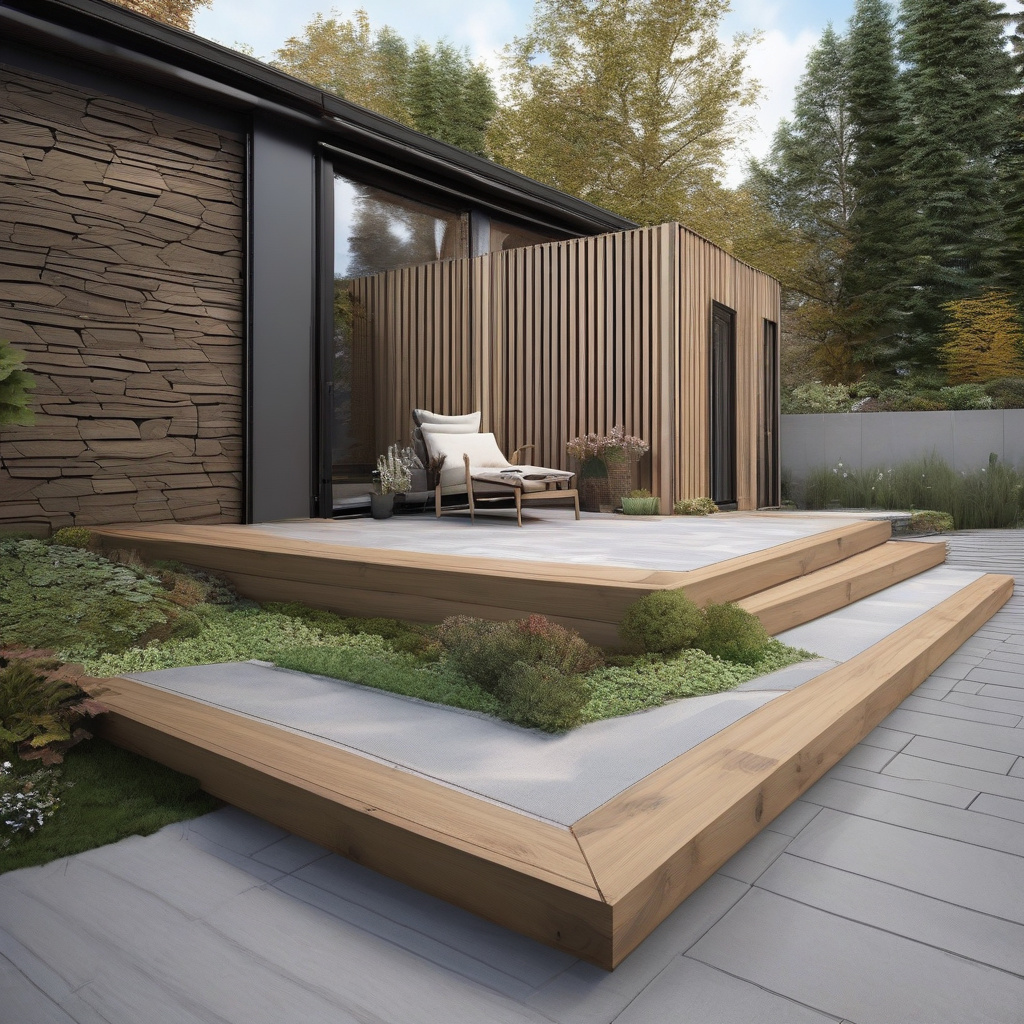
For those willing to invest time as much as money, there’s potential to uncover valuable cost savings along the way. Sharing tips with neighbors or participating in community co-op buys can lead to collective savings, reducing both individual costs and environmental footprints.
For inspired solutions to managing budget-friendly patio transformations, explore additional insights on budgeting for success with this thorough rundown at a guide to executing affordable upgrades.
- Explore modular pavers and overlays for a cost-effective patio extension.
- Understand the importance of planning and material selection in achieving seamless transitions.
- Discover how real-life stories of renovation success can guide your own project.
- Consider budget-friendly strategies for phased implementation of your patio expansion.
- Embrace creative, community-focused solutions to enhance smart home upgrades.
FAQ
What is the primary method to extend a small patio without a full rebuild?
In real-world home renovation projects, modular pavers often come to the rescue when homeowners look to extend a patio efficiently. These pre-cast concrete forms can be arranged in myriad patterns over existing surfaces, offering both affordability and aesthetic flexibility. This method negates the need for heavy demolition, which is often laborious and costly. Homeowners can achieve a semblance of new construction without the exhaustive effort involved in complete patio rebuilding. It’s a testament to smart, resourceful planning and provides the freedom to redesign as needs evolve.
How do overlay systems function in patio expansion?
Overlay systems work by adding a new layer over an existing patio surface. In practice, construction teams apply a durable, weather-resistant material designed to bond with the pre-existing structure. This process rejuvenates the old surface without the expense of total teardown. It’s common in older properties where the fundamental structure remains robust. An overlooked detail: ensuring the old surface’s stability before overlay application is crucial. These systems sometimes incorporate decorative elements to mimic stone or brick, adding both function and visual appeal, which can be a game-changer for aesthetic updates.
When does extending a patio make the most sense financially?
Financially, extending a patio becomes a smart decision when the existing structure is solid but limited in space. In real renovation scenarios, many suburban California homeowners find themselves needing more outdoor living space without the burden of a full-scale project cost. Extending the patio using cost-effective methods like pavers or overlays allows for maximizing existing investments. However, it’s essential to compare the cost per square foot of extension to the potential increase in property value or lifestyle benefits. When subtlety tweaking existing spaces rather than undertaking major upheavals, the homeowner often finds an impressive return on investment.
What are typical mistakes homeowners make when extending a patio?
Inexperienced homeowners frequently stumble at the planning phase, underestimating the impact of drainage on overall stability. In California’s mixed climates, overlooking proper drainage solutions can lead to erosion issues post-extension. Another common blunder is mismatched materials, where the new extension clashes with the original patio’s aesthetics or durability. To prevent these, professionals recommend thorough site assessments focusing on foundational integrity and material compatibility. This foresight in the planning process saves both money and headaches down the road, ensuring the dream of an enhanced outdoor space doesn’t become a renovation nightmare.
What cost considerations should be kept in mind when adding a patio extension?
Cost factors revolve primarily around the choice of materials and labor demands. Modular pavers can be an economical choice but vary significantly in cost depending on style and quality. Overlay systems might initially appear more affordable yet can incur additional costs due to preparatory work. Homeowners should assess their budget against the lifespan improvements these options offer. Many experts point out that savings achieved by avoiding a full rebuild should be balanced with potential long-term maintenance. Clear budget planning, taking into account both immediate expenses and future improvements, is essential to making informed financial decisions in patio expansion projects.
What are the pros and cons of modular pavers in patio expansions?
Modular pavers are lauded for their versatility and aesthetic variety, offering a significant advantage by accommodating a range of design tastes without high costs. Installation requires less heavy equipment, making the process simpler for DIY enthusiasts. Yet, the downside becomes apparent in certain climates where freeze-thaw cycles pose a risk of shifting or cracking. Some homeowners also express frustration over weed growth between pavers if not sealed properly. Despite these concerns, the balance of ease and flexibility often sways the decision towards paver solutions, especially for those seeking to add personal touches without extensive rebuilding.
How should existing issues like cracks or uneven surfaces be addressed before patio extension?
Addressing foundational issues such as cracks depends greatly on their cause. Experts generally advise a thorough inspection to determine whether damage stems from minor settling or severe structural concerns. Small cracks can often be managed with filler compounds coupled with a solid overlay system, while extensive damage might necessitate section repairs ahead of any extension work. Ignoring these signs may lead to compounded problems over time, negating the benefits of the patio extension. For those uncertain about how to proceed, it’s wise to consult with a structural specialist for personalized guidance.
What maintenance considerations are there for extended patios using modular methods?
With any patio expansion, maintaining the new surface demands regular attention to prevent deterioration. Homeowners should consider sealing joints of modular pavers to combat weed growth and enhance durability against the elements, particularly in seasons of heavy rain. Ensuring proper drainage surrounding the extension also minimizes water damage risks. In older properties, ongoing maintenance may include periodic leveling of pavers to avoid uneven wear. Realistically, addressing these areas can extend the life of your patio significantly, transforming it from a seasonal use area into a sustainable asset within a homeowner’s living space.