In the vibrant cityscape of Los Angeles, renovation dreams often take shape, literally. From the skyscrapers that touch the sky to quaint bungalows rooted in history, the choice of building material can make or break a project. Enter OSB (Oriented Strand Board) sheets. Whether revamping a suburban oasis or constructing a chic downtown loft, understanding the intricacies of OSB sheets is pivotal.
Brief summary: Discover how OSB sheet sizes and properties influence building choices for renovation projects. Equip yourself with the knowledge to choose the right materials, ensuring your project not only meets but surpasses expectations.
What You Should Know About OSB Sheet Sizes
To the untrained eye, a sheet of OSB might seem as mundane as a canvas without paint. However, professionals recognize its potential in providing a sturdy foundation. Typically, these sheets are available in sizes ranging from 4×8 feet up to 4×10 feet, each serving a unique purpose. Understanding the size can significantly impact structural integrity and material wastage.
Los Angeles, with its seismic challenges, requires a careful selection of sheet sizes that balance flexibility and strength. As buildings sway in response to the earth’s shifting below, the right OSB size ensures a dance rather than a disaster. This planning is akin to crafting a custom-tailored suit; every inch counts.
Moreover, larger sheets may minimize joints, an enticing advantage for both builders and environmentalists. Fewer joints mean fewer opportunities for drafts, water seepage, and heat loss — a petite conservation step with a giant impact.
Ultimately, the selection hinges on the end goal. For sprawling open-concept renovations, larger sheets offer seamless vastness. Conversely, smaller projects might favor the maneuverability that compact sheets afford.
Properties That Make OSB a Top Choice
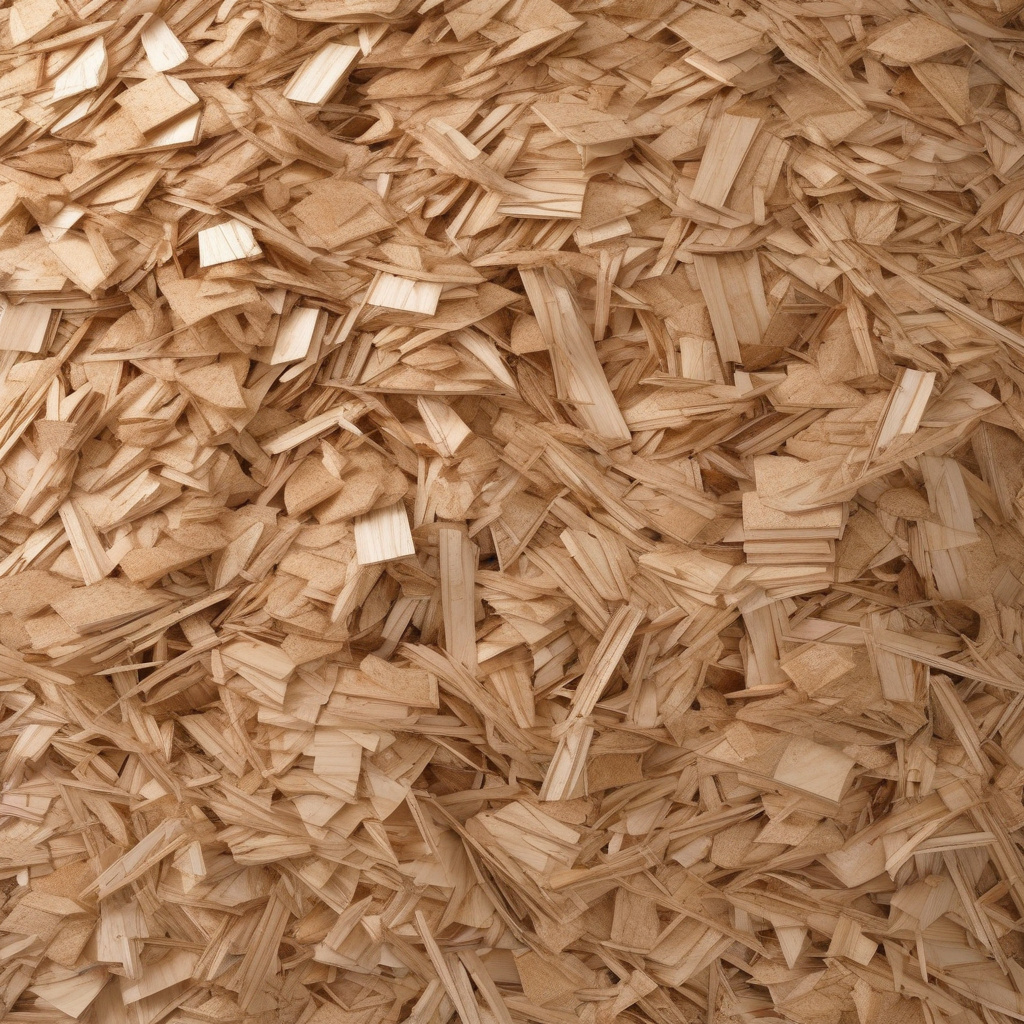
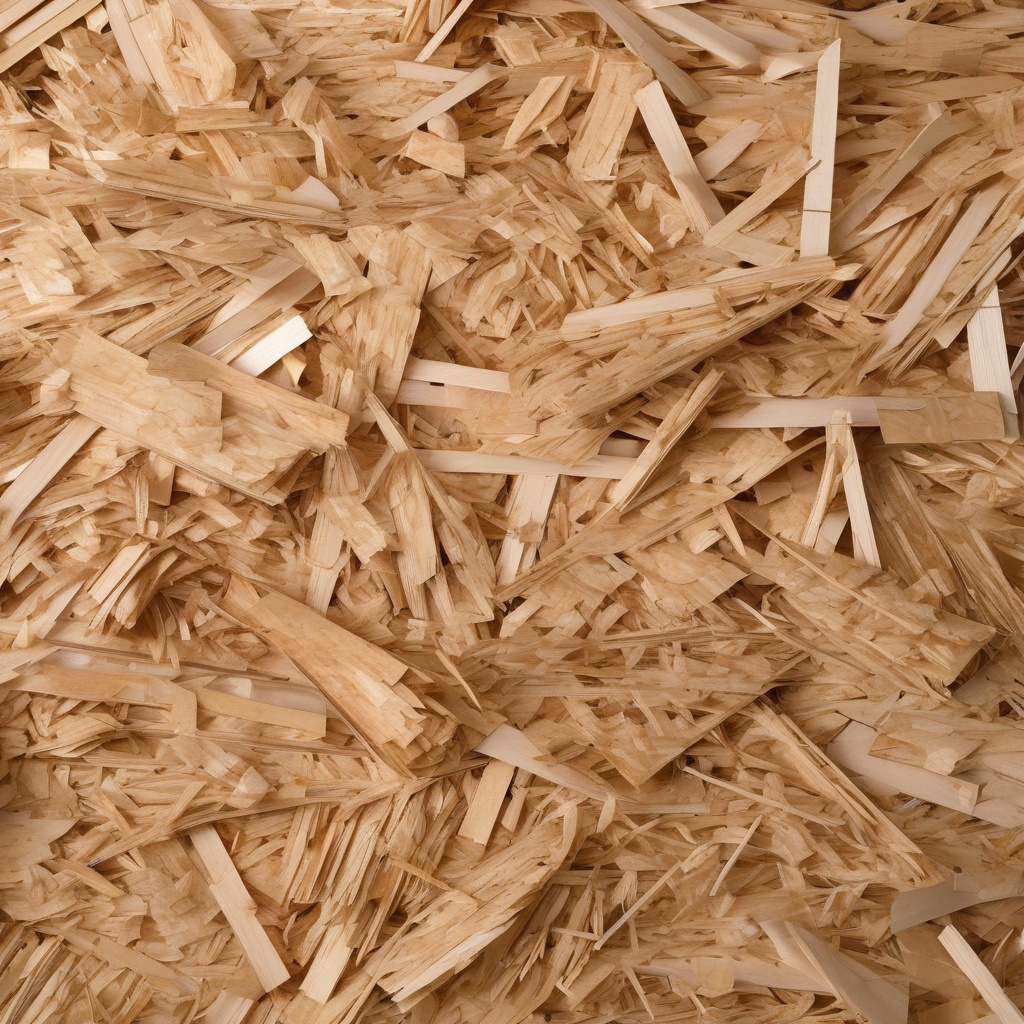
In today’s construction market, OSB isn’t just any board; it is a technological marvel that combines utility and sustainability. Engineered by compressing layers of wood strands, OSB sheets achieve a robust yet flexible nature conducive to myriad building techniques.
This resilience against bending forces gives OSB a unique position in the building hierarchy, especially in Californian climates. The board’s resistance to shear forces makes it ideal for walls and floors in both new builds and renovation endeavors.
Environmental consciousness has also propelled OSB to the forefront. Its manufacture, which utilizes smaller, fast-growing trees, reflects sustainable practices aligning with green building certifications — a sweet spot for eco-friendly renovations.
Yet, despite its benefits, OSB can fall prey to the whims of water. Without proper treatment, its life under the duress of moisture is a cautionary tale. Thus, choosing a water-resistant variant is often non-negotiable, preserving the longevity of your architectural dreams.
How to Choose the Right OSB for Your Project
The journey to selecting the perfect OSB begins with identifying project specifics. Is it a coastal home, brimming with the salty breeze, or nestled in the smoggy embrace of an urban retreat? Match your OSB choice to these conditions for optimal performance.
Delving into the world of construction grades, one might compare OSB grades to the application of sunscreen. A higher SPF, or in OSB terms, a higher grade, protects more against the elements. Consider the climatic adversities your project will face and grade accordingly.
Further, integrating insulation is often the ace up an architect’s sleeve. The synergy between insulated panels and OSB offers thermal protection that’s hard to beat. If this piques your interest, explore how insulated facade panels intertwine with OSB for superior outcomes.
Location influences selection too. For an earthquake-prone area like Los Angeles, lateral support offered by specific boards might be crucial. Choose accordingly, ensuring that your abode stands sturdy against unpredictable forces.
Comparing OSB to Plywood: A Closer Look
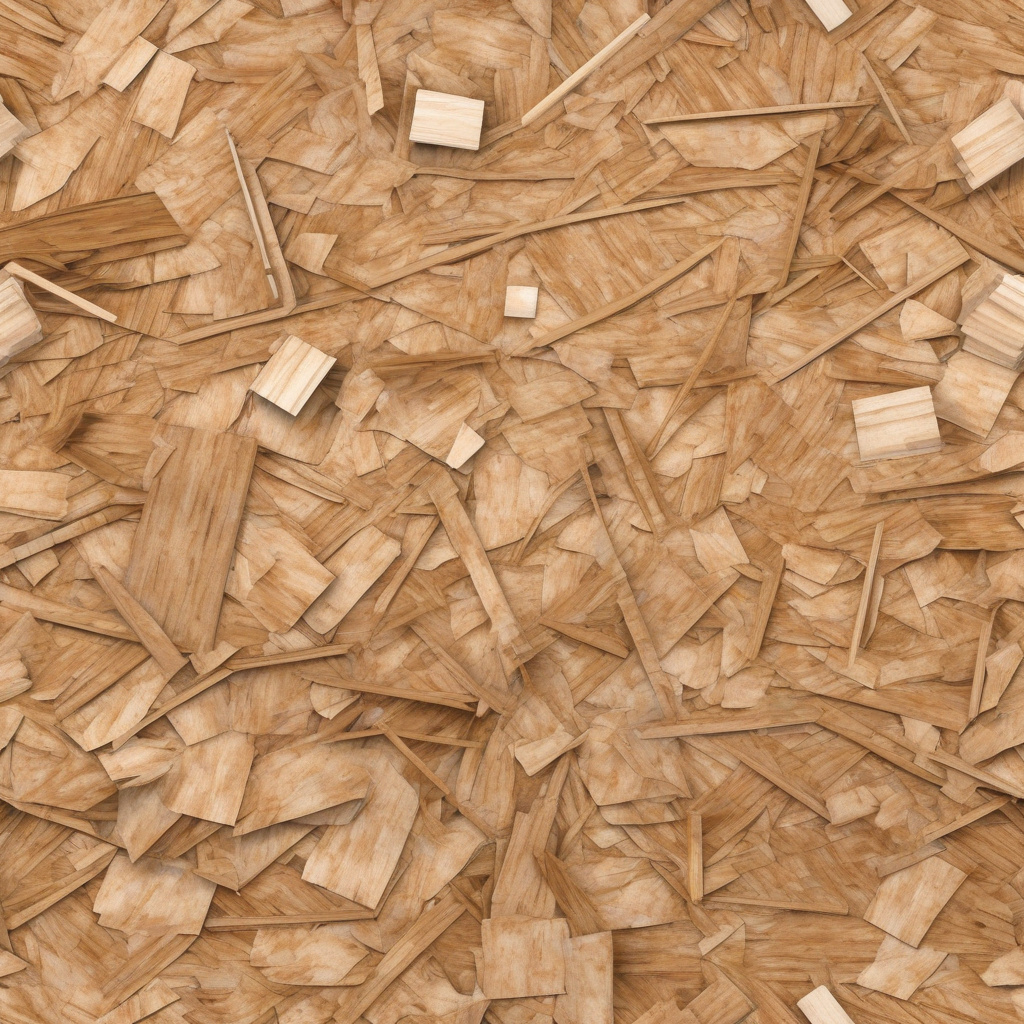
Battle lines in building materials are drawn sharply between OSB and plywood. Both competitors vying for the same spotlight, but each has its distinct flair. Plywood, like a vintage actor, holds a longstanding reputation, while OSB, the daring newcomer, offers innovation.
Price is often the first comparison, with OSB usually emerging as the more budget-friendly choice. However, cost should never overshadow functionality and appropriate application. An adept renovator weighs these aspects before making a critical decision.
The battle extends to performance under pressure. While plywood claims superiority in moisture resistance, OSB’s engineered nature allows it to outshine in structural projects, particularly when fortified against moisture.
Despite seeming parallels, they serve different design intentions. Plywood’s aesthetic might align with walls exposed for style, whereas OSB thrives where appearance takes a backseat to strength.
| Material | Advantages | Disadvantages |
|---|---|---|
| OSB | Cost-effective, Sustainable | Sensitive to moisture |
| Plywood | Great moisture resistance, Durable | More expensive, Heavier |
When It Makes Sense to Use OSB
Deciding when to use OSB becomes a matter of context and necessity. Consider a sprawling ranch home outside Los Angeles, where aesthetics and budget command equal attention. Here, OSB provides an economic yet sturdy solution for structural applications like flooring or load-bearing walls.
Another instance may involve tackling a refresh of a commercial space downtown. OSB’s strength shines when floors are ripped up and tediously reconstructed, prepared to endure heavy traffic.
The advent of smaller structures like backyard ADUs has also brought OSB into the limelight. In such cases, its lightweight and cost efficiency allow for swift, budget-friendly constructions that leverage every dollar spent.
Ultimately, employing OSB is substantiated when the emphasis is on structural integrity combined with financial prudence. Not all projects demand costly solutions, and in those spaces, OSB steps in as the unsung hero of renovation.
According to an industry insider, “When a budget-conscious approach is essential, OSB’s affordability combined with its reliable strength makes it an irresistible choice for many renovation projects across California.”
A How-To Guide for Incorporating OSB in Your Build
While choosing the right material is significant, its correct application is critical. Here’s a mini step-by-step guide to effectively incorporating OSB into your build:
- Evaluate Needs: Analyze the specifications of your project to determine where OSB’s structural attributes fit best.
- Select Size and Grade: Choose appropriate OSB sizes and grades according to the project scope and environmental conditions.
- Prepare Surface: Ensure the installation surface is clean, dry, and free from obstructions for optimal adhesion and stability.
- Install: Use high-quality, water-resistant adhesive and secure fasteners for long-lasting placement.
- Seal and Protect: Apply a protective sealant to defend against moisture and enhance longevity.
Implementation of OSB is as much an art as it is a science. Proper execution ensures not only functionality but also the retention of quality over time.
Adapting Your Renovation Project for Best Results
As many local homeowners notice, evolving regulations and changing expectations mean renovation projects must adapt. For instance, amendments in building codes necessitate additional attention to detail when selecting materials like OSB.
Navigating these waters can be complex — akin to assembling a jigsaw with evolving pieces. Collaboration with professionals from leading Los Angeles paving companies can offer insights into smart designs that conform to urban requirements without sacrificing aesthetics.
A well-rounded project considers every facet, from safety considerations to the harmonious melding of facade aesthetics with interior functionality. Here, choosing to complement OSB with innovations like facade systems can differentiate a stand-alone project from a standout one.
When executed thoughtfully, an OSB-infused renovation becomes a testament to smart design, cost-awareness, and engineering prowess, defining the thin line between a house and a home.
“As architectural discourse shifts towards revitalization, judicious material selection becomes imperative, influencing the enjoyment and durability of our living environments,” notes an esteemed construction analyst.
- Comprehend the variety and dimensions available in OSB sheet sizes for better utilization.
- Consider local climate factors when choosing OSB to ensure durability and performance.
- Explore combining OSB with innovative systems to achieve remarkable results in renovations.
- Balance costs and structural benefits to tailor renovations to specific needs.
- Ensure your project is a harmonious blend of modern aesthetic and traditional resilience.
“`html
FAQ
What are the typical sizes of OSB sheets available for renovation projects?
When it comes to OSB (Oriented Strand Board) sheets, the most commonly available sizes are 4×8 feet, although you can often find 4×9, 4×10, and even larger dimensions like 5×9 or 8×24 feet. In practical applications, 4×8 is the go-to choice for most renovation projects due to its ease of transport and compatibility with standard framing in US homes. Occasionally, contractors might opt for larger panels to reduce the number of joints in flooring or roofing projects, thus enhancing structural integrity. Always ensure your project’s framing can support these dimensions before purchase.
How do OSB sheets compare to plywood in terms of durability and cost?
In real renovation projects, it often becomes clear that OSB and plywood serve unique purposes. OSB tends to be more cost-effective, which makes it popular for large-scale applications like subflooring and wall sheathing. However, it is generally more susceptible to water damage than plywood. Plywood is often favored in situations where moisture resistance is paramount, such as in bathroom settings. Many experts point out that while OSB’s surface is rougher and less aesthetically pleasing, it’s still quite robust structurally. The choice between them often boils down to budget constraints versus environmental conditions.
What factors should be considered when selecting the appropriate OSB for a home renovation?
Choosing the right OSB involves evaluating factors such as thickness, size, and intended use. Consider whether your project involves flooring, wall sheathing, or roofing. Thicker OSB provides better insulation and support but can be overkill for non-load-bearing walls. For example, in single-family homes with modern heating systems, thinner boards might suffice for wall sheathing. Additionally, ensure that the OSB’s exposure rating matches the moisture levels it’s likely to encounter. Homeowners frequently underestimate the importance of moisture resistance in regions like California. For tailored advice on specific projects, you may want to reach out to local renovation experts.
Can OSB be used for exterior applications?
Yes, OSB can be used for exterior applications, but the key lies in selecting the right type of OSB. Look for OSB sheets with a high exposure rating, like Exposure 1 or Exterior, which can withstand temporary moisture exposure. In Californian climates, where sporadic rains can be an issue, using a water-resistant barrier in conjunction with OSB can protect against water ingress. However, remember that prolonged exposure to the elements without adequate protection can compromise even these stronger OSB types. Typically, many contractors recommend applying a sealant or protective coating if the OSB will be openly exposed.
Are there common mistakes to avoid when using OSB in renovations?
A frequent mistake many DIY renovators make is underestimating the impact of moisture on OSB. Unlike plywood, OSB edges are more prone to swelling when exposed to water. It’s crucial to use a moisture barrier in wet areas. Another mistake is improper fastening—using the wrong type of screws or nails can lead to compromised structural integrity. In older properties undergoing renovation, ensuring all edges are adequately supported can prevent bowing or eventual sagging. Overloading OSB with weight beyond its structural capacity is another pitfall to avoid. Using OSB responsibly means respecting its limitations while leveraging its affordability and strength.
How does OSB contribute to sustainable building practices?
OSB is often lauded in sustainable building circles for its efficient use of raw materials. Composed of wood strands from fast-growing trees, OSB reduces waste compared to traditional plywood, which often requires large log cuttings. In newer builds with modern systems, OSB’s lifecycle impact is minimized further when locally sourced. Its eco-friendliness doesn’t stop there; many manufacturers adhere to stringent regulations to limit the formaldehyde content in the adhesives used, ensuring safer indoor air quality. Always verify that the OSB you choose is certified by a reputable environmental standard.
What are the pros and cons of using OSB over other similar materials?
One of the major advantages of OSB is its cost-effectiveness, making it a popular choice for large-scale projects requiring extensive coverage, such as in subflooring or wall sheathing. Its structural uniformity reduces natural defects found in other woods. On the downside, OSB tends to absorb more moisture, leading to swelling and reduced lifespan if not properly protected. Its rough surfaces are less aesthetically pleasing than those of its counterparts. For California homeowners dealing with varied climatic conditions, weighing these pros and cons in the context of specific project needs is essential. The key is to use OSB where its benefits outweigh the limitations while mitigating the risks through proper installation and maintenance.
How can you ensure a successful installation of OSB in a home renovation project?
Successful OSB installation hinges on careful preparation and methodology. Before anything else, acclimate OSB to the local humidity and temperature, reducing potential for expansion or contraction post-installation. During installation, ensure sheets are properly staggered, with gaps left for expansion, especially in humid climates. Use appropriate fasteners and adhere to recommended spacing guidelines to secure the boards firmly. Consider using a veneer or paint on exposed edges to guard against moisture. As a final step, regular inspections post-installation can help catch early signs of water exposure or other issues, maintaining the OSB’s integrity over time.
“`