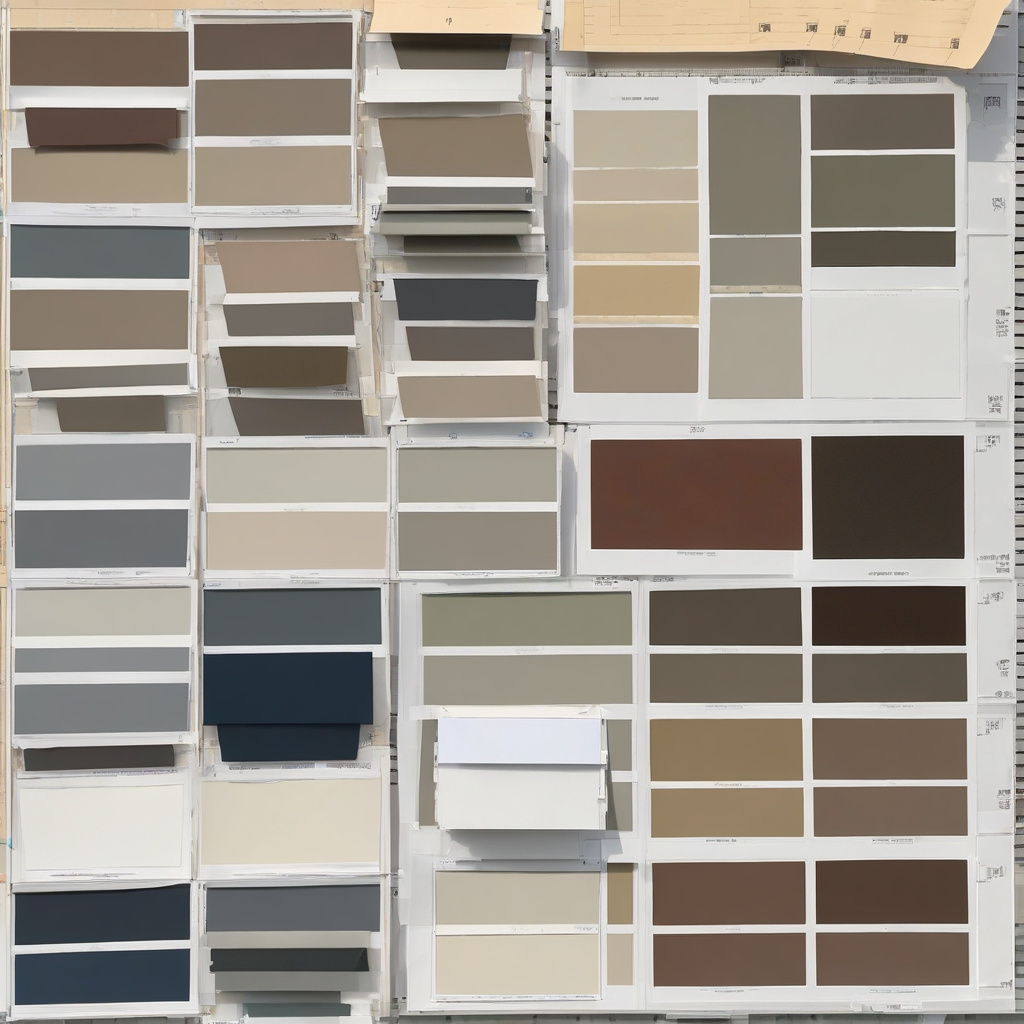
In the sprawling neighborhoods of Los Angeles, homeowners associations (HOAs) wield considerable influence over residential aesthetics. Among their numerous mandates, roofing rules stand out not only for their meticulous detail but also for their impact on the city’s signature skyline. These regulations dictate everything from color to material, ensuring that each roof harmonizes with its surroundings while simultaneously upholding neighborhood standards. This article explores the complexities of HOA roofing rules in LA’s communities, examining their role in local architecture and their implications for homeowners.
Brief summary: This article delves into the HOA regulations concerning roof color and material in Los Angeles communities. It highlights the significance of these rules in maintaining aesthetic coherence, discusses homeowners’ experiences, renovation trends, and provides practical guidance on navigating these requirements, including links to further resources.
Setting the Stage: Aesthetic Uniformity in Los Angeles
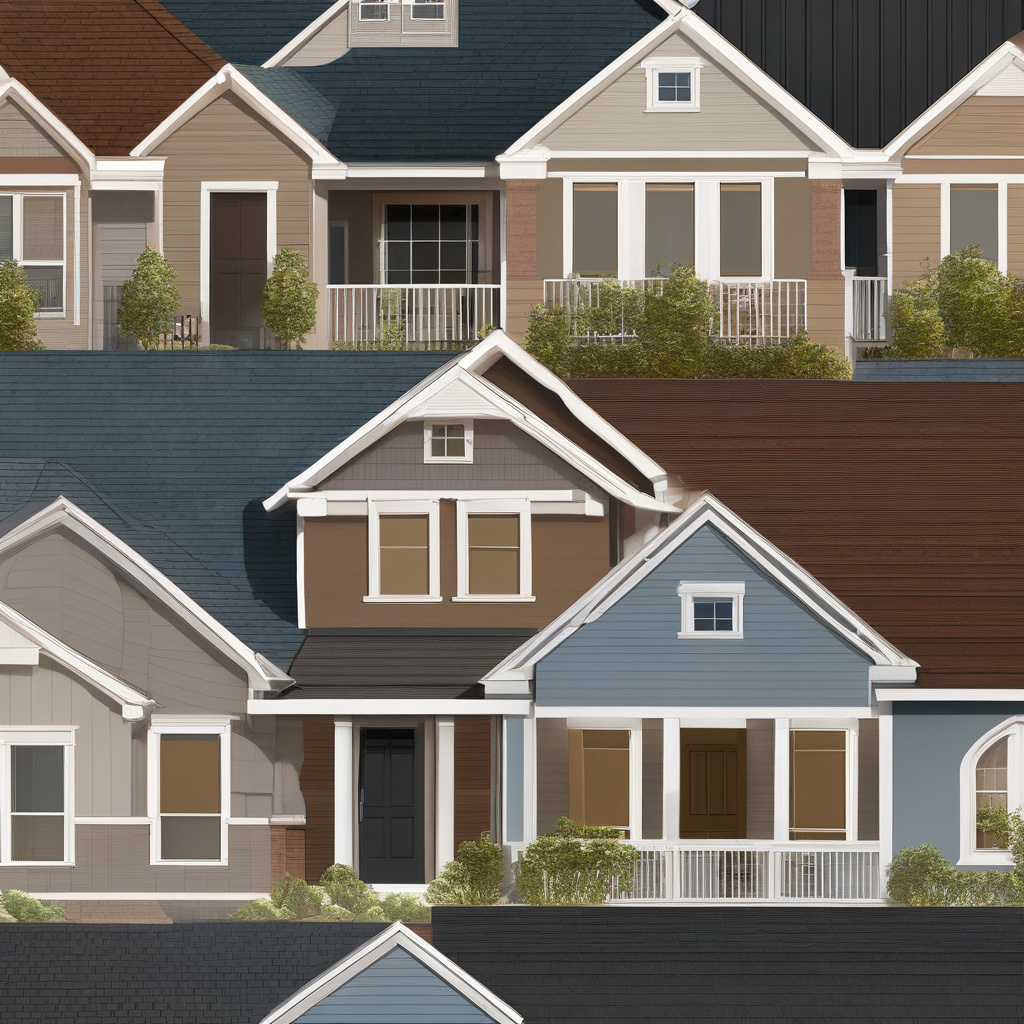
Los Angeles, with its unique architectural tapestry, is a city where tradition and innovation coexist. The climate influences design choices, and homeowners must navigate a myriad of HOA rules to maintain aesthetic balance. These regulations are not merely bureaucratic hurdles; they are foundational to neighborhood cohesion. Emphasizing colors that resonate with the Californian palette, these rules ensure that homes blend seamlessly into their environment.
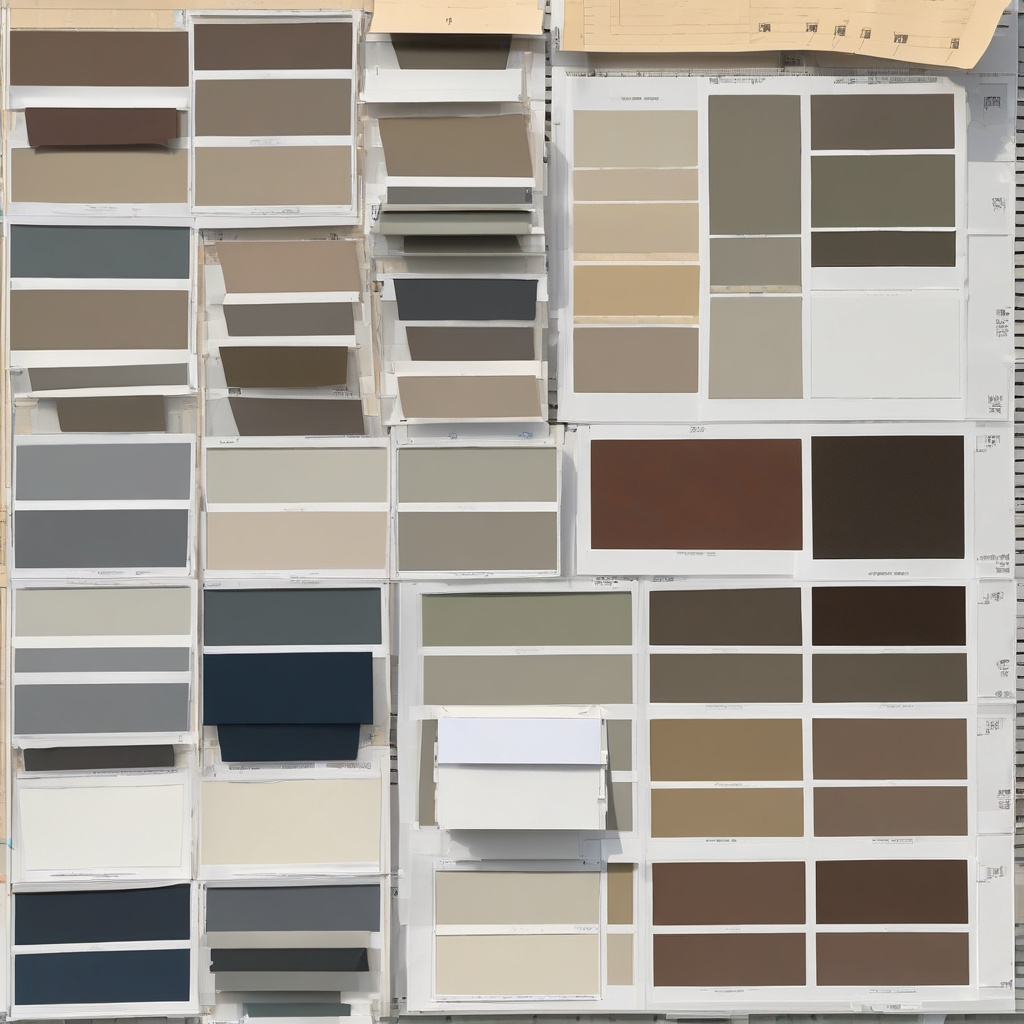
HOAs specify approved materials and color schemes, aiming to stave off idiosyncratic choices that could disrupt visual harmony. As roof design experts suggest, these stipulations enhance community identity, connecting individual properties to a collective aesthetic narrative. This interconnectedness is evident in the prevalence of earthy tones and natural materials, reflecting the local landscape.
Interestingly, while some may view these rules as restrictive, many residents appreciate the ensuing uniformity. Such continuity fosters a sense of belonging that transcends mere property ownership, contributing to the community’s overarching character. Homeowners, therefore, play a vital role in preserving this balance by adhering to guidelines designed to protect and honor the shared aesthetic.
The rules not only encapsulate color and material, but extend to profiles and slopes, dictating the physical contour of roofs. In doing so, they safeguard against architectural discord, ensuring that no singular design eclipses the harmonious whole. For residents, this can be both a blessing and a bureaucratic challenge.
Unpacking the Rules: From Color Codes to Material Mandates
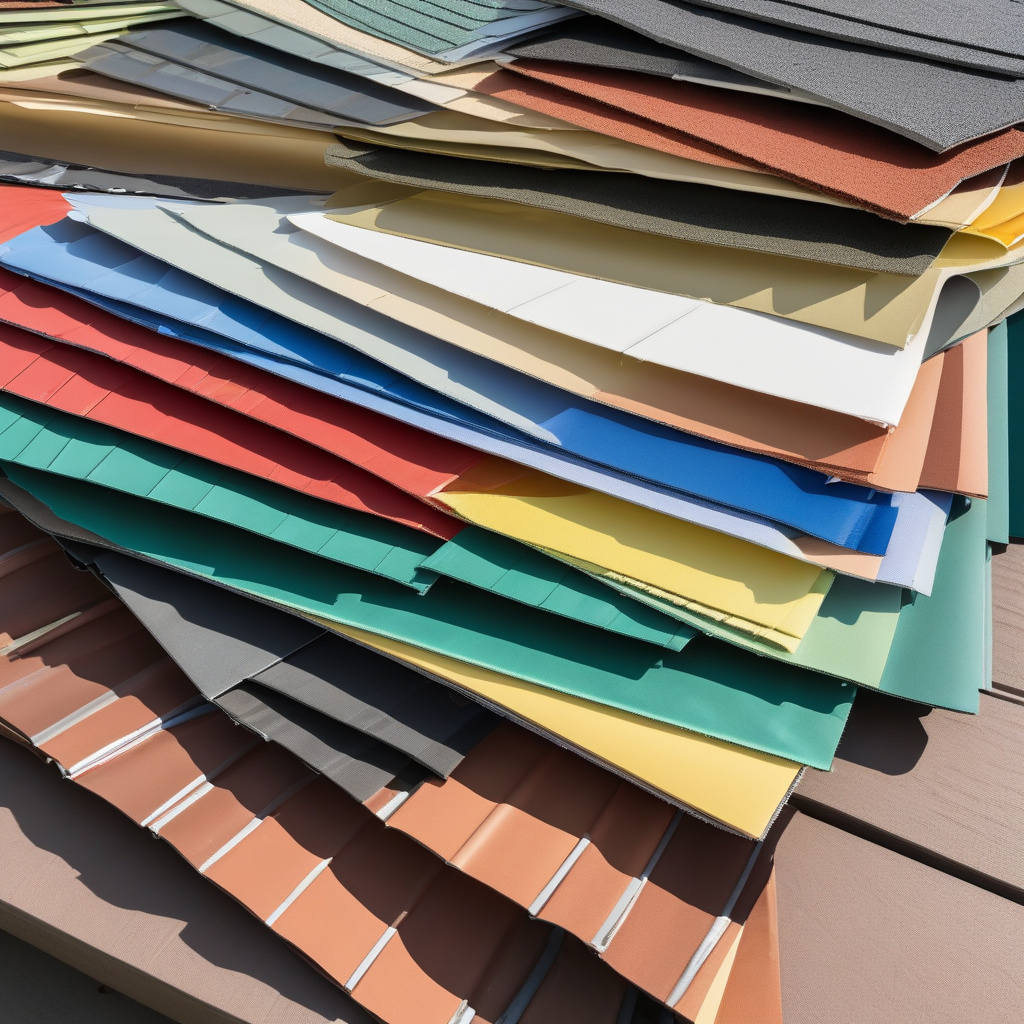
HOA roofing regulations in Los Angeles account for local climatic conditions, safety standards, and aesthetic values. The choice of materials is particularly critical, with associations prescribing options that withstand diverse weather patterns while promoting sustainable living. By ensuring that roofs complement their surroundings, these rules underscore the importance of cohesion in preserving neighborhood ambiance.
Many homeowners find themselves navigating these intricate rules when considering roof repairs or upgrades. As experts in LA roof maintenance explain, adherence to these guidelines not only involves selecting compliant materials and colors but also understanding the process of garnering approval from the relevant committees. This navigation can be seen as part art, part science.
Crucially, materials must not only meet aesthetic criteria but also pass safety evaluations. In an era where sustainability reigns supreme, eco-friendly options such as solar panels and white roofs are becoming increasingly popular. These not only reduce energy costs but provide a modern edge while conforming to the regulated palette.
Additionally, from terracotta tiles reminiscent of Southern European charm to composite shingles designed to mimic natural materials, the choices are vast yet strategically curated. It is this blend of tradition and innovation that characterizes LA’s roofing landscape, demonstrating that constraints can, surprisingly, breed creativity.
An industry report states that “65% of homeowners in HOAs believe that aesthetic rules enhance property value and community appeal.”
The Financial Landscape: Balancing Costs with Compliance
Home renovation and roof upgrades, particularly in a city as dynamic as Los Angeles, weigh heavily on the homeowner’s wallet. While the aesthetic and environmental benefits of a compliant roof are clear, they must be balanced against financial realities. For many, cost is a determinant factor that dictates not only design but also timing.
The journey from selecting a design to its final implementation involves numerous steps, each with its associated expenses. From initial consultations and committee approvals to materials and labor, these stages can be both time-consuming and costly. For those considering upgrades, exploring the influence of roofing on home valuation can prove insightful, highlighting potential returns on this significant investment.
In attempting to negotiate these financial demands, homeowners often seek advice from experts or compare quotes to find the most efficient path forward. An informed approach, taking into account available resources and potential outcomes, ensures that renovations align with both personal goals and community standards.
Yet, for those willing to innovate within the constraints, the rewards can be immense. A well-executed roof upgrade not only enhances curb appeal but also contributes to the long-term appreciation of the property’s value. The return on investment underscores the importance of meticulous planning and informed decision-making.
Renovation specialists emphasize that “strategic upgrades can enhance property value by up to 20% in demand-driven markets like LA.”
Comparing Options: Finding the Perfect Roof
When evaluating roofing options, the choices can be as varied as they are vast. This decision-making process requires a harmonious balance between aesthetic goals, functional demands, and, of course, budget considerations. But where does one begin? Here is a comparative table that outlines some common options available for homeowners:
| Material | Cost (per sq ft) | Lifespan (years) | Pros | Cons |
|---|---|---|---|---|
| Asphalt Shingles | $3 – $5 | 15 – 20 | Affordable, versatile | Relatively short lifespan |
| Metal | $5 – $12 | 40 – 70 | Durable, energy-efficient | Higher initial cost |
| Tile | $8 – $25 | 50+ | Aesthetic, long-lasting | Heavy, requires strong structure |
Making an informed choice can often be the difference between a short-lived fix and a long-term investment. By weighing the pros and cons of each option, discerning homeowners can find a balance that suits their needs and complies with HOA stipulations.
As homeowners explore various roof installation options, understanding these nuances can streamline the decision-making process, guiding them towards a solution that merges personal preference with regulatory compliance.
Benefits and Challenges: Weighing The Risks and Rewards
While HOA rules regarding roofing can seem restrictive, they present both opportunities and challenges that homeowners must navigate. At their core, these mandates preserve neighborhood aesthetics, promote safety, and support environmental efforts. However, observing them requires diligence and an understanding of broader community goals.
One of the primary benefits of adherence is the preservation of property value. When aesthetic cohesion is maintained, the allure of a neighborhood strengthens, attracting potential buyers and increasing demand. Moreover, eco-friendly roofing materials can lead to significant energy savings, aligning economic incentives with environmental stewardship.
Nevertheless, meeting these exacting standards often involves higher initial costs and administrative hurdles. Securing approvals can delay renovations and test the resolve of those looking to modernize their homes. Yet, the anecdotal experiences of many Los Angeles residents reveal the perseverance required to successfully blend innovation with regulation.
Understanding the delicate dance between compliance and creativity enables homeowners to address challenges while reaping aesthetic and financial rewards. As each roof tells its own story, it is ultimately part of a narrative much larger than itself.
According to a construction study, “82% of compliant homeowners feel a greater sense of community and pride in collective aesthetics even amidst the challenges.”
Practical Guidance: Navigating HOA Roofing Rules
Successfully undertaking a roof renovation project amidst stringent HOA rules can be a daunting endeavor. However, a step-by-step approach can make the process more approachable and more likely to result in a favorable outcome.
Understanding Your Needs
The first step towards a successful roof project is understanding specific homeowner needs. This includes considering current roof conditions, desired materials, and potential budget constraints. Conducting thorough research on approved options and leveraging community resources can clarify this starting point.
Submitting Plans and Seeking Approvals
Submitting plans for committee review is often necessary before proceeding with renovations. These submissions must demonstrate compliance with aesthetic guidelines and typically include detailed proposals outlining materials, colors, and designs. Patience and persistence during this phase can streamline the path to a successful project.
Implementation and Review
Once approval is granted, the focus shifts to implementation. Selecting a reputable contractor familiar with HOA requirements ensures the realization of the envisioned design. Alongside construction, regular communication with the HOA can preempt any compliance issues that might arise during the renovation.
As the project concludes, a final review by the HOA may be necessary to confirm that upgrades meet the stipulated criteria. By aligning strategic planning with practical creativity, homeowners can successfully blend personal vision with regulatory frameworks.
Conclusion: Striking a Harmonious Balance
For homeowners in Los Angeles, navigating HOA roofing rules is as much an art as it is a necessity. These guidelines, though constrictive at first glance, provide a canvas whereby uniformity and creativity can coexist. While compliance demands considerable effort and attention, the resulting convergence of aesthetic, environmental, and economic benefits is undeniably rewarding.
Ultimately, the journey through regulation to innovation is a testament to the resilience and ingenuity of Los Angeles homeowners. By weaving personal aspirations with community standards, not only is a well-designed roof achieved, but a more cohesive, united neighborhood emerges.
- HOA roofing rules in LA ensure aesthetic uniformity and community cohesion.
- Compliance involves understanding specific color, material, and design regulations.
- Costs and benefits are significant, affecting property value and environmental impact.
- Navigating these rules requires patience, strategic planning, and professional advice.
- A balance of creativity and regulation adds value to homeowners and neighborhoods alike.
“`html
FAQ
What are the common HOA rules regarding roof color and material in LA communities?
In many LA communities, HOA rules are set to preserve the visual harmony of the neighborhood. Typically, these rules dictate acceptable roof colors and materials. For instance, a community predominantly featuring Mediterranean-style homes may mandate terracotta tiles in earth tones. Many homeowners are surprised to find that even the slope of the roof or the texture of the material can be specified. These guidelines ensure that new installations or replacements look cohesive rather than out of place. An HOA board often provides a list of approved vendors and materials, easing the homeowner’s task of searching for compliant options, which can be crucial during renovation projects where compatibility with existing structures is a factor.
How can homeowners select the right roofing material while adhering to HOA rules?
Selecting the right roofing material under HOA regulations in LA can often seem daunting. Many experts suggest starting by reviewing approved material lists from the HOA. Common choices often include asphalt shingles, clay tiles, or even metal roofing that matches the neighborhood’s aesthetic. Homeowners should also consider long-term durability; while asphalt shingles may be HOA-approved, clay tiles mainly seen in Spanish-style homes, provide longevity but come at a higher cost. Additionally, consulting with both a contractor and the HOA could save time and prevent costly mistakes. Balancing personal taste with compliance is key, like opting for a color approved by the board while meeting personal preferences. Collaborating with experts can enhance the decision-making process and assure adherence to community aesthetics – a pivotal aspect when upgrading one’s roofing.
When does it make sense to update your roof in line with HOA guidelines?
Updating your roof to align with HOA guidelines is often necessary when undertaking significant home renovations, selling the property, or after sustaining damage that necessitates repair. Homeowners commonly encounter HOA mandates during these times due to aesthetic refresh requirements or enforced upgrades after storms. For instance, when a family inherits an older home in an LA suburb, they typically find that changing the roof is required not just to maintain the property’s curb appeal but to comply with HOA-imposed standards that may have been introduced since the roof’s original installation. This approach ensures the home remains in harmony with its surroundings, preserving both aesthetic and resale value.
What are some typical mistakes homeowners make regarding HOA roofing regulations?
Common errors include ignoring specific HOA requirements or failing to secure approval before beginning roof work. Many homeowners, eager to complete renovations quickly, skip the step of gaining HOA consent, assuming new installations will pass unnoticed. However, in real renovation scenarios, non-compliance can lead to fines or forced removal of non-compliant materials. Another frequent mistake is misinterpreting color guidelines; many homeowners mistakenly think a color is acceptable when it isn’t, due to variations in exact shades in specific lighting conditions. Attention to detail in HOA documentation and proactive communication with the board can prevent these costly errors. Consulting HOA documents thoroughly and reaching out to their representatives for precise guidance can prove invaluable.
What cost considerations should be taken into account for HOA-compliant roofing?
Cost considerations for HOA-compliant roofing largely depend on the materials selected, the size and shape of the roof, and labor charges. While certain materials, like asphalt shingles, may be budget-friendly, others like clay or slate tiles come with higher costs but longer-lasting benefits. Homeowners should account for additional fees that might arise from necessary HOA plan approvals or possible application resubmissions if any specifications are missed in the initial phase. Importantly, many overlook the potential investment that comes with choosing higher durability options; while the upfront cost is higher, the longevity might reduce future repair expenses. Balancing immediate financial impacts with long-term savings is an essential aspect, one that many expert consultants suggest discussing with your roofing contractor.
What are the pros and cons of different roofing materials that comply with HOA rules?
Navigating roofing materials under HOA constraints can be challenging, with various pros and cons to consider. Asphalt shingles, widely available and cost-effective, are popular, yet they need more frequent replacements. On the other hand, clay tiles offer outstanding durability and weather resistance, though installation and repair costs can be significant. It’s a common mistake to underestimate the potential long-term savings from a roof that withstands harsher climates, like Spanish-style roofs often seen in California withstanding heat better. Metal roofing, increasingly chosen for sustainability features, aligns with energy-efficient mandates but may not always be aesthetically embraced in all HOAs. Engaging with experienced renovation consultants can be the key, providing a balance between budget, HOA compliance, and longevity.
What should homeowners know about roof maintenance under HOA guidelines?
Maintaining a roof under HOA rules requires attention to accessibility, material adjustments, and compliance with neighborhood standards. Homeowners often overlook the necessity of regular inspections mandated by some HOAs to prevent deterioration. For instance, many HOAs in LA encourage annual cleanings and inspections to ensure timely repairs and maintain visual order. Roof color consistency and repairs using the exact materials are key, as unauthorised changes can lead to fines. A practical tip for those new to HOA communities is to document all maintenance and repairs, ensuring that records are readily available if the HOA requests evidence of compliance. A continuous dialogue with the HOA and employing certified inspectors familiar with their regulations can facilitate smooth maintenance adherence.
Where can I find more guidance on HOA requirements and roof upgrades?
For detailed guidance on HOA requirements and roof upgrades tailored to your specific community, consulting local experts is invaluable. Consider reaching out to professional renovation assistants or contacting local contractors who have experience with your HOA’s unique requirements. One practical approach is to get in touch with trusted California renovation specialists who are adept at navigating local nuances and can provide customized advice on material selection, compliance processes, and approval applications. Expert consultation helps bridge understanding between homeowner preferences and HOA mandates, ensuring well-informed decisions that align with personal and community standards.
“`