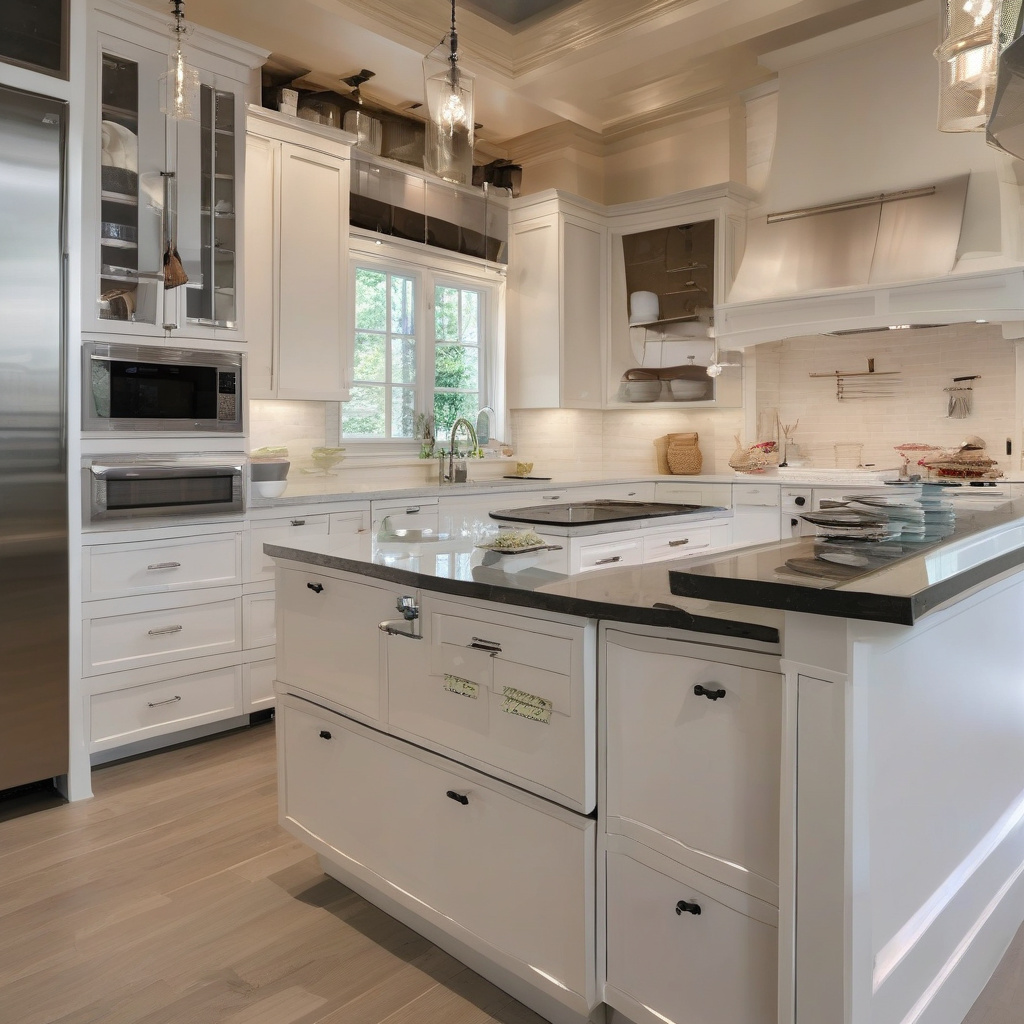
In the bustling city of Los Angeles, where trends rise and fall with the seasons, designing a kitchen that accommodates aging-in-place principles without sacrificing style requires a delicate balance. As homeowners seek spaces that support long-term livability, incorporating safer clearances, reachable storage, and easy-grip hardware has become a cornerstone of modern kitchen renovations in this iconic city.
Brief summary: Kitchen design for aging-in-place in Los Angeles focuses on safety, accessibility, and aesthetics. The article explores key renovation trends, compares costs and layouts, and offers expert insights on creating stylish yet functional spaces that cater to long-term use.
Understanding the Aging-in-Place Revolution
Aging-in-place is no longer a niche concept; it’s a growing trend influencing kitchen design across Southern California. As the baby boomer generation seeks to remain in their homes longer, designers and builders face new challenges. A primary focus is ensuring the kitchen—a central hub—aligns with both accessibility and sophistication.
For Angelenos, this often means melding the functionality of smart kitchen layouts with the cultural flair of the city. Reshaping the traditional galley or L-shaped kitchen into more open and accessible formats allows for smoother navigation, reducing the risk of accidents.
Increased awareness of these needs feeds directly into smarter design choices. Homeowners are more inclined to invest in renovations that support their lifestyle aspirations while adding value to their properties. This approach has become a vital part of choosing the right kitchen renovation strategy in Los Angeles.
As more people embrace aging-in-place, the demand for aesthetic yet functional modifications grows, reshaping the landscape of urban kitchen design in significant ways.
According to the AARP, nearly 90% of seniors wish to remain in their homes as they age, underscoring the importance of age-friendly home modifications.
Key Features in Aging-In-Place Kitchens
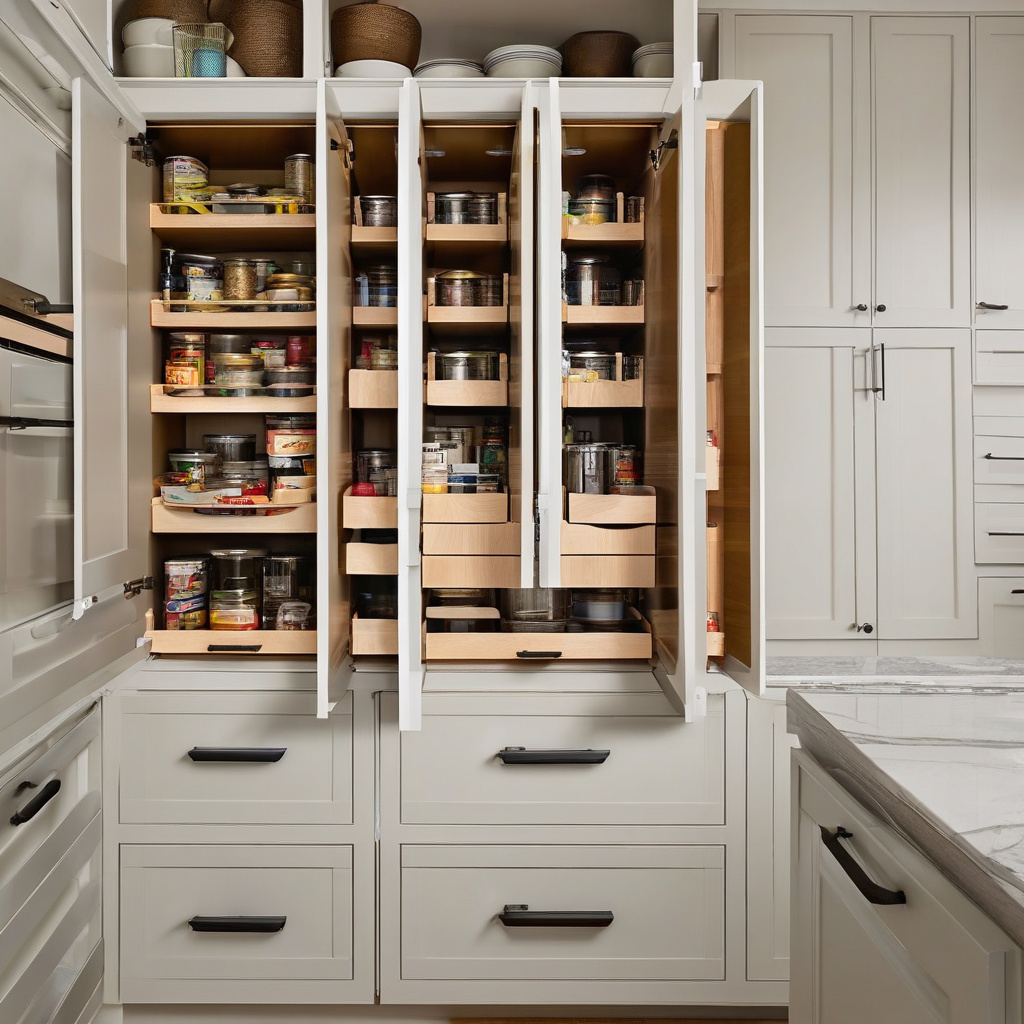
When designing a kitchen for longevity, several vital features come into play. Foremost among them are accessible storage options, designed to minimize reaching and bending. Pull-out shelves and lazy Susans offer ease of use and maximize space efficiency, making daily tasks less stressful and more enjoyable.
Another critical element is the incorporation of easy-grip hardware. As dexterity changes over time, user-friendly knobs and pulls facilitate ease of use for all ages. These elements can seamlessly blend with the aesthetic demands of contemporary Los Angeles homes, proving that practicality does not have to compromise beauty.
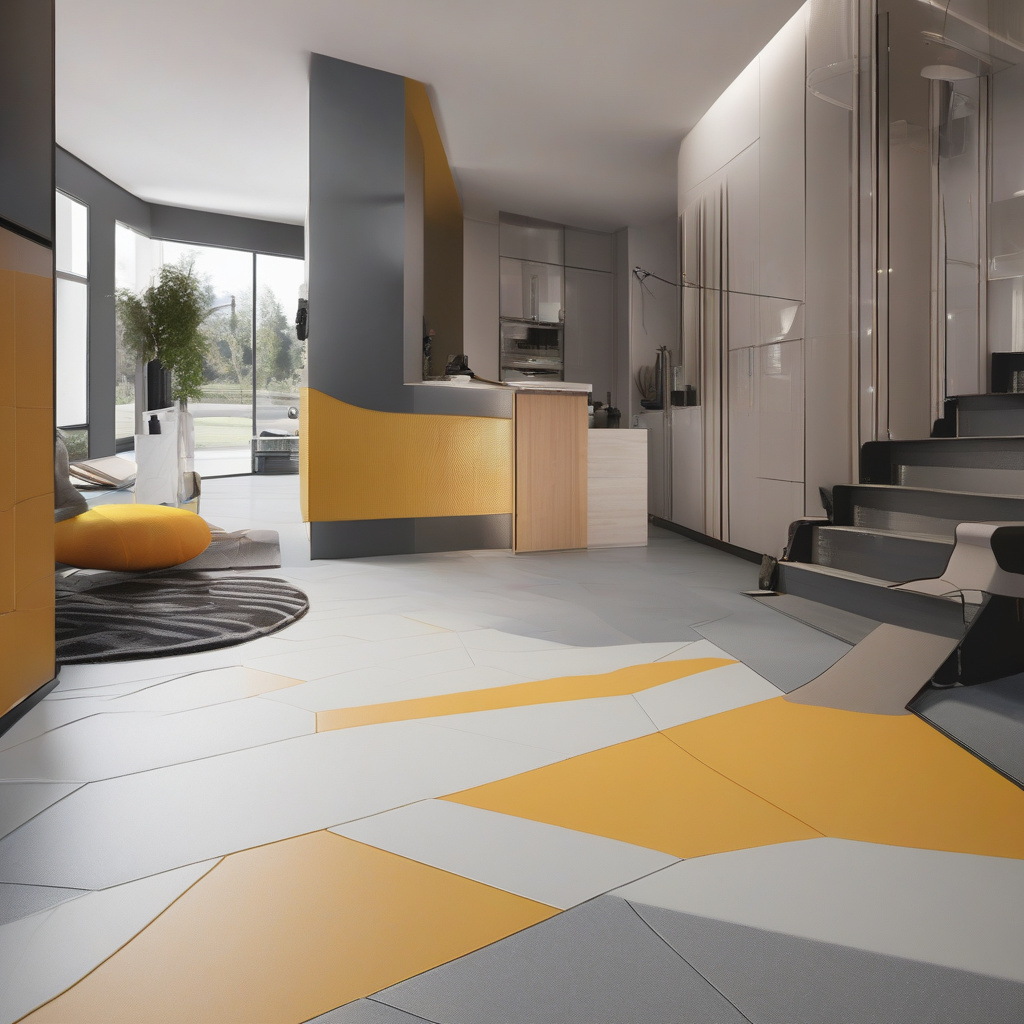
Moreover, well-considered flooring choices can dramatically enhance safety. Non-slip materials such as textured tiles or cork offer a sturdy foundation that blends style with support. These thoughtful selections can transform an ordinary kitchen into a haven of comfort.
As many local homeowners notice, integrating these features early in the planning stages ensures a smoother renovation process and a more cohesive final result.
Planning Your Space Efficiently
Thoughtful space planning is the backbone of successful aging-in-place kitchen design. Prioritizing open layouts and eliminating obstacles can create a more navigable and welcoming environment for all users. This often means rethinking traditional designs to accommodate better movement and longer usability.
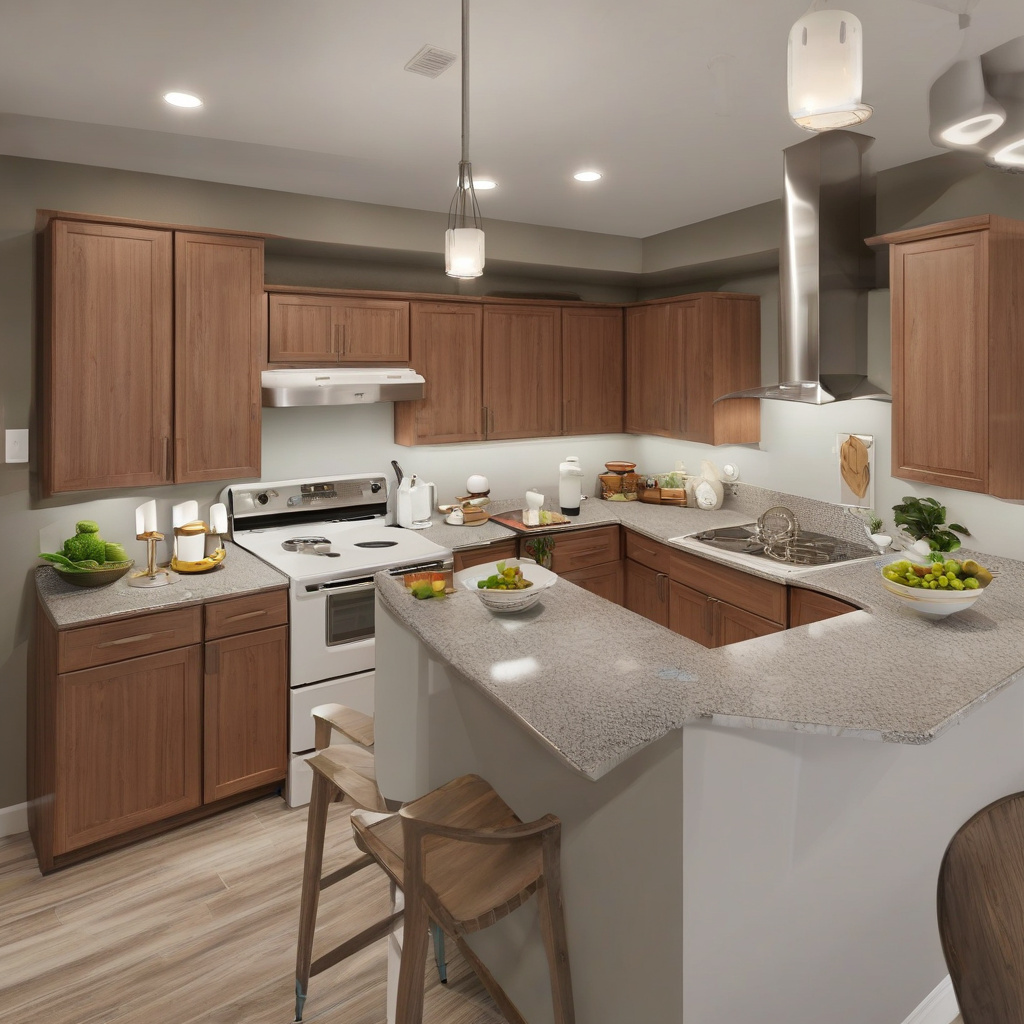
In Los Angeles, this concept can take shape in various forms, from incorporating island seating solutions to embracing open-concept spaces that seamlessly transition into adjoining rooms. By doing so, homeowners not only promote accessibility but also encourage social interaction—a vital aspect in a city’s vibrant culture.
Emphasizing inclusivity, many choose to incorporate versatile island setups that serve as both functional and social hubs. Access this thoughtful guide to smart island seating solutions that highlight innovation in kitchen designs.
These adaptable layouts cater to diverse family dynamics, offering convenience and efficiency while upholding aesthetic appeal—key elements for those planning a kitchen revamp in L.A.
Kitchen planners have noted a 20% increase in demand for designs that emphasize accessibility and efficiency in recent years, spurred by demographic shifts and evolving homeowner priorities.
Materials Matter: Safety Meets Style
The significance of choosing the right materials in aging-in-place kitchens cannot be overstated. In the realm of finishes, selecting durable surfaces that stand the test of time—as well as the inevitable spills—is crucial. Quartz, for example, offers a bacteria-resistant, low-maintenance option without sacrificing style.
For appliances, the focus shifts towards quieter and water-efficient models, which can be particularly beneficial in homes with open layouts. The advent of soundproof appliances is creating a ripple effect across kitchen designs, blending technical innovation with enduring charm. Curious about these advancements? Dive into more insights on advanced kitchen technologies.
Additionally, lighting designers emphasize the importance of layered illumination. From task-specific under-cabinet lights to ambient overhead fixtures, creating a well-lit environment caters to both safety and atmosphere.
Through these thoughtful selections, homeowners can enjoy a kitchen that is not only practical but also a true representation of their personal taste and lifestyle.
Pros and Cons of Renovation Materials
| Material | Advantages | Disadvantages |
|---|---|---|
| Quartz | Durable, non-porous, variety of designs | May be expensive |
| Laminate | Affordable, versatile | Less durable |
| Tile | Variety of styles, easy to clean | Cold, may crack |
The Importance of Layout and Ergonomics
Traditional kitchen layouts often present challenges for those aiming to age in place. The focus is shifting towards ergonomic designs that offer both accessibility and efficiency. Strategic placement of key kitchen components ensures minimal physical strain and maximizes comfort.
For instance, the kitchen work triangle—a layout principle involving the sink, stove, and refrigerator—deserves careful re-evaluation. To maximize efficiency, designers and homeowners are keen to avoid common pitfalls, subtly altering dimensions for ease of movement and accessibility.
Incorporating smart storage solutions further enhances these efforts, extending use without clutter. The employment of hydraulic hinges and adjustable shelves offers easy access and infinite storage possibilities.
As more homeowners appreciate these considerations, the call for expertly planned layouts grows. For those navigating this journey, understanding the common kitchen layout pitfalls can provide invaluable foresight.
Ergonomic kitchen studies indicate that proper layout modifications can improve user satisfaction by up to 45%, transforming meal prep from a chore into a delightful experience.
Combining Trends with Personal Style
Aging-in-place kitchens, at their core, must intertwine practicality with personal flair. Los Angeles homeowners are well-versed in marrying bold design elements with pragmatic features, creating a signature blend that speaks to both age and taste.
Whether through custom cabinetry with vibrant finishes or integrated smart technology, the possibilities for customization are endless. Modern solutions merge seamlessly with artistic expression, resulting in a kitchen that is both inviting and enduring.
These renovations are not just about immediate accommodation but an investment in the future. Homeowners recognize the dual benefit of increased property value and prolonged comfort.
As trends evolve, maintaining an eye for personalization ensures that any kitchen design remains a timeless addition to any Los Angeles home.
Embracing a Vision for the Future
Designing kitchens for aging-in-place fosters not only security and comfort but also joy and freedom. It’s an endeavor that embodies foresight and adaptability, addressing both current needs and future aspirations for countless Los Angeles homes.
As city dwellers continue to seek ways to enhance their living environments, the concept of creating kitchens that evolve with their users grows more appealing. By prioritizing usability and accessibility, residents achieve a balance that benefits their lifestyle and the community.
With the right resources and planning, these kitchens become more than a space to cook—they evolve into a cherished part of the home, showcasing the perfect synergy between form and function in any Southern Californian landscape.
Embracing the future of aging-in-place involves understanding not just the technicalities but the essence of home. As the collective approach matures, so too do the homes of those who value independence and longevity.
- Aging-in-place is influencing kitchen design trends across Los Angeles.
- Accessibility features like pull-out shelves enhance usability for all ages.
- Open layouts and versatile island setups prioritize both design and function.
- Choosing the right materials is key in combining durability with style.
- Thoughtful design choices can significantly improve daily life and futureproof the home.
“`html
FAQ
What is an aging-in-place kitchen design?
An aging-in-place kitchen design focuses on creating a kitchen environment that accommodates the needs of individuals as they age, promoting comfort and safety. Features often include wider doorways for easy wheelchair and walker access, lower countertops for seated meal preparation, and adjustable shelving to minimize overreaching. This design not only enhances functionality but also elegantly transforms the space to maintain its aesthetic appeal. In real renovation projects, designers observe how such features can integrate seamlessly without compromising style, offering homeowners both beauty and practicality.
How do I choose the right materials for an aging-in-place kitchen?
When selecting materials for an aging-in-place kitchen, durability and ease of maintenance are key. Consider slip-resistant flooring, such as textured tiles or hardwoods, that provide better traction. Countertops made of materials like quartz are both resilient and easy to clean. Additionally, using matte finishes can help prevent glare and enhance visibility. Experts often recommend choosing materials that reflect the homeowner’s style while ensuring longevity. Real-world projects highlight that choosing the right materials can reduce future maintenance hassles, saving time and cost in the long run.
Why is reachable storage important in these kitchens?
Reachable storage is crucial in aging-in-place kitchens to promote independence and reduce the risk of falls. By incorporating pull-down shelves and lower cabinets, utensils and cookware are easily accessible without excessive stretching or climbing. In many renovation projects, it becomes evident that traditional upper cabinets often become impractical as mobility decreases. Designing with reachable storage contributes to a safer kitchen environment, enhancing usability for older adults who may also have limited mobility.
What are common mistakes made when designing an aging-in-place kitchen?
A common mistake is underestimating the need for ample lighting, which is vital for safety and functionality. Many homeowners overlook the importance of versatile lighting solutions, like task lighting beneath cabinets and bright overhead fixtures. Another pitfall is failing to plan for future mobility changes, such as ignoring the need for wider doorways or adjustable counter heights. Experts frequently emphasize the importance of anticipating future needs during the design phase, as making adjustments later can be costly and complex.
What are the cost considerations for an aging-in-place kitchen renovation?
The cost of renovating a kitchen for aging-in-place can vary significantly based on the level of customization and material choices. Standard renovations might start from a few thousand dollars, whereas extensive overhauls with high-end materials and appliances can reach tens of thousands. Many experts point out that investing in durable, low-maintenance materials can provide long-term savings. It’s also wise to work with a designer familiar with aging-in-place principles to ensure that the budget aligns with immediate and future needs, avoiding expensive modifications later.
What are the pros and cons of aging-in-place kitchen designs?
The primary advantage of an aging-in-place kitchen is the enhanced safety and comfort it offers, reducing the likelihood of accidents. It supports independent living and can increase the home’s resale value by appealing to a broader audience. However, the initial cost can be a barrier for some. Additionally, integrating these features while maintaining a modern aesthetic can be challenging, requiring a balance of practicality and style. In practice, skilled designers find innovative ways to marry function with form, though some homeowners might view the upfront investment as prohibitive.
How can I ensure my kitchen remains stylish yet functional as I age?
Maintaining both style and functionality in an aging-in-place kitchen involves thoughtful design choices that prioritize simplicity and elegance. Opt for multi-purpose fixtures and adaptable designs that serve both aesthetic and practical needs. In real homes, incorporating modern, easy-grip hardware and sleek cabinetry can enhance visual appeal while ensuring accessibility. Many renovators suggest consulting with a professional to blend contemporary trends with timeless accessibility features. For further advice and expert insights, you might consider reaching out to specialist resources like this experienced renovation consultant.
What risks should I be aware of when planning an aging-in-place kitchen?
One significant risk is the potential for overlooking future-proofing needs, like failing to incorporate features that accommodate diminished mobility over time. Another risk involves choosing trendy designs that may quickly become outdated or lack practicality. It’s essential to strike a balance between innovative design and classic functionality. Homeowners frequently underestimate the impact of seemingly minor design decisions, which can lead to expensive changes down the line. Consulting with a knowledgeable designer from the outset can minimize these risks, ensuring that your kitchen remains both useful and visually appealing as needs evolve.
“`