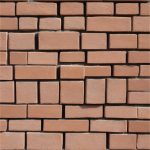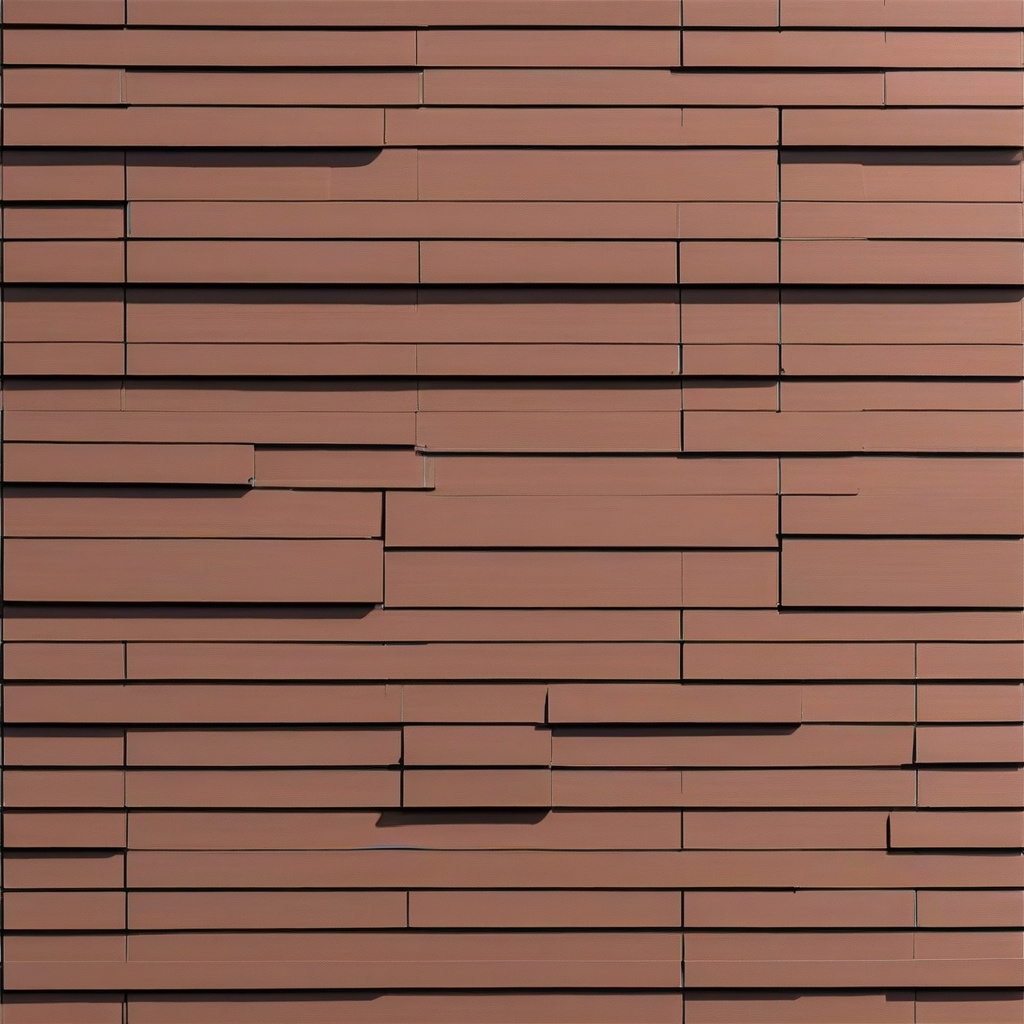
Imagine standing in front of your home, admiring not just the aesthetics but also the energy efficiency of its facade. Many homeowners in Los Angeles are turning to facade thermal panels—a game-changer in exterior home decoration that promises to marry beauty with practicality. So what makes these panels a must-have for savvy renovators?
Brief summary: Facade thermal panels provide aesthetic appeal and enhance energy efficiency for Los Angeles homes. This article explores their characteristics, installation steps, and the benefits they bring to homeowners seeking to upgrade their home’s exterior. When effectively installed, they offer a practical solution to modern renovation concerns.
Understanding Facade Thermal Panels: Characteristics and Benefits
Facade thermal panels are breaking barriers in home renovation. Known for their insulative properties, these panels maintain a comfortable indoor temperature regardless of the weather outside. As many local homeowners notice, their utility bills shrink just as rapidly.
But it’s not just about savings. Homeowners love their versatility—a vast range of materials means you can easily match your home’s architectural style. The typical choices range from metal to fiber cement, each having its charm and functional attributes.
A key benefit is durability. These panels are engineered to withstand harsh weather, protecting homes against water intrusion and reducing the risk of structural issues. Indeed, their installation can enhance a home’s lifespan, acting as both a shield against the elements and a stylistic statement.
As often happens during renovation, particularly in eco-conscious regions like Los Angeles, environmental impact is a critical consideration. Facade thermal panels are typically crafted from sustainable materials, making them a favorite among green builders.
Research suggests that properly installed facade panels can reduce home energy consumption by nearly 20% in moderate climates like Southern California.
How to Choose the Right Thermal Panels for Your Home
Choosing the right thermal panels is like selecting the perfect attire; it needs to fit both form and function. The vast choices available might initially overwhelm, but understanding your home’s needs simplifies the decision.
When considering options, weigh the suitabilities of various materials. Metal panels, for instance, offer sleek modernity and unbeatable longevity, ideal for a contemporary look. By contrast, fiber cement panels bring a traditional feel with added fire resistance.
Your neighborhood’s aesthetic can also inform your decision. In Los Angeles, a mix of Mediterranean and modern architectural styles prevails. Fortunately, the variety of thermal panels means there’s always a compatible option.
Perhaps the most critical factor is installation compatibility. The complexities of homes differ, and consulting a professional can mean the difference between a headache and a hassle-free project. For some insight, check out how businesses blend these factors seamlessly in their work, much like commercial paving companies manage diverse needs efficiently.
An expert from the National Association of Home Builders highlights: “Choosing the right material for facade panels can influence a home’s energy performance and longevity significantly, making expert advice crucial.”
What You Should Know About Installing Thermal Panels
Installing facade thermal panels is not merely a weekend DIY project. As any seasoned renovator would advise, thorough preparation is key. Start with a detailed inspection of your home’s exterior to assess compatibility.
Given-Los Angeles seismic activity, ensuring structural stability before installation cannot be overstated. Foundations must be sound, so if your home needs an audit, consider insights from our guide on how to stabilize your foundation base.
The installation process demands precision. Typically starting from the foundation upwards, panels are affixed with special fasteners that balance secure attachment and thermal expansion room.
Professionals often use scaffolding for safe and efficient application. It’s here that their expertise in aligning panels perfectly becomes apparent. Remember, the saying “perfect patchwork prevents problems” holds water in facade panel installation.
Step-by-Step Installation Guide
1. Assess the exterior and plan the layout.
2. Prepare the surface by cleaning and repairing any cracks.
3. Secure esafety measures including scaffolding.
4. Begin installation from the bottom, ensuring panel alignment.
5. Inspect and seal all panel joints to prevent moisture ingress.
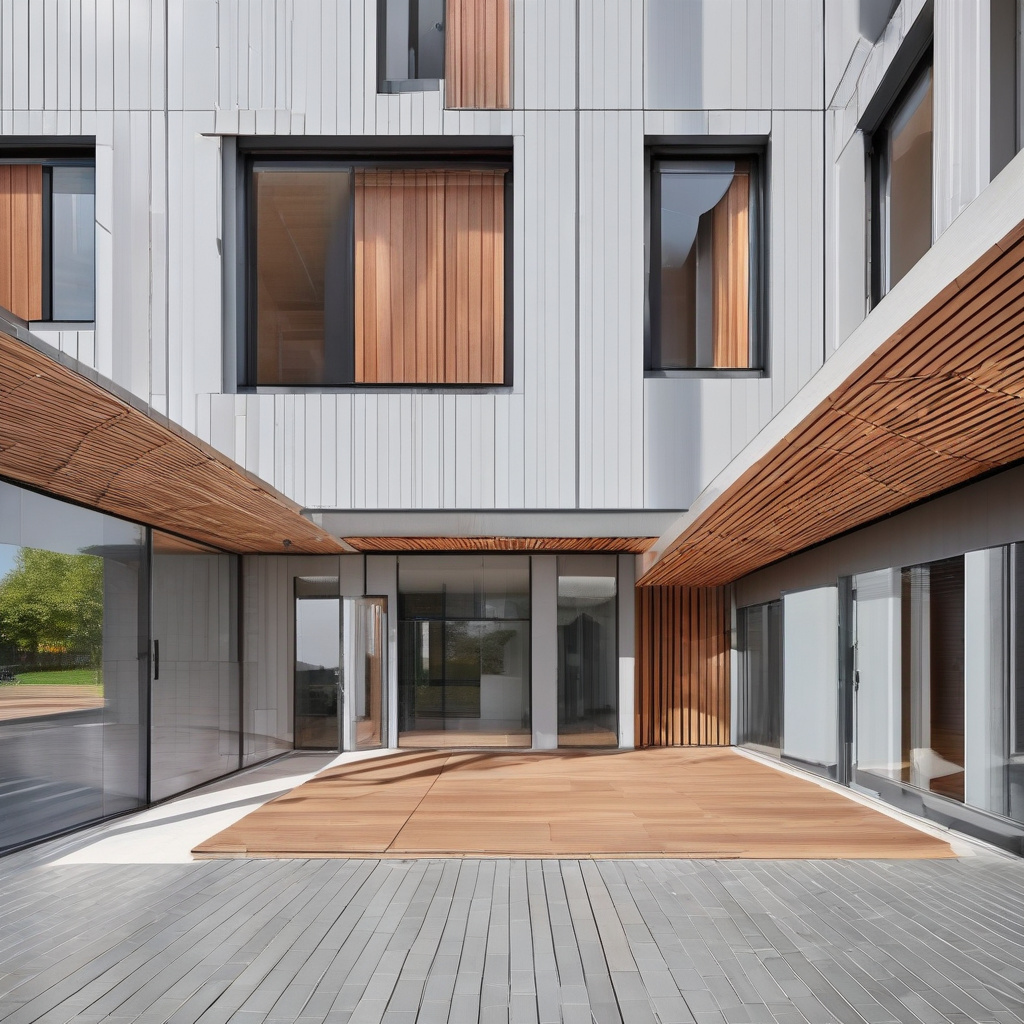
When It Makes Sense to Rely on Professional Installation
Choosing to hire a professional often saves time and heartache in the end. For busy Los Angeles homeowners, this route ensures that the panels are correctly fitted and function as intended.
Professional installers bring industry insights that can point out nuances you might miss. They ensure every nook and cranny is inspected and sealed, which is pivotal for safeguarding against water ingress.
Consider their expertise a form of insurance. Faulty or superficial installations often lead to costly repairs, overshadowing initial savings. Relying on seasoned professionals mitigates these risks.
Lastly, professional installation can increase a property’s market value. A visibly superior job indicates care and attention your potential buyers will notice. For a thorough guide on where to start, check out how the installation diagram for frame houses provides a comprehensive overview.
A recent survey reveals that homes with professionally installed panels sell at a 14% premium compared to those without energy-efficient facades.
A Quick Comparison: Facade Thermal Panels vs. Traditional Cladding
| Aspect | Thermal Panels | Traditional Cladding |
|---|---|---|
| Energy Efficiency | High | Moderate |
| Installation Cost | Medium | Low |
| Aesthetic Variety | Wide | Limited |
| Durability | High | Moderate |
In considering cladding methods, it’s clear that while traditional options may seem cost-effective at first glance, the long-term energy and maintenance savings of thermal panels make them a superior choice in most scenarios.
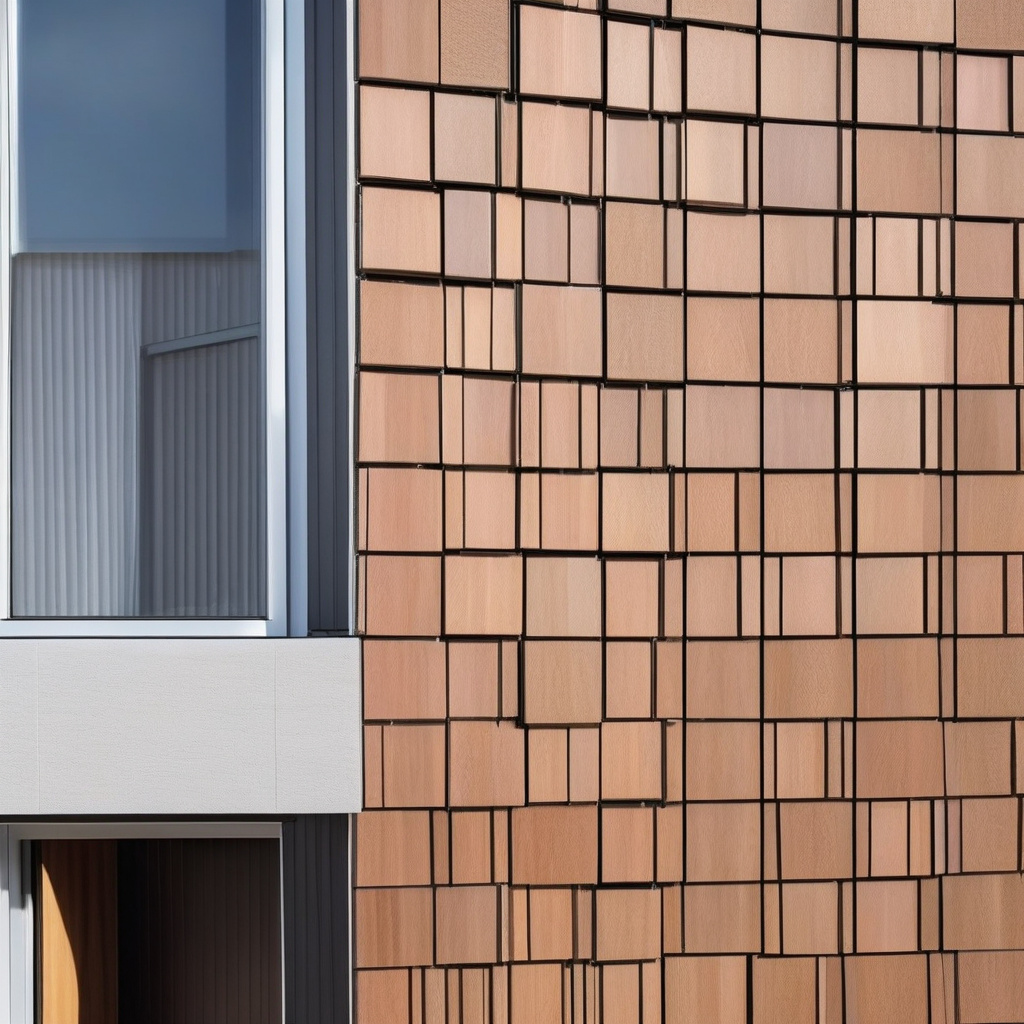
The Pros and Cons of Facade Thermal Panels
The decision to install facade thermal panels involves weighing their advantages against potential challenges. Among the top benefits are their energy efficiency and modern aesthetics that appeal to potential buyers.
Yet, concerns exist about installation costs and potential repair needs if initial workmanship falters. As with many high-tech solutions, upfront investment often intimidates homeowners.
However, when considering Los Angeles’ mandate for energy efficiency in new builds, panels present a timely opportunity. They can substantially improve home comfort levels and reduce carbon footprints.
Any disadvantages are typically overshadowed by the substantial long-term savings and resale value. With careful planning and execution, facades become less an expenditure and more a strategic investment.
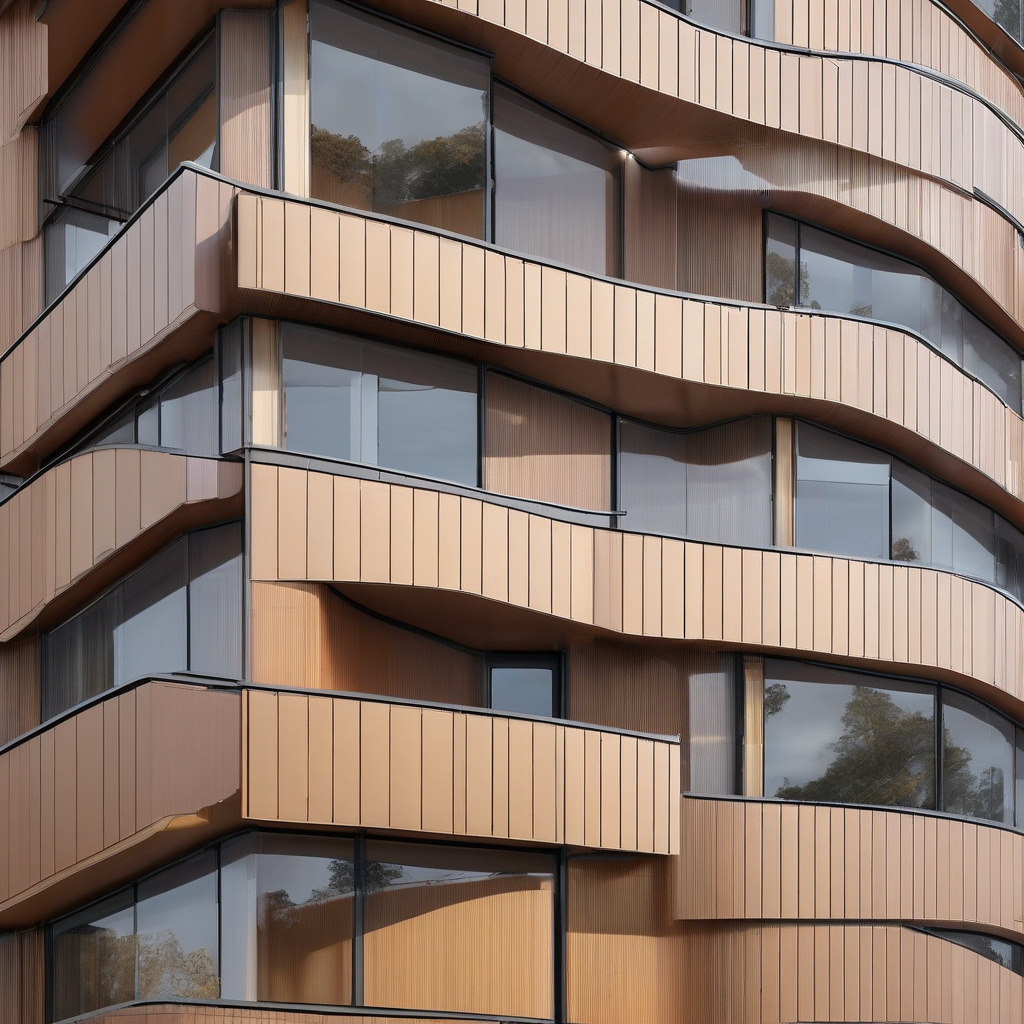
Opportunities and Risks
Opportunities include creating bespoke looks that fit your personal style and neighborhood charm. Meanwhile, risks often hinge on vendor reliability and installation skill.
Thinking through variables like weather conditions during installation and how future wear may affect appearance helps mitigate concerns. Partnering with skilled contractors ensures each step adheres to best practices.
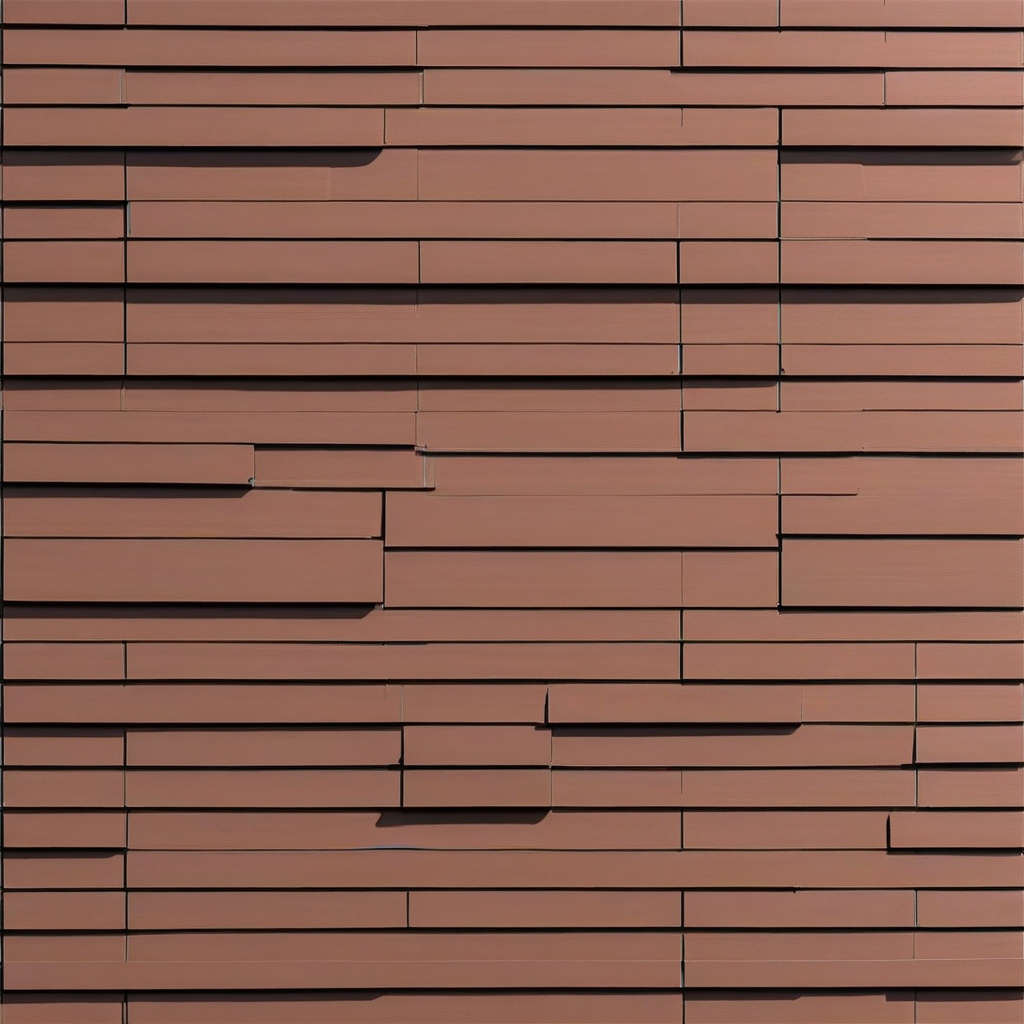
- Thermal panels improve both energy efficiency and curb appeal.
- Professional installation is recommended to maximize lifespan and performance.
- Costs are offset by long-term savings on utility bills.
- Variety in materials supports diverse aesthetic and functional requirements.
- Future resale value can increase with modern, energy-efficient upgrades.
FAQ
What are facade thermal panels?
Facade thermal panels are specialized exterior cladding materials designed to enhance home insulation while providing a decorative finish. In many construction projects, contractors highlight their dual functionality: improving energy efficiency while transforming the aesthetic appeal of older properties. Panels come in various styles, often mimicking brick or stone, and are recognized for their ability to cut down heating costs by preventing thermal leakage. Homeowners in California, especially those renovating mid-century builds, frequently choose these panels for both practical and visual renovation goals.
How do I choose the right facade thermal panels for my home?
Selecting the right facade thermal panels involves considering both aesthetic preferences and performance needs. Experts suggest evaluating the home’s existing architecture when picking a design, ensuring that the panels complement features like window trims and roof color. Moreover, the insulation value, or R-value, is critical; homeowners should look for high ratings for maximum energy savings. Real-world tests in renovations illustrate that high-density panels provide superior insulation for areas with dramatic temperature shifts. It’s essential to consult with a local professional, such as [get advice from specialists in your area], to match the panel types to the specific climatic conditions.
When does it make sense to install facade thermal panels?
Installing facade thermal panels makes sense during major renovations or energy retrofitting projects, particularly for older homes struggling with insulation issues. In California, where temperature fluctuations can be significant, these panels provide relief by stabilizing indoor temperatures. Many renovation experts recommend scheduling installation during the dry months to avoid weather-related delays. If your energy bills have been steadily climbing, and you’re noticing drafts or cold spots in the house, it might be time to consider this upgrade.
What are the typical mistakes homeowners make with facade thermal panels?
A common mistake is underestimating the importance of professional installation. While DIY might seem cost-effective, poor installation can lead to gaps or misalignments, undermining the panels’ effectiveness. Another frequent oversight is ignoring the need for proper ventilation; lacking this, moisture might get trapped beneath the panels, potentially leading to mold growth. It’s advisable to consult a contractor to ensure ventilation concerns are addressed. Experienced renovators frequently emphasize the balance of thorough research and skilled craftsmanship to avoid costly errors.
How cost-effective are facade thermal panels?
Facade thermal panels represent an investment that pays off over time. Initial costs can be high, but many homeowners report significant reductions in energy bills, sometimes up to 20%, over the first few years. California residents, in particular, see value in mitigating the cooling costs during hotter months. Professionals often cite long-term savings and increased property value as justifications for the upfront expense. Additionally, proper installation adds to the panels’ durability, reducing the likelihood of future repairs and maintenance.
What are the benefits and limitations of facade thermal panels?
The primary benefit of facade thermal panels is their ability to enhance energy efficiency and aesthetically improve a property’s facade simultaneously. They come in versatile designs, adding a modern touch to both vintage and contemporary homes. A limitation, however, is the requirement for expert installation, which can drive up initial costs. Homeowners also need to be aware of potential color fading over time, especially with sun exposure. Balancing aesthetics, quality, and practicality is key to maximizing the benefits while minimizing drawbacks.
What do I need to know about maintaining facade thermal panels?
Maintaining facade thermal panels generally requires routine checks for cracks or damages, which can compromise the insulation capabilities. Cleaning them is relatively straightforward; a soft brush and mild detergent usually suffice to remove dirt and grime. In real projects, contractors often suggest conducting maintenance checks after severe weather events to ensure there are no panel displacements or structural impacts. Engaging with a professional service for annual inspections helps keep the panels in peak condition, prolonging their lifespan.
How are facade thermal panels installed?
Installation of facade thermal panels is a meticulous process typically handled by professionals. It begins with preparing the surface by cleaning and patching any existing wall damage. The panels are then precisely measured and cut to fit around architectural features such as windows and doors. In practice, installers emphasize the importance of tight seams and securing every panel to prevent wind damage. For more information, including installation services, consider reaching out for an expert opinion at [find professionals experienced in facade installations].