Amidst Southern California’s picturesque landscapes, the eternal paradox of beauty and danger manifests in the relentless cycle of wildfires. With an undeniable frequency in the hills and valleys near Los Angeles, homeowners are increasingly seeking roofing solutions that not only protect but promise longevity amid the fiery threat. The era of traditional roofing is waning, making way for advanced materials designed for resilience and safety.
Brief summary: This article delves into roofing options specifically designed for wildfire-prone areas around Los Angeles. We explore innovative material choices, analyze their costs, and share real homeowner stories while offering practical advice on installation timelines and financing.
Understanding the Threat: Why Your Roof Needs to Adapt
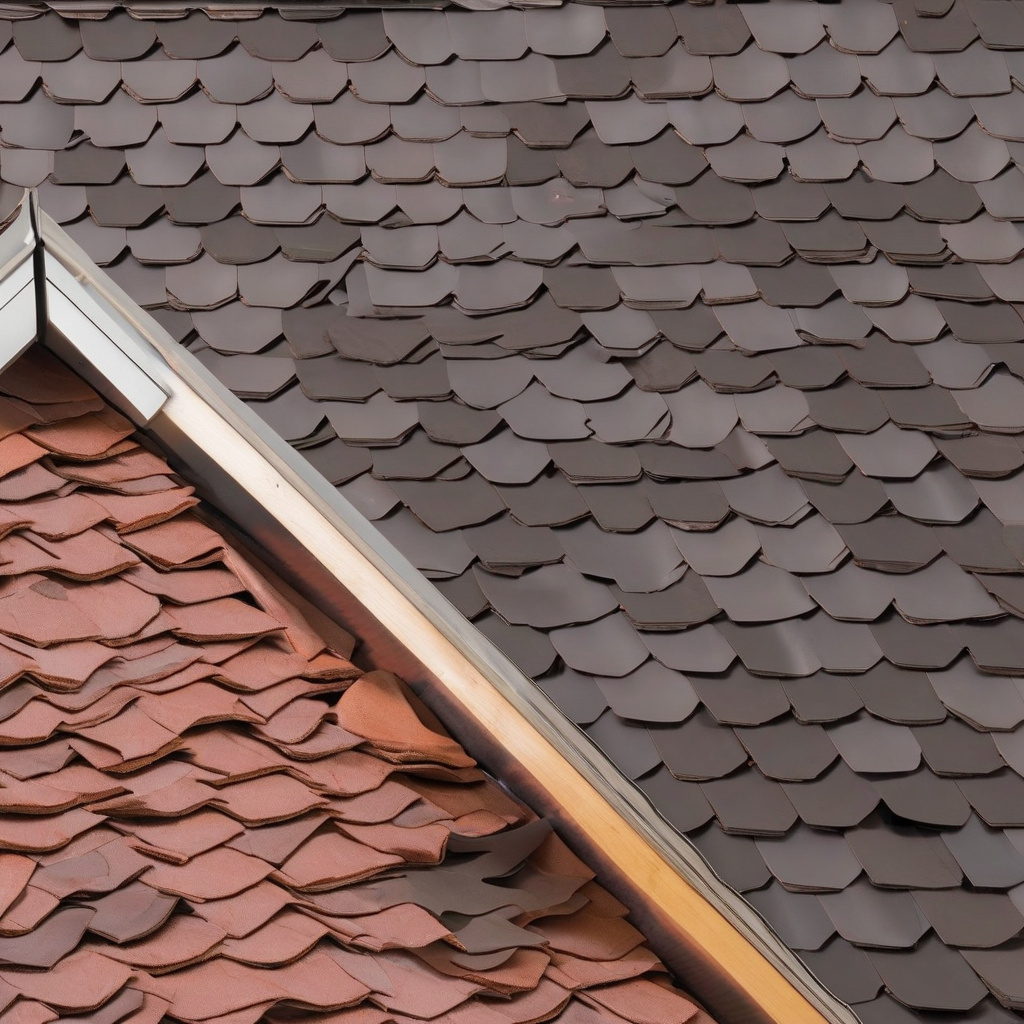
As many Southern Californian homeowners have discovered through experience, a wildfire’s devastation is both swift and unforgiving. The vulnerability of traditional roofing materials has prompted a shift towards options that integrate safety as a core feature. Class A roofing materials, for instance, dominate conversations due to their superior fire resistance, providing an essential barrier between a home and the encroaching flames.
Crafted to withstand severe fire exposure, these materials undergo rigorous testing to assure homeowners of their durability. Websites such as local renovation hubs have long advocated for these options, aligning themselves with broader safety campaigns. The choice to upgrade isn’t merely an investment in aesthetics but a crucial step in safeguarding one’s home.
“Why isn’t everyone doing this already?” you might ask. The answer lies in awareness and adaptability. Many residents remain anchored to the allure of traditional styles, underestimating the genuine threat until it’s perilously close. Yet, those who pivot to modernized roofing solutions find themselves benefiting from an unsung peace of mind.
Ultimately, understanding the threat is the first step in changing the narrative surrounding wildfire resistance. As awareness grows, so does the number of homeowners embracing these life and property-saving alternatives.
Material Evolution: What Makes Class A Roofs Superior?
The secret behind Class A roofs lies in their combination of materials and advanced manufacturing techniques. Unlike common shingles, these alternatives often blend fiberglass, ceramics, and asphalt, creating a robust shield against heat and fire. This evolution marks a significant leap forward from previous iterations, which relied more on aesthetics than function.
Endorsed by fire safety experts, these materials don’t combust quickly, buying precious time during an evacuation or fire response. According to recent studies, adopting Class A roofing can drastically lower property damage in high-risk zones, contributing to community-wide resilience.
Exploring these options can feel daunting at first. However, firms such as California renovations experts ensure a seamless transition with seasonal scheduling and tailored project management. The ability to predict and prevent damage has become an integral conversation for anyone considering a roofing project in wildfire-prone regions.
Thus, the materials that comprise Class A roofs not only add layers of safety but also elevate the conversation around home resilience and long-term planning in regions often hit by environmental adversities.
Industry data reveals that homes with Class A roofs have a 40% higher survival chance during intense wildfires, compared to those with traditional materials.
The Cost Factor: Weighing Investment Against Safety
Nothing prompts a furrowed brow quite like discussing costs, yet when it comes to securing one’s home against wildfires, expense becomes secondary. The financial commitment for Class A roofing is sizable, often ranging from $7,000 to $15,000, varying with the property’s dimensions and selected materials.
However, the cost is a testament to quality and craftsmanship, translating to long-term savings on home insurance and reduced repair costs. Additionally, refinancing plans available through initiatives like innovative financing options incentivize homeowners to make the switch sooner rather than later.
Evaluating these costs must also account for the peace of mind they afford. The upfront financial outlay can be mitigated by the tangible and intangible benefits of secure living environments. After all, the price of a roof isn’t just about tiles and nails; it’s about creating a sanctuary.
Hence, addressing the cost factor becomes not merely a consideration of current expense but a strategic investment into the future safety and welfare of the homeowner and community.
Real-World Insights: Homeowners Making the Change
For many Angelenos who have braved the infernos, the decision to upgrade their roofing emanates from both practical necessity and a desire for personal safety. The testimonials from those who have witnessed the benefits firsthand highlight a growing trend toward embracing roofing transformations.
One homeowner in the San Gabriel Valley shared how they initially dismissed the odds of being engulfed by a fire until a neighboring house served as a wakeup call. Their subsequent decision to switch to Class A roofing provided not just a fortified abode but restored their peace of mind.
The narrative is similar elsewhere. Communities once reliant on traditional shingles discover new hope in metal and tile, each promising solidity and performance. These homes, now protected by superior materials, represent a new order in fire prevention — a point not missed by insurance companies either.
These personal accounts serve to not only illuminate the reality many face but inspire those sitting on the fence to take decisive action. The tangible signs of security transform the home into a haven amid inevitable natural threats.
Step by Step: Planning Your Fire-Resistant Roof
Embarking on a roofing project can seem a daunting effort, yet with a strategic approach, it unfolds as a manageable task. The process begins with identifying the right contractor, a critical step where expertise can dictate success. Homeowners are encouraged to vet potential roofers based on their experience with high-risk area projects.
The Initial Consultation and Assessment
Initial assessments often involve a detailed examination of existing structures and the site’s fire risk. Following this, decisions around materials and styles align with both aesthetic preferences and functional necessities.
Issuance of Permits and Scheduling
Securing permits must be done in accordance with local building regulations. Fortunately, services adept at managing these details streamline the process, ensuring compliance with safety standards.
Roofing Execution and Quality Assurance
Once construction begins, timelines often span several weeks, covering removal of old material to installation of new, fire-resistant options. It’s imperative to consider the timeline of installation for convenience and minimal disruption.
Ultimately, a methodical plan makes the transformation of a home a rewarding endeavor, integrating safety with structural integrity while amplifying the essence of resilience.
Expert observation suggests that engaging experienced contractors for fire-resistant projects reduces the likelihood of post-installation complications by nearly 60%.
Comparing the Worth: What Choices Await Homeowners?
With an abundance of materials now catering to fire resistance, understanding the peculiarities of each can enhance decision-making. At the forefront, metal and tile roofs are capturing attention, each offering unique pros and cons.
| Material | Pros | Cons |
|---|---|---|
| Metal | Lightweight, Durable, Reflects Heat | Higher Initial Cost, Potential Noise |
| Tile | Aesthetic Appeal, Fireproof | Heavy, Expensive Maintenance |
Investing in these options isn’t just about embracing change but about valuing one’s safety and future home security. Whether opting for the sleek finish of metal or the classic visage of tile, altering one’s roof isn’t just about survival but about thriving amidst adversity.
Research indicates that metal roofs can lower home cooling costs by up to 25% due to their reflective properties, adding another layer of cost-effectiveness.
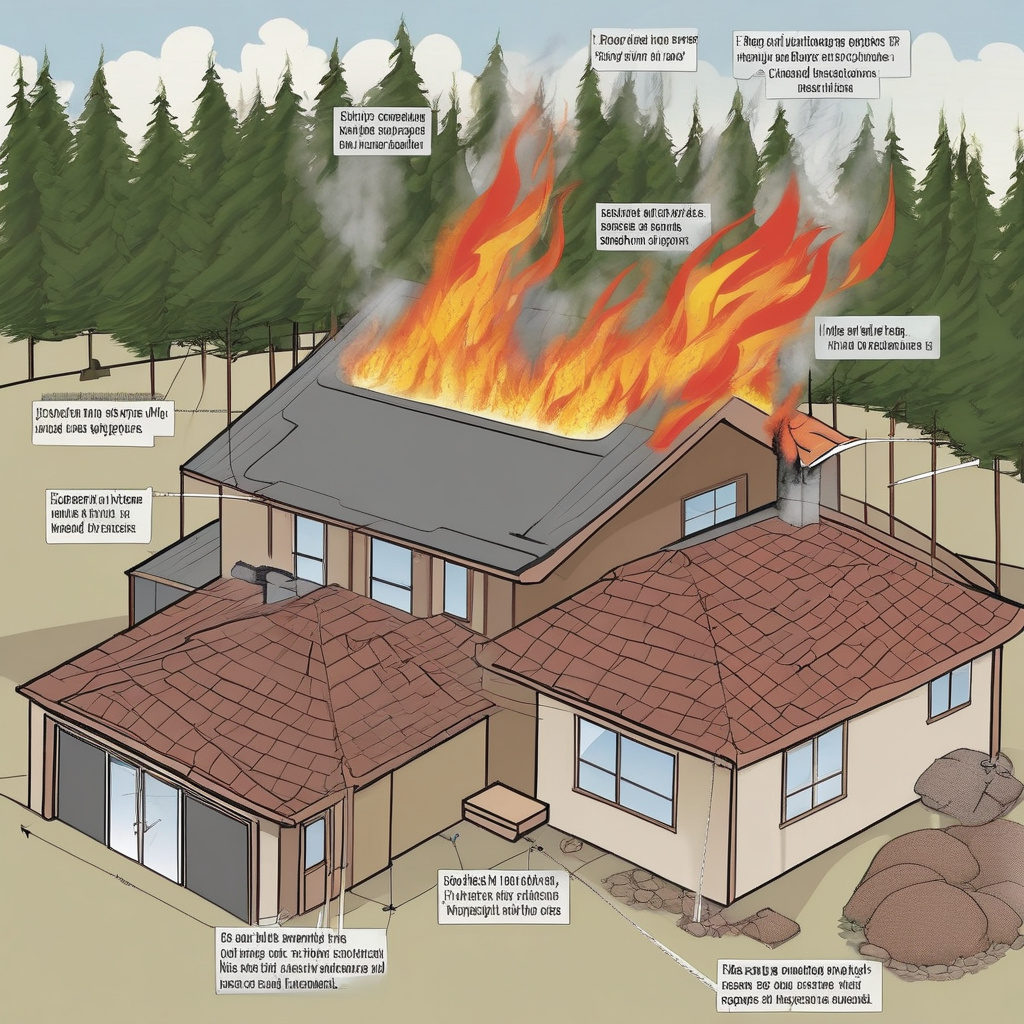
Ultimately, in a region where the fiery landscape changes with the seasons, selecting the appropriate roofing option isn’t just a matter of preference but a strategic choice that aligns with safety, innovation, and modern living.
- Choose fire-resistant roofing materials like Class A-rated options to enhance home safety in wildfire-prone areas.
- Consider both initial costs and long-term savings when selecting resilient roofing solutions.
- Engage experts with regional experience for effective project management and execution.
- Modern roofing not only improves home safety but can also increase insurance benefits and energy efficiency.
- Careful planning and execution contribute to successful home renovations with minimal disruption and maximum protection.
“`html
FAQ
What are Class A roofing materials and why are they important for wildfire-prone areas?
Class A roofing materials are rated among the most fire-resistant options available, designed to withstand severe fire exposure. In wildfire-prone areas near Los Angeles, choosing Class A materials can significantly reduce the risk of roof ignition during a fire. Roof types like fiberglass asphalt shingles and concrete or clay tiles fall under this category. Through numerous renovations, experts often find that opting for such materials not only enhances safety but can also add to the property’s resale value. Homeowners frequently underestimate the importance of local codes which typically mandate the use of these materials, emphasizing their vital role in fire safety strategies.
How do ember-resistant vents work in protecting homes from wildfires?
In many wildfire scenarios, embers carried by the wind can infiltrate homes through vents, igniting combustibles. Ember-resistant vents are specially designed to block these embers while allowing air to circulate. They usually incorporate finely meshed screens or baffles, which can be crucial in preventing home ignition. Construction professionals often note that retrofitting older homes with these vents provides a robust defense against flying embers. However, homeowners should ensure these systems are properly maintained, as debris can accumulate over time, potentially reducing their effectiveness. It’s a common mistake to assume that any vent will suffice, so choosing a properly rated product is essential.
Is metal roofing a viable option for reducing wildfire risks?
Metal roofing is increasingly popular in wildfire-prone regions due to its non-combustible nature and durability. Unlike traditional materials, metal doesn’t ignite when exposed to embers or hot brands. Home improvement veterans emphasize that while the initial cost of metal roofing can be higher, its lifespan often justifies the investment. It withstands extreme weather conditions and requires minimal maintenance, proving particularly effective in more modern builds with streamlined designs. However, proponents also caution against overlooking its installation complexity that can affect performance if not done properly. Homeowners should consult with professional contractors to evaluate its suitability based on local conditions and regulations.
What are the costs and trade-offs of installing fire-resistant roofing?
Investing in fire-resistant roofing generally incurs higher costs upfront due to the premium materials and specialized labor involved. For example, metal roofs tend to be pricier than asphalt shingles. However, many experts point out that such investments can lead to lower insurance premiums and enhance property protection, potentially saving costs in the long term. Despite these advantages, budget-conscious homeowners should weigh the immediate outlay against possible financial burdens from fire damage restoration. A detailed cost-benefit analysis carried out with a trusted contractor can provide clarity on these trade-offs. Additionally, some homeowners may be eligible for local government rebates or incentives, easing the financial aspect.
What common mistakes should homeowners avoid when choosing wildfire-resistant roofing?
A critical misstep homeowners often make is focusing solely on cost, neglecting the quality and suitability of materials for wildfire safety. Experts frequently observe that cheaper materials may not meet local fire safety standards, leaving homes vulnerable. Another mistake is insufficient consideration of the vent and gutter systems, both of which play significant roles in fire protection. Ignoring regular maintenance and debris clearing is yet another common oversight, which can allow flammable materials to accumulate, creating additional risks. It is advisable to seek guidance from a local renovation expert to ensure that choices align with both safety needs and local regulations. For those uncertain about where to start, consider getting advice from knowledgeable sources by reaching out through this contact option.
What are the pros and cons of tile roofing in wildfire-prone areas?
Tile roofing, often made from clay or concrete, offers excellent fire resistance, making it a popular choice among experts for wildfire-prone areas. Its natural appearance also contributes aesthetically to many styles of homes. However, a significant downside is its weight, which can pose structural challenges and necessitate additional reinforcement in older properties. Renovation experts stress the importance of ensuring that existing structures can support tile roofing before committing. Additionally, the installation process can be labor-intensive and potentially costly. These considerations underscore the importance of thoroughly evaluating whether this roofing type suits the specific needs of a given property.
How often should fire-resistant roofing systems be inspected and maintained?
Regular inspections are vital in maintaining the effectiveness of fire-resistant roofing systems. Experts typically recommend that homeowners inspect these systems at least annually, ideally before peak fire seasons. Neglecting maintenance can lead to issues like debris buildup in vents or gutters, potentially compromising safety. Maintenance activities often include cleaning debris, checking for signs of wear or damage, and ensuring the integrity of ember-resistant features. Engaging with certified inspectors and maintenance professionals can provide peace of mind that all components function correctly. Many homeowners gain substantial long-term protection and value from committing to a comprehensive maintenance schedule.
Is it possible to retrofit an older roof to make it more fire-resistant?
Yes, retrofitting an older roof for improved fire resistance is feasible and can be an effective strategy, particularly in wildfire-prone areas. This might involve applying fire-resistant coatings, adding ember-resistant vents, or even overlaying existing materials with Class A options. Renovation experts often suggest this route for homeowners who cannot afford a complete roof replacement but still want enhanced protection. Retrofitting should be approached strategically, with a comprehensive evaluation by a qualified roofing contractor to ensure that modifications won’t inadvertently undermine the existing structure. In real scenarios, retrofits have been the middle ground for many seeking balance between budget and safety.
“`