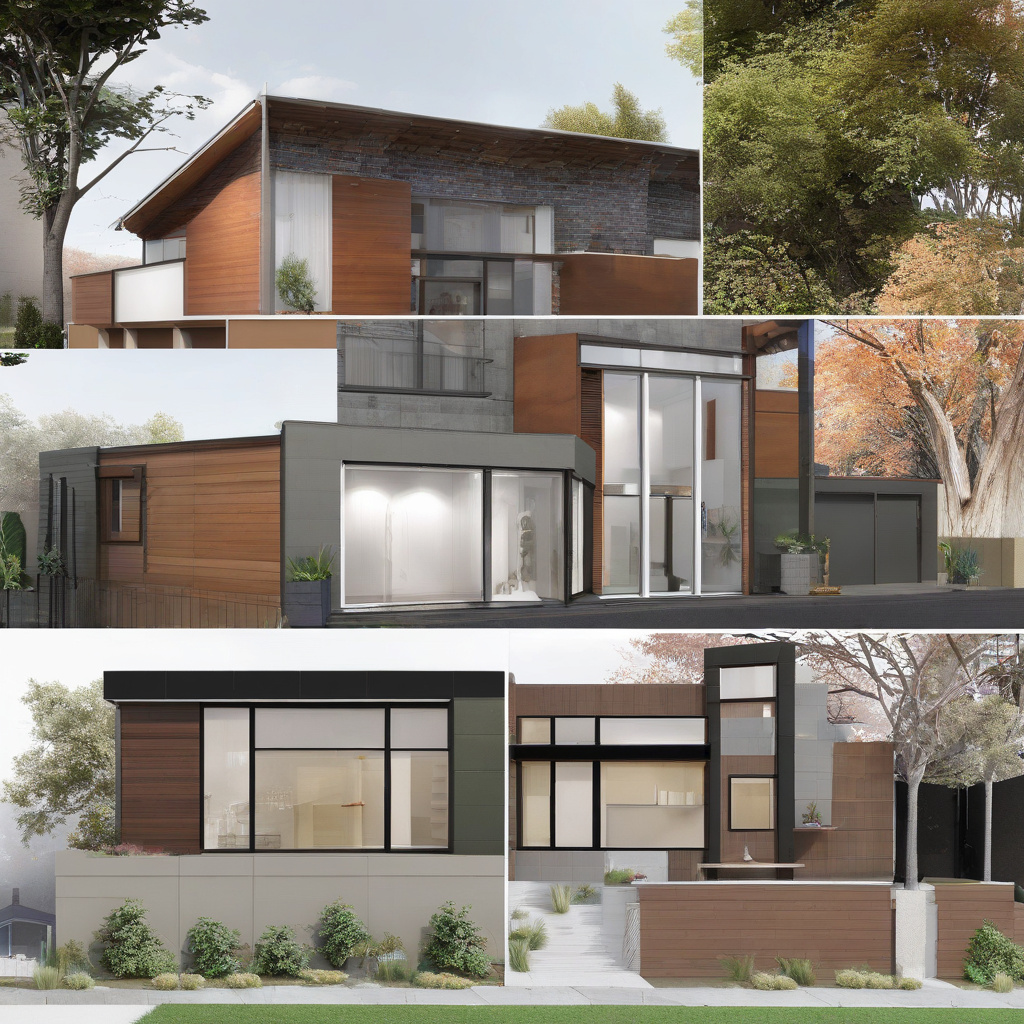
In the sprawling urban landscape of Los Angeles County, where innovation meets relentless urban sprawl, the construction of Accessory Dwelling Units (ADUs) provides an enticing solution to the housing crisis. Yet, prospective ADU developers often encounter a formidable gatekeeper: the Homeowners Association (HOA). The HOA regulations vary, creating a delicate battlefield for homeowners eager to embrace the ADU trend.
Brief summary: This article explores the complex landscape of HOA restrictions on ADU construction in Los Angeles County, focusing on design, placement, and occupancy guidelines. It provides insights into balancing homeowner aspirations with regulatory compliance and offers practical advice for navigating these challenges.
Understanding the HOA Influence on ADU Development
In pursuit of expanding housing options, many Los Angeles homeowners consider constructing an ADU, only to find themselves shackled by HOA regulations. These neighborhood bodies wield a significant impact on the approval of such projects, policing elements ranging from the aesthetics of the exterior design to occupancy specifics. For a homeowner excited about the prospect of an ADU, understanding these restrictions early on is crucial.
The primary role of HOAs is to preserve the visual harmony and property values within a community. For instance, they often stipulate that any new construction must adhere to the existing architectural style of the neighborhood. This means that futuristic or avant-garde designs may require significant tweaking to align with the community’s character.
Further complicating the process, HOAs impose guidelines on ADU placement. Homeowners might be restricted in positioning their unit closer to specific property lines, a significant consideration in densely packed neighborhoods. The challenge, therefore, lies in integrating these ordinances into the blueprint from the get-go. Learn more about integrating ADU designs into existing homes.
Despite these challenges, the pursuit of an ADU can be rewarding. Successfully navigating HOA guidelines ensures a smoother process and mitigates potential disputes. By understanding these stipulations, homeowners can enjoy the perks of an ADU without inadvertently igniting neighborhood discord.

Parking and Placement: Managing the Logistics
When planning an ADU, space becomes a premium commodity. HOAs often have restrictions on parking facilities, ensuring that new units don’t exacerbate existing congestion issues. In many neighborhoods, additional parking spaces must accompany new ADUs, a stipulation that could influence the overall design and layout of the property.
Homeowners may need to consider creative placement strategies to meet parking requirements, sometimes opting for solutions like tandem parking or leveraging unused garage spaces. However, the feasibility of these solutions depends heavily on the property’s layout and municipal regulations.
Moreover, the question of private entrances often enters the discussion, as privacy concerns run parallel to practical considerations. An ADU with a private entrance can enhance the tenant experience, fostering a sense of independence. In this context, balancing privacy with accessibility is pivotal.
Ultimately, managing the logistics of parking and placement requires strategic foresight and a cooperative stance with the HOA. Homeowners who succeed in this balancing act often find their investments rewarded by enhanced property functionality and value.

As of 2022, ADUs can provide homeowners with a return of up to 30% on initial investment, making them a financially attractive option for property value enhancement.
Design and Aesthetic Cohesion in ADUs
Designing an ADU that harmonizes with existing architecture is an art form dictated largely by HOA guidelines. These bodies often have strict policies around exterior materials, color schemes, and roof types, with the aim of maintaining neighborhood cohesiveness. Divergence from these standards often requires special approval, which can be time-consuming and costly.
Materials often become the battleground for this tug-of-war. Traditional materials like wood or brick might need to be favored over modern alternatives to receive HOA blessings. Similarly, rooflines and window styles often need to echo the main residence to satisfy visual requirements.
These stipulations can stretch the budget. Homeowners are advised to plan meticulously, designing ADUs that not only fulfill personal tastes but also respect community aesthetics. Doing so can prevent costly revisions and foster neighborhood goodwill.
The decision-making process involves a delicate balance between adhering to HOA design mandates and ensuring the unit is both functional and future-proof. Successfully navigating this path can result in a visually appealing and harmonious addition to the neighborhood.
In a recent survey, 65% of Los Angeles residents noted that ADUs significantly improved both functional living space and property value.
Cost and Material Considerations
Embarking on the journey to build an ADU involves dissecting costs from multiple angles. As homeowners in Los Angeles soon discover, the journey is not merely about construction. HOA requirements can substantially influence the budget, often dictating the choice of materials and even design intricacies.
Initial cost projections for ADUs can fluctuate based on neighborhood demands for high-end materials that blend seamlessly with existing structures. Budget overruns can occur when HOA requisites for specific finishes or landscapes are overlooked, leading to unwanted revisions.
The savvy builder knows the importance of aligning their vision with both municipal and HOA regulations, particularly for cost-related aspects. Awareness of these variables is crucial for avoiding financial pitfalls. For advice on balancing these factors, consult our guide to navigating ADU regulations.
Informed decision-making and meticulous planning are key in transforming an ADU project from concept to completion without breaking the bank. In this dance of dollars and design, forethought and adaptability are the homeowner’s greatest allies.
An industry report revealed that, by aligning construction plans with local ordinances, ADU projects in California were 25% more likely to stay within budget without compromises on quality.
Compliance vs. Creativity: Navigating the Rulebook
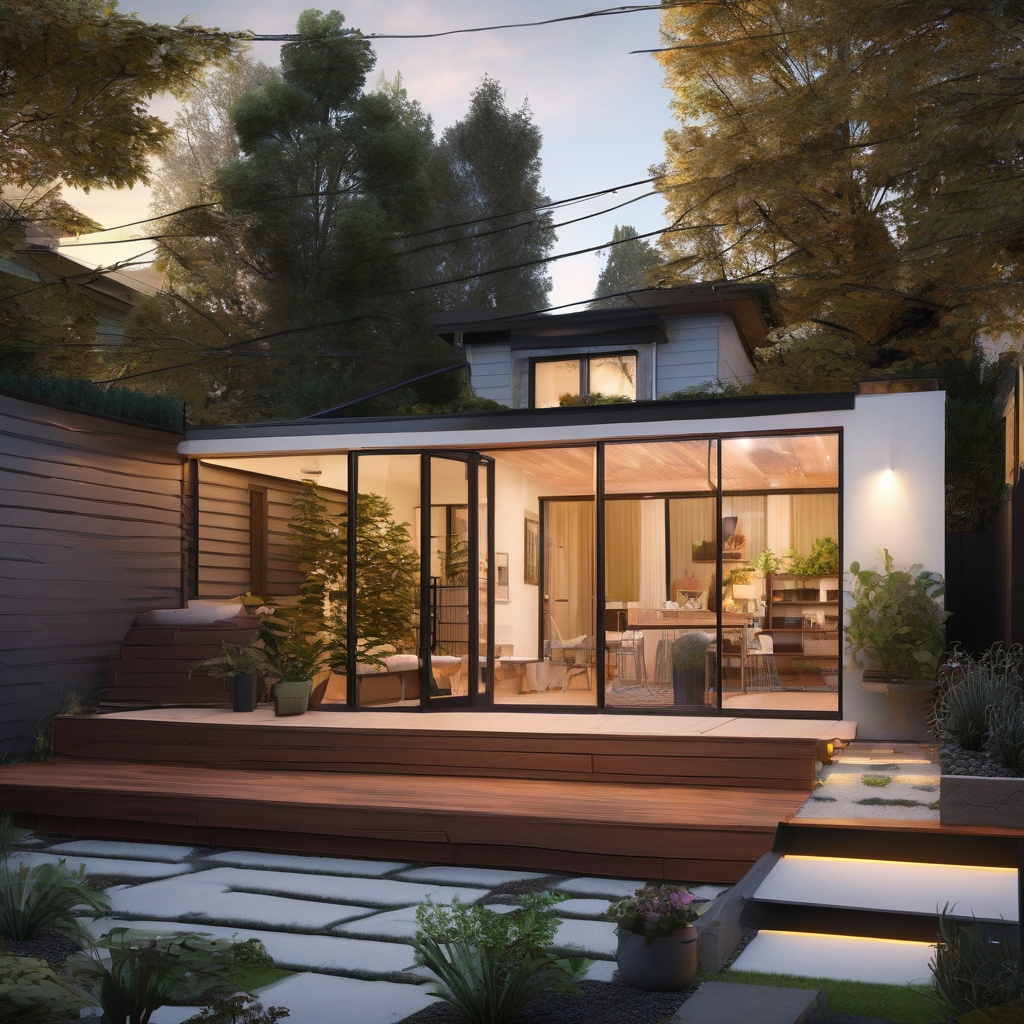
Embarking on an ADU project often plunges homeowners into a sea of regulations, with the HOA manual acting as the unyielding compass. The quest for compliance can sometimes stifle creativity, dictating everything from the color of paint to the type of plants allowed in landscaping efforts.
Seasoned homeowners understand that creativity can’t be wholly sacrificed on the altar of compliance, nor should it be. Instead, it’s about finding the pockets of opportunity within the rubric of regulations. Customization within guidelines can lead to projects that reflect personal style while resonating with the broader community ethos.
One strategy is to engage early with HOA review boards to gauge flexibility and potential for collaboration. Bringing design insights and creative ideas to the table can transform otherwise rigid interactions into constructive dialogues. Explore creative ADU applications here.
Ultimately, striking a balance invites homeowners to explore innovative solutions that satisfy both personal dreams and communal standards, crafting ADUs that enrich both their properties and neighborhoods.
The Future of ADU Development in Los Angeles
Looking forward, the role of HOAs in shaping the trajectory of ADU development remains pivotal. As Los Angeles wrestles with its housing shortages, these miniature domiciles will continue to offer a viable solution. Yet, the interplay between regulation and innovation requires constant calibration.
Increasingly, local governments are encouraging HOAs to align their regulations with broader objectives of urban densification and housing availability. This evolving dynamic creates openings for future homeowners to advocate for more flexible and progressive guidelines.
By fostering a collaborative approach, both homeowners and HOAs can take part in a shared vision for community enrichment. This vision rests on the foundation of mutual understanding and respect for both tradition and progress.
Charting the future path involves engaging robustly with HOAs and municipal bodies, paving the way for innovative uses that enhance lifestyle, property value, and community engagement. Such foresight promises to not only satisfy individual homeowners but also fortify neighborhood resilience amidst evolving urban landscapes.
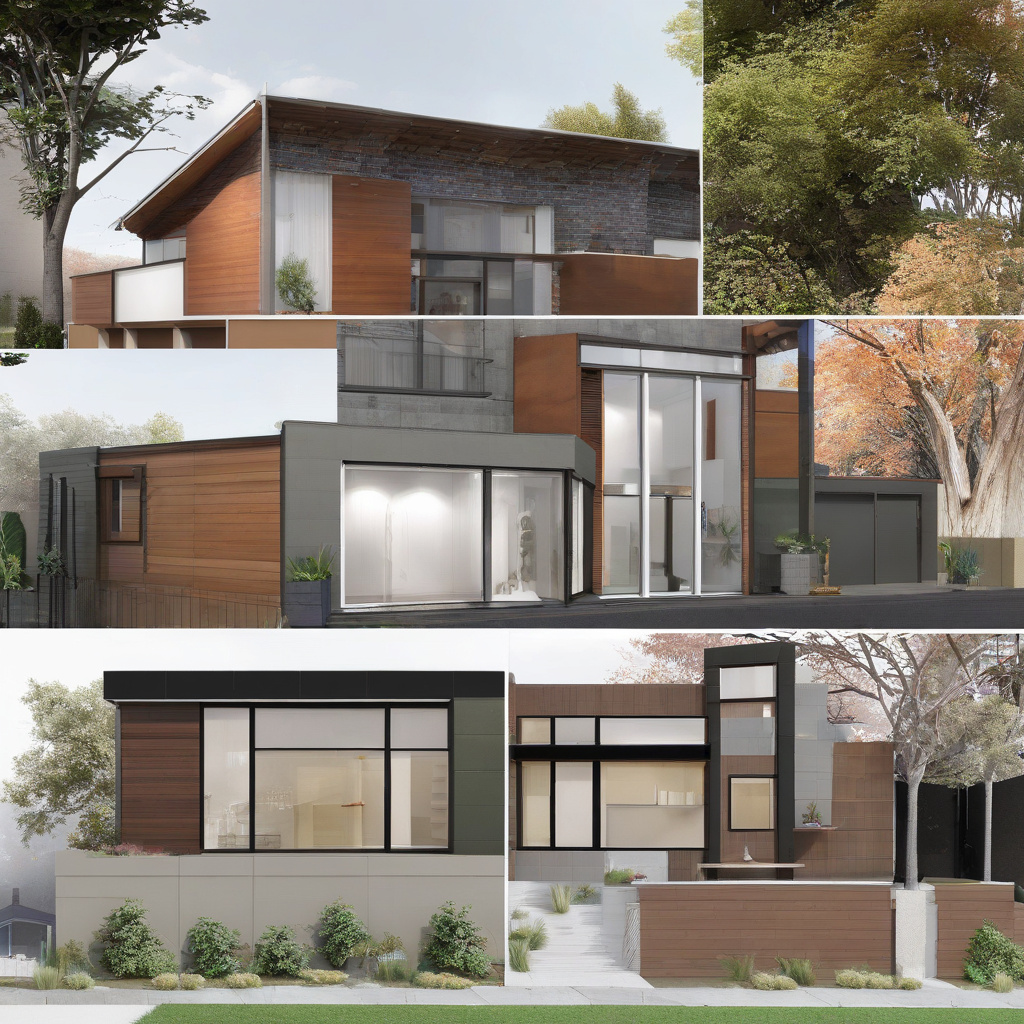
- HOA regulations significantly influence ADU approval and design in Los Angeles County.
- Parking, placement, and aesthetic cohesion are key considerations for ADU projects.
- Understanding regulatory restrictions early in the planning process is crucial.
- Innovative ADU designs can harmonize personal tastes with community standards.
- Proactive engagement with HOAs can facilitate more flexible ADU development.
“`html
FAQ
What are HOA restrictions for ADU construction in Los Angeles County?
HOA restrictions for Accessory Dwelling Units (ADUs) in Los Angeles County can significantly influence how a project unfolds. These rules often dictate the exterior design, ensuring it aligns harmoniously with the community’s aesthetics. For example, many HOAs require the new structure to match the architectural style and color palette of the primary residence. In real renovation projects, homeowners find that understanding these design stipulations early can prevent costly adjustments later. Placement is another area under scrutiny; regulations might limit where an ADU can sit on a property, often to preserve views or daylight access for neighbors. Additionally, some HOAs have strict guidelines about parking provisions and occupancy limits, demanding that homeowners plan spaces for additional vehicles without encroaching on common areas. This comprehensive framework aims to maintain the character and functionality of neighborhoods.
How can homeowners choose the right ADU design under HOA rules?
Choosing the right ADU design under HOA rules involves balancing creativity with compliance. Many experts point out that engaging with the HOA early can streamline the process. Start by reviewing the governing documents—these usually provide insights into permissible architectural styles and materials. If you’re considering a modern design, it’s crucial to ensure that it doesn’t clash with established neighborhood norms. Some homeowners successfully navigate this by opting for designs that subtly incorporate current trends without veering too far from existing aesthetics. Consulting with an experienced designer familiar with local HOA rules can be invaluable; they often suggest innovative solutions that both comply with regulations and fulfill the homeowner’s vision. Additionally, visiting existing ADUs in your community can offer practical inspiration for what works. Remember, choosing an appropriate design not only adheres to rules but also enhances community harmony.
When is the best time to start an ADU construction project considering HOA guidelines?
Initiating an ADU construction project with HOA guidelines in mind requires strategic timing. From a practical standpoint, starting after you’ve completed thorough research on HOA regulations can save both time and frustration. Ideally, begin the planning phase in the off-peak construction months, such as late fall or winter, when contractors have more availability and can give more attention to complex approval processes. Many homeowners underestimate how long approvals can take; thus, factoring in this potential delay is crucial. Additionally, it’s wise to communicate with neighbors before construction starts, as successful projects often develop with community support. Ensuring you have all HOA documentation ready before breaking ground can prevent last-minute obstacles. Timing your project this way helps smooth out the approval process and allows for adjustments if unexpected issues arise.
What are common mistakes homeowners make regarding HOA and ADU construction?
Common mistakes in ADU construction under HOA oversight often stem from misunderstandings of the rules. One frequent error is assuming that general local government permits automatically align with HOA requirements. In reality, these are separate entities, each with its own set of standards and approval processes. Homeowners may also overlook detailed aesthetic guidelines, leading to costly design changes midway. Another misstep involves underestimating the need for detailed parking plans; failing to illustrate how additional vehicles will be accommodated can stall projects indefinitely. Moreover, some homeowners neglect regular communication with the HOA board, missing the opportunity to address concerns proactively. A practical tip: keep meticulous records of all communications and approvals, which can be invaluable if any disputes arise later. Avoiding these pitfalls will smooth the path toward completing a successful ADU project.
How do HOA parking expectations affect ADU construction?
Parking expectations set by HOAs can be a significant hurdle in ADU construction. They often require homeowners to demonstrate adequate off-street parking solutions, particularly crucial in densely populated neighborhoods like those in Los Angeles County. In practice, this means outlining where and how additional parking spaces will be arranged—without impacting the flow of shared spaces or infringing on community aesthetics. Any variance requests, like using street parking, typically demand thorough justification and can face resistance. During planning, homeowners should survey their plot for potential expansions like driveway extensions or optimized garage space usage. Failure to present a compliant parking plan is a common reason for project delays. Thus, consulting with professionals who understand both architectural design and HOA nuances can turn potential roadblocks into smooth pathways, ensuring your ADU project progresses seamlessly.
What are the cost considerations for ADU compliance with HOA regulations?
Complying with HOA regulations can substantially impact the financials of an ADU project. On one hand, aligning with restrictions might elevate construction costs due to mandated materials or specific design features. For instance, an HOA may require high-quality facade materials to ensure visual harmony, which could spike initial expenditure. On the other hand, failing to adhere to these rules can incur additional fees through modification orders, delaying your project further and adding to the budget. A hidden advantage, however, might be higher property values from aesthetically cohesive ADU designs. Professionals often advise setting aside a contingency fund to cover unexpected HOA-related costs. By budgeting with these potential expenses in mind, homeowners can better manage financial risks and make informed decisions when issues arise. For deeper insights into managing ADU project costs, feel free to reach out through a personalized consultation.
What are the benefits and drawbacks of HOAs regulating ADUs in Los Angeles County?
HOA regulations for ADUs offer both benefits and drawbacks that homeowners should weigh carefully. On the positive side, regulations help maintain neighborhood uniformity, which can preserve property values and promote community harmony. They ensure that new constructions don’t disrupt established aesthetics or infringe on neighbors’ privacy, which is particularly valued in close-knit communities. However, there are also drawbacks. Compliance can lead to additional costs and prolonged timelines due to the complexity of adhering to intricate guidelines. This can deter homeowners from updating their properties with potentially beneficial housing solutions. A nuanced understanding of these regulations is vital; knowing when the rules serve to genuinely protect community interests versus when they pose unnecessary burdens could save homeowners both time and stress. By navigating these regulations astutely, homeowners can better enjoy the benefits while mitigating the pitfalls.
Can older property renovations accommodate new ADUs under HOA rules?
Renovating older properties to include a new ADU under HOA regulations is certainly feasible, though not without its challenges. Properties with historical significance or unique architectural styles often face stringent guidelines to preserve their character. These might include limitations on altering facades or the requirement to use specific restoration techniques. Many experts suggest that an in-depth architectural assessment should precede any renovation plans. This assessment can reveal practical ways to incorporate an ADU without compromising the integrity of the original structure. For homeowners, it’s crucial to work closely with specialists who know both historic preservation and current construction standards. With careful planning, older properties can be adapted to modern housing needs while respecting HOA rules and maintaining their distinctive charm. If you’re considering such a renovation, it might be helpful to reach out to a renovation expert for advice on navigating these complexities.
“`