In the sun-drenched rooms of Los Angeles, a debate rages on that echoes through the hallways of homes and the bustling offices of renovation experts alike: the efficacy of “one-coat” paint. Promoted as the ultimate time-saver in the frenetic pace of modern life, the allure of such paints is undeniable. However, these paints rarely live up to their promises of transformative coverage. Instead, the reality of achieving that perfect finish involves an intricate dance of preparation, priming, and a meticulous layering approach.
Brief summary: This article explores the reality behind “one-coat” paints, often touted for convenience but seldom delivering the promised coverage in interior renovations. Homeowners and industry experts from Southern California reveal the essential steps of priming and layering required for long-lasting results, challenging the simple solutions offered by marketing claims.
The Allure and Illusion of “One-Coat” Paints
The promise of “one-coat” paints seduces homeowners and renovators with its tempting blend of time-saving and efficiency during the hurried throes of a home makeover. Such paints claim to swath walls with a single, robust application, eliminating the need for the laborious stages traditionally associated with painting. Yet, as many Southern California renovators will tell you, this ambition often buckles under the harsh scrutiny of reality.
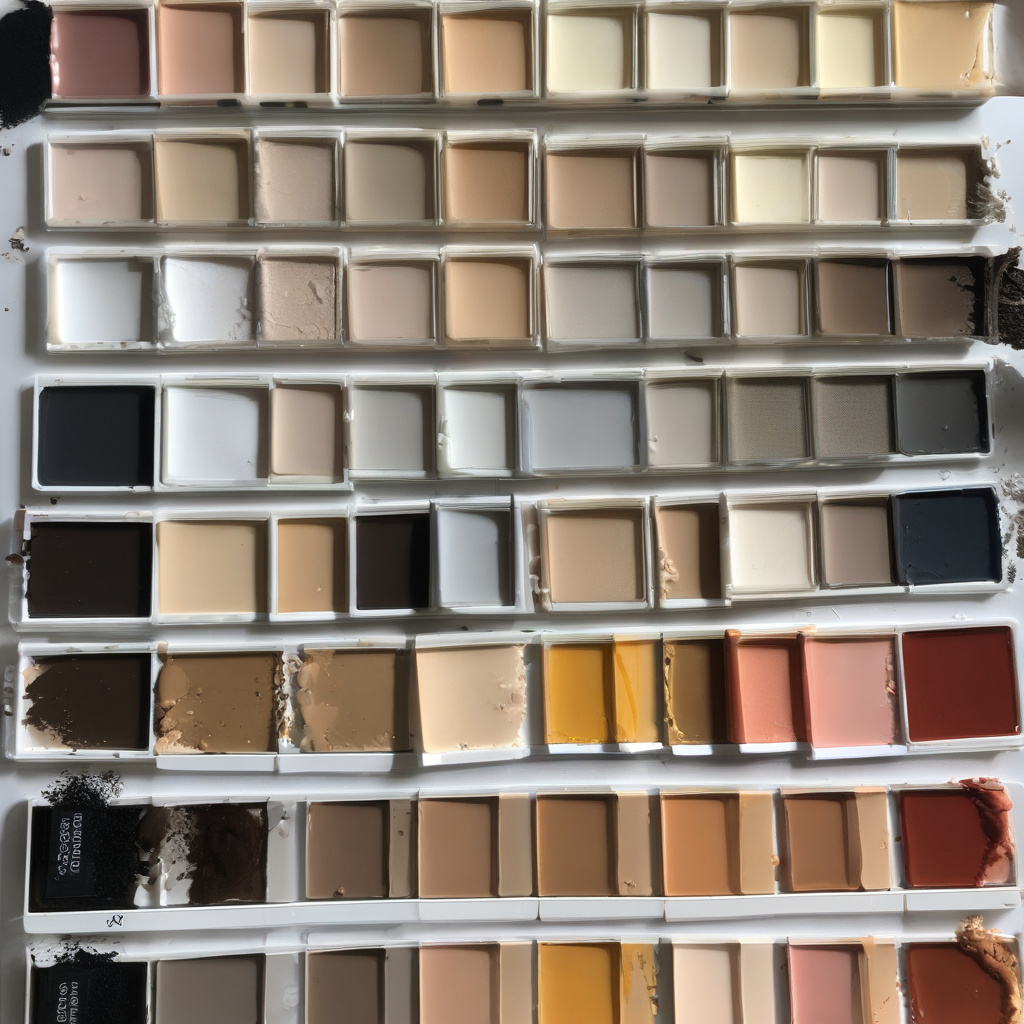
Consider a typical Los Angeles household embarking on an interior facelift. What begins with vibrant swatches and adventurous color choices often yields frustration when walls reveal the tell-tale blotches of incomplete coverage. The sun-drenched interiors of Southern California present unique challenges where harsh light exposes any deficiency in paint application.
Initially, one might be drawn in by the marketing glamour. However, when the rollers meet the wall, the backdrop of existing colors, textures, and surface anomalies often undermine the uniformity promised by the paint tins. The discerning renovator quickly learns that what seems like an intuitive option, sans primer, swiftly spirals into a test of patience.
There lies a growing awareness among homeowners that marketing claims often require careful reading between the lines. “One-coat” paints often perform best over similar tones or pre-primed surfaces, necessitating additional applications contrary to what the label might suggest. Learn more about paint application best practices in the region.
Indeed, local advice harmonizes with professional insights: thorough preparation, including priming and multiple layers, as necessary steps for achieving both beauty and durability.
Decoding the Paint Performance: Real World Applications
Across Los Angeles, from the chic condos of Santa Monica to the sprawling homes in the San Fernando Valley, stories abound of paint solutions gone awry. One homeowner, deeply embroiled in the quest for the perfect living room hue, recounts multiple trips to stores, battling unexpected demands of preparation that “one-coat” solutions failed to forewarn.
Many find themselves grappling with the reality that coverage depends not just on the paint itself but also significantly on the surface beneath. Stains, wood grain, or even subtle hue shifts in wall materials mar the supposedly ease-laden process of painting.
This nuance requires renovators to employ a judicious eye, assessing surfaces meticulously before cracking open that single-can solution. As many local homeowners notice, the initial delight of time-saving quickly morphs into an arduous process, reminiscent of traditional techniques that require patience and precision.
The crux of successful painting often lies in adopting a layered approach. Most professionals agree, combining a quality primer and multiple coat layers results in the desired evenness and richness of color that genuinely tests time.
In essence, this complex dance of expectation versus reality is an exercise in patient dedication, yielding that coveted seamless finish born from layers of loving labor.
True Costs and Considerations in Los Angeles
Emotionally and financially, the paint journey can take surprising turns. Even the most budget-conscious renovations in areas like Los Feliz or West Hollywood may deplete reserves meant for other updates by overestimating these paints’ true efficiency.
The financial charting of paint choices often involves a balance between the perceived upfront cost and the hidden expenses of additional product and labor. Homeowners recount experiences at local hardware stores, where discussions pivot from initial intent to more pragmatic approaches.
An illuminating consideration involves comparing the method of traditional vs. “one-coat” applications:
| Renovation Option | Pros | Cons |
|---|---|---|
| One-Coat Paint | Reduces initial labor | May require additional coats |
| Traditional Multi-Coat | Ensures best finish and longevity | Higher initial time and effort |
While the temptation to substitute craftsmanship with convenience looms, profound insight involves recognizing the intricate layers involved. As renovators from the Culver City area can attest, choices are often determined by balancing flair with foundational solidity.
Curious readers would do well to consider the practical nuances of paint color selection and its eventual impact on aesthetics.
According to the Henderson Paint Institute, “While ‘one-coat’ products claim efficiency, 85% of professionals agree layers offer deeper, robust hues that last substantially longer.”
Practical Tips for Better Results
In the pragmatic theater of home improvement, practical tips emerge from experience, honed over countless iterations of trial and triumph.
First, proper surface preparation cannot be overemphasized. Cleaning surfaces and ensuring they are dry and smooth is crucial. The surface treatment before applying paint, particularly on dry, sunny Los Angeles days, determines the final outcome.
Second, investing in a high-quality primer acts as insurance for that perfect finish. Especially when applying lighter shades over darker ones or dealing with textured surfaces, primer becomes indispensable. It sets the foundation for any topcoat’s success, whether labeled as single-coat or otherwise.
Third, using the right tools transforms an ordinary paint job into a professional-grade result. Brushes, rollers, and even spray guns, appropriately chosen, aid in achieving that desired consistency.
Moreover, protecting surrounding areas such as floors and furniture is key to maintaining sanity and preserving other elements of the home during messy renovations. Explore practical advice on safeguarding your renovation environment.
Ultimately, adept navigational knowledge of painting translates to both the eyes and heart’s delight as spaces are reborn with every stroke, layer by layer.
Professional decorator Jane Devon notes, “Preparation and patience transform a daunting paint job into a vibrant canvas where the home truly reflects its inhabitants’ soul.”
Navigating Color Choice with Intent
Among the vibrant streets of Los Angeles, from the beachfront properties of Malibu to bustling downtown lofts, color holds a cardinal position in defining individual space, making it a critical part of the renovation journey.
The role of color psychology comes into sharp focus, wherein strategic color selections go beyond aesthetics and delve into creating mood and ambiance. A room’s chromatic identity can foster serenity, enthusiasm, or even encourage productivity, mirroring the inhabitant’s lifestyle and preferences.
Indeed, painting is as much about transformation as affirmation. Proper color choices reflect more than personality; they can impact a property’s longevity and value, nuanced by regional charm.
Home decorators often advise taking time to explore how shades interact with light throughout the day, which can dramatically alter perception. Consider how a sun-dappled Los Angeles late afternoon versus morning light shifts the vibe of a space.
Further reading on understanding the impact of color psychology on various rooms can provide homeowners and renovators with unprecedented insight into achieving the balance between visual impact and emotional resonance.
Research reveals that “Color can increase a property’s perceived value by up to 20%,” underscoring the weight of choices governing renovation success.
Bridging the Gap Between Expectation and Reality
In the end, the journey of home transformation weaves between aspiration and actuality. The endeavors of painting and renovating within Southern California homes encapsulate these dynamics, wearing imperfect attempts as badges of experiential wisdom.
What stands as universal through the diverse tapestry of Los Angeles homeowners is an ongoing pursuit: crafting spaces that resonate with personality again each dawn. Concessions to pragmatic details such as layer multiplicity become negligible when weighed against the intimate victories of home personalization.
With each brush stroke, walls yield tales of care, decisions etched upon them like echoes of hands past. This awareness positions renovators not merely as facilitators but as artists, channeling essence into every room’s rebirth.
The haze of “one-coat” paint myths may linger, but amidst evolving perspectives, the comfort of informed, careful choice ushers forth spaces echoing individuality and effort.
In this crossroads of creativity and conservation, homeowners carve niches of comfort reflective of both evolving community and personal journey.
- The promise of “one-coat” paint often fails to deliver in reality, especially in sunlight-rich Southern California.
- Preparation and primer are crucial for achieving an ideal finish.
- Real-world applications show multi-layer approaches yield better results.
- Color choice plays a vital role in the ambience and perceived property value.
- Balancing enthusiasm with careful, thoughtful planning leads to successful renovations.
FAQ
What exactly is one-coat paint, and how does it differ from regular paint?
One-coat paint is marketed as a paint that provides full coverage with a single application, which sounds like a perfect solution for quick jobs. However, in practical renovation situations, homeowners often discover that achieving truly even coverage across diverse textures and colors usually requires more than one coat. Regular paints are not marketed with this promise as they are designed for multiple coats to achieve depth and consistency. Many people painting older Californian homes, with their diverse wall textures, learn through experience that the promise of single-coat application frequently falls short, especially on porous or darker surfaces.
How should homeowners choose the right paint for their interior projects?
Selecting the right paint involves evaluating not just color but also the type of surface and the finish you desire. In California, where homes often vary from Spanish-style stucco to sleek modern designs, assessing the surface material is crucial. Many renovation experts suggest painting samples directly onto the wall to observe how the paint reacts to changing daylight. Consider whether you need durability in high-traffic areas or sleek finishes for less frequented spaces. Consulting with a professional for your specific needs can save time and ensure a quality finish. For further guidance specific to California’s architectural nuances, it might be useful to speak with local experts—consider reaching out via [consulting with local renovation specialists](https://californiarenovation.top/contact/).
When does it make sense to use one-coat paint, despite its limitations?
Using one-coat paint can be practical for small, low-risk areas or on new and uniformly textured walls. For instance, in newer builds with consistent surfaces, where the walls are already primed and light-colored, applying one-coat paint might suffice if you’re under tight time constraints. However, on darker walls or in homes with layered historical charm needing color changes, expect to apply at least a second layer. One-coat paints can be cost-effective for quick refreshes but not for complete transformations where depth and saturation are critical.
What are common mistakes when using one-coat paint in interior renovations?
A frequent oversight is neglecting to properly prepare the walls. Many assume one-coat paint requires less preparation, but this can lead to uneven coverage and unsatisfactory results. Skipping primers, especially on darker or glossy surfaces, often results in patchy finishes that undermine the product’s promise. Additionally, not taking into account the impact of existing wall colors or textures before application can lead to disappointment, requiring more work than initially expected. Test patches are an overlooked yet essential step in preventing these missteps.
Are there cost considerations homeowners should be aware of when choosing one-coat versus regular paint?
Homeowners might be drawn to one-coat paint due to its perceived time and labor cost savings, but these benefits can be deceptive. One-coat options are often priced higher per gallon. When factoring in the additional coats needed for non-uniform surfaces, the initial savings might shrink. Regular paints, although requiring more coats, may ultimately prove more economical for wide-scale projects, especially in Californian homes with varying architectural styles and finishes. Balancing upfront costs with the realistic need for extra coats is key in budgeting for interior paint jobs.
What are the pros and cons of one-coat paint?
The primary advantages of one-coat paint lie in its promise of reduced labor and time. For quick, light refreshes on suitable surfaces, this convenience can be the main draw. Yet, the limitations include a higher price point and the potential need for additional coats on textured or darker surfaces. On the con side, the effectiveness of one-coat applications is limited on challenging surfaces, often leading to mixed results. Understanding these trade-offs helps in determining whether it offers the best solution for your particular renovation task.
Does the choice of primer impact the success of using one-coat paint?
Absolutely, the primer choice is pivotal. Many renovation professionals in California underline the necessity of a good primer to create a uniform surface that can better hold one-coat paint. By using a quality primer, you can mitigate the variable absorption rates of the wall surface, leading to more even color presentation, particularly important on porous or repaired walls. Priming significantly affects the durability and appearance of the final paint job, and skipping it can compromise the quality of a one-coat solution.
What maintenance tips should be considered after applying one-coat paint?
Maintaining one-coat paint requires attention to cleaning and touch-ups. Given that one-coat paints may not have the resilience of multiple layers, homeowners should be cautious with abrasive materials that could damage the finish. Regular dust and dirt build-up should be gently removed with soft, damp cloths. For any chips or scrapes that inevitably arise, having a small amount of leftover paint for touch-ups can help in maintaining appearance over time. This care ensures that even in high-traffic areas, the walls continue to look fresh.