
In the sprawling metropolis of Los Angeles, where the charm of Spanish Colonial Revival meets the chic of mid-century modern, bathroom remodels are more than just aesthetic upgrades; they are an exercise in preserving the sanctity of your home’s most vulnerable spot against an uninvited guest – mold. As Angelenos dive into renovation projects, they face the daunting task of keeping mold at bay, a task that begins long before the final tile is laid. Proper venting, strategic moisture barriers, and meticulous drying conditions are essential to ensure that your remodeled paradise doesn’t become a petri dish.
Brief summary: Avoiding mold growth during and after a bathroom remodel in Los Angeles involves using effective ventilation, moisture barriers, and drying techniques. This article outlines strategies employed by local homeowners and experts to prevent mold from ruining your renovation investment.
Starting With the Right Foundation
Before you even start demolishing tiles or picking out granite countertops, it’s crucial to consider the fundamentals of well-planned bathroom renovations. LA’s unique climate challenges, mixed with its aging housing stock, call for rigorous pre-construction steps. These steps include moisture mapping and ensuring an effective ventilation strategy is in place. Without these foundational steps, homeowners risk significant costs and headaches down the road.
Moisture mapping involves assessing the bathroom’s current exposure levels to identify hidden damp spots. Understanding this can help in designing a remodel that effectively seals or redirects potential problem areas. A less humid space will naturally deter mold growth. Many homeowners rely on professional assessments to uncover these invisible vulnerabilities.
The conversation on ventilation cannot be overstated. From exhaust fans placed strategically to cross ventilations made of cleverly designed window placements, each option needs careful consideration. The designs vary, from sleek, ultra-modern vent systems to charming vintage reproductions that match period-specific homes. Either way, the goal is the same: ensuring that moisture has a rapid escape route.
Before placing that final tile, make sure your bathroom’s bone structure—the plumbing, beams, and walls—are ready to support a mold-free environment. Sealing and insulating any vulnerable points will not just keep mold out but help maintain your home’s energy efficiency and comfort.
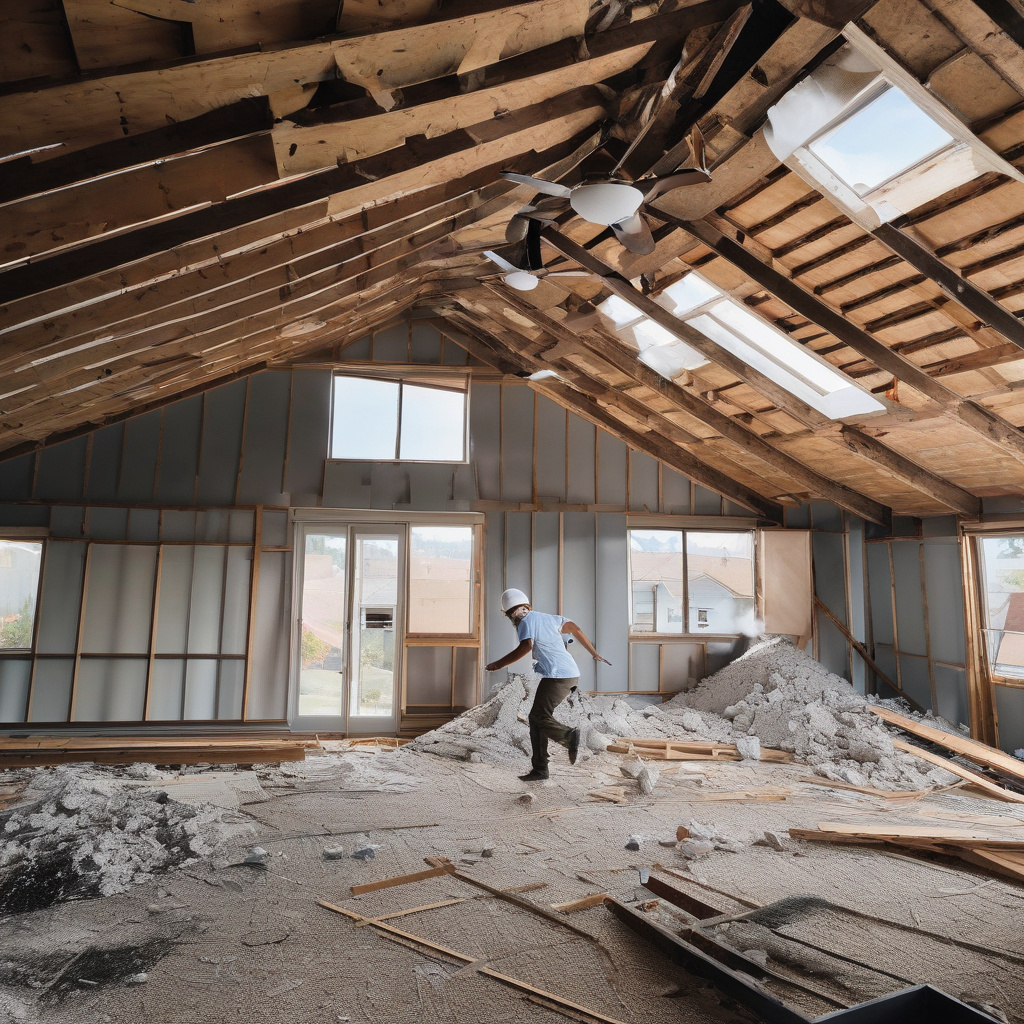
According to the American Institute of Architects, well-insulated bathrooms with proper moisture control can extend the life of a remodel by as much as 30%.
Venting Frustrations: Choosing the Right System
Ventilation systems, though often eschewed in favor of aesthetic investments, hold the key to preventing mold pockets in a bathroom. In Los Angeles, where the sun-drenched climate can betray cool desert nights, installing the correct ventilation system is paramount. This involves choosing between freestanding or built-in systems, a decision shaped by your home’s original layout and your desired outcome.
Understanding Your Options
Freestanding units offer flexibility and can be moved or adjusted as needed. They are particularly popular in older homes where retrofitting may present a challenge. These units come in portable models or more permanent installations that provide added air purification benefits.
Built-in options, on the other hand, offer a more seamless aesthetic and often higher efficiency. These systems are usually installed during the renovation process, requiring careful planning to blend with the existing architecture. Builders often recommend this approach in new constructions or comprehensive remodels.
When selecting a ventilation system, consider not only initial costs but ongoing energy efficiency and maintenance requirements. The upfront investment often pays dividends through enhanced air quality and reduced risk of mold proliferation.
In summary, the choice between freestanding and built-in systems must consider your home’s needs, future value, and the desired balance between functionality and aesthetics.
Moisture Barriers: Your First Line of Defense
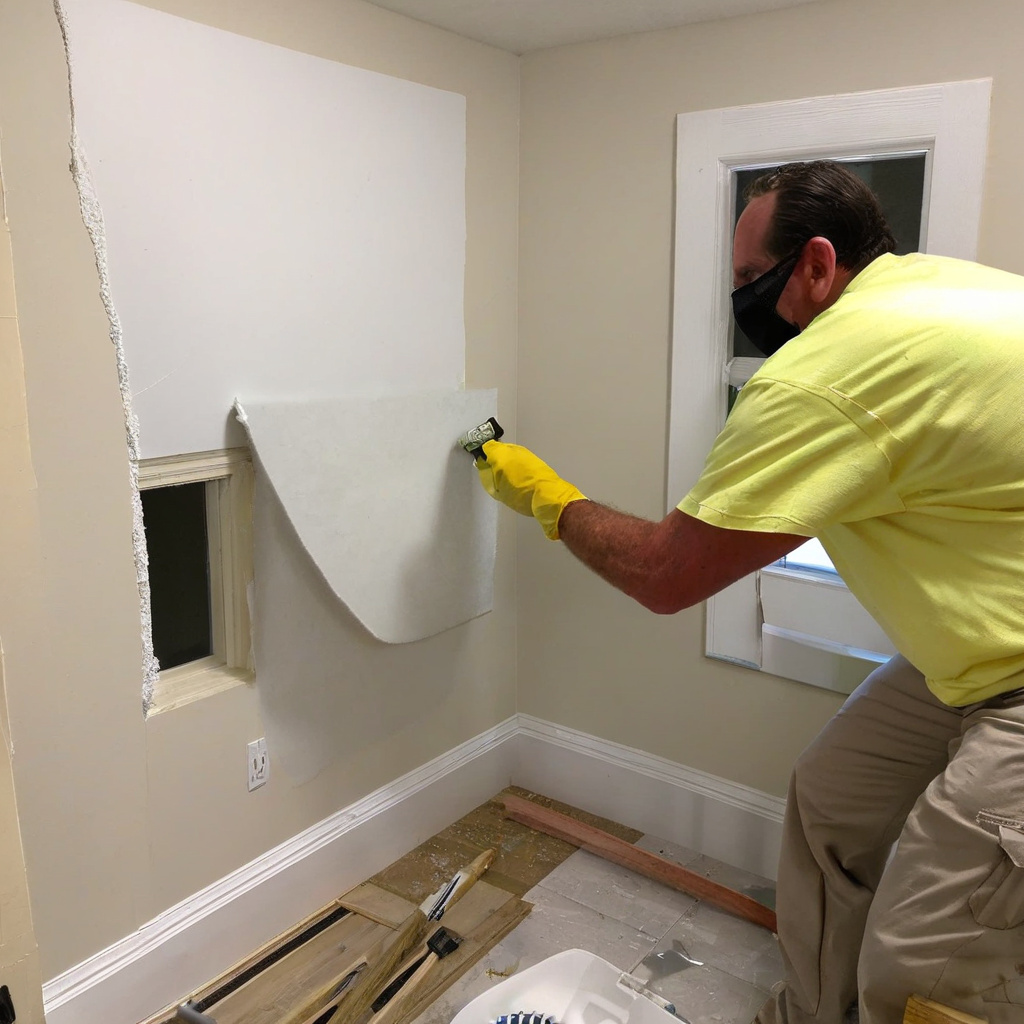
Moisture barriers serve not just as a preventive measure but as an inevitable necessity in any bathroom renovation. These barriers vary from simple polyurethane sheets placed beneath new tiles to advanced coatings applied directly to walls and floors. It is this unseen element that, when properly installed, protects your beautiful new space from the scourge of mold.
Selecting the Right Materials
The materials for these barriers range from basic plastic sheeting to more sophisticated products integrated with smart technology. Choosing the right product can depend on several factors, including the size and shape of your bathroom, existing structural concerns, and even your budget. Homeowners often find themselves balancing cost against durability and maintenance ease.
In Southern California, where seismic activity and climate variations present unique challenges, advanced moisture barriers with flexibility features stand out. These high-end options may require professional installation, but they offer superior long-term protection.
The installation of these barriers often goes hand-in-hand with grout decisions, a vital design choice that can impact moisture control. Understanding effective grout techniques ensures that moisture barriers function efficiently and lasts over time.
Ultimately, the aim is to create a fortified space where moisture is managed, and mold finds no welcome. Thoughtful choices during this phase can make a significant difference in the longevity of your renovation.
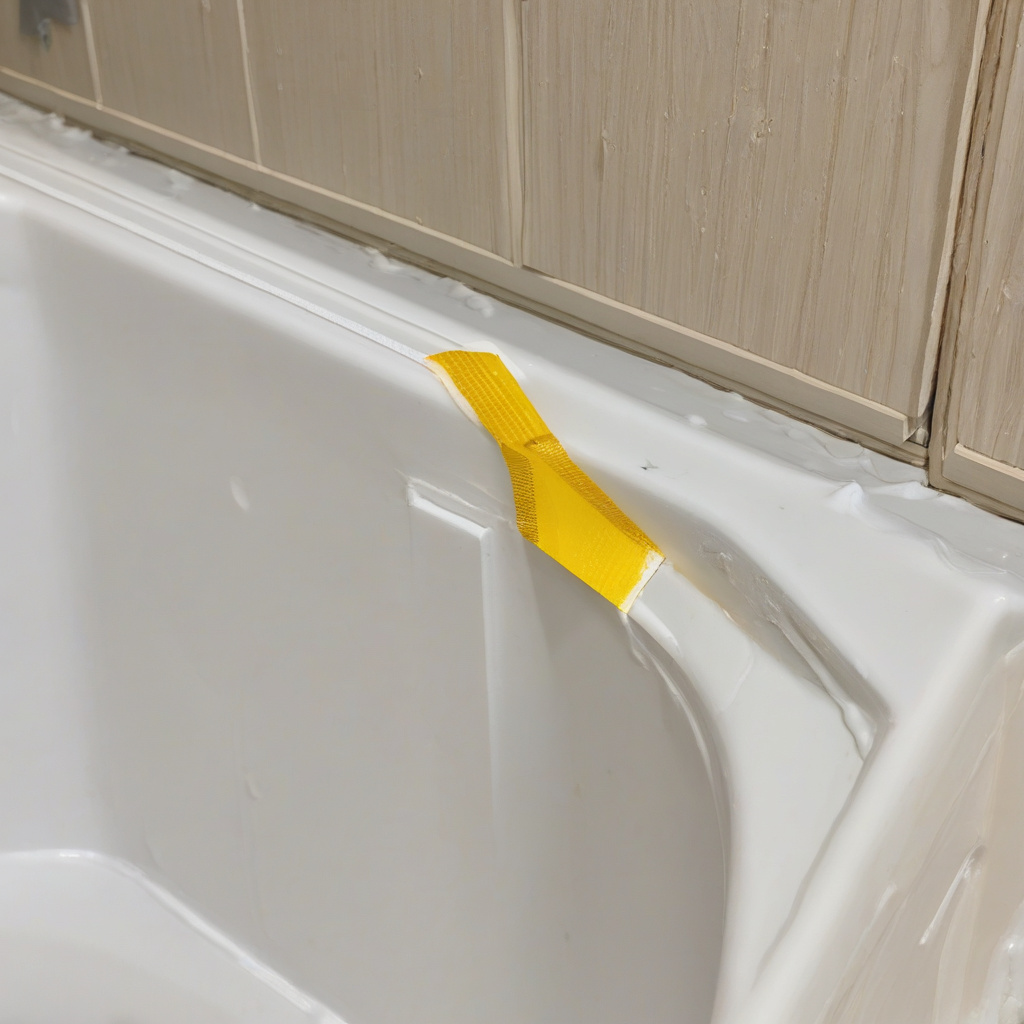
Construction pros recommend that approximately 30% of your bathroom renovation budget be allocated toward moisture management and ventilation improvements.
Drying Conditions: Not Just a Waiting Game
Creating ideal drying conditions is perhaps the most overlooked aspect of the renovation process, yet it can be the distinguishing factor between success and a moldy disaster. In the atmospheric whims of Los Angeles, optimizing drying techniques involves a mix of natural and technological solutions uniquely tailored to your home’s positioning and structure.
The focus here is on ensuring every phase of the remodeling project remains dry, especially during significant humidity changes. This involves setting up temporary dehumidifiers and fans in critical stages, sometimes over days or weeks depending on the project scale.
The Science of Drying
Utilizing timed air flows, these drying phases can be synchronized with other parts of the remodeling process to reduce downtime. Angelenos often use their cool desert nights advantageously by ventilating during these cooler periods, closing up once the sun’s intensity rises.
A well-timed drying plan minimizes mold risks from post-renovation outgassing—volatile compounds that can present unexpected wet conditions. Project managers often map out this process alongside construction timelines to ensure all elements, from wall treatments to grout, cure without moisture layering.
As many local homeowners observe, the results from meticulous drying setups not only prevent mold but ensure the materials set properly, enhancing the durability and finish of the newly remodeled space.
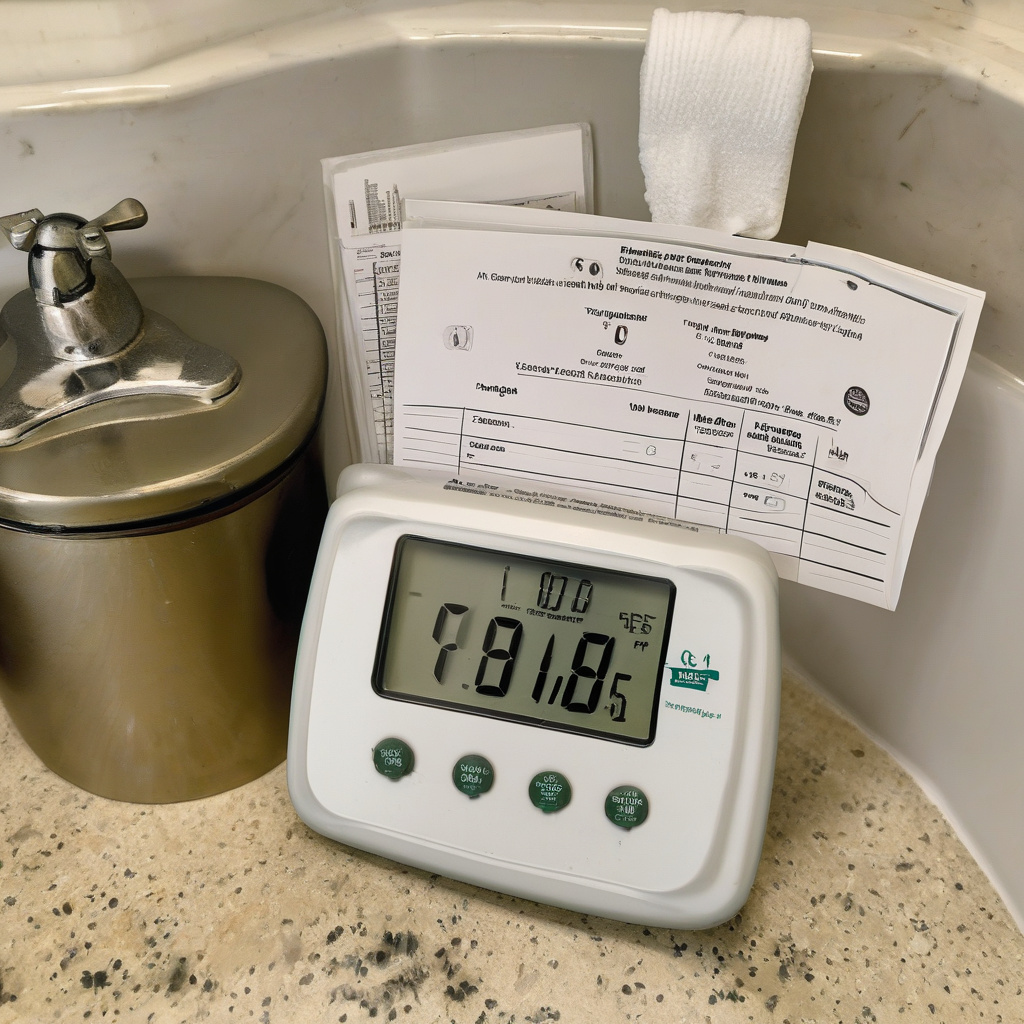
Humidity levels in your bathroom should ideally stay between 30% and 50%. Maintaining this range discourages mold growth and encourages healthier indoor air quality.
Risk vs Reward: The Cost-Benefit Analysis
Any renovation project in Los Angeles, a city known for its eclectic homes and creative spirit, comes with its list of risks and rewards. Mold issues feature prominently among the risks, not just due to the health implications but the potential financial setbacks they bring. On the other hand, the reward of a carefully executed bathroom remodel extends beyond aesthetic appeal to include increased property value and enhanced personal functionality.
| Aspect | Pros | Cons |
|---|---|---|
| Initial Cost | Possible increase in home resale value. | High upfront expenses for comprehensive renovation. |
| Design Flexibility | Tailored design to suit individual tastes and needs. | Complexity in design can lead to longer project timelines. |
| Long-term Maintenance | Proper mold prevention decreases future repair costs. | Possible oversight can lead to expensive mold remediation. |
Balancing Benefits and Drawbacks
As seen in the table, homeowners must weigh the benefits of a high-end remodel with its potential downsides. While aesthetic possibilities and property boosts present clear perks, the looming risk of mold can often capsize these advantages if not correctly addressed. Therefore, knowledgeable contractors often guide clients through detailed discussions to make informed decisions that align with individual goals and circumstances.
Ultimately, the investment in mold prevention is a commitment to future savings and hassle avoidance. This proactive approach has positioned homeowners to enjoy not just a beautiful space, but one which functions effectively and retains its value.

Next Steps: Moving Beyond Basic Renovation
Once your bathroom remodel project is completed, maintaining its pristine condition becomes the next priority. This is where design elements that offer both functionality and style come into play, such as the integration of spa-like bathroom features. These enhancements not only provide a luxurious escape but also often incorporate smart technology to assist in ongoing mold prevention.
Homeowners looking to push the boundaries of traditional designs can explore additional features like steam showers with integrated ventilation systems or heated floors that control ambient moisture levels. These options, while an added expense, offer significant returns in terms of personal satisfaction and increased home value.
In Los Angeles, where luxury and innovation intersect, a bathroom remodel that avoids mold issues is more than just a home improvement project—it’s a personal and financial investment into the sanctity of your living environment.
Steps taken to prevent mold during and after a bathroom remodel can transform not just a singular space but the overall health and aesthetic of your home. Informed choices and meticulous planning ensure these transformations bring lasting elegance and peace of mind.
- Effective mold prevention starts before construction, with moisture assessments and ventilation planning.
- Selecting the right ventilation and moisture barriers is crucial to maintaining a mold-free environment.
- Thoughtful drying techniques can ensure the longevity and success of a remodel.
- A balanced approach considering costs and potential returns provides homeowners with informed renovation choices.
“`html
FAQ
How does proper venting help prevent mold growth during a bathroom remodel?
Proper venting plays a crucial role in mold prevention by directing moist air outside. In real renovation projects, it often becomes clear that a poorly vented bathroom traps moisture, accelerating mold growth. Ventilation fans must be installed correctly, with ducts leading outside, not just into an attic where heat and dampness accumulate. Many experts point out that choosing a fan with the right capacity for the room size is essential to effectively manage moisture. Venting is particularly crucial in humid climates, where the outside air is often as moist as inside, creating relentless conditions for mold. Always ensure your ventilation system is specified for your bathroom’s dimensions and usage intensity.
What role do moisture barriers play in avoiding mold in bathroom remodels?
Moisture barriers are an unsung hero in the battle against mold. They act as a waterproof layer, preventing water from seeping into building materials. Homeowners frequently underestimate this aspect, tempted to skip over it to save on costs. However, in the trade, it’s well known that effective barriers, such as waterproof membranes, can extend the life of a remodel significantly. Installing them requires precision, especially at joints and corners where leaks tend to occur. Careful application prevents water intrusion and the subsequent growth of mold behind walls and under floors, which are areas difficult to inspect once the remodel is complete.
Why is controlled drying critical after a bathroom remodel?
Controlled drying ensures that any residual moisture from construction processes doesn’t linger, leading to mold. Many homeowners think that once a remodel looks dry, it is dry. Yet, real-world experience tells us that it’s easy for moisture to hide beneath surface finishes. Using dehumidifiers and heaters during the drying phase facilitates moisture evaporation from deeper layers, like insulation and drywall. This step is particularly important after installing tiles, as the grout needs time to cure and dry completely. Overlooking controlled drying can lead to compromised renovations down the line.
What are common mistakes that lead to mold during a bathroom remodel?
Common mistakes include poor ventilation, skimping on moisture barriers, and inadequate drying time. Many DIY remodelers take shortcuts, not realizing that each step is crucial for mold prevention. For instance, omitting an exhaust fan or not ensuring proper drainage systems can result in trapped moisture. Another overlooked mistake is selecting porous materials like certain woods without treating them against moisture. In the heat of construction, timelines often rush the necessary drying time, setting a foundation ripe for mold. Recognizing these pitfalls can save you from future remediation headaches.
Should I be concerned about mold if I’m remodeling an older bathroom?
Absolutely. In older homes, outdated plumbing and previous water damage may have already created conditions favorable to mold. When walls come down, it’s not uncommon to discover pre-existing mold, which many new homeowners don’t anticipate. Remodeling presents an opportunity to address underlying issues like faulty seals and unregulated moisture levels. During such renovations, checking for hidden leaks or existing mold can prevent a past problem from becoming a future nightmare. If you’re in the California area and need professional assessment, explore your options to find local experts who could assist.
What are the cost considerations for implementing mold prevention strategies in a bathroom remodel?
Cost considerations for mold prevention include quality of materials, labor for proper installation, and the added expense of moisture management systems like efficient fans and dehumidifiers. Although the upfront cost might be higher, investing in high-quality waterproofing membranes and durable, non-porous surfaces pays off by reducing the likelihood of expensive mold remediation later. On the flip side, skimping on these essentials can lead to faster mold recurrence, driving up future repair costs exponentially. Consider assembling a budget that prioritizes sustainable and effective solutions over purely aesthetic upgrades.
Are there specific materials recommended for a mold-resistant bathroom remodel?
Yes, selecting the right materials is key to mold resistance. Opt for non-porous surfaces such as ceramic or porcelain tiles, which do not absorb moisture easily. For walls, use moisture-resistant drywalls like greenboard or cement board, known for their durability in wet environments. Many experts highlight using paints with antimicrobial properties, offering a first line of defense against mold spores. Additionally, sealing tile grout with a waterproof sealer prevents water penetration. Although a bit pricier, these materials are highly recommended for their longevity in battling dampness, especially in frequently used bathrooms.
What are the pros and cons of DIY mold prevention during a bathroom remodel?
Undertaking DIY mold prevention has both benefits and drawbacks. On the plus side, DIY efforts can be cost-effective if you are equipped with the right knowledge and skills. It allows for greater control over material selection and installation pace. However, many remodeling stories reveal that the lack of professional expertise can lead to errors—like ineffective moisture sealing or poor ventilation solutions—that invite mold issues. If you’re inexperienced, consulting a professional for at least the initial planning or review of your DIY efforts is wise. Remember, mold prevention is not just about following steps; it’s about understanding how conditions in your specific space contribute to moisture-related problems.
“`