As the population ages and more families seek multigenerational living setups, the demand for accessible Accessory Dwelling Units (ADUs) in Southern California is surging. These ADUs provide a practical and elegant solution for homeowners wishing to support aging parents or family members with disabilities by offering an independent, yet closely-connected living option. By integrating clear layout planning, mobility enhancements, and thoughtful room scaling into their designs, these independent units ensure safety and comfort in everyday life. Exploring this trend can reveal both the advantages and challenges of such transformations in Los Angeles.
Brief summary: The article covers the growing trend of accessible ADU designs in Southern California, focusing on the needs of aging parents and individuals with disabilities. It outlines effective design strategies, cost considerations, and regulatory challenges while highlighting practical examples of family adaptations.
Understanding Accessible Design for ADUs
In the sprawling neighborhoods of Los Angeles, many homeowners are turning their sights to the possibilities offered by ADUs. These structures, often referred to as “granny flats” or “in-law units,” are becoming increasingly popular for their ability to offer autonomy and closeness simultaneously. A key component of their charm is their design flexibility, particularly when accessibility features are prioritized.
Accessible design in ADUs emphasizes ease of navigation and use. As families consider incorporating such units for aging relatives or those with disabilities, the consideration of spatial layout becomes paramount. Features like zero-step entries, wider doorways, and smart home technology are no longer just preferences but necessities.
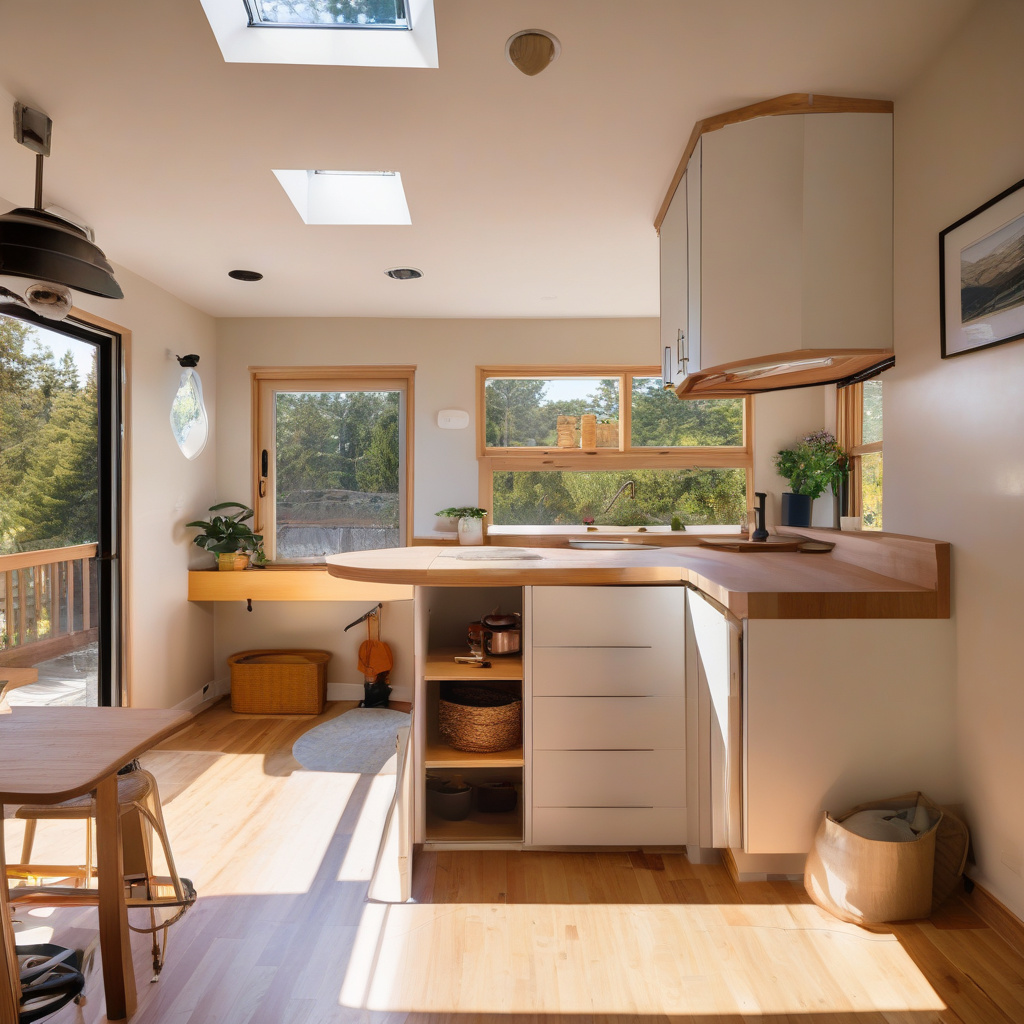
Los Angeles is seeing a wave of homeowners opting for creative renovation solutions to maintain both functionality and aesthetics. Families are investing in open floor plans, where movement from one room to the next is seamless, reducing risks of falls and making daily activities more manageable for everyone involved.
The conceptual shift from merely functional to beautifully accessible design not only enhances the quality of life for its residents but also adds significant value to the property. The transformative nature of accessible ADU design can truly redefine living experiences for many.
According to a report from the National Association of Home Builders, the aging-in-place remodeling market has seen a 50% increase since 2019, driven by the demand for more adaptable living spaces.
At the heart of accessible ADU design is the promise of not sacrificing style for function. As more families in Los Angeles adopt these forward-thinking living solutions, the landscape of home renovation continues to evolve, embracing inclusivity at its core.
Key Features of Mobility-Friendly ADUs
When creating a mobility-friendly ADU, it’s essential to incorporate features that enhance the fluidity of movement for its residents. Prioritizing elements such as non-slip flooring, lever-style door handles, and adjustable countertops can make a significant difference in the daily life of those utilizing these spaces.
Open floor concepts remain a focal point, as they offer not only aesthetic appeal but practical space for maneuvering wheelchairs and other mobility aids. The inclusion of smart home technologies, like automated lighting and voice-activated systems, further elevates the accessibility of these units.
For families deeply entrenched in the planning process, understanding local regulations can be a daunting task. In Los Angeles, navigating the nuances of HOA guidelines and zoning laws can often delay projects if not attentively managed. Ensuring compliance with local building codes is crucial to avoid costly adjustments mid-renovation.
By focusing on user-centric design, ADUs can transform from mere auxiliary structures to empowering living environments, emphasizing independence as a cornerstone of accessibly designed spaces.
An American Institute of Architects survey indicated that over 60% of homeowners now consider future disability or aging needs when renovating their homes, marking a substantial shift in project priorities.
As these projects continue to expand in scope, incorporating thoughtful and versatile features becomes key, and homeowners are generally satisfied with the increased comfort and accessibility these modifications bring.
Weighing the Financial Implications
The financial investment in an ADU should be carefully calculated, as costs can vary widely depending on customization needs and materials chosen. In Los Angeles, the average basic ADU build starts at around $150,000, but adding accessibility features can increase costs significantly.
It’s essential for homeowners to approach potential contractors with well-prepared questions regarding scope and cost expectations. Transparent communication ensures that both parties align on goals, mitigating misunderstandings or budget overruns during the construction phase.
A simple cost comparison can provide valuable insights:
| Feature | Standard Cost | With Accessibility Enhancements |
|---|---|---|
| Basic ADU Construction | $150,000 | $180,000 |
| Open Floor Plan | Included | $5,000 |
| Smart Technologies | $2,000 | $4,000 |
Investing wisely in foundational infrastructure can significantly enhance the living quality and long-term value of an ADU. Homeowners need to consider the potential ROI these enhancements can bring, both in resale value and day-to-day usability.
Given the region’s real estate climate, making informed and strategic choices often land families with considerable value bumps down the road.
Practical Steps for Planning an ADU
While zoning complexities may initially intimidate homeowners, a strategic approach to planning can streamline the process significantly. Commencing with a clear mission statement and design priorities helps in aligning the project with the family’s needs.
A step-by-step outline can be particularly beneficial:
- Define requirements: Assess the specific mobility and functional needs that the ADU must meet.
- Research: Gather information on local codes and potential contractors.
- Budget planning: Allocate resources for primary construction and additional accessibility features.
- Design collaboration: Work with architects to incorporate necessary amenities smoothly into the design.
- Construction phase: Monitor progress and adjust plans as needed for compliance and effective results.
Implementing these practical steps can significantly reduce stress and pave the way for a more efficient build. By keeping an eye on both functionality and compliance, homeowners can embark on their projects with confidence.
Research from the Center for Housing Policy suggests that incorporating universal design principles can enhance the functional lifespan of ADUs, adapting to residents’ changing needs over time.
Each planning stage offers its unique challenges and discoveries, prompting families to learn as they proceed.
Comparing Limitations and Opportunities of Accessible ADUs
The decision to build an accessible ADU involves weighing both its benefits and potential limitations. While the adaptive nature of these units meets a growing demand, challenges like limited space, zoning regulations, and neighborhood aesthetics can affect outcomes.
Los Angeles homeowners find themselves at the crossroads of creative solutions and operational hindrances. The drive to enhance sloped terrains in the region, for instance, offers expansive design potential but also involves intricate engineering and budget considerations.
Among the rewards, however, lies the opportunity for increased family unity and flexible living setups that can foster a holistic environment for all family members. Whether it’s fulfilling current needs or future-proofing for longer independence, accessible ADUs offer a dynamic living solution.
These ventures are reshaping Los Angeles’s urban landscape, inviting discussions about sustainable and adaptable housing for generations to come.
Conclusion: The Future of Accessible Living
As the bustling city of Los Angeles continues to expand, numerous families are seizing the opportunity to design inclusive and future-oriented living spaces. Accessible ADUs stand at the forefront of this movement, aligning with the values of comfort, safety, and aesthetic appeal.
The integration of smart and accessible solutions within these units not only enriches the living experience but also marks a bold advancement in architectural trends. By investing in accessible ADU design, families benefit from a supportive environment that fosters both independence and connection.
As more homeowners embrace this approach, the greater Los Angeles area will likely witness enhanced community ties and a forward-thinking housing model that meets the needs of its diverse population.
- Accessible ADUs enhance safety and independence for aging and disabled residents.
- Design features include open floors, smart tech, and mobility aids.
- ADU project planning benefits from clear steps and local regulation awareness.
- Balancing costs with accessibility yields valuable long-term investments.
- Accessible designs reflect a growing trend toward adaptable living solutions.
“`html
FAQ
What is an accessible ADU design?
In real renovation projects, an accessible ADU design emerges as a thoughtful approach aimed at accommodating the unique mobility and safety needs of aging parents and individuals with disabilities. It focuses on layout clarity—ensuring that living spaces are easily navigable, which can mean wider hallways and doors, contrasting flooring to aid sight-impaired residents, and seamless transitions between rooms. Many experts point out that including mobility features like grab bars, non-slip surfaces, and ramps can significantly enhance everyday safety. Furthermore, careful room scaling is crucial; spaces are designed to comfortably accommodate wheelchairs without feeling cramped, hence improving the daily living experience.
How do I choose the right features for an accessible ADU?
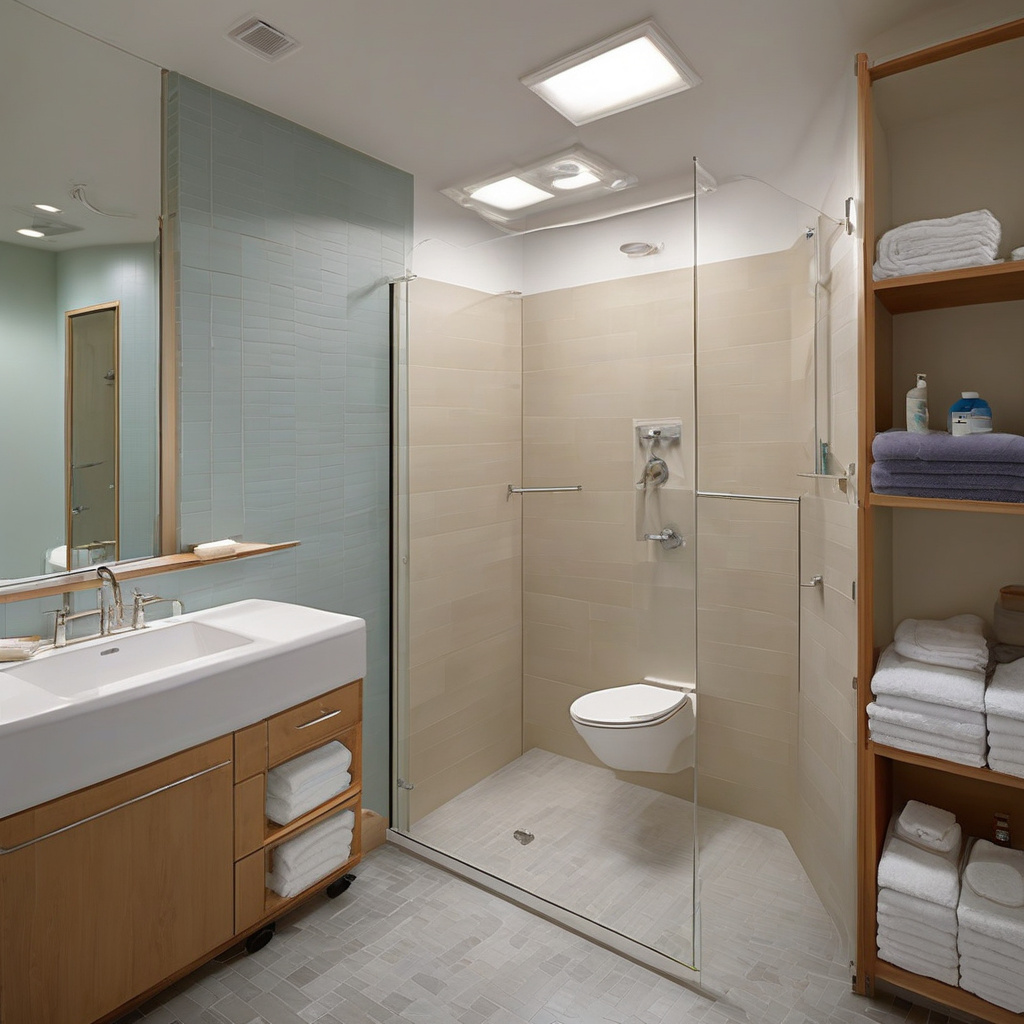
Choosing the right features is essential, and homeowners frequently underestimate the importance of personalized planning. Start by assessing the current and future mobility needs of the occupants. In real homes, practical solutions often include installing adjustable countertops, lever-style door handles, and walk-in showers instead of tubs. Decision-making guidance frequently involves consulting with specialists in accessible design to understand the nuances of different features and their real-world applications. It’s also wise to consider the durability of materials, opting for those that maintain their safety features over time, such as non-slip flooring that withstands wear.
When does an accessible ADU design make sense?
An accessible ADU design is particularly sensible when planning a long-term living solution for aging parents or when immediate family members have disability needs. Homeowners with older properties undergoing renovation often find it the perfect time to incorporate accessibility features. The design makes even more sense for those in newer builds keen to future-proof their homes. It’s essential to incorporate these modifications early on, as retrofitting an existing structure can be more challenging and costly. Homeowners should weigh their current household dynamics and potential future needs to determine when this design approach aligns best with their circumstances.
What are common mistakes in designing accessible ADUs?
Inaccessible design in ADUs often stems from underestimating the specific needs of the inhabitants. A prevalent mistake is failing to ensure that all necessary accessibility features like adequate turning radius for wheelchairs or the correct placement of support bars are thoughtfully implemented. Many experts advise that homeowners should avoid cutting corners on essential features in favor of aesthetics, which can compromise usability. Another common error is overlooking the importance of spatial flow, which can lead to bottlenecked hallways and awkwardly placed furniture. Proper planning, ideally involving a specialist, can avoid these pitfalls.
What are the cost considerations for accessible ADU design?
When considering costs, homeowners should be aware that designing an accessible ADU can be more expensive upfront but is often more economical in the long term compared to moving or extensive home care services. Many experts point out that the cost will heavily depend on the specific features chosen, such as high-quality flooring and smart home technology to assist mobility-impaired residents. It is essential to include a budget for skilled labor who understand the nuances of accessibility remodeling. Doing so ensures that features are correctly installed, maximizing longevity and usability. Resources like a free consultation with specialists could provide tailored financial estimations; for instance, you might check out expert advice from top renovation consultants.
What are the pros and cons of accessible ADU designs?
The benefits of an accessible ADU design are clear: increased safety, independence, and comfort for aging or disabled family members. It promotes peace of mind knowing the home environment accommodates all physical needs effectively. On the downside, the initial cost may be higher than a standard ADU due to specialized materials and labor. Additionally, homeowners may need to navigate complex building codes and zoning laws, particularly in areas like California. Many experts assert the long-term advantages outweigh the initial complexity and cost, as these designs can facilitate aging in place, potentially increasing the property’s value.
What maintenance is required for an accessible ADU?
Maintenance of an accessible ADU requires regular checks to ensure all installations function correctly. This involves routinely inspecting grab bars and ramps for stability, ensuring that non-slip surfaces retain their effectiveness, and adjusting any mobility aids as needed to accommodate changing physical requirements. In real homes, some renovations may inadvertently affect maintenance frequency, such as plumbing setups for walk-in showers that need timely leak inspections. Homeowners should prioritize ease of maintenance in their choice of materials and layouts. A practical tip is to plan for scheduled maintenance checks just as one would with HVAC systems.
How can I ensure my ADU design is compliant with local regulations?
Ensuring compliance involves understanding local building codes and accessibility standards; many California homeowners face stringent requirements. Working with renovation professionals who are well-versed in regional regulations is key. They provide informed insights on necessary permits and adjustments. Consultation with a local planning department before starting any construction is essential to avoid costly redesigns. Engaging with specialists through local contacts can be beneficial, whether through online consultations or local experts. Before initiating a project, it’s often helpful to reach out to someone familiar with your jurisdiction for personalized guidance—and an easy way to connect with renovation advisors is by getting in touch with local experts who understand California’s specific needs.
“`