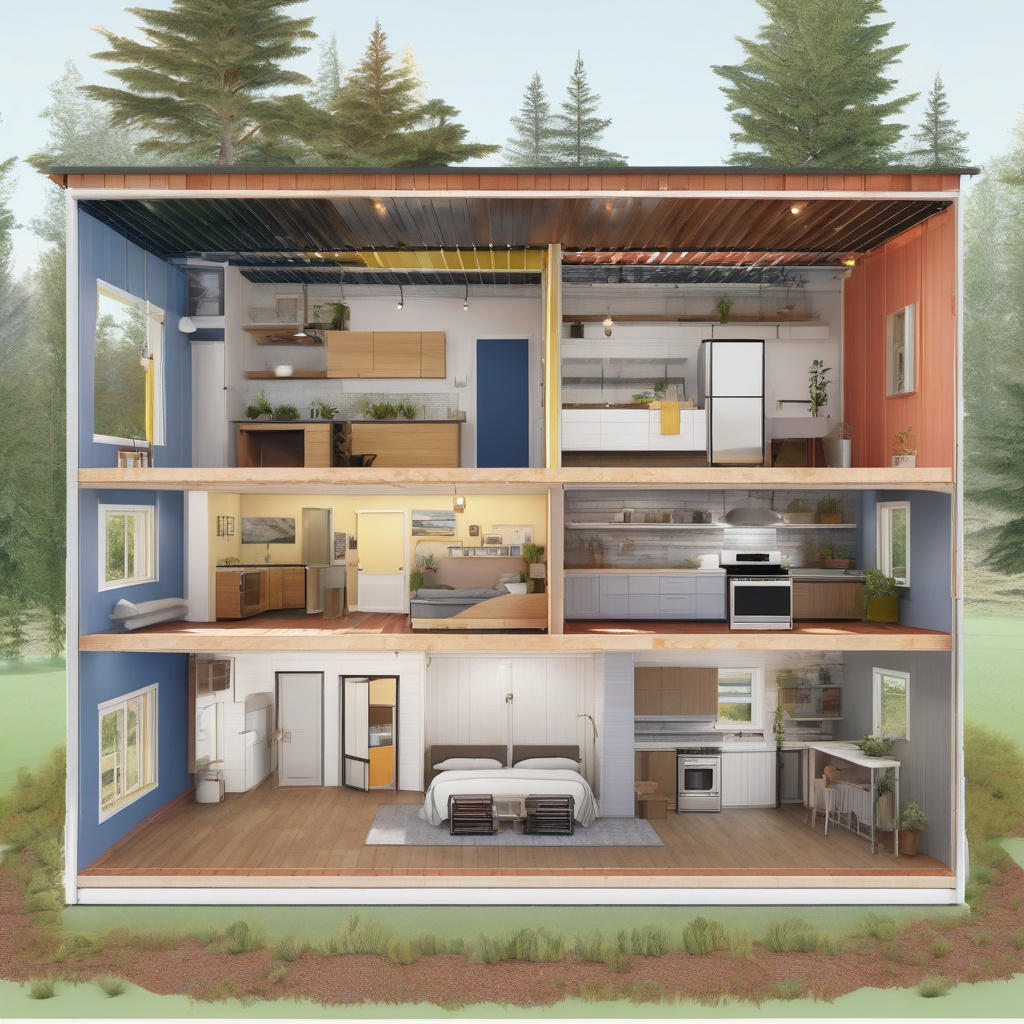
In the sprawling urban landscape of Los Angeles, where space comes at a premium, homeowners are increasingly turning to innovative housing solutions like Tiny Homes and Accessory Dwelling Units (ADUs). While both options offer significant flexibility and potential investment returns, deciding between the two requires careful consideration of factors unique to the region. From zoning allowances to lifestyle adaptability, each choice presents a distinctive path for the aspiring LA property owner.
Brief summary: The article explores the distinctions between Tiny Homes and ADUs in Los Angeles, evaluating lifestyle flexibility, zoning regulations, and investment opportunities. It helps homeowners make informed decisions based on their property goals and the unique constraints of Southern California.
Understanding the Appeal of Tiny Homes in Los Angeles
Los Angeles, known for its vast urban sprawl, offers a challenging environment for those seeking to maximize their living space affordably. Tiny homes present an innovative solution, epitomizing minimalist living while integrating sustainability into everyday life. With their smaller footprints, these homes often appeal to environmentally conscious individuals and those looking to downsize significantly.
Renowned for their flexibility, tiny homes can be placed in diverse settings, from unconventional urban spaces to more secluded enclaves. This adaptability makes them appealing in the varied neighborhoods of Los Angeles, offering options for both city dwellers and those seeking a backyard oasis. The key, however, is navigating the city’s zoning codes, which often require potential tiny home owners to engage with local regulations and neighborhood associations.
Cost is another major benefit driving the tiny home trend. Typically, a tiny home costs significantly less than a traditional home, providing an affordable alternative amid LA’s skyrocketing housing prices. This affordability can enable young professionals and families to establish their roots without the hefty mortgage tag attached.
Still, the lifestyle adjustments that come with tiny home living cannot be overlooked. Multi-purpose furniture, innovative storage solutions, and a commitment to simplicity are often non-negotiable. For those drawn to a more minimalist lifestyle, tiny homes can offer an enticing pathway to financial freedom and a smaller ecological footprint.
Thus, while tiny homes capitalize on affordability and flexibility, they demand savvy navigation of LA’s regulatory landscape and a substantial shift in lifestyle norms.
The Rise of Accessory Dwelling Units in LA
Accessory Dwelling Units (ADUs) have witnessed a surge in popularity across Los Angeles, largely due to updated state laws simplifying their approval process. These secondary housing units, which can be either attached or detached from a primary residence, provide versatile solutions for a range of homeowners’ needs. With the city’s new streamlined regulations, constructing an ADU is now more straightforward than ever before.
For homeowners with sufficient space, ADUs offer a way to enhance property value significantly. By incorporating an additional unit onto existing property, owners can benefit from additional rental income or accommodate multigenerational living arrangements. Moreover, these units contribute to alleviating the city’s ongoing housing shortage, providing more accessible and varied accommodation options.
The design potential of ADUs is another attractive prospect. With the right planning, these units can be architecturally harmonious with the main residence, thereby enhancing the overall aesthetic and functionality of the property. This flexibility in design leads to a variety of configurations, such as stand-alone cottages, garage conversions, or basement apartments.
A critical aspect of ADUs is their substantial potential for long-term investment. Many homeowners report recouping their construction costs through rental income in just a few years, all while increasing their property’s marketability. The need for careful planning cannot be overstated, as it ensures compliance with local building codes and optimizes the unit’s utility.
Overall, ADUs offer homeowners a viable means of bolstering property value, providing practicality, and contributing positively to the city’s housing equation.
Planning Your ADU: Steps and Considerations
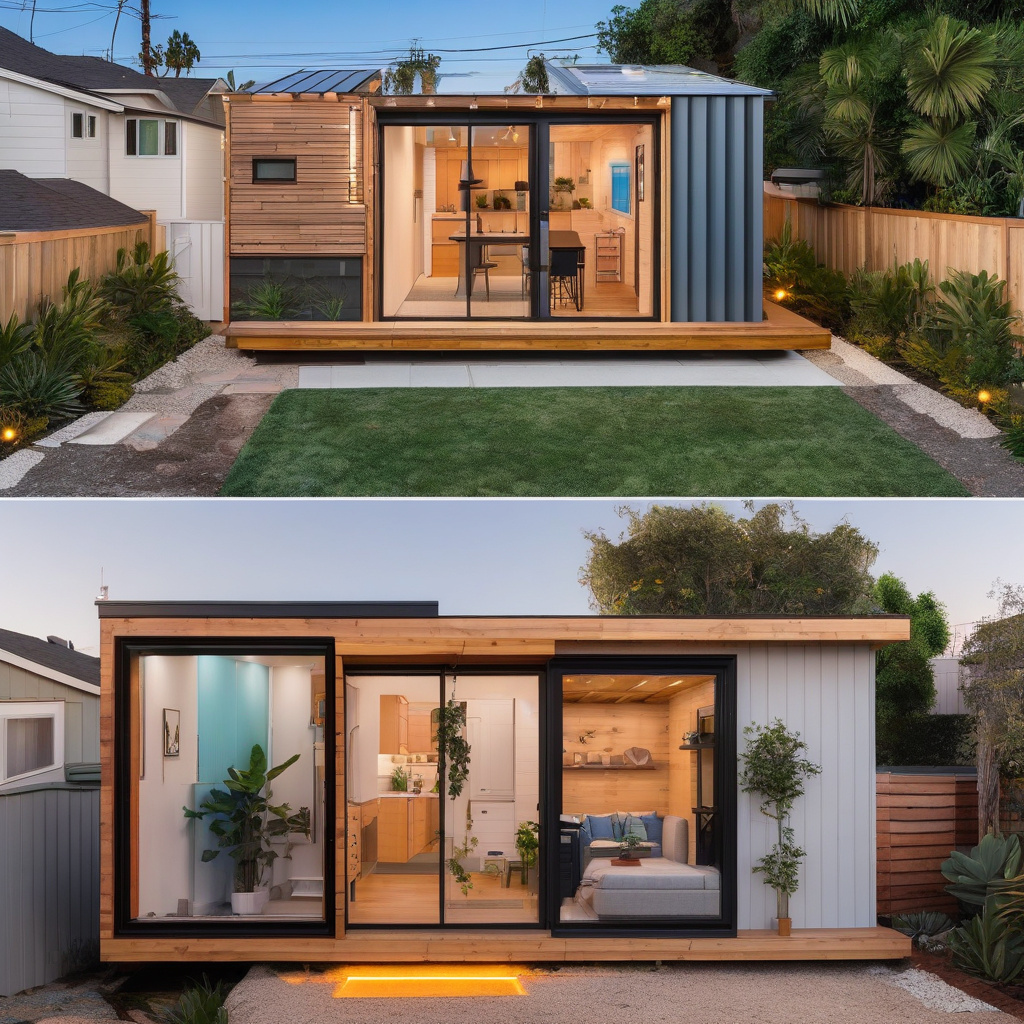
When planning to add an ADU, homeowners must first evaluate their available space and property zoning restrictions. Successful ADU projects often start with strategic site assessments and discussions with local authorities to understand permissible structures. Drafting a design that aligns with the family’s needs and local regulations is a pivotal step.
Next, sourcing budget-friendly yet durable materials is crucial. As the construction landscape evolves, placing importance on sustainability and durability can lead to a more environmentally sound investment. Opting for energy-efficient solutions is not only beneficial to the environment but can yield significant savings in utility costs over time.
The construction phase requires selecting reputable contractors who specialize in ADU builds. Their expertise can prove invaluable in navigating the construction process efficiently, ensuring adherence to both budget and timelines. Once construction is underway, ongoing project management and communication with builders help address any challenges proactively.
Finally, upon completion, optimizing the space for comfort and aesthetic appeal translates to a functional living environment that enhances everyday life. Homeowners may explore unique interior design ideas that maximize space utility and reflect personal style preferences.
In conclusion, meticulous planning, selecting quality materials, and ongoing project management constitute the pillars of a successful ADU project.
The Financial Dynamics: Tiny Homes vs. ADUs
In Los Angeles, the economic comparison between tiny homes and ADUs is pivotal for decision-making. While both present cost-effective housing solutions, their financial dynamics are strikingly different. Tiny homes often carry a lower upfront cost due to their smaller size and minimalist nature. However, the cost variations also depend on factors like customizations, materials, and accessibility to utilities.
On the flip side, ADUs typically involve higher initial expenses due to the more complex construction processes and compliance with CALGreen standards, which dictate energy efficiency and sustainable building practices. Despite the greater outlay, ADUs tend to provide higher returns, especially when utilized as rental units.
| Feature | Tiny Home | ADU |
|---|---|---|
| Average Cost | $30,000 – $80,000 | $100,000 – $300,000 |
| Materials | Basic to Premium | Standard to High-end |
| Timeline | 3-6 months | 6-12 months |
| Methods | Prefabricated/Mobile | Custom Build |
Choosing between a tiny home and an ADU ultimately hinges on a calculation of upfront costs against long-term financial benefits and lifestyle goals.

The Pros and Cons of Minimalist Living
The choice between a tiny home and an ADU is significantly influenced by the individual’s willingness to embrace minimalist living. Tiny homes champion a lifestyle of simplicity that necessitates a reduction of possessions and a focus on efficient space use. Proponents argue that this lifestyle leads to less clutter, lower maintenance costs, and a reduced environmental footprint.
Conversely, critics of tiny home living often cite the extreme reduction in space and associated lifestyle adjustments as significant disadvantages. The challenge of adapting to a reduced living environment is not trivial, requiring significant lifestyle changes and a commitment to functionality over luxury.
ADUs, while larger and potentially more costly, offer homeowners the flexibility of maintaining a traditional living environment with added benefits of modularity. The additional space provided by ADUs supports a conventional family setting while accommodating long-term guests or tenants effortlessly.
Recognizing these pros and cons is crucial when making a choice. While tiny homes serve as a beacon of minimalist and sustainable living, ADUs present practical versatility for those prioritizing space and investment returns.
Ultimately, the decision reflects broader personal and financial considerations, balancing the appeal of minimalism with diverse living needs.
As the mayor of Los Angeles often remarks, “ADUs are not just about building homes; they’re about building sustainable communities.”
Conclusion: Making the Right Choice for Your Future
As Los Angeles continues to confront housing shortages and escalating property costs, Tiny Homes and ADUs provide viable alternatives for today’s homeowners. Each has distinct advantages, with Tiny Homes offering affordability and a minimalist lifestyle, while ADUs bring long-term financial and spatial benefits.
Homeowners considering these options should weigh local zoning laws, personal lifestyle goals, and investment potential carefully. By doing so, they can align their housing choice with both immediate needs and future aspirations.
The right choice boils down to personal circumstances and the broader vision for one’s property. Thoughtful consideration and planning can ensure that your chosen path not only supports your current lifestyle but also builds towards future satisfaction and stability.
Explore practical ideas for optimizing ADU designs here.
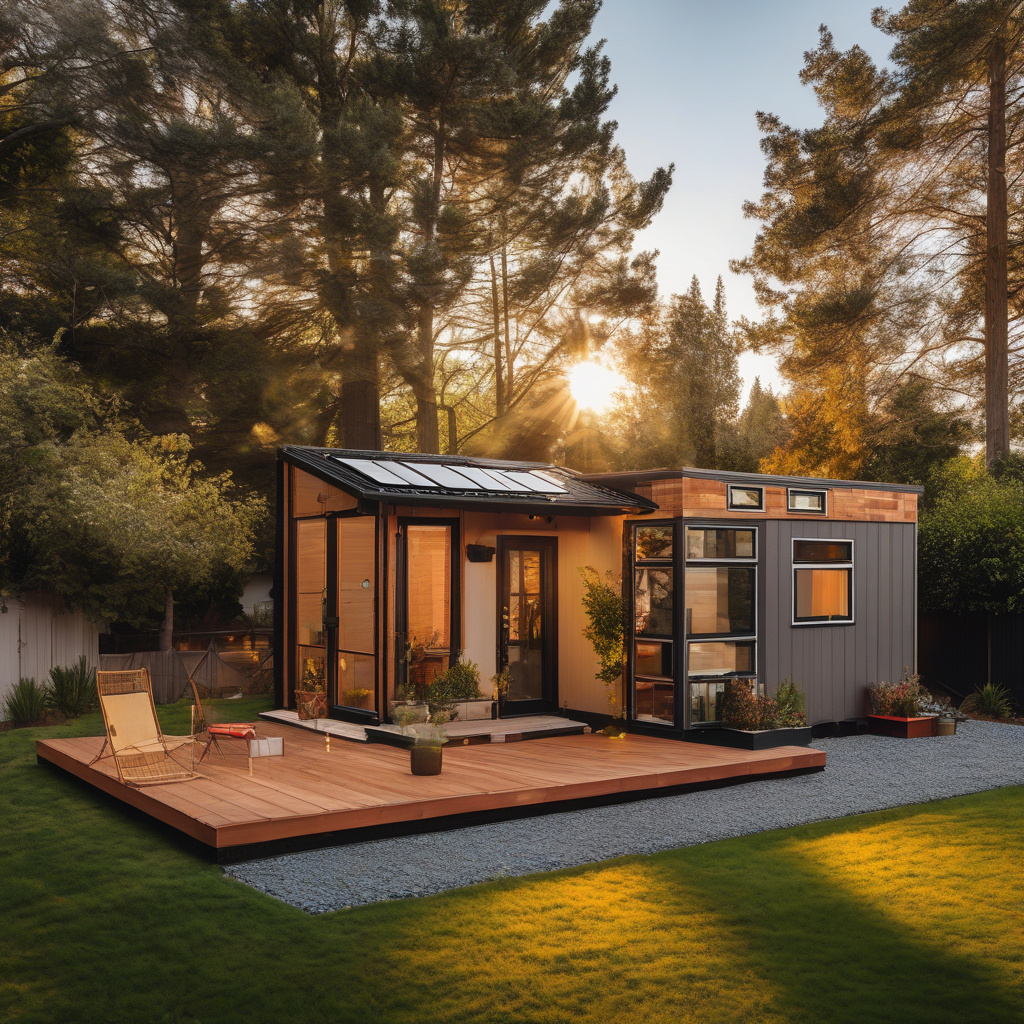
- Understanding the appeal of Tiny Homes and ADUs in LA’s housing market is crucial.
- ADUs offer substantial ROI potential and versatility, often aligning with long-term property goals.
- Tiny Homes promote a minimalist lifestyle with a smaller environmental impact.
- Consider local zoning laws and lifestyle adaptability when choosing your housing solution.
- The decision ultimately depends on balancing financial goals with personal living preferences.
“`html
FAQ
What are the differences between a tiny home and an ADU?
In Los Angeles, the choice between a tiny home and an ADU often revolves around flexibility and permanence. Tiny homes are typically mobile, often parked on wheels, allowing them to be moved if necessary. This mobility offers lifestyle flexibility but often comes with tighter space constraints. ADUs, or Accessory Dwelling Units, are more permanent structures added to existing properties. They blend into the property seamlessly and can increase real estate value. Homeowners frequently choose ADUs if they plan to enhance property worth or desire a long-term layout plan. Ultimately, the decision hinges on whether you prioritize mobility and temporary space solutions or property-integrated expansions.
How do zoning laws impact the decision between a tiny home and an ADU in LA?
Zoning can heavily influence your decision. ADUs benefit from California’s progressive ADU-specific zoning laws, especially designed to accommodate residential expansion without substantial red tape. On the other hand, tiny homes, considered vehicles, often face zoning challenges due to their temporary nature. In LA, zoning for ADUs usually allows for residential usage additions on single-family or multi-family properties. Homeowners should also understand that many experts point out the necessity of properly navigating city regulations to avoid potential legalities. It’s advisable to consult experienced contractors and visit [a specialized consultation service](https://californiarenovation.top/contact/) to understand local requirements.
When does adding an ADU make more sense than a tiny home?
Opting for an ADU often makes more sense when homeowners are aiming for permanent investment and residential expansion. ADUs significantly increase property value and can provide rental income. Imagine renovating an older property with unused backyard space; an ADU can transform this into profitable square footage. Many people in Los Angeles choose ADUs for their investment potential, making their properties more versatile. A common misconception is underestimating the availability of space—ensure you have a solid plan that includes property assessment to maximize efficiency and potential benefits before starting construction.
What are the cost considerations for both tiny homes and ADUs in Los Angeles?
Cost is a crucial factor when deciding between a tiny home and an ADU. Generally, tiny homes have lower upfront costs due to their smaller size and mobility, though long-term maintenance and relocation can add up. Conversely, ADUs involve a more significant initial investment, including architectural fees, permits, and construction expenses. However, they also promise long-term returns through increased property value and potential rental income. Consider not just the construction costs, but also potential revenue and the appreciation of property value that ADUs provide. Savvy homeowners align decisions with financial projections to ensure cost-effectiveness and future gains.
What are the pros and cons of tiny homes versus ADUs?
Choosing between a tiny home and an ADU involves weighing pros and cons tailored to personal needs. Tiny homes offer flexibility and might appeal to those seeking a nomadic lifestyle or temporary housing. However, this mobility comes with space limitations and possible zoning challenges. In contrast, ADUs provide a long-term residential addition, enhancing property value and functionality. Yet, they require more planning and upfront costs. Their permanence may not suit someone looking for immediate simplicity or mobility. Carefully consider your long-term goals, whether it’s embracing a minimalist lifestyle or expanding property investments, to decide the winning option.
What are common mistakes homeowners make when choosing between tiny homes and ADUs?
A frequent mistake is underestimating the importance of understanding local regulations and the logistical nuances of installation. Some believe a tiny home may be easily placed on any property; however, zoning restrictions can impede this. For ADUs, homeowners often overlook necessary permits or underestimate the space needed, leading to costly redesigns or expansions. Moreover, not accounting for the true costs including long-term maintenance can result in budget overruns. Worked examples of successful ADUs in LA typically show engagement with city planners early on, a step often skipped by those eager to fast-track projects. Prioritize thorough research and consultation to avoid pitfalls.
How does maintenance differ between tiny homes and ADUs?
Maintenance plays a crucial role in the longevity of both tiny homes and ADUs. Tiny homes, due to their smaller size and mobile nature, require more frequent attention, especially if they are moved often. Things like exterior materials, joints, and the trailer need regular inspection. Conversely, ADUs, being more permanent structures, have maintenance similar to standard homes, focusing on plumbing, roofing, and landscaping. Newer builds with modern systems may have lower initial maintenance but require ongoing upkeep to sustain resale value. Attention to detail in regular maintenance tasks prolongs structure life and reduces the risks of unexpected repair costs.
Can adding an ADU or tiny home affect my property’s marketability?
Absolutely, both ADUs and tiny homes can directly impact your property’s marketability, though in different ways. Adding an ADU is often seen as enhancing property value. An example might be a single-family home in Pasadena upgraded with an ADU, becoming more attractive to multi-generational families or offering passive rental income. Tiny homes, while unique, perhaps attract a niche market opting for minimalism, which might not appeal to every buyer. Thus, understanding the consumer base is crucial—an ADU generally broadens market appeal, whereas tiny homes target specific lifestyle choices. Crafting a strategy around the type of addition you choose can greatly influence buyer interest and property desirability.
“`