In Los Angeles, where the sun rarely takes a day off, painting a house might seem straightforward. But the city’s mercurial climate poses unique challenges. The interplay of relentless sunshine, sporadic marine layers, and seasonal moisture crafts a mosaic of hurdles and opportunities for exterior painting projects. Whether you’re a homeowner contemplating a fresh facade or a contractor planning your year, understanding LA’s particular weather patterns is crucial to mastering painting schedules and optimizing drying times.
Brief summary: This article delves into how Los Angeles’ unique weather conditions—characterized by intense heat, unpredictable marine layers, and seasonal moisture—affect painting schedules and drying times. It provides expert insights and practical advice on navigating these challenges to ensure successful exterior painting projects.
The Heat Factor: Drying Times and Paint Quality
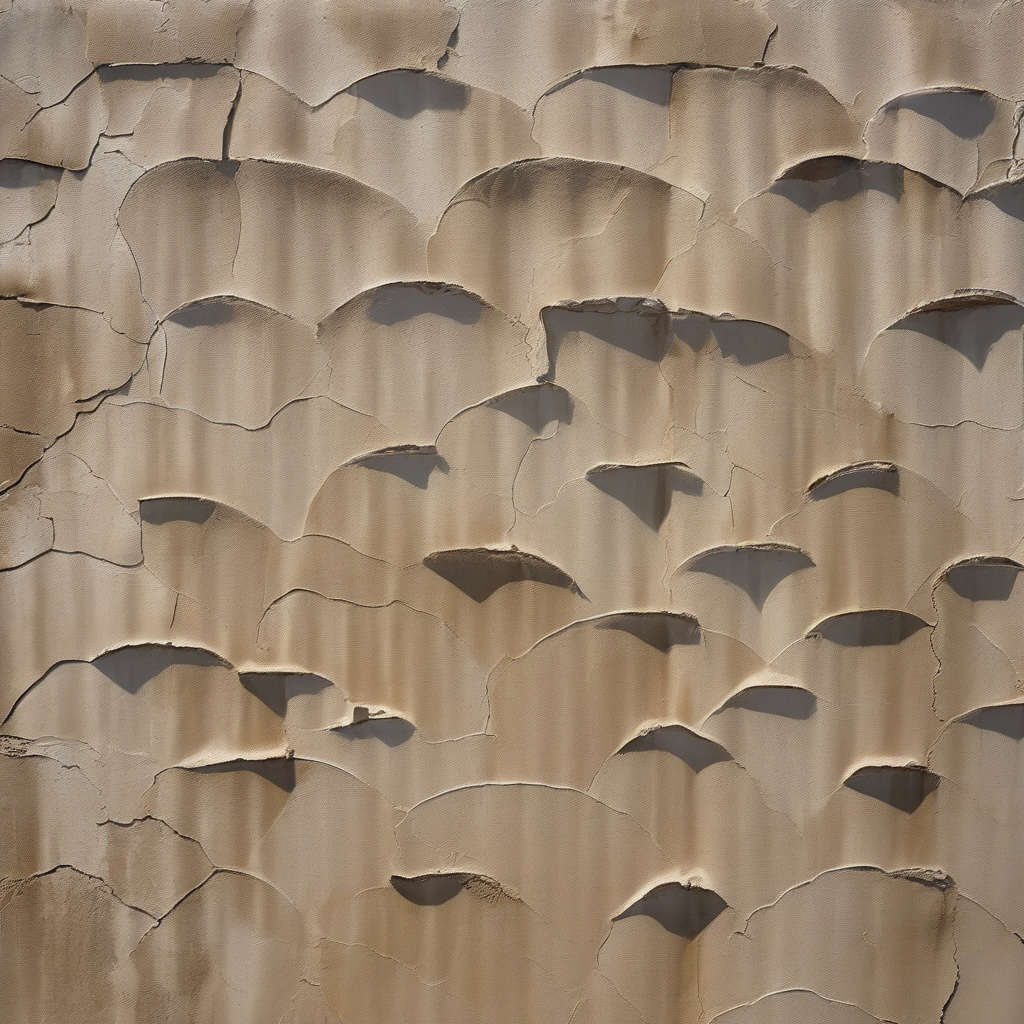
In Los Angeles, temperatures can soar beyond the 100-degree mark, especially during the late summer months. This extreme heat accelerates paint drying times, which can initially sound like a boon. However, when paint dries too quickly, it can lead to a brittle surface, increasing the chance of cracking and peeling over time. Homeowners and contractors alike find themselves caught in a balancing act, aiming to complete projects swiftly yet sustainably.
Consider, for example, a project undertaken in the San Fernando Valley, notorious for its oppressive summertime temperatures. In such scenarios, painters often opt to begin their work early in the day or late in the afternoon to avoid the midday sun, which can prove detrimental to the paint’s integrity. Moreover, using heat-resistant paint formulations has become increasingly popular, ensuring that walls look fresher for longer periods despite the city’s sweltering climate.
For those planning a paint job during LA’s sweltering months, it’s advisable to tap into resources like this expert painting guide to strategize effectively. It offers insights into scheduling work during cooler parts of the day and choosing materials that withstand temperature extremes.
In essence, while the heat offers the illusion of quick drying, it’s imperative to consider its long-term impacts on paint performance. Timing is everything, and weather awareness is not just advantageous but essential.
The Ambiguities of Marine Layers
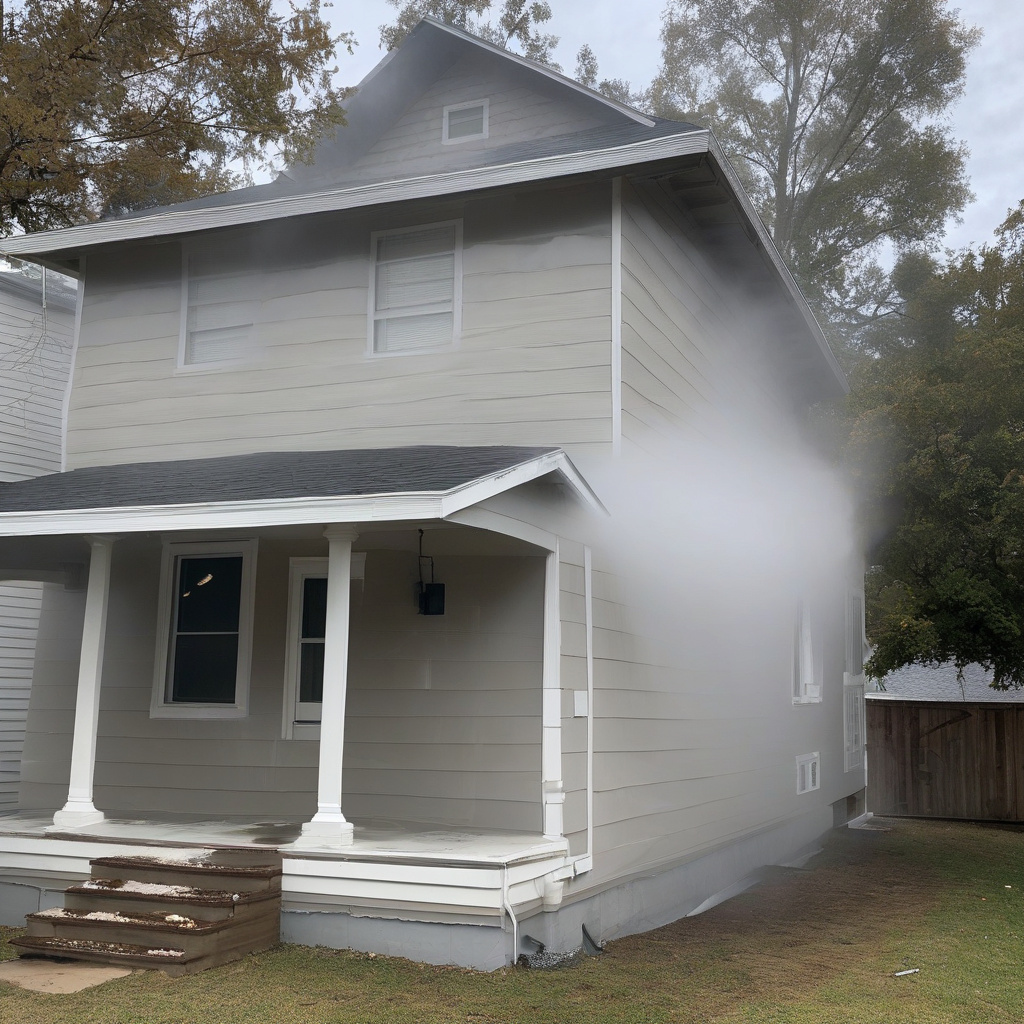
The marine layer—a dense veil of cool, moist air—can also complicate painting schedules. Predominantly affecting beachside neighborhoods like Santa Monica and Venice, these conditions are less predictable. They can roll in unexpectedly, and their high humidity disrupts the curing process.
Imagine a painter setting up on a clear morning, only to find a foggy blanket enveloping the project by noon. The moisture from these marine layers can be detrimental, causing paint to dry unevenly or extend drying times, leading to uneven finishes.
When planning a project for such areas, consideration of local weather patterns and the use of moisture-tolerant primers can mitigate marine layer effects. The unpredictable nature of coastal microclimates necessitates vigilance and adaptability in planning. Key tips can be found by exploring this comprehensive resource on stucco preparation and painting.
Successfully navigating the marine layer requires an understanding of both the location and the specific microclimate tendencies. Staying informed leads to better project execution and optimal results.
According to a study by the Los Angeles Times, 40% of painting project delays in coastal LA are due to unforeseen marine layer interference.
Moisture’s Seasonal Footprint
Though Los Angeles is famed for its sunny skies, it does not escape the grip of seasonal moisture. Late fall and winter introduce a dampness that can stall drying times. For many Angelenos, these seasons herald a pause in exterior painting activities, particularly as unexpected showers can ruin freshly applied coatings.
The challenge is particularly acute in South Bay areas where winter moisture is more pronounced. Contractors often recommend using moisture-resistant paints and sealers, effectively prolonging the longevity of an exterior paint job despite wet conditions.
Homeowners must balance the rush to complete before the moisture sets in with the advantages of these moisture-guard products, which are more costly but save on future repainting expenditures. Detailed cost analyses and paint types—applicable to rental properties as well—can be explored further in this painting tips guide.
Ultimately, the savvy Los Angeles painter must be both meteorologist and artist, attentive to weather forecasts and invested in the right products for enduring results.
Comparing Costs and Strategies
When assessing renovation options in Los Angeles, several factors influence both the cost and success of a painting project. A straightforward table comparison can aid in understanding these dynamics:
| Factor | DIY Approach | Professional Hire |
|---|---|---|
| Cost | Lower initial outlay | Higher upfront costs |
| Time Efficiency | Slower progress due to learning curve | Faster completion time |
| Quality | Variable quality outcomes | Consistent professional finish |
| Risk of Weather Delays | Higher due to less experience | Minimized by expert planning |
Moreover, employing professionals not only assures a high-quality finish but also navigates the unpredictability of LA’s weather with a strategic approach. While DIY options appeal to budget-conscious homeowners, the expertise of seasoned contractors ensures the seamless blending of efficiency and resilience.
The Risks and Rewards
Embarking on an exterior renovation project in LA brings with it a set of risks and rewards. On the one hand, successfully navigating the city’s weather intricacies can lead to beautifully enduring results. On the other hand, missteps—such as ignoring climate advisories—could escalate costs and extend timelines.
Consider a case study from a West Hollywood homeowner who decided to repaint during a surprise fall heatwave. The unanticipated temperature spike caused an expedited drying process that left inexplicable imperfections in the finish. This oversight underscores the necessity of thorough weather analysis as part of renovation planning.
Yet for those who attend diligently to the rhythm of city weather, the rewards far outweigh the risks: extended paint lifespans, enhanced curb appeal, and a bolstered property value. Perspicacity and patience, it seems, are remunerated in equal measure.
Delve deeper into optimizing painting designs with this painting idea resource that highlights modern aesthetic strategies adaptable to the LA climate.
An analysis by the American Institute of Architects suggests that homes with proactive climate-resistant renovations see a 20% reduction in long-term maintenance costs.
How to Navigate LA’s Painting Challenges
For the novice painter or seasoned contractor, confronting LA’s painting puzzles requires a combination of forethought and flexibility. Begin by consulting weather forecasts religiously. An accurate prediction can guide project timelines and material choice. When painting a Victorian relic or a sprawling modern bungalow, understanding local meteorological nuances is paramount.
Second, prioritize selecting the right products. Are heat-resistant or moisture-proof paints and primers more appropriate? Investing in these can prevent future expenses, ensuring a durable and visually appealing finish.
Thirdly, consider timing. Start painting projects during early morning or late afternoon hours—dodging both the heat and the potential marine intrusions. Flexibility in scheduling can save both time and hassle.
Finally, stay informed about local regulations and best practices. Compliance with Los Angeles’ environmental guidelines not only guarantees safety but facilitates seamless project execution.
Those seeking a step-by-step guide through the maze of painting logistics might find unexpected clarity within professional resources, ensuring that every brush stroke counts toward an enviable finish.
Expert insight from the Los Angeles Construction and Maintenance Network: “Adaptability in planning and product choice is the cornerstone of successful renovations amid the city’s diverse climate.”
Conclusion: Painting a Weathered Canvas
The whimsical dance of Los Angeles’ weather presents a vibrant backdrop against which the art of exterior painting unfolds. Navigating the city’s distinct climate challenges involves a fusion of strategy, expertise, and proactive measures. Homeowners and contractors who embrace this understanding are rewarded with projects that harmonize with nature, boasting longevity and aesthetic splendor.
Indeed, in a city where extremes often rule, painting becomes a craft of balancing art and science—a true testament to human adaptability and innovation. When done right, whether in the heart of downtown LA or the serene cliffs of Malibu, every painted surface reflects not only color and style but resilience against the elements.
- LA’s climate profoundly affects scheduling and results of exterior painting.
- Key challenges include intense heat, marine layers, and seasonal moisture.
- Effective planning considers local weather forecasts and product suitability.
- Professional insights ensure projects withstand climatic variances.
- Successful navigation of these conditions leads to lasting, beautiful finishes.
“`html
FAQ
How does the heat in LA affect painting schedules and drying times?
In the scorching heat of an LA summer, painting can sometimes be a race against the clock. Intense temperatures can cause paint to dry too quickly, leading to a brittle finish and potential issues with adhesion. Many experienced painting contractors schedule exterior work for early mornings or late afternoons to avoid peak heat. A notable example is when a client in Santa Monica tried DIY painting on a 95°F day; they found the paint was difficult to apply smoothly and began cracking shortly thereafter. In real projects, timing can be as crucial as the painting itself, with numerous experts suggesting you acclimatize your processes to the ambient conditions.
What role do marine layers play in painting projects in LA?
Marine layers, those dense morning mists rolling in from the Pacific, can significantly impact painting in LA. These layers often delay drying times, causing projects to stretch longer than expected. Many painters wait for the fog to lift before beginning work, as applying paint on damp surfaces can lead to adhesion issues. It’s a nuance frequently underestimated by DIY enthusiasts who might start too early, only to find their efforts wasted as moisture disrupts the paint’s integrity. Planning around these layers by selecting afternoons for exterior painting can result in a much more durable finish.
When is the best time to carry out exterior painting in LA?
The ideal window for exterior painting in LA is often during the late spring or early fall. These seasons strike a balance between the intense summer heat and the moist winter months. Experienced renovators find these times reduce the risks of weather-related mishaps. For instance, a home in the San Fernando Valley had its exterior painted in October, avoiding both summer extremes and the wetter winter spells, achieving a resilient and smooth finish. While weather patterns can vary across regions, these transitional months generally provide the most favorable conditions for lasting results.
What are the typical mistakes homeowners make regarding painting in LA’s climate?
A common misstep is underestimating the impact of LA’s climate specifics. Homeowners might choose paint formulas not suited for high UV exposure, which can lead to fading and chalking. Some try to paint right after rain, ignoring lingering surface moisture that prevents proper adhesion. Anecdotal insights from seasoned professionals include framing these challenges in terms of choosing proper paint types—preferably those with UV blockers—and allowing additional drying time post-rainstorm. Each oversight can add up, affecting the lifespan of a paint job, much like a homeowner in West Hollywood discovered with premature peeling only months later.
What are the pros and cons of painting in summer versus winter in LA?
Painting in the summer in LA means more consistent weather, offering sunny days ideal for quick-drying finishes. However, extreme heat can diminish paint quality if application conditions aren’t controlled. Winter, on the other hand, presents cooler temperatures that extend drying times, but can also pose fewer risks of blistering due to slower curing. This duality of pros and cons becomes particularly relevant in choosing not only the season but the time of day, as discovered by contractors dealing with projects across neighborhoods like Brentwood and Glendale. Balancing these factors is often a strategic decision requiring both introspection of conditions and practical adaptability.
How do seasonal moisture levels impact painting jobs in Los Angeles?
Seasonal moisture, such as that during LA’s rainy months or high humidity seasons, can significantly affect painting timelines. Paint requires a dry surface to adhere properly, and moisture can lead to bubbles and peeling, as seen in numerous residential projects across the city. Homeowners with properties in coastal areas like Malibu, who have had their projects derailed by unexpected humidity, underscore the importance of moisture levels. Checking forecasted weather trends and even using moisture meters can prevent potential setbacks and ensure longevity and durability in paint applications.
What are some key considerations when choosing paint for LA’s varied climate?
Choosing the right paint for LA’s climate involves weighing several factors, such as UV resistance, moisture tolerance, and flexibility. Experts recommend formulations with high elasticity for fluctuations between hot days and cool nights, commonly encountered in places like Pasadena and Culver City. Many homeowners may not consider how important picking the right paint is until confronted with premature fades and cracks. Consulting with local paint suppliers or experts—and addressing your specific climate concerns through this contact platform—can guide wise purchasing decisions tailored to regional needs.
What cost considerations should homeowners keep in mind for exterior painting in LA?
Cost is a pivotal factor in exterior painting, with price variations depending on seasonal demand and material quality. In high-demand periods like late spring, labor costs might rise. Meanwhile, opting for premium paints with better weather resistance can mean higher upfront costs but long-term savings in durability, as seen in case studies from Hollywood Hills residences. Mistakes often stem from cutting corners, leading to repeated future investments. Understanding these trade-offs and budget planning for diverse climate challenges can facilitate a smoother renovation process.
“`