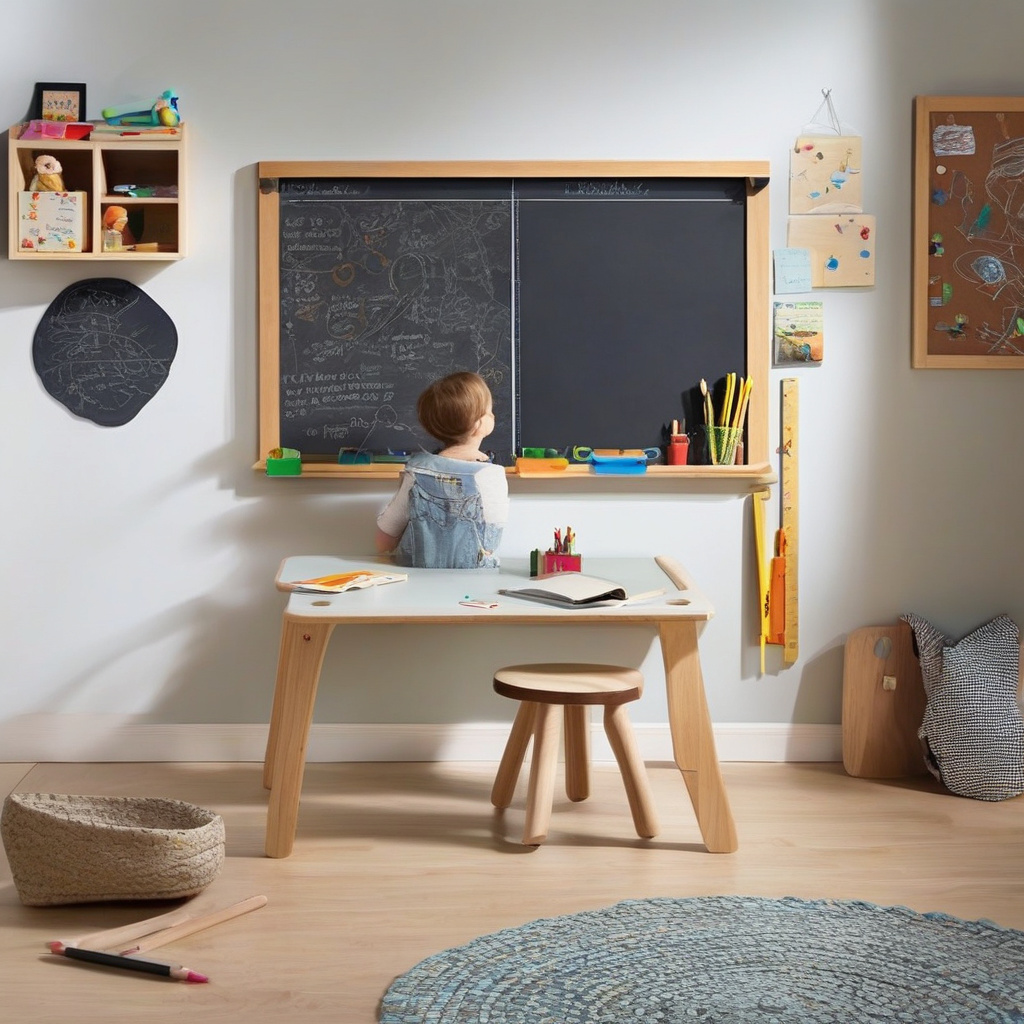
Transforming a child’s room from a simple sleeping space to a dynamic hub of creativity and learning can be as simple as reimagining the walls. Across Los Angeles, savvy parents are embracing the dual magic of chalkboard and magnetic paints, combining utility with imagination in decorating their children’s bedrooms. The trend isn’t just about aesthetics; it’s a testament to innovation and adaptability in modern renovation practices.
Brief summary: This article explores the rising trend of using chalkboard and magnetic paints in children’s rooms in Los Angeles, explains the practicalities and creativity these paints bring to home renovation, and provides insights into costs, materials, and expert industry observations.
The Rise of Interactive Walls in Los Angeles Children’s Rooms
In the sun-draped city of Los Angeles, where creativity fuels architecture and interior design, chalkboard and magnetic paints are revolutionizing the way parents approach their children’s bedrooms. Not only do these paints allow for endless creativity, but they also ensure that the walls of any room become an ever-evolving canvas for a child’s imagination. Unlike traditional wallpapers or painted walls, these paint types stand up to wear, encouraging children to express themselves without parents worrying about permanent damage.
Many local homeowners have found that interactive walls with such materials can serve more than just a decorative purpose. They enable children to learn in a more engaging manner, as educational tools can easily be affixed and managed. This dual purpose is part of what makes chalkboard and magnetic paints an attractive choice for those nurturing both form and function. As a recent renovation guide discussed, this fusion of utility and creativity is inspiring homeowners to rethink traditional paint applications.
With so many families now working and learning from home, having a versatile wall that can switch roles quickly—from math equations to creative drawings—is an invaluable asset. Indeed, many Los Angeles-based interior designers have noted a significant uptick in requests for these products as families seek to better support their children’s education from within the home environment.
The burgeoning popularity of these products is a testament to their adaptability and ease of use. Unlike labor-intensive wall modifications, applying chalkboard or magnetic paint is accessible for even a novice DIY enthusiast, often requiring little more preparation than a typical painting project.
Creative Possibilities with Paint
The true appeal of these innovative paints lies in the creative potential they unlock for children’s spaces. By offering a blank canvas, these walls encourage limitless customization, from daily doodles to important homework reminders. Parents and kids often relish the opportunity to collaborate on designs, creating unique wall art that can change as often as their interests do.
In conclusion, interactive walls not only add a dynamic element to home interiors but also cultivate an environment stimulating for children’s growth and education.
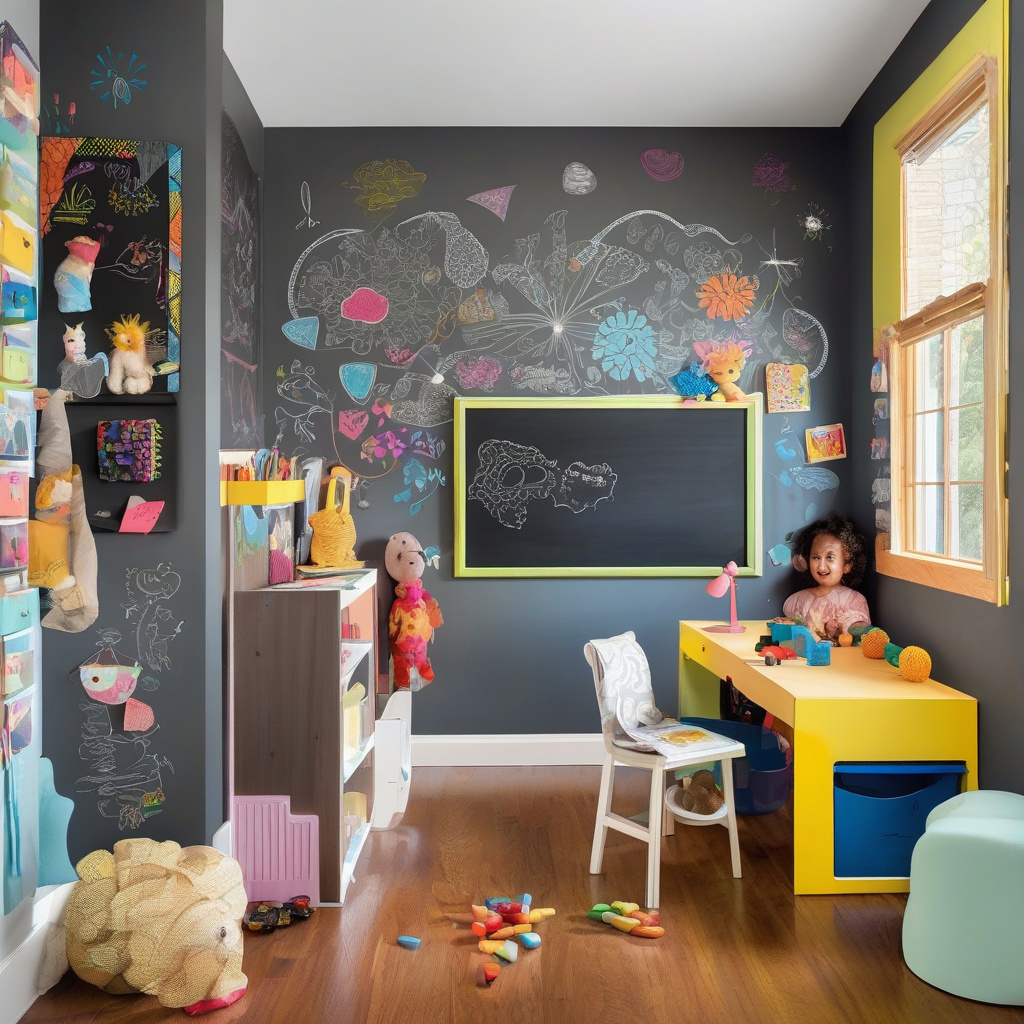
Navigating Challenges: The Cons of Multi-functional Paints
Not everything about the use of chalkboard and magnetic paints is entirely straightforward, however. Some parents in Southern California have reported minor frustrations with these products, as their tendency to show smudge marks or slight discoloration can detract from the room’s visual appeal if not maintained appropriately. Choosing the right brands that perform well under constant use is essential, and in Los Angeles, the selection is wide.
Another common concern is the initial cost associated with more high-quality versions of these specialty paints. While typically pricier than standard interior paints, many manufacturers argue that the long-term benefits and durability far outweigh the initial expense. Additionally, the skills required to apply these paints effectively can be slightly more demanding, especially when combining different types of paint.
Homeowners must also consider safety. Fortunately, top products today are crafted to be non-toxic and safe for children’s health, although it’s always advisable to verify the product specifications before purchasing. For comprehensive safety considerations in paint selection, this resource offers pertinent insights into choosing safe and effective options.
Ultimately, preparing for these hurdles by researching the best products can save time and effort while ensuring a final result that satisfies both creative and practical requirements.
Product Selection: What To Look For
When considering these paints, parents should look for brands that advertise both durability and ease of cleaning. Reviews and guides from fellow DIY enthusiasts or professionals can provide invaluable assistance in navigating the available options.
Even so, understanding the challenges prepares homeowners to manage expectations and achieve a balance between visual delight and functional necessity.
According to a recent industry report, “interior paint choices that support functionality and play have seen a 25% increase in demand over the past year.”
Understanding the Costs: Investing in Interactive Walls
The financial aspect of integrating chalkboard and magnetic paints into a child’s room can be a source of both concern and careful planning for parents. Unlike standard paints, these innovative solutions often require investment but return significant dividends in creative potential and practical utility.
Typically, high-end products can run anywhere from $20 to $50 per quart, depending on specific features such as additional durability or enhanced magnetic adherence. For an average-sized room, expect to use between two to six quarts, with exact needs varying based on wall size and the number of coats applied.
Moreover, some households elect to incorporate additional interactive elements, such as custom murals or themed stickers on magnetic panels without worrying about conflicts with these products. This versatility can further justify the investment and enrich the room’s design.
For those considering the financial outlay involved, reviewing potential savings in terms of long-term educational benefits and room flexibility can provide a clearer picture. Examining additional paint specifications in this detailed article can help homeowners weigh cost against potential efficacy.
Cost-Benefit Analysis
Parents frequently find that the initial expenditure on these versatile wall treatments is offset by reduced costs elsewhere, such as fewer decorative items or educational tools. Moreover, increased room versatility often aligns with future family needs, supporting shifting preferences as children grow.
In conclusion, an informed choice regarding chalkboard and magnetic paints involves understanding these paint types’ financial elements and long-term benefits.
| Aspect | Chalkboard Paint | Magnetic Paint |
|---|---|---|
| Average Cost per Quart | $15-$30 | $20-$50 |
| Ease of Application | Moderate | Requires Careful Technique |
| Durability | High | Varies with Brand |
| Long-term Value | Excellent | Excellent |
Planning the Perfect Room with Chalkboard and Magnetic Paints
The practical journey of implementing chalkboard and magnetic paints into children’s rooms begins with strategic planning. First and foremost, it’s vital to determine the scope of your project. Will it cover an entire wall, or simply a section? Smaller projects offer faster completion and lower costs, serving as a manageable entry point for those new to the trend.
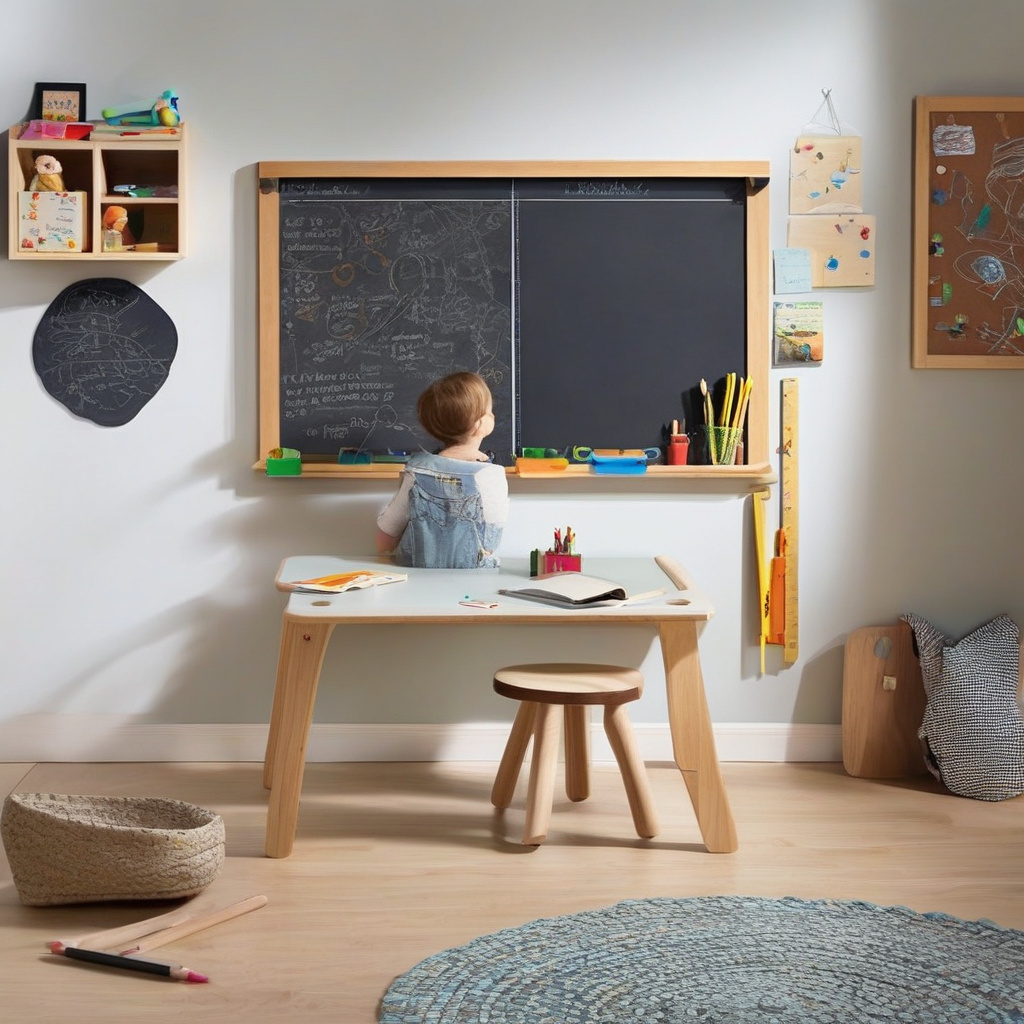
When it comes to designing the layout, aligning the painted areas with furniture placement can optimize the functionality and aesthetic appeal. For instance, positioning a chalkboard wall behind a desk can create an integrated homework zone, facilitating creativity and focus.
Many Los Angeles parents embrace mixed-use spaces, developing rooms that evolve alongside their children. They integrate fun, interactive elements with practical features, such as shelving or adjustable furniture, creating multifunctional environments. That adaptability becomes key as children grow, allowing spaces to shift with changing tastes and needs. Here is a resource for understanding practical paint applications beyond interior use.
Incorporating these paints in phases can also reduce upfront costs and disruptions. Addressing one wall at a time helps spread out expenses and keeps the renovation process manageable, especially in busy households.
Ultimately, proper preparation and a well-considered plan can transform a simple project into a successful, long-term investment in both space and children’s development.
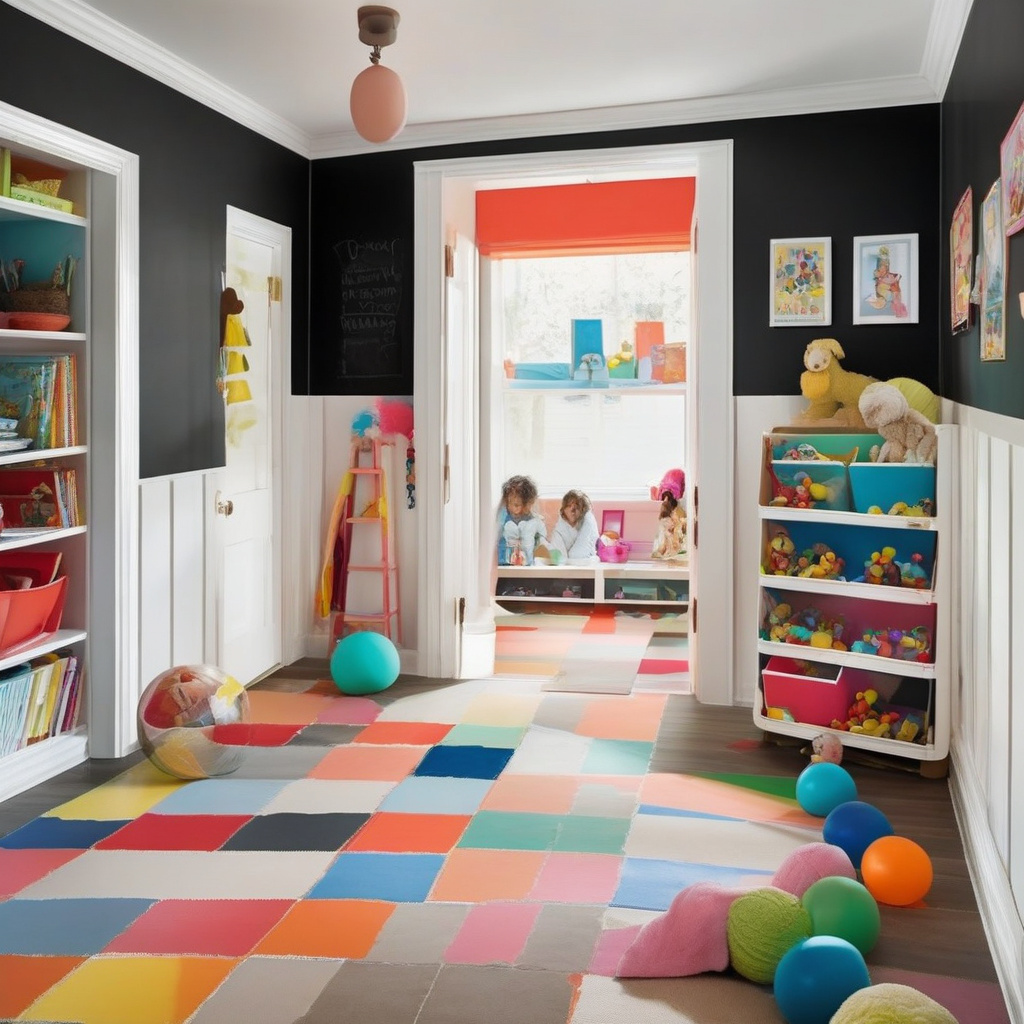
An expert in home design suggests, “the key to a harmonious renovation is ensuring that each element complements both the functionality and aesthetics of the child’s room.”
DIY or Professional Help: Which is Best?
The decision to embark on a DIY journey or seek professional assistance is often a personal one and varies depending on individual skills and circumstances. With the plethora of online tutorials and guides available, many parents feel empowered to tackle these projects themselves, finding satisfaction in personalizing their child’s space.
However, when installed incorrectly, these paints may not deliver their full potential, leading to frustration or the need for costly repairs later on. Particularly when dealing with magnetic paints, ensuring proper coverage and handling techniques requires precision. Professionals experienced in applying specialty paints can guarantee a smooth, even finish, sometimes making their expertise well worth the investment.
In contrast, parents who are confident in their DIY skills often find the process both rewarding and cost-effective. Planning and patience become as essential as the paints themselves, ensuring that each step is meticulously respected to avoid overlooking crucial application details.
Regardless of the chosen approach, it’s crucial to ensure products are used correctly and in compliance with the manufacturer’s instructions. Professional opinions and guidance, whether sought at the start or during the process, can provide valuable insights and potential ways to improve results, as demonstrated in many renovation success stories across Los Angeles.
Expert Tips for Success
Whether tackling the project alone or leaning on expert advice, a few tips can enhance results. Ensuring the wall surface is smooth and clean before beginning can prevent imperfections from affecting the final look. Moreover, patience during the drying phase is crucial, as it can prevent future peeling or blemishes.
Ultimately, making an informed decision on whether to DIY or not can result in a beautiful, engaging room that both parents and children are proud of.
A renowned renovation specialist observes, “hiring a professional for complex tasks can often save time and maintain quality, especially in homes with busy schedules.”
The Impact and Benefits of Chalkboard and Magnetic Paints
The creative potential inherent in using chalkboard and magnetic paints is backed by both anecdotal evidence and industry research. Parents across Southern California consistently report high satisfaction with projects that incorporate these adaptable surfaces, praising their transformative effect on family life and their contribution to a vibrant, educational environment.
Chalkboard and magnetic paints serve as both a practical and expressive medium, inviting children to explore the limits of their imagination without hindrance. Educators and parents alike value the learning opportunities such walls provide, particularly in helping children better visualize and grasp complex topics once deemed too advanced for home environments.
Moreover, homes equipped with these interactive walls can enjoy increased resale value, resonating with potential buyers who see an inspiring focal point rather than mere practicality. In fact, many real estate agents emphasize such features when marketing properties, underscoring the appeal of versatility and creativity.
Ultimately, these paint types are more than a design trend; they represent a shift towards dynamic, multifunctional living spaces that reflect the evolving nature of family dynamics and education demands.
Enhancing Room Value
The capacity of chalkboard and magnetic paints to add value extends beyond immediate benefits to encompass long-term rewards. As children mature, these walls can evolve, aligning with older age preferences and needs, further extending their utility and appeal.
In conclusion, the trend of interactive walls signals a potentially enduring shift in home design philosophy, emphasizing flexibility and creativity in ways that resonate deeply with modern family lifestyles.
- Chalkboard and magnetic paints turn children’s rooms into creative and educational spaces.
- These paints are gaining traction in Los Angeles among parents seeking functional décor.
- High quality comes at a premium but ensures durability and long-term benefits.
- Whether opting for DIY or professional help, it’s crucial to plan and implement correctly.
- These innovative paint solutions contribute to both immediate satisfaction and longer-term property value.
“`html
FAQ
What exactly is chalkboard and magnetic paint?
Chalkboard and magnetic paint are specialized wall coatings that transform surfaces into functional spaces for writing, drawing, and attaching magnets. In remodeling old homes, homeowners sometimes find these products ideal for kids’ rooms. Many experts illustrate that with a few coats, any smooth surface — walls, doors, or even furniture — can become interactive. However, maintaining surface smoothness is crucial, as any imperfections can disrupt writing or magnetic attraction. This often surprises renovators, leading to extra prep work. Homeowners should consider the final texture they wish to achieve before starting.
How can you choose the right type of chalkboard and magnetic paints?
Choosing the right chalkboard and magnetic paint involves evaluating the room’s needs and the expected wear and tear. For families with young kids who love to scribble, durable, high-quality formulas are often best. I often see confusion over matte and glossy finishes; buyers should know that matte finishes offer a true chalkboard look, while glossy ones are easier to clean but less traditional. Consider the magnetic strength too. In real projects, it’s clear that a good balance between paint quality and magnetic power ensures longevity and functionality. Consulting product reviews and considering expert insights can help avoid common pitfalls like quickly fading surfaces.
When does it make sense to use these paints in kids’ rooms?
Implementing chalkboard and magnetic paints in kids’ rooms is particularly sensible when fostering creativity and organization is a priority. Many parents in newer builds opt for this setup for safety as it keeps art and magnet-play off the floor. However, awareness of usage intensity is crucial; a room utilized heavily for studies may see minimal chalkboard use, making magnetic paint more viable. These paints shine in play areas where durability withstands constant activity. Concerns about dust from chalk occasionally arise; hence, regular cleaning schedules are recommended to maintain a tidy environment.
What are some common mistakes when applying chalkboard and magnetic paints?
Common mistakes in applying these paints include insufficient surface preparation and incorrect layering, especially in older homes needing renovation. Homeowners underestimate sanding and cleaning procedures, resulting in uneven finishes that limit utility. Another frequent oversight is underestimating drying times between coats. In my experience, neglecting these intervals often leads to peeling layers. Emphasize reading product instructions thoroughly. Applying multiple thin coats rather than fewer thick ones eradicates many issues, such as peeling and inadequate coverage. Lastly, magnetic paint sometimes deceives users regarding strength; pairing it with actual magnetic boards enhances effectiveness.
How much do chalkboard and magnetic paints cost?
The cost of chalkboard and magnetic paints varies significantly based on brand and quality. Prices can range from under $20 per quart to upwards of $50 for premium options. Many renovators find that choosing higher-priced paints pays off in longevity and performance, particularly in homes with active children. However, budget options might suffice for less-trafficked areas. It’s worth mentioning that these paints typically cover less area than traditional paints, necessitating more product and potentially higher overall costs. Checking for bulk discounts at local hardware stores can mitigate expenses. Always weigh the price against the expected durability and magnetic effectiveness.
What are the pros and cons of using chalkboard and magnetic paints?
The primary advantage of chalkboard and magnetic paints lies in transforming unused wall space into creative zones without cluttering the room. But some drawbacks exist. For instance, maintaining clean chalkboard surfaces can be demanding, as dust accumulation is inevitable. Many homeowners note the sheen of magnetic paints varies, sometimes complicating color matching. One practical solution is mapping out exact regions for paint application, minimizing potential impact on overall decor. Nevertheless, these paints’ adaptability makes them invaluable for fostering an engaging environment. Should you need deeper advice on matching these products with your renovation goals, reaching out to experts offers beneficial insights. For tailored assistance, you might consider consulting professionals experienced in such applications.
What are some installation specifics for these paints?
Installing chalkboard and magnetic paints involves several carefully orchestrated steps to ensure a smooth finish. In real home projects, attention to detail during surface preparation invariably improves final outcomes. Begin with thorough sanding of the wall to remove irregularities—all too often, a step disregarded by first-timers. Ensuring adequate ventilation is essential while painting due to strong odors. Apply multiple thin coats, ideally allowing ample dry time between each to prevent tactile inconsistencies. Another professional tip is to avoid using roller brushes with coarse textures, as they can create uneven surfaces. Instead, smooth foam rollers are recommended for best results. Patience during application directly influences the finish quality.
Are there benefits versus limitations to chalkboard and magnetic paints?
Chalkboard and magnetic paints blend practicality and creativity, serving as dynamic decor elements in any home. Their enduring appeal lies in promoting interactive and educational environments. However, they are not without limitations. The cleanup involved in chalkboard paints, for instance, might deter some homeowners wary of consistent maintenance. To counter potential drawbacks, strategic placement on walls frequently cleaned or in easy-to-reach areas helps manage upkeep. Moreover, the magnetic aspect depends heavily on the paint layer’s final thickness. Often, supplementing with strong adhesive magnets improves functionality. Careful consideration of these factors maximizes benefits while minimizing limitations in real-world scenarios.
“`