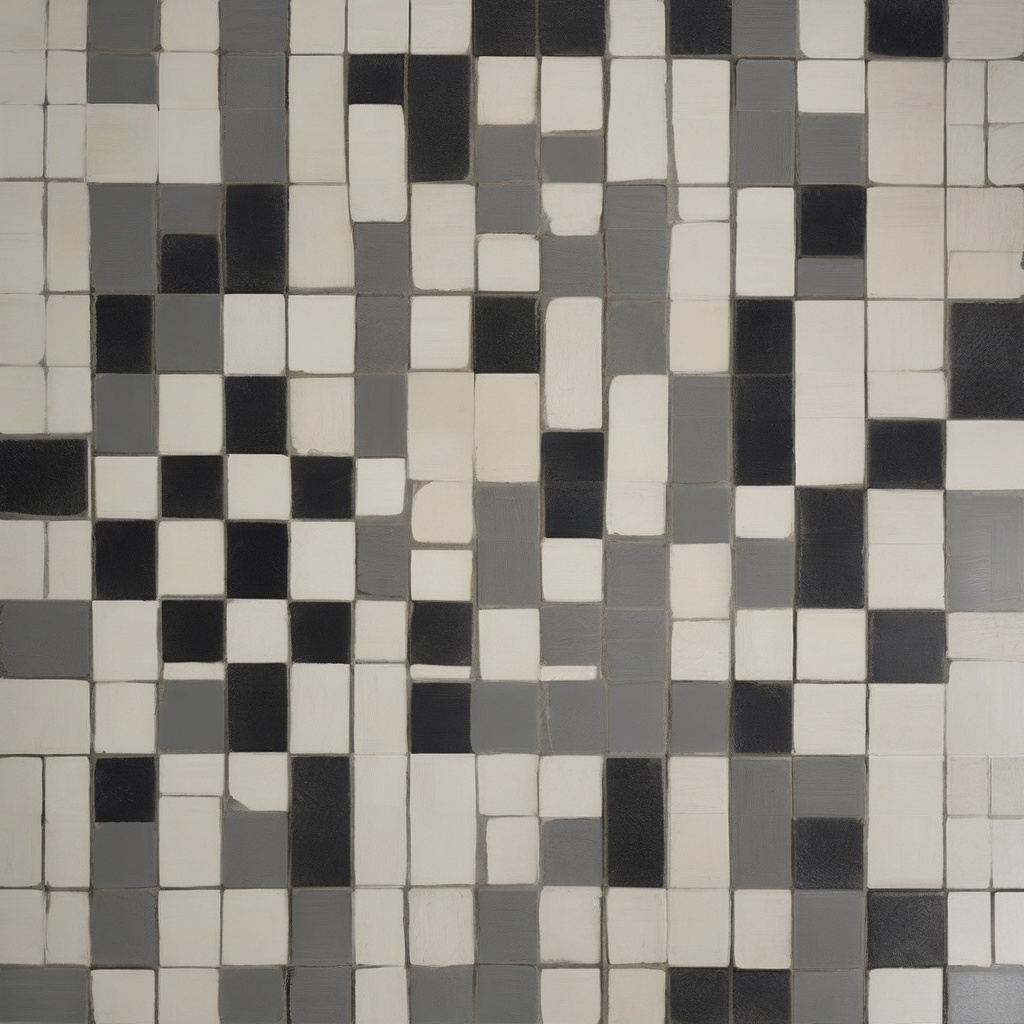
In the sprawling urban landscape of Los Angeles, the kitchen often serves as the beating heart of the home—a bustling hub where culinary artistry meets domestic engineering. For city dwellers, selecting the perfect flooring is a task not to be taken lightly. It’s essential to balance aesthetics with practicality, favoring materials that withstand heavy foot traffic, resist moisture, and offer ease of cleaning. Among the frontrunners are porcelain tile, luxury vinyl, and engineered wood, each offering unique benefits and challenges in the context of busy LA kitchens.
Brief summary: This article explores the best flooring options for high-traffic Los Angeles kitchens, focusing on durability, water resistance, and maintenance. We compare porcelain tile, luxury vinyl, and engineered wood, providing cost analyses, design insights, and practical homeowner experiences. The article also outlines planning strategies and common pitfalls to avoid.
Porcelain Tile: The Classic Foundation
Porcelain tile stands as a perennial favorite for many Los Angeles homeowners renovating their kitchens. Its popularity stems from its undeniable durability and resistance to spills, scratches, and everyday wear, making it a logical choice for those who see their kitchens as the epicenter of family life and frequent entertaining. The dense composition of porcelain allows it to repel water effortlessly, a particular advantage in a city prone to culinary explorations that often involve liquid concoctions.
From a design standpoint, porcelain offers unmatched versatility. Available in a wide range of colors, patterns, and textures, it allows homeowners to craft aesthetically pleasing and personalized spaces. This flexibility even extends to mimicry; porcelain tiles easily emulate the look of natural stone or wood, ensuring warmth and character without sacrificing functionality.
However, the hardness that renders porcelain nearly indestructible can also pose challenges. Standing on these floors for extended periods might result in discomfort, necessitating area rugs or mats in strategic locations. According to professional insights on remodeling practices in California, the heft of tiles may also require reinforced subflooring, impacting overall renovation costs and timelines.
Despite these hurdles, many Angelenos find that the investment pays off, both aesthetically and functionally. The combination of elegance and resilience ensures porcelain remains a leading choice for bustling kitchens.
Luxury Vinyl: The New Age Contender
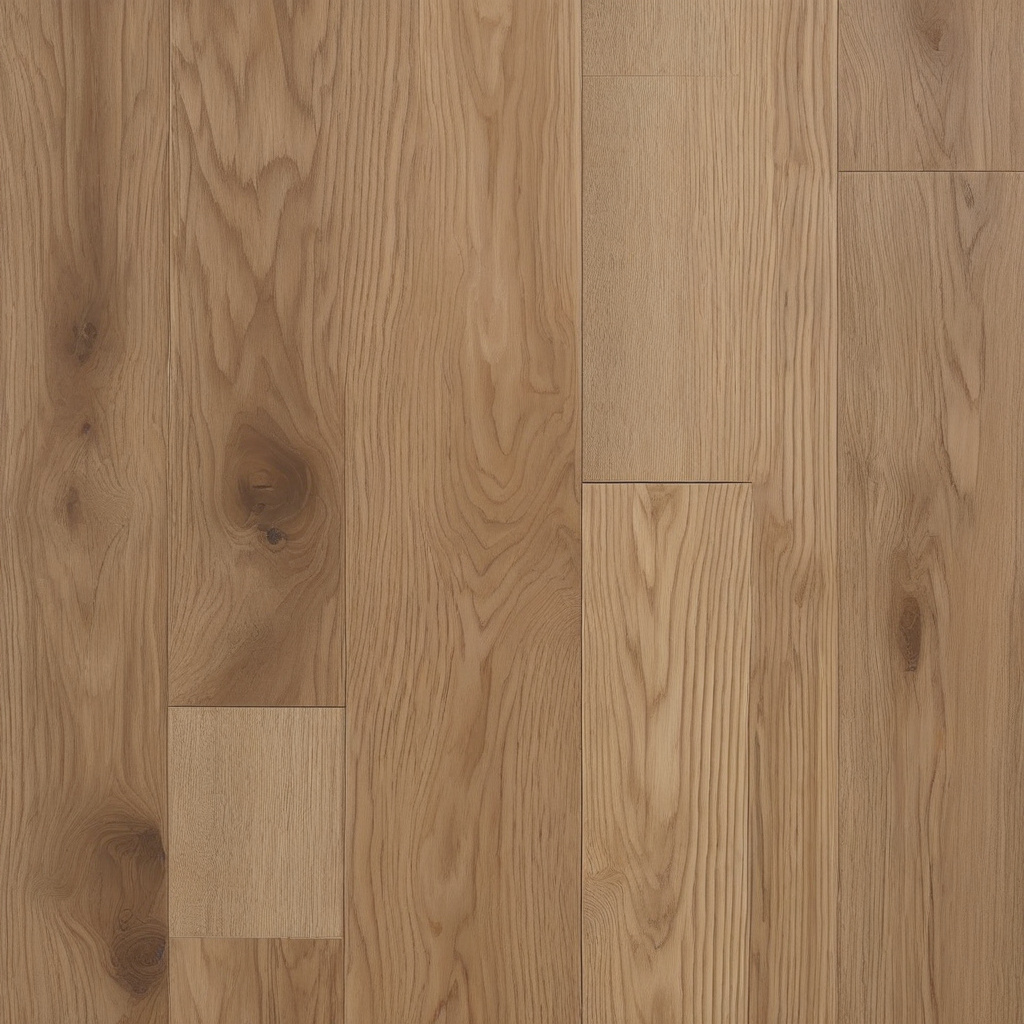
Luxury vinyl tiles (LVT) have rapidly gained traction among Los Angeles homeowners for their cost-effectiveness and practicality. Engineered to withstand the rigors of daily life—from the energetic scamper of pets to culinary experiments gone awry—luxury vinyl offers a compelling blend of durability and aesthetic appeal.
One of its standout features is the ability to flawlessly imitate more expensive flooring options such as hardwood or stone, without the associated maintenance woes. These high-definition prints, coupled with enhanced embossing techniques, deliver realism that can fool the most discerning eye at a fraction of the cost.
Additionally, luxury vinyl wins accolades for its water resistance. This practical feature makes it an attractive choice for kitchens that see frequent spills and splashes, as many local homeowners notice. Unlike traditional hardwood, which can warp or buckle when exposed to moisture, LVT maintains its shape and texture.
The ease of installation cannot be overstated. Many products offer simple click-lock or peel-and-stick options, cutting down on labor costs and making it an ideal choice for DIY enthusiasts. Yet, the eco-conscious may balk at its synthetic nature, preferring more sustainable options, a consideration worth pondering in the eco-aware circles of Southern California.
Ultimately, luxury vinyl serves as a modern knight in shining armor for those seeking an affordable yet stylish solution for their high-energy kitchens.
Engineered Wood: The Hybrid Marvel
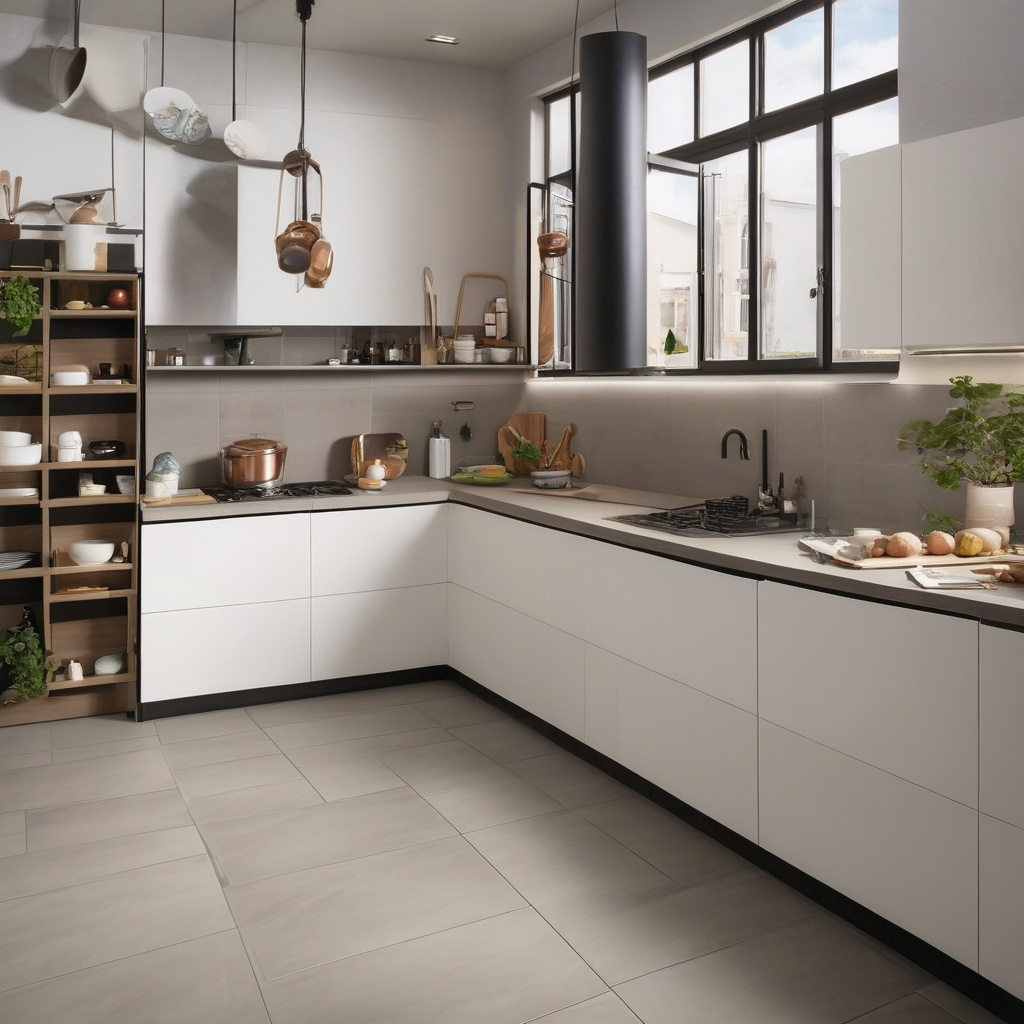
For those who refuse to compromise on the warmth and richness of wood, engineered wood offers a brilliant solution. Often misconstrued as a lesser cousin to traditional hardwood, it blends the aesthetic appeal of genuine wood with modern technological advancements.
Engineered wood consists of multiple layers, with a top veneer of authentic wood and a core of plywood or fiberboard. This construction grants it greater stability against humidity and temperature variations—a crucial attribute in the variable microclimates of Los Angeles.
Given its natural wood surface, it delivers an authenticity that synthetics struggle to match. However, this luxury comes at a price, as engineered wood tends to be more expensive than its vinyl counterparts. For those prioritizing aesthetic fidelity, the investment often proves worthwhile, enhancing property value in competitive neighborhoods.
In terms of upkeep, it lags behind vinyl and porcelain, requiring careful cleaning and occasional re-finishing to retain its luster. However, its transformative impact on a space often justifies the added effort. The trade-offs involved underscore the importance of disciplined maintenance and informed decision-making as homeowners consider potential returns on their investment.
Expert insight: “Engineered wood offers the visual appeal of hardwood while providing superior stability in high-moisture environments, a critical factor for kitchens,” notes an industry professional in the construction field.
Cost Analysis and Installation Considerations
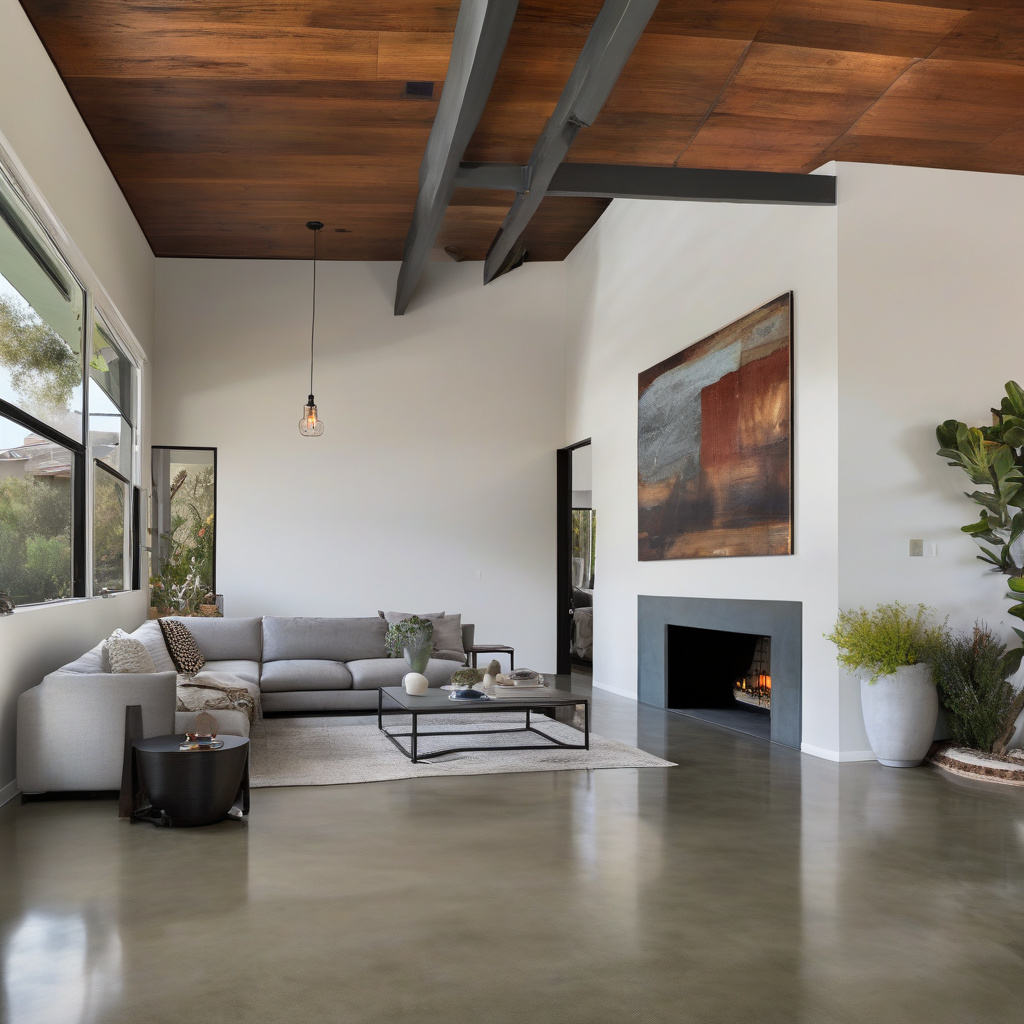
When embarking on a kitchen renovation, cost remains a decisive factor influencing material selection. Each flooring option presents distinct cost considerations that must align with the homeowner’s budget and long-term value projections.
Here’s a simplified breakdown, encapsulating the costs per square foot and estimated installation fees for clarity:
| Material | Cost (per sq ft) | Installation Cost | Durability |
|---|---|---|---|
| Porcelain Tile | $3 – $10 | $7 – $14 per sq ft | High |
| Luxury Vinyl | $2 – $5 | $2 – $5 per sq ft | Moderate |
| Engineered Wood | $4 – $10 | $5 – $10 per sq ft | Medium |
This table serves as a guide to inform budget alignments and expectations. It’s critical to consider that while upfront costs may appear daunting, the long-term benefits invariably shift the scales in favor of quality investments.
The savvy renovator should also anticipate other expenses, such as subfloor preparation and potential appliance relocation mistakes, highlighted by insights on strategic appliance placement. These hidden costs can upend budgets and extend timelines, reminding homeowners to conduct thorough research and planning.
Research observation: “Flooring upgrades can return more than 80% on their initial investment, making it one of the most profitable home improvements,” as indicated by various home design studies.
Planning for Success: A Step-by-Step Guide
Taking the plunge into a kitchen renovation demands a strategic approach. Homeowners must navigate a maze of decisions, balancing immediate desires with the demands of long-term practicality. A structured plan can mitigate stress and guide you smoothly from concept to completion.
Step 1: Vision and Purpose
Begin by articulating a clear vision for your kitchen. Is it a minimalist eatery or a lavish culinary workspace? Your design goals will inform your choice of materials and color palettes.
Step 2: Budget Setting
Determine a realistic budget based on your financial comfort and desired outcomes. Factor in installation costs, materials, and contingencies to avoid financial strain.
Step 3: Material Selection
Evaluate each flooring option based on their strengths and how they align with your household’s needs. This analysis will guide you in selecting the right material, balancing aesthetics with functionality.
Through each step, homeowners should remain anchored to their core objectives, ensuring that each decision aligns with the overall vision. Engaging with experts or exploring detailed tips for maximizing kitchen spaces can yield valuable insights and help avoid common pitfalls.
Industry statistic: “A well-planned kitchen layout can boost efficiency by up to 30%,” suggests a report from kitchen modernization specialists.
Analyzing Risks and Rewards
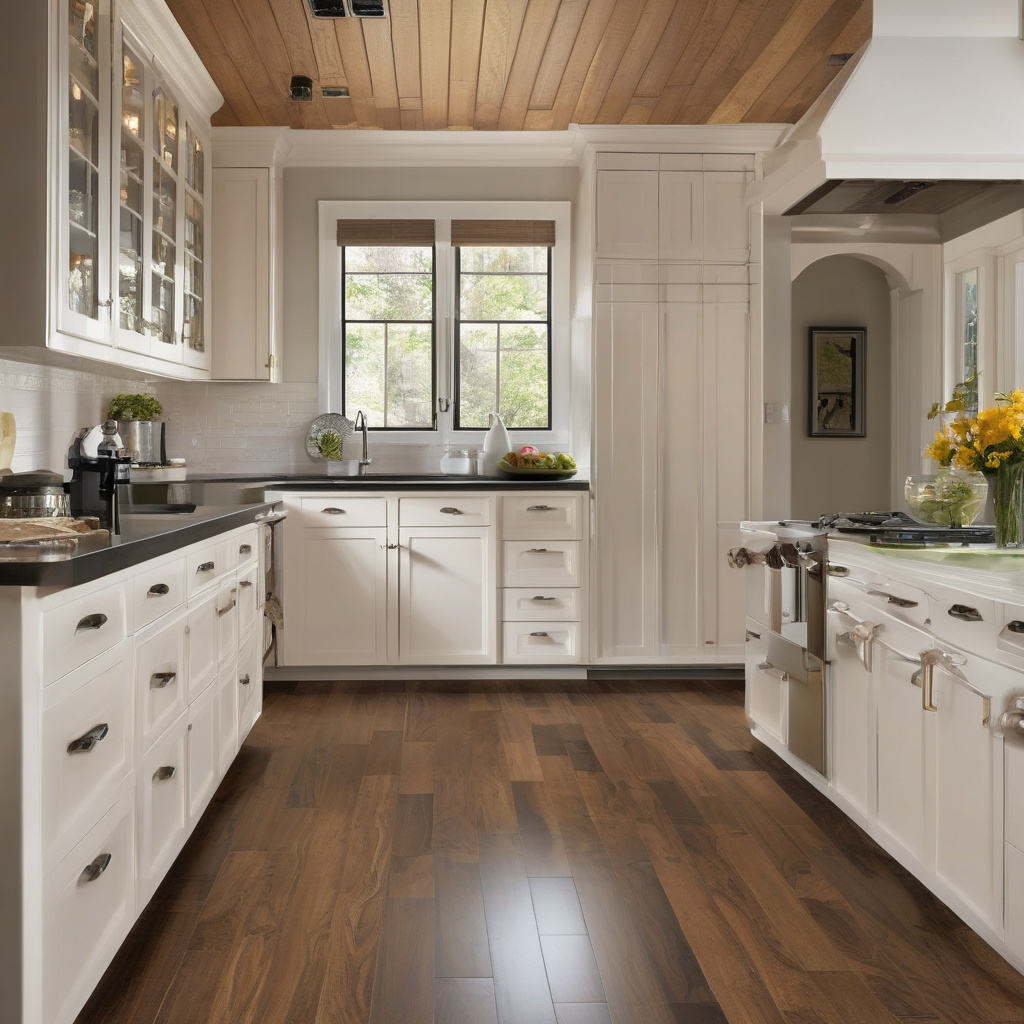
It’s imperative to weigh the pros and cons of each flooring type within the dynamics of busy kitchens. While porcelain tile offers robustness and elegance, its hardness might not align with the levels of comfort desired in a home-centric environment.
Conversely, luxury vinyl offers affordability and ease of installation but is perceived as less prestigious due to its synthetic nature. Understanding individual priorities ensures informed decision-making, essential when faced with myriad choices.
Engineered wood’s natural veneer appeals to those unwilling to forgo authenticity, yet its maintenance requirements could deter those seeking low-effort solutions. Recognizing these considerations will guide homeowners in selecting the options that resonate most with their lifestyles and preferences.
Acknowledging the balance between aesthetic desires and practical needs positions homeowners to make empowered decisions that complement their long-term visions.
Final Thoughts: Embracing the Journey
Ultimately, selecting the right flooring for a bustling Los Angeles kitchen requires meticulous consideration of both current needs and future aspirations. By embracing the unique attributes of each material, homeowners can craft spaces that not only reflect their personal style but also enhance the functionality and livability of their homes.
Whether drawn to the classic appeal of porcelain tile, the contemporary utility of luxury vinyl, or the timeless allure of engineered wood, Los Angeles kitchen renovators are poised to create environments that celebrate both form and function. As with any renovation endeavor, success lies in the details, from understanding material dynamics to carefully calibrating budgetary boundaries.
- Porcelain tile, luxury vinyl, and engineered wood offer unique pros and cons for busy kitchen floors.
- Budget and utility considerations are crucial for effective kitchen renovations.
- Planning involves setting clear visions, budgets, and conducting material evaluations.
- Each flooring choice must align with long-term goals and aesthetic preferences.
- Well-planned layouts enhance efficiency and transformative impacts on home value.
“`html
FAQ
What are the best flooring options for busy LA kitchens?
When selecting flooring for busy LA kitchens, the focus is often on materials that can stand up to frequent spills and heavy foot traffic. Porcelain tile is a top contender because it’s both water-resistant and durable, ideal for kitchens that see a lot of action. Luxury vinyl also deserves a mention; it mimics the look of hardwood while being surprisingly impervious to water. In many renovation projects, I’ve seen homeowners opt for engineered wood because it provides the warmth of natural wood but with added stability that suits the fluctuating temperatures often present in California homes.
How do you choose the right kitchen flooring for a high-traffic home?
Choosing the right kitchen flooring involves weighing durability, maintenance, and style. In real home renovations, it’s crucial to assess how much traffic your kitchen truly gets. For busy families, many experts point out that materials like porcelain tile or luxury vinyl are more forgiving. These floors handle spills and dropped utensils with ease. Always consider the cleaning requirements; some options, while beautiful, demand frequent maintenance. Homeowners frequently underestimate this aspect, leading to long-term dissatisfaction. When making a decision, consider consulting a local renovation expert for tailored advice—it can prevent costly mistakes.
Is engineered wood a good choice for kitchens?
Engineered wood often gets attention for its aesthetic appeal, offering a genuine wood look with improved performance. However, in the context of busy kitchens, it’s important to weigh both sides. The upside? It’s less likely to expand or contract with humidity changes, which is a common issue in older California homes. But there’s a catch: it’s not as water-resistant as tile or vinyl, making regular maintenance key in preventing water damage. If you love the warmth of wood floors, careful installation and sealing become crucial components to its success in a kitchen setting.
What are some common mistakes when choosing kitchen flooring?
One major mistake is underestimating the resilience needed in a busy kitchen floor. Homeowners often fall for a material’s aesthetic appeal without considering its practical functionality. Another pitfall is neglecting the cleaning aspect; some stunning options can be a nightmare to maintain in reality. In real renovation projects, it often becomes clear that evaluating the daily habits of a household first can guide smarter choices. Don’t forget the importance of a professional installation, as improper fitting can lead to unnecessary wear and tear.
What should be considered when budgeting for new kitchen flooring?
Budgeting for kitchen flooring can be tricky. It’s essential to look beyond just the cost of materials. Consider added expenses like underlayment, delivery, and installation. In busy LA kitchens, investing in durable materials like porcelain tile might seem pricey initially, but the longevity and minimal maintenance costs offset the investment over time. For those on a tighter budget, many find luxury vinyl offers an affordable balance of style and functionality. It’s wise to get multiple quotes and consult contractors to find the best value option that aligns with your budget and styling needs. For personalized advice, feel free to reach out to experienced professionals who can provide insights based on your specific circumstances.
How does luxury vinyl compare to porcelain tile in the kitchen?
Luxury vinyl and porcelain tile are both excellent choices but cater to slightly different needs. Luxury vinyl often attracts homeowners because it’s softer underfoot and can imitate the look of natural wood or stone without the associated upkeep. It tends to be more budget-friendly and warmer compared to the cool, hard surface of porcelain. However, porcelain tile triumphs in durability; it’s less prone to scratches and capable of withstanding significant impacts and moisture. The real decision should consider your kitchen habits and comfort preferences—many find vinyl more inviting, while others appreciate the indestructibility of tile.
What are the pros and cons of porcelain tile in busy kitchens?
Porcelain tile stands out for its resilience in high-traffic kitchens. It’s resistant to water, scratches, and stains, making it highly suitable for homes with children or frequent entertaining. On the flip side, its surface can feel cold and hard, and dishes dropped on it may not survive. Installation is also more complex, often requiring professional help, which can elevate initial costs. Yet, many experts suggest that the long term payoff, in terms of durability and easy maintenance, often justifies the initial investment for busy households looking for a lasting solution.
How important is professional installation for kitchen flooring?
Professional installation can be a game-changer, particularly for complex materials like porcelain tile or engineered wood. In many cases, DIY attempts lead to uneven surfaces or poorly fitted planks that could disrupt the aesthetics and functionality. Professionals come equipped with knowledge and tools to ensure a seamless fit, saving time and frustration in the long run. Especially in busy kitchens, where the flooring takes a beating, a correctly installed floor can mean the difference between a lasting investment and premature repairs. While it might seem tempting to cut costs by DIY, in bustling LA homes, the precision and skill of a professional installer are often invaluable.
“`