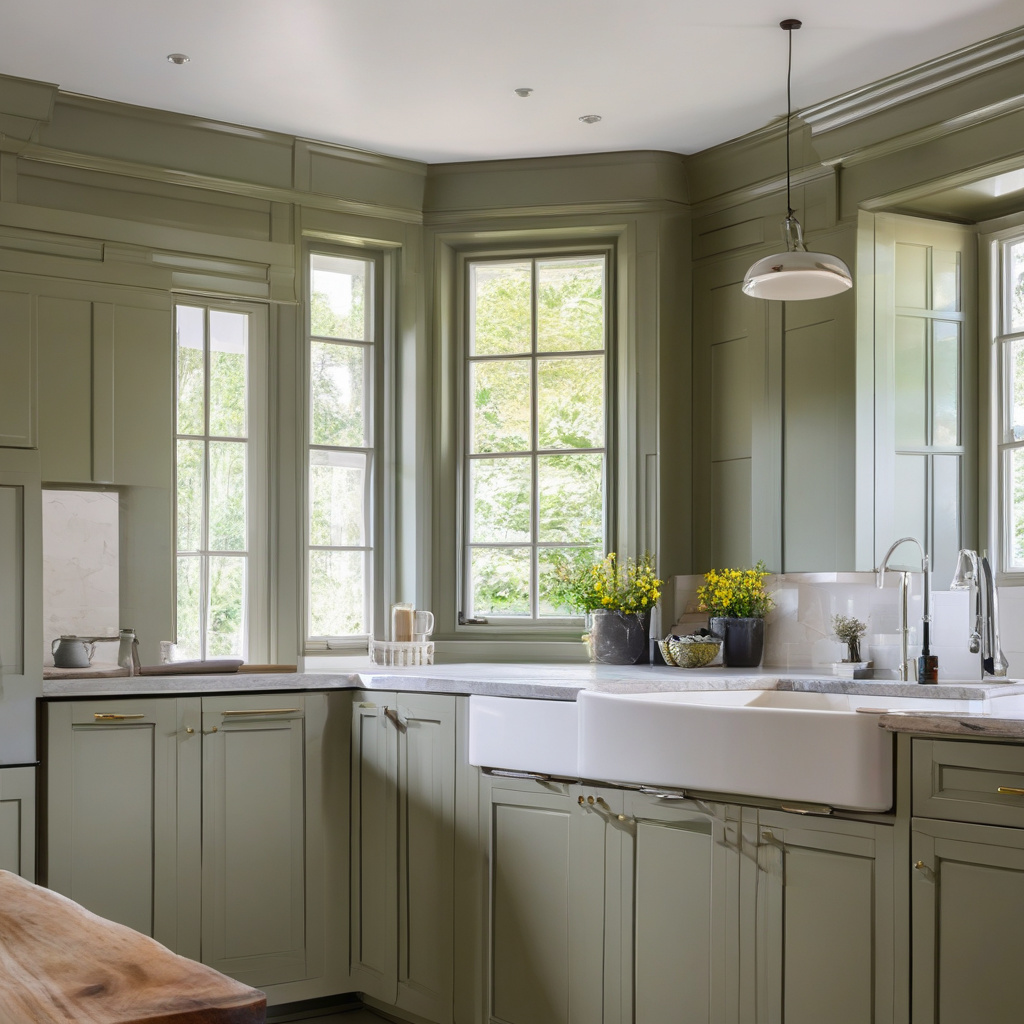
Ah, the transformative power of paint. With just a few strokes, an entire room can change character, evolving from drab to fab. But choosing the right sheen for each room can feel like a Herculean task. In Southern California, where trends shift as fast as the city’s tectonic plates, getting the details right can make all the difference between a visionary design and an aesthetic misfire.
Brief summary: This article delves into the nuances of choosing the best paint sheen for every room in a home, considering factors like durability, aesthetics, and functionality. It explores trends in Los Angeles, highlights real renovation stories, and offers insights into avoiding common painting pitfalls.
Embracing the Matte Look: Minimalist Marvel or Maintenance Nightmare?
Matte paints have seen a resurgence in Los Angeles as they fit beautifully with the city’s love for minimalism. Their ability to mask imperfections makes them a darling for many homeowners. Picture a sunlit room in Silver Lake, where the matte walls create a backdrop that lets furniture sing. Yet, this understated finish, often celebrated for its effortless elegance, has some caveats.
While matte paint is perfect for concealing wall blemishes, it demands delicacy. Attempt to scrub a stain, and you may find your wall turning into a patchwork of discontent. This makes matte ideal for low-traffic areas—think bedrooms or home offices—where serenity overpowers practicality. In high-energy spaces, however, it’s a different story.
Matte finishes may provide the serenity of a California sunrise, yet utterly fail when confronted with the rigors of enthusiastic children and their crayon masterpieces. It’s a balancing act that savvy renovators need to consider, especially in this city of evolving family dynamics.
Opting for matte is like enjoying a vintage film: you appreciate its depth and subtlety, knowing it demands a slower pace. As one homeowner in Beverly Hills wisely noted, “Matte is an aesthetic choice, not a practical one.”

In conclusion, matte thrives in spaces where tranquility reigns over toddler tantrums and wall cleanability isn’t a daily concern.
The Subtle Allure of Eggshell: A Gentle Glow on the Horizon
If matte is the introvert of paint sheens, then eggshell is its charmingly sociable cousin. With a soft lustre that doesn’t overbear, eggshell offers an inviting warmth. Its ability to mask some imperfections while providing a gentle gleam is particularly appealing. Imagine stepping into a West Hollywood abode where the walls gently reflect LA’s golden light.
Eggshell is the goldilocks of paint finishes—a balance of aesthetic appeal and practical durability. Homeowners in Santa Monica have long applauded its versatility for both its look and feel. Suitable for living rooms and hallways, eggshell can handle a bit more wear and tear than its matte counterpart without sacrificing that coveted designer edge.
Feature walls in eggshell subtly tell stories without shouting, a perfect match for open-plan living spaces coveted in this city. As many local homeowners notice, eggshell’s easy maintenance appeals to both the busy Hollywood executive and the Venice Beach freelancer.
Yet, a careful consideration is needed: eggshell finishes, while resilient, might not withstand the high pressures of constant cleaning found in bustling kitchens. This is why understanding each room’s demands becomes crucial in the paint-choosing journey.
In sum, eggshell fits those looking for aesthetic appeal with a touch more resilience. Its tactful lustre and washability make it a popular choice among tasteful yet practical homeowners.
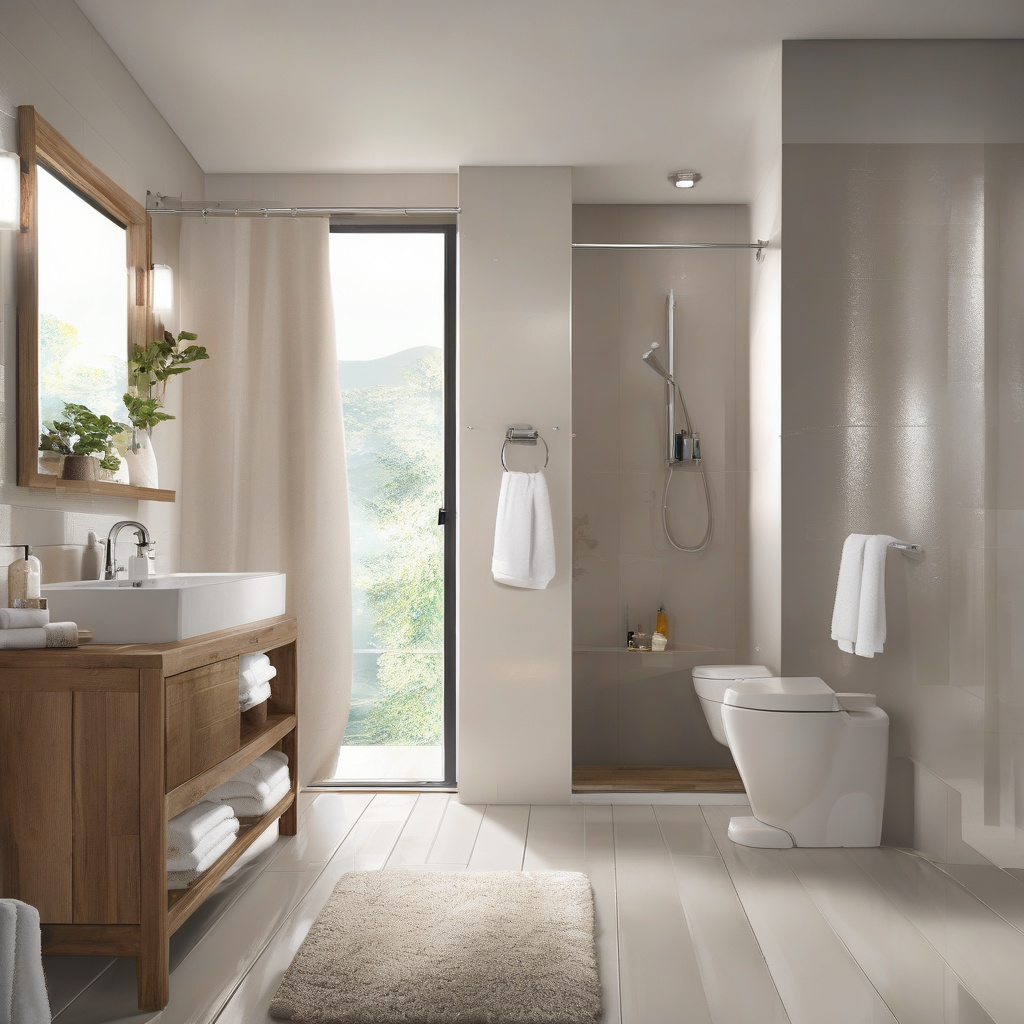
Satin: The Workhorse of the Paint World
Satin finishes have surged in popularity among those seeking both style and substance. Take a bustling family kitchen in Pasadena—here, satin reigns supreme. Its shiny resilience makes it perfect for busy spaces, offering both a striking aesthetic and an ability to repel dirt and stains.
As explored by local renovation experts, satin shines brightest in bathrooms, playrooms, and kitchens, where hustle and hygiene demand more durable finishes. This sheen is often associated with the term ‘functionality,’ whispered in hallways clad with its silky finish.
Reflecting both light and life, satin paint can imbue spaces with vibrancy, making rooms look larger. However, its shiny surface also tends to highlight imperfections, akin to a spotlight on a performer’s every move. Homeowners, therefore, must prepare walls meticulously before application.
In terms of maintenance, satin is a caretaker’s dream. A wipe or two, and it looks as pristine as if painted yesterday. This makes it a go-to for parents juggling both crib assembly and crayon removal with aplomb.
Overall, satin is the sheen that does it all, standing as the guardian of homes where activity is as constant as the LA sunshine.
A survey by the National Association of Home Builders found that 72% of homeowners prioritize durability in paint choice, further cementing satin as a practical favorite.
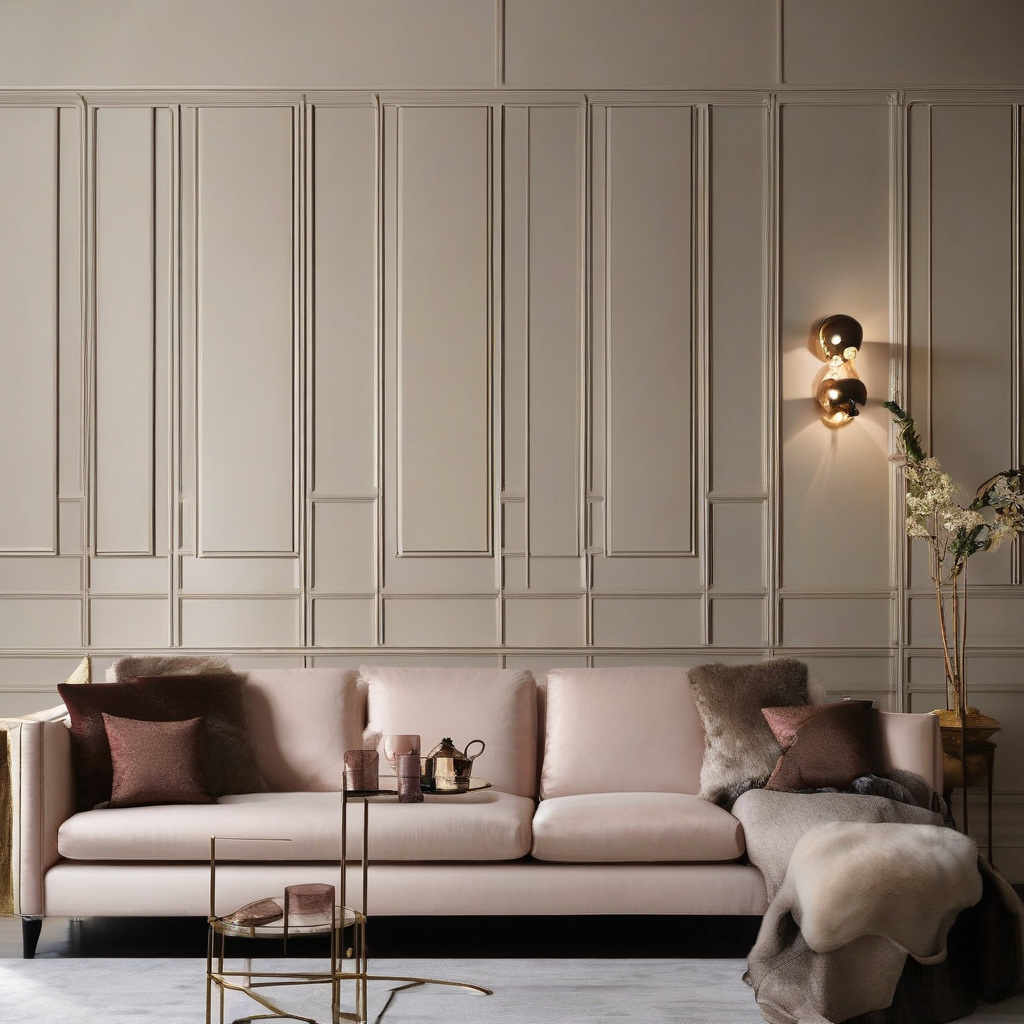
DIY vs. Hiring the Pros: When to Roll Alone or Call in Reinforcements
The decision of whether to jump into a painting project yourself or hire a professional is a dilemma many Los Angeles homeowners face. As laid-back as Southern Californian vibes might seem, the pressure of achieving precision can leave DIY enthusiasts questioning their capacity.
Avoiding common pitfalls that come with DIY projects involves understanding one’s own limitations. While matte paints may appear straightforward, achieving a streak-free, seamless finish can be challenging. Tackling a project without professional skills might also mean unintended splatters or mismatched colors.
On the other hand, hiring professionals ensures expertise. They bring an eye for detail and a steadiness of hand that transforms walls into works of art. From mixing colors to prepping surfaces, skilled painters navigate the nuances of sheens, guaranteeing a stunning result.
Cost, naturally, is a significant factor. Although hiring professionals adds an investment, it often proves wise. If renovating for potential market increase, the choice could pay off handsomely, as buyers appreciate the finesse only professionals provide.
In conclusion, the savvy choice often lies in evaluating one’s skill level and the desired outcome. Understanding when to step back is an equally important skill in the DIY world.
Industry expert Karen Haller emphasizes that “color psychology plays a crucial role in creating ambiences, where professional guidance often maximizes design impact.”
Costs and Considerations: Weighing Your Options
When embarking on a painting journey, budgetary constraints often guide the decision-making process. With the average cost of painting a single room in Los Angeles hovering between $300 and $800, balance is key.
| Option | Average Cost | Durability | Best Fit |
|---|---|---|---|
| Matte | $300 – $700 | Low | Bedrooms, Offices |
| Eggshell | $400 – $800 | Medium | Living Rooms, Hallways |
| Satin | $500 – $1,000 | High | Kitchens, Playrooms |
Beyond the basic costs, additional factors such as prep work and paint quality may increase expenses. For instance, choosing a high-end satin paint for a kitchen renovation could escalate costs but may also enhance the room’s longevity and appeal.
The decision between engaging a painting contractor or navigating a DIY project also weighs heavily on budgets. For those aiming to flip their property or secure a long-term investment, professional consultation might offer a beneficial boost.
As with all aspects of renovation, the wise approach involves comparing both present and future benefits before making a commitment.
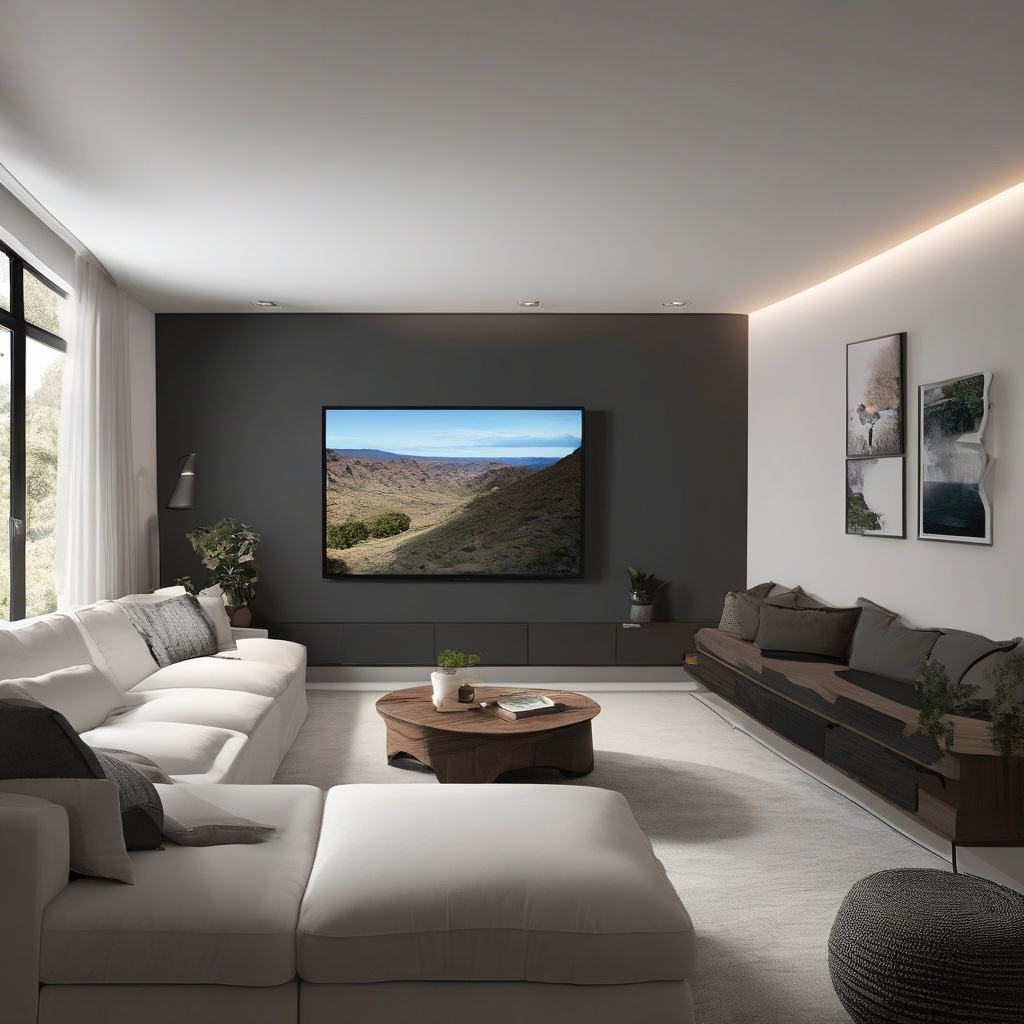
Potential Pitfalls and Perks: Exploring Sheen Consequences
While the right paint sheen can elevate a space, the wrong choice can lead to designer despair. Understanding interactions between light, architecture, and personal lifestyle is paramount. It’s illuminating, for example, how reflective sheens might bounce light convincingly in daylight but overpower ambience at night.
Poor preparation can significantly impact the final result. Many homeowners have experienced the frustration of an ill-prepared surface, resulting in bubbling or peeling paint. The devil is in the detail, they say, and this couldn’t be more applicable than in painting.
Finally, longevity is closely tied to cleanability and resilience. Choosing exterior options wisely is as vital as making sound decisions inside, ensuring homes are protected from the elements and time’s relentless march.
Research from the University of California found that homes with well-maintained exteriors appreciate 8% faster than those neglected, underscoring the financial merit of careful planning.
The journey of selecting the appropriate paint sheen, then, is one of options balanced by needs, guided by aesthetic desires shaped by practicality. It’s a dance of design and durability where no step can be overlooked.
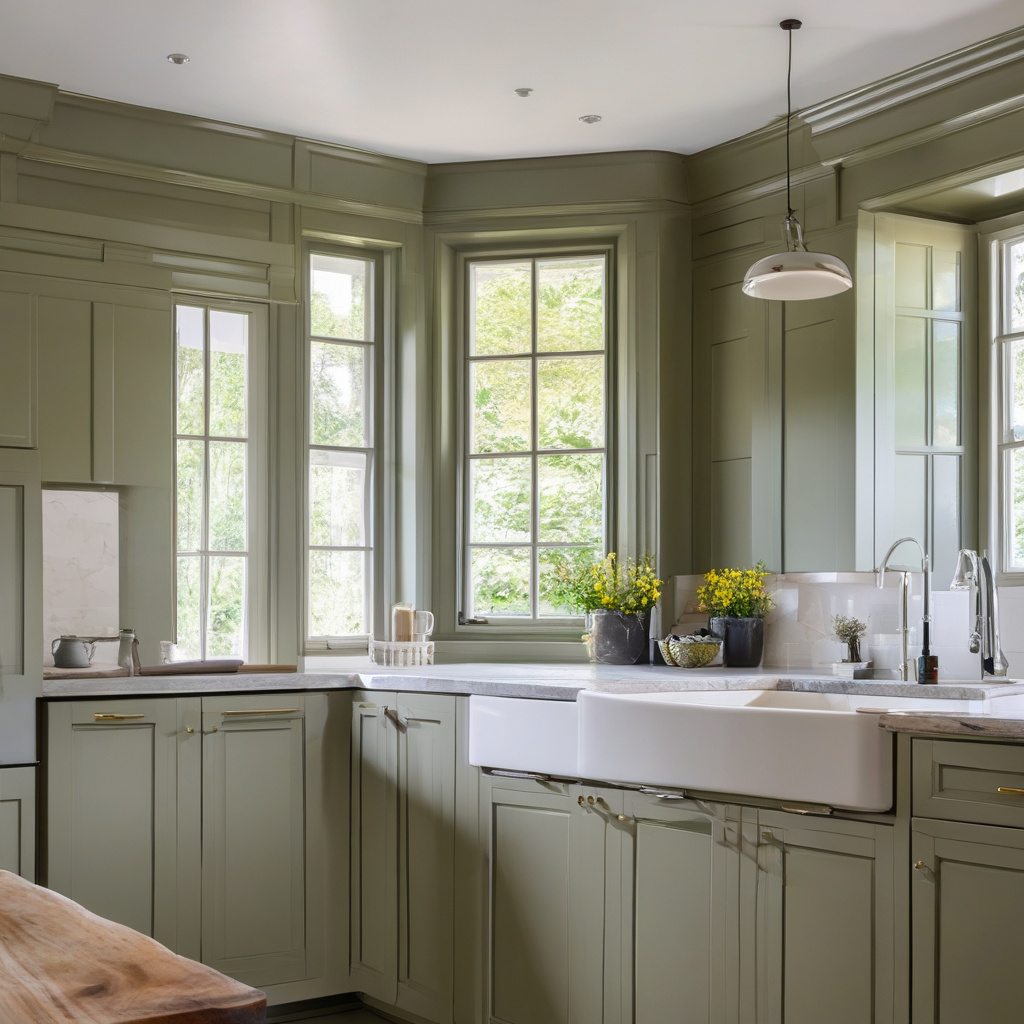
Ultimately, satisfaction lies in harmony—finding the sheen that fits the room like a tailored suit, both comfortable and expertly styled.
- Matte paints excel at hiding imperfections but aren’t great for high-traffic areas.
- Eggshell provides a balance of aesthetics and practicality, ideal for common living spaces.
- Satin is highly durable, making it perfect for kitchens and bathrooms.
- Professional painting services often outweigh DIY efforts concerning quality and time.
- Understanding sheen benefits and limitations ensures both short and long-term satisfaction.
“`html
FAQ
What is the significance of paint sheen in a home renovation?
In real renovation projects, it often becomes clear that paint sheen significantly impacts not just aesthetics, but also the functionality of the space. The sheen of paint affects how light is reflected, influencing the ambiance and perceived size of the room. For example, matte finishes are prized for their ability to hide surface imperfections, making them ideal for older properties or walls with less-than-perfect surfaces. By choosing the right sheen, homeowners can address issues related to room lighting, wall condition, and long-term maintenance. Many experts point out that selecting the correct sheen is as critical as choosing the right color, underpinning both design and practicality.
How do I choose between matte, eggshell, and satin sheen?
Choosing between matte, eggshell, and satin largely depends on the specific room’s needs and usage patterns. In California’s single-family homes, matte is often favored in bedrooms and living rooms for its soft finish and ability to hide flaws. Eggshell provides a subtle glow, perfect for dining rooms or hallways where ambient lighting can enhance its reflective qualities. Satin sheen is durable and easy to clean, making it ideal for high-traffic areas like kitchens or playrooms. It’s essential to consider both the aesthetic and practical requirements of each room. Additionally, homeowners frequently underestimate the impact of natural lighting on sheen appearance, so testing small patches on walls before making a final decision is a wise step.
When is it beneficial to use matte paint?
Matte paint offers significant benefits in spaces where wall imperfections are prominent or in rooms that require a cozy, understated look. Its non-reflective nature is ideal for older properties undergoing renovation, where walls might not be perfectly smooth. In dimly lit rooms or those aiming for a calm and serene atmosphere, matte paint helps achieve this by absorbing light rather than reflecting it. However, it is worth noting that while matte paint is less prone to highlighting flaws, it is not as washable as satin, a concern for families with young children or high-traffic activity. The balance between aesthetic and functionality is key, and discussing sheen options with an experienced renovator can provide invaluable guidance. For more insights, you might want to read further by reaching out to knowledgeable sources.
Why might eggshell be preferred in certain rooms?
Eggshell sheen offers a compromise between the flatness of matte and the sheen of satin, adding a touch of elegance to spaces without overwhelming shine. This finish is perfect for areas such as dining rooms, where a slight glow enhances ambient light without revealing flaws as sharply as glossier sheens do. In newer builds with modern lighting systems, eggshell paint magnifies the natural brightness of the room, creating a welcoming and warm visual appeal. However, the potential drawback is its slightly lower durability compared to satin, making maintenance a consideration in busier households. Generally, homeowners report satisfaction with eggshell in entertainment spaces, appreciating its balance of appearance and practicality without needing constant upkeep.
What are the typical mistakes when selecting a paint sheen?
One common error homeowners make is underestimating the impacts of lighting and surface texture on the final appearance of different paint sheens. Selecting an inappropriate sheen can result in unintended reflections or too much light absorption. Another frequent mistake is not considering the functionality of the space; opting for a high-sheen finish in a room prone to traffic and touching, like a child’s playroom, could lead to higher maintenance needs. Additionally, some homeowners focus solely on aesthetics without accounting for longevity and ease of washability. Before finalizing your choice, testing with sample jars and observing their performance under all lighting conditions over a few days can save both time and money in the long run.
Are there cost implications with different paint sheens?
In general, variations in paint sheen can slightly influence the cost of a renovation project. Higher sheens like satin or semi-gloss may come with a higher price tag due to their more complex formulations which provide enhanced durability and cleanability. However, the upfront cost should be weighed against the long-term advantages of using a sheen that requires less frequent repainting or touch-ups. In busy households or rental properties where walls face more wear and tear, investing in a durable sheen might result in cost savings over time. Practical advice includes evaluating your budget alongside functional needs, ensuring that the chosen sheen aligns with both practical and financial expectations.
What are the pros and cons of satin sheen?
Satin sheen offers several benefits, such as its versatility and ease of cleaning, making it suitable for kitchens, bathrooms, and children’s rooms. Its reflective finish isn’t overwhelmingly shiny and it can withstand scrubbing, which is beneficial in active areas. However, a potential downside is that satin paint can highlight surface imperfections more than matte finishes. It may also appear streaky if not applied carefully, requiring skilled application to achieve an even look. Balancing these pros and cons is key: while satin is ideal for durability and a slight sheen, the preparedness to work with or hire professionals for its application is something to consider.
How do maintenance requirements differ among paint sheens?
Maintenance considerations vary greatly among different paint sheens. Matte finishes, while excellent at hiding imperfections, can be trickier to clean and may show signs of wear more quickly in high-traffic areas. In contrast, satin sheens are more forgiving, allowing for easier cleaning without significant impact on the paint’s integrity. Eggshell stands somewhere in between, offering moderate cleanability. Homeowners should weigh the maintenance requirements against their lifestyle; families with pets or children might lean towards more durable sheens to accommodate frequent cleaning. In some situations, professional advice can be invaluable. For personalized recommendations, consider connecting with experts who can provide tailored advice, such as the team found through this contact option.
“`