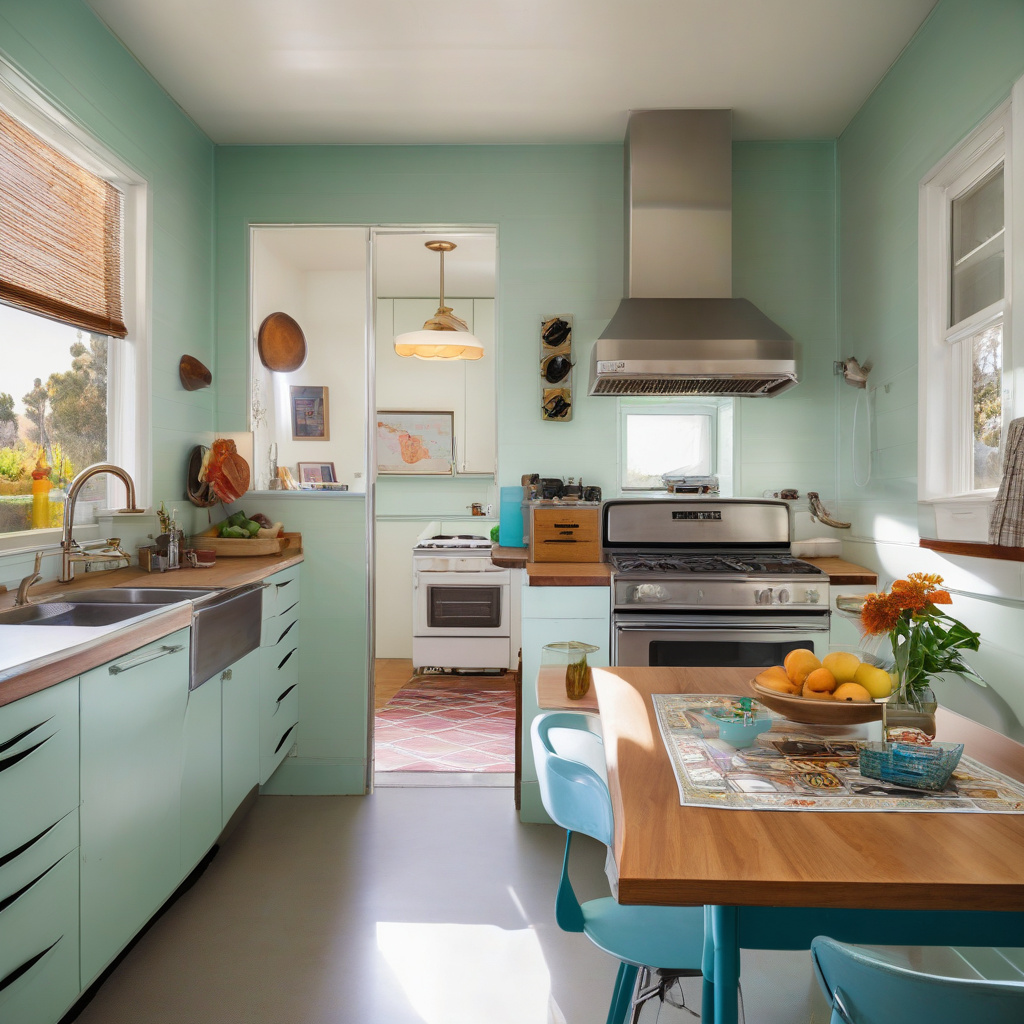
Los Angeles homeowners are embracing a variety of countertop materials as they seek to balance aesthetics with functionality and durability in their kitchen designs. The bustling metropolis, known for its eclectic taste and luxurious makeovers, often showcases quartz, porcelain, and natural stone as leading contenders in this evolving narrative. As each material brings its own unique set of benefits to the table, discerning residents find themselves at the crossroads of performance and personal style when selecting just the right fit for their homes.
Brief summary: In Los Angeles, kitchen countertops are a focal point in renovation projects where quartz, porcelain, and natural stone are favored for their durability and distinct aesthetics. This article examines the pros, cons, and trends among these popular materials, alongside cost considerations and practical tips for homeowners aiming for both style and substance in their kitchen spaces.
Quartz: The Modern Marvel
Quartz has rapidly become a staple in LA kitchens due to its impressive durability and customizable appeal. Comprised of crushed stone mixed with resin, this man-made material promises the look of natural stone without the associated upkeep. It’s stain-resistant, non-porous, and can mimic the appearance of its more expensive natural counterparts without compromising on longevity.
For homeowners embarking on a kitchen transformation in Los Angeles, quartz offers a myriad of design possibilities. Available in a spectrum of colors and patterns, it easily compliments both ultra-modern and timeless traditional aesthetics. The material’s resistance to scratching and staining also makes it ideal for hectic households where the kitchen serves as the hub of activity.
Despite its advantages, quartz comes with a hefty price tag, which might be a deterrent for budget-conscious renovators. It’s also worth noting that, although heat-resistant, placing hot pans directly onto the surface is not recommended to prevent damage.
In conclusion, quartz is a formidable option for those seeking a blend of style and resilience, albeit at a premium cost.
Porcelain: High Style Meets High Function
Porcelain countertops are steadily gaining popularity amongst Angelenos, primarily for their sleek appearance and hardwearing nature. Made from dense, heat-tolerant clay fired at high temperatures, porcelain offers remarkable resistance to scratches, UV exposure, and thermal shock, essentially ticking all the boxes for functional kitchen serving surfaces.
The material’s lightweight nature is complemented by its ability to be crafted into larger slabs, minimizing the need for seams. This is a particularly important consideration for those in search of that coveted seamless look, especially in expansive kitchen layouts. Coupled with its capability to resemble materials ranging from wood to stone, the versatility of porcelain is unbridled.
However, porcelain might not appeal to everyone, given its tendency to chip at the edges and be slightly more fragile compared to quartz. Despite these drawbacks, it remains a top choice for achieving an elegant, cutting-edge finish.
Ultimately, for homeowners prioritizing a seamless aesthetic blended with resilience, porcelain proves to be a great contender.
Comparing Costs: Quartz vs. Porcelain
| Material | Average Cost per sq ft | Advantages | Disadvantages |
|---|---|---|---|
| Quartz | $50 – $150 | Durable, non-porous, aesthetic flexibility | Expensive, susceptible to heat damage |
| Porcelain | $60 – $100 | Heat-resistant, seamless design, lightweight | Fragile, prone to chipping |
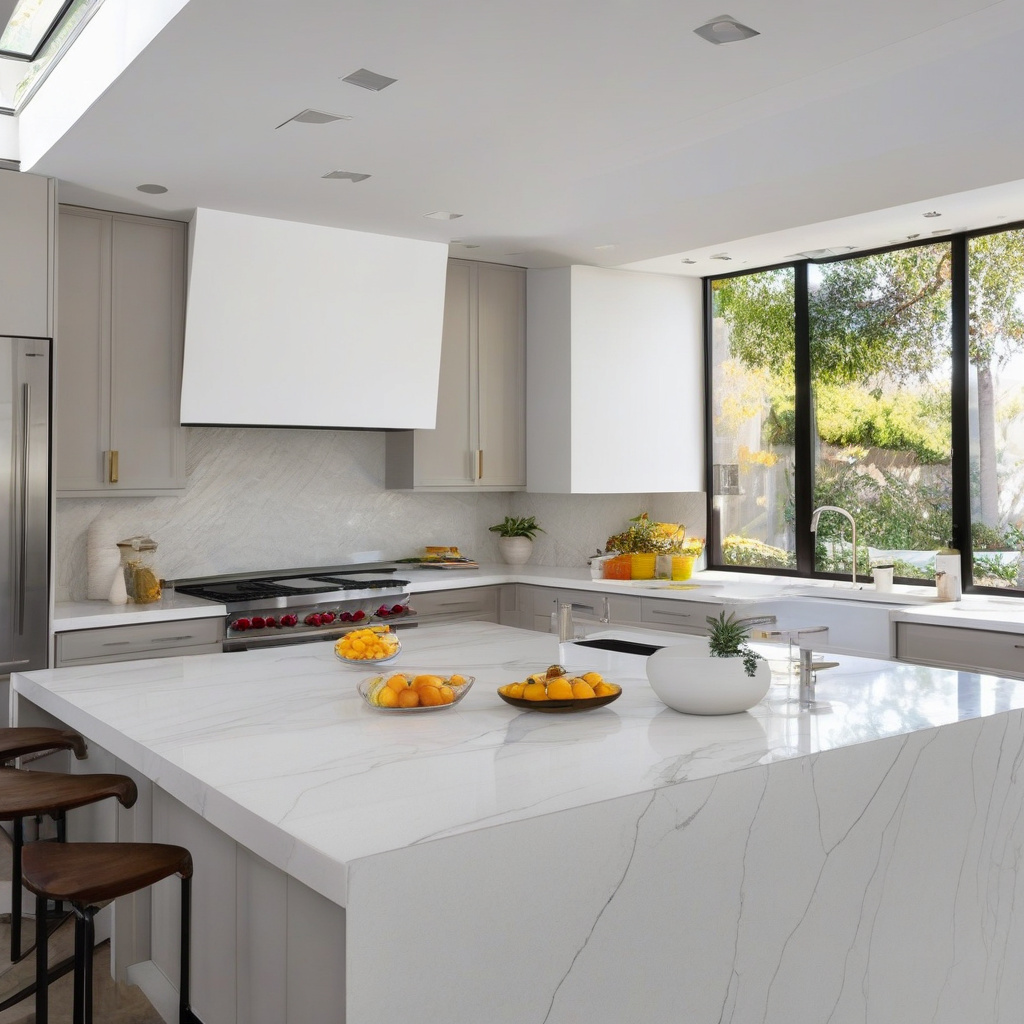
Natural Stone: Timeless Elegance
Natural stone, with its rich texture and unique veining, brings a touch of luxury to any kitchen space. Options like granite, marble, and soapstone have long been cherished by homeowners for their elegance and long-lasting appeal. Granite, in particular, offers outstanding durability and a traditional aesthetic that melds with a variety of design palettes.
As Southern Californian kitchen color trends continue to evolve, natural stone provides the perfect backdrop. Subtle hues and striking veins can create contrast or harmony, depending on your design goals. However, the porous nature of these stones demands regular sealing and maintenance to protect against stains and moisture.
Real-life renovations in Los Angeles highlight these materials’ ability to maintain their showroom look for years. Though prestigious, the cost and maintenance of natural stone can be daunting, requiring careful consideration.
Thus, natural stone remains a valued choice for those seeking an investment in timeless beauty, albeit with some upkeep.
A survey by the National Kitchen and Bath Association found that over 30% of homeowners in California opt for natural stone for its classic elegance.
Considerations for the Discerning Renovator
When planning a kitchen remodel, Angelenos must weigh numerous factors, from budget constraints to lifestyle needs. Beyond the charm of morning light catching the flecks in a quartz countertop lies the practical matter of navigating costs and permits. Dive into the logistical elements with expert guidance: prices, processes, and potential pitfalls. Project timelines are often dictated by the choice of materials and their availability, so it’s crucial to have a clear plan from the outset.
Engagement with professional resources like understanding kitchen permits ensures a smoother transition from vision to reality, safeguarding against unforeseen complications. Each material comes with its own set of installation complexities, requiring skilled craftsmanship to ensure longevity and finish.
Decision fatigue is a real phenomenon in renovation, but thorough research and reliance on expert advice streamline the process. Selecting a material that complements both daily routines and long-term aspirations is key.
In summation, a well-planned approach incorporating a balance of form, function, and regulation knowledge positions your project for success.
Designing Your New Space
For those embarking on their remodeling journey, a step-by-step method can mitigate the chaos of decision-making. Begin with a comprehensive assessment of needs: functionality, lifestyle compatibility, and aesthetic objectives. Aim to sync the overall design with practical elements like sufficient counter space or optimal appliance placement.
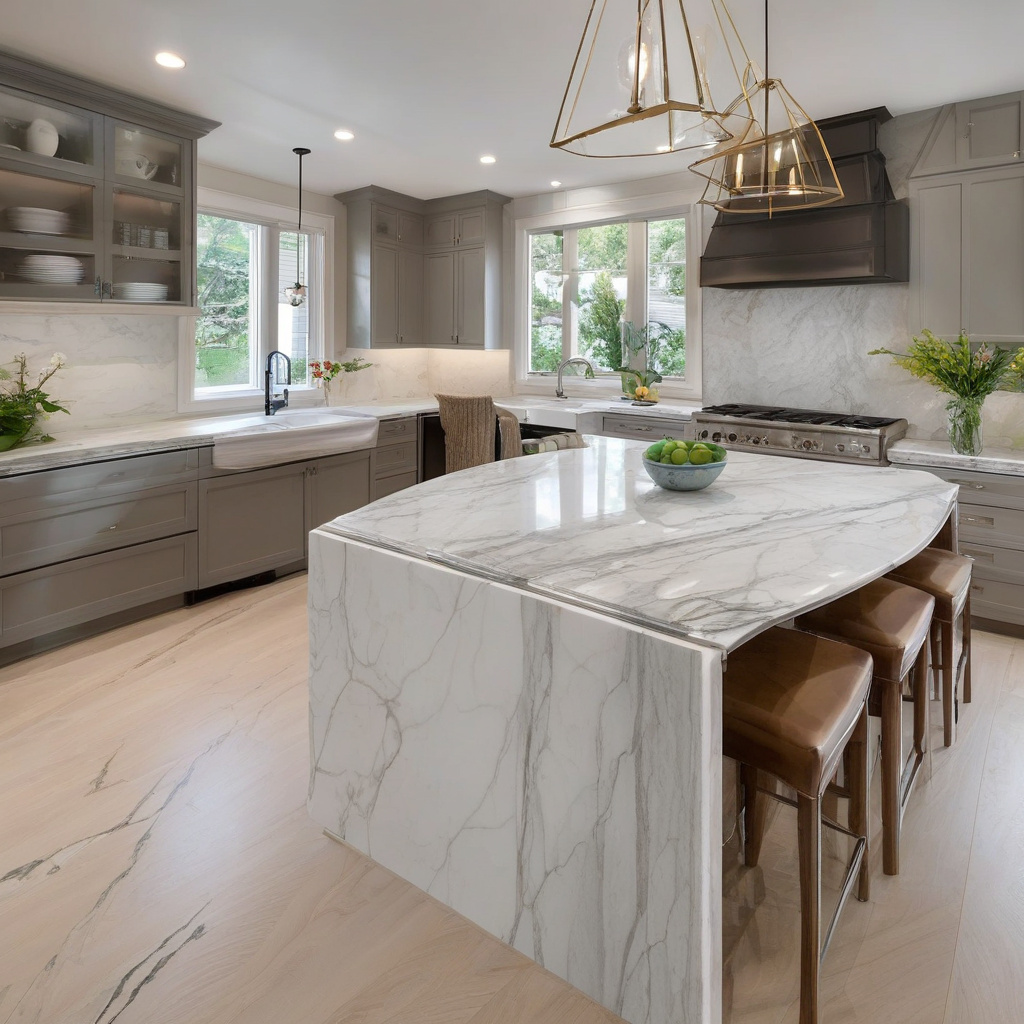
When integrating elements such as a kitchen island, the choice of material plays a pivotal role. Ensure the island matches or complements the surrounding countertops, crafting a cohesive visual experience.
Explore creative solutions, such as two-tone designs that juxtapose contrasting materials or shades, adding depth and dimension to the space. Discuss options with designers and architectural advisors to align creative flair with realistic constraints and budgets.
As you finalize plans, enlist support from seasoned contractors to bring your vision to fruition smoothly and proficiently. Continuous communication between homeowners and builders sets the groundwork for a successful outcome.
In wrapping up the design phase, consider adaptability: your kitchen should reflect your personal style yet remain functional and up-to-date.
The Road to Artistic and Practical Triumph
Embarking on a kitchen renovation in Los Angeles comes with its fair share of challenges and rewards. While the selection of countertop material is a pivotal decision, aligning with overall kitchen aesthetics is crucial for achieving a harmonious design. Homeowners frequently turn to resources that offer innovative solutions and ideas for cohesive kitchen design.
If you are curious about enriching your kitchen’s visual appeal with practical additions, diving into innovative kitchen island concepts could serve as an impactful inspiration. Exploring diverse countertop materials not only highlights personal tastes but also enhances the residence’s market value.
As many local homeowners notice, kitchen renovations symbolize a blend of artistry and practicality, where past trends meet future possibilities. The bustling spirit of Los Angeles provides a vibrant backdrop for these remodels, encouraging boldness and individuality.
Ultimately, their kitchen transformations stand as testaments to vision and perseverance, bringing satisfaction that echoes through daily life and beyond.
Industry experts affirm that selecting the right mix of materials can enhance the kitchen’s functionality and increase a home’s resale value by up to 25%.
A recent study revealed that durability and ease of maintenance are top priorities for LA homeowners when choosing countertop materials.
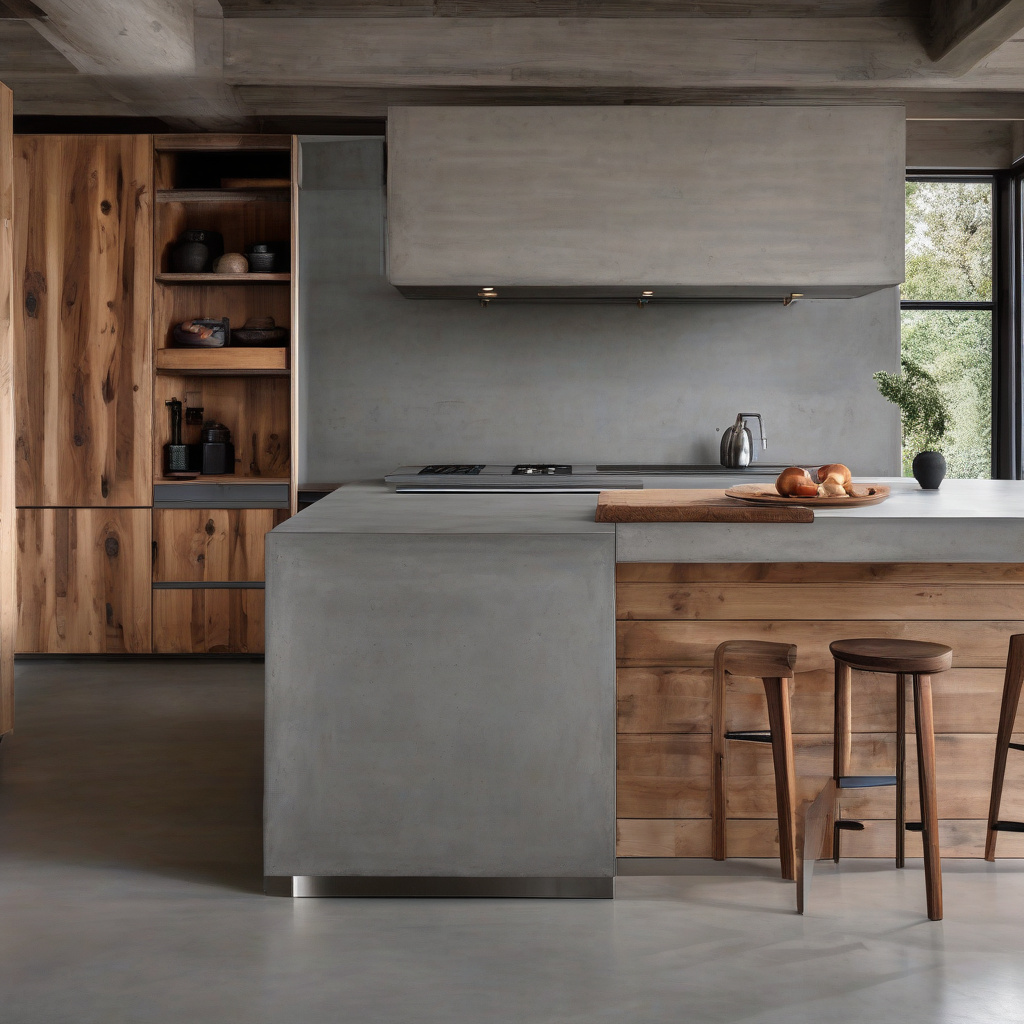
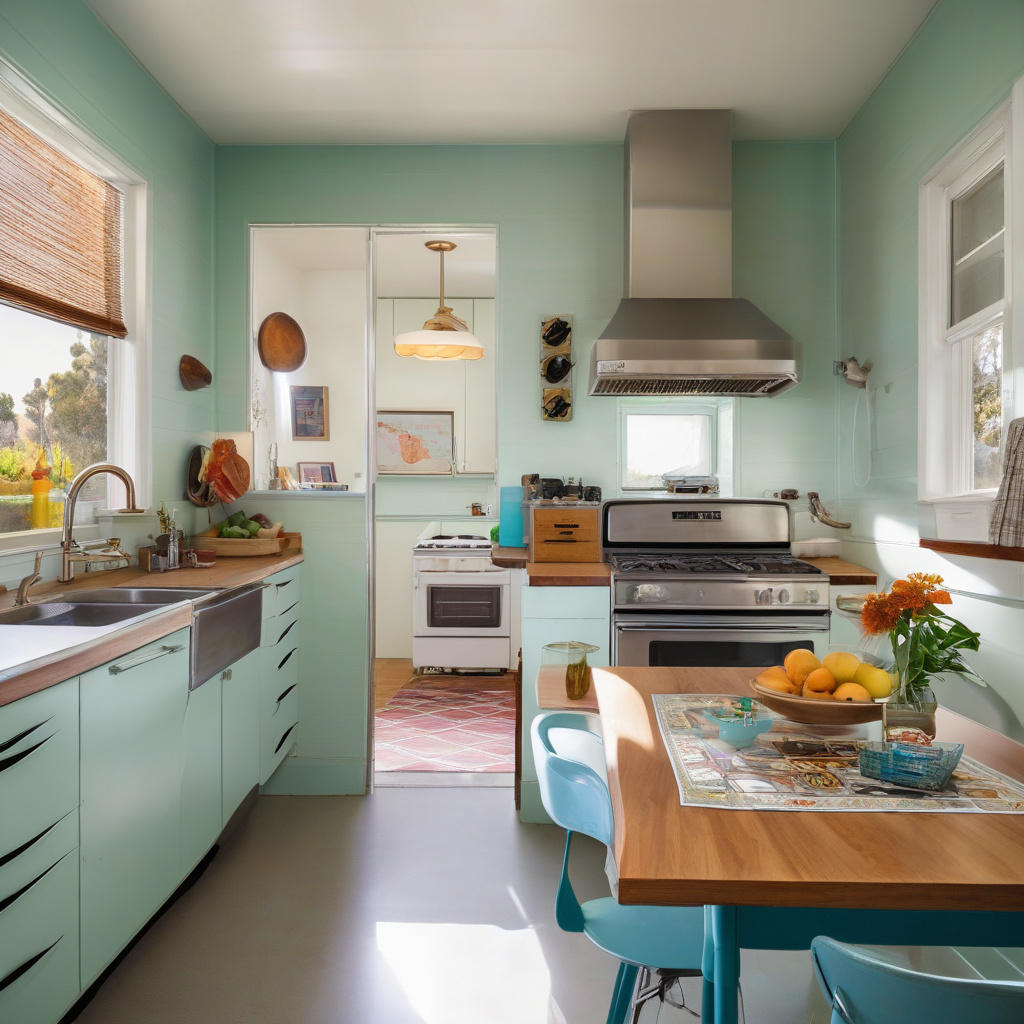
- Quartz, porcelain, and natural stone lead LA countertop trends.
- Despite high costs, these materials offer durability and design flexibility.
- Renovation success hinges on informed planning and expert guidance.
- Customization and creativity are key for unique kitchen aesthetics.
- Robust and stylish countertops enhance property value significantly.
FAQ
What are the most popular countertop materials in LA kitchens?
In LA kitchens, quartz, porcelain, and natural stone are among the top choices for countertops. This becomes apparent in real renovation projects where these materials are selected due to their combination of durability and aesthetic appeal. Quartz offers a variety of color options and is known for its resilience and low maintenance, making it a practical choice for busy households. Porcelain, meanwhile, provides an excellent option for those seeking a stain-resistant and sleek finish, often appreciated in sleek, modern designs. Natural stone like granite or marble adds a touch of luxury with each piece being unique, although it requires regular sealing to maintain its surface integrity.
How do I choose the right countertop material for my LA kitchen?
Choosing the right countertop material requires balancing aesthetic preferences with practical needs. Homeowners often start by assessing the kitchen’s overall style and their cooking habits. For example, a family that cooks frequently might prioritize durability and stain resistance, making quartz a strong contender. Meanwhile, those renovating for aesthetic value might lean towards the unique patterns of natural stone. Cost is also a significant factor; quartz could be more budget-friendly over time due to lower maintenance costs. Consulting with renovation experts can provide personalized advice, particularly if you’re concerned about specifics like installation and maintenance needs.
What are the benefits versus limitations of quartz countertops?
Quartz countertops, engineered from natural quartz crystals mixed with resin, offer several benefits especially favored in bustling LA kitchens. Their non-porous surface is not only stain-resistant but also discourages bacterial growth, a significant advantage for health-conscious families. Furthermore, quartz’s range of colors and patterns provides flexibility in design choices. However, the material may not withstand extreme heat as well as natural stone, which means that placing hot pots directly on the surface isn’t recommended. The upfront cost can also be higher than some entry-level options, but many homeowners find the long-term maintenance savings worthwhile.
What common mistakes should be avoided when selecting kitchen countertops?
One common mistake homeowners make is selecting a countertop based solely on appearance without considering its practical attributes. In real renovation situations, the importance of matching countertop characteristics with lifestyle needs can’t be overstated. Another often-overlooked factor is the weight of the material; for instance, natural stone is very heavy and may require additional support. Additionally, neglecting to understand the long-term maintenance involved can lead to unforeseen inconveniences. Finally, improper measurement prior to purchase can result in costly installation issues, so accurate dimensions and professional guidance are crucial.
Are there cost considerations when choosing between quartz, porcelain, and natural stone?
Budget plays a pivotal role in selecting countertop materials. Quartz is generally more affordable than many types of natural stone while still offering a wide array of design options. Porcelain can range higher in price, particularly for larger projects or custom orders, but its durability justifies the expenditure for many. Natural stone, such as marble or granite, often carries a premium price due to its exclusive patterns and status, demands higher upfront investments, and ongoing maintenance costs. Understanding the full cost lifecycle—installation, maintenance, and potential repairs—is critical for making an educated decision that aligns with both your aesthetic and budgetary goals.
How do quartz, porcelain, and natural stone perform in terms of maintenance?
Maintenance is a significant factor when choosing a countertop material, as it directly affects the practical usability and longevity of your investment. Quartz stands out for its easy upkeep—requiring only regular wiping with a mild detergent and water due to its non-porous nature. Porcelain also demands minimal maintenance and is particularly resistant to stains and heat. Natural stone, however, requires a bit more attention; regular sealing is necessary to prevent stains and moisture penetration. Understanding these maintenance demands beforehand can help homeowners plan effectively and avoid future hassles. For specialized advice on maintaining quality and durability, contact the experts through this helpful resource page.
What are the advantages and risks associated with installing natural stone countertops?
Natural stone countertops, such as granite, exude elegance and unique character with their unmatched pattern variations, elevating the aesthetic appeal of any kitchen. The robustness of these stones provides excellent durability for most kitchen activities. However, risks come in the form of potential chipping and staining, which is why sealing is a regular upkeep requirement. Cost is also a factor; the installation process is more intricate and therefore more expensive. Understanding these aspects helps in weighing whether the classic elegance and natural beauty justify the effort and costs involved.
What should homeowners know about the installation process for these materials?
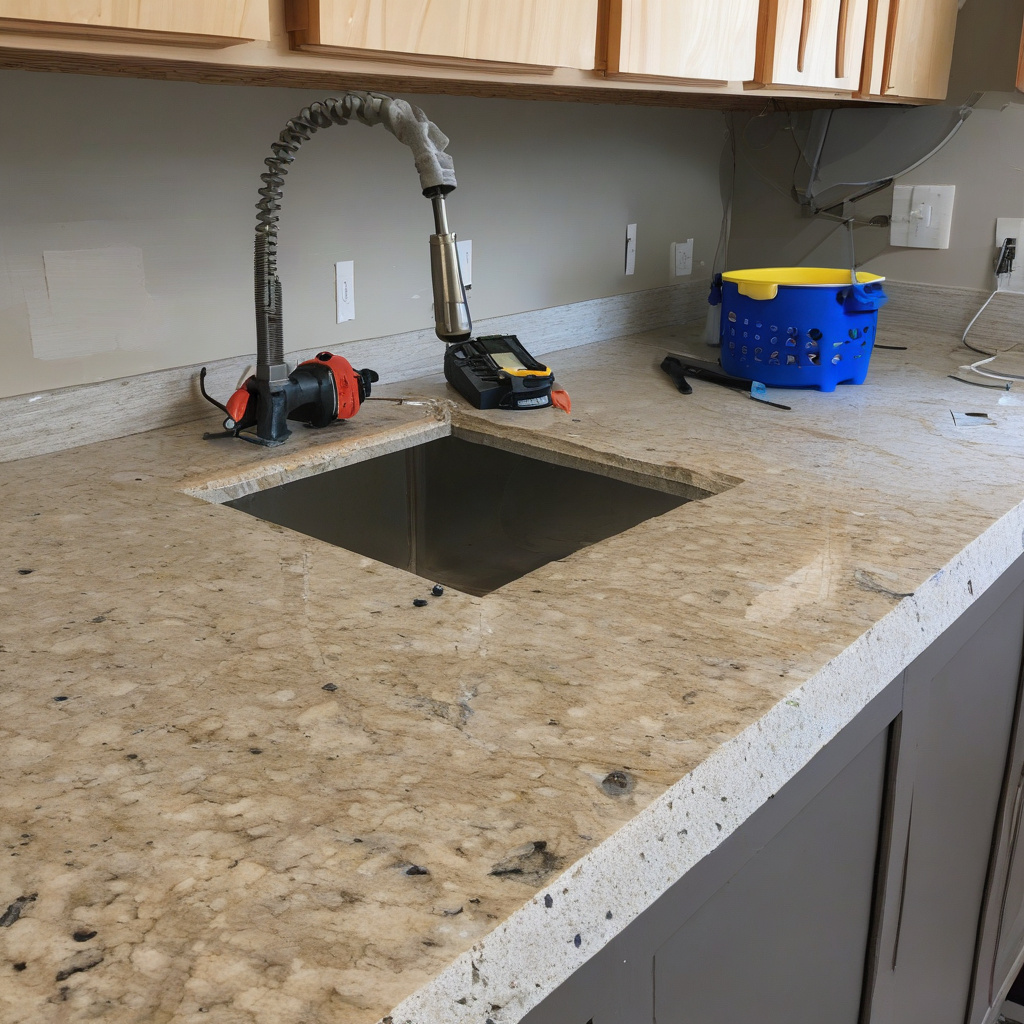
Understanding the installation process for kitchen countertops can significantly influence both the cost and the outcome of your renovation project. Quartz and porcelain are often praised for their straightforward, relatively quick installations; however, precise measurement and professional installation are crucial to avoid inadvertent damage. Natural stone’s weight and fragility demand skilled labor, as improper installation can result in cracking or uneven surfaces. Moreover, for all materials, ensuring that cabinets are suited to support the weight and that a perfectly level foundation is provided is vital for the successful application, guaranteeing durability and aesthetic perfection.