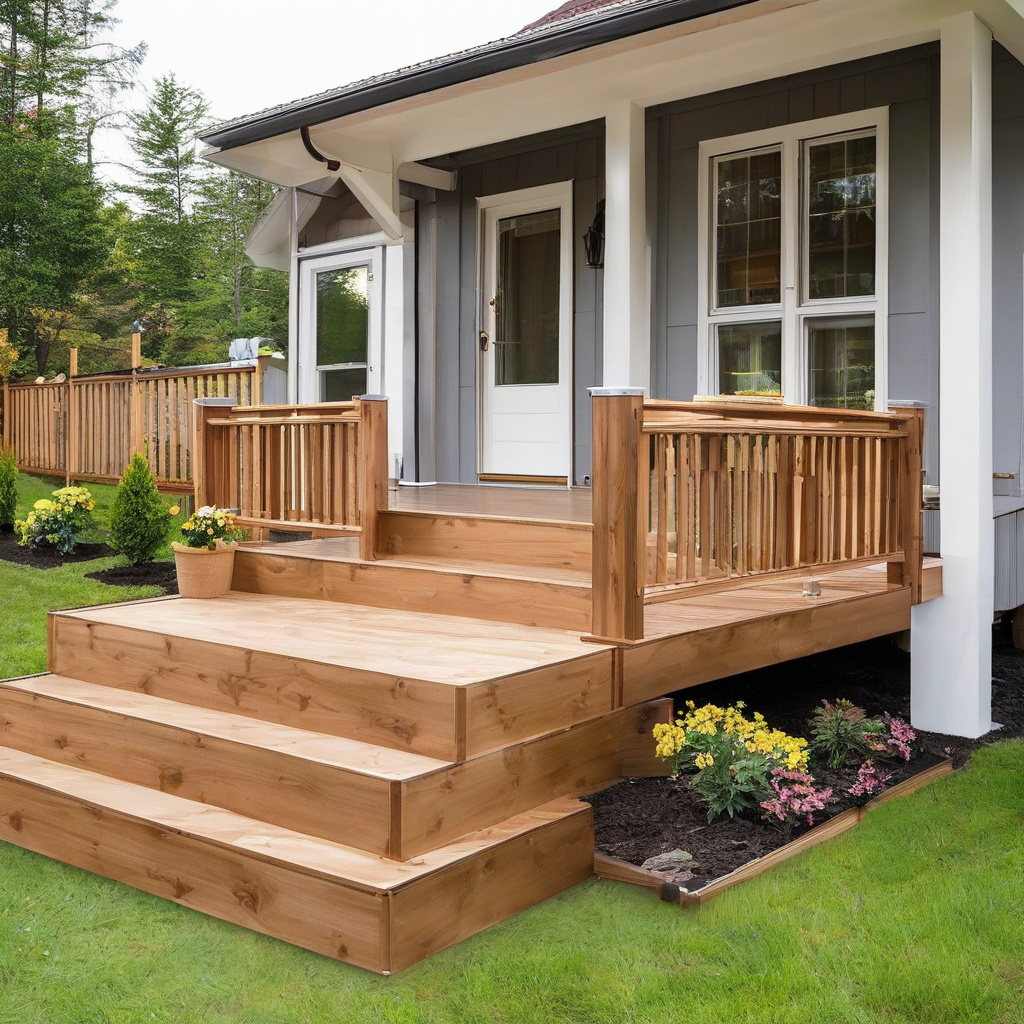
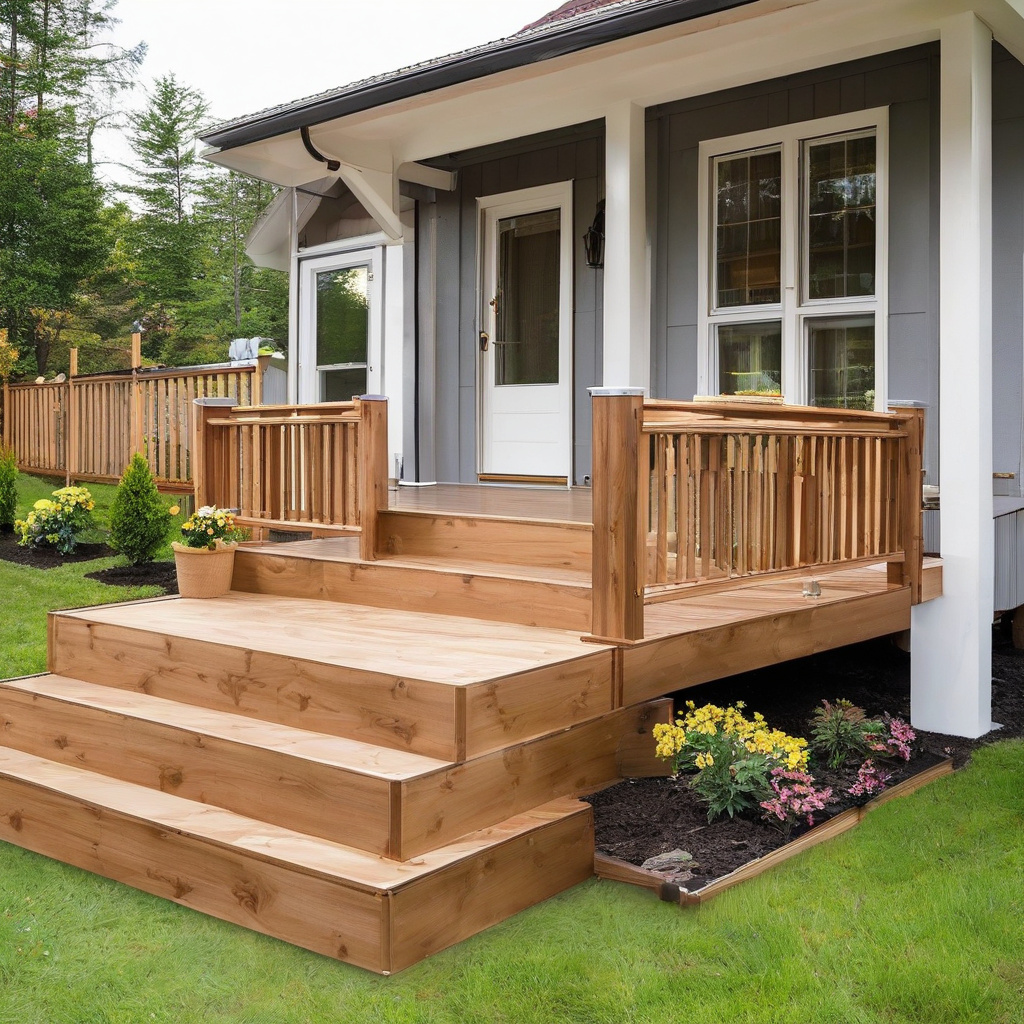
If you live in Los Angeles, adding a wooden porch to your home can be a stylish yet practical enhancement. This project, perfect for the DIY enthusiast, not only provides a personal retreat but also boosts your home’s façade. Picture mornings with coffee and sunsets framed by custom craftsmanship—your creation.
Brief summary: Building a DIY porch is a rewarding renovation that enhances your home’s appearance and value. This guide covers everything from selecting materials to detailed construction tips, ensuring your porch meets both functional and aesthetic standards. Whether you’re inspired by chalet-style homes or aiming for durability against the elements, these insights will lead you to a successful home improvement project.
Understanding the Basics of DIY Porch Construction
The allure of a wooden porch lies in its timeless appeal, marrying natural materials with architectural finesse. In Los Angeles, where outdoor living spaces hold significant value, a wooden porch can dramatically enhance personal enjoyment and market appeal. Before picking up the hammer, it’s crucial to grasp the foundational elements of porch construction.
The first step involves selecting the right wood, as not all wood is created equal. In a city where the sun is consistent and sometimes unforgiving, opting for hardwoods like cedar or redwood ensures durability and resilience. Additionally, integrating a wood sealant is essential to protect your hardwood investment from moisture and pests.
Measurement accuracy is the backbone of any successful DIY project. Spend plenty of time and effort ensuring your porch dimensions complement your home’s current layout. Sketching detailed plans, even seeking professional advice for tricky measurements, can prevent potential construction mishaps later.
Before diving into construction, always check local regulations. Building codes in Los Angeles are stringent, particularly regarding structures affecting curb appeal and property value. Securing the necessary permits prevents legal headaches down the road.
In summary, the groundwork involves a thoughtful approach to materials, artful design planning, and reconciling your dream vision with local ordinances.
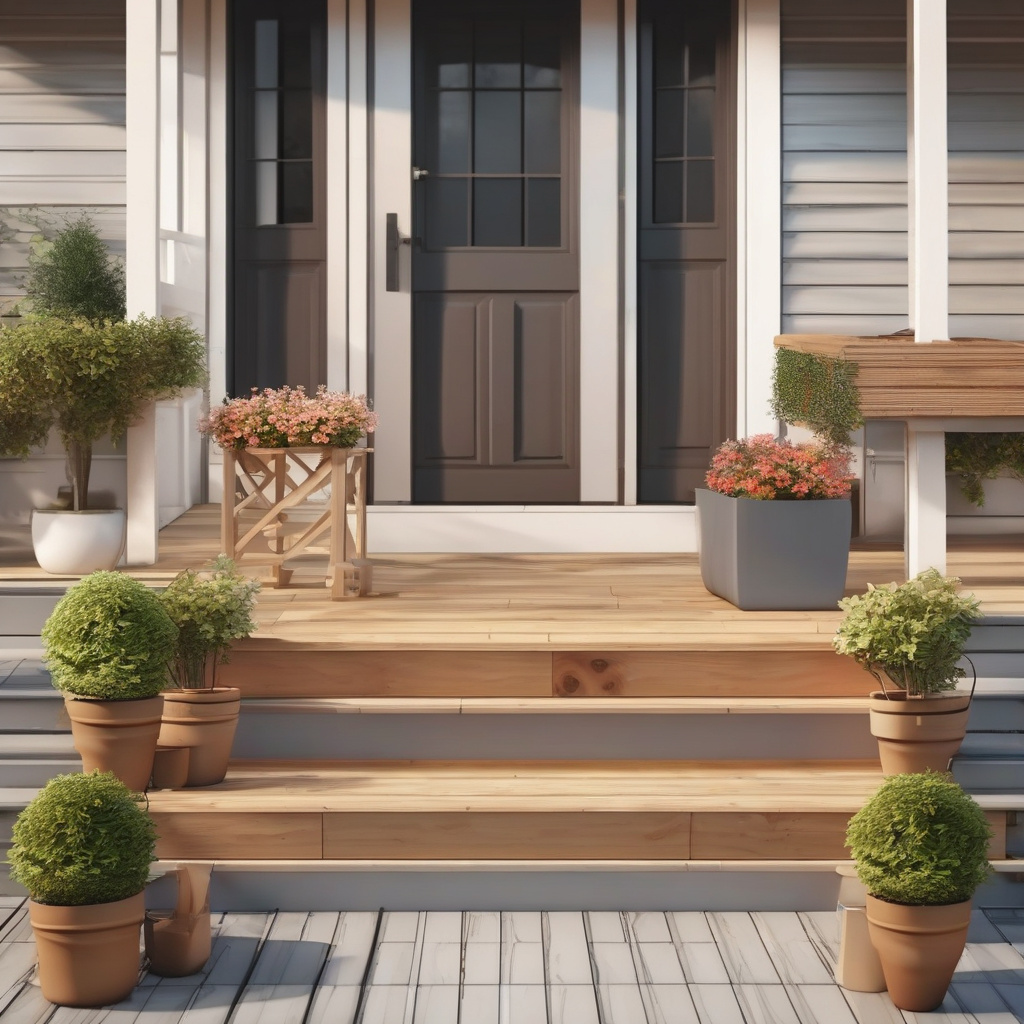
Essential Tools and Materials for Your Porch
Starting with the right tools and materials is half the battle won in DIY projects. For your wooden porch in Los Angeles, items like a power drill, saws, carpenter’s square, and measuring tape form your basic toolkit. Invest in high-quality tools to ensure precision and ease of use.
When it comes to materials, it’s not just about the wood. Quality nails, screws, and brackets are vital for securing the framework. Galvanized hardware is advisable, given the coastal influences of Southern California’s climate. They resist corrosion, extending the life of your porch.
Concrete, essential for foundational stability, should match the load-bearing demands your porch will encounter. Pour carefully, ensuring an even mix and firm setting to prevent cracking over time as you use the porch daily.
Supplementary elements such as handrails, balusters, and decking boards should match or complement your choice of wood, adhering to both aesthetic and structural needs. Here too, choices like composite decking might blend well, especially when influenced by the city’s modern design sensibilities.
Each selected material impacts not only the look but also the longevity of your project. These decisions deserve thoughtful consideration.
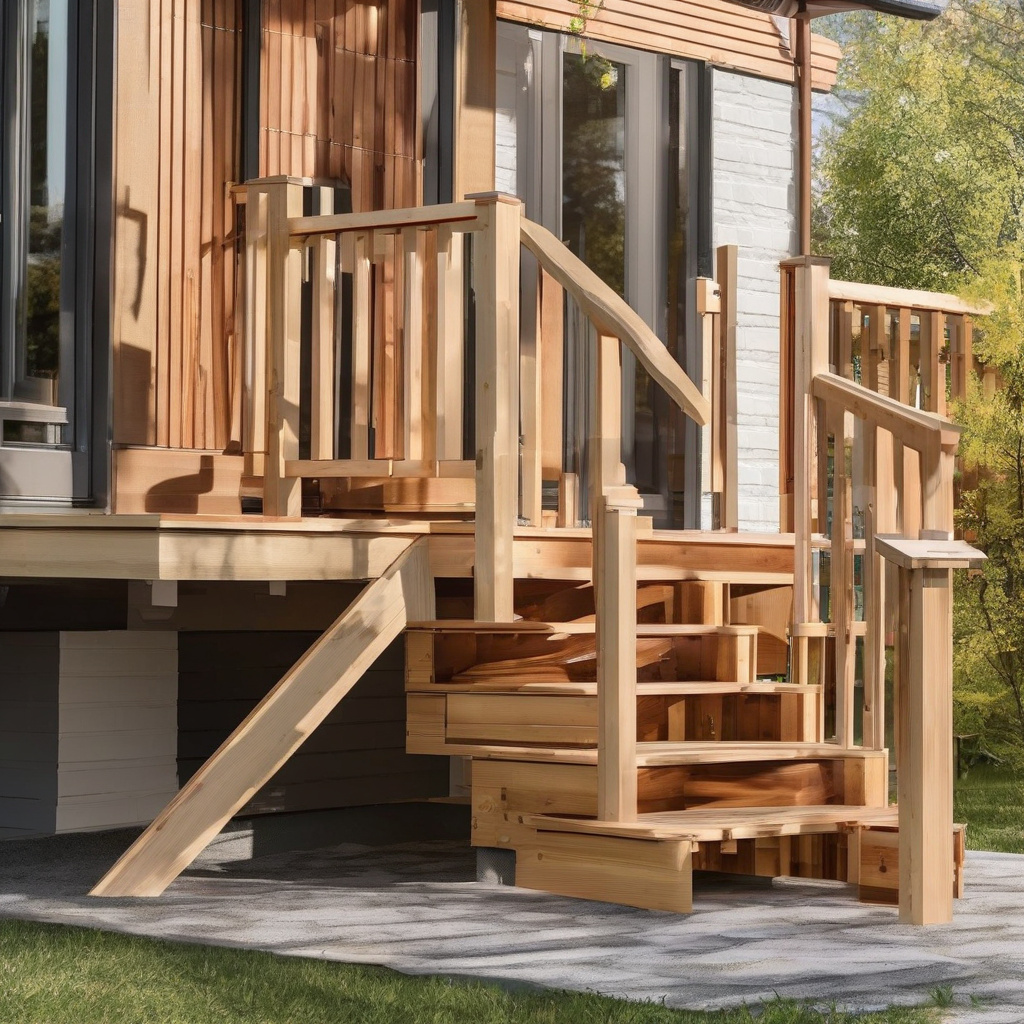
Step-by-Step Guide to Constructing Your Porch
Planning and Preparation
Preparation lays the groundwork for any successful porch project. Begin by budgeting your time and financial resources. Calculate costs to prevent overspending, ensuring you have a buffer for unexpected expenses like additional permits or specialty tools.
Start with a clean and primed space. Remove debris, level the ground, and mark excavation points accurately based on your design. The idea is to create a blank canvas that’s site-ready for construction. Excavation is also a perfect moment to integrate any under-porch waterproofing solutions if necessary.
Next, lay the foundation using concrete, which must cure properly before proceeding. Once set, erect supporting posts meticulously with a spirit level to maintain alignment and stability.
Secure beams and joists with precision, ensuring robust connections between all components. Finally, lay the flooring—the crowning achievement of your step-by-step construction plan—attaching each board with equal spacing for aesthetics and functionality.
With construction complete, it’s vital to inspect every joint and connection point. The thoroughness of your scrutiny dictates the long-term enjoyment of your new space.
Adding Decorative Finishing Touches
Once the structural elements are secure, it’s time to add personality with decorative accents. Use weather-resistant paints or stains to enhance your porch’s natural beauty while protecting against the elements. Choosing the right color can pop against your home’s existing color palette or seamlessly blend in for a more cohesive look.
Decorative railings, matched with your particular aesthetic—whether metal or carved wood—contribute significantly to your porch’s character. Lighting can extend your porch’s usability beyond daylight hours, highlighting architectural features while improving safety.
Consider planting a verdant border to further integrate your porch into the natural environment, using planters or integrating grassy borders if space permits. Opt for low-maintenance, drought-resistant plants as a nod to California’s climate.
Furniture selection is key in ensuring comfort and style. Choose pieces that suit your daily needs, such as sturdy benches or cozy swing chairs that invite relaxation after a long workday amidst city hustle.
These finishing details transform a mere construction project into a personalized haven for everyday relaxation.
According to the U.S. Department of Energy, strategic landscaping can reduce air conditioning costs by up to 50% by providing natural cooling.
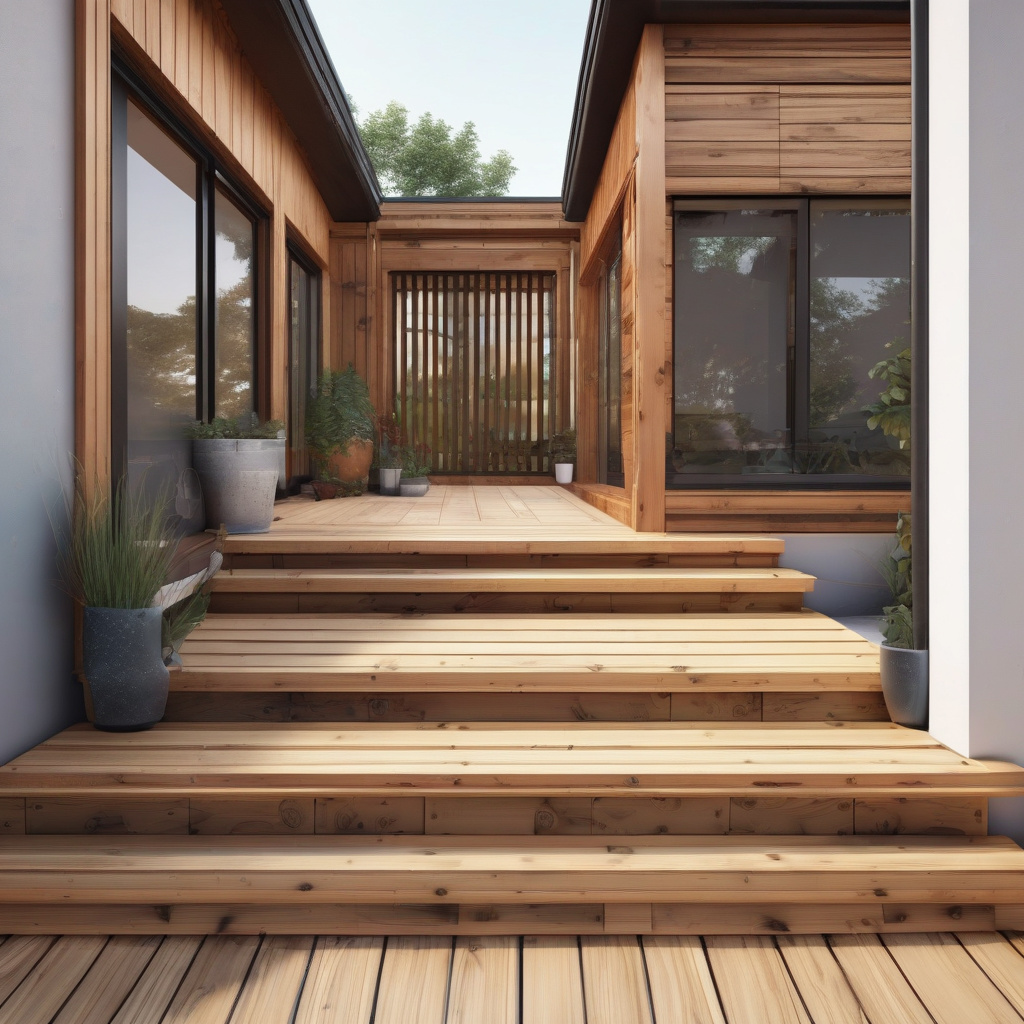
Comparing Wooden Porch Alternatives
As decisions go, selecting a porch design is a dance between aesthetic desires and practical constraints. Let’s explore different finishes and materials for a balance between style and durability.
| Material | Pros | Cons |
|---|---|---|
| Hardwood (Cedar/Redwood) | Durability, aesthetic appeal, naturally resistant to decay | Higher initial cost, maintenance required |
| Composite Decking | Low maintenance, long-lasting, eco-friendly options available | Higher cost per square foot, less natural appearance |
| Pressure-Treated Wood | Cost-effective, widely available | Potential toxins (chemicals used in treatment), lower aesthetic appeal |
Ultimately, choosing between materials depends on your intended use and commitment to maintenance. Hardwoods offer a premium feel, while composites provide convenience, and pressure-treated options deliver cost-effectiveness for budget-conscious remodelers.
Expert insight from the American Institute of Architects suggests that incorporating natural elements in urban settings can significantly improve mental well-being and reduce stress.
Where to Draw Inspiration: Design and Style Considerations
With the basics covered, look towards inspirations that resonate with your personal style. Los Angeles offers a rich tapestry of architectural influences, from sleek mid-century modern homes to rustic, chalet-style designs. Dig deep into your aesthetic preferences to find a theme that blends seamlessly with your architectural landscape.
Consider contributing to sustainability with your design choices. Incorporating reclaimed wood for decorative finishes not only adds character but also aligns with ecological consciousness, reducing your carbon footprint. Visits to local salvage yards could uncover gems to give your porch a unique historical narrative.
Environmentally-grounded projects can further boost your porch’s green credentials. Opt for solar-powered lighting solutions and smart irrigation systems for any ornamental plants, embodying efficiency with contemporary eco-trends.
Remember, the ultimate goal is to create a serene yet functional outdoor space that serves your lifestyle. Whether an outdoor reading nook, a social gathering hotspot, or a quiet retreat, your porch can become whatever your vision allows.
In the end, it’s the intimate blend of design and functionality that ensures your porch is a fitting homage to your living space.
Maximizing Your Porch’s Value
The journey to building a wooden porch is not solely about personal enjoyment but also enhancing your home’s market value. In Los Angeles, where every square foot matters and outdoor space is precious, a well-crafted porch can significantly add to property allure.
Constructing a wooden porch invites an uptick not only in aesthetic value but functionality. Potential buyers often seek homes with unique features that promise lifestyle benefits—and a porch delivers just that, with style and utility wrapped together.
Maintenance is key to longevity; annually resealing and treating your porch preserves its charm and ensures it withstands the elements. To further elevate it, integrating an antique-style facade can seamlessly tie your outdoor space into the vintage charm Los Angeles neighborhoods often carry.
Upon completion, celebrate your handiwork with a housewarming gathering, showcasing your new porch as a focal point of both comfort and creativity. As realtors often note, a well-maintained porch can make selling a property significantly easier in competitive markets.
To encapsulate, maximize value by focusing on a blend of aesthetic and functional harmony, ensuring every dollar spent converts into lifestyle enhancement and increased property demand.
Research by the National Association of Realtors finds outdoor living areas are consistently high on home buyer priority lists, often boosting sale prices over comparable homes without such amenities.
Conclusion
Building a wooden porch in Los Angeles stands as a testament to personalized home improvement. By tying together quality materials, intricate craftsmanship, and thoughtful design, homeowners can carve out a rewarding space that resonates with personal and market value.
In exploring local inspirations, adopting sustainable practices, and crafting with care, your porch isn’t just an undertaking—it’s a lifestyle choice, a tangible expression of personal taste and spatial harmony. On balancing practical and aesthetic considerations, you’re set for a fulfilling transformation.
- Plan and prepare carefully—consider local climate and regulations.
- Choose materials wisely to balance cost, aesthetics, and sustainability.
- Detailed execution is crucial; verify measurements and alignments thoroughly.
- Finish off with decorative touches to personalize the space.
- Regular maintenance keeps your porch looking fresh and functional.
“`html
FAQ
What are the initial steps for building a DIY wooden porch?
In real renovation projects, understanding the site layout and gathering necessary materials are key first steps. Start by assessing your property’s layout; this sets the foundation for design decisions. Homeowners often overlook checking local building codes—always ensure compliance to avoid fines or structural issues. Next, gather hardwood or treated lumber, known for durability, to withstand weather conditions typical of Californian homes. Consider consulting blueprints or digital plans that provide detailed guidance on measurements and layout. Many experts highlight starting with a solid plan, as rushing often leads homeowners to underestimate time and materials needed.
What materials should be considered for a durable wooden porch?
For a wooden porch to stand the test of time, selecting the right materials is crucial. Pressure-treated lumber is preferred for its resistance to decay and insects, important in regions like California where termites are common. Incorporate materials such as cedar or redwood for their natural resistance to moisture and rot. Composite materials blend wood fibers and plastic to increase longevity and are ideal for low-maintenance homeowners. Many homeowners don’t realize that choosing the wrong materials can double future maintenance efforts, a common pitfall in DIY projects. Balancing aesthetics with practicality often results in the most satisfaction.
When is the best time to undertake a DIY wooden porch project?
Spring and early summer are ideal for construction due to mild weather, giving lumber time to acclimate to conditions without the stress of extreme temperatures. It’s practical to plan during seasons when consistent outdoor work is possible, avoiding interruptions from rain. Planning during off-peak periods, like fall, can also access discounts on materials. In real-world renovations, timing can significantly affect project momentum and completion. Many make the mistake of beginning without considering potential delays, ultimately impacting their timeline. Consulting weather forecasts ahead is a simple yet effective step.
What common mistakes do homeowners make during construction?
A frequent error in DIY porch projects is inadequate foundational support, often leading to structural issues. Many homeowners skip proper leveling or the use of concrete footers, mistakenly believing their porch will remain stable. Ensuring a sound footing not only enhances durability but also aligns with safety regulations. Another pitfall includes neglecting to seal wood appropriately. Without sealing, moisture can seep in, shortening the lifespan of the wood. In practice, addressing these areas can save significant repair costs. Experts recommend double-checking each phase against local regulations, a simple step to avoid these common errors.
How do costs typically break down for a DIY porch project?
Costs for DIY porch projects typically encompass materials, tools, and permits. Homeowners often spend around $2,000 to $5,000 depending on size and materials. Pressure-treated lumber and composite options vary widely in price. Unexpected expenses may arise from renting specialized tools, a common oversight. Professional services for design consultation add another $200 to $1,000. In Califoria, zoning permits can range from $100 to $500. Factoring in these variables helps avoid budget overruns. Proper planning ensures costs align with expectations, and checking with local sources for budget-friendly options increases the project’s financial viability.
What are the pros and cons of building a DIY wooden porch?
Building a DIY porch offers the satisfaction of personal craftsmanship and potential cost savings compared to hiring professionals. It allows customization to fit unique home styles. However, it demands significant time and skill; lack of expertise may lead to errors. Mistakes in construction could result in costly repairs, offsetting initial savings. Maintenance is ongoing, with regular sealing and inspections required to prevent damage. From a practical standpoint, the decision weighs heavily on the individual’s commitment and ability to manage such a project. Homeowners frequently decide based on personal skill levels and available time.
How can you ensure longevity and low maintenance of a wooden porch?
Ensuring a wooden porch’s longevity relies on conscientious maintenance. Sealant application and prompt repairs prevent water damage and warping, particularly crucial in humid Californian climates. Routine inspections for termites protect against infestation. Many experts stress that yearly resealing and using high-quality finishes significantly extend wood life. Adapt outdoor paints and varnishes suited for UV protection to preserve natural wood beauty against sun damage. Oversight in these areas often leads to premature deterioration. For more guidance on maintenance strategies, contacting a local renovation expert for advice could provide invaluable insights.
Where can I find professional advice if needed?
If you find yourself needing professional input during your project, reaching out to local experts can bridge knowledge gaps. Consulting professionals can provide personalized advice catered to your specific situation. Many homeowners in California seek local renovation contacts who understand regional challenges. For example, if you’re unsure how to incorporate new design trends while maintaining structural integrity, think about discussing options with specialists. For more tailored guidance on your renovation project, consider consulting local renovation experts.
“`