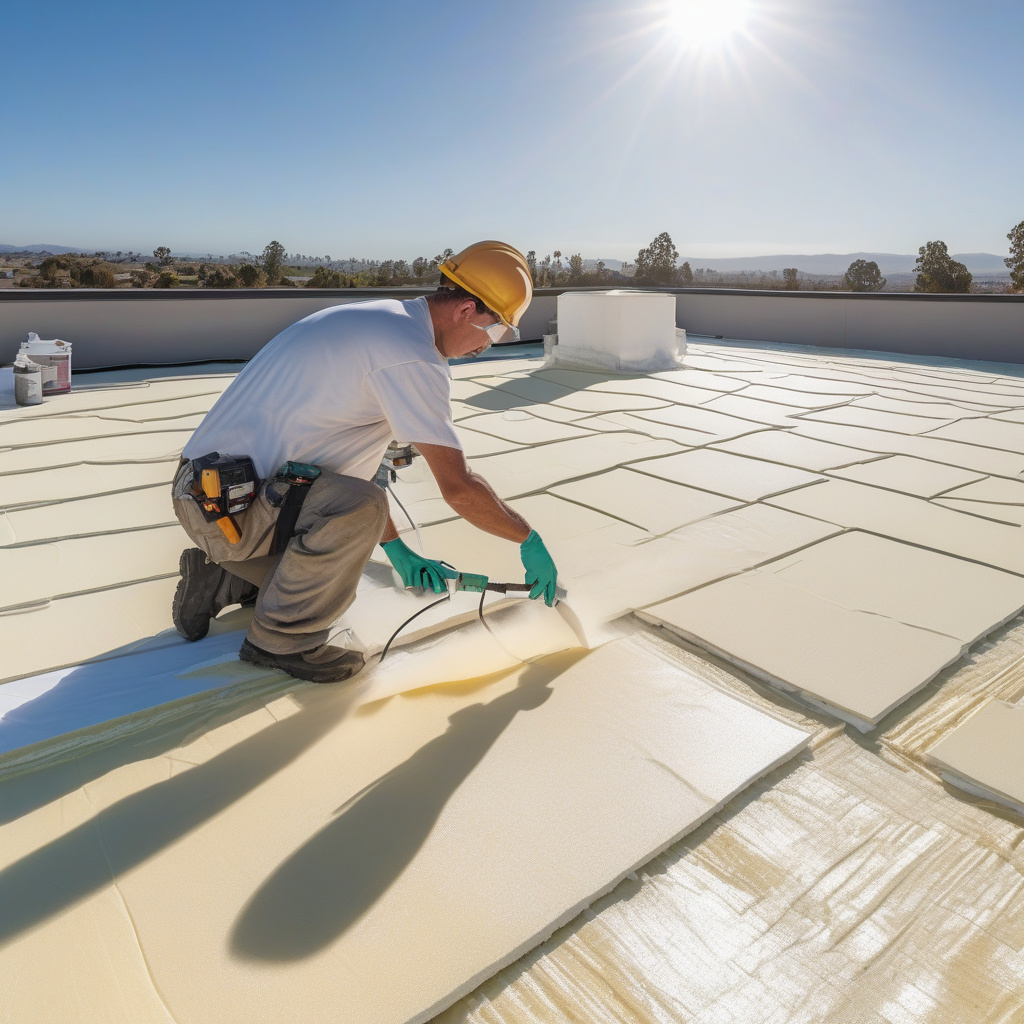
Spray foam insulation is one of the most efficient and modern ways to protect your roof against heat, leaks, and moisture. In California’s climate, where temperature swings and UV exposure are constant challenges, spray foam roof insulation offers both superior performance and long-term savings. It’s a seamless, lightweight layer that bonds directly to the roof surface — sealing cracks, preventing air leaks, and improving indoor comfort all year round.
Whether you own a residential property, a flat-roof commercial building, or an attic prone to heat loss, foam roofing systems deliver consistent insulation and weather protection. In this guide, we’ll explore how polyurethane insulation works, what it costs, and why more homeowners and businesses in California are switching to this sustainable, energy-saving solution.
“Spray foam can reduce attic energy loss by up to 50% compared to traditional batt insulation — saving hundreds in annual energy bills.”
What Is Spray Foam Insulation for Roofing?
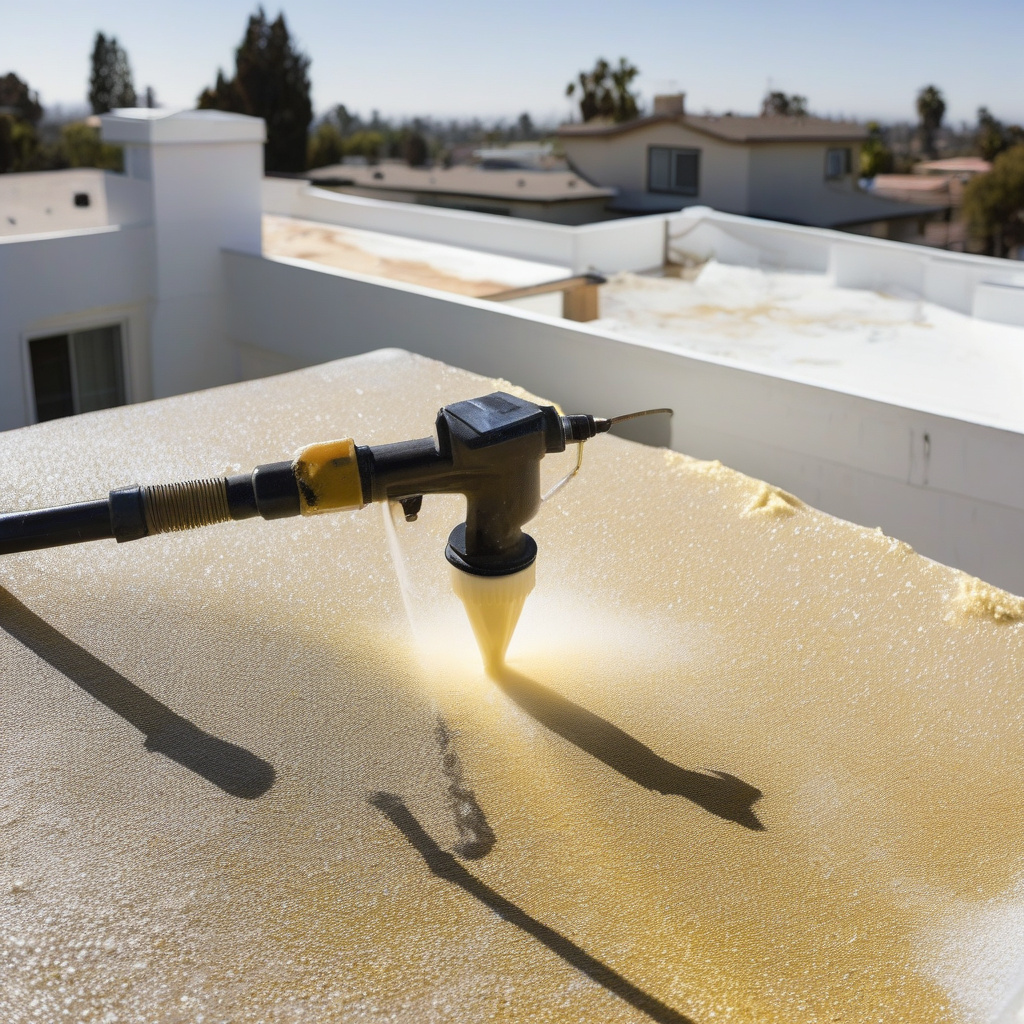
Spray foam insulation is a liquid-applied polyurethane material that expands upon contact, forming a continuous, airtight layer over any roof surface. It creates a seamless thermal barrier that blocks heat transfer, eliminates gaps, and prevents leaks. Unlike fiberglass or rolled insulation, foam roofing systems adhere directly to the roof deck, providing both insulation and waterproofing in one application.
There are two primary types of spray foam used for roofs: open-cell and closed-cell foam. Each offers unique benefits depending on the building’s needs and location within California’s diverse climates.
Open-Cell Foam
This lighter, softer form of polyurethane insulation expands up to 100 times its liquid volume, effectively filling cavities and cracks. It’s ideal for attics, ceilings, and non-exposed roof areas where sound absorption and ventilation are important. Open-cell foam has a lower R-value per inch but provides excellent acoustic insulation and moisture permeability — making it suitable for interior applications.
Closed-Cell Foam
In contrast, closed-cell spray foam has a denser structure and acts as both insulation and a vapor barrier. It’s the preferred material for foam roofing systems in California because it resists water infiltration, strengthens roof surfaces, and delivers the highest R-value per inch. Once cured, it forms a hard, durable coating that protects against UV rays, wind uplift, and minor structural movement.
- Open-cell: lightweight, breathable, and affordable.
- Closed-cell: dense, moisture-resistant, and long-lasting.
- Both types are eco-friendly and contain low-VOC formulations.
- Can be applied over existing roofs, reducing waste and landfill impact.
“A properly applied closed-cell foam roof forms a monolithic, self-sealing surface that outperforms traditional insulation and waterproofing systems combined.”
Benefits of Spray Foam Roof Insulation
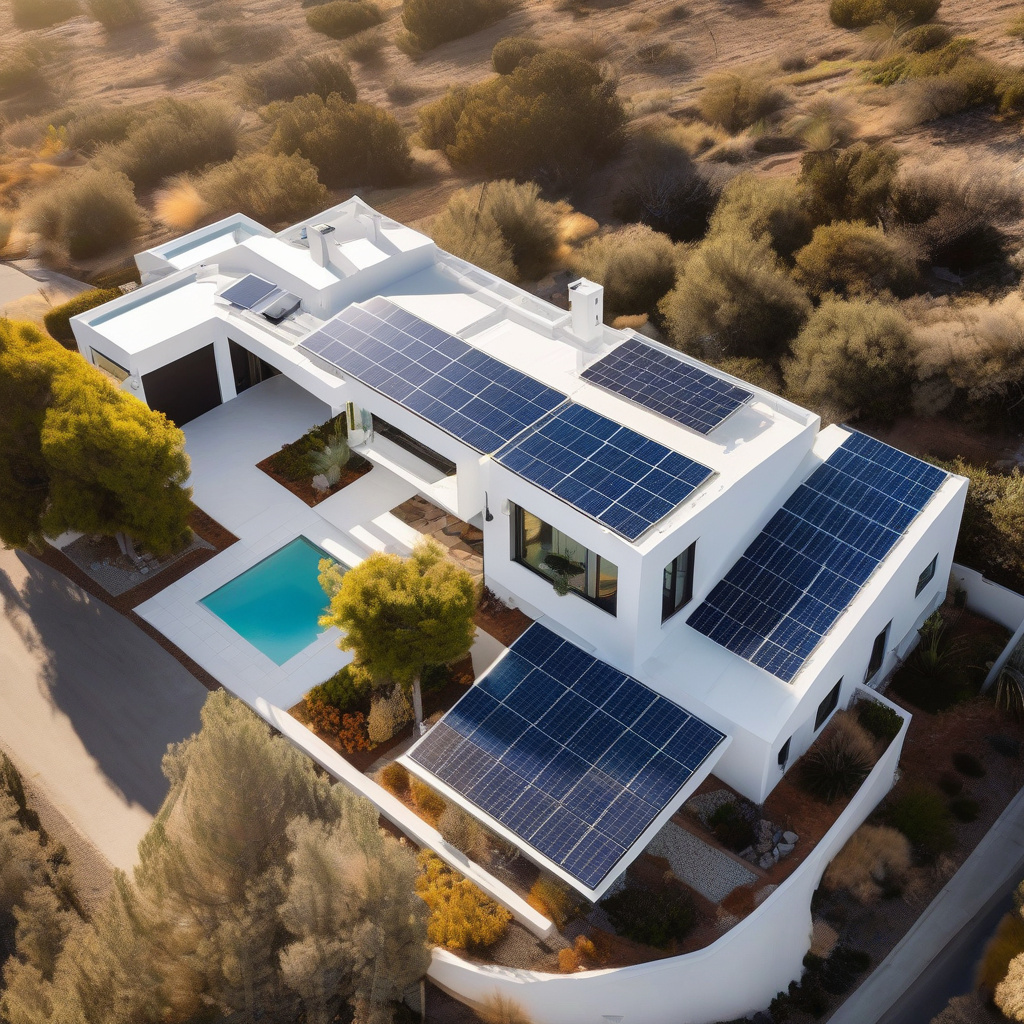
California homeowners and businesses are turning to spray foam roof insulation for its remarkable combination of strength, efficiency, and sustainability. Unlike traditional insulation, foam creates a seamless air and moisture barrier that significantly improves comfort and reduces energy loss. It’s also ideal for flat and low-slope roofs that often suffer from leaks and thermal bridging.
Here’s why many property owners choose foam as their primary roofing solution across Los Angeles, San Diego, and the Bay Area:
1. Superior Energy Efficiency
A foam-insulated roof can reduce cooling costs by up to 30%. Its closed-cell structure prevents heat transfer while reflecting solar radiation, maintaining stable indoor temperatures even during heat waves. This makes spray foam one of the most energy-efficient roofing solutions available in California’s hot, sunny climate.
2. Leak Prevention and Waterproofing
Unlike membrane or shingle systems, foam roof waterproofing eliminates seams and joints — the most common sources of leaks. Once applied, the foam expands to fill every crack and penetration, forming a continuous monolithic layer that seals the roof completely. Its high-density surface also resists ponding water and prevents microbial growth.
3. Structural Reinforcement
When spray foam insulation cures, it adds rigidity and strength to the roof deck. This helps distribute loads evenly, reducing structural stress and improving wind uplift resistance. Many commercial buildings use foam to reinforce older roofing systems instead of costly tear-offs or replacements.
4. Sustainability and Eco-Friendliness
Sustainable roof insulation is a growing priority for California homeowners. Spray foam insulation supports green building goals with its low VOC emissions, long lifespan, and recyclability. It also minimizes construction waste by allowing “recoat and renew” maintenance instead of full replacement — extending a roof’s service life by decades.
- Reduces energy consumption and HVAC wear.
- Prevents condensation and mold development.
- Increases property value through energy certification.
- Qualifies for California Title 24 and Cool Roof rebates.
“A spray foam roof is not just insulation — it’s a unified shield against heat, moisture, and structural aging.”
Spray Foam Roof Installation Process in California
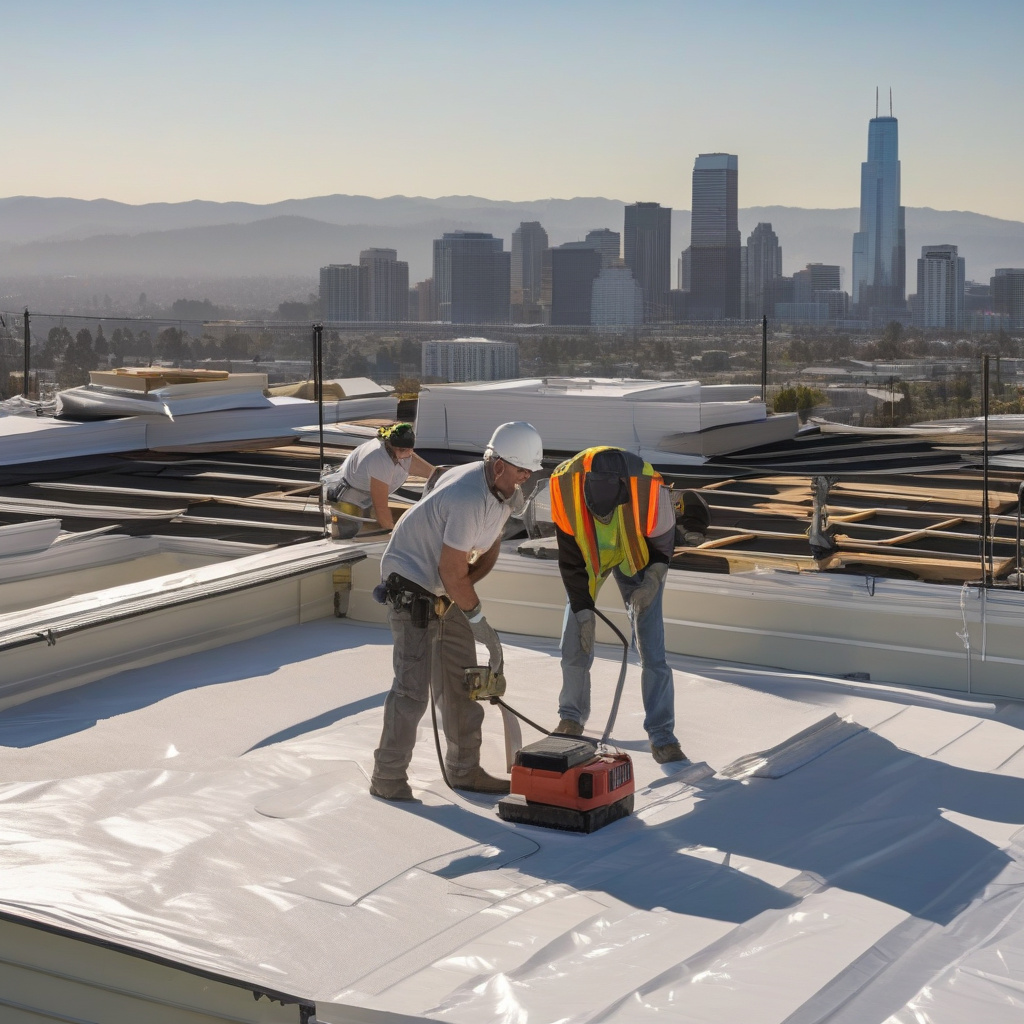
Installing a spray foam roofing system requires precision, experience, and the right equipment. Our licensed roofing contractors Los Angeles rely on a proven, step-by-step process that ensures superior adhesion, thermal performance, and durability. Whether the roof is flat, low-slope, or metal, the same high-quality standards apply at every stage.
1. Roof Preparation and Cleaning
The process starts with cleaning and inspecting the roof surface. Dust, oil, and old coatings are removed to ensure proper adhesion. In some cases, repairs or patching are performed before application. This preparation step is essential for a strong, lasting bond between the substrate and polyurethane foam.
2. Foam Application
The liquid polyurethane roofing system is sprayed onto the roof using specialized equipment. Within seconds, it expands up to 30 times its volume, creating a uniform, seamless layer. The foam adheres tightly to the surface — including vents, pipes, and edges — forming an airtight and watertight barrier.
3. Protective Roof Coating
Once cured, the foam is coated with a UV-resistant elastomeric or silicone topcoat. This layer reflects sunlight, enhances weather resistance, and prevents surface degradation. For even greater durability, many California homeowners choose a reflective white coating that doubles as a cool roof system under Title 24 energy standards.
4. Final Inspection and Quality Check
After application, our technicians perform a detailed inspection to ensure correct thickness, adhesion, and drainage slope. We verify that all roof penetrations are sealed and that no areas are left exposed. Every project is completed with a comprehensive warranty on materials and workmanship.
Installation Timeline
Most spray foam roof installation California projects take 2–5 days, depending on roof size and weather conditions. Once complete, the roof can be walked on within 24 hours. Unlike traditional systems that require multiple materials, foam roofing combines insulation, waterproofing, and coating in one step — minimizing disruption to your daily routine.
“A professional foam roof installation transforms an ordinary roof into a seamless energy-saving system designed for decades of protection.”
Cost of Spray Foam Roofing in California

The overall spray foam roofing cost California homeowners pay varies depending on roof size, insulation thickness, and protective coating type. On average, expect to invest between $6 and $10 per square foot — including materials, labor, and warranty. While it may seem higher upfront compared to traditional roof insulation, the long-term savings from energy efficiency and reduced maintenance make it one of the most cost-effective roofing systems available.
Below is a general pricing overview for common roof types and insulation thickness levels:
| Roof Type | Foam Thickness | Average Cost per sq. ft. | Estimated Lifespan |
|---|---|---|---|
| Flat Commercial Roof | 1.5” – 2.0” | $6.00 – $8.50 | 20–25 years (extendable with recoating) |
| Residential Pitched Roof | 2.0” – 2.5” | $7.00 – $9.00 | 25–30 years |
| Metal Roof Retrofit | 1.5” – 2.0” | $8.00 – $10.00 | 30+ years |
In addition to long lifespan, homeowners enjoy up to 25–40% annual energy savings by reducing thermal transfer. Because foam creates a continuous insulation barrier, HVAC systems run less frequently, resulting in lower utility costs and extended equipment life. The reflective coatings used also qualify for cool roof rebate California programs.
“While traditional roofs lose performance over time, spray foam roofs actually improve energy efficiency and pay for themselves within the first few years.”
Want to explore real-life results? Visit our project portfolio to see completed spray foam and roofing upgrades across California homes and commercial buildings.
Maintenance and Longevity of Foam Roof Systems
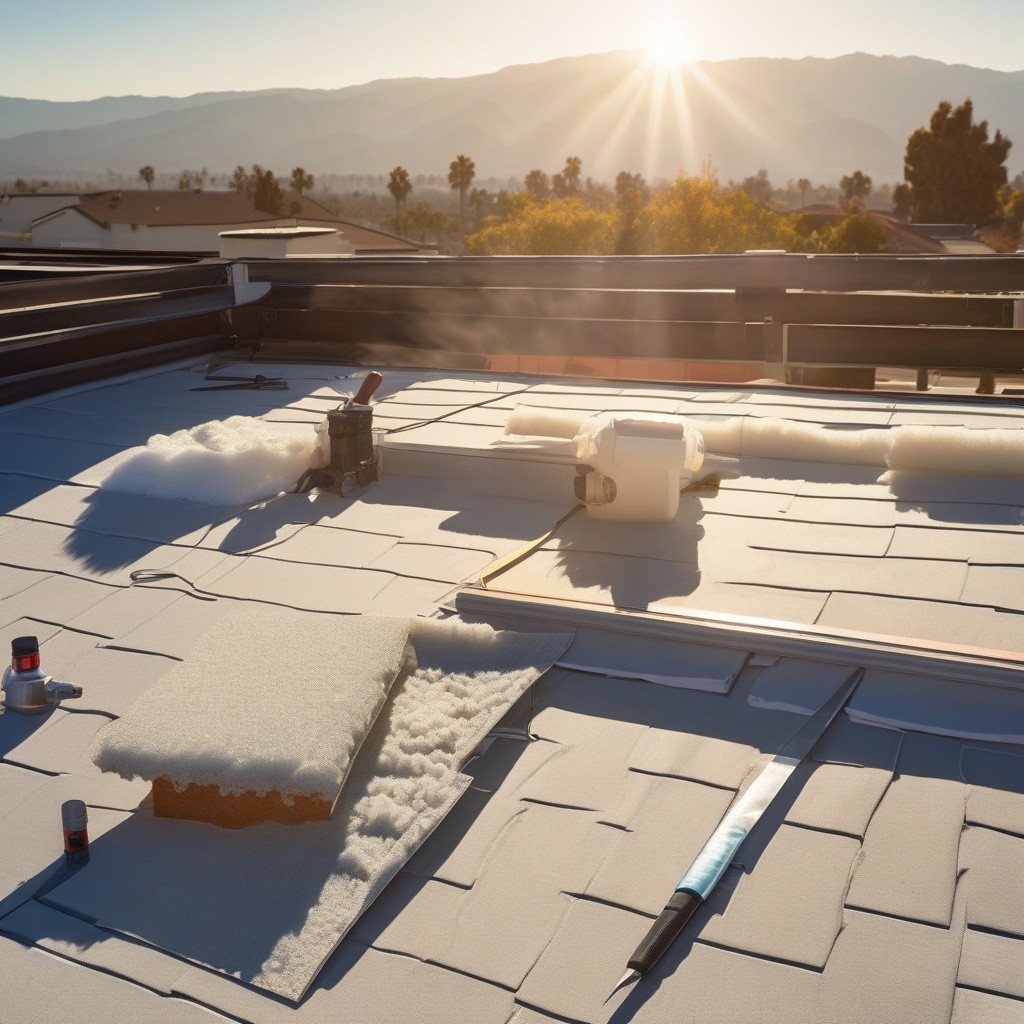
One of the greatest advantages of a foam roof system is its minimal maintenance requirements. When properly installed and maintained, foam roof longevity easily exceeds 25 years — and with regular recoating, can last over 40. The key is to follow a simple maintenance plan designed to preserve both insulation and coating integrity, especially under California’s intense sunlight and seasonal rain.
Regular Roof Inspections
Conduct a professional roof inspection at least once a year and after severe weather. This ensures that any surface wear, mechanical punctures, or minor coating separations are identified early. Routine checks prevent small issues from growing into expensive repairs and help maintain the manufacturer’s roofing warranty.
Recoating Every 10–15 Years
A well-maintained foam roof recoating schedule is essential for long-term performance. Over time, the protective topcoat naturally weathers under UV exposure. Applying a new elastomeric or silicone layer every 10–15 years renews reflectivity, restores waterproofing, and adds another decade of durability. Many homeowners combine recoating with other upgrades, such as solar or interior remodeling, for maximum value.
Simple Cleaning and Care
Keeping a foam roof clean is easy. Rinse off dust, leaves, and debris using a gentle water spray a few times per year. Avoid walking directly on the surface unless necessary — when you do, use soft-soled shoes or protective boards to prevent localized compression.
When to Reseal or Repair
If you notice dulling, cracks, or localized discoloration, resealing those areas promptly will extend the system’s service life. The beauty of spray foam roofing is that it can be easily repaired and recoated without removing the existing insulation layer, saving time and money compared to full roof replacement.
- Inspect twice annually — before and after the rainy season.
- Maintain a clean, debris-free surface for proper drainage.
- Plan professional recoating every 10–15 years.
- Keep warranty records and service reports up to date.
“With minimal maintenance and timely recoating, a spray foam roof can easily outlast traditional systems — saving homeowners thousands in replacement costs.”
Pros and Cons of Spray Foam Roofing
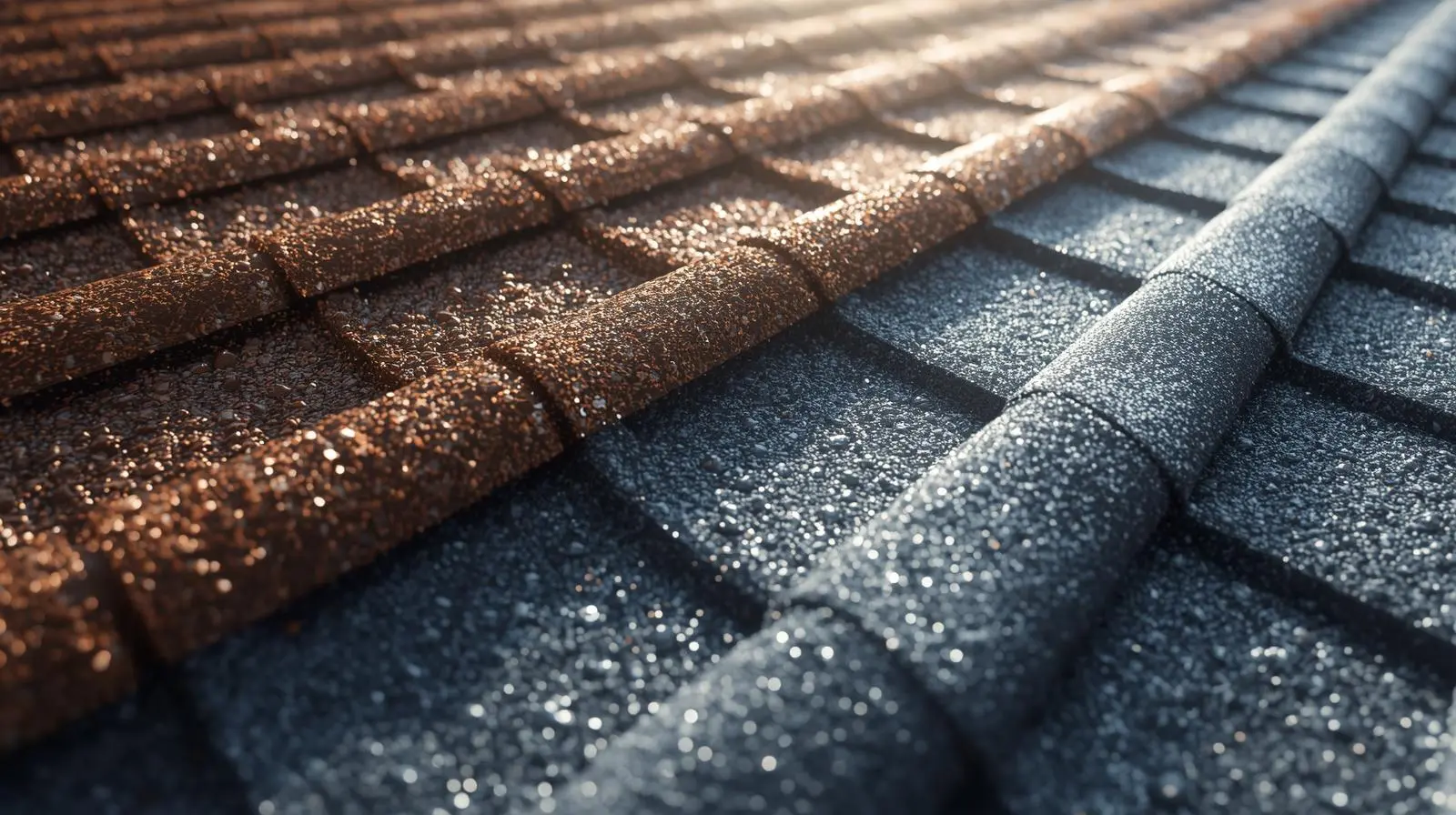
Like any roofing system, spray foam roofing has both benefits and limitations. Understanding them helps you make a confident, informed decision for your home or business. In most California applications, the advantages far outweigh the drawbacks, especially when installed by certified professionals.
| Pros | Cons |
|---|---|
| Seamless insulation and waterproof barrier that eliminates leaks and air gaps. | Requires professional installation with specialized equipment. |
| High R-value for maximum energy efficiency and reduced cooling costs. | Needs periodic recoating every 10–15 years for UV protection. |
| Lightweight yet structurally reinforcing; ideal for flat or metal roofs. | Application may be weather-dependent; dry, warm conditions are preferred. |
| Environmentally friendly and recyclable — contributes to LEED and Title 24 compliance. | Slightly higher initial cost compared to traditional asphalt systems. |
| Can be applied over existing roofs — minimal tear-off and landfill waste. | Must be handled by trained technicians to achieve even application thickness. |
Summary of Key Benefits
- Long lifespan of 25–40 years with proper maintenance.
- Exceptional energy efficiency and insulation performance.
- Fast installation with minimal business disruption.
- Qualifies for rebates and energy efficiency tax credits.
Understanding the Limitations
While the system requires professional expertise and regular recoating, its long-term value, durability, and eco-friendliness make it one of the best roofing investments in California. When installed by specialists like California Renovation, these minor drawbacks are easily managed through proper care and quality control.
“In California’s climate, a spray foam roof offers unbeatable protection, comfort, and sustainability — it’s an upgrade, not a compromise.”
FAQ: Spray Foam Roofing in California
How long does a spray foam roof last in California?
A properly installed spray foam roofing system can last 25 to 40 years in California’s diverse climate. Thanks to its closed-cell structure, it resists heat, rain, and UV damage better than most traditional roofing materials. With regular recoating every 10–15 years and professional maintenance, homeowners can easily extend the foam roof lifespan well beyond three decades while maintaining energy efficiency and insulation quality.
How much does spray foam roofing cost in California?
The average foam roof cost in California ranges between $6 and $10 per square foot, including materials and labor. Pricing depends on roof size, slope, and coating type. While it’s more expensive upfront than shingles or tar-and-gravel systems, it offers lower lifetime costs due to minimal maintenance, energy savings, and longevity. Many roofing contractors California also help homeowners qualify for energy rebates and cool roof incentives.
Is spray foam roofing energy-efficient?
Yes, spray foam roofing California homes are among the most energy-efficient systems available. The seamless insulation layer prevents air leaks, reduces heat transfer, and reflects solar radiation, cutting cooling costs by 20–30%. It keeps interiors stable year-round and reduces the strain on HVAC systems. Combined with reflective coatings, foam roofing meets and exceeds California’s Title 24 energy-efficiency standards for sustainable buildings.
Can spray foam be installed over an existing roof?
Absolutely. One of the greatest advantages of foam roof installation is that it can be applied directly over most existing roofing materials, eliminating the need for costly tear-offs. The foam layer conforms to any shape and bonds tightly to the surface, creating a waterproof seal. This not only saves money but also reduces construction waste, making it a more eco-friendly roof system for California homeowners focused on sustainability.
How does spray foam roofing compare to traditional roofing materials?
Foam vs traditional roofing shows clear advantages. Spray foam provides both insulation and waterproofing in one seamless layer, while shingles, tiles, or membranes require separate systems. Foam roofs last twice as long, require less maintenance, and offer superior energy efficiency. Traditional roofs often need full replacement after 20 years; foam systems can be renewed by recoating, making them a smarter long-term investment for California properties.
Is spray foam roofing suitable for both residential and commercial buildings?
Yes, spray foam roofing is ideal for both homes and large commercial properties. Its versatility allows seamless application on flat, low-slope, or metal roofs. Residential owners enjoy improved comfort and reduced energy costs, while commercial facilities benefit from durable, low-maintenance protection. The system adapts to any shape or structure, providing reliable roof insulation and waterproofing that performs well across California’s microclimates.
Is spray foam roofing environmentally friendly?
Yes, it’s one of the most eco-friendly roofing solutions available. The materials are low-VOC, recyclable, and reduce the building’s carbon footprint by minimizing energy waste. Since the foam is applied directly over existing roofs, it avoids tear-off debris going to landfills. Combined with high reflectivity and renewable coating cycles, it’s a sustainable choice that aligns perfectly with California’s environmental and energy-efficiency goals.
Does spray foam roofing come with a warranty?
Yes, most foam roof warranties in California cover 10–20 years depending on the coating type and installation quality. Manufacturers typically offer material warranties, while contractors include workmanship coverage. Regular inspections and timely recoating help maintain warranty validity and extend protection. At California Renovation, every project comes with a written warranty ensuring your investment stays protected for decades.
Upgrade Your Roof with Spray Foam Insulation
Protect your property, lower your energy bills, and enjoy peace of mind with modern spray foam roofing in California.
Our certified experts at California Renovation deliver seamless installation, premium coatings, and lasting performance designed to thrive in California’s unique climate.
Whether you’re upgrading a home or commercial roof, we’ll help you find the perfect balance of efficiency, durability, and cost savings.
Discover why homeowners across Los Angeles and beyond trust us for energy-efficient roof insulation and waterproofing solutions built to last for decades.