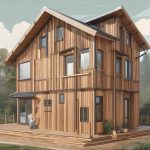
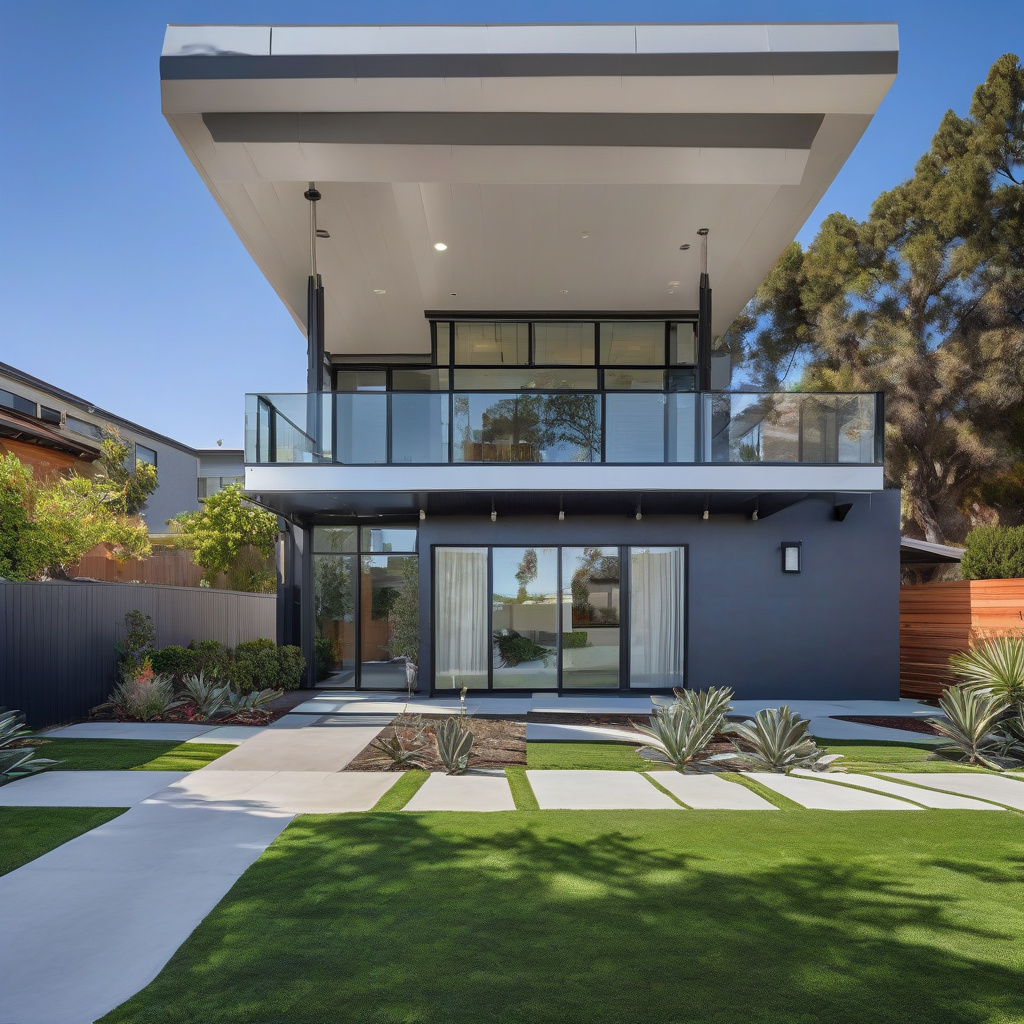
Metal roofing has become one of the fastest-growing trends in California home design — and for good reason. Homeowners are switching from asphalt shingles to modern steel and aluminum roofing systems that offer exceptional durability, energy savings, and fire protection. In a climate defined by intense sunlight and wildfire risk, a metal roof isn’t just stylish — it’s a practical investment in safety and longevity.
In this guide, we’ll explore the most common metal roofing types, compare them to traditional shingles, explain the installation process, and share maintenance tips tailored for California’s unique environment. Whether you’re building new or upgrading an older roof, this breakdown will help you make an informed decision with real-world data and insights from trusted California remodeling experts.
“A properly installed metal roof can last 2–3 times longer than shingles — often 50 years or more with minimal maintenance.”
Why Homeowners Choose Metal Roofing in California
California’s climate presents unique challenges for homeowners — intense UV rays, coastal humidity, seasonal winds, and wildfire threats. Traditional asphalt shingles can crack, warp, and lose granules over time. That’s why many homeowners are choosing metal roofing California specialists recommend for long-term performance and environmental efficiency.
Unlike conventional roofs, metal systems are engineered for extreme weather. They reflect solar heat, resist ignition from airborne embers, and stay intact through heavy winds or seismic vibration. For homes in Los Angeles, San Diego, or along the Central Coast, that combination of strength and sustainability makes metal an unbeatable choice.
1. Superior Fire Resistance
Wildfire zones across California require Class A roofing materials — the highest fire rating available. Metal roofs naturally meet this standard. Their non-combustible surface prevents flame spread, offering crucial protection for homes in high-risk areas like Malibu or Napa Valley. Insurance companies often reward this safety advantage with premium discounts.
2. Energy Efficiency & Solar Compatibility
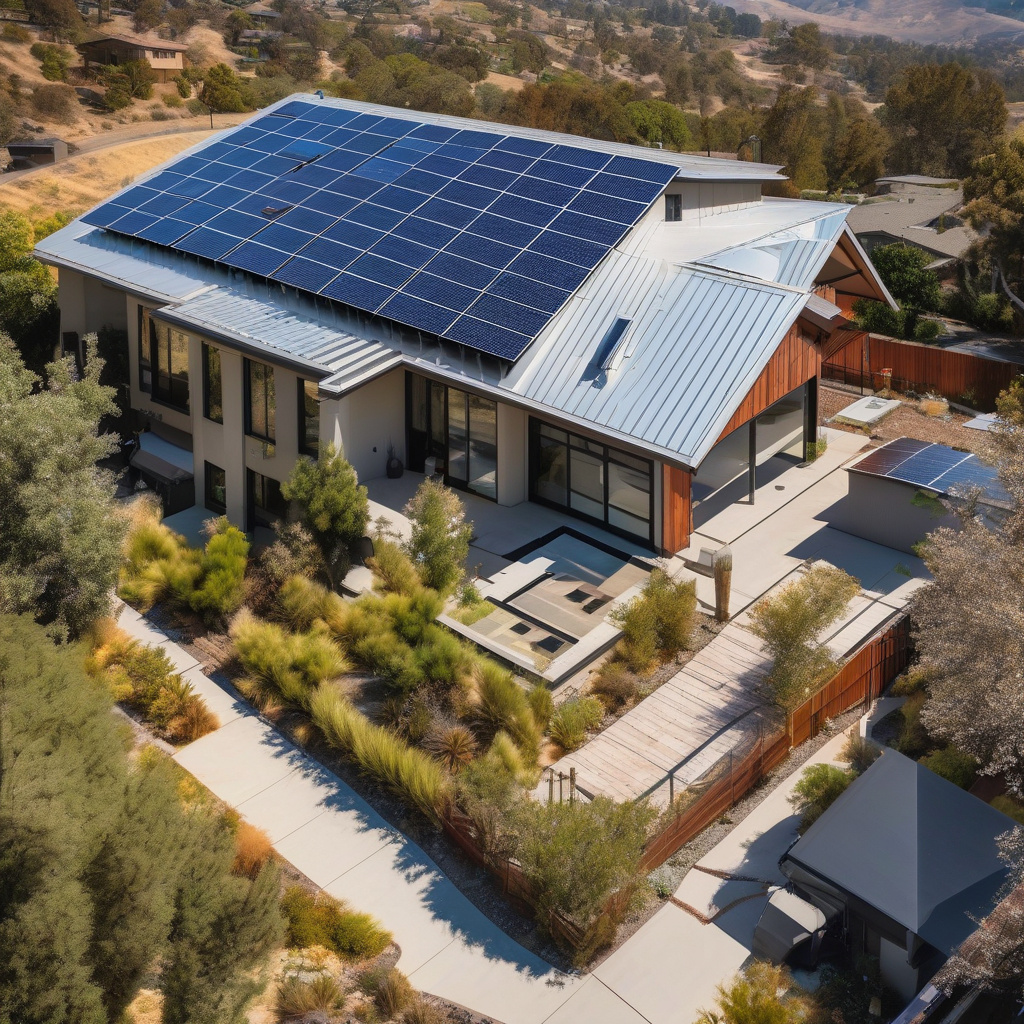
A cool metal roof system reflects up to 85% of solar radiation, reducing indoor heat by 30–40%. This not only lowers air conditioning costs but also prolongs the life of HVAC systems. Many homeowners pair metal roofs with solar panels for maximum energy savings and tax incentives under California’s energy programs.
3. Durability in All Weather
From scorching summers to coastal rains, metal roofs don’t crack, peel, or absorb moisture. They resist rust thanks to protective coatings like Galvalume or Kynar 500, maintaining their sleek appearance for decades. Wind ratings often exceed 140 mph, making them ideal for both inland valleys and coastal areas.
4. Sustainability and Low Maintenance
Metal roofing is 100% recyclable and often made from 25–95% recycled content. Unlike shingles that fill landfills every 20 years, a metal roof contributes to sustainability goals while minimizing maintenance. Occasional rinsing and gutter cleaning are typically all that’s required to keep it looking new.
- Expected lifespan: 40–70 years depending on material and coating.
- Reflective surfaces reduce cooling energy use up to 25%.
- Qualifies for California “Cool Roof” and solar tax rebate programs.
- Lightweight compared to tile, reducing structural load on homes.
“Metal roofing offers a rare mix of resilience and elegance — a roof that protects your family and the planet at the same time.”
Types of Metal Roofing Systems
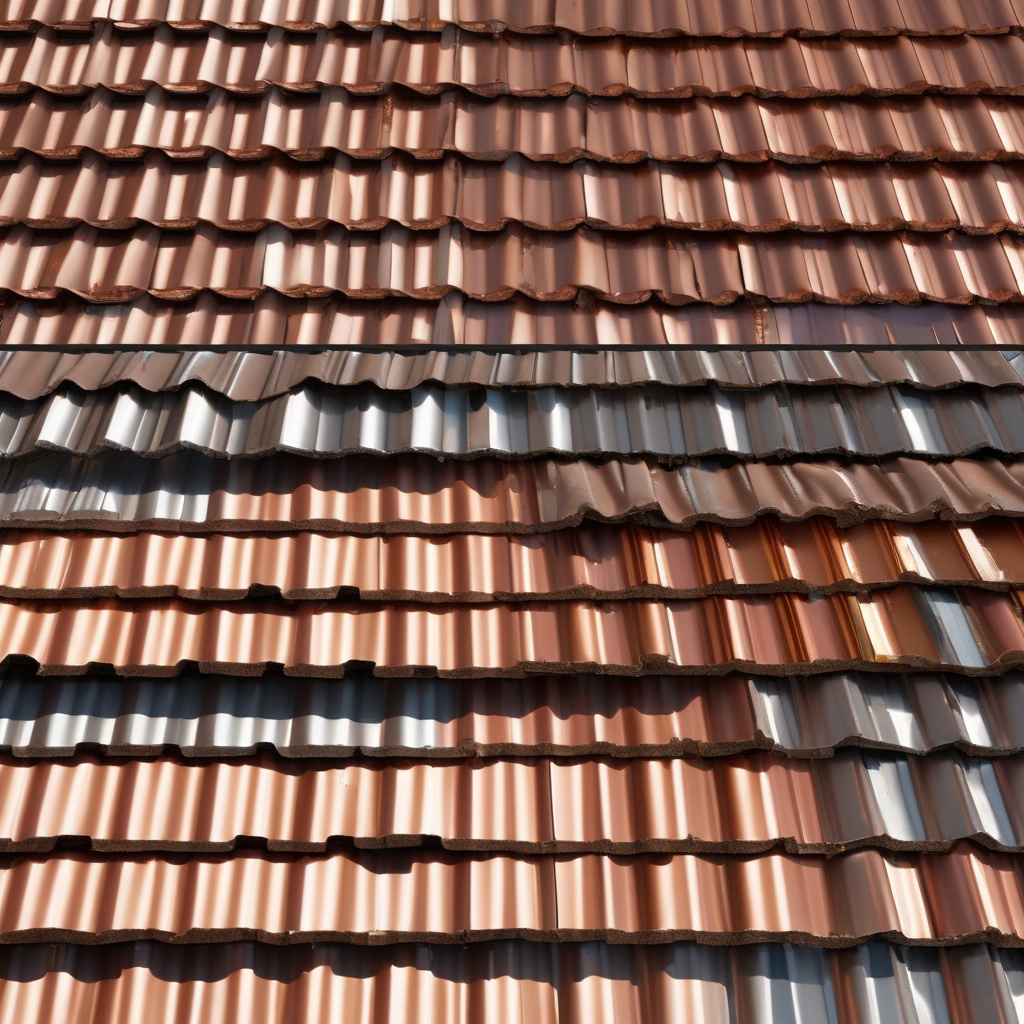
Metal roofs come in a variety of styles, materials, and finishes. Choosing the right one depends on your property’s architecture, location, and budget. Below are the most popular metal roofing systems in California that balance performance, aesthetics, and long-term value.
Standing Seam Metal Roof
The most recognizable style, the standing seam metal roof features raised vertical panels joined by concealed fasteners. This sleek design offers superior water resistance and modern curb appeal. It’s perfect for both residential and commercial properties where durability meets minimalism.
- Hidden fasteners prevent leaks and corrosion.
- Available in steel, aluminum, or copper materials.
- Ideal for solar panel integration and rainwater harvesting.
Corrugated Metal Roofing
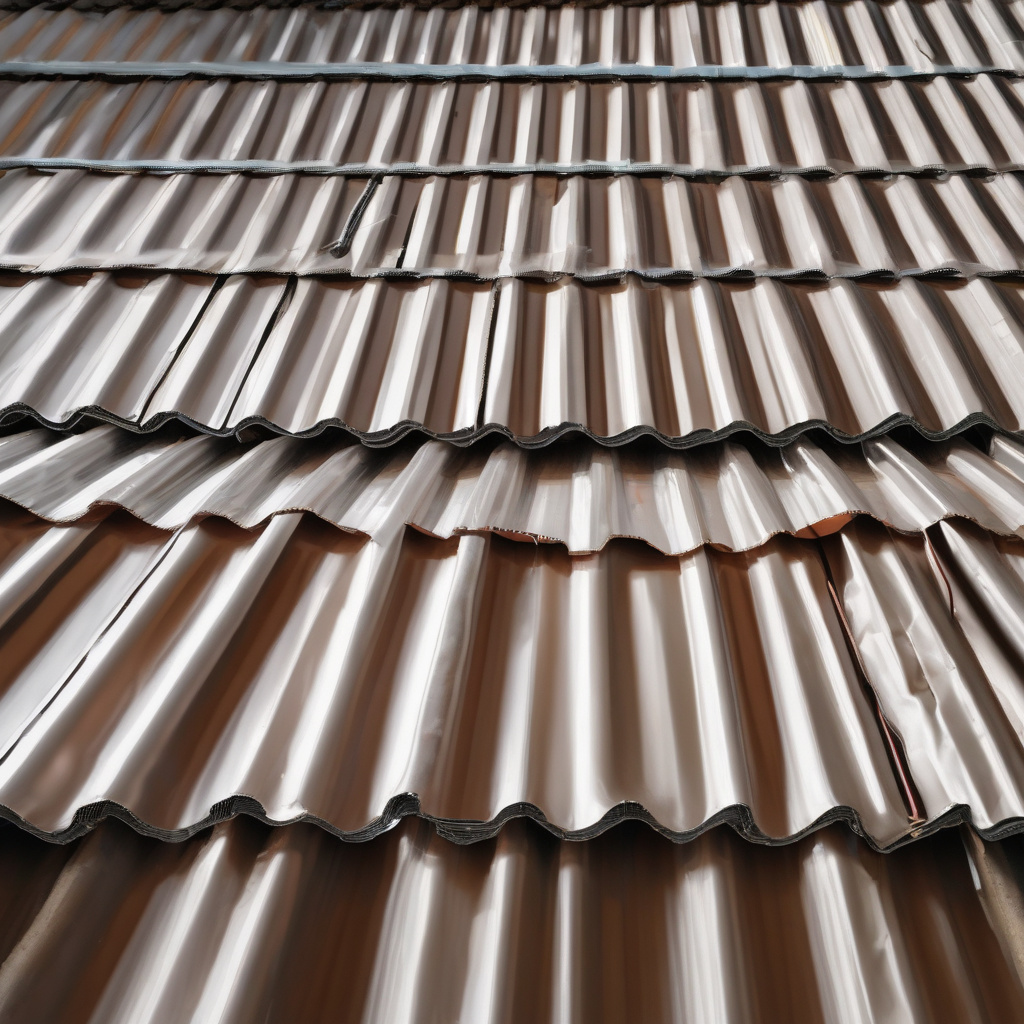
Corrugated metal roofing combines traditional charm with excellent weather resistance. Its wave-like pattern channels water efficiently, making it a cost-effective option for sheds, barns, and contemporary homes seeking industrial character.
- Affordable and lightweight design.
- Quick installation and minimal waste.
- High wind and impact resistance.
Stone-Coated Steel Roof
The stone-coated steel roof blends the durability of metal with the appearance of tile or shake. A special layer of stone granules adds texture and sound insulation while maintaining a classic aesthetic that fits California’s Mediterranean-style homes.
- Resembles clay or asphalt shingles with superior performance.
- Fire- and impact-resistant, ideal for wildfire-prone areas.
- Long lifespan with minimal fading or cracking.
Aluminum Roofing
For coastal properties, aluminum roofing California homeowners prefer due to its rust-proof properties and lightweight strength. It performs exceptionally well in salty air environments and requires no additional coatings to resist corrosion.
- Perfect for coastal regions like Santa Monica or San Diego.
- Reflective surface enhances energy savings.
- Fully recyclable and sustainable material.
Copper Roofing
Nothing matches the timeless beauty of copper roofing Los Angeles estates feature. Over time, copper develops a unique green patina that protects it from corrosion. It’s a luxury option often used for high-end residences, cupolas, and architectural accents.
- Exceptional lifespan — often 80+ years.
- Distinctive aesthetic with evolving patina finish.
- Premium investment with minimal maintenance.
| Material Type | Durability | Maintenance | Cost Level |
|---|---|---|---|
| Steel (Galvalume) | 40–60 years | Low | $$ |
| Aluminum | 50+ years | Very Low | $$$ |
| Copper | 80–100 years | Very Low | $$$$ |
| Stone-Coated Steel | 50–70 years | Low | $$$ |
“Whether you prefer the industrial edge of corrugated panels or the refined look of copper, metal roofing offers a design for every home style in California.”
Metal Roofing Installation Process
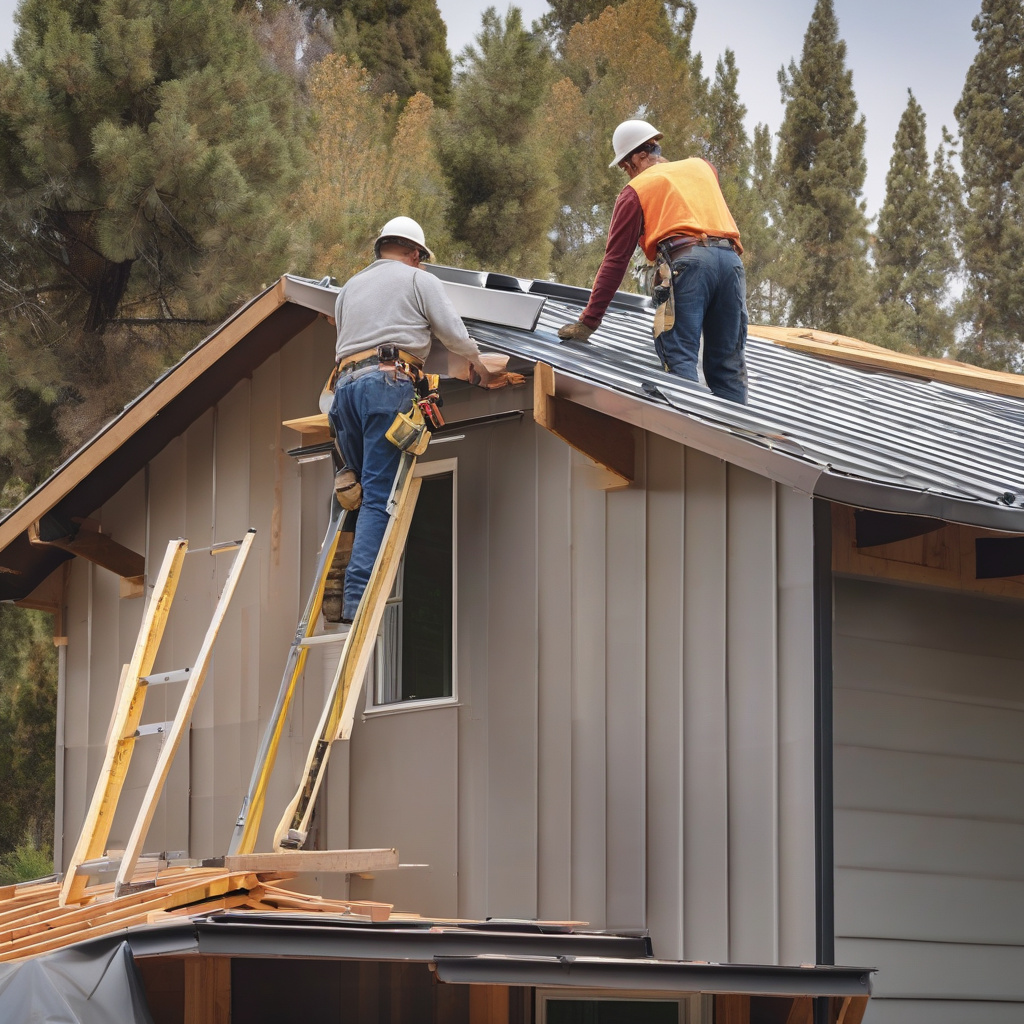
Installing a metal roof requires precision, technical skill, and experience with specialized tools. Unlike asphalt shingles, metal panels must be cut, aligned, and fastened with exact tolerances to ensure watertight seams and thermal expansion. Our team of roofing contractors Los Angeles residents rely on follows a proven five-step process for durable, flawless results.
1. Roof Inspection and Measurements
Before any work begins, our technicians inspect the existing roof structure to ensure it can support the new system. We measure slopes, valleys, and ridge lines precisely, then order custom-cut panels based on your home’s layout and pitch.
2. Removing Old Roofing (if needed)
Depending on your roof’s condition, the old material may be removed entirely, or the new system can be installed over the existing shingles using an approved underlayment. This reduces disposal waste and speeds up the project.
3. Underlayment and Preparation
Next, we apply a moisture-resistant barrier to protect against condensation and leaks. This underlayment forms a crucial layer that prevents corrosion and strengthens insulation. Our team also installs flashing and drip edges to ensure full coverage at joints and eaves.
4. Panel Installation
The heart of the process — each panel is secured from ridge to eave using concealed fasteners and interlocking seams. Standing seam roofs require precise alignment to maintain both performance and aesthetics. Edges are sealed with specialized clips that allow the metal to expand naturally under heat without warping.
5. Finishing Touches and Cleanup
Once the panels are installed, we inspect every seam, ridge cap, and flashing. Sealants are applied where necessary, and the roof surface is cleaned to remove metal shavings or debris. The final step is a detailed quality check — ensuring your roof is leak-free, silent, and ready for decades of service.
Installation Timeline and Tips
Most metal roof installation California projects take between 3–7 days depending on size, slope, and weather. Before work begins, homeowners should clear driveways and attic spaces for safety. It’s also wise to remove fragile items from walls, as minor vibrations can occur during fastening.
- Schedule installations during dry weather to ensure adhesive curing.
- Use high-quality underlayment for noise reduction and insulation.
- Request photos and daily progress updates from your contractor.
- Confirm manufacturer certification for warranty validity.
“A well-installed metal roof is virtually maintenance-free — but poor installation can shorten its lifespan by decades.”
Metal Roof Cost and Long-Term Value
When considering a new roof, it’s natural to compare prices. While the upfront metal roof cost California homeowners pay may be higher than asphalt shingles, the long-term savings quickly outweigh the difference. Metal roofing can last up to 70 years — three times longer than shingles — and significantly reduces energy bills, maintenance costs, and replacement frequency.
Here’s an overview of average installation prices across California, based on materials and project scope:
| Roof Type | Average Cost per sq. ft. | Estimated Lifespan | Energy Savings |
|---|---|---|---|
| Asphalt Shingle Roof | $4 – $7 | 15–25 years | Low |
| Steel (Galvalume) Roof | $8 – $12 | 40–60 years | Medium |
| Aluminum Roof | $10 – $14 | 50+ years | High |
| Copper Roof | $18 – $25 | 80+ years | High |
| Stone-Coated Steel Roof | $9 – $13 | 50–70 years | High |
Cost vs. Value Comparison
According to the Remodeling 2025 Cost vs. Value Report, homeowners who install metal roofing in Los Angeles recover an average of 85% of their investment during resale. Add to that lower utility bills — up to 25% savings annually — and minimal maintenance, and the ROI becomes clear within a few years.
- Estimated lifespan savings: up to $25,000 in avoided replacements.
- Energy rebates and tax credits available under California energy programs.
- Increased home value by an average of 6–9%.
“A metal roof isn’t an expense — it’s a long-term energy strategy that boosts comfort, safety, and property value.”
Maintenance Tips for Metal Roofs
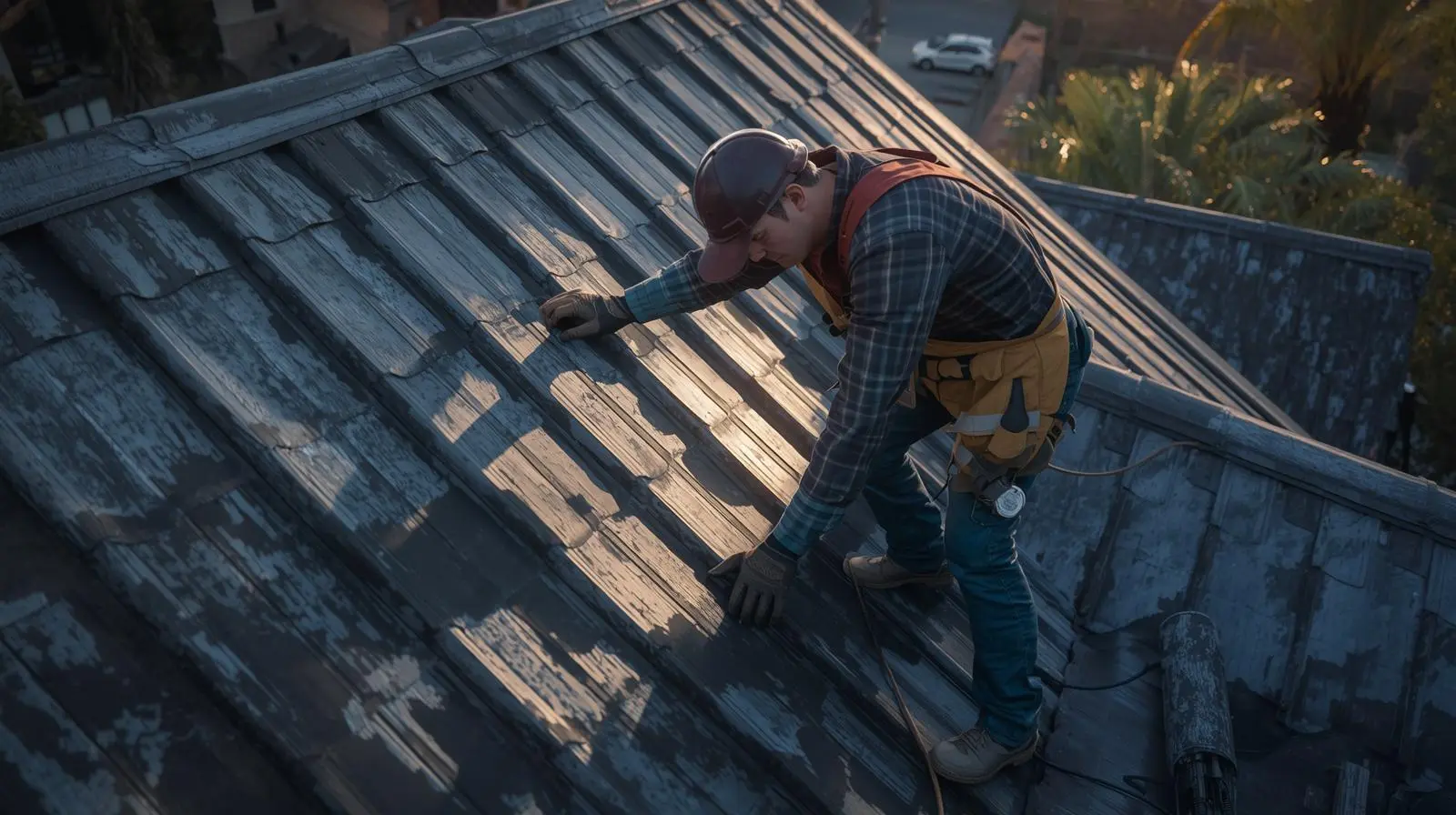
One of the biggest advantages of choosing a metal roof in California is its minimal maintenance requirements. Still, a few proactive steps can keep your roof looking and performing like new for decades. Regular care not only preserves aesthetics but also helps maintain manufacturer warranties and resale value.
1. Schedule Annual Roof Inspections
Have your roof checked at least once a year by professional roof inspection Los Angeles contractors, especially after major storms or high winds. They’ll inspect fasteners, seams, flashing, and sealants to catch small issues before they lead to leaks.
2. Keep Gutters and Valleys Clean
Leaves, branches, and dirt can trap moisture and accelerate corrosion around roof edges. Cleaning gutters twice a year ensures proper drainage and prevents rust formation, particularly on older galvanized systems.
3. Wash the Roof Surface
While metal roofs naturally shed debris, occasional washing removes pollutants and preserves reflective coatings. Use mild detergent and a soft brush or hose — never high-pressure washers. This maintains both shine and thermal efficiency of your roof.
4. Check for Loose Screws or Fasteners
Thermal expansion can cause some screws to loosen over time. Replacing or tightening them helps prevent vibration noises and water intrusion. Standing seam systems with hidden fasteners require less attention but should still be inspected periodically.
5. Prevent Corrosion and Scratches
Small scratches can expose bare metal to oxidation. Touch up paint as needed and avoid walking on panels unless necessary — use foam pads to distribute weight. Coastal homeowners should rinse salt deposits quarterly to prevent corrosion.
- Trim nearby branches to prevent abrasion from contact.
- Inspect seals around skylights and chimneys annually.
- Avoid installing other materials (like satellite mounts) directly on panels.
- Document all maintenance for warranty verification.
“Metal roofs don’t demand constant care — just smart, seasonal checkups that protect your investment for generations.”
Common Myths About Metal Roofing
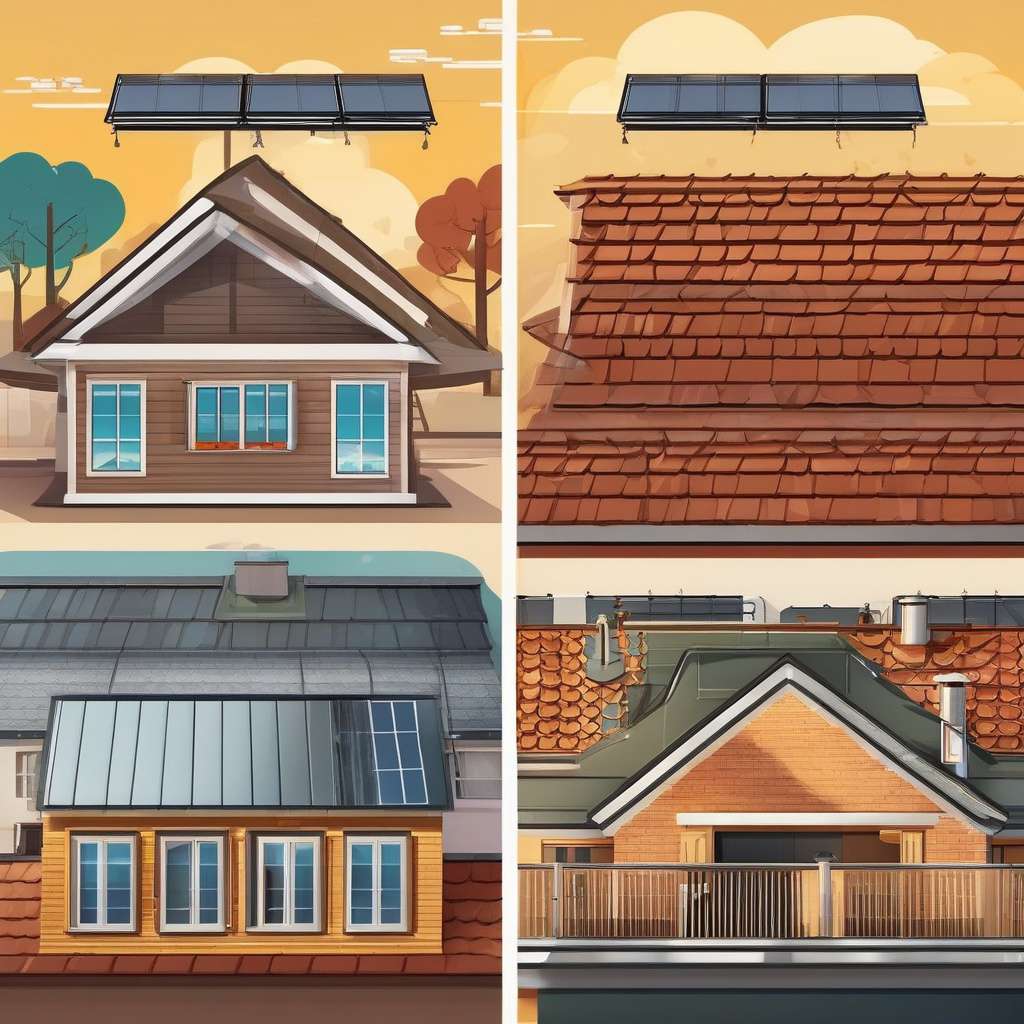
Despite decades of proven performance, many homeowners still hesitate to choose metal roofing because of outdated assumptions. Let’s debunk the most common myths that keep people from investing in this smart, sustainable roofing option.
Myth #1: Metal Roofs Make Homes Hotter
It’s the opposite — a metal roof California homeowners install actually reflects heat rather than absorbing it. With reflective coatings and “cool roof” technology, metal surfaces can reduce indoor temperatures by 10–15°F, lowering AC usage dramatically.
Myth #2: Metal Roofs Are Noisy During Rain
Modern insulation and underlayment completely eliminate that “tin roof” sound. When installed correctly, a metal roof is as quiet as any other material — sometimes quieter, thanks to advanced sound-dampening layers beneath panels.
Myth #3: Metal Roofs Attract Lightning
This is one of the oldest misconceptions. Metal does not attract lightning — it simply conducts electricity safely to the ground if struck. In fact, metal roofs are safer than flammable materials like wood or asphalt because they don’t ignite.
Myth #4: Metal Roofing Is Too Heavy
Another myth — in reality, metal panels are 50–75% lighter than concrete or clay tiles. That’s why they’re ideal for roof replacements and retrofits without needing structural reinforcement. The low weight also reduces seismic stress in earthquake-prone regions.
Myth #5: Metal Roofing Looks Industrial
Today’s metal roofing styles come in countless finishes — from sleek matte black panels to stone-coated steel that mimics traditional shingles or clay tiles. With custom colors and textures, a metal roof enhances virtually any architectural style.
- Modern coatings resist fading, corrosion, and cracking.
- Available in dozens of profiles — contemporary, rustic, or classic.
- Compatible with solar panels and “green roof” systems.
- Fully recyclable and environmentally friendly.
“Metal roofs aren’t noisy, heavy, or unattractive — they’re smart, sustainable, and surprisingly elegant.”
FAQ: Everything You Need to Know About Metal Roofing in California
How long does a metal roof last in California’s climate?
A properly installed metal roof in California can last between 50 and 70 years, depending on material type and maintenance. Standing seam steel, aluminum, and copper systems perform exceptionally well in the state’s varied climate — from dry inland valleys to coastal humidity. Unlike asphalt shingles that degrade under UV exposure, metal roofs resist cracking, fading, and corrosion. Their reflective coatings also qualify as part of the Cool Roof California program, ensuring long-term performance and sustainability.
How much does a metal roof cost in Los Angeles?
The average metal roof cost Los Angeles homeowners pay ranges between $8 and $14 per square foot, depending on design, slope, and chosen material. Aluminum and copper options are more premium, while Galvalume steel provides excellent durability for a lower price. Although the upfront investment is higher than asphalt, you save thousands over time thanks to reduced maintenance and improved energy efficiency. Every roofing project comes with a full manufacturer and installation warranty.
What type of metal roofing is best for California homes?
For most California homeowners, a standing seam metal roof offers the best balance of strength, style, and weather protection. These roofs feature concealed fasteners, watertight seams, and sleek, modern lines. Coastal residents often choose aluminum roofing for corrosion resistance, while inland areas benefit from galvanized steel or stone-coated panels. Premium copper roofs are popular for high-end properties due to their long lifespan and beautiful natural patina that enhances over time.
Are metal roofs energy-efficient and environmentally friendly?
Yes — modern energy-efficient metal roofs are among the most sustainable roofing materials available. Their reflective coatings deflect up to 85% of solar radiation, keeping homes cooler and reducing AC usage by up to 25%. Additionally, most metal panels are made from recycled content and can be fully recycled at the end of their life. Choosing a cool roof California certified product helps you qualify for energy rebates while reducing environmental impact.
Can metal roofing handle strong winds and storms?
Metal roofing California systems are engineered to withstand extreme weather — including winds up to 140 mph and heavy rain. Properly installed by licensed roofing contractors Los Angeles homeowners trust, these roofs provide outstanding protection against leaks and uplift. Their interlocking panels and sealed seams prevent water intrusion and debris buildup. For coastal and desert climates alike, a high-quality metal roof offers unmatched resilience against storms, sun, and seismic vibration.
Can I install solar panels on a metal roof?
Absolutely. Metal roof installation California projects are ideal for solar integration. Standing seam designs allow clamp-mounted systems, eliminating the need for drilling holes and preserving waterproofing. The combination of metal and solar creates one of the most energy-efficient roofing solutions available. In fact, many California homeowners combine solar systems with metal roofs to qualify for rebates and long-term electricity savings under the state’s renewable energy programs.
Is a metal roof louder during rain compared to shingles?
Not at all. Modern metal roofing systems are installed with insulation and soundproof underlayment that make them as quiet as traditional shingles. The “noisy tin roof” idea comes from outdated agricultural panels without insulation. Today’s roofs include multi-layer barriers that dampen vibration and echo. Whether it rains lightly or pours, interior noise remains minimal — especially in homes built with energy-efficient attic insulation.
Is metal roofing a sustainable long-term investment?
Yes, a sustainable metal roof is one of the most responsible investments for homeowners focused on durability and energy performance. Unlike asphalt shingles that require replacement every 20 years, a metal roof can last twice as long with minimal upkeep. It improves energy efficiency, reduces landfill waste, and boosts property value. At California Renovation, we install eco-friendly roofing materials that meet all California Title 24 energy standards for sustainable housing.
Upgrade Your Home with a Premium Metal Roof
At California Renovation, we don’t just install roofs — we build long-term protection for your home. Our certified team delivers craftsmanship that exceeds expectations, combining modern materials with precision installation techniques. Whether you need a full roof replacement, a patio extension, or custom remodeling, we’ll help your property stay beautiful, efficient, and safe for decades to come.
Join hundreds of California homeowners who already switched to energy-efficient, weather-proof metal roofing solutions built to last a lifetime.