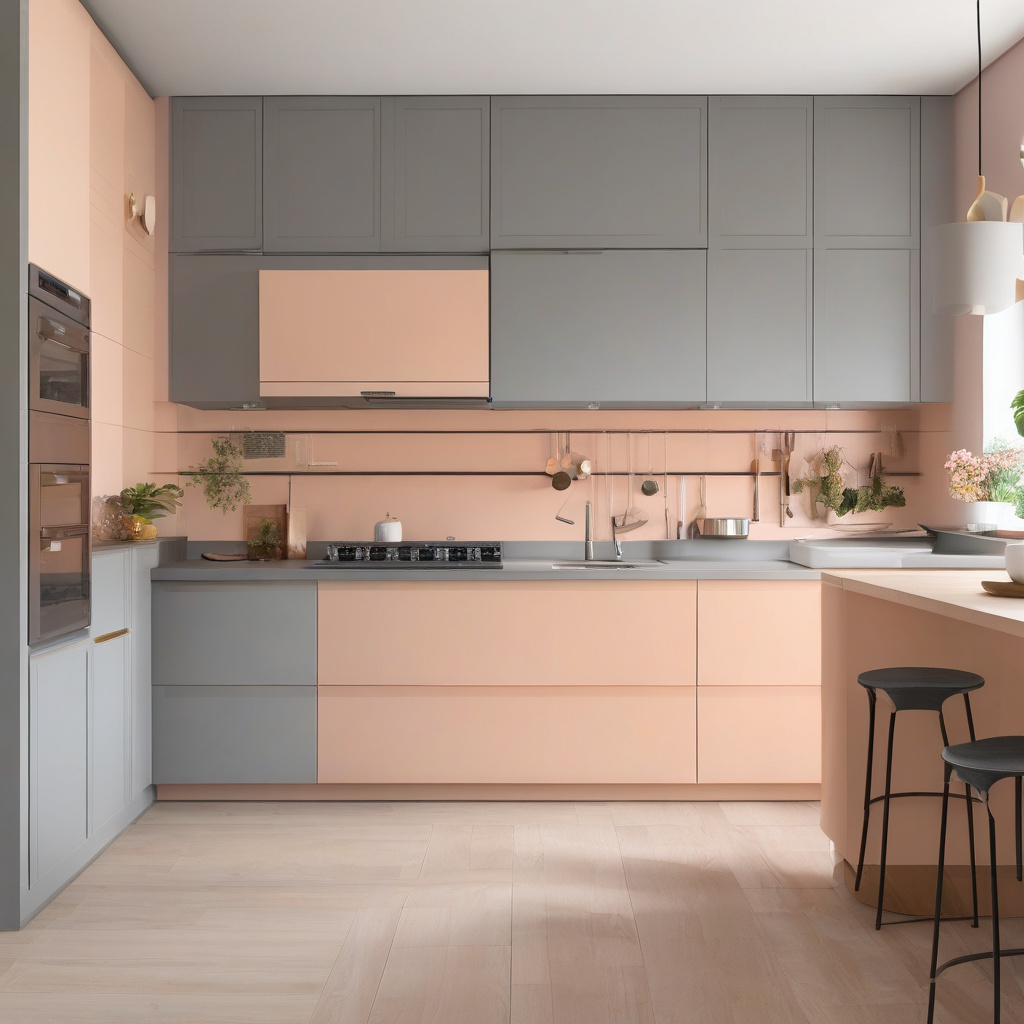
In Southern California, where the sun perpetually kisses the horizon, kitchen designs are about embodying warmth, relaxation, and the region’s intrinsic charm. Homeowners in this sunny enclave are fervently infusing their culinary spaces with warm neutrals, natural textures, and a balance that whispers both tradition and innovation. With an increasing appetite for kitchens that reflect both the laid-back Californian lifestyle and modern aesthetics, considering expert guidance on kitchen renovations becomes an indispensable part of the transformation journey.
Brief summary: Discover the top kitchen color trends in Southern California that blend warm neutrals, natural textures, and contrasting tones to create spaces with relaxed yet modern appeal. This article explores real-life examples, cost considerations, expert insights, and homeowner experiences highlighting the impact of color in kitchen redesigns.
The Appeal of Warm Neutrals
Warm neutrals are fast becoming the heart of many Southern Californian kitchens. These hues echo the golden beaches and signature sunsets, embedding an enduring sense of tranquility. Shades like subtle creams, dusty taupes, and sandy beiges serve as perfect canvases, whether on walls or cabinetry. Not only do they visually expand a space but also provide a calming influence, crucial for areas that are both functional and soc ial.
As the cosmopolitan spirit thrives, more Angelenos are looking to these shades for a timeless allure. The resilience of warm neutrals against fleeting trends ensures that homeowners aren’t left in the lurch after seasonal changes. It’s a preference that industry experts note as sustainable, echoing the sentiments of slow design movements that champion longevity and personal expression.
The popularity of these shades is more than mere aesthetics; it’s about creating a story within your space. For homeowners, warm neutral kitchens allow a subtle segue into introducing other textures and colors, making them versatile and enduring. By embracing these hues, many have found their kitchens to feel more personalized and coherent, effortlessly linking spaces across the home.
Ultimately, the charm of warm neutrals lies in their subtle nods to California’s diverse landscapes, making them an authentic choice for those wanting to stay in touch with the local ethos. They’re a testament to the fact that good design caters to both the eyes and the soul.
Conclusion: The decision to implement warm neutrals in the heart of the home provides a canvas that not only mitigates design risk but enables personalized flair, tailoring the space to the homeowner’s evolving styles.
Natural Textures: Bringing the Outdoors In
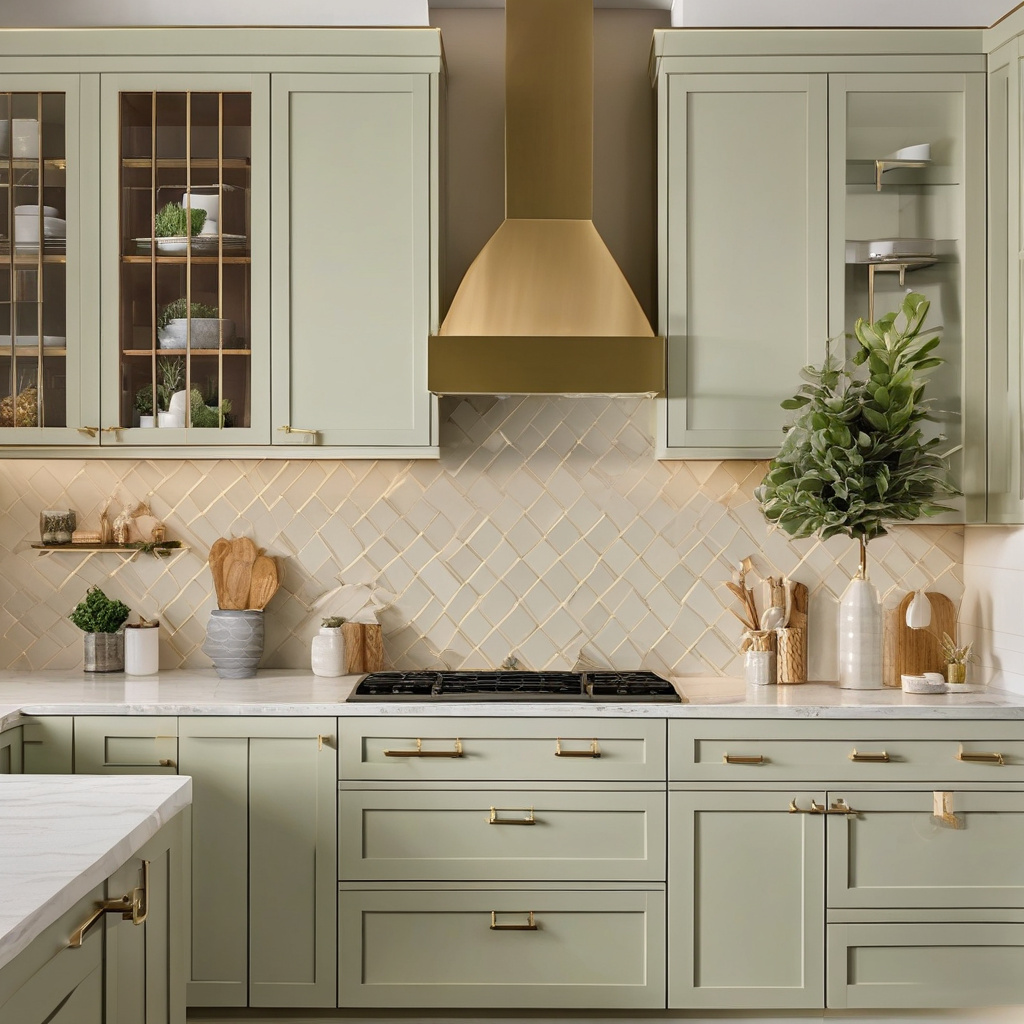
While warm neutrals provide the palette, it’s natural textures that imbue Southern Californian kitchens with an authentic depth and tactile appeal. Think recycled woods, natural stones, and handcrafted tiles, each offering a unique narrative of their origins. These materials not only anchor the room visually but texturally connect homeowners to the outdoors.
Los Angeles homeowners are increasingly opting for reclaimed wood for cabinetry and countertops, finding allure in their imperfections. There’s a story in each knot and grain, a link to the ever-looming mountains or the storied past of urban communities. The choice of natural stone surfaces, like marble or granite, offers kitchens a sophistication grounded in the Earth’s elemental beauty.
Experts advocate for the use of textured backsplashes, combining artisanal craftsmanship with functional design. This not only adds character but creates a dynamic interplay of light and shadow, enhancing the kitchen’s ambient vibrancy. Materials like terracotta tiles introduce a Mediterranean flair, creating warmth through ruddy hues and inviting tones.
Whether through flooring or decorative accents, incorporating natural textures brings warmth, transforming kitchens into serene sanctuaries. This trend also echoes a broader movement towards sustainability, fostering environments where reused and recycled materials can tell a beautiful, enduring story.
Conclusion: The inclusion of natural textures brings a sense of authenticity to the kitchen space, promoting an intimate connection with nature and sustainable choices.
Balancing Modern Appeal with Regional Character
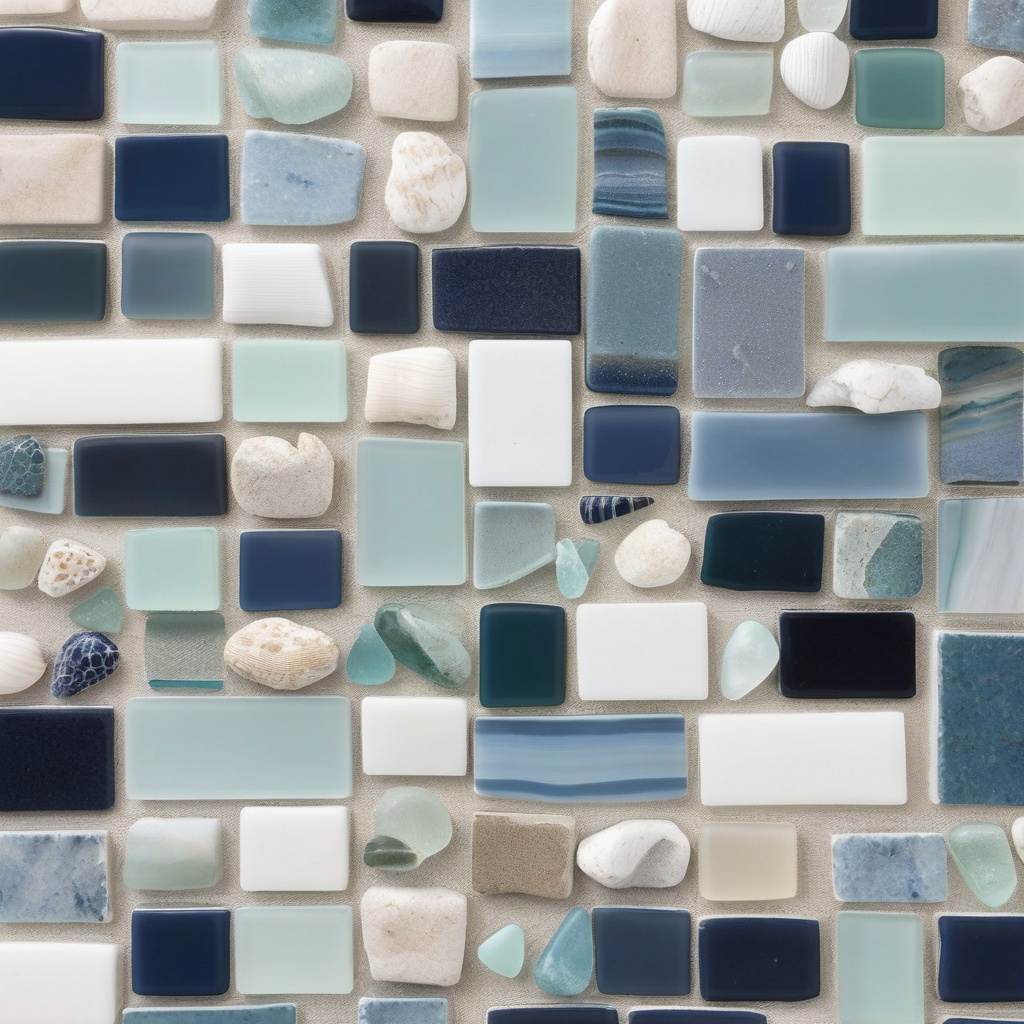
However much nostalgia drives the palette, modernity remains an essential layer in Southern Californian kitchen trends. Local homeowners often find themselves on the edge of tradition and innovation, aiming to strike that perfect balance. Contemporary elements, like sleek, minimalist designs and seamless technology, infiltrate these spaces, harmonizing with regional warmth.
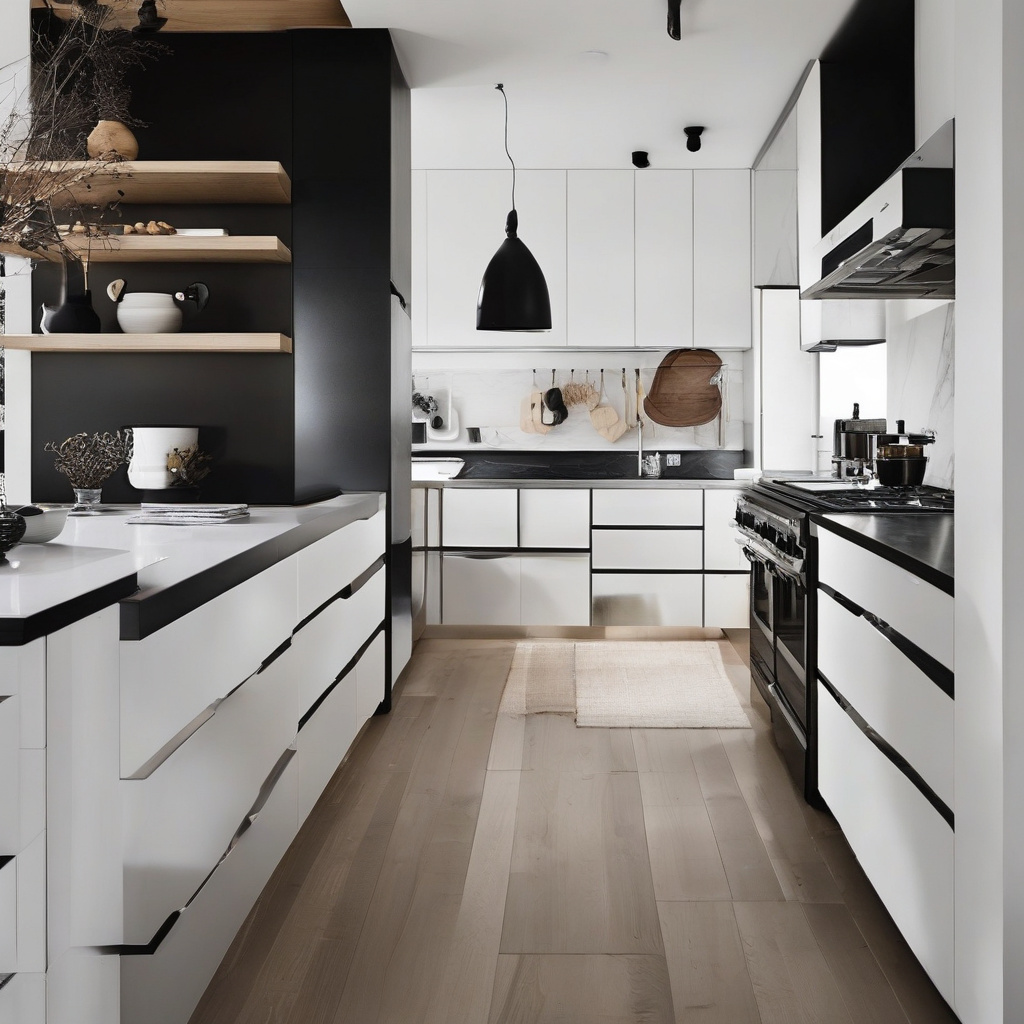
The general trend echoes a reconciliation of old and new aesthetics. Clean lines and modernist fixtures juxtapose with the warmth of wood grains and earthy stone, creating kitchens that evoke timeless elegance. Many homeowners are leveraging these contrasts not only for aesthetic pleasure but also because it reflects their dynamic lifestyle.
Contrasts are harnessed intentionally, leading to environments that boast of both calming neutrality and engaging accents. It’s not merely about following a trend but embodying a lifestyle that thrives on balance, of sunlit mornings and bustling evenings. This approach transforms kitchens into versatile spaces that cater to both intimate gatherings and grand feasts.
Experienced designers often suggest that subtle hints of color through minor fixtures or contemporary decor items can bridge the two worlds seamlessly. Such inclusions resonate deeply with those who celebrate eclecticism and diversity, core traits of Southern Californian communities.
Conclusion: Combining regional character with modern appeal offers a versatile design strategy, ensuring that the kitchen is both a functional workspace and a delightful gathering area.
Industry statistic: A survey reveals that 68% of Southern Californian homeowners prioritize designs that merge modern functionality with traditional elements, enhancing both their aesthetic and utilitarian value.
Design Layout: Incorporating Family-Friendly Designs
The design orientation of Southern California kitchens also caters heavily to family dynamics. The open kitchen concept remains a favored choice, with layouts that promote fluidity and inclusiveness. This spatial arrangement encourages socialization and interaction—a quintessential aspect of the Californian lifestyle.
Homeowners often seek layouts that offer flexibility, allowing spaces to grow with changing family needs. The emphasis is on creating zones for cooking, dining, and leisure while ensuring safety and accessibility. These kitchens are not just places to prepare meals, but hubs of family activity.
When planning such layouts, consider multiple strategies for designing family-oriented spaces. Elements like expansive islands double as both informal dining tables and prep areas, while strategic placement of appliances ensures that the work triangle remains efficient yet unobtrusive during gatherings.
The increased integration of smart-home technology keeps these family kitchens at the cutting edge of convenience. Touch-free faucets, smart fridges, and voice-controlled lighting create an environment that’s both functional and futuristic, aligning with the expectations of forward-thinking families.
Conclusion: While designing a family-friendly kitchen, the key lies in creating a space that encapsulates both functionality and family interaction, ensuring that everyone remains connected amidst the culinary choreography.
Eco-Friendly Materials and Cost Considerations
Amidst the backdrop of environmental consciousness, the use of eco-friendly materials in kitchen renovations has become an integral consideration for Southern Californians. Homeowners are increasingly investing in sustainable solutions that contribute to environmental preservation without compromising aesthetics.
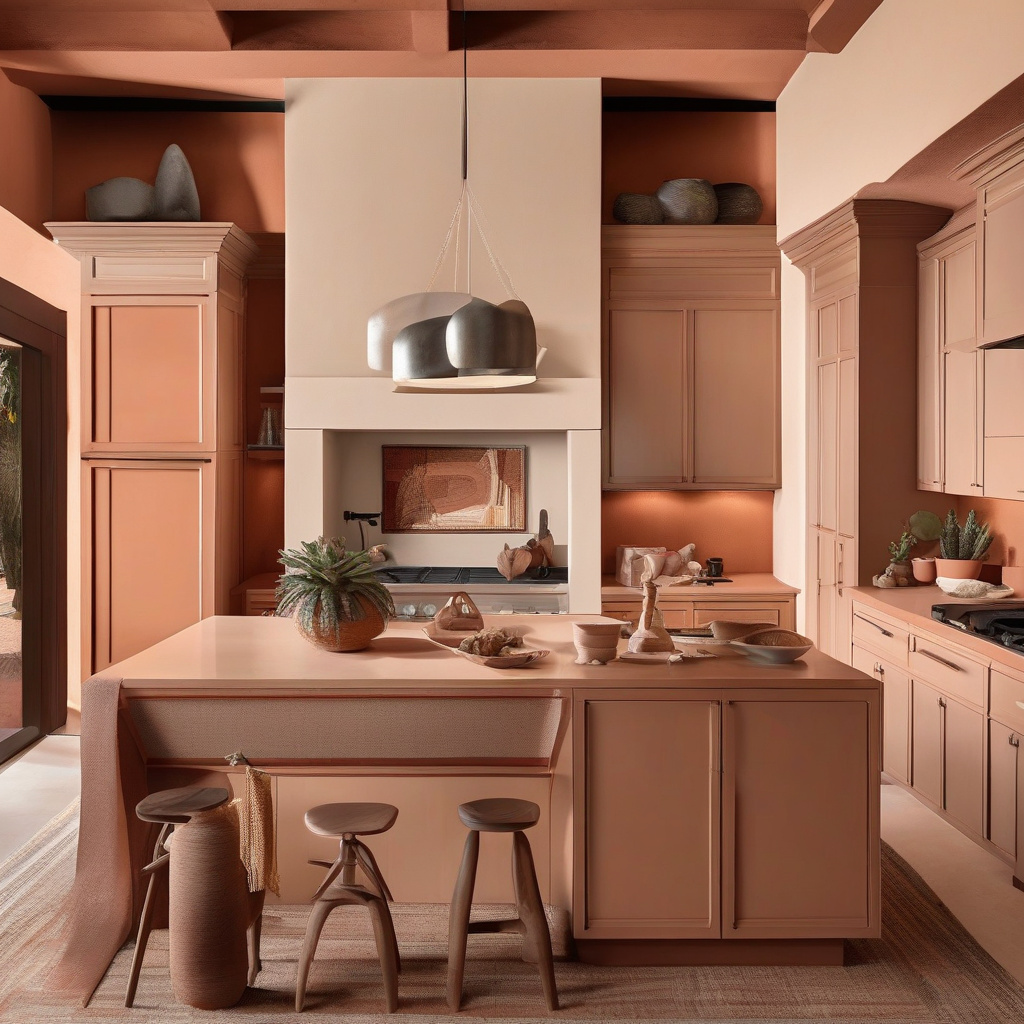
Materials like bamboo, recycled glass, and responsibly sourced wood are replacing their less sustainable counterparts. These choices not only reduce the carbon footprint but also enhance the kitchen’s visual appeal. The shift towards low-VOC paints and finishes underscores a commitment to healthier indoor air quality, reflecting broader lifestyle changes.
Financially, sustainable renovations can offer long-term cost benefits. Although initial investments may be substantial, energy-efficient appliances and materials often lead to reduced utility bills over time. Engaging with eco-friendly kitchen renovation practices also increases property value, aligning with market demands for green homes.
However, as with any investment, due diligence is crucial. Homeowners should weigh the pros and cons, considering both financial outlay and environmental impact when opting for eco-friendly upgrades. This balanced approach ensures that sustainability remains both a practical and financially viable choice.
Conclusion: Prioritizing eco-friendly materials in kitchen renovations reflects a responsible design decision, combining ethical choices with long-term economic benefits.
Expert insight: According to green building consultants, incorporating energy-efficient and sustainable materials not only provides environmental benefits but significantly enhances resale value in eco-conscious markets like Los Angeles.
Practical Steps and Resources for Remodeling
A strategic approach to kitchen remodeling involves not just creative inspiration but a solid understanding of practical implications like budget, timeline, and layout efficiency. To simplify the process, homeowners can follow a guided framework to transform their kitchen visions into reality.
The journey begins with establishing a definitive budget. This acts as both a discipline and guiding force, preventing expenses from spiraling beyond control. Once financial parameters are set, creating a prioritized list of desired features and functionalities will guide the renovation process.
Next, collaboration with experienced contractors and designers offers invaluable insights. These professionals not only enhance design concepts but provide pragmatic solutions for potential challenges. Exploring various flooring options, for instance, can add depth and style while aligning with budgets and eco-friendly aspirations.
Timing is another essential component. Clear timelines not only minimize disruptions but ensure that each phase transitions smoothly from demolition to final touches. Engaging in thorough research and planning mitigates risks, ultimately resulting in a smoother renovation experience.
Conclusion: With careful planning and collaboration, homeowners can navigate the kitchen renovation process efficiently, achieving a space that’s both beautiful and functional.
Research-based observation: Studies indicate that methodologically planned kitchen remodels, when coupled with professional expertise, can reduce project timelines by up to 25%, enhancing both process efficiency and end satisfaction.
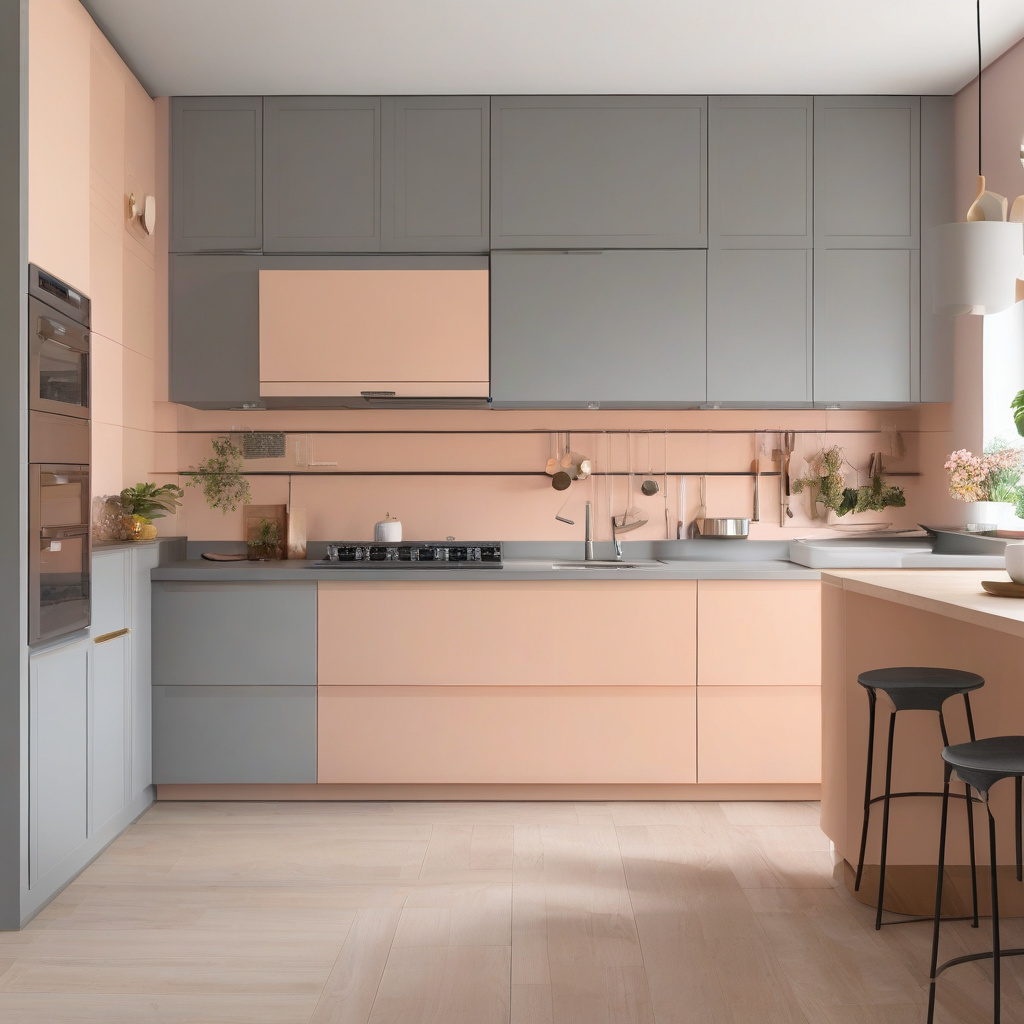
- Southern California kitchens are adopting warm neutrals and natural textures to reflect a relaxed yet modern style.
- Real-life experiences highlight the importance of balancing regional charm with contemporary design elements.
- Eco-friendly materials are prioritized for their aesthetic appeal and long-term cost benefits.
- Family-friendly layouts focus on inclusivity and technological integration.
- Effective planning and professional guidance are key to successful kitchen renovations.
“`html
FAQ
What are the top kitchen color trends in Southern California?
The top kitchen color trends in Southern California emphasize warm neutrals and natural textures, ideal for creating spaces that reflect both regional charm and modern sophistication. In real renovation projects, many homeowners have found that incorporating shades like sandy beige or muted taupe not only enhances the airy feel of a Southern California home but complements the abundant natural light typical of the region. Designers often suggest pairing these neutrals with materials like natural wood or stone, which help in achieving that sought-after balance between relaxed and contemporary styles.
How do I choose the right kitchen colors for my Southern California home?
Choosing the right kitchen colors involves considering both personal taste and the unique aspects of your home’s architecture. Many experts point out that the natural light in Southern California can dramatically influence color perception. Lighter colors, such as off-white or soft greys, can reflect sunlight, making kitchens appear larger and more inviting. Homeowners frequently underestimate the importance of lighting fixtures, which can alter the appearance of colors throughout the day. A tip is to test paint samples on different walls and observe them under varied lighting conditions to ensure the hues enhance your kitchen’s design at any hour.
When should I consider a kitchen color makeover?
A kitchen color makeover is a significant step typically considered during broader home renovation projects or when the existing color scheme feels outdated. In the context of Southern California homes, if you’re refurbishing an older property, a transition to warmer neutrals can instantly refresh and modernize your space. Similarly, for newer builds, tailoring trends to your personal style might be necessary if the home was initially designed with generic colors. Keep in mind the power of colors not only impacts aesthetics but also the mood and functionality of your kitchen space.
What common mistakes do homeowners make when selecting kitchen colors?
A common mistake homeowners make is choosing colors that look appealing in a store or on a paint chip but do not perform well within their kitchen environment. Many homeowners also overlook the undertones of certain paints, which can clash with existing fixtures or furniture. Another frequent pitfall is ignoring the kitchen’s role as part of an open-plan area. To avoid these issues, it is wise to view paint samples in your specific kitchen space at different times of the day. Collaboration with a consultant who understands the Southern California style can also provide essential guidance.
What are the benefits and limitations of using warm neutrals in the kitchen?
Warm neutrals offer the benefit of flexibility and timeless appeal, seamlessly integrating with various design styles from rustic to modern. They create a warm, inviting atmosphere that many Southern Californian homeowners desire. However, a limitation could be that if overused, these hues might render the kitchen bland or uncharacteristic. To mitigate this, incorporating textured materials and contrasting elements like darker countertops or colorful backsplashes can preserve a dynamic aesthetic. In real renovation experiences, this combination often strikes a memorable balance that sustains its appeal.
How do natural textures influence kitchen design in Southern California?
Natural textures are integral to kitchen designs in Southern California, as they reinforce the connection to the region’s natural beauty. Elements like wood, stone, or even bamboo echo the outdoors and bring warmth and life to a kitchen space. In practice, homeowners find that these textures can soften the appearance of industrial stainless steel appliances, providing a more cohesive look. It’s essential to balance textures with the color palette; for example, lighter wood grain complements warm neutral walls beautifully, avoiding monotony while promoting a sense of continuity and harmony.
Are there cost considerations to keep in mind with these color trends?
Implementing color trends with warm neutrals and natural textures can vary in cost, heavily influenced by the quality of materials and paints selected. While it’s tempting to cut corners on paint, investing in high-quality options can result in superior coverage and longevity, particularly in a high-traffic area like the kitchen. Another cost consideration is the use of premium natural materials, which can add to initial costs but typically result in a more durable and appealing finish. If you’re pondering the budget implications or need advice tailored to your specific renovation needs, I recommend you reach out to a local expert who can offer a precise cost breakdown.
What are some maintenance tips for kitchens with these color schemes?
Maintenance in kitchens with warm neutrals and natural textures is manageable but requires consistency. For painted walls, using a high-quality, washable paint ensures easier cleaning of everyday spills and smudges. Natural wood surfaces should be regularly treated with appropriate sealants to maintain their finish and resist moisture. Stone elements may require periodic sealing depending on their porosity. In real-life scenarios, homeowners have noted that consistent, gentle cleaning routines help in preserving these finishes. Following manufacturer guidelines for all materials can prevent premature wear and keep your kitchen looking fresh and inviting over the years.
“`