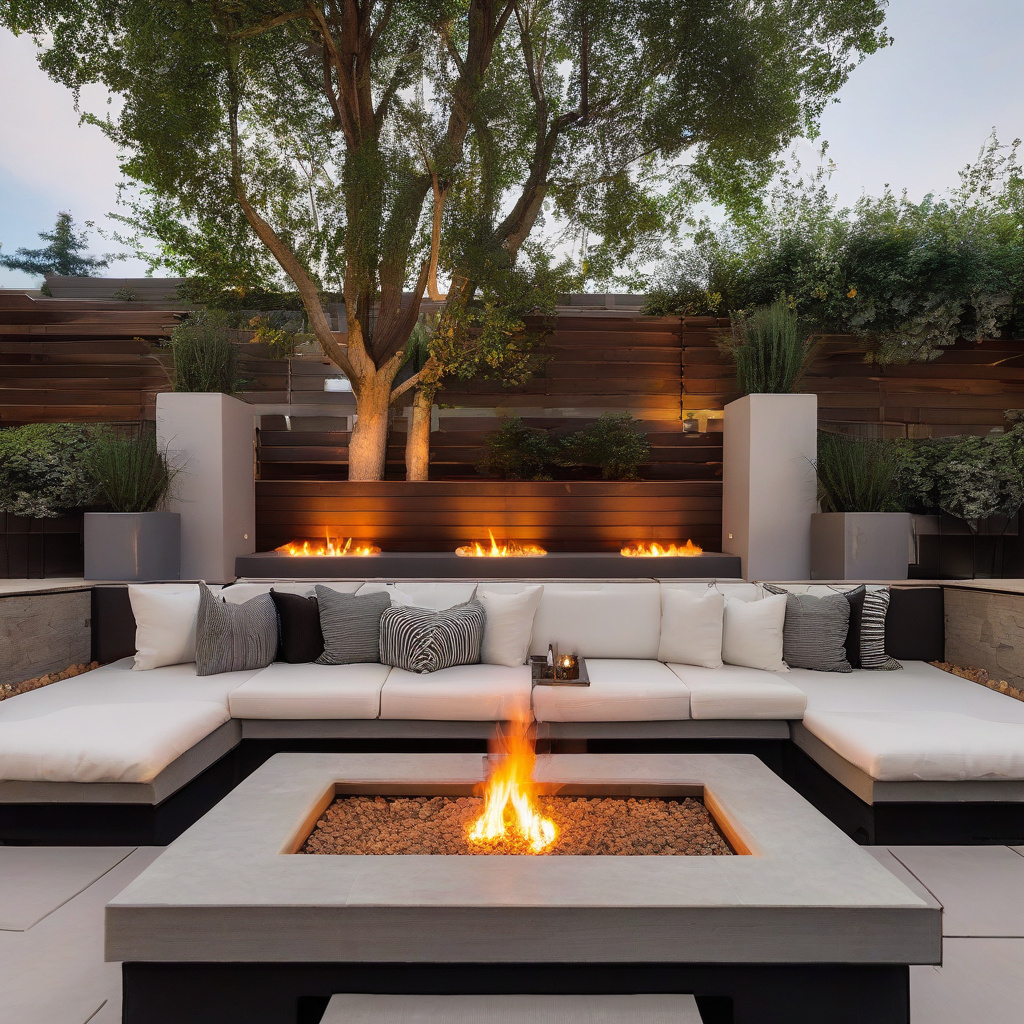
In the City of Angels, where sunshine graces outdoor spaces nearly year-round, the concept of merging indoor comfort with outdoor allure has captivated the hearts of many homeowners. Designing an outdoor living room is not just about setting chairs under the sun, but creating an inviting, durable haven that reflects the elegance of your home’s interior comforts. As Angelenos increasingly seek to expand their living spaces to the backyards, the trend of outdoor living rooms is flourishing.
Brief summary: This article explores the process of designing an outdoor living room in Southern California’s backyards, focusing on comfort, durability, and aesthetic appeal. With insights into local trends, budgeting considerations, and practical design tips, the article offers a detailed guide to creating a functional and stylish outdoor extension to any home.
A Renaissance in Outdoor Design
Southern California’s temperate climate provides the perfect canvas for transforming backyards into luxurious outdoor living rooms. These spaces are not mere patios but intricate designs that integrate comfort with nature’s aesthetics. A well-designed outdoor living room often includes multiple seating zones, weather-resistant finishes, and layers of lighting that entice you to spend more time outside.
As many local homeowners notice, the renaissance in outdoor design is part of a larger architectural movement that values versatility and connectivity between different living areas. The trend is driven by a desire to utilize every inch of property effectively, tying beautifully with existing structures and landscaping. The quest for cohesion is evident as more people opt for enhancing their patios with thoughtful design elements.
Luxury is no longer confined to indoor living rooms; it’s spilling outward, where the boundaries between indoor and outdoor blur. Whether it’s through plush seating or chic fire features, the outdoor living room combines elegance with the rugged appeal of nature.
In conclusion, the right outdoor accessories and furniture design can transform your backyard into an oasis of relaxation and entertainment, reflecting the tranquil yet vibrant lifestyle of Southern California.
Planning Your Backyard Transformation
Planning is key to designing an outdoor living room that harmonizes with your home’s interior design. Decisions on layout, choice of materials, and defining purpose are crucial to creating a space that meets your needs.
Budget-wise, it’s essential to establish a comprehensive plan that accounts for various components like furniture, paving materials, and landscaping additions. There’s a fine line between elegant and excessive, and a thoughtful budgeting strategy will keep your project on track financially while delivering style and functionality.
The initial design phase should outline the primary functions of the outdoor space. Will it be a cozy nook for reading, a stage for entertaining guests, or a family dining area under the stars? Clarity of purpose influences everything from furniture arrangement to the choice between selecting durable ground materials like concrete or pavers.
Ultimately, a well-planned space reflects a balance between aesthetics and practical requirements, ensuring longevity and consistent usage throughout changing seasons.
Materials That Matter
Materials lay the foundation of any solid structure, and the outdoor living room is no exception. The California sun can be relentless, necessitating weather-resistant and durable choices that won’t succumb to the elements over time.
The debate between wood and synthetic materials is often pivotal in this decision-making process. While wood offers a natural warmth and aesthetic appeal, composite materials bring durability and less maintenance. Each material choice comes with its specific implications for sustainability and cost.
Seating is another area where the choice of materials makes a significant impact. Upholstered outdoor furniture made from UV-resistant fabrics can provide plush comfort without fading in the sun’s rays. Complementing comfort with practicality is selecting suitable deck railing styles, adding both safety and style to your outdoor design.
In summary, carefully selected materials contribute to a space’s resilience and visual appeal, ensuring that your outdoor living room remains inviting and cohesive with your home’s design philosophy.
Lighting: Setting the Mood
No room is complete without the right lighting, and outdoor living spaces are no exception. Strategic lighting transforms the ambiance, turning your backyard into a versatile venue for evening relaxation or social gatherings.
Layered lighting approaches ensure functionality as well as aesthetic charm. Ambient lighting, such as string lights or lanterns, creates a warm, welcoming glow, while accent and task lighting highlight key areas like dining spaces or pathways.
Energy-efficient LED solutions are increasingly popular, reflecting a growing awareness of sustainability and cost-effectiveness. Their low energy usage not only keeps utility bills in check but also supports environmentally conscious living.
In essence, effective lighting design amplifies the mood and usability of your outdoor space, guiding everything from intentional gatherings to spontaneous late-night conversations.
Outdoor Comfort Features
The backbone of any outdoor living room is comfort. Without it, even the most beautiful spaces can go unused. Comfort in outdoor designs encompasses furniture, shade, and climate control features that ensure the space is welcoming throughout the year.
Shading solutions, like pergolas or retractable awnings, offer relief from the sun’s intensity while lending architectural interest. Add to that the tactile luxury of outdoor rugs and cushions, and the area becomes an exemplary blend of style and comfort.
Heating elements, such as built-in fire pits or portable heaters, extend the usability of the outdoor living area into cooler months, ensuring entertainment features and seating areas remain inviting in any season. Users should review firepit safety advice to ensure all elements are used safely and effectively.
Ultimately, comfort features tailor the experience to match your lifestyle and climate preferences, embedding a sense of homeliness in the heart of nature.
Evaluating the Transformation: A Balance of Cost, Time, and Enjoyment
As with any home improvement project, a candid evaluation of the costs, time commitments, and personal reward is crucial. A tiered understanding can help potential upgraders scale their ambitions accordingly.
| Tier | Cost | Timeline | Features |
|---|---|---|---|
| Basic | $5,000–$10,000 | 1–2 weeks | Basic seating, minimal lighting |
| Mid-range | $10,000–$20,000 | 2–4 weeks | Enhanced lighting, durable materials, custom features |
| Top-tier | $20,000+ | 4–8 weeks | Luxury finishes, integrated technology, extensive seating |
The cost-benefit analysis helps in making informed decisions, ensuring that every dollar and moment spent contributes to a prosperous, enjoyable space.
- Create an outdoor living room that blends comfort with aesthetic appeal.
- Consider budget, materials, and layout early in the design phase.
- Lighting and comfort features are as crucial outdoors as indoors.
- Assess material choices for durability and style.
- Evaluate offerings at different budget tiers to maximize your investment.
FAQ
What is an outdoor living room?
An outdoor living room is a designated area in your backyard designed to mirror the comfort and functionality of an indoor living room. In numerous renovation projects, experts notice that homeowners seek to expand their living space beyond the confines of their walls, especially in temperate climates like California. This space typically includes weather-resistant furniture, layered lighting for ambiance, and durable materials that ensure longevity while withstanding the elements. The goal is to create a seamless transition from indoor to outdoor, effectively extending your home’s livable area.
How do I choose the right materials for an outdoor living room?
Selecting materials for your outdoor living space is crucial, as they need to endure weather conditions yet remain stylish and comfortable. Experts often recommend materials like teak or powder-coated aluminum for furniture, as these resist fading and corrosion. For flooring, natural stone or high-quality composite decking is advisable. When choosing materials, consider the typical weather patterns in your region; while in California, sun resistance may be key, in wetter areas, waterproof options might be prioritized. Try to align the materials with your home’s existing aesthetic for a cohesive look.
When is the best time to start designing and building an outdoor living room?
Many homeowners find spring and early summer ideal for beginning outdoor projects, offering ample time to enjoy the new space during warmer months. However, seasoned renovators often suggest planning and designing during fall or early winter. This allows you to secure contractors, review design ideas, and potentially get better pricing on materials, as suppliers often have off-season sales. If you’re in a region like California, where weather impacts are minimal, planning throughout the year is feasible, giving flexibility and time to perfect your living space.
What common mistakes should be avoided when designing an outdoor living room?
Homeowners often make the mistake of underestimating the impact of weather on an outdoor living space. In real projects, it’s evident that neglecting to use weatherproof materials leads to premature wear. Another common oversight is improper planning of electrical outlets and inadequate lighting. Ensuring functional spaces like cooking or lounging areas have enough lighting is vital for usability. Lastly, failing to integrate the design with the home’s existing style and ignoring the natural layout of the land can result in a disjointed appearance. Focus on coherence and functionality from the outset.
What are some cost considerations for building an outdoor living room?
Costs for an outdoor living room vary significantly based on size, materials, and features. Many experts stress the importance of setting a budget early on. Basic setups can start around a few thousand dollars, but luxury installations with custom furniture, fire pits, and outdoor kitchens can exceed $50,000. Always factor in installation costs, ongoing maintenance, and potential upgrades over time, such as improved lighting or better weatherproofing materials. Don’t overlook potential zoning laws or permits that could affect your budget and timeline. For personalized guidance, consider contacting specialists who can provide tailored advice.
What are the pros and cons of having an outdoor living room?
The advantages of an outdoor living room include increased property value, enhanced lifestyle through closer engagement with nature, and additional entertainment options. Many homeowners enjoy the flexibility of outdoor gatherings that a well-designed space provides. However, there are drawbacks; maintenance can be more demanding than indoor rooms due to exposure, and initial setup costs can be high. In regions with extreme weather, utility can be limited to certain seasons unless you invest in weatherproof solutions. Balancing these aspects will help determine if this investment aligns with your needs and resources.
How do I maintain my outdoor living room?
Maintenance of an outdoor living room involves regular cleaning, which includes dusting furniture and washing fabric covers. In real-life projects, it’s observed that protective covers significantly extend furniture lifespan. Re-stain wood surfaces annually and check metal parts for rust. Regularly clear debris to prevent mold and mildew, and adjust lighting fixtures to account for seasonal lighting changes. In essence, routine upkeep ensures the space remains inviting and safe. Professional consultation might be necessary for complex issues or annual deep cleaning, ensuring your investment stands the test of time.
How can lighting enhance an outdoor living room?
Layered lighting transforms a simple outdoor area into a vibrant living room. Professionals in the field emphasize using a mix of ambient, task, and accent lighting. For example, string lights or lanterns provide warmth, while task lighting ensures safety around steps and cooking areas. Accent lights can highlight landscaping features or architectural details. In practical applications, it’s found that nicely controlled lighting can extend usability into evening hours and set a mood for relaxation or entertainment. For specific lighting plans tailored to your needs, you might consider reaching out to design professionals.