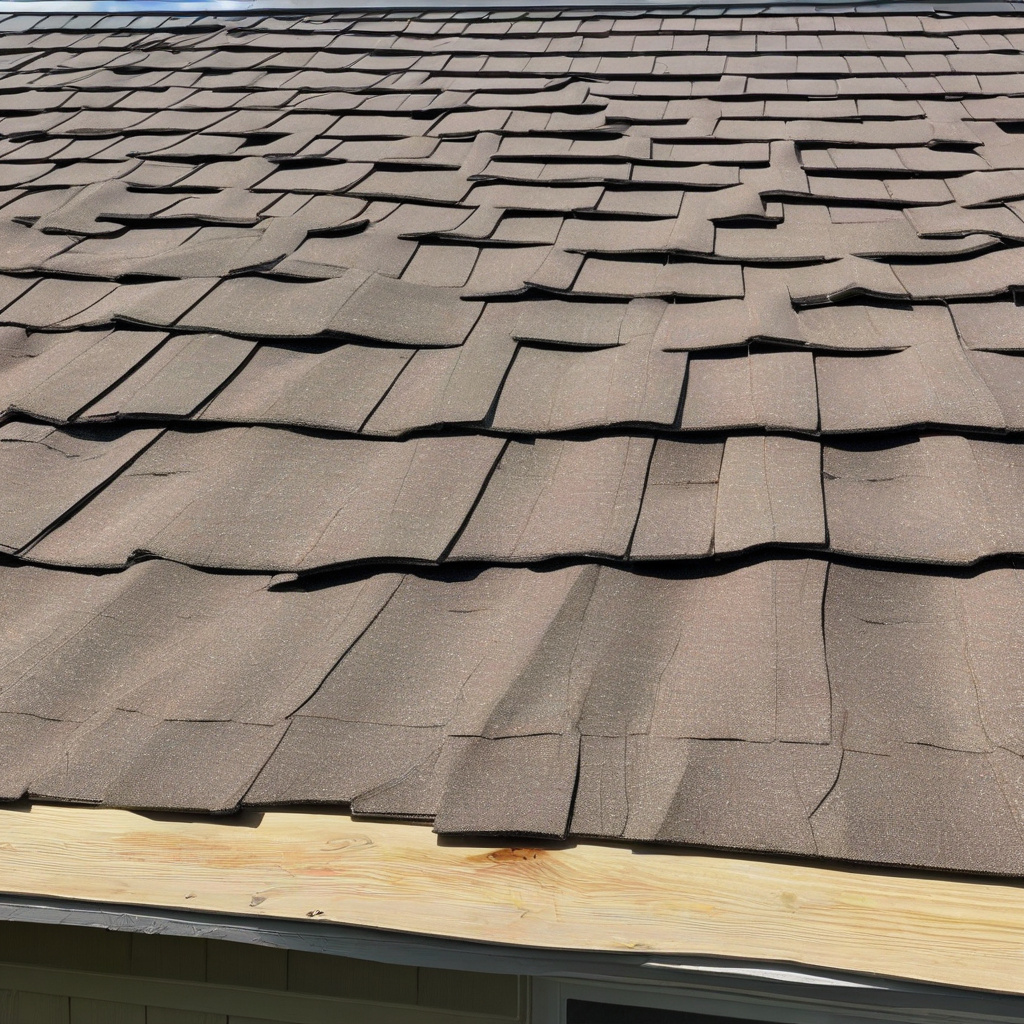
Los Angeles homeowners find themselves often at a crossroads when it comes to roof renovations: Should they opt for full or partial replacement? The allure of saving money can be tempting, making partial roofing an attractive choice. However, aesthetic mismatches and long-term performance issues might outweigh initial savings. Understanding the nuances of these decisions is crucial for anyone aiming to preserve both value and curb appeal.
Brief summary: This article delves into the intricacies of choosing between half-roof replacements versus full replacements for homeowners in Los Angeles. It explores the long-term benefits of full replacements, potential pitfalls of partial solutions, and provides insights into making an informed decision based on costs, aesthetics, and environmental considerations.
Navigating the Roofing Dilemma
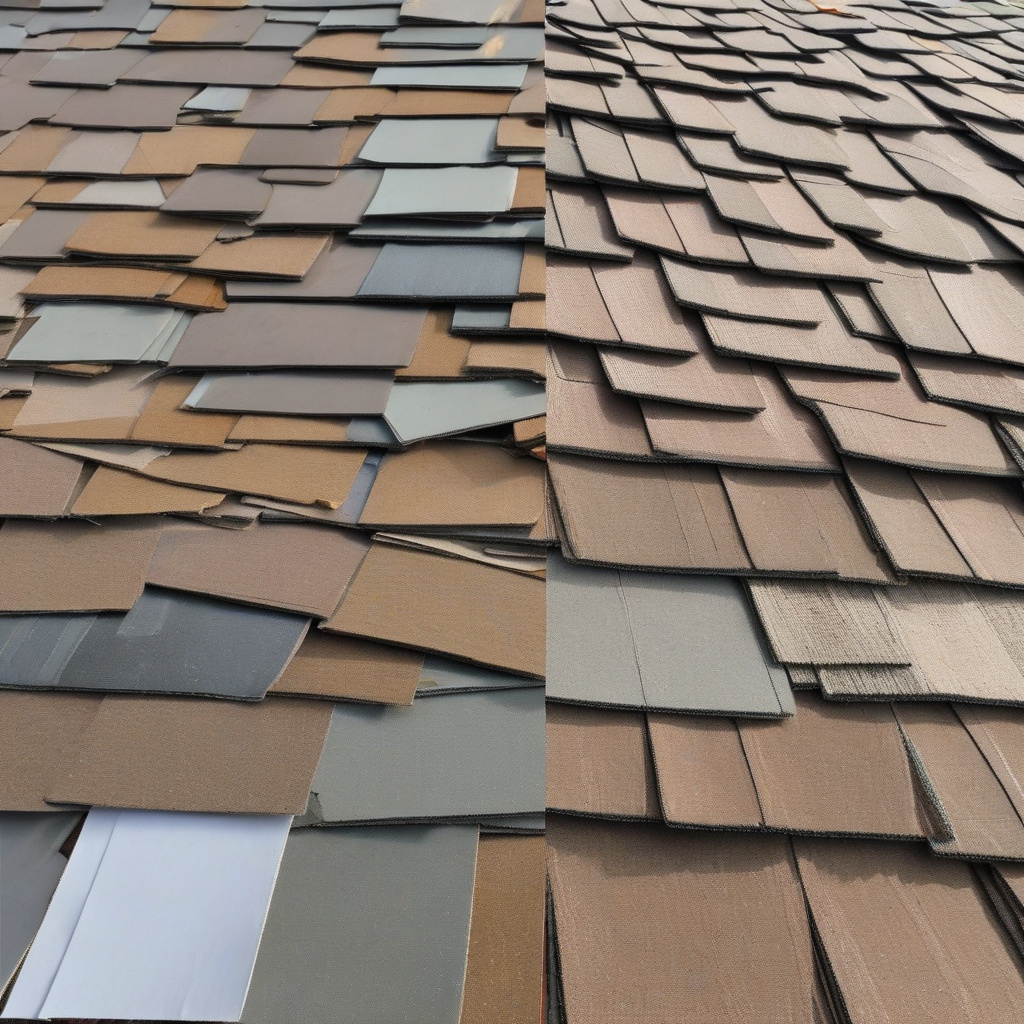
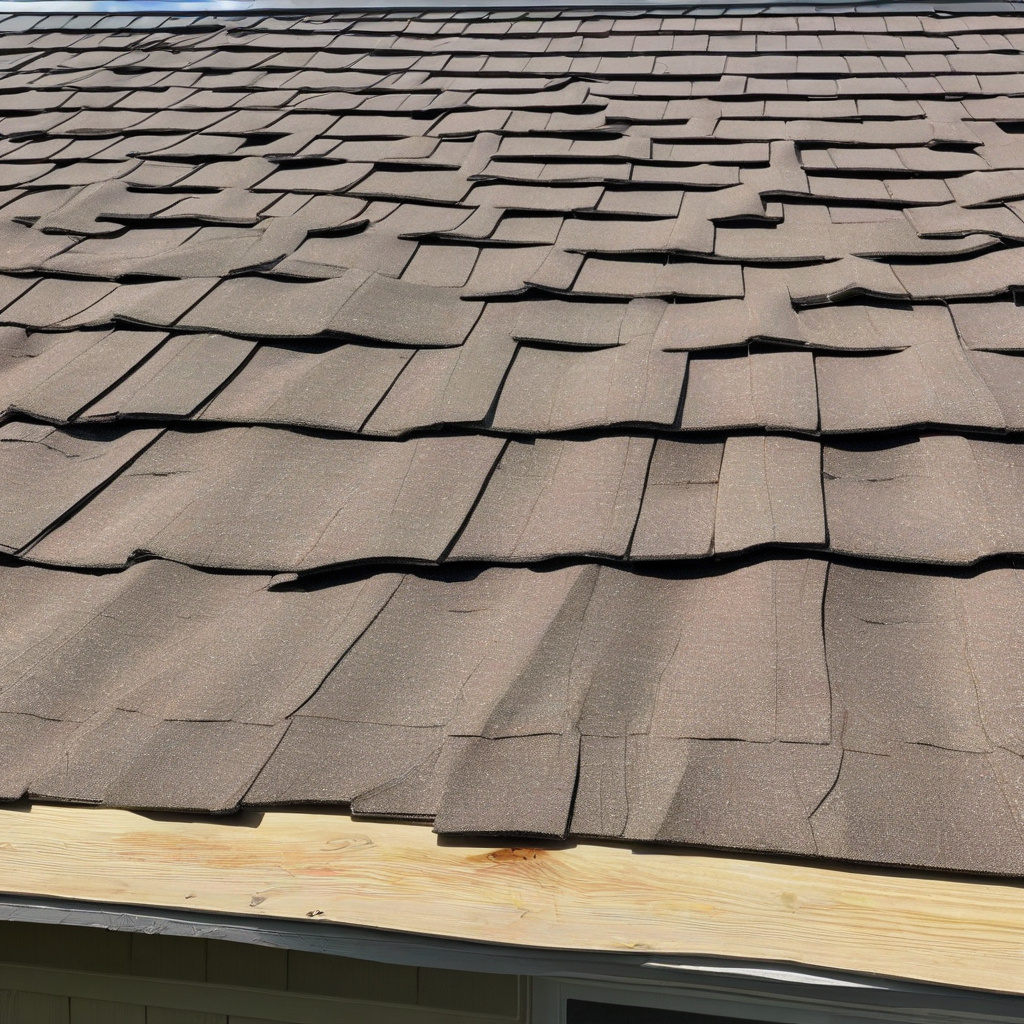
For many Angelenos, the decision to replace just half a roof comes down to budget constraints. As real estate prices continue to soar, this localized penny-pinching approach is on the rise. However, what appears to be a savvy financial move can often result in mismatched shingles, creating a patchy aesthetic that might not age well under California’s intense sun.
Local construction experts emphasize that a full roof replacement can protect property investments more effectively. As Southern California grapples with climate shifts, ensuring your roof provides comprehensive coverage against the elements is vital. “People tend to forget that half measures can lead to full-throttle problems down the road,” notes a seasoned contractor from a California roofing service.
Moreover, the complexities of age-related wear on existing parts of the roof can accelerate the need for a second intervention sooner than expected. This dual-round renovation isn’t just financially imprudent; it’s an aesthetic gamble as well.
Effective roofing strategies hinge on thorough planning and understanding potential drawbacks. It’s a case of short-term savings versus long-term security, a decision every homeowner must eventually confront.
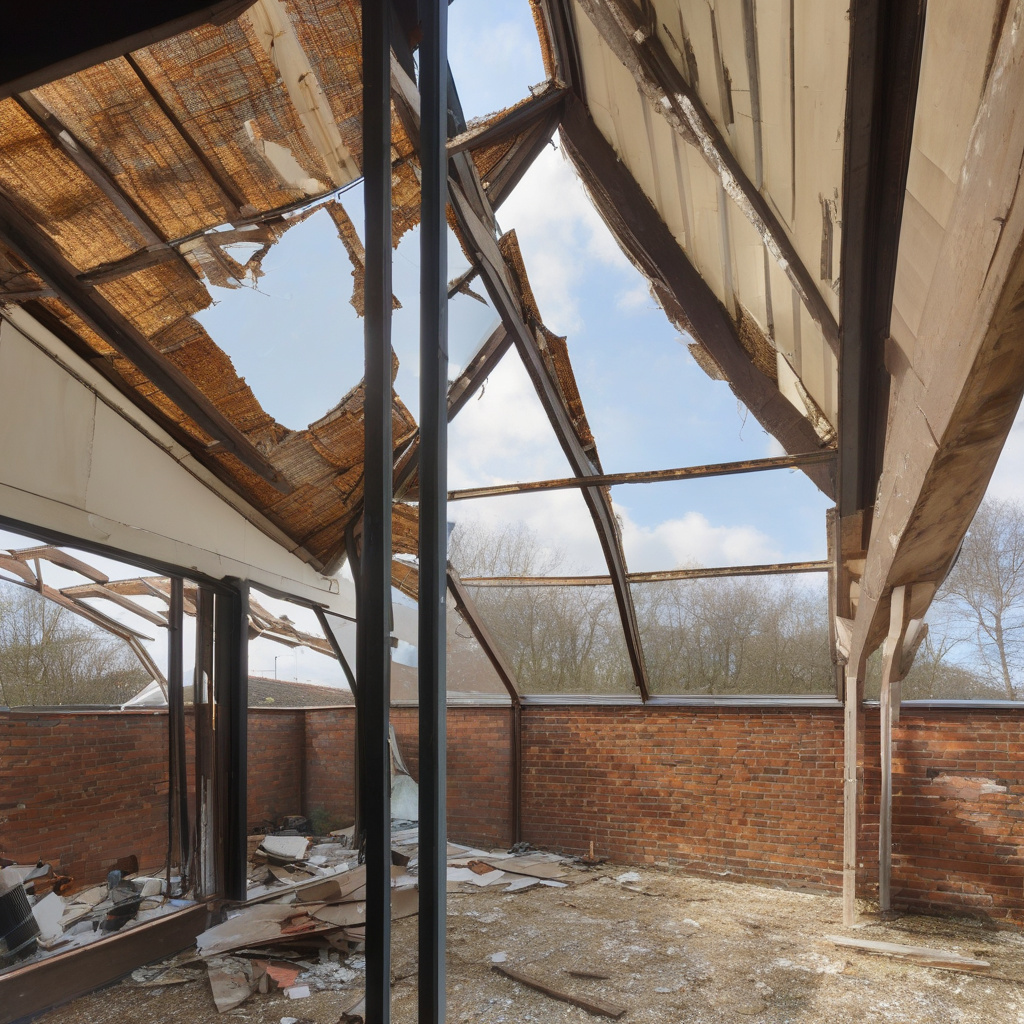
For those caught in this practical conundrum, advice leans heavily toward comprehensive roofing solutions, cementing aesthetic coherence and integrity for the long road ahead. As seen in many regions, half measures ultimately result in whole problems.
The Hidden Costs of Partial Roofing
While opting for a partial roof replacement might appear cost-effective initially, hidden expenses often lurk beneath the surface. Once you account for potential structural concerns and intensive labor, the price gap between half and full replacements narrows.
One significant consideration is material availability. Shingle colors or textures used in original installations may have been discontinued, leading to incompatibilities that can devalue property aesthetics. According to data from the National Roofing Contractors Association, over 30% of homeowners who select partial replacements report dissatisfaction within two years.
“Replacing half a roof tends to be a temporary fix,” says a roofing analyst from a prominent industry report. “It’s not just about immediate savings; it’s understanding the ultimate cost of pursuit.”
Moreover, replacement often involves additional expenses like reinforcement of existing structures, which older roofs invariably require. This can escalate the challenge from a fiscal inconvenience to a prohibitive expense, particularly for larger properties.
As repeated by numerous DIY enthusiasts, full replacements carry increased warranties and guarantees of performance. It’s an argument that finds ample support from both homeowners and professionals keen on protecting long-term value in a high-cost real estate environment like California.
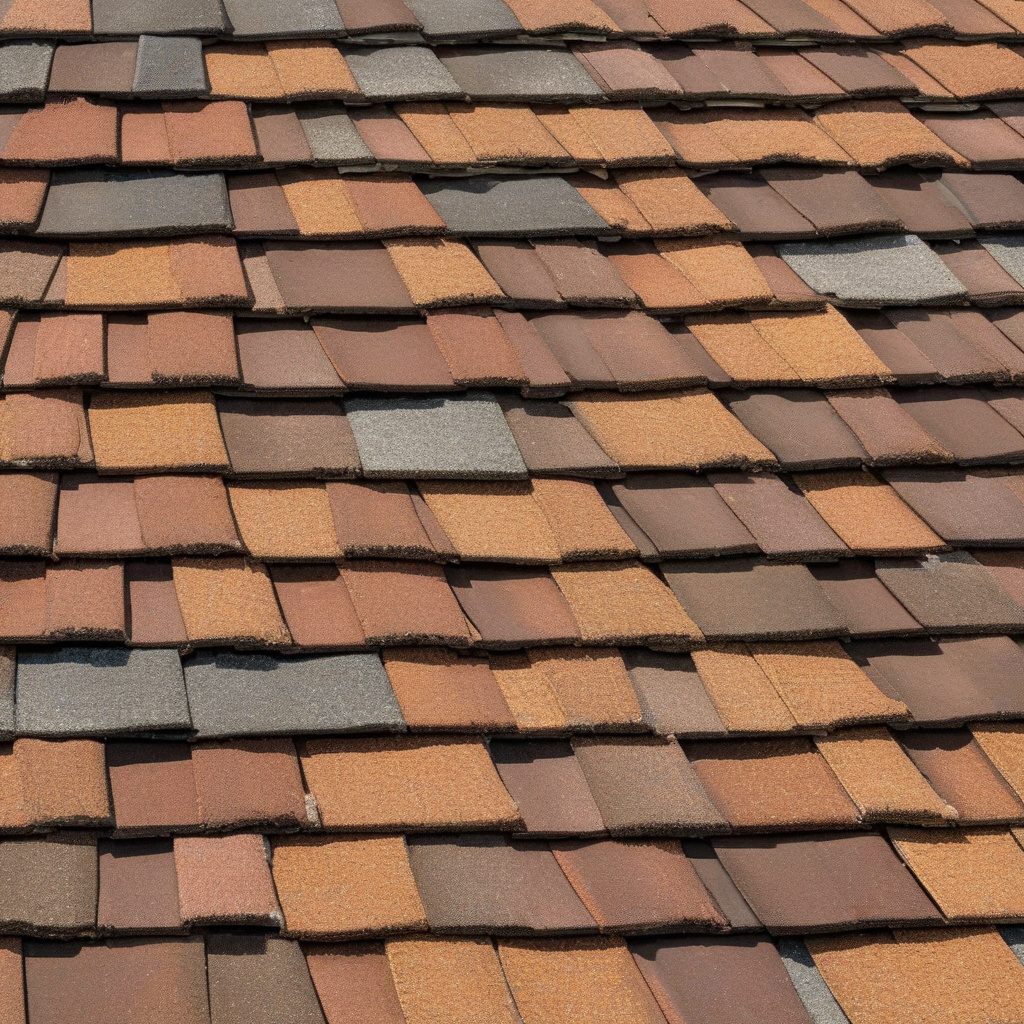
By evaluating the immediate and the latent variables tied to partial roofing, the case for comprehensive renewal shines through as a strategic long-term investment.
Evaluating Aesthetic Consistency
Few things impact a home’s exterior more than its roof, contributing not only to structural integrity but also to aesthetic appeal. Sunny Californian skies illuminate every angle, leaving mismatched roofing shingled solutions glaringly obvious.
Los Angeles residents often solicit expert consultations to ensure renovations lead to seamless results. The value of a consistently clean shingle appearance cannot be overstated, both in terms of property value and community standards.
In addition, environmental considerations play a crucial role. The longevity of roofing materials used in full replacements typically surpass that of partial reconstructions, offering both aesthetic and functional sustainability. Substandard implementations lead to a cycle of patchy repairs, diminishing overall neighborhood charm.
Industry reports indicate that 25% of homeowners express regret over aesthetic discontinuities that partial replacements don’t seamlessly address.
The fundamental wisdom here is clear: a cohesive appearance often equals cohesive value, when considering the impact on property resale potential and neighborhood prestige.
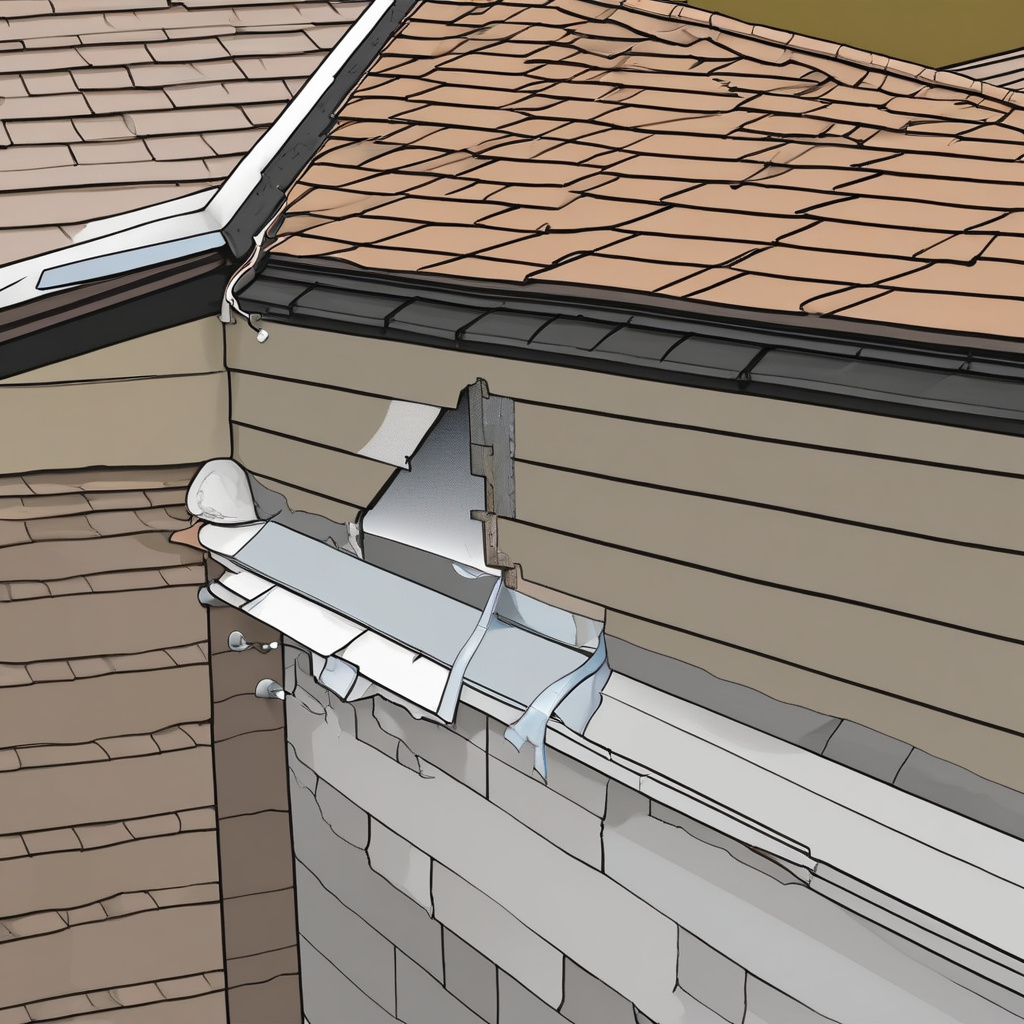
Ultimately, full restoration ensures that future maintenance needs align with both visual and structural objectives, solidifying a home’s standing within the competitive Los Angeles market.
Material Implications and Sustainability
Another major consideration is the selection of materials during any roofing endeavor. Opting for environmentally friendly choices like reflective shingles or recycled materials can dramatically alter both the upfront costs and long-term climate impact.
The environmental impact of roofing materials is increasingly scrutinized, as consumers become more eco-conscious in light of climate change. Durability and energy efficiency often take center stage in these discussions.
Statistics show a 15% increase in demand for sustainable roofing materials over the last decade, reflecting shifting priorities among homeowners.
A full replacement provides an opportunity to integrate modern materials that may not have been available during the original installation, allowing for enhanced insulation and reduced energy consumption.
This strategic approach not only contends with immediate environmental benefits but also enhances property value by meeting the ever-evolving market demands for sustainable living.
Complex Decision-Making Process
Given the immense complexities involved in roofing decisions, engaging expert consultations becomes imperative. For many, preliminary discussions with professionals reveal unforeseen challenges in adhering to budgetary goals while simultaneously maintaining standards.
Considerations such as longevity, aesthetic coherence, and environmental sustainability must all be harmonized within the budgetary constraints of every homeowner.
As demonstrated in several case studies across the Los Angeles landscape, choosing a full renovation prevents the pitfalls of aesthetic mismatches, preserving longevity and curb appeal.
Turning to reliable guides and resources can often illuminate the path to well-informed decisions. As emphasized by Los Angeles contractors, effective communication plays a crucial role in laying the groundwork for successful renovations.
Armed with comprehensive insights, homeowners can navigate the maze of roofing decisions with confidence, ensuring that their investment remains viable and robust.
Documentation and Professional Assistance
Completing a roof replacement, whether partial or full, involves a myriad of documentation. Maintaining thorough records is essential to protect your investment and ensure compliance with local regulations. The importance of proper roofing documentation in supporting future resale value and insurance requirements cannot be overstated.
From materials purchased to labor contracts, each detail reinforces the integrity of the renovation process. Failure to meticulously record these elements can pose significant complications should issues arise down the line.
Collaborating with professional roofing services that offer exhaustive documentation becomes a necessary step for most residents. It provides a safety net that guarantees the longevity and performance of renovations undertaken.
In the world of Los Angeles real estate, where every detail counts toward maintaining property value, this step often distinguishes proactive homeowners from the rest.
“Proper documentation is the golden ticket to stress-free ownership,” notes a leading real estate agent in Southern California. “Its absence speaks volumes in negotiations.”
As a final step in the roofing journey, understanding the documentation process safeguards investments, ensuring peace of mind for years to come in the vibrant Los Angeles housing market.
- Partial roof replacements can lead to mismatched aesthetics and unforeseen expenses.
- Full replacements provide long-term benefits, including better material options and warranties.
- Documentation and planning are crucial for a successful roofing project.
- Eco-friendly roofing materials are gaining popularity due to their sustainability advantages.
- Comprehensive evaluation of costs and benefits is essential for homeowners renovating in Los Angeles.
FAQ
Why might someone consider replacing only half of their roof?
In real renovation projects, a homeowner might face budget constraints propelling them to consider partial roof replacement. For instance, if a storm affects just one side of a roof, it might seem practical to replace only the damaged section. However, mismatched colors and materials can arise, impacting curb appeal and potentially affecting the roof’s structural integrity over time. Although initially cost-effective, this approach can lead to unforeseen expenses if the remaining section requires urgent repair or replacement down the line.
What are the long-term benefits of a full roof replacement?
Many experts point out that a full roof replacement ensures uniformity in both appearance and material durability. It reduces the risk of leaks because all sections are sealed together under similar conditions. An upgrade to modern materials can improve energy efficiency, especially in older California homes where insulation may be lacking. While the initial investment is higher, a full replacement eliminates the need for potential future patchwork repairs, providing peace of mind with warranties often spanning 20-30 years.
How do you choose between a partial and a full roof replacement?
Choosing between a partial and full roof replacement involves assessing the current state of your roof. Many homeowners frequently underestimate this aspect. If half your roof shows signs of wear or damage, while the other half is relatively new, balancing the cost against long-term benefits becomes essential. Consulting a local roofing professional who can evaluate any underlying structural issues would be wise. For personalized advice, consider reaching out through an expert consultation service to assess individual circumstances accurately.
What are some typical mistakes homeowners make during roof replacement?
A common mistake homeowners make is underestimating the importance of matching materials. Opting for cheaper, incompatible materials while replacing part of a roof can lead to visible mismatches and potential structural issues. In real-world remodeling scenarios, skipping a thorough inspection before replacement often leads to future repairs. It’s crucial to address any underlying problems, such as water damage or rotted wood, to ensure continued home safety and performance.
What cost considerations should be taken into account with roof replacement?
Cost is always a big factor when deciding on roof replacement options. In California, for example, material costs typically vary from $100 to $1,000 per square, influencing final expenses. Labor costs also depend on the complexity and size of the roof. It’s important to remember that while a full replacement may seem cost-prohibitive initially, the long-term benefits often outweigh the expenses. Ensuring thorough budget planning and possibly exploring financing options can help mitigate the financial burden.
What are the pros and cons of partial roof replacement?
Partial roof replacement offers immediate lower costs and targets specific areas of damage or wear, appealing for budget-conscious homeowners. However, it can lead to issues down the line, such as mismatched shingles and a compromised warranty. Notably, real-world scenarios reveal that patching up can mask existing problems, causing unexpected leaks or damage. Weighing cost savings against potential future expenses and the overall impact on property value will inform your decision.
When is the best time to replace a roof, considering weather factors?
Timing is crucial in roof replacement. While many assume summer is ideal, excessive heat can affect material adhesion. In contrast, spring and fall in California present more stable temperatures with lower rain chances, offering optimal conditions for roofing projects. Avoid peak winter when possible, as inclement weather can delay projects or compromise installation quality. Planning around seasonal patterns ensures better efficiency and material performance, saving potential rework later.
How does a full roof replacement impact a home’s resale value?
A full roof replacement significantly enhances a home’s resale value. Prospective buyers in markets like California often seek updated homes with minimal immediate expenses. A new roof adds curb appeal and signals that the home is well-maintained, potentially speeding up sales and achieving higher offers. Offering a transferable roofing warranty can further entice buyers, ensuring a return on investment when considering the replacement costs versus increased home value.