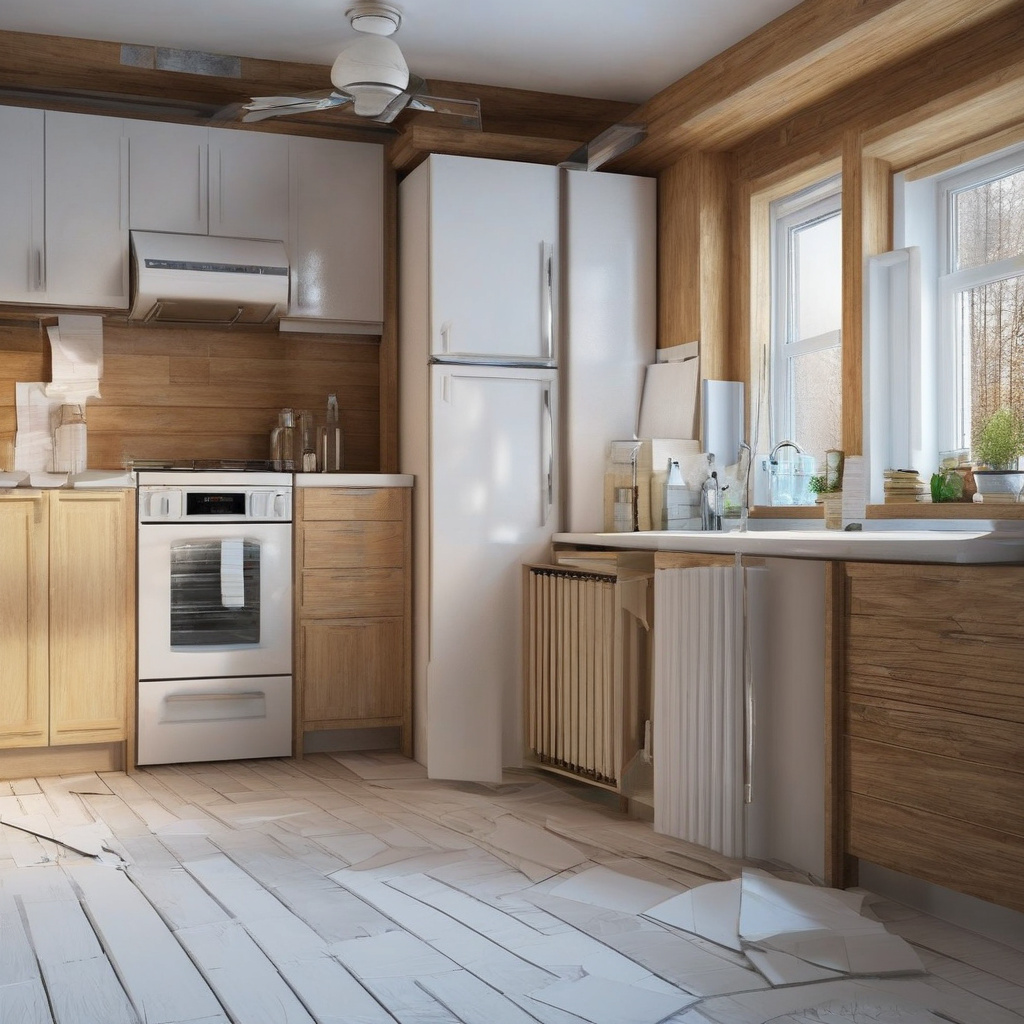
Tired of bundling up inside your own home because a corner of your house feels like an icebox? You’re not alone. Many homeowners in Los Angeles face the mysterious conundrum of cold corners. It’s more than just a seasonal nuisance; it tells a larger story about your home’s construction that demands attention. Discover the underlying causes and practical solutions that won’t just plug the problem but will transform your chilly corner into a cozy nook.
Brief summary: This article explores the common causes of freezing corners in homes, particularly focusing on issues like poor insulation and moisture intrusion. It offers various solutions ranging from construction techniques to material choices and provides insights into cost-effective measures that can be implemented in the Los Angeles area. Readers will find practical advice on how to address these problems and prevent future occurrences.
What you should know about freezing corners
A cold corner in the house is often a sign of deeper structural issues. In LA, where older homes abound, poor insulation could be the culprit. When construction materials are not up to par or improperly installed, the result is a chilling cold spot that no amount of home heating will resolve. Understanding the why is crucial in planning an effective fix.
One underlying issue could be inadequate insulation. Most often, homes that suffer from cold corners lack comprehensive insulation solutions, leaving them vulnerable to the elements. Proper insulation doesn’t just keep warmth in; it ensures that cold air stays out, maintaining a balanced indoor climate.
Another frequent cause is moisture intrusion, which can wreak havoc on the structural integrity of a home. This process might seem slow, but like a river gradually eroding a mountain, over time, it can cause significant damage. Moisture doesn’t just cool the corner; it invites mold and rot, making a bad situation worse.
Understanding these causes will help in selecting the right approach to fixing the problem. Options range from insulation upgrades to more intensive structural renovations, each with its own set of advantages. The right choice will depend largely on the specific conditions of your home and your budget.
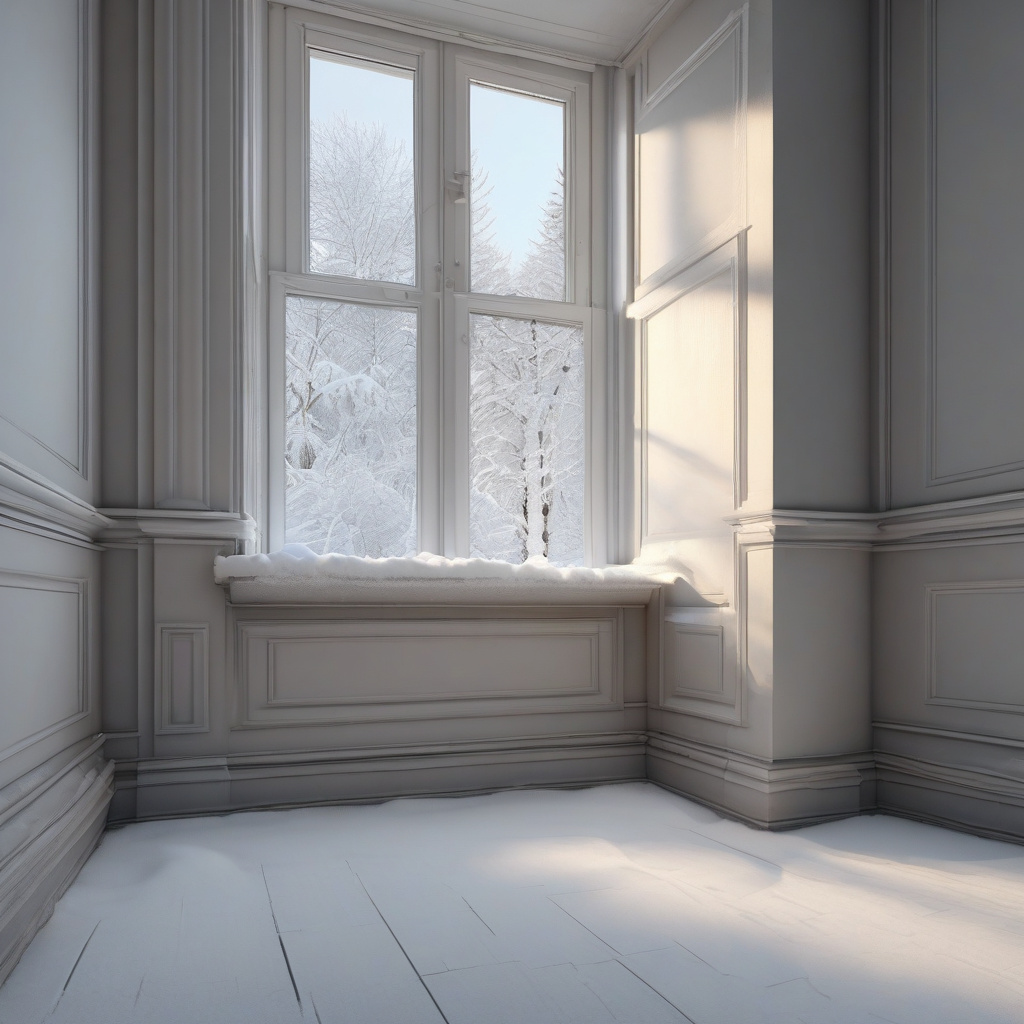
How to choose the right insulation method
When it comes to choosing insulation, not all materials are created equal. Fiberglass, cellulose, foam board, and spray foam are the usual suspects in your arsenal. Each has distinct features suited for different types of homes and environmental conditions.
Fiberglass insulation is one of the most common choices due to its cost-effectiveness and ease of installation. It’s particularly effective in attics and walls, helping to maintain an even temperature inside your home. However, its installation requires precision to avoid leaving gaps that could undermine its efficacy.
For a green alternative, cellulose insulation, which is made from recycled paper products, offers eco-friendly benefits along with decent thermal protection. Being dense, it performs well against air infiltration, making it ideal for tight spaces and older homes with quirky architecture.
Spray foam insulation, although costlier, offers unparalleled insulation efficiency. It seals gaps effectively, acts as a moisture barrier, and even structurally strengthens your walls. If budget allows, it’s an excellent investment for long-term comfort.
Fiberglass vs. Spray Foam: Which is better?
| Material | Advantages | Disadvantages |
|---|---|---|
| Fiberglass | Cost-effective, Easy to install | Prone to gaps, Less effective moisture barrier |
| Spray Foam | Excellent insulation, Moisture barrier | Higher cost |
In summary, while fiberglass is accessible for most budgets, spray foam offers comprehensive protection that could save money on heating in the long run.
When it makes sense to call in the professionals
Understanding when to DIY and when to call a professional can save both time and money. If your skills are limited to basic home repairs, it might be time to consider professional help, especially in diagnosing complex issues like structural deficiencies or moisture problems. Experienced contractors can bring nuanced solutions that DIY attempts might overlook.
Professionals also come with the added benefit of having specialized equipment and technology that detect problems invisible to the untrained eye. Thermal imaging cameras, for example, can locate temperature variations that hint at gaps or weaknesses in your home’s envelope.
Moreover, hiring experts like Los Angeles paving specialists can enhance more than just comfort. It ensures compliance with local codes and maximizes your home’s value, a crucial advantage in LA’s dynamic real estate market. For those considering resale, professional improvements offer resale value that’s hard to achieve through DIY.
While professional services do come with a cost, their amortized value often justifies the investment, providing peace of mind and durable solutions. Thus, knowing when to roll up your sleeves or make a call is crucial for your home’s long-term wellness.
Effective moisture management: A necessity, not a luxury
Moisture management goes beyond just patching and priming; it involves a holistic approach to home improvement. Installing a properly graded drainage system can prevent water accumulation near your foundation, a common precursor to basement moisture issues. This strategic landscaping measure diverts rainwater away, preserving the home’s structural integrity.
Using materials wisely
Utilizing materials that offer excellent moisture resistance is essential. These might include water-resistant plywood or treated timber for structural areas. Applying waterproofing solutions, such as exterior paints with high resistance to elements like weatherproof metal paint, can offer additional protection.
Incorporating a vapor barrier beneath flooring can also prevent moisture from seeping through and causing future problems. This is especially relevant for basement and ground-level rooms that are more susceptible to earth-bound moisture.
Research shows that inadequate moisture control can lead to structural damage over time, impacting both safety and home value.
Conclusively, moisture management extends the longevity of a home and maintains ambient comfort, turning this from an optional to an essential part of home improvement.
How to address your specific cold corner issues
Uneven thermal profiles in older homes often feature a perplexing cold corner dilemma. Since no two homes are the same, neither are their solutions. Inspection is key; start from the outside by looking at roofing and siding conditions. Interior assessments should focus on wall assemblies and window seals.
A practical first step may involve auditing existing insulation through a professional lens. A comprehensive audit will reveal specific problem areas that might require targeted interventions. This approach provides a roadmap for resolving inefficiencies without redundant spending.
Once problem areas are identified, the next stage involves selecting suitable materials. Structural drawings, as seen in pre-made frame house plans, can offer insights into potential modifications and fixes, providing a stepwise blueprint for transformation.
Structural fixes could involve retrofitting with more efficient materials, re-sealing vulnerable areas, or even revisiting the original design to incorporate modern architectural principles. As many local homeowners observe, adapting newer, tested solutions can both address and prevent these common issues.
“In Los Angeles, where old meets new daily, harmonizing tradition with innovation is paramount for sustained comfort and value,” an LA architect advises.
In summary, addressing cold corners involves a blend of diagnostic examinations, material adjustments, and insightful renovations specific to the house’s unique quirks.
Final thought: The intersection of aesthetics and function
Balancing aesthetic value with functional upgrades is an art form. Los Angeles homeowners are acutely aware of this delicate dance. While thermal efficiency might not sound chic, leveraging this knowledge for smart, beautiful upgrades can yield spectacular results.
Consider sleek, modern materials that insulate as well as amplify your interior’s style. Transitioning to energy-efficient designs can integrate seamlessly with aesthetically pleasing ones without compromising architectural goals.
As often happens during paving projects, thoughtful planning allows for both form and function. Opt for designs that enhance curb appeal while solidifying the home’s defensive barriers against the cold.
The opportunity resides not just in fixing what’s broken but in rejuvenating your home comprehensively. This fusion of form and function often sees homeowners investing in both tangible comfort and intangible charm that Los Angeles living demands.
Statistics highlight that homes with a higher performance insulation rating sell faster in competitive markets.
Ultimately, viewing your house as both an investment and a sanctuary will guide its evolution, ensuring it stands robust against time and the elements.
- Freezing corners indicate deeper architectural issues needing immediate attention.
- Understanding material choices improves insulation efficiency and comfort.
- Professional guidance often ensures compliance and maximizes home value.
- Moisture management is a critical, not optional, part of home maintenance.
- Solutions should marry aesthetics with function to enhance overall home vitality.
FAQ
What causes a corner in my house to freeze?
Freezing corners in a house are often linked to inadequate insulation, especially in older homes or those with poorly insulated external walls. The cold air seeps through structural weaknesses, such as gaps in the insulation or improperly sealed windows, leading to a drop in temperature at the corners. In real renovation projects, experts frequently find that thermal bridging plays a significant role. This occurs where heat is more easily conducted through junctions like wall-to-wall interfaces, leading to localized cold spots. Identifying these weak points during a renovation can prevent freezing.
How can I effectively solve the problem of freezing corners?
A practical solution involves adding or upgrading insulation to enhance thermal resistance. Many experts recommend using spray foam insulation for its superior sealing capabilities. Another effective approach is installing thermal wallpaper, which adds another insulating layer. In real home updates, sealing drafts around windows with high-quality caulk or weather stripping is a simple yet effective measure. Consider consulting with a renovation professional who can assess your home’s unique situation and provide tailored advice. For personalized assistance, you might want to reach out for expert consultation.
What are the pros and cons of using thermal wallpaper for cold corners?
Thermal wallpaper is a practical and aesthetically pleasing option for minor cold issues. Its primary advantage lies in its dual function: insulating and decorative properties. Many homeowners appreciate its ease of application and immediate improvement in comfort. However, it’s crucial to recognize its limitations. While it adds a layer of warmth, it might not be sufficient for severe cold spots or provide as much insulation as other methods, such as foam board. Homeowners frequently underestimate how severe the underlying issues can be, so expert guidance is recommended when considering it.
How does climate affect the risk of a corner freezing in my home?
Climate plays a significant role in the likelihood of freezing corners. In regions like California with moderate coastal climates, the risk is generally lower compared to areas with harsh winters. However, poorly insulated homes, especially those older or with unique architectural designs, can still experience issues. For example, single-family homes that have undergone piecemeal renovations often have inconsistent insulation, which can lead to localized cold spots irrespective of the overall climate. Evaluating your home’s insulation needs in relation to regional climate is a crucial step to addressing this concern.
Are there any drawbacks to adding insulation to solve freezing issues?
While adding insulation is an effective remedy, there are considerations to account for. One potential drawback is the initial cost, especially if substantial work is needed in older homes. There’s also the risk of moisture being trapped if insulation isn’t installed properly, leading to mold issues down the line. In real renovation scenarios, ensuring that insulation materials are breathable or addressing any pre-existing moisture problems can mitigate such risks. Typically, the long-term benefits of energy savings and increased comfort outweigh the initial investment, but informed planning is vital.
What common mistakes should homeowners avoid when addressing freezing corners?
One common mistake is neglecting to address root causes, such as poor insulation or drafts, and instead opting for temporary fixes like space heaters. Many homeowners also overlook the importance of regular maintenance like checking for drafty areas or inspecting seals and weather stripping. In renovation practice, it’s often observed that investing in a thorough evaluation by experts can prevent such oversights. Overlooking structural problems, such as inadequate vapor barriers, can also complicate insulation efforts, so a comprehensive plan is crucial.
What cost considerations are there for preventing freezing corners?
The cost of addressing freezing corners can vary widely based on the chosen solution and extent of the problem. Simple DIY tasks such as sealing drafts might cost a few hundred dollars, while major insulation work could run into thousands. In real construction scenarios, newer homes may be less costly to upgrade due to modern building codes requiring better insulation standards. However, older properties may require extensive work, impacting budgets. Many experts highlight that while upfront costs can be high, energy savings, improved comfort, and increased property value provide substantial long-term returns.
Does sealing windows help prevent cold corners?
Sealing windows can significantly contribute to resolving freezing corners. Gaps around windows are notorious for letting in cold air, making corners more susceptible to dropping temperatures. Many experts point out that using high-quality weather stripping and caulk is an effective, low-cost measure. In real renovation stories, homeowners often note immediate improvements in comfort and energy efficiency after addressing window and door seals. However, sealing alone might not suffice if underlying insulation issues remain unchecked, so it’s beneficial to incorporate sealing as part of a comprehensive insulation strategy.