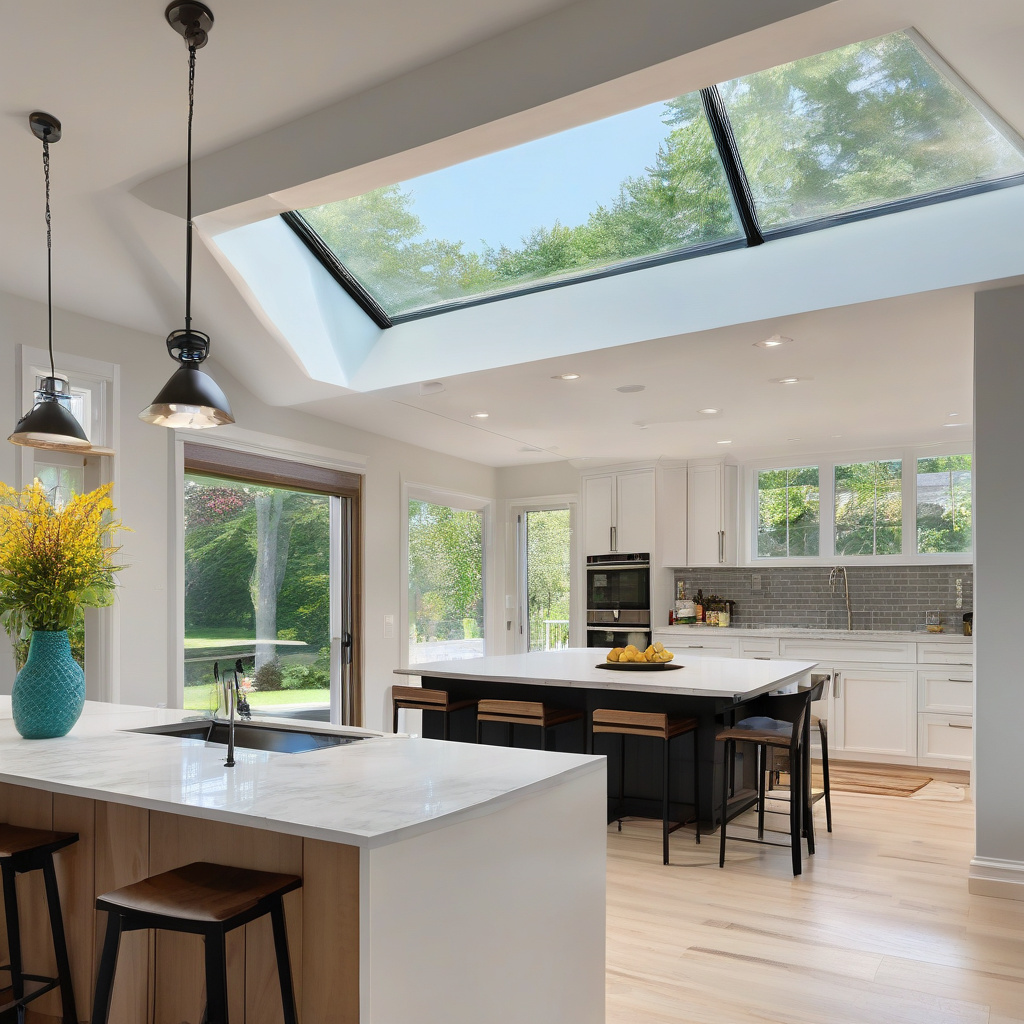
Kitchen renovations have become a pivotal point for many Southern California homeowners, especially when considering the strategic reconfiguration of windows and doors. As Los Angeles continues to evolve, residents increasingly seek to maximize natural light, improve ventilation, and optimize space to reflect their unique lifestyle needs. It’s more than just making a room prettier; it’s about enhancing functionality without compromising on aesthetics. In fact, many modern homeowners prioritize thoughtful kitchen remodeling to improve both comfort and value.
Brief summary: This article delves into the growing trend of reconfiguring windows and doors during kitchen renovations in Los Angeles, highlighting benefits like enhanced light and ventilation. It explores structural considerations, homeowner experiences, and practical design advice, offering insights into modern renovation trends and challenges.
Understanding the Motivation Behind Reconfiguring
There’s an undeniable allure to natural light that many homeowners find irresistible. In Los Angeles, where sunshine is plentiful but not always perfectly captured indoors, the focus on reconfiguring kitchen windows takes center stage. The goal is straightforward: maximize exterior views while infusing interiors with as much sunlight as possible. This isn’t just a whimsical design choice—it’s a practical one that increases indoor serenity and productivity.
Alongside aesthetic improvements, ventilation plays a crucial role in modern kitchen designs. Many renovators focus on enhancing airflow, which is paramount in a room often filled with cooking aromas and steam. A strategic window or door placement can transform a stagnant space into a fresh and inviting area.
Moreover, the layout of windows and doors can significantly impact traffic flow within the kitchen, a feature especially vital for larger family gatherings or for those who enjoy entertaining. Efficient routing adds to the convenience and functionality of the space, seamlessly blending style with utility.
The structural and permit constraints of Los Angeles homes present specific challenges. Many homeowners must navigate a complex web of city regulations, making professional guidance essential. This balance of architectural ambition and legal compliance is where expert remodelers shine.
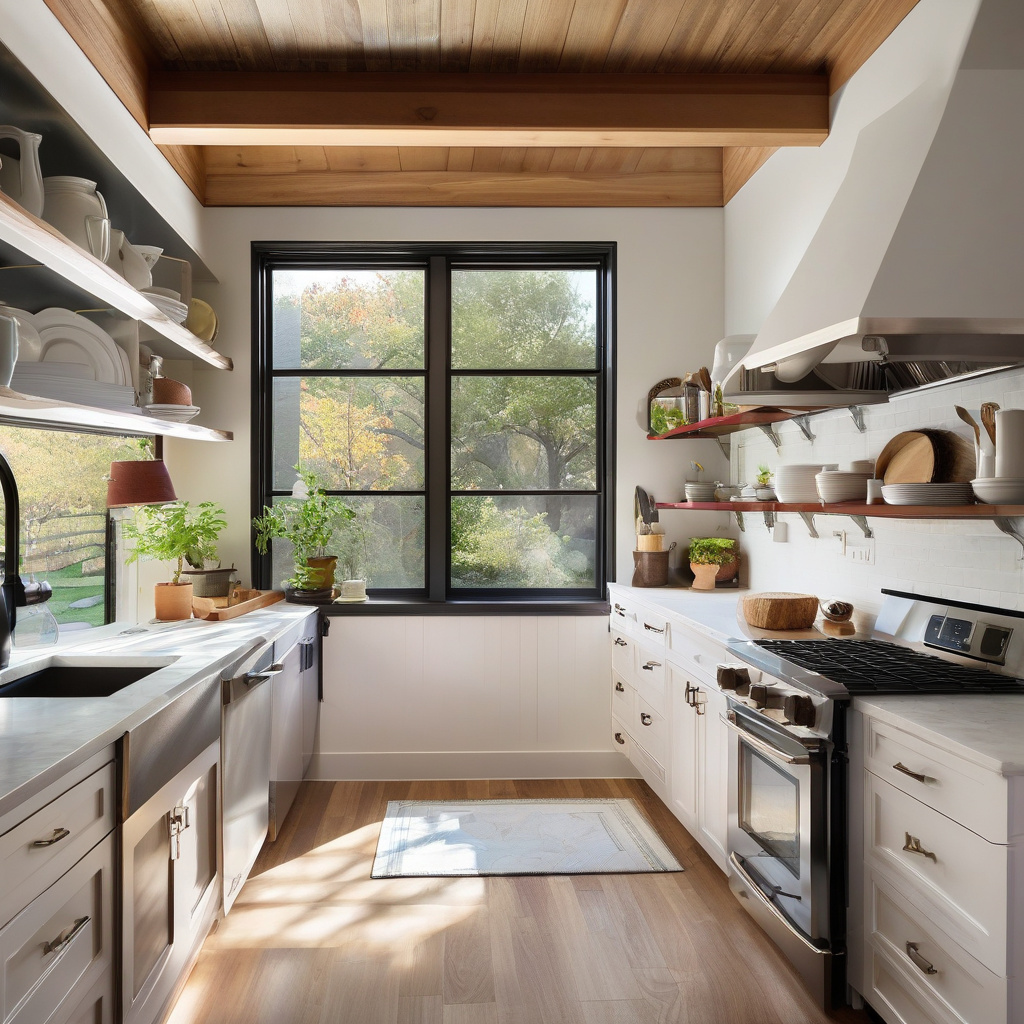
Ultimately, understanding these motivations helps guide renovations that strike a balance between aspiration and regulation. A successful project reflects both the homeowner’s dreams and the practical realities of construction and design.
The Cost-Benefit Analysis of Kitchen Reconfigurations
Renovating a kitchen by redoing windows and doors isn’t without financial implications. Yet, when weighing costs against benefits, the financial burdens often justify themselves. On average, homeowners in Southern California might spend between $15,000 to $30,000 on such projects. Yet, this investment frequently translates into substantial returns in terms of home value and personal enjoyment.
The materials chosen for these changes significantly impact costs. Opting for energy-efficient glazing, for instance, can offer long-term savings on utility bills but comes with a higher upfront cost. Similarly, custom-built windows or doors, while beautiful and tailored, may inflate the budget even further.
Time is another key factor in these renovations. In a city as bustling as Los Angeles, understanding the timeline for such projects helps manage expectations. Typically, a comprehensive reconfiguration can take from four to eight weeks, factoring in design, permits, and construction.
Despite these costs and timeline concerns, the appeal of a beautifully lit, ventilated, and functionally superior kitchen often trumps initial hesitations. As one local contractor notes, “It’s about transforming how people live in their homes. The right lighting and layout can completely change a person’s daily experience.” A win today could easily translate into financial gain tomorrow.
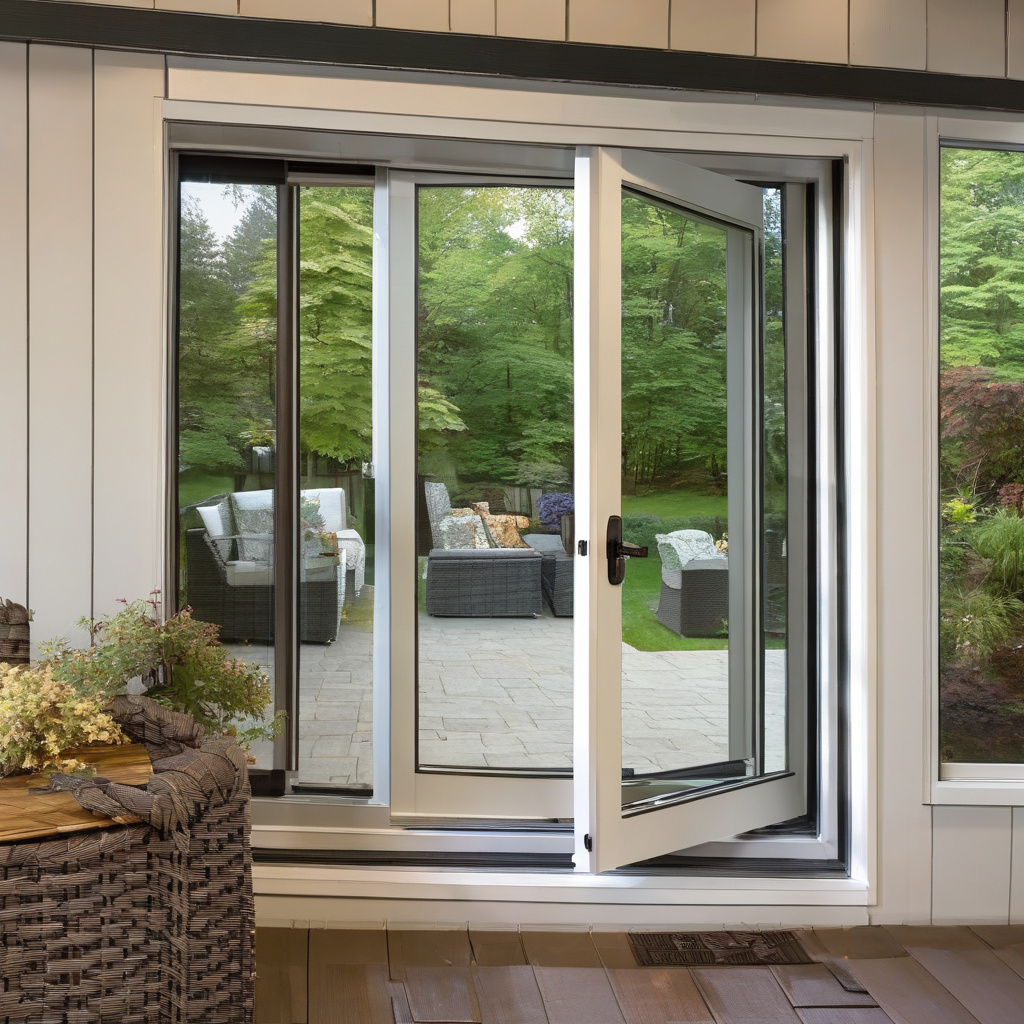
“Installing energy-efficient fixtures during renovations can lead to energy savings of up to 20% annually for homeowners.” — Energy Performance Institute
Design Decisions: Balancing Aesthetics with Functionality
As the saying goes, the devil is in the details, and this rings especially true when it comes to kitchen design. The decision-making process involves an intricate dance between what looks good and what functions well. Here, the architectural layout becomes paramount, especially for those considering multigenerational kitchen design solutions that need to cater to diverse age groups and lifestyle needs.
A well-thought-out layout harmonizes how light and people move within the space. It’s not just about installing larger windows or adding French doors—it’s about how these elements integrate to form a useful and inviting environment.
Structural integrity should not be compromised for aesthetics. Many locally sourced materials offer the best of both worlds, providing beauty and strength. It’s about making choices that cater to the present while preparing for the future.
Another key consideration is safety; reconfigurations should never impede evacuation routes or violate building codes. Professional advice often saves homeowners from costly mistakes that could negate the benefits of a well-lit and airy kitchen space.
In the end, form and function should complement rather than compete. Successful renovations balance these two elements, resulting in transformed spaces that serve the needs of their inhabitants while looking aesthetically pleasing.
The Practical Guide to Kitchen Reconfiguration
Reconfiguring kitchen windows and doors can appear daunting, yet dividing the process into manageable steps can simplify even the most complex project. Here’s how homeowners can embark on this transformative journey.
Step 1: Vision and Planning
Homeowners should begin by envisioning their ideal kitchen, taking note of natural light sources and potential airflow improvements. Consulting with a professional designer can refine these ideas into a functional plan.
Step 2: Budget and Materials
Understanding financial limitations is crucial. Using quality materials is essential; however, budget-friendly options shouldn’t be overlooked. For safety, consulting resources such as designing a child-safe kitchen can add layers of practicality to aesthetic choices.
Step 3: Execution and Oversight
Once plans are finalized, hiring a reputable contractor ensures that the work aligns with Los Angeles’s strict building codes. It’s vital to maintain open communication throughout the project to tackle any issues promptly.
According to Remodeling Magazine, a midrange kitchen remodel yields a 54-77% return on investment upon resale, making it a solid financial choice for Southern California homeowners.
With these steps, homeowners can tackle kitchen reconfigurations with confidence, knowing they have a robust roadmap to guide them through both straightforward and complex challenges.
Comparing Renovation Options: Costs vs. Benefits
Renovating a kitchen requires careful consideration of various options. Whether it’s choosing between different materials or deciding on timelines, each choice can dramatically affect the outcome and overall satisfaction. Here’s a quick comparison of some popular renovation elements:
| Renovation Element | Cost | Benefits | Drawbacks |
|---|---|---|---|
| Energy-Efficient Windows | High | Reduces utility costs, environmentally friendly | Significant initial investment |
| French Doors | Moderate | Enhances aesthetic appeal, improves access | May require space for swing |
| Skylights | Varies | Maximizes daylight, visually enlarges room | Potential energy loss, requires roof modifications |
Incorporating these elements shouldn’t be seen merely as expenses. When properly integrated, they function as investments in lifestyle enhancement and future economic returns. Balance and foresight guide successful renovations.
Reflecting on the Renovation Journey
The journey of reconfiguring kitchen windows and doors in Los Angeles homes is as much about embracing the future as it is about honoring the past. The dynamic trends in modern American living are driving the way kitchens evolve. Rethinking space usage aligns with a broad cultural shift towards sustainability and efficient home design.
As many homeowners have discovered, the perfect kitchen thrives on blending innovative design with practical choices. Staying informed on durable materials, like the use of long-lasting kitchen paint options, offers an edge in maintaining beauty alongside use. Ensuring these solutions are integrated seamlessly into the home requires diligence, creativity, and sometimes a touch of good old-fashioned know-how.
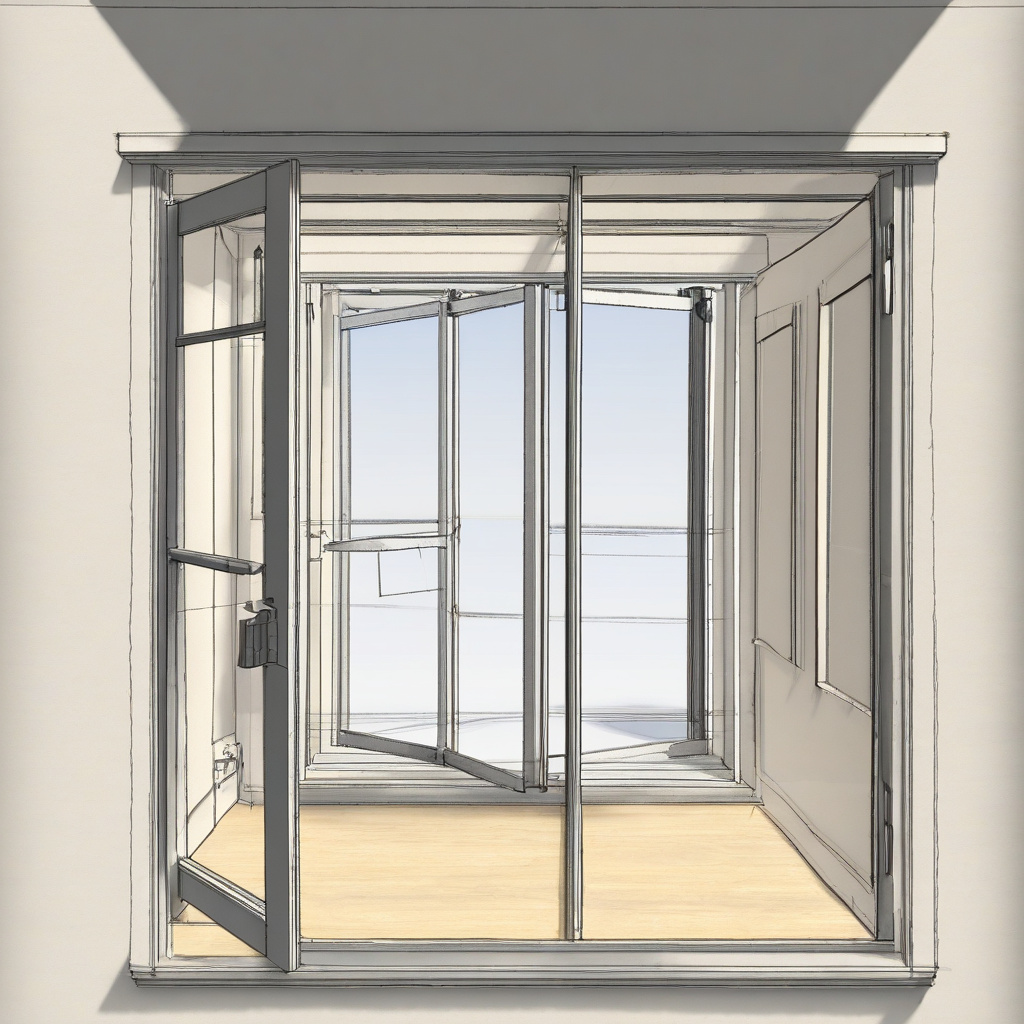
“Homes with redesigned kitchens have shown to sell 20% faster and at higher prices compared to those without.” — Southern California Real Estate Journal
As many satisfied Southern California residents can attest, the right touches in your kitchen bring more than sheer aesthetic pleasure; they cement the home as a dynamic, changeless entity adaptable for years to come.
- Kitchen renovations enhance light and space efficiency.
- Strategic window and door designs can uplift home value.
- Cost versus benefit decisions are central to planning.
- Public interest drives innovative renovation techniques.
- Long-term homeowner satisfaction is a key measure of success.
“`html
FAQ
What does reconfiguring windows and doors entail in a kitchen renovation?
Reconfiguring windows and doors during a kitchen renovation typically involves altering the layout, size, or style to enhance light, ventilation, and the flow of traffic. In real renovation projects, this often means expanding window sizes to allow more natural sunlight into the space, or repositioning doors to create a more intuitive movement through the home. Structural constraints and permit requirements are crucial considerations, as they can limit style choices and placement options. Homeowners frequently ask contractors to incorporate energy-efficient windows or doors that complement the aesthetic of modern or traditional kitchen designs. Understanding these basics helps to avoid common pitfalls such as permitting delays or structural miscalculations.
How should homeowners choose new kitchen window styles?
Choosing the right window style involves balancing aesthetics with practical needs. In real homes, you’ll often find casement windows in kitchens due to their simple design and easy operation. Many experts point out that the local climate plays a significant role in deciding on the best window type. For example, homes in areas with cooler temperatures might benefit from double-glazed windows for better insulation, whereas in warmer climates, homeowners might prioritize styles that improve cross-ventilation. It’s essential to align your choices with both your design preferences and functional needs to make an informed decision that enhances your space.
When does it make sense to reconfigure doors during a remodel?
Reconfiguring doors is particularly sensible when current placements hinder accessibility or disrupt the kitchen’s workflow. Older properties often have awkward layouts that don’t suit modern living, making reconfiguration highly beneficial. For example, a kitchen with a back door that opens directly into a food prep area might cause disruption. Many remodeling experts suggest repositioning or resizing such doors to achieve a smoother flow between rooms. Evaluating your daily kitchen usage can reveal such improvements, helping you determine whether moving or altering doors will genuinely enhance functionality.
What are the common mistakes homeowners make when altering windows?
A frequent mistake involves neglecting to consider structural implications, such as load-bearing walls. In real renovation projects, addressing stability is paramount; failing to do so can lead to safety issues and costly repairs. Another oversight is the lack of planning for permit processes, which can delay projects significantly. Homeowners might imagine that altering windows is straightforward, but without proper approvals, they may face fines or forced restoration. It’s essential to engage with experienced renovation professionals early, who can navigate the complexities of design limitations, regulatory compliance, and overall project feasibility. For extensive projects, seeking expert advice through resources like consulting experienced renovation consultants can prevent these costly missteps.
What are the cost considerations for reconfiguring kitchen windows and doors?
The costs associated with reconfiguring windows and doors can vary widely based on the project’s scope and the materials chosen. For instance, enlarging a window requires lintel adjustments, which entails higher structural costs. Similarly, specialty windows, such as custom or energy-efficient models, add to the expenses. Door reconfiguration might involve reworking nearby cabinetry or rerouting electrical wiring, each adding to the overall budget. In real-world renovations, it’s observed that homeowners often underestimate these complexities and associated costs, leading to budget overruns. Thus, detailed planning and consultation with a budget-conscious contractor are critical to keeping expenses in check.
What are the pros and cons of reconfiguring kitchen windows?
Reconfiguring kitchen windows can dramatically change the ambiance and functionality of the space. On the positive side, larger windows can flood the kitchen with natural light, creating an inviting atmosphere and making small spaces feel larger. They also improve ventilation, crucial for odor and moisture control. However, larger windows present energy efficiency challenges and might require additional shading solutions. There’s also the risk of compromising privacy, which can be an issue in densely populated areas. In California, many homeowners find that using strategic landscaping or window treatments helps balance these pros and cons effectively.
What installation specifics should homeowners be aware of when remodeling kitchen doors?
Installing new kitchen doors during a remodel demands attention to both aesthetics and function. Homeowners should check that the doors align with the overall kitchen style—whether contemporary or traditional. It’s also crucial to consider the directional swing of the door and how it interacts with the space. A door that opens into essential work areas can obstruct cooking activities. One practical tip from renovation veterans is to opt for sliding or pocket doors in tight spaces, offering sleek solutions without compromising access. Additionally, ensure materials and finishes are durable enough to withstand kitchen wear and tear, such as heat and humidity.
How does respecting structural and permit constraints affect the renovation?
Structural and permit constraints play a pivotal role in kitchen renovations. In renovations encountered by many homeowners, unresolved permit and structural issues can lead to project delays and increased costs. Structural integrity is paramount; altering or removing load-bearing elements without proper reinforcement can endanger the entire dwelling. Permits ensure renovations meet safety codes, helping to protect both residents and the property’s value. Ignoring these constraints can result in fines or mandatory modifications after project completion. Always engage with knowledgeable architects or contractors familiar with local regulations; their insights are invaluable in maintaining compliance and ensuring smooth project execution from start to finish.
“`