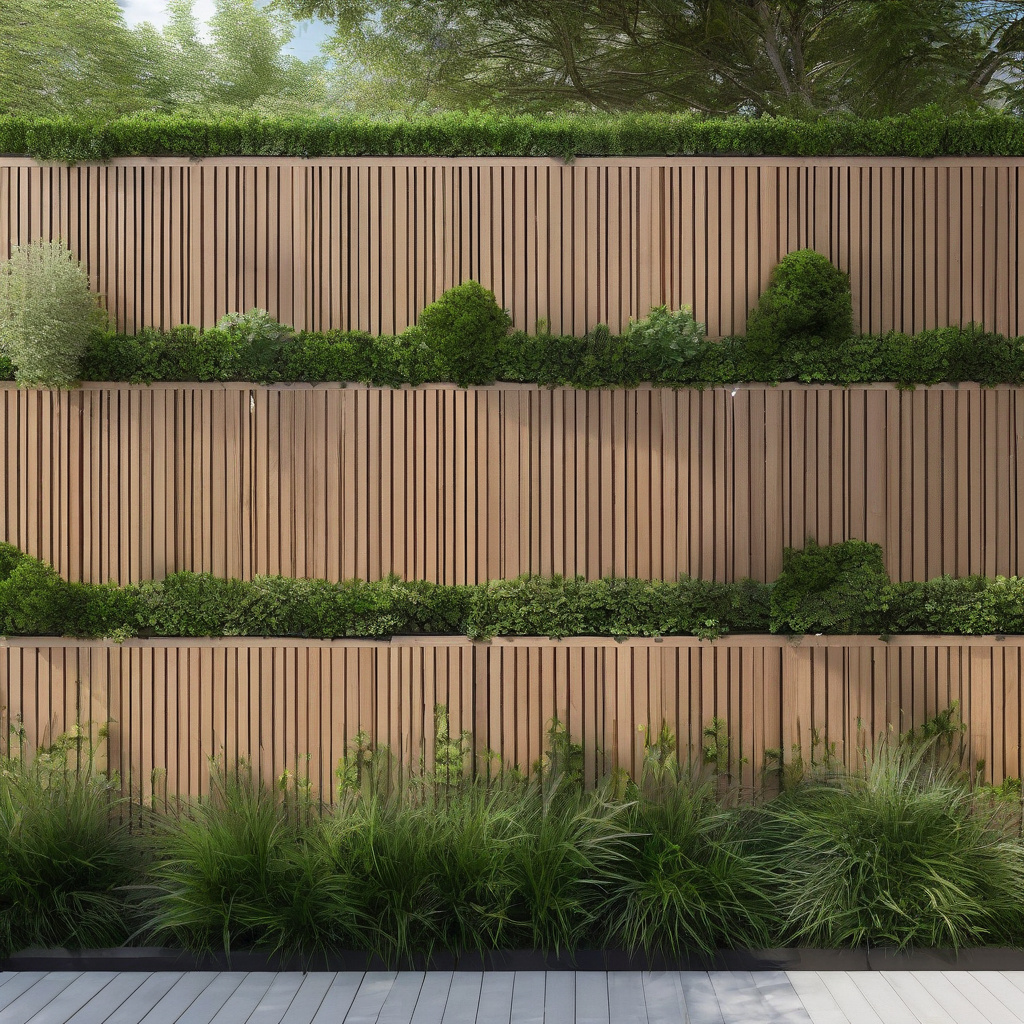
In the bustling neighborhoods of Los Angeles, patios are more than just a backyard feature—they’re a sanctuary from the relentless hum of city life. Yet, this outdoor peace is often disrupted by the cacophony of traffic noise. As urban dwellers seek solace within their own confines, innovative sound-screening solutions have emerged as the heroes of modern renovation. From dense plantings to the strategic placement of acoustic panels and fences, there’s a concerted effort to reclaim the tranquility of outdoor spaces.
Brief summary: The article explores various sound-screening solutions for patios in urban environments, focusing on strategies like dense planting, acoustic panels, and angled fencing to mitigate traffic noise. It discusses cost, materials, and real homeowner experiences in Los Angeles, offering practical and aesthetic guidance for creating serene outdoor spaces.
Embracing Green Barriers: The Natural Approach
In an age where technology virtually dictates every aspect of our lives, the return to nature as a solution is both charming and effective. Homeowners in Los Angeles have increasingly turned to lush plantings as their first line of defense against noise pollution. Green screens, as they’re fondly referred to, utilize dense foliage from trees, shrubs, and climbing plants to absorb and deflect sound waves.
Imagine sitting on your patio, surrounded by the vibrant greenery of thoughtfully curated plant species, each contributing not only to the visual appeal but also the tranquil quietude. The effectiveness of plants as noise deterrents depends largely on density and species selection. Broadleaf evergreens and bamboos are particularly favored for their rapid growth and formidable height, offering both aesthetics and function.
In addition to noise reduction, these natural barriers bring other benefits. They improve air quality, enhance privacy, and contribute to the overall ecosystem by attracting local fauna. As many local homeowners have noticed, the presence of bird song often drowns out the dull roar of traffic, adding to the charm of these green retreats.
For those willing to invest in a little outdoor effort, the advantages are manifold. Apart from noise reduction, an investment in plantings can transform an outdoor space into a private Eden, increase property value, and contribute to sustainability efforts. When weighed against the cost and time commitment, the rewards are profoundly tangible.
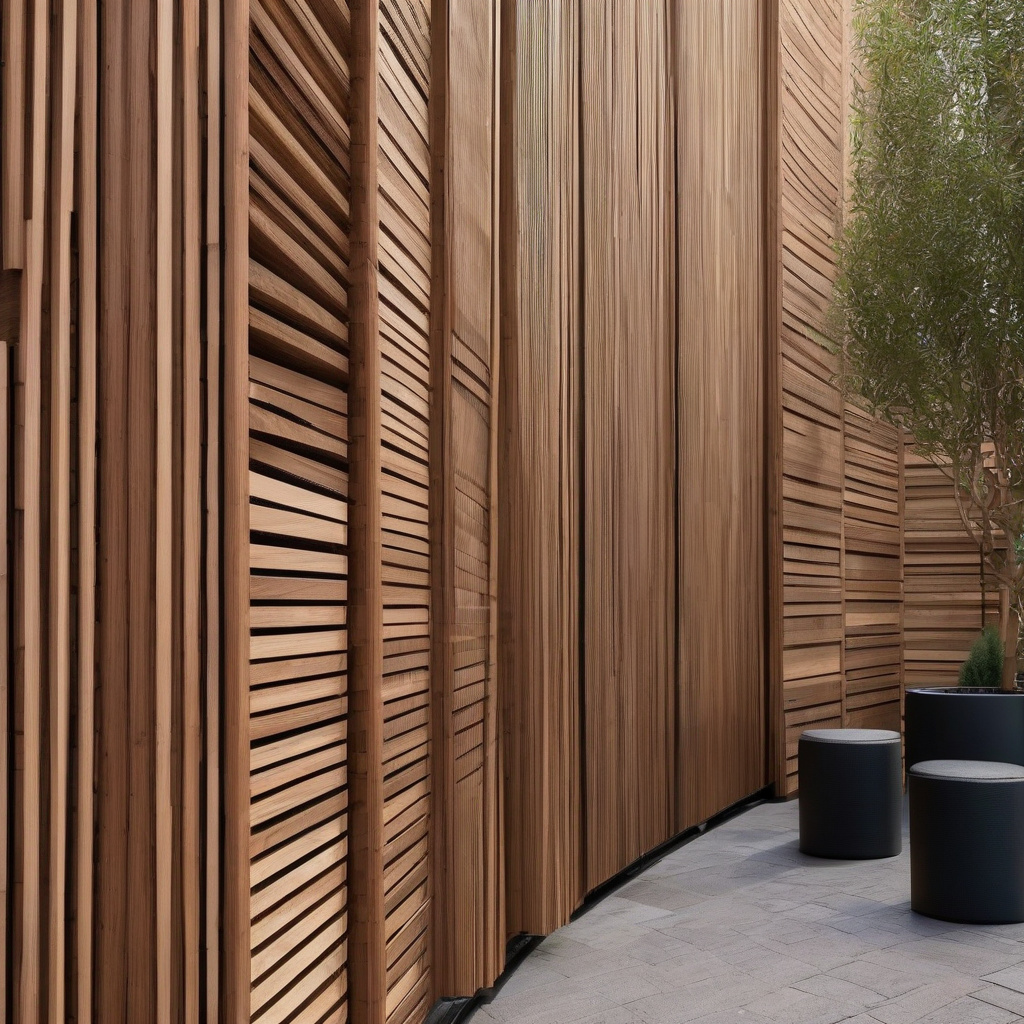
According to a study by the University of Southern California, integrating greenery in urban spaces reduces noise pollution by up to 6 decibels.
Acoustic Panels: High-Tech Meets Home
As some homeowners are finding, when nature requires a high-tech helping hand, acoustic panels offer a sleek and effective solution. Engineered to absorb sound, these panels can be installed unobtrusively around patios, seamlessly blending into the existing decor. Unlike traditional barriers, acoustic panels are specifically designed to target the frequency and volume of urban noises.
Positioned strategically, they can dramatically reduce noise levels, making conversations and relaxation possible despite a location’s proximity to busy roads. Homeowners have a range of options from which to choose, ensuring that these installations not only match their aesthetic aspirations but also their budgetary constraints.
Acoustic panels come in various forms and finishes, from the more industrial-looking straight panels to artistically rendered modular systems that double as design statements. The results are as much about creating a peaceful sanctuary as they are about making an indelible mark on one’s outdoor aesthetics.
The versatile nature of acoustic panels allows them to be customized in terms of size, shape, and texture, which means they can be tailored to fit the most unconventional spaces. Thus, they offer an evolved approach to patio soundproofing, providing a long-lasting solution that pairs functionality with style.
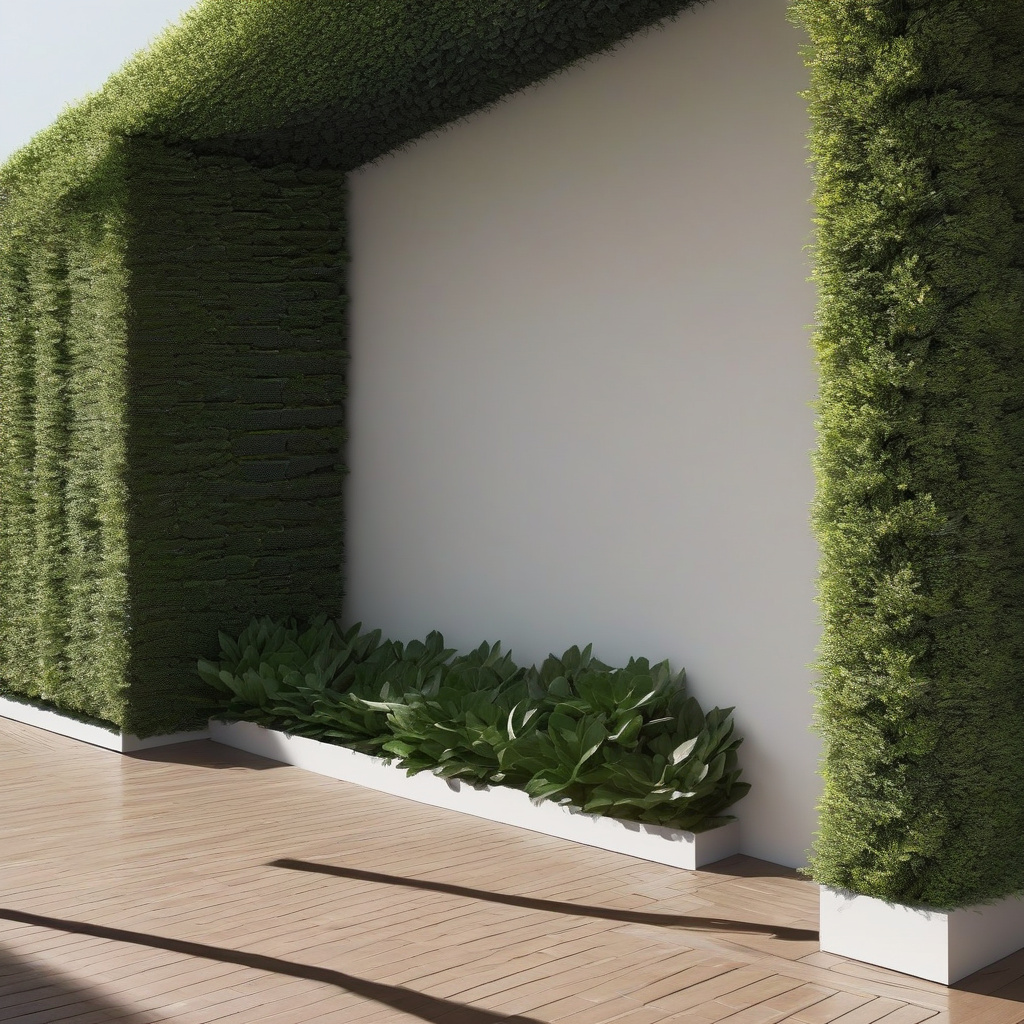
Ultimately, while this investment may initially seem steep, the enduring tranquility and privacy it brings justify the expense. And for those on a tighter budget but undeterred in their pursuit of peace, DIY acoustic panel kits provide an affordable and rewarding alternative.
Angled Fences: Crafting Quieter Spaces
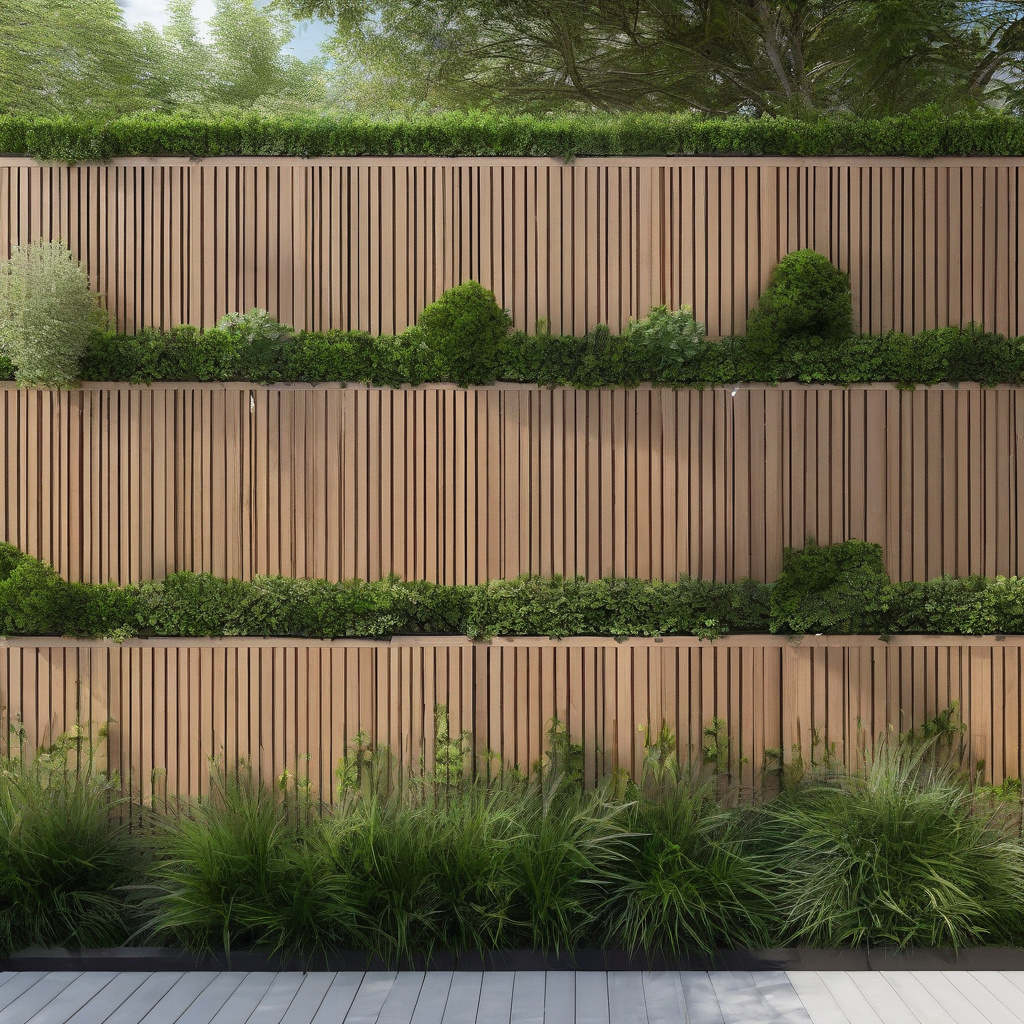
Often overlooked, the simple fence has undergone a renaissance in its purpose and design. Angled fences, a modern twist on an age-old concept, are quickly becoming a staple in sound-screening efforts. These structures are meticulously constructed to redirect sound waves, lessening their impact and preserving the serenity of patios.
By angling fences, homeowners can better manage both the direction and speed of sound travel, diverting noise away from their cherished outdoor locales. This practical yet innovative approach has gained traction among designers and architects looking to maximize the utility of outdoor spaces without compromising on aesthetics.
Angled fences can be implemented using a variety of materials, from classic wood to cutting-edge composites, each offering diversified options concerning aesthetics and maintenance demands. Furthermore, these fences can integrate additional noise-reducing features, such as soundproof paint and more densely packed fencing materials.
Their adaptability means they can be tailored to fit the unique challenges and opportunities each property presents. Whether homeowners are adapting an existing structure or initiating a new build, angled fences provide a versatile, low-maintenance option that complements other sound-screening methods.

James McCarthy, a leading landscape architect in California, notes, “Angled fences are redefining the boundaries of residential acoustic design, marrying form and function in unprecedented ways.”
Minimizing Noise, Maximizing Enjoyment
At the heart of these innovations is a commitment to transforming urban living spaces into havens of peace. The beauty of angled fences lies in their ability to harmonize with existing landscapes, marrying beauty and utility in ways few soundproofing solutions can. Whether it’s the crisp lines and modernity of metal or the warmth and tradition of wood, these fences are a testament to thoughtful design.
Comparing Sound-Screening Solutions
Given the array of options, it’s useful to juxtapose the main sound-screening approaches for patios, especially when considering cost, materials, ease of installation, and maintenance. Here’s a simple comparison to keep in mind:
| Solution | Cost | Materials | Ease of Installation | Maintenance |
|---|---|---|---|---|
| Green Barriers | Medium to High | Plants, Soil | Moderate | Medium |
| Acoustic Panels | High | Metal, Foam | Challenging | Low |
| Angled Fences | Medium | Wood, Composite | Moderate | Low |
Each approach offers distinct advantages, and the choice often comes down to balancing financial investment with long-term benefits. While green barriers might demand more initial care, their long-term advantages in air quality and aesthetic value could outweigh the maintenance.
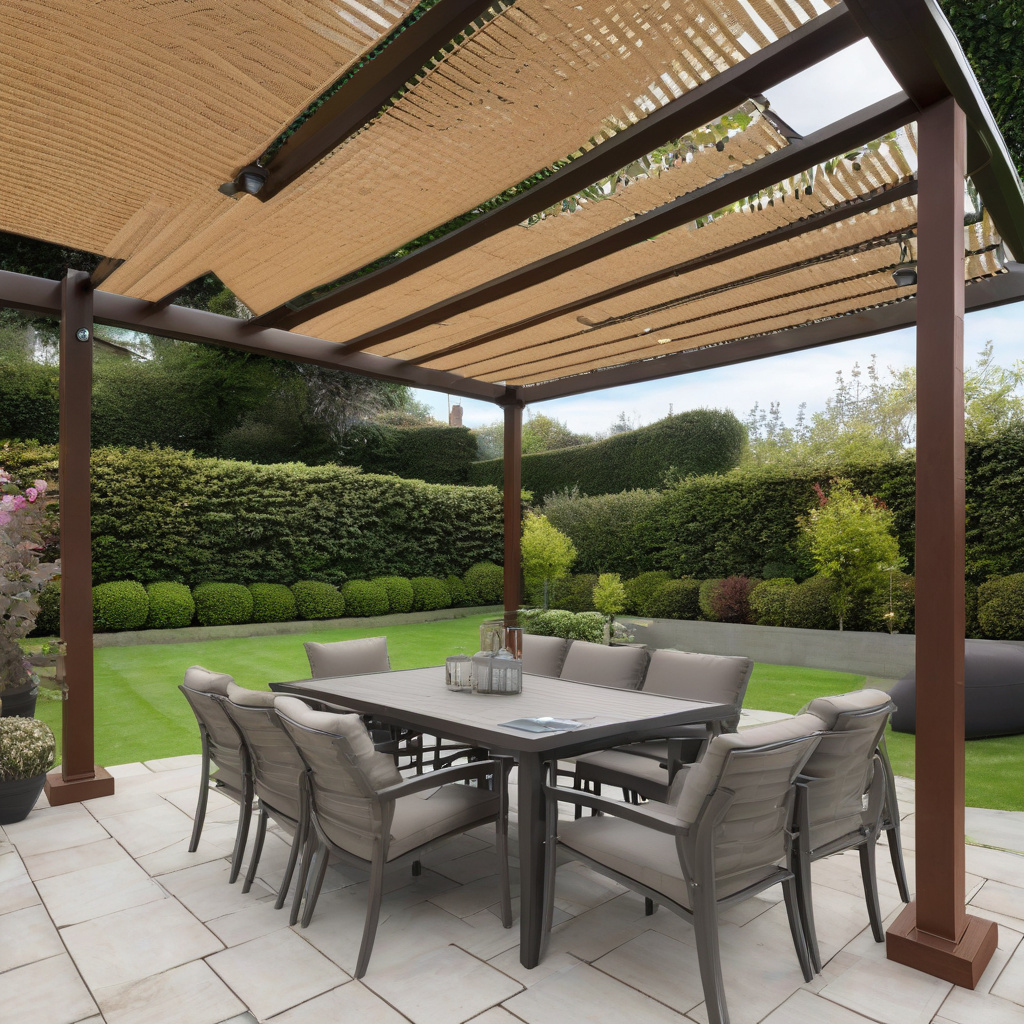
The Practical Path Forward
To those navigating the labyrinth of sound-proofing solutions, the question remains: Which strategy offers the greatest return? The answer lies in a keen understanding of both the specifics of the space and the wants of the homeowner. Every option mentioned thus far can be seen as components of a holistic solution.
Integrating multiple methods can often yield the highest degree of success. For instance, combining thoughtful deck designs with dense plantings results in a multi-layered defense against urban noise. If budget permits, employing all three—plants, panels, and fences—creates a formidable shield against the noisy outdoors.
Soundproofing consultants frequently recommend starting with the most affordable solutions and gradually moving up to more complex installations. This incremental achievement can be both economically savvy and creatively fulfilling, helping homeowners take stock of their priorities in manageable stages.
A recent survey by the Architectural Society of Los Angeles found that multi-method soundproofing reduces perceived noise by as much as 70%, enhancing livability.
Safety Considerations in Sound-Screened Spaces
While design and technology have crafted novel solutions for noise reduction, safety remains paramount. Selecting flame-resistant materials, especially for larger installations, is crucial in wildfire-prone regions like Los Angeles. These practical considerations are essential for a truly harmonious outdoor experience.
From Concept to Reality
For homeowners embarking on this transformative journey, the resources and guidance available are more varied than ever. Companies specializing in home renovations are more inclusive in their offerings, often providing integrated packages that include consultation, design, and installation.
Indeed, many DIY enthusiasts have found fulfillment in assembling their own setups. Between online tutorials and reliable repair guides available for necessary upgrades, such as post replacements, the path to a peaceful patio has never been more accessible.
Moreover, addressing these sound issues can breathe new life into a property, enhancing both its market value and livability. Investing in soundproof patios is not just about creating a personal oasis; it’s about boosting the long-term allure and functionality of one’s home.
Looking Ahead: Trends and Innovations
The pursuit of peaceful outdoor spaces is not just a fleeting trend but a reflection of the evolving values of modern homeowners—a deep-rooted desire for rest and relaxation amidst urban chaos. As we look forward, a continued focus on sustainability, adaptability, and integrative design choices will likely drive future innovations in patio sound screening.
Expect continued advancements in soundproofing materials, with developers looking to environmental friendly technologies and methods. The emphasis will likely be on solutions that not only cater to aesthetic sensibilities but also support a balance with the environment, offering both serenity and ecological harmony.
The story of Los Angeles’ patio revolution is far from over. As the city grows and changes, so too will the structures that make urban life safer, quieter, and more enjoyable. It’s an exhilarating journey we’re all on together, as we continue to redefine what it means to truly feel at home in a bustling metropolis.
Each option is a step closer to tranquility, pushing boundaries further with every innovation.
- Transforming patios into sanctuaries is achievable with the right sound-screening solutions.
- Green barriers, acoustic panels, and angled fences each offer distinct benefits for noise reduction.
- Combining various methods often yields the best results in augmenting outdoor spaces.
- Integrated soundproofing enhances property value and urban living quality.
- Future trends will focus on eco-friendly and adaptive design solutions for improved outdoor experiences.
“`html
FAQ
What is sound-screening for patios, and why is it important?
Sound-screening for patios involves using strategic physical barriers or natural elements like dense plantings, acoustic panels, and angled fences to mitigate noise pollution. In fast-paced urban environments like Los Angeles, homeowners frequently seek a respite from constant traffic noise. By creating a sound buffer, these solutions allow individuals to enjoy their outdoor spaces more peacefully, enhancing the overall quality of life. Many experts point out that without addressing noise, even the most beautifully designed patio can become unusable for relaxation or socializing.
How do you choose the best materials for sound-screening?
In selecting materials for sound-screening, homeowners should consider both function and aesthetics. Acoustic panels are highly effective; however, they must be weatherproof and durable for outdoor use. Dense plantings like hedges or trees are a natural choice, offering environmental benefits alongside noise reduction. In real renovation projects, it often becomes clear that combining multiple methods yields the best results. For instance, pairing sound-absorbing panels with lush greenery not only enhances sound-blocking capabilities but also adds visual appeal. Remember to factor in maintenance requirements and budget constraints when choosing materials.
When does it make sense to invest in sound-screening solutions?
Investing in sound-screening is particularly wise when traffic noise significantly disrupts your outdoor enjoyment or threatens your property’s value. For those living near busy roads or highways, tackling noise issues early can prevent potential conflicts with neighbors and improve mental well-being. It’s also an opportune time to look into sound-screening during other patio renovation projects, allowing for cohesive planning and design. Many homeowners find that addressing noise early in the renovation process avoids the need for more costly retroactive measures later on.
What are common mistakes when implementing sound-screening on patios?
A frequent oversight is underestimating the amount of coverage needed for effective noise reduction. Many homeowners believe a single layer of dense planting will suffice, only to find that gaps or insufficient density allow noise to penetrate. It’s crucial to work with a landscape or acoustics professional who can provide a proper assessment. Another mistake is disregarding the maintenance required; dense hedges look great but need regular trimming and care. Failing to consider this can turn sound-screen solutions into maintenance burdens rather than assets. When in doubt, consulting a knowledgeable expert can help avoid these pitfalls.
What are the cost considerations for sound-screening patios?
The cost of sound-screening solutions can vary widely depending on materials, design complexity, and geographic location. For example, acoustic panels tend to be more expensive but provide immediate benefits. Alternatively, natural plantings may require a smaller upfront investment but entail long-term care costs. In Los Angeles, where traffic noise is a constant challenge, adding sound barriers can increase property value, which may offset initial spending. It’s also worth noting that sometimes, regional regulations might impact costs or material choices. Always consider getting multiple quotes to find a balance between performance and budget.
What are the pros and cons of using dense plantings vs. acoustic panels?
Dense plantings provide a natural aesthetic, contribute to air quality, and offer habitat for birds and insects. On the downside, they require time to mature and need regular care. Acoustic panels deliver immediate results and require less maintenance, but they can lack the natural look some homeowners desire. Additionally, panels may be subject to weathering and could require replacement sooner than the lifespan of a hedge. Ultimately, the choice depends on one’s aesthetic preferences, budget, and willingness to perform ongoing maintenance. Experts often suggest a combination of both for the best outcome.
How should sound-screening solutions be maintained post-installation?
Maintenance frequencies and practices vary based on your sound-screening choices. Acoustic panels require inspections to ensure they remain affixed and effective, especially after heavy winds or storms. Plant-based solutions demand more frequent upkeep: regular watering, mulching, and seasonal pruning are necessary to maintain density and health. Problems often arise when homeowners neglect these maintenance tasks, leading to diminished performance from both types of barriers. Scheduling routine checks and perhaps hiring professionals can help preserve the longevity and efficacy of your sound-screening solution.
Are there professionals who specialize in installing sound-screening solutions?
Yes, there are professionals who specialize in both acoustic solutions and landscape design specifically for sound reduction. Hiring such experts ensures that your sound-screening measures are effective and tailored to your specific environment. They can provide insights into the best materials and configurations for your area, backed by experience and technical knowledge. For those in California, reaching out to local specialists through reputable sites or directories can be the first step. If you’re interested in consulting with an expert team, you can explore pathways to connect with them through available resources.
“`