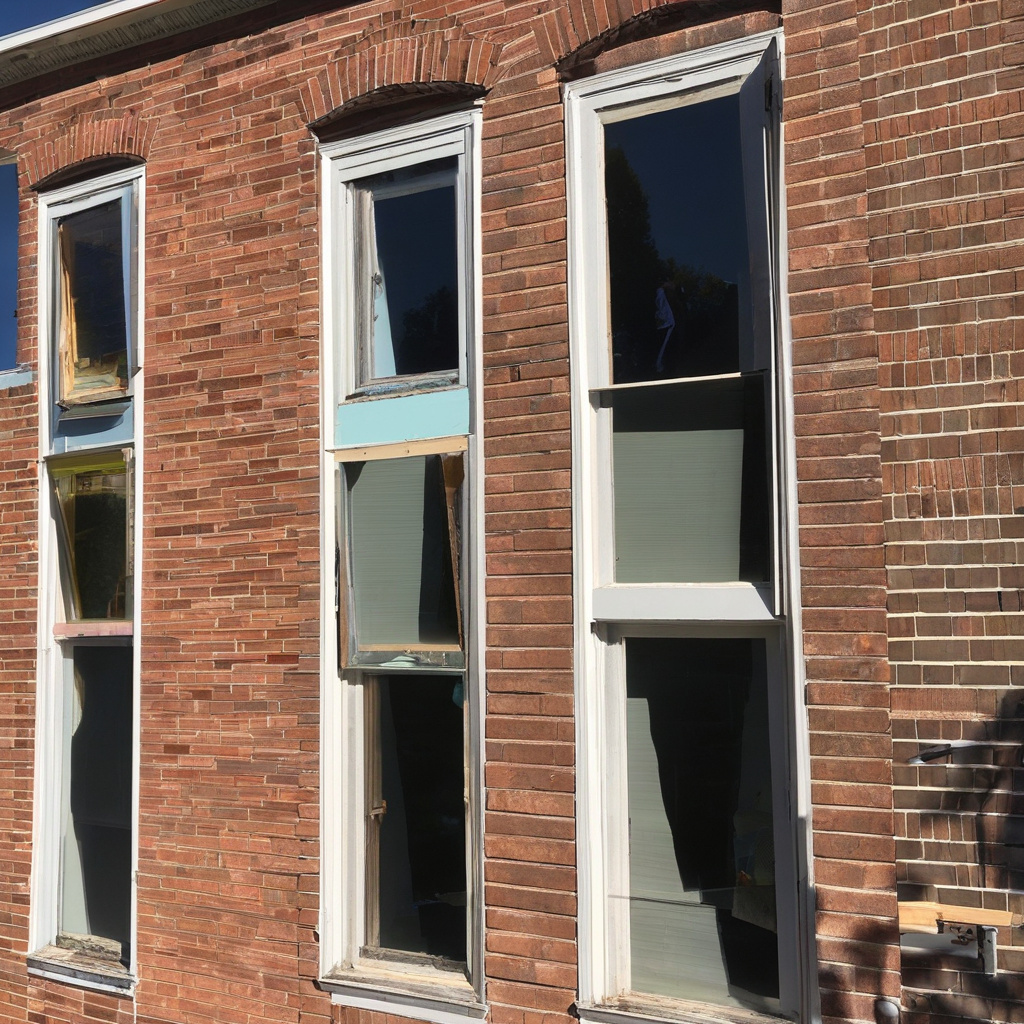
When contemplating window replacement in your Southern California home, one dilemma often arises: Should you revamp the entire house at once, or is it wiser to approach the task in phases? Each method offers unique benefits and challenges that can influence overall satisfaction, cost, and daily life disruption. Exploring these options can help homeowners make informed decisions about upgrading their living spaces.
Brief summary: This article compares whole-house window replacement with a phased approach to uncover the implications on timing, costs, and daily living. It draws on experiences from Los Angeles residents, providing practical insights and professional guidance on renovation trends, materials, and techniques.
The Comprehensive Approach: Whole-House Window Replacement
Embarking on a complete window replacement at once is a bold choice that promises a unified look and cohesive performance improvements. In sunny Los Angeles, where energy efficiency and aesthetics often drive renovation decisions, this option appeals to homeowners eager for an immediate transformation. Aesthetic harmony, after all, resonates with those who prioritize seamless design.
The cost of a whole-house project can be substantial, demanding significant savings or financing. Nonetheless, the payoff might be well worth it, potentially lowering energy bills and enhancing property value. With the ability to negotiate better terms with contractors for bulk work, many residents view starting with a full house renovation as a strategic investment.
Yet, the disruption to everyday life shouldn’t be underestimated. With construction teams occupying space and noise permeating every corner, households must brace for a temporary intrusion. Initially, the idea of sequestering a week or more for a full replacement can be daunting, but staying focused on the end result can sustain motivation through the dust and debris.
Ultimately, those opting for a full upgrade often appreciate the streamlined process and the consistent quality it ensures. From energy savings to boosted curb appeal, the comprehensive replacement offers an efficient path to a home that feels entirely new.
The California Energy Commission states that energy-efficient windows can reduce heating and cooling costs by up to 30%, making full house replacements a strong consideration for long-term savings.
The Phased Approach: Window Replacement in Stages
Alternatively, some homeowners prefer addressing their window needs gradually, often due to budgetary constraints or scheduling flexibility. By tackling one or two rooms at a time, this method allows for meticulous planning and allocation of resources without overwhelming financial strain. For many, the phased approach offers a balance between aspiration and achievability.
A phased approach becomes even more attractive when considering potential disruptions. By isolating construction to smaller areas, families continue with their usual activities with minimal disturbance. This proves especially valuable for those working from home or managing children and pets.
The phased strategy also provides opportunities for thoughtful decision-making. It permits homeowners to learn from each phase, adapting styles and techniques based on previous results or changing circumstances. This flexibility can prove invaluable, especially when exploring specific options for spaces like bathrooms, where unique solutions are needed.
Despite its advantages, a phased upgrade might inadvertently extend the period of inconvenience, turning a few days of construction into a series of disruptions spread across months. It’s a consideration that warrants serious thought when balancing lifestyle impacts against financial convenience.
In conclusion, while phased projects may suit those with tight timelines or financial limitations, they require careful management to avoid protracted disturbances or escalating long-term costs.
Financial Implications and Planning Ahead
Planning ahead is crucial when considering window replacement, regardless of the scale of the project. This involves not just budgeting for materials and labor but also understanding how each approach impacts ongoing energy expenses and home comfort. Without question, appropriate budgeting guards against the pitfalls of unexpected costs.
Homeowners who are considering the phased approach should prepare for the possibility of fluctuating market prices and changing material availability. Staying informed and in tune with current renovation trends can offer insights into the best times to purchase supplies.
By carefully evaluating costs in relation to potential energy savings, residents can effectively plan their renovations and incorporate features tailored to specific needs. Options like custom framing or specialized glass treatments may further fine-tune energy efficiency, offering personalized solutions.
For those aiming to make informed decisions for specific areas, consider tailored window designs in crucial spaces, offering both utility and style enhancements that could influence overall desirability.
Material Choices: How They Impact the Bottom Line
Choosing the right materials plays a central role in both the aesthetic and functional outcomes of window replacements. Options range from classic wooden frames to cutting-edge composite materials, each carrying distinct advantages regarding durability, insulation, and appearance.
Wood, cherished for its timeless charm and excellent insulation properties, often requires regular maintenance, impacting long-term costs. Meanwhile, vinyl presents a cost-effective alternative, demanding little maintenance while offering respectable energy efficiency.
At the premium end, fiberglass provides superior strength and thermal performance, albeit at a higher initial cost. Understanding the interplay of these factors is key to choosing a material that aligns with both budget and design preferences.
Another essential consideration is adhering to local regulations and guidelines, particularly when dealing with homeowners’ associations (HOAs). This often necessitates additional planning and communication but prevents costly retrofitting down the road.
Comprehensive exploration of available options can mitigate friction with regulations. Engaging with professionals for advice on navigating the HOA approval process ensures compliance and alleviates potential stress.
An expert from the National Association of Home Builders suggests that choosing energy-efficient materials can increase home value by up to 10%, underscoring their significant return on investment.
A Case for Whole-House vs. Phased Replacement: Risks vs. Rewards
Weighing the risks and rewards of each method can illuminate the best path forward for individual homeowners. The allure of renovating an entire house at once is simplicity: one contractor, one schedule, one cohesive aesthetic. In contrast, a phased approach lends itself to flexibility, offering uniquely customized outcomes.
However, with great projects come potential setbacks. Full-house replacements can come with hefty price tags and longer installation times, while phased endeavors may incur higher cumulative costs due to labor rate changes or evolving market conditions.
In terms of risk, minimizing the time workers spend in the home might be crucial for families concerned with privacy and disruption. Nevertheless, by spreading out the process, there’s a chance of living among ongoing construction longer than anticipated.
Rewards like energy savings and increased property value often go hand-in-hand with whole-house replacements. However, the personalized touches and adaptive changes possible with phased renovations resonate with homeowners who appreciate continuous character development in their homes.
Ultimately, the decision rests heavily on personal circumstances and goals. Homeowners must navigate this choice with a clear understanding of individual priorities and constraints.
Navigating the Practical Realities of Your Renovation
Tackling window replacement involves embracing both functional and aesthetic decisions. As many local homeowners notice, living in a continually evolving construction zone demands a strategic approach, balancing ambition with practicality.
Opting for a phased strategy can be ideal for those with limited timeframes, allowing continuous adaptation in line with lifestyle changes. On the other hand, whole-house replacements provide a clean slate to abrupt but rewarding transformation.
When it comes to installing new windows, understanding local climate influences and exposure can distinctly affect energy efficiency and comfort. In Southern California, where the sun reigns supreme, incorporating windows designed to maximize views and light can contribute to both aesthetics and energy savings.
It’s crucial to consider the home’s architectural style, existing structures, and envisioned future when choosing replacement strategies. By focusing on a coordinated design across all phases or a singular, operations-wide vision, homeowners can achieve the harmony they crave.
In summary, navigating a renovation requires a careful blend of planning, decision-making, and flexibility. Whether the objective is a swift overhaul or a piecemeal renovation, understanding your priorities is key to a successful project.
According to Realtor.com, properties with newer energy-efficient windows sell up to three months faster than homes with older, outdated windows, a testament to their appeal to modern buyers.
How-To: Preparing for Your Window Replacement Project
Preparation is paramount when gearing up for any window replacement project, whether done in phases or all at once. Here’s a mini guide to help you navigate the process effectively:
- Assess Current Needs: Begin by critically analyzing your current windows’ performance. Consider drafts, condensation, and aesthetic alignment with your home.
- Research Options: Dive into the myriad of styles, materials, and energy-efficient technologies available. Be sure to match your choices with climate considerations.
- Budget Planning: Establish a realistic budget, taking into account potential savings from reduced energy costs and increased home value.
- Contractor Selection: Vet contractors carefully, watching for credentials, insurance, and customer reviews that instill confidence.
- Scheduling: Decide on whether a full or phased project best suits your schedule, balancing urgency with disruption tolerance.
By adhering to these steps, homeowners can mitigate stress and set the stage for a successful window upgrade that aligns with their goals and expectations.
Table of Comparison
| Attribute | Whole-House | Phased |
|---|---|---|
| Initial Cost | High | Lower per phase |
| Timeline | 2 weeks | 6+ months |
| Disruption Level | High | Low |
| Long-Term Savings | High | Moderate |
| Customization | Consistent | Flexible |
- Whole-house replacements offer immediate aesthetic unity and potential for significant energy savings.
- Phased approaches allow for budget-friendly incremental upgrades but can prolong overall disruptions.
- Material choices crucially impact performance, costs, and regulatory compliance.
- Thorough preparation and planning can minimize renovation stress and ensure a rewarding upgrade.
- Understanding the benefits and drawbacks of each approach helps homeowners make informed decisions.
“`html
FAQ
What is the difference between full-house and phased window replacement?
In real renovation projects, the distinction between full-house and phased window replacement largely revolves around scale and timing. Full-house replacement involves swapping out all windows at once, which may be suitable for older properties or when comprehensive upgrades are necessary. This approach is often quicker but demands a higher upfront investment. In contrast, a phased replacement spreads the work over time, replacing windows in stages. Many experts point out that this method can ease budget constraints and allows homeowners to test different window styles or technologies in their homes before committing to a full remodel.
How do I choose the right window replacement approach for my home?
Choosing the right approach depends on several factors, including budget, time constraints, and the current condition of your windows. Homeowners frequently underestimate the impact of seasonality; for instance, replacing all windows during mild weather can ensure comfort during the installation process. It’s also essential to consider future home renovation plans. If you’re planning a broader remodel, aligning window replacements with those projects might save time and money. Getting in touch with a local contractor for a personalized recommendation can be beneficial if you’re uncertain about your needs. You might want to discuss your options with an expert through this contact form.
When does a full-house window replacement make sense?
A full-house window replacement is most sensible when all windows are deteriorating significantly, leading to drafts or water leaks. In newer builds with modern systems, doing this type of replacement can enhance energy efficiency at once, potentially lowering utility bills. You’ll often find that this approach makes sense if you’re completing a major home renovation and want to ensure a cohesive look throughout. In terms of timing, many contractors suggest scheduling such an overhaul during the less busy seasons like late spring or early fall, when labor may be more readily available.
What are the cost considerations for phased window replacement?
Phased window replacement allows for incremental spending, which can be easier to manage for those on tighter budgets. It offers flexibility to pay as you go and even explore financing options. However, homeowners should be aware that costs can accumulate, especially if material prices rise over time or if different contractors have variable rates for smaller projects. Furthermore, phased work might involve repeated setup charges. To mitigate this, many homeowners attempt to phase their projects with a long-term plan and budget estimation, which helps avoid unexpected financial strain.
What are the pros and cons of a phased approach to window replacement?
Phased replacement is highly flexible, enabling homeowners to spread costs and reduce immediate disruptions to daily life. This can be particularly helpful in single-family homes where living arrangements need to be minimally disturbed. On the downside, it tends to extend the overall timeline of window completion, which can be a hassle when it comes to planning or selling the home. Moreover, phased work requires careful coordination to avoid mismatched designs or even different wear rates between new and old windows. A common mistake is not keeping cohesive aesthetic and functional goals front of mind throughout the phases.
How do window replacements impact daily living?
In renovation projects, window replacements can temporarily affect daily routines, mainly because of installation noise and altered views with construction equipment around. With full-house replacements, the impact is immediate and intense but shorter-lived. In phased projects, the disruption is minor but extended, allowing homeowners more time to adapt. For families with children or pets, planning around nap times or school hours can mitigate some of the disturbances. It’s wise to consult with your installation team to create a schedule that best accommodates your family’s lifestyle.
What are some common mistakes homeowners make with window replacements?
One of the most frequent oversights is inadequate assessment of existing window conditions, leading to premature or unnecessary replacements. Another common mistake is underestimating installation time, which can conflict with personal schedules or DIY capabilities. Some homeowners also ignore the importance of climate considerations, such as choosing windows appropriate for California’s varied temperatures. Lastly, it’s essential not to cut corners on materials. Investing in quality windows can ensure longevity and better energy efficiency, saving more money in the long run. Consulting professionals can often illuminate these blind spots early in the planning phase.
Are there maintenance considerations after replacing windows?
Once window replacements are complete, maintaining them is crucial to ensure durability and performance. Regular cleaning of frames and glass prevents the buildup of grime and can highlight issues like sealant wear or frame creep before they become costly fixes. For modern windows with built-in glazing or unique materials, enlisting professional cleaning services can extend their lifespan. Moreover, many experts recommend scheduling routine inspections, especially after the first year post-installation, to assess for any settling or functional concerns. Keeping a maintenance budget in mind can save headaches and costs down the line.
“`