In the sun-drenched yet often unpredictable weather of Southern California, flat roofs have become a common architectural feature in both residential and commercial buildings. However, this style is not without its issues, particularly when it comes to ponding water. Homeowners and builders alike are finding that solutions such as slope correction, tapered insulation, and improved drainage systems are imperative to maintain roof integrity and prevent costly damage. This analysis delves into the challenges and practical solutions of managing flat roof ponding.
Brief summary: This article explores the persistent issue of ponding water on flat roofs, particularly in Southern California, and examines viable solutions including slope adjustments, tapered insulation, and advanced drainage systems. Through insights into renovation trends, costs, and real-life examples, it offers a comprehensive guide to dealing with flat roof water challenges.
Ponding Water: A Silent Threat to Flat Roofs
Flat roofs, popular for their modern aesthetic and space efficiency, are not as flat as the name might suggest. These roofs often have a slight pitch to help water runoff, but when executed poorly, water simply collects or “ponds,” leading to accelerated membrane wear and a heightened risk of leaks. For homeowners in Los Angeles and surrounding areas, where unexpected downpours can be the norm, this presents a significant challenge. 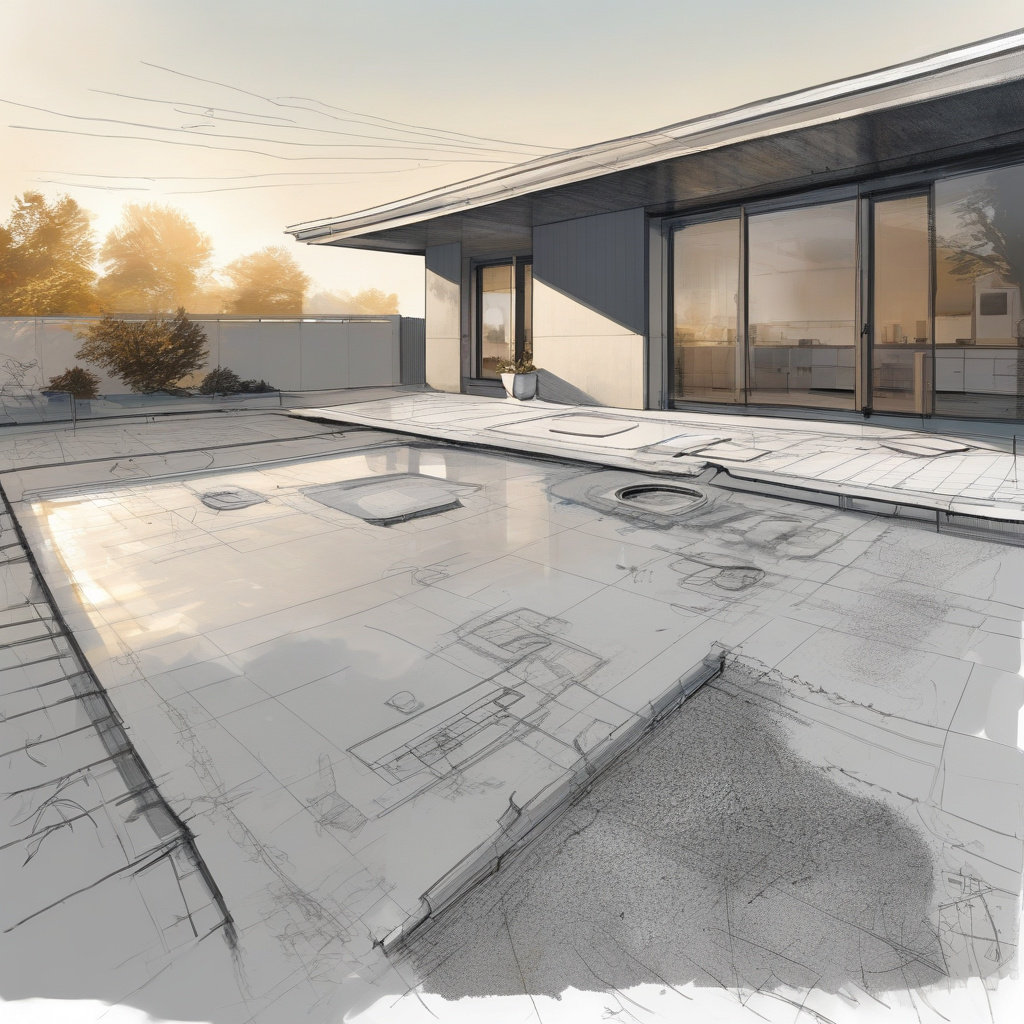
Such issues are not only inconvenient but can lead to substantial water damage and costly repairs. As many local homeowners notice, it’s not just the frequency of rainfall but the duration of water ponding that determines the potential damage risk.
One Los Angeles resident shared their ordeal: “After a downpour last year, we found ourselves facing a large water pool on our roof. It seeped into the ceiling, causing water stains and mold.” Many residents echo this experience, emphasizing the need for a proactive approach to roof maintenance.
To mitigate these issues effectively, it’s crucial to implement preventive measures such as ensuring an adequate slope for water runoff. Professional resources, like those outlined by expert roofing consultants in Los Angeles, can provide comprehensive assessments and tailored solutions. These foundational strategies form the backbone of combating persistent ponding problems.
According to the National Roofing Contractors Association, roofs that experience long-term water ponding typically lose their lifespan by up to 25% compared to properly drained roofs.
Design Solutions for Enhanced Drainage
Retrofitting and new constructions alike can benefit immensely from thoughtful design that enhances drainage. At the core of these designs is the strategic application of tapered insulation. This method involves layer-oriented insulation slabs that subtly create additional pitch on a flat roof, guiding water towards drains.
Compared to simply patching leaks as they occur, incorporating tapered insulation offers a long-term solution by directing water away from vulnerable areas. This method not only preserves the roof’s lifespan but also contributes positively to the structural integrity of the building.
Moreover, introducing additional drains or overflow scuppers ensures that water has multiple escape routes, thus reducing the chances of ponding even in heavy rain events. These tactics are part of best practice approaches for low-slope roof construction projects.
Implementing these advanced drainage solutions involves a carefully coordinated effort among architects, builders, and homeowners. “Consideration of the angles and placement of drains is critical,” noted one specialist from a leading LA architectural firm. This underscores the importance of expert design and execution to avoid the pitfalls of inadequate water management, which can be an expensive lesson learned.
Insights from the Roofing Industry of America reveal that homes utilizing tapered insulation show a 40% reduction in roof maintenance costs over a decade.
Choosing the Right Materials: A Cost-Effective Approach
When dealing with flat roof ponding issues, selecting the right materials is as important as design itself. Various membranes and coatings are available, each offering different levels of water resistance and durability. For example, thermoplastic polyolefin (TPO) is a favored choice due to its reflective properties and robustness against ponding.
Another option is ethylene propylene diene monomer (EPDM) roofing, known for its resilience to stress and thermal expansion. However, choosing the correct materials often comes down to the balance of cost, environmental considerations, and the specific needs of the building.
To assist homeowners in navigating these choices, resources dedicated to efficient material selection can prove invaluable. They provide insights into what works best for various projects and climates.
In addition to selecting durable materials, regular maintenance and inspection can extend a roof’s life by identifying potential issues early on. This preventative approach reinforces the importance of strategic material and installation choices, which can culminate in considerable savings and peace of mind.
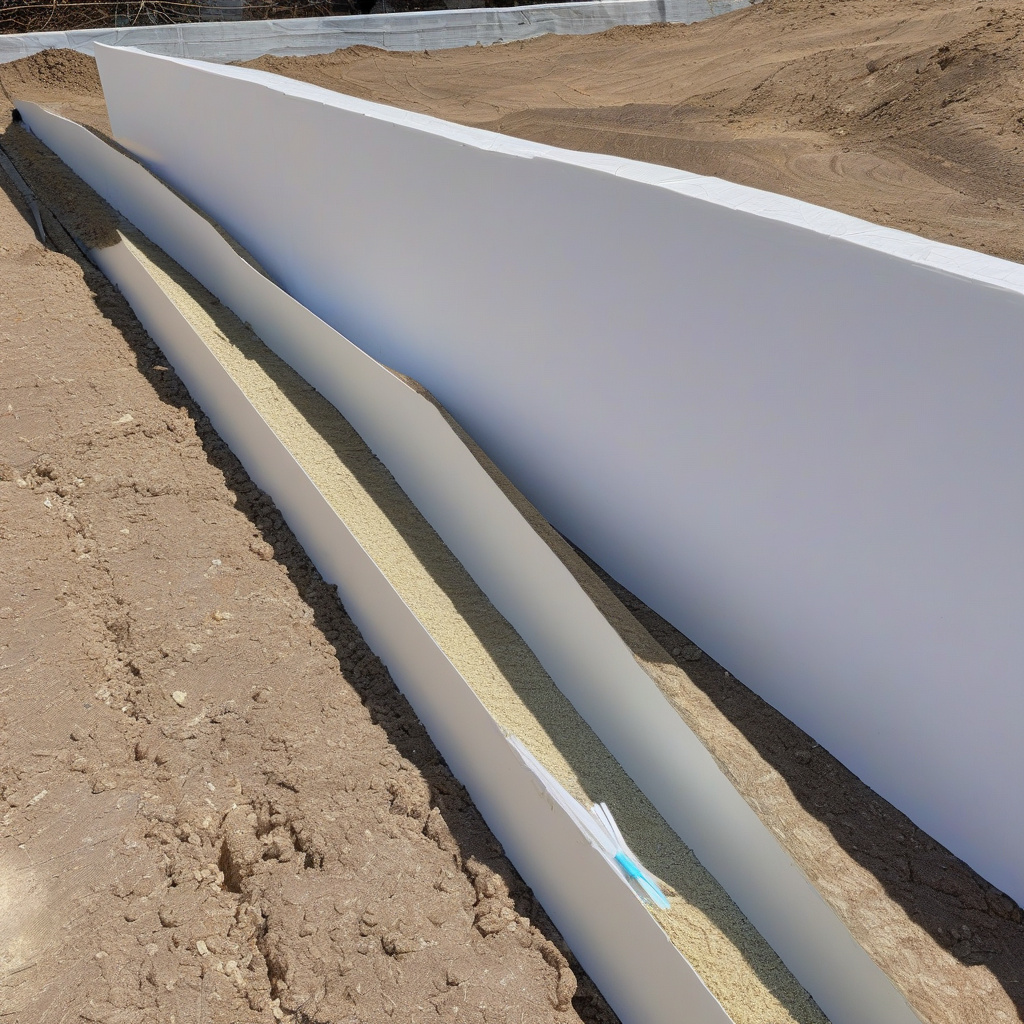
Ponding Solutions for Older Homes
Older homes often face unique challenges when tackling flat roof ponding issues. Renovation and retrofitting options vary widely, based not only on the architecture but also on historical preservation considerations that sometimes limit what changes can be made.
For these homes, the process often involves enhancing existing features rather than full redesigns. This might include installing additional internal drainage or upgrading the membrane to a more modern variant that better handles water retention.
Homeowners in historic districts have found creative solutions that respect architectural integrity while integrating modern technologies, such as employing underlayment barriers that prevent water seepage into the substrate of older roofs.
Combining modern ingenuity with respect for the past, these restoration activities highlight the delicate balance needed for effective problem-solving while preserving a home’s character. These efforts, however labor-intensive, offer a rewarding method to protect historic homes from water damage.
Experts from the Historic Building Alliance emphasize that maintaining original roof integrity while enhancing drainage can increase property value by preserving architectural legacy.
Risk vs Reward: Evaluating Your Options
When faced with persistent ponding issues, homeowners are often caught in the crossfire of cost versus benefit. The dilemma revolves around whether to invest heavily upfront for comprehensive solutions or opt for more affordable, temporary fixes that may not address the root problem.
The former often seems daunting with higher initial costs. However, a detailed cost-benefit analysis reveals that investing in quality drainage and slope solutions saves money in the long run. Not only do these investments reduce the need for frequent repairs, but they also enhance the structural integrity and help maintain property value.
Los Angeles homeowners have shared stories of painful decisions—spending on patchwork tactics only to face recurring issues seasons later. These narratives often steer new homeowners towards committing to more definitive solutions from the start.
Therefore, weighing the risks and rewards can illuminate the sustainable choice, confirming that upfront investment in proper drainage technology eventually pays off with manifold returns.
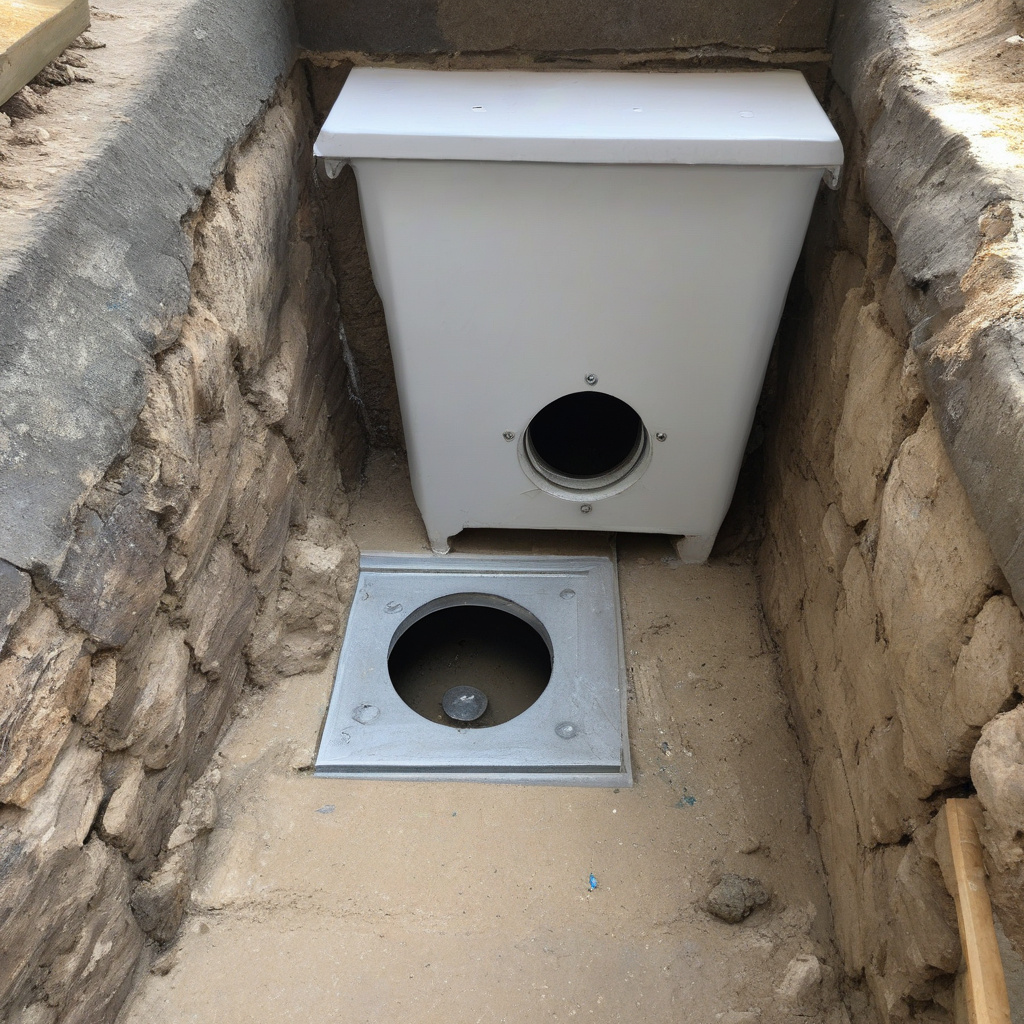
Comparative Analysis of Renovation Options
| Option | Cost | Durability | Time to Complete |
|---|---|---|---|
| Patchwork Repairs | Low | Short-term | Quick |
| Tapered Insulation | Moderate | Long-term | Moderate |
| Complete Drainage System Overhaul | High | Very Long-term | Long |
Planning for the Unpredictable Weather
While the allure of Southern California’s climate draws many, its unpredictable rainfall patterns can catch unprepared homeowners off guard. The juxtaposition of sun-drenched days with sporadic intense storms presents unique challenges for roof maintenance.
Planning ahead by integrating robust drainage solutions and applying preventative measures can enhance a building’s resilience to weather extremes, minimizing potential water damage.
Modern construction strategies, especially those tailormade for climates like Los Angeles, see success in integrating technologies that adapt to these weather variances. Addressing these challenges head-on requires foresight and investment, but the security it provides ultimately offers well-deserved peace of mind.
For those unprepared, resources such as guides on dealing with unexpected leaks can be an invaluable post-rainstorm read, offering immediate advice and reassurance. The time-tested adage ‘an ounce of prevention is worth a pound of cure’ holds particularly true when it comes to flat roof management.
Implementing a Step-by-Step Renovation Plan
For those considering tackling ponding issues, a clear plan can streamline the process. Start by conducting a professional inspection to understand the specific challenges your roof faces. Follow this with the selection of drainage and insulation methods that best suit both your building type and budget.
Once a plan is crafted, hiring experienced professionals ensures that the work is done to last. Lastly, regular maintenance checks are imperative to nip potential issues in the bud.
Alongside these recommendations, maintaining a flexible approach allows for the incorporation of new technologies and techniques that may arise in the future. This proactive strategy is the cornerstone of preserving flat roofs against the persistent threat of ponding.
Moving Forward: The Future of Flat Roof Management
The journey to effective flat roof ponding solutions is ongoing and continuously evolving as new materials, designs, and technologies emerge. As stakeholders become better informed, there is a growing encouragement to adopt comprehensive strategies for preventing water buildup.
The commitment to quality in both materials and professional expertise is key to ensuring long-term solutions. By staying updated with the latest industry practices, homeowners can protect their properties from the considerable expenses associated with roof damage.
Those investing in the future of their properties find that these roofing updates are not just a cost but a lucrative investment in peace of mind and property value.
In conclusion, understanding and addressing flat roof ponding issues with informed decision-making leads to effective, durable, and valuable property improvements. As trends advance, those who prioritize sustainable and well-considered solutions are rewarded with longevity and security.
- Flat roofs are popular yet pose drainage challenges that need proactive solutions.
- Ponding water can lead to costly membrane wear and potential leaks.
- Strategic use of tapered insulation and additional drainage systems are effective long-term solutions.
- Proper material selection and expert guidance play crucial roles in preventing ponding.
- Advance planning and preventative measures mitigate risks associated with unpredictable weather.
FAQ
What exactly causes ponding on flat roofs?
Ponding on flat roofs occurs when water accumulates on the roof surface rather than draining off. In many cases, this results from inadequate slope, which is a common oversight in the design phase. Flat roofs aren’t truly flat; they should have a slight pitch or slope to facilitate drainage. A surprising number of homeowners assume that a perfectly level roof is the goal, not realizing that even a slight incline makes a significant difference. Additionally, blockages in existing drainage systems can contribute to ponding, which underscores the importance of regular maintenance. Many experts stress that addressing these two factors is crucial to prevent standing water, which accelerates membrane wear and increases leak risks.
How can slope corrections help with flat roof ponding issues?
Slope corrections are one of the most effective ways to address ponding on flat roofs. In real renovation projects, professionals often adjust the pitch by adding tapered insulation. This not only directs water toward drains but also improves thermal efficiency. For instance, during the renovation of an older property, contractors might remove sections of the roofing materials, apply new layers with a subtle incline, and then reinstall the membrane. It’s a strategic approach that resolves both drainage and insulating needs. A common mistake homeowners make is assuming that such a project is too complex or costly. However, fixing the slope can save significantly on future repair costs by dramatically reducing water accumulation and subsequent damage.
What are the benefits and limitations of using tapered insulation?
Tapered insulation offers the dual benefits of promoting water drainage and enhancing energy efficiency. This solution works exceptionally well in single-family homes and older buildings needing an upgrade. However, some limitations exist, such as added weight to the roof structure and increased project costs. Many homeowners appreciate the immediate improvement in both insulation and drainage but must weigh these against their budget and structural capabilities. It’s crucial to consult a professional who can assess whether the existing roof can handle the additional weight and find the optimal solution that balances benefits with any drawbacks.
How do improved drains prevent roof ponding?
Improved drain systems are essential in preventing roof ponding. Many experts point out that regular inspection and maintenance of drains can drastically reduce the risk of water accumulation. For newer builds with modern systems, integrating advanced drain solutions can preemptively manage water flow. For example, installing larger scuppers and overflow drains provide a safe exit for accumulated water. In contrast, older systems might require regular unclogging or upgrades to enhance capacity. Homeowners frequently underestimate the importance of keeping drains clean and functional, but neglecting this can lead to significant water damage over time.
When is it necessary to consult a professional for flat roof ponding issues?
Consulting a professional becomes essential when severe ponding is observed that DIY efforts can’t resolve. Many homeowners tackle minor issues like drain blockages themselves. However, when water consistently accumulates or leaks appear, these are signs that expert intervention may be needed. In California, where rainfall might not be frequent but can be intense, addressing ponding proactively avoids costly damages. Real-life situations see homeowners appreciating professional advice for tailored solutions like structural modifications or advanced roofing technologies. For more information on professional consultation, you might consider reaching out to specialists via [this contact resource](https://californiarenovation.top/contact/).
What are typical mistakes homeowners make with flat roof drainage?
A common mistake is overlooking the need for regular maintenance and inspections. Homeowners often assume that if the roof appears fine, no action is needed, but many drainage problems develop unseen. Another error is attempting to fix slope issues without professional guidance, which can lead to structural imbalances or water direction errors. Additionally, ignoring early signs of ponding, like small puddles, can lead to bigger problems. A practical tip is to schedule seasonal inspections, especially after storms, to catch issues before they escalate. Recognizing the value of professional assessments early can also prevent costly repairs down the line.
How much does it typically cost to resolve ponding issues on flat roofs?
The cost to resolve ponding issues varies significantly based on the severity of the problem and the chosen solution. For basic maintenance, like clearing drains, homeowners might spend a few hundred dollars. However, more complex interventions, such as installing tapered insulation or reconfiguring the roof’s slope, can run into several thousand dollars. Costs include labor, materials, and any necessary structural assessments. While it can be tempting to select the most economically favorable option, investing in a comprehensive solution often ensures longevity and effectiveness, saving money over time. It’s crucial for homeowners to obtain several quotes and consider long-term benefits alongside upfront expenses.
What maintenance is required to prevent flat roof ponding?
Preventing flat roof ponding calls for regular maintenance and vigilant observation. Homeowners should clear all debris from the roof and drains to ensure unobstructed water flow. Many roofing experts recommend biannual inspections to catch small issues before they escalate. In Californian climates, checking the roof post-rainstorm is particularly vital to spot any water pooling. Think of it as an opportunity to safeguard your investment: spending time and resources on consistent roof maintenance translates to reducing the risk of leaks and extending the roof’s lifespan. Taking these proactive steps, homeowners can effectively minimize ponding risks while maintaining their roof’s structural integrity.