Residential Window Security Comparison
For break-in resistance, laminated glass is generally the stronger integrated option, while security window film is usually the more practical retrofit for otherwise serviceable existing glass. Both can hold broken fragments together, but neither should be treated as an impenetrable barrier.
The decisive difference is how the glass-retention layer is built into the opening. Laminated glass contains an interlayer between glass plies, while security film is applied to an existing pane and may depend heavily on an edge-attachment system, the frame, and the condition of the original glass.
Direct comparison: Choose professionally specified security film when retaining existing windows, limiting disruption, and improving glass retention are the main goals. Consider laminated glass when replacing windows, addressing vulnerable doors or large openings, or seeking a factory-built glazing assembly with stronger forced-entry potential. Compare tested assemblies rather than relying only on film thickness, glass labels, or marketing terms.
Which Option Provides Better Break-In Resistance?
Laminated glass usually offers the stronger starting point because its plastic interlayer is manufactured between two or more glass layers. After impact breaks the glass, the fragments tend to remain bonded to that interlayer, making it more difficult to create a clear opening than with ordinary annealed or tempered glass.
Security film can improve the behavior of existing glass by holding broken pieces together. For forced-entry applications, however, the film alone is only part of the system. Performance can change according to the existing pane, film construction, installation quality, edge attachment, frame strength, glass bite, and locking hardware.
Neither label guarantees a particular delay against every tool or attack method. Forced-entry resistance should be evaluated using documentation for the complete tested glazing or window assembly. Homeowners considering broader security glass and window upgrades should compare the pane, frame, attachment, locks, and installation as one system.
Film-Only Retrofit
Film bonded to the glass can retain fragments after breakage, but the filmed sheet may still separate from the frame if its edges are not connected to a suitable attachment system.
Film With Edge Attachment
A compatible perimeter attachment can connect the filmed glass to the frame more effectively. Its suitability depends on the film, sealant, glass, frame material, and tested installation details.
Laminated Glazing Assembly
The interlayer is built into the glass unit, providing integrated fragment retention. Actual forced-entry performance still varies by glass build-up, interlayer, frame, hardware, and assembly testing.
How Security Window Film Holds Broken Glass
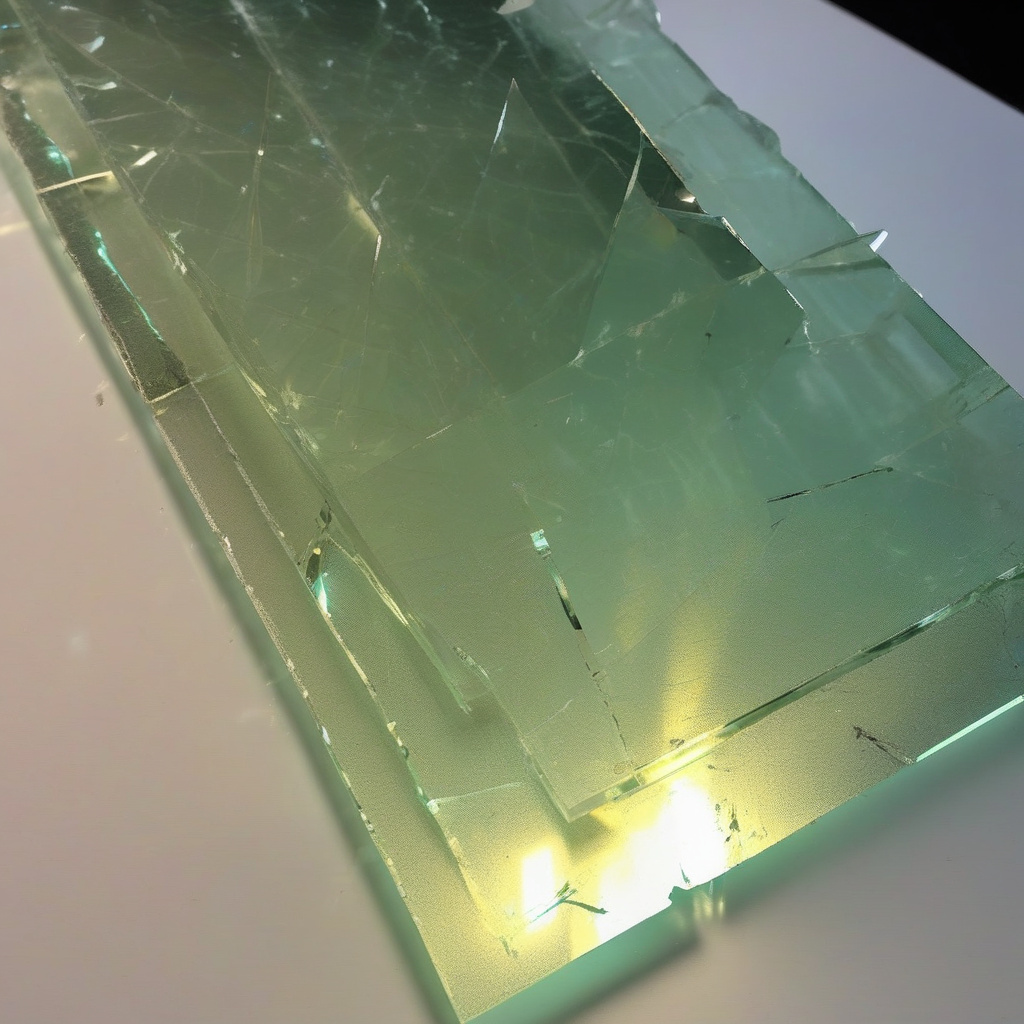
Security film is a transparent or tinted polymer layer installed on the glass surface. When the pane breaks, the adhesive and film can keep many fragments together instead of allowing the glass to fall immediately into separate pieces. This retained sheet may increase the effort required to clear an entry-sized opening.
Glass retention does not necessarily mean that the broken pane remains secured within the frame. A filmed sheet can flex or pull away at the perimeter if the installation does not include a suitable attachment detail. For that reason, a forced-entry proposal should state whether the film is installed only to the glass or is part of a tested film-and-attachment system.
The existing window must also be assessed. Loose glazing stops, deteriorated seals, corroded metal, damaged wood, weak operable sashes, or shallow glass engagement can limit the value of the upgrade. Applying film over a weak opening does not strengthen every surrounding component.
Practical note: Film thickness alone does not describe forced-entry performance. The glass type, perimeter attachment, frame, locks, specimen size, and test method can change how the complete opening responds after impact.
How Laminated Glass Responds After Impact
Laminated glass uses a bonded interlayer between glass plies. When one or both plies crack, the interlayer helps retain the fragments and maintain a barrier. The broken pane may become heavily cracked while remaining substantially together, rather than disintegrating like tempered glass.
Not all laminated glass is designed for the same threat. Products intended primarily for accidental-impact safety, sound control, ultraviolet reduction, severe weather, or forced-entry delay may use different glass and interlayer configurations. The term “laminated” therefore identifies a construction method, not a universal security rating.
A replacement specification should identify the actual glazing build-up and any relevant test classification. It should also confirm that the existing or proposed frame can accept the glass thickness and weight without compromising operation, drainage, anchorage, or the manufacturer’s requirements.
Film May Be the Practical Upgrade
Security film can make sense when frames and locks are in good condition, full replacement is not otherwise needed, appearance should remain largely unchanged, and a compatible attachment system can be installed.
Laminated Glass May Be More Appropriate
Laminated glazing deserves stronger consideration when windows are already being replaced, the opening is especially vulnerable, existing glass is unsuitable for film, or documented assembly performance is a project priority.
Security Film vs. Laminated Glass: Side-by-Side Comparison
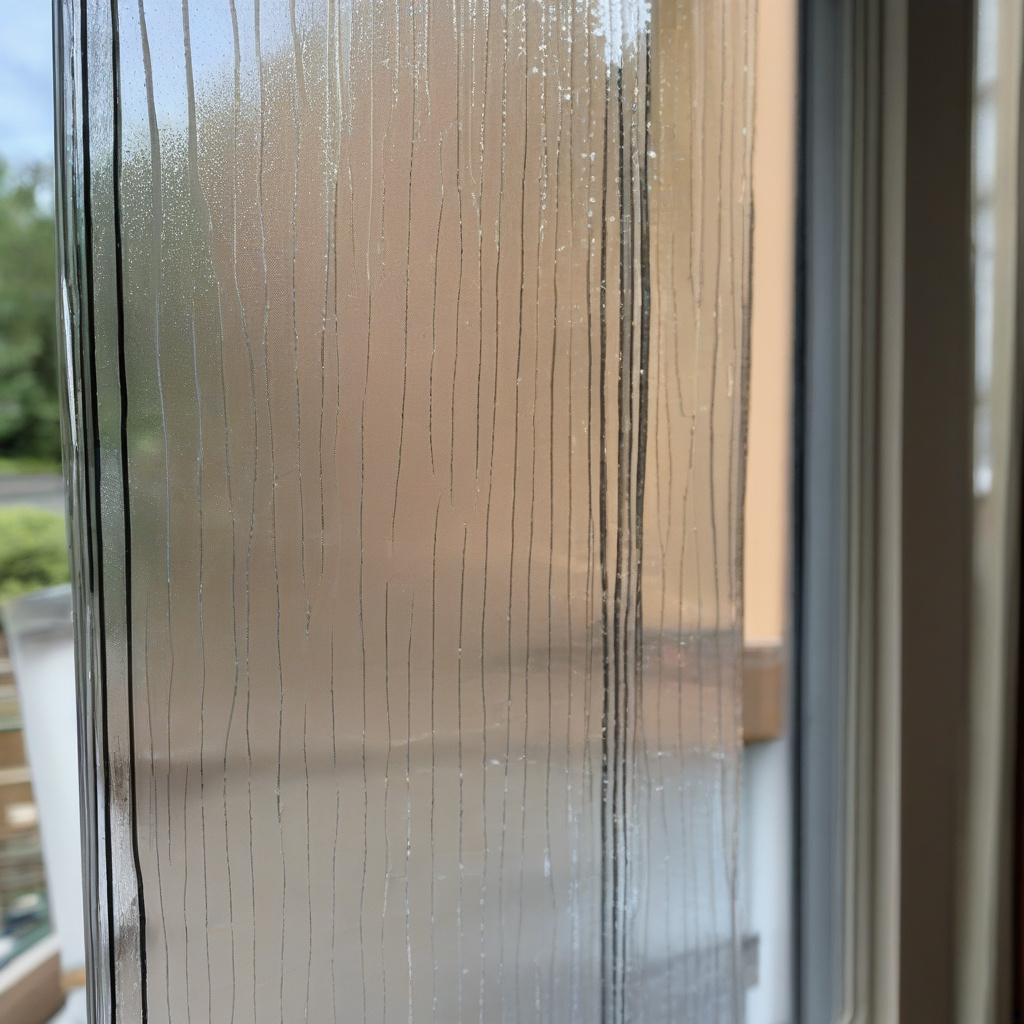
The most useful comparison starts with the condition of the existing window and the level of documented performance required. A retrofit film system and a new laminated window can both improve broken-glass retention, but they differ substantially in installation scope, dependence on existing components, and replacement strategy after damage.
| Decision Factor | Security Window Film | Laminated Glass |
|---|---|---|
| Typical project type | Retrofit to compatible existing glass | Glass or complete window replacement |
| Glass retention method | Surface-applied film and adhesive | Interlayer bonded between glass plies |
| Dependence on existing window | High; original glass and frame remain in service | Lower for the pane, but frame and hardware still matter |
| Perimeter consideration | Attachment detail can be critical | Glazing engagement and frame design remain critical |
| Appearance | Often subtle, with edge details sometimes visible | Usually similar to ordinary glass after installation |
| After major breakage | Film and damaged glass may need removal and replacement | The laminated pane or insulating glass unit requires replacement |
| Best comparison method | Review film, attachment, frame, and system test data | Review glazing build-up and complete assembly test data |
The Frame, Locks, and Installation Can Be the Weakest Links
Stronger glazing does not correct a sash that can be pried open, a lock that does not engage fully, or a frame that is poorly secured. An intruder may attack the operable portion or hardware instead of continuing to strike resistant glass. The security assessment should therefore include every accessible opening, not only its center pane.
Sliding doors and windows require particular attention to panel lift, lock engagement, frame condition, and auxiliary security devices appropriate to the product. Casement and awning units depend on their operators, keepers, hinges, and locking points. Fixed windows remove the operable-hardware issue but still rely on glazing retention and frame anchorage.
Before selecting glass, compare the opening as a whole using guidance on security glass and locking systems. Cameras, lighting, alarms, landscape visibility, and secure doors can complement glazing upgrades, but they do not replace sound physical window construction.
What to Verify Before Requesting Proposals
- Identify each pane as annealed, heat-treated, tempered, laminated, or part of an insulating glass unit.
- Inspect accessible frames, glazing stops, seals, locks, hinges, and operators for damage.
- Ask whether a proposed film includes a compatible perimeter attachment system.
- Request the test method, specimen configuration, and pass level supporting security claims.
- Confirm how the upgrade affects glass, window, film, and installation warranties.
Installation Differences and Disruption
Film installation normally retains the existing glass and frame. The glass is cleaned, the film is applied, and any specified edge attachment is installed. Accessibility, furniture protection, glass condition, seals, frame geometry, and curing conditions can affect the work. Decorative grids, deep glazing pockets, irregular frames, and divided panes may complicate installation.
Laminated glass requires removal and replacement of the glazing or complete window unit. Some frames may accept an appropriate laminated replacement pane, while others may not accommodate its thickness, edge construction, or weight. Insulating glass units require a compatible factory-built configuration rather than adding an interlayer at the property.
Window replacement can also affect interior and exterior finishes, flashing, water management, trim, and operation. Comparing impact and standard windows helps separate forced-entry goals from products developed primarily for other impact exposures.

Appearance, Daylight, and Everyday Use
Clear security films and clear laminated glass can both retain a largely conventional window appearance. Visual differences may include slight reflectivity, haze, edge gaps, perimeter sealant, tint, distortion, or differences between treated and untreated panes. Samples should be viewed from inside and outside under daytime and nighttime lighting.
Do not assume that every security product automatically provides the same solar, ultraviolet, thermal, privacy, or acoustic performance. Those characteristics depend on the individual film or glazing construction. A product selected for forced-entry delay should be evaluated separately for energy performance and compatibility with the existing glass.
Operable windows must continue to open, close, lock, drain, and provide any required emergency function after an upgrade. Security improvements should not obstruct a required escape or rescue opening, create unsafe operating force, or encourage occupants to disable normal egress.
Where children use the room, fall prevention, opening control, cord safety, and emergency access remain separate considerations. Review safer window features for family homes rather than assuming stronger glass addresses every window hazard.
Common Mistakes When Choosing Break-In-Resistant Glazing
The first mistake is comparing products only by thickness. A thicker film or interlayer may perform differently depending on its composition, adhesive, attachment, glass, frame, panel dimensions, and test configuration. Thickness is a specification detail, not a complete security rating.
Another error is assuming that safety glazing and forced-entry glazing are interchangeable. Safety glazing is intended to reduce injury hazards when glass breaks. A forced-entry product or assembly must be evaluated for resistance to repeated attack under a defined test method. One designation does not automatically establish the other.
Homeowners also overlook untreated adjacent openings. Reinforcing a large front window provides limited value when a nearby glazed door, side window, weak lock, or poorly secured frame remains easier to defeat. Prioritize openings according to accessibility, concealment, frame condition, and their relationship to occupied rooms.
Finally, avoid claims that a film or laminated pane makes a home “break-in proof.” Recognized forced-entry tests compare resistance under specified conditions; they do not prove that entry can never occur. The practical objective is to increase difficulty and delay while coordinating alarms, visibility, locks, doors, and an emergency plan.
What Affects the Cost of Security Film or Laminated Glass?
Security film generally avoids the material and construction scope of full window replacement, but the final cost depends on much more than the visible glass area. Laminated glass can range from replacement of an individual compatible pane to installation of an entirely new window assembly with associated finish and water-management work.
- Number, dimensions, location, and accessibility of the glazed openings
- Existing glass type, condition, coatings, and insulating glass construction
- Film specification and whether perimeter attachment is included
- Laminated glass build-up, fabrication, weight, and frame compatibility
- Repairs or replacement of weak locks, sashes, frames, seals, or glazing stops
- Interior access, exterior access, trim work, disposal, and finish restoration
When Professional Product and Window Assessment Is Necessary
A qualified assessment is advisable when the existing glass type is unknown, the unit is cracked or damaged, seals have failed, frames are deteriorated, or the opening contains specialty coatings or insulating glass. Applying an unsuitable film can create compatibility or thermal-stress concerns, while installing heavier laminated glazing in an inadequate frame can impair operation or performance.
Professional input is also important when a proposal makes specific forced-entry claims. Ask for documentation identifying the tested product, glass, frame, attachment, specimen size, impact sequence, and test standard. Results for one configuration should not automatically be applied to a materially different residential window.
Installation and product warranties require close review. Film installation may affect existing glass or window coverage, while replacement changes which manufacturer and installer are responsible for the completed opening. Compare exclusions, transfer terms, seal-failure coverage, glass-breakage provisions, and labor coverage using a window warranty comparison.
How to Choose the Appropriate Upgrade for Each Opening
Use security film as a retrofit candidate when the existing window is worth retaining, the glass is compatible, the frame and locks are sound, and documented film-system performance aligns with the goal. Confirm whether the specification includes attachment to the frame rather than assuming that glass-applied film alone provides the same result.
Use laminated glass as a stronger candidate when windows are already scheduled for replacement, when a vulnerable opening deserves an integrated glazing solution, or when the project requires a particular tested assembly. Specify the glass build-up and frame instead of requesting “laminated glass” without a performance target.
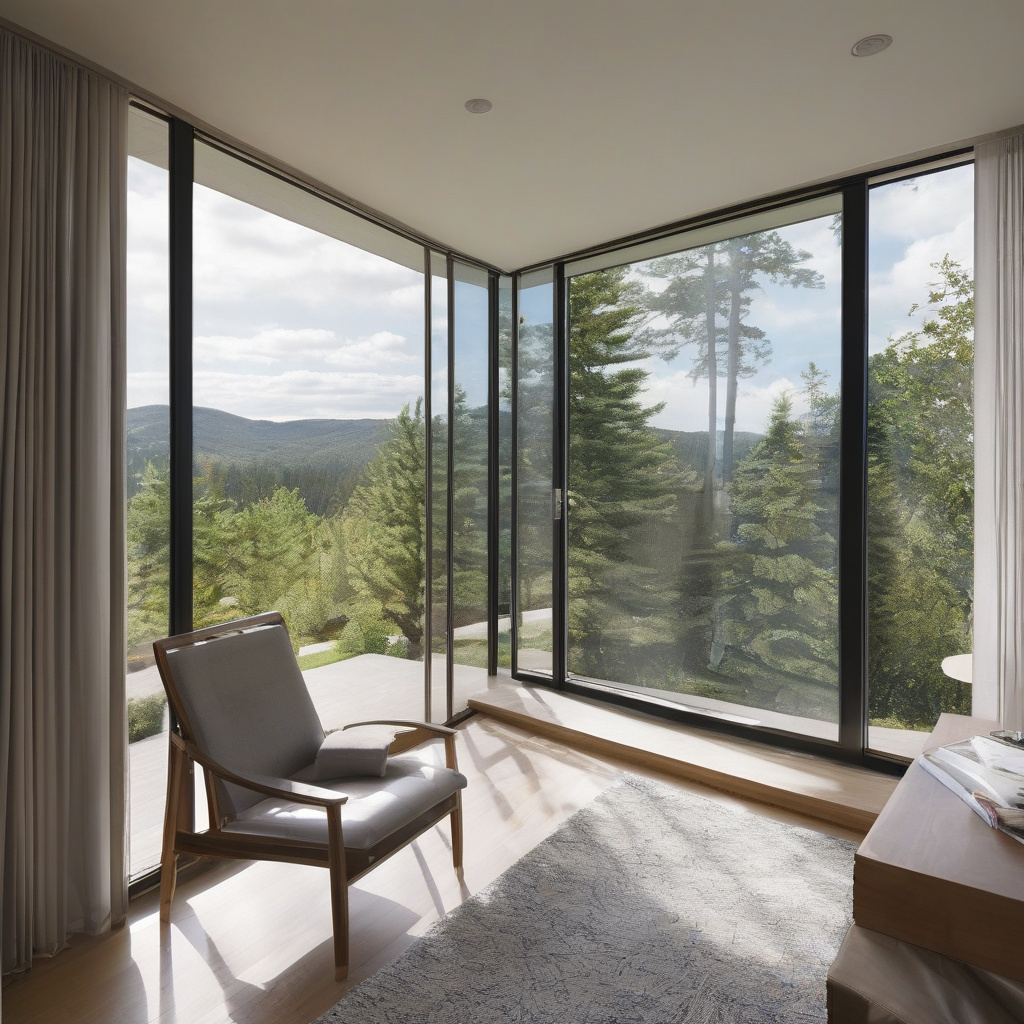
A mixed strategy may be reasonable across one home. A glazed entry door or concealed ground-floor opening may justify laminated glazing and upgraded locks, while sound upper-floor windows may receive film primarily for fragment retention. The selection should follow an opening-by-opening assessment rather than one material applied indiscriminately everywhere.
- Laminated glass usually provides the stronger integrated break-in-resistant glazing option.
- Security film is most practical when compatible existing windows should remain in place.
- Comparing film or interlayer thickness alone is a common specification mistake.
- Unknown glass, weak frames, and specific security claims require professional verification.
- Request test documentation for the complete proposed glazing and frame system.
Frequently Asked Questions
Is security film or laminated glass better for preventing a break-in?
Laminated glass is generally the stronger integrated glazing option because its interlayer is manufactured between glass plies. Security film can improve an existing pane’s fragment retention and may delay creation of an opening, particularly when paired with a suitable perimeter attachment. Neither option guarantees prevention. Compare tested systems that include the actual glass, attachment, frame, panel size, hardware, and attack method.
Does security window film stop glass from breaking?
Security film does not normally prevent the underlying glass from cracking under a sufficient impact. Its primary role is to bond broken fragments into a more coherent sheet. Whether that sheet remains secured in the opening depends partly on the edge treatment, frame, glazing engagement, glass type, and installation. Product claims should distinguish between holding broken pieces together and resisting removal from the frame.
Does security film need to be attached to the window frame?
For applications focused on forced-entry delay, a compatible perimeter attachment may materially improve the connection between the filmed glass and the frame. Film installed only on the pane can retain fragments while the broken sheet still pulls away at its edges. Attachment requirements vary by product and frame construction. Use the manufacturer’s tested details rather than substituting an ordinary sealant or improvised edge treatment.
Is all laminated glass considered security glass?
No. Laminated glass is a broad construction category used for several purposes, including safety glazing, sound reduction, ultraviolet control, severe-weather applications, and security. Forced-entry performance depends on the glass plies, interlayer material and thickness, panel size, frame, glazing method, and tested assembly. Ask for a specific product configuration and relevant test documentation rather than relying on the word “laminated” alone.
Can security film be installed on double-pane windows?
Some films can be installed on certain insulating glass units, but compatibility must be checked for the exact glass construction, coatings, pane dimensions, exposure, and film type. Applying an unsuitable product can affect thermal stress, seals, appearance, or warranty coverage. The installer should identify the glass and obtain a manufacturer-supported film recommendation instead of assuming that every double-pane window accepts the same security film.
Will laminated glass make a weak window frame secure?
No glazing material can compensate fully for a deteriorated or poorly anchored frame. An attacker may release glazing stops, pry an operable sash, defeat a lock, or displace the frame instead of clearing the glass. Laminated glazing should be paired with a frame, hardware, anchorage, and installation method appropriate to its weight and intended performance. The complete opening should be assessed before ordering replacement glass.
Can clear security film or laminated glass change a window’s appearance?
Both can remain visually subtle, but neither is automatically invisible in every condition. Film may introduce slight reflectivity, haze, edge gaps, or visible attachment sealant. Laminated glass may show minor optical differences related to its thickness and interlayer. Review full-size samples in daylight and after dark, and compare treated panes with adjacent untreated windows before approving a whole-home installation.
What documents should I request before choosing a window security product?
Request the exact product specification, installation instructions, compatible glass and frame conditions, relevant test reports, warranty terms, maintenance requirements, and a written description of the proposed attachment method. Test documentation should identify the specimen, dimensions, glass build-up, frame, impacts, tools, duration, and pass criteria. Avoid treating results from a different assembly as proof that your proposed residential window will perform identically.