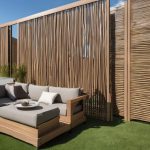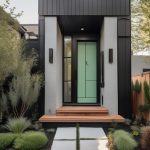
In the dynamic landscape of Southern California, where space is at a premium and innovation knows no bounds, the multi-use Accessory Dwelling Unit (ADU) is skyrocketing in popularity. Transforming from an office by day to a guest room by night, these ADUs are the epitome of modern minimalist living, maximizing functionality without sacrificing style.
Brief summary: This article explores the rise of multi-use ADU layouts in Southern California, focusing on their versatility as workspaces and guest accommodations. It delves into flooring choices that balance comfort with climate responsiveness and examines the costs and benefits of such renovations.
The Evolution of Multi-talented ADUs
Once merely an afterthought in backyard spaces, ADUs, referred to by many as granny flats or casitas, have transformed into architectural marvels of efficiency and design. The bustling cityscape of Los Angeles offers a fertile ground for these compact dwelling units, often a natural extension of a homeowner’s living quarters. Drawing from ingenious design principles and sustainable practices, multi-use ADUs cater perfectly to the Southern Californian lifestyle, where flexibility is king.
The trend towards multi-purpose ADU layouts isn’t surprising in a city where creativity meets practicality at every corner. According to a recent feature on local renovation practices, many Los Angeles homeowners have started to embrace the ADU as an exciting challenge, pushing the boundaries of how living spaces can function.
Southern Californians value versatility in their homes, responding to both the swirling demands of modern life and the pressing need to accommodate visiting friends and family. The concept of a space that serves as an office by day and guest room by night is an attractive solution for those with a creative bent looking to upgrade their properties without overspending.
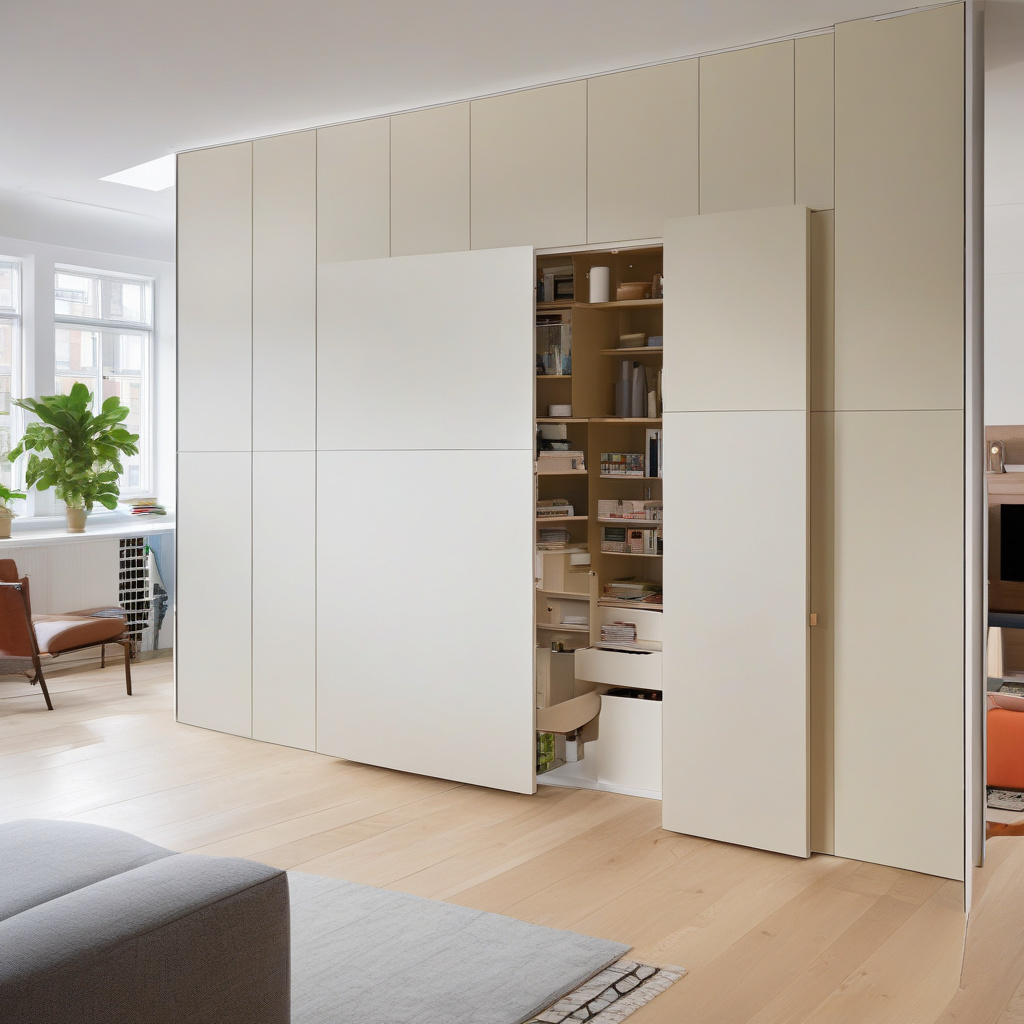
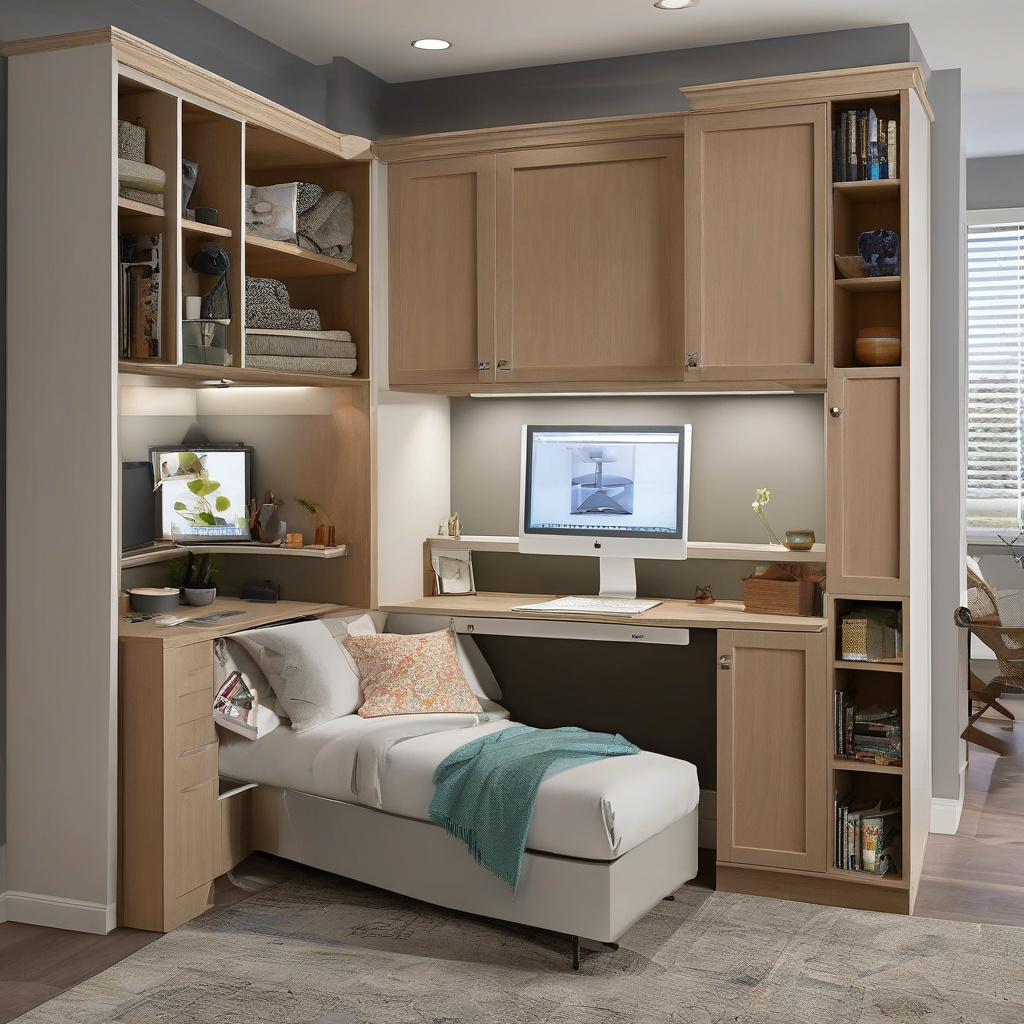
Such dual-use spaces are celebrated for their practical elegance. A morning’s productivity can seamlessly transition into a cozy evening with the right layout and furniture design. Minimalist furnishing with concealed storage solutions allows these ADUs to transition effortlessly between day and night modes, reflecting the adaptability of those who inhabit them.
The miniature yet grand design of these multi-use spaces clearly shows that size isn’t the only determinant of the home’s potential; it’s about creating areas that feel expansive due to their thoughtful construction. As Los Angeles pushes architectural boundaries, we see a new wave of ADU designs that are not only efficient but also aesthetically pleasing.
Flooring Choices for the SoCal Climate
In crafting a dual-functionality ADU, flooring becomes a key factor where style must meet substance. The sun-warmed temperament of Southern California demands flooring materials that keep interiors cool yet stylish—think durable tiles and polished concrete that exude sophistication. Every choice impacts comfort, durability, and, crucially, how the material responds to heat.
Within these projects, homeowners often lean towards materials that marry aesthetic appeal with climate suitability. For the eco-conscious, sustainably sourced bamboo provides vast stylistic options, while a cork installation offers warmth underfoot with a sustainable edge.
Exploring renovation expenses, it’s clear that while initial costs may seem daunting, the long-term benefits of climate-responsive flooring are worth the investment. Not only do they augment the property’s value, they also contribute to energy efficiency.
As temperatures rise, clever cooling solutions integrated with flooring choices are essential, ensuring spaces remain habitable through the SoCal summer’s peak. Maintenance simplicity is another pivotal factor—as anyone enduring the traffic-heavy rhythms of Los Angeles can attest, nobody has time to be troubled by cumbersome upkeep.
Owners often rave about the minimalist hues and earthward tones available, which effortlessly complement the region’s sun-drenched vibe. Ultimately, flooring materials serving dual purposes, like blending bohemian textures with modern ease, pave the way toward ADU success in LA.
Industry experts forecast a 20% increase in demand for versatile ADUs over the next decade, emphasizing their role in sustainable urban development.
Real-world Examples of Multi-use Transformation
Consider the case of a Silver Lake property where a backyard shed was reinvented into an ADU that seamlessly metamorphoses from a workspace into a haven for guests. This metamorphosis involved clever structural alterations and choice furnishings that speak volumes about the homeowner’s taste.
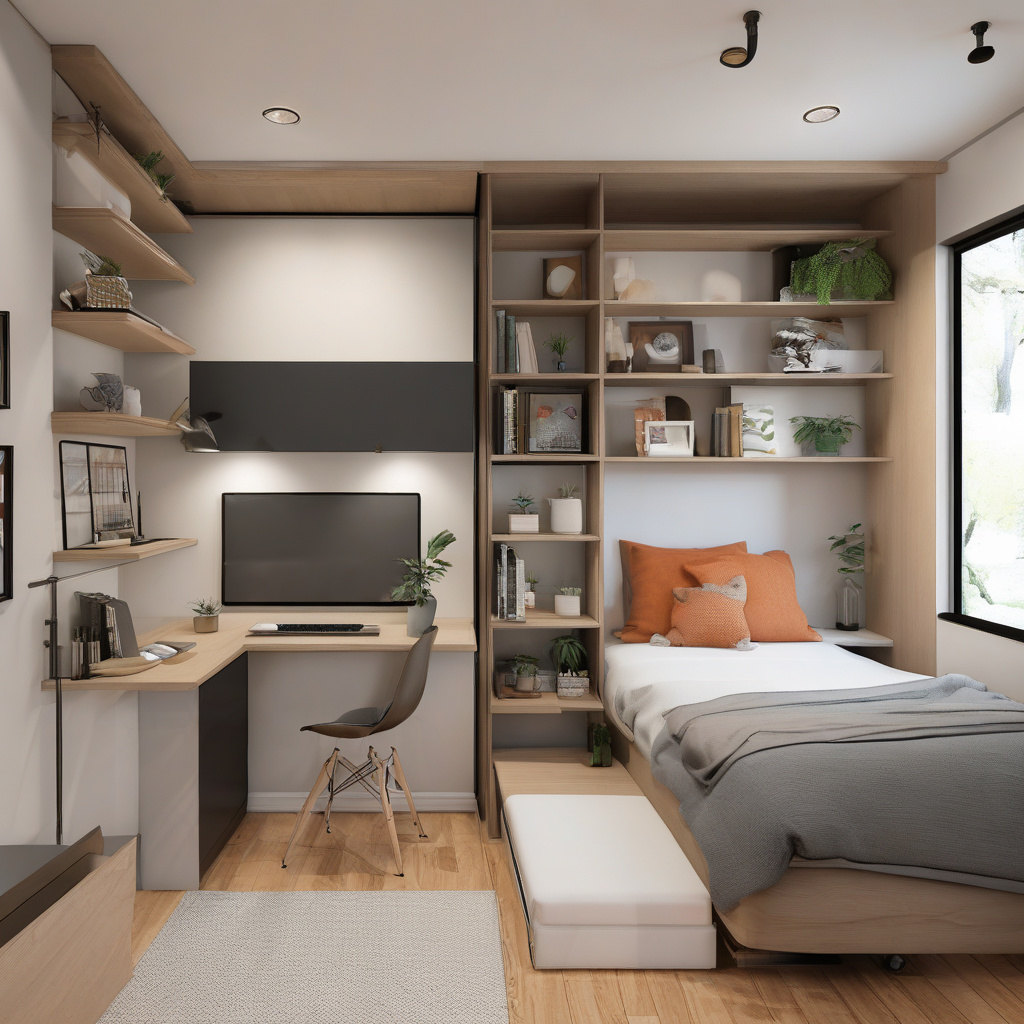
During daylight hours, the unit emits an air of professionalism, equipped with ample desk space, shelving, and strategic lighting that ensures productivity flows unimpeded. When the sun dips beneath the indigo horizon, the same zone flips into a cozy, inviting guest room, complete with convertible furniture and mood lighting.
Such living arrangements thrive under the guidance of creative homeowners and gifted architects, who understand the subtle dance between form and function. In fact, a feature on adaptive living spaces highlights how these adaptable setups represent the future of flexible living.
One local project recorded a 30% increase in property value post-renovation, a testament to the potential investment return. These units are profitable and practical, meeting the emergent demand for flexible housing solutions in tightly-packed urban environments.
From the financial dividends to the enhanced ease of daily life, many Los Angeles dwellers are finding that investing in a multi-tasking ADU pays dividends beyond their expectations.
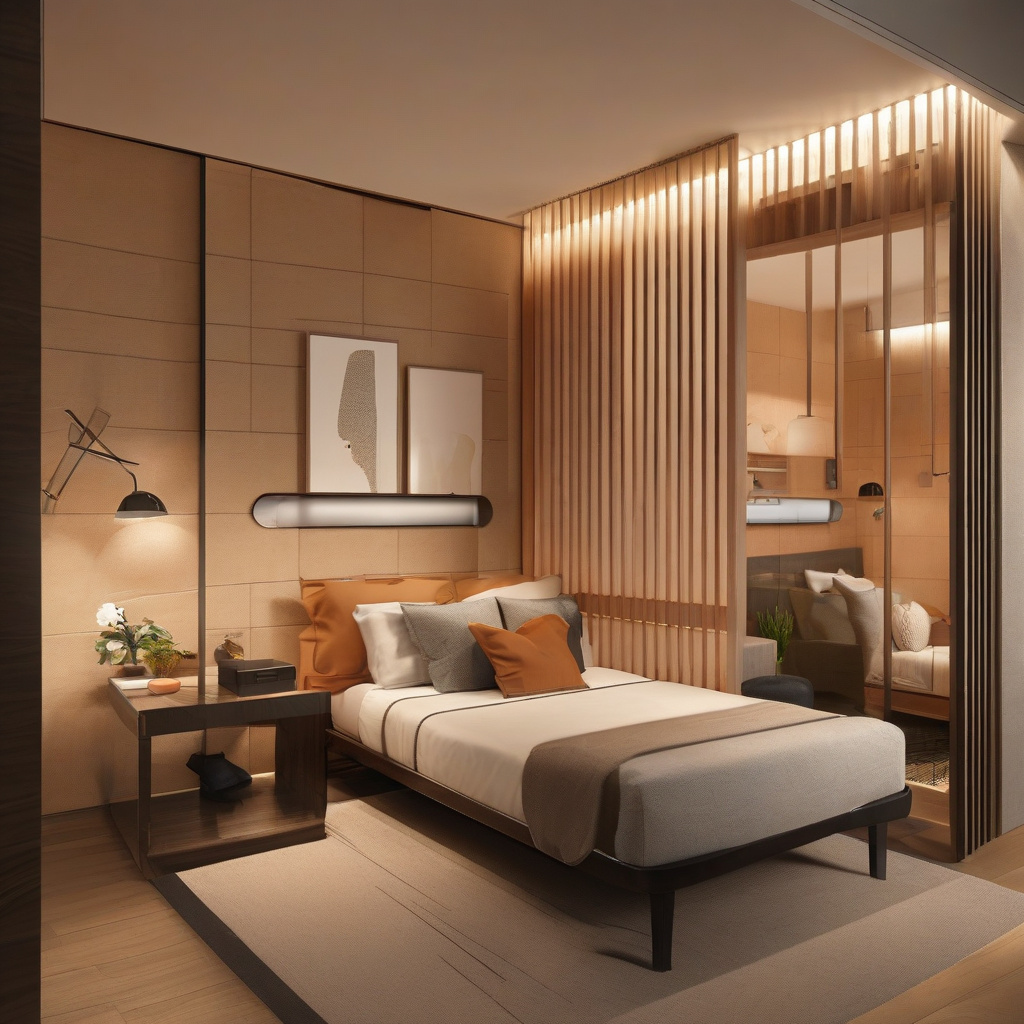
Comparing the Costs and Benefits of ADU Layouts
In evaluating potential investments, it’s vital to scrutinize both upfront expenses and long-term advantages. While the initial sticker shock of a deluxe ADU may deter some, the broad financial and lifestyle benefits often outweigh hesitation.
| Element | Basic ADU | Multi-use ADU |
|---|---|---|
| Approx. Cost | $100,000 | $150,000+ |
| Timeframe | 4-6 months | 6-8 months |
| Versatility | Limited | High |
The duality of these layouts sees a marked increase in usable space, lending weight to their more substantial upfront costs. Homeowners note increased property values and immeasurable lifestyle enhancements as critical advantages.
In speaking with developers across Southern California, many advocate for these renovations as forward-thinking investments in urban infrastructures. The lifeline of a future market increasingly demands sustainable and flexible housing solutions—something multi-use ADUs are perfectly poised to provide.
While investment costs may initially seem higher, the integration of dual-purpose features ultimately leads to long-term savings in a region known for its hefty real estate prices. These spaces offer the potential to not only save money but to generate revenue through rental possibilities or increased resale value.
A 50% cost recovery within three years is often achieved with multi-use ADU installations, reflecting both increasing local demand and rising property valuations.
Steps to Achieving an Efficient Multi-use Space
Embarking on the journey to create a multi-use ADU is a blend of vision and practicality. The following distilled steps create a framework for approaching such projects:
Step 1: Understanding the Area
A thorough assessment of the space helps identify potential opportunities and constraints. This includes zoning laws, utility access, and sunlight patterns—crucial factors in how effectively an ADU can be adapted.
Step 2: Design and Planning
Working closely with an architect ensures that both the utility and aesthetics are amply provided for. Diverse layouts must be meticulously planned from the ground up to accommodate day-to-night transformations.
Step 3: Material Selection
Selecting the right materials is imperative to the project’s success. As discussed, climate-appropriate materials balance comfort with sustainability—a considerable concern for those in balmy Los Angeles. Consulting reports such as a local soils report can inform choices that affect both cost and durability.
There’s also the question of equipment: choosing furniture pieces that straddle both functional and aesthetic lines is vital for seamless usability. The modular furniture market offers countless options that cater specifically to multi-use spaces.
Research indicates that responsive ADU designs can reduce energy expenditures by up to 30%, highlighting their broad environmental and financial benefits.
The Future of ADUs in Southern California
The horizon looks promising for ADUs in Los Angeles and beyond as they carry the promise of a life where every square foot contributes to happiness and financial gain. As urban landscapes grow more crowded, efficient utilization of available space has never been more crucial.
Tapping into this potential means embracing a future where form follows function, creating homes that adjust as seamlessly as the day turns to night. For residents looking to move beyond standard living quarters, an ADU intervention provides resounding benefits.
Endowed with functionality, flair, and foresight, these small structures are giant strides towards a more sustainable, flexible future in housing. As the shift towards compact, efficient living gains momentum, homeowners have a role to play in leading LA’s architectural narrative forward.
Despite their small size, these impeccably devised spaces are powerful testaments to the art of maximizing utility, a goal increasingly championed by both homeowners and cities. By harnessing the potential of ADUs, Southern Californians are crafting more customized, lucrative living experiences.
- Multi-use ADUs are becoming a staple in Southern California real estate.
- Flooring materials balance comfort and climate responsiveness.
- Renovation costs may be high, but long-term benefits justify the investment.
- Step-by-step guides streamline planning and implementation.
- Future trends point towards sustainable, modern living solutions.
“`html
FAQ
What are multi-use ADU layouts and why are they popular in Southern California?
In the charming, sun-soaked neighborhoods of Southern California, flexibility in home design is highly valued, which is where multi-use ADU layouts come into play. These accessory dwelling units serve multiple functions, seamlessly transitioning from an office space during daylight hours to a cozy guest room come nightfall. Many experts highlight how homeowners are capitalizing on this trend, driven by the rise in remote work and the need for adaptable spaces that blend personal and professional life. The key to their popularity lies not only in spatial efficiency but also in addressing the dynamic lifestyle needs that Californian living entails.
How should homeowners approach flooring choices for an ADU in Southern California?
Selecting flooring for an ADU in Southern California can seem daunting, but realistically, it boils down to balancing aesthetics with practicality. In real renovation scenarios, homeowners often prioritize materials like engineered hardwood or luxury vinyl planks, which accommodate the region’s warm climate while offering a sleek appearance. These materials are renowned for their durability and temperature resilience, crucial in handling both the coastal heat and the occasional moisture from ocean breezes. Many contractors suggest avoiding carpet in these spaces, which can trap heat and odors, thus compromising indoor air quality in the long term.
What common mistakes do homeowners make when designing multi-use ADU spaces?
In the pursuit of maximizing every square inch, homeowners frequently underestimate the importance of storage solutions. Practically speaking, a multi-use ADU thrives on smart, hidden storage that doesn’t sacrifice style for functionality. Many who skip this step find themselves struggling to maintain tidiness, especially when the ADU transitions between uses. Experts strongly advise incorporating built-in shelving and multifunctional furniture like Murphy beds or benches with under-seat storage to ensure the space remains clutter-free and adaptable.
Are there cost considerations specific to multi-use ADUs in this region?
When addressing the budget for a multi-use ADU in Southern California, it’s essential to factor in both quality and sustainability. Real-life projects frequently reveal that while initial costs for durable materials like bamboo flooring or energy-efficient windows are higher, they often pay off in reduced maintenance and utilities over time. Moreover, these environmentally friendly choices align well with California’s energy codes, providing additional incentives through possible tax rebates. However, it’s critical that homeowners work with trusted local contractors who understand regional nuances and pricing to avoid unnecessary overruns.
What are the pros and cons of installing an ADU in Southern California?
In the context of Southern California’s real estate market, ADUs present a compelling opportunity for adding property value and providing housing flexibility. The advantages include potential rental income and suitability for housing elderly family members, enabling multigenerational living arrangements. However, cons often include navigating stringent zoning laws and the complexity of construction logistics. The initial investment can be substantial, and in some cases, permits can take longer than anticipated. Despite these challenges, many homeowners find the benefits outweigh the drawbacks, particularly in high-demand housing areas.
When does it make sense to opt for a multi-use layout instead of separate spaces?
Choosing a multi-use layout for an ADU is particularly sensible for homeowners with limited space but significant flexibility needs. This approach serves those who want a dynamic area adaptable to various functions without extensive square footage. In homes where space is at a premium, designs featuring versatile furniture like fold-away desks or convertible futons are invaluable. Such layouts can seamlessly accommodate both daily work activities and overnight guests, proving especially advantageous in bustling urban areas where every inch matters.
How can homeowners ensure their ADU flooring choices respond well to the local climate?
Homeowners often face the challenge of selecting flooring that withstands Southern California’s temperature fluctuations. Practically, this means investing in materials that resist warping and fading under intense sun. Laminate and ceramic tiles often come up in expert recommendations due to their durability and low maintenance, making them ideal for such climates. It’s crucial to consider finishes that are UV-resistant and designed for high-traffic conditions to maintain visual appeal over time. Consulting local flooring specialists who understand the regional weather patterns can significantly impact the longevity of your choice. For more tailored advice, it might be helpful to connect with knowledgeable professionals through regional renovation consultation services.
What are some maintenance specifics homeowners should know about ADU flooring?
Maintenance of ADU flooring, especially in versatile layouts, comes down to regular care and understanding the properties of your chosen materials. In reality, materials like vinyl or tile demand little more than regular sweeping and the occasional mopping with non-abrasive cleaners. However, hardwood options require more attention, including periodic refinishing to protect against wear and scratches. A common oversight is neglecting moisture control, which can lead to long-term damage. Homeowners are advised to install proper ventilation systems and regularly check for leaks to prevent issues like warping or mold growth.
“`