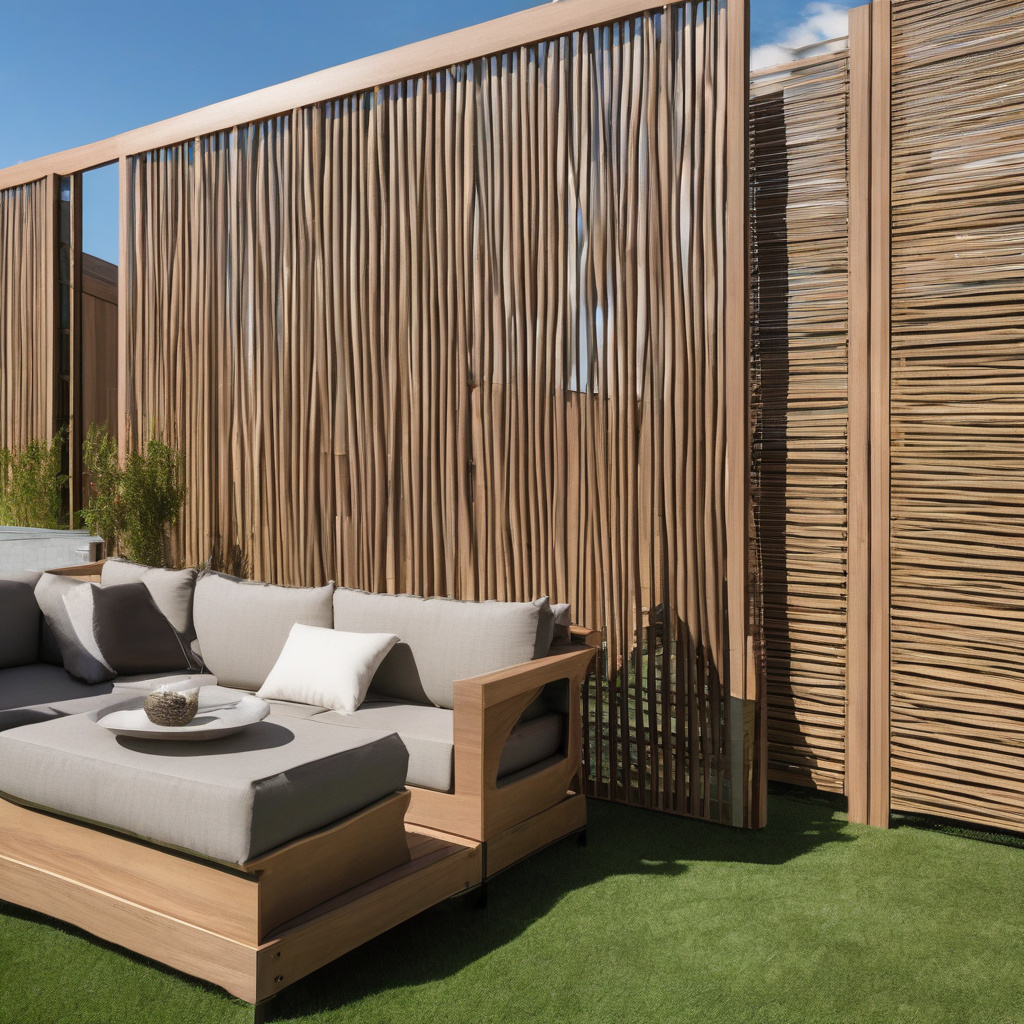
The quest for sustainable living has steadily gained ground, particularly in the realm of home renovation. Green decks, built using recycled materials with eco-friendly finishes, are leading this transformational shift. The sunny, sprawling patios of Los Angeles provide an ideal canvas for such environmentally conscious endeavors, melding sustainability with style and durability. As homeowners across Southern California seek ways to minimize their environmental footprint, a green deck offers a compelling solution.
Brief summary: Incorporating green deck ideas into home renovations in Los Angeles blends sustainability with modern design. Recycled materials, low-VOC finishes, and eco-friendly construction practice minimize environmental impact without sacrificing aesthetics or longevity. This trend offers a blueprint for eco-conscious living in Southern California.
Embracing Sustainable Deck Designs
Sustainability is not just a buzzword; it’s a way of life for many Angelenos. From Silver Lake to Santa Monica, homeowners are opting for green deck designs that combine recycled materials with modern chic. The use of reclaimed wood and composite materials made from recycled plastics creates decks that are not only environmentally responsible but also enduring. As many Los Angeles residents are aware, eco-friendly construction can significantly boost a property’s aesthetic appeal and market value.
Green enthusiasts often choose these materials because they reduce the need for virgin wood, which in turn helps lower deforestation rates—a small yet impactful step towards environmental conservation. Moreover, composite boards prove to be incredibly resilient against the harsh California sun, ensuring the longevity of the deck.
Another enticing feature of recycled materials is their reduced requirement for maintenance. The durable surfaces resist the wear and tear caused by frequent use, rainfall, and frequent temperature fluctuations. This not only saves homeowners time but also reduces the number of resources spent on upkeep.
In conclusion, sustainable deck designs offer tangible benefits, from lowering one’s carbon footprint to increasing home value through eco-friendly investments.
Eco-Friendly Finishes: The Final Touch
The journey to creating a green deck does not end with selecting sustainable materials. The choice of finishes is equally crucial in ensuring the deck remains environmentally friendly. Low-volatile organic compounds (VOC) finishes are favored by sustainable builders due to their low impact on air quality.
Low-VOC products have become more prevalent as awareness of their benefits spreads. Unlike traditional finishes, they release fewer chemicals into the air. This not only promotes a healthier environment for homeowners but also ensures compliance with local environmental regulations.
Moreover, the application process of these finishes is relatively straightforward and can be a DIY project for those team-spirited enough to take on home improvement tasks. Many green deck designs select finishes that are water-based, reducing the ecological impact further and making future cleaning endeavors breeze.
Ultimately, choosing eco-friendly finishes is a decision that benefits both the environment and those who enjoy spending time on a deck that truly reflects their green values.
In a recent study, the market for low-VOC coatings is expected to grow significantly over the next decade, underscoring a shift towards sustainable alternatives.
Planning for Precision: Layouts and Choices
When creating an eco-friendly deck, planning is critical. Homeowners must consider not just materials and finishes, but also the layout and structural choices. In areas like Los Angeles, where outdoor space is a premium, efficient use of area without compromising aesthetics is key.
Options like adjustable framing systems provide flexibility and sustainable timber choices allow for unique layout designs. For those interested in expanding their outdoor living space with environmentally friendly structures, comparing modern canopies versus traditional pergolas offers valuable insights into what best fits their vision and environmental ethos.
Sustainable framing solutions are not only environmentally beneficial but also incredibly durable. They provide the necessary strength and stability required to ensure the longevity of the green deck, which in turn maximizes the return on investment.
Conclusively, a well-planned green deck can become the centerpiece of a household’s push towards sustainability, offering practicality and beauty in equal measure.
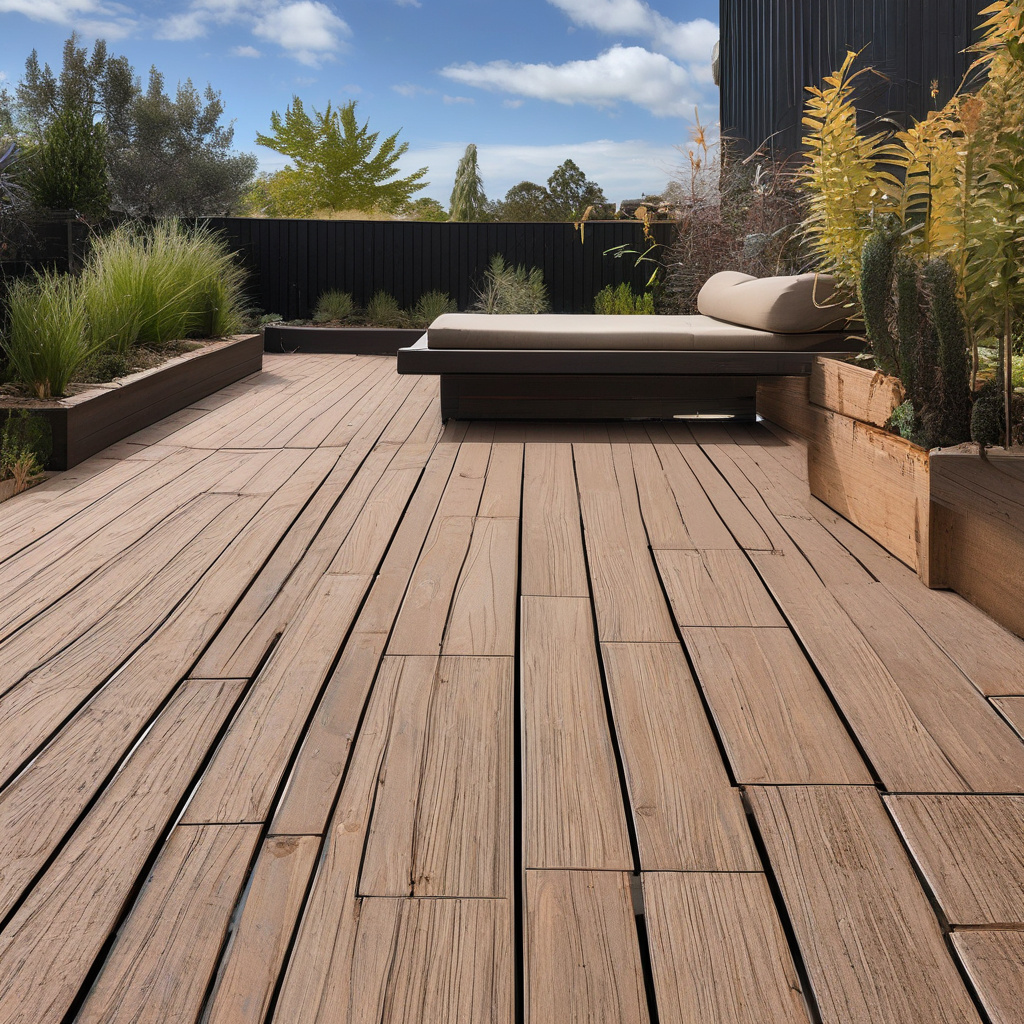
Comparing Renovation Options
When considering a green deck renovation, it’s essential to weigh the costs, materials, and benefits associated with each option. Home renovation projects in Los Angeles can vary significantly in terms of pricing and execution timeline. Let’s explore these elements in detail.
| Material | Approx. Cost | Longevity | Maintenance |
|---|---|---|---|
| Recycled Composite | $45 – $60 per sq ft | 20-30 years | Low |
| Reclaimed Wood | $30 – $50 per sq ft | 15-20 years | Medium |
| Bamboo | $20 – $35 per sq ft | 10-15 years | High |
Choices depend largely on personal preference, budget, and specific environmental commitments. While materials like composite boards offer longevity and low maintenance, others like bamboo might appeal to those who prioritize natural aesthetics despite the requirement for more frequent upkeep.
Ultimately, the right choice could be pivotal in creating a deck that not only complements a home’s aesthetics but also respects environmental limits.
According to industry experts, investing in quality materials can lead to long-term savings on repairs and replacements.
Story of a Minimalist Deck
As Catherine, a homeowner in Beverly Hills discovered, embracing minimalism can also mean embracing greener living. Determined to reflect her modern lifestyle choices, Catherine turned to simple yet refined deck designs. Her preference for clean lines and sustainable materials led her to a deck that was as aesthetically pleasing as it was eco-conscious.
Opting for reclaimed wood and low-VOC finishes, her minimalist deck became an extension of her living room, offering a quiet retreat amidst the bustling city. As local families continue to adopt minimalist trends, they often find themselves gravitating towards the green deck for its simplistically elegant appeal and reduced environmental impact.
In Catherine’s case, the simple design not only redefined her backyard’s aesthetic but also offered a platform for social gatherings that felt intimate and connected to nature. As these designs grow in popularity, they prove that less truly can be more.
In brief, minimalist green decks represent the intersection of style, simplicity, and sustainability, allowing homeowners to harmonize modern living with nature-friendly practices.
Protect and Preserve: Maintaining Your Green Deck
The work doesn’t stop once your deck is built. Protecting your investment is crucial to ensure its longevity, especially in the face of pests that abound in Southern California. Techniques from simple routine cleanings to more advanced preventive measures can save much hassle in the long run.
Starting with regular sweeping and gentle washing can help maintain the deck’s appearance. For those keen on added protection, sealants specific to recycled or natural wood can ward off the persistent Southern Californian sun and rain.
Several resources are available for homeowners wanting to safeguard against pest intrusion, from natural deterrents to innovative pest control methods. Effective maintenance does not require harsh chemicals and can often be accomplished using eco-friendly solutions that align with the initial green deck ethos.
Ultimately, by prioritizing protection and preservation, homeowners can ensure their decks remain as beautiful and functional years down the line as they were on the first day of completion.
A national survey indicated that regular maintenance prolongs deck life by up to 15 years, underscoring its importance in preserving value.
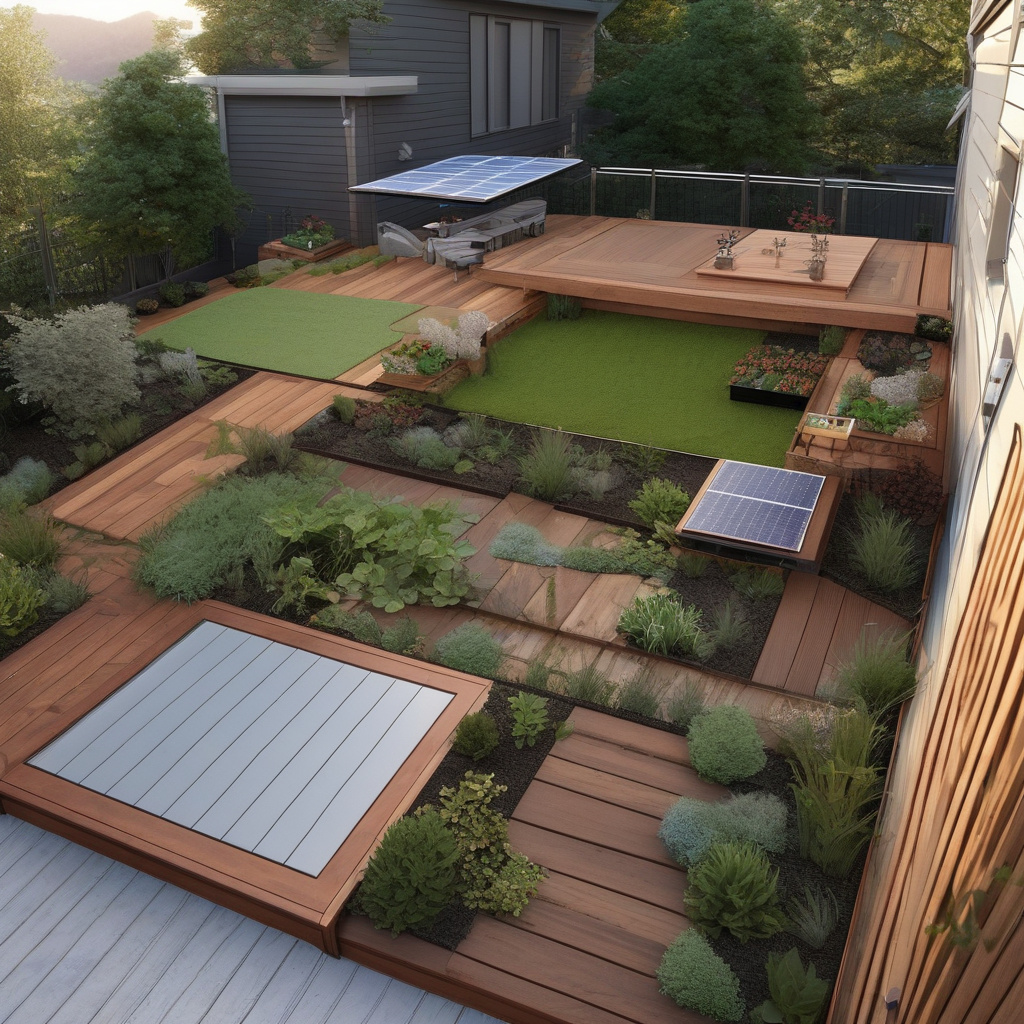
- Green decks offer eco-friendly alternatives with recycled materials and sustainable choices.
- Opting for low-VOC finishes can enhance environmental benefits while maintaining a healthy living space.
- Wise layout planning and material selection make the most of your outdoor space.
- Minimalist deck designs combine modern aesthetics with sustainable practices.
- Regular maintenance, including pest protection strategies, extends the life of your deck.
“`html
FAQ
What are green deck ideas?
Green deck ideas revolve around using environmentally conscious materials and methods to build decks that are not only durable but also have a lower impact on the environment. This includes utilizing recycled materials like composite boards made of plastic waste and wood fibers, opting for low-VOC finishes to promote cleaner air, and choosing sustainable lumber for framing. In real renovation projects, it often becomes clear that these choices help reduce waste and promote long-term solutions, aligning with eco-friendly living trends. Homeowners should consider these innovative options when looking to minimize their carbon footprint without sacrificing quality or aesthetics.
How do I choose the best recycled materials for my deck?
Choosing the best recycled materials for your deck involves evaluating several factors such as durability, weather resistance, and maintenance needs. Many experts point out that composite decking made from recycled plastics and wood fibers offers excellent longevity and resistance to California’s diverse weather conditions. Understanding that not all composites are created equal, homeowners frequently underestimate the importance of researching product reviews and manufacturers’ eco-certifications. Practical tips include speaking with local suppliers about the environmental benefits of each material choice and considering how they blend with existing home aesthetics. Visiting remodeling forums or reaching out to professionals can also provide valuable insights.
When does it make sense to use eco-friendly finishes?
Using eco-friendly finishes makes sense during any deck renovation or construction project aimed at reducing indoor and outdoor air pollution. Low-VOC finishes, for example, help minimize harmful emissions, which is crucial for homes where ventilation might be limited. In newer builds or older properties undergoing renovation, choosing these finishes can not only protect the environment but also the health of residents. Many homeowners prefer eco-friendly finishes to traditional ones, especially in areas like California where air quality is a significant concern. Thus, incorporating these finishes becomes particularly beneficial in urban environments with higher pollution levels.
What are the typical mistakes homeowners make with sustainable framing choices?
One common mistake is assuming all sustainably labeled wood is the same. In real renovation experiences, it’s evident that not verifying certifications or understanding the differences between sustainably harvested lumber and reclaimed wood can lead to choices that don’t meet eco-friendly goals. Homeowners often overlook the importance of researching the source of materials, believing all “green” options are equally beneficial. To avoid these pitfalls, homeowners should delve into product details, questioning suppliers about the lumber’s origin and certification standards like FSC. A practical tip is to balance aesthetics with sustainability, ensuring the chosen materials complement home designs while meeting environmental standards.
What are the cost considerations when opting for a green deck?
The cost of building a green deck can vary significantly depending on materials and finishes. While recycled composite boards and sustainable lumber often cost more upfront than traditional options, many experts emphasize the long-term savings due to reduced maintenance and replacement needs. Hidden costs may include specialized installation or finish applications required for certain eco-friendly products. Homeowners should carefully budget for these aspects. However, the investment can pay off by adding value to a property and aligning with growing consumer preference for sustainable homes. It’s wise to get multiple quotes and detailed cost breakdowns from contractors to ensure alignment with financial expectations and sustainable goals.
What are the pros and cons of using low-VOC finishes?
Low-VOC finishes offer several advantages, like reducing harmful indoor air pollutants, which is a big win for health-conscious families. They’re also easier on the environment and often comply with strict environmental regulations. However, some homeowners find these finishes might cost more or offer a narrower selection than conventional ones. In practical scenarios, properly applied low-VOC finishes perform comparably to their traditional counterparts, but you must ensure the correct application process to avoid durability issues. A solid understanding of product labels and consultations with renovation experts can mitigate some cons, leading to a safer and more sustainable home environment.
How can I maintain my environmentally friendly deck?
Maintaining an environmentally friendly deck entails regular cleaning with non-toxic solutions and periodic inspections for wear and tear. Real-life renovation tips include using a soft brush to remove dirt and debris and avoiding harsh chemicals that could degrade the eco-friendly materials. Many experts advocate for seasonal checks on sustainable lumber framing to ensure it retains its structural integrity over time. Treatment with appropriate low-VOC sealants can prolong the deck’s life while maintaining its eco-conscious profile. It’s essential to follow manufacturer guidelines for care routines, as each material might require specific maintenance steps to stay robust and green.
Are there any risks associated with using recycled materials for decking?
While recycled materials like composites offer environmental benefits, they are not without potential drawbacks. Some concerns include variability in product quality and the potential for fading or damage due to prolonged exposure to sun and weather. Homeowners should understand the need for rigorous assessment of local climate conditions and exposure levels when choosing materials. In scenarios where information seems scarce, turning to experienced builders or reaching out for specialized guidance can mitigate risks. It’s crucial to weigh these considerations alongside eco-friendliness to arrive at a balanced decking solution that serves both style and sustainability goals.
“`